How to Pound Chicken Breasts for Even Cooking and Tender Results

featured 102558

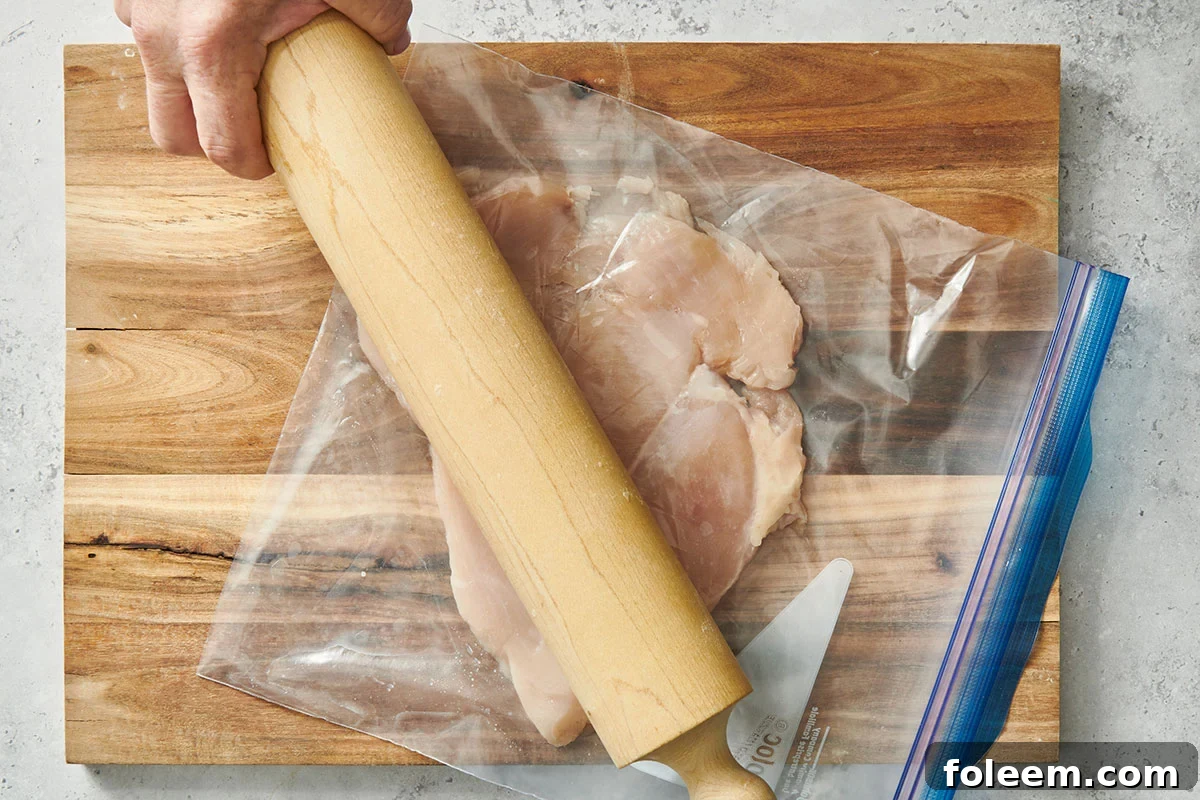
When a recipe says to “pound chicken breasts,” it simply means flattening thick breasts into thinner, even cutlets by gently striking them with a heavy, sturdy tool. Common tools include a meat mallet, a rolling pin, or a small heavy skillet. Pounded chicken cooks faster and more evenly than thick breasts and often has a … Read more

Creative Uses for Leftover Tomato Paste: Recipes & Storage Tips

featured 22563

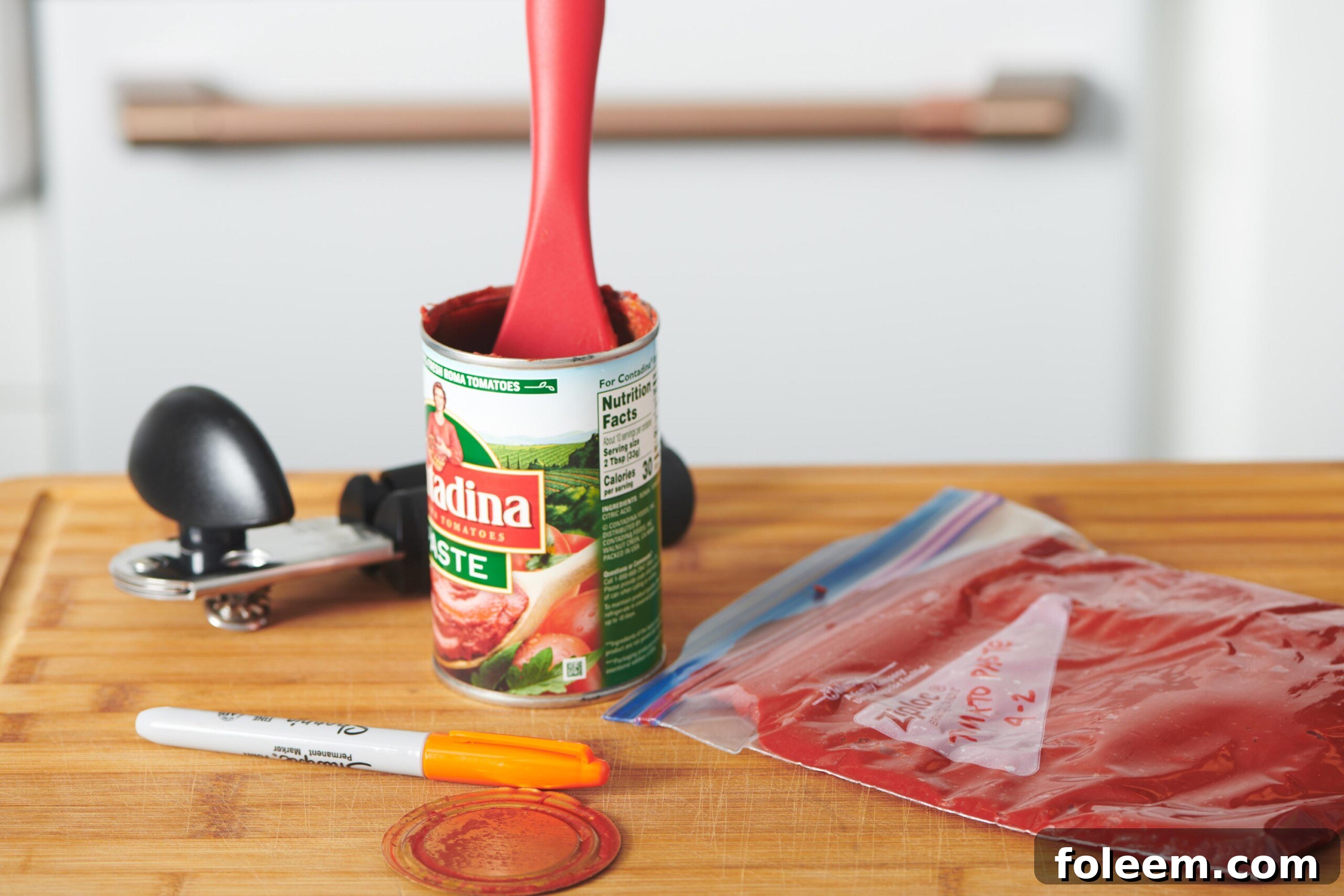
Best Way to Store Tomato Paste It’s frustrating when a recipe calls for only a few tablespoons of tomato paste and you’re left with the rest of the can. Often it gets tucked into the back of the fridge under plastic wrap and forgotten until mold appears. Fortunately, saving leftover tomato paste is easy and … Read more

Cabbage Recipes: Simple Techniques for Flavorful Dishes

featured 25384

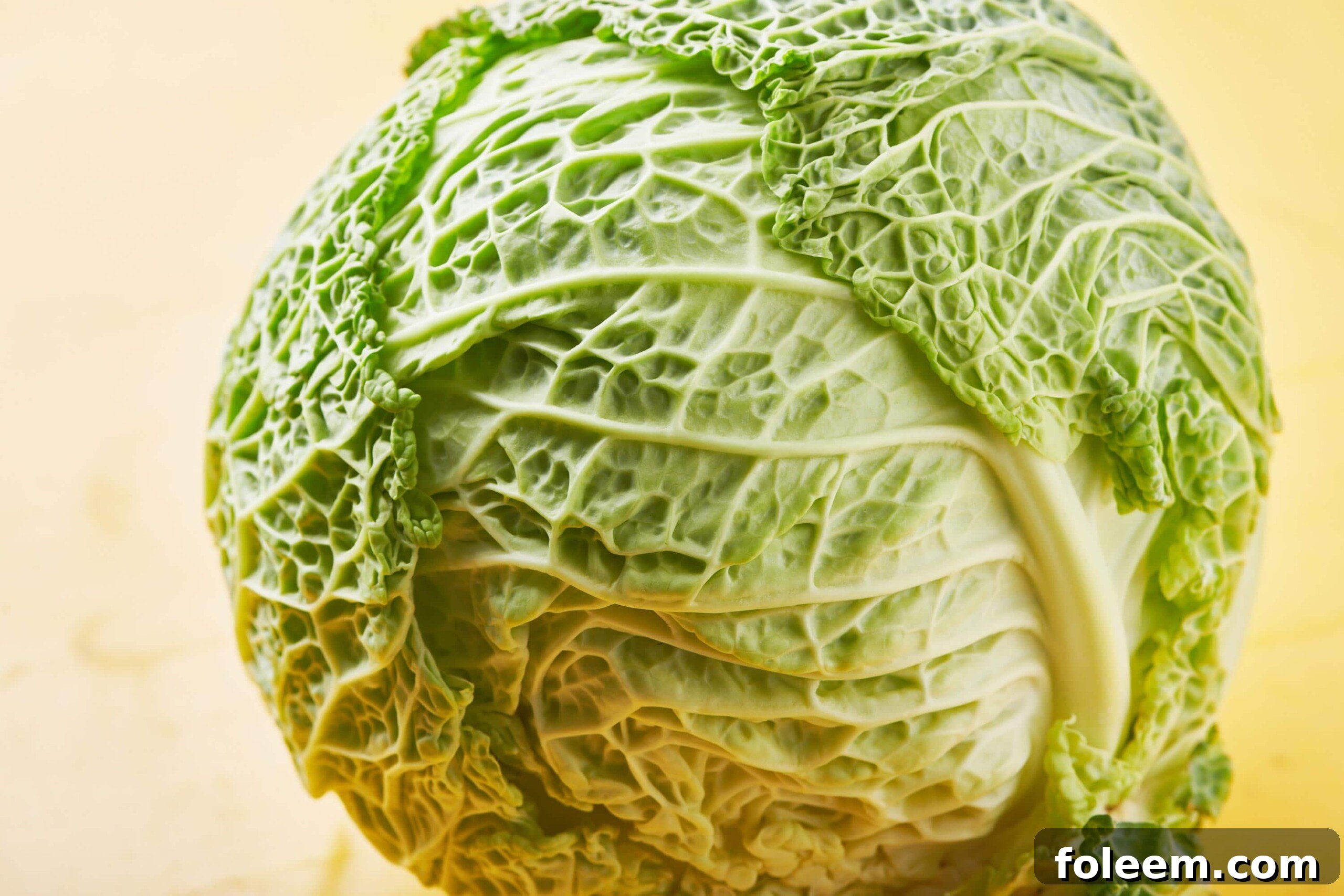
Cabbage — a humble, dense, and long-respected vegetable — is finally getting the attention it deserves. Once overlooked because it was abundant and inexpensive, cabbage is being celebrated for its versatility, flavor, and nutrition. Valued for its long shelf life and hardiness, cabbage can be eaten raw, pickled, grilled, roasted, braised, sautéed, or used in … Read more

How and Why to Salt Eggplant for Better Texture and Flavor

featured 119004

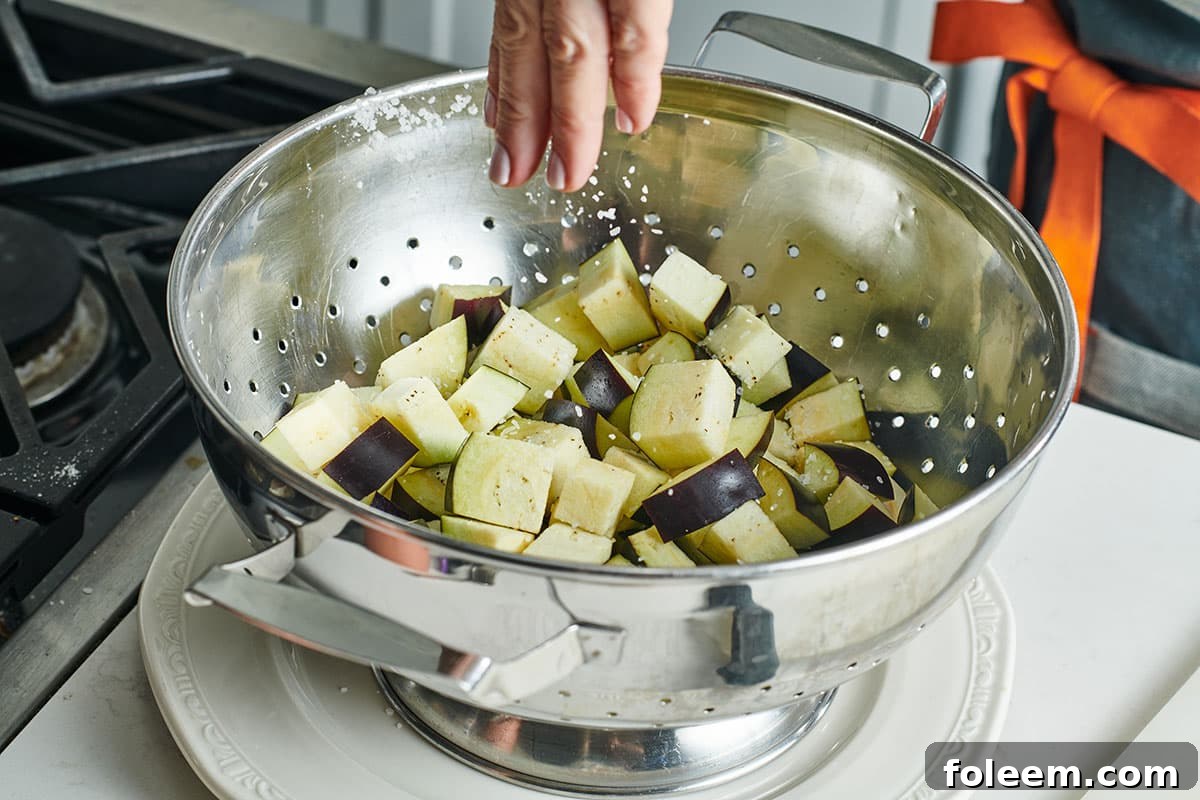
Salting eggplant is a frequently debated step in cooking: is it necessary, does it change the result, and is it worth the time? The short answer is: it depends on the dish. For preparations where texture and oil absorption matter — frying, pan-searing, or making Eggplant Parmesan — salting can transform the vegetable. Kosher or … Read more

How to Cook Hearts of Palm: Simple Recipes & Techniques

featured 17190

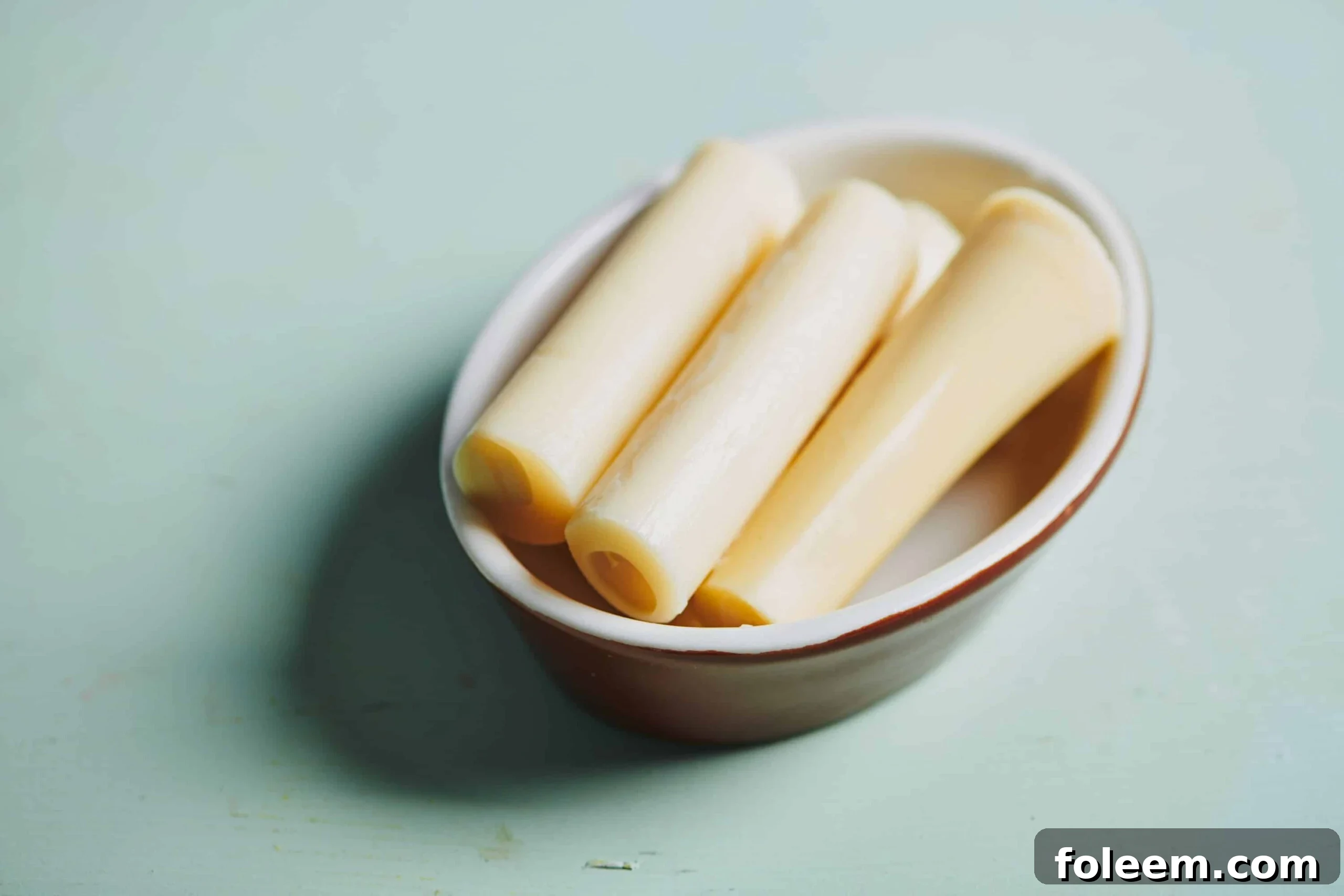
Hearts of palm offer a pleasing texture that balances tenderness with a slight crunch. Their mild flavor is often compared to artichoke hearts but is more delicate. When packed in jars or cans, they sit in a brine that reinforces that artichoke-like association. Visually, hearts of palm resemble thick, white asparagus stalks without the tips. … Read more

Creative Uses for Leftover Canned Pumpkin: 12 Delicious Ideas

featured 21422

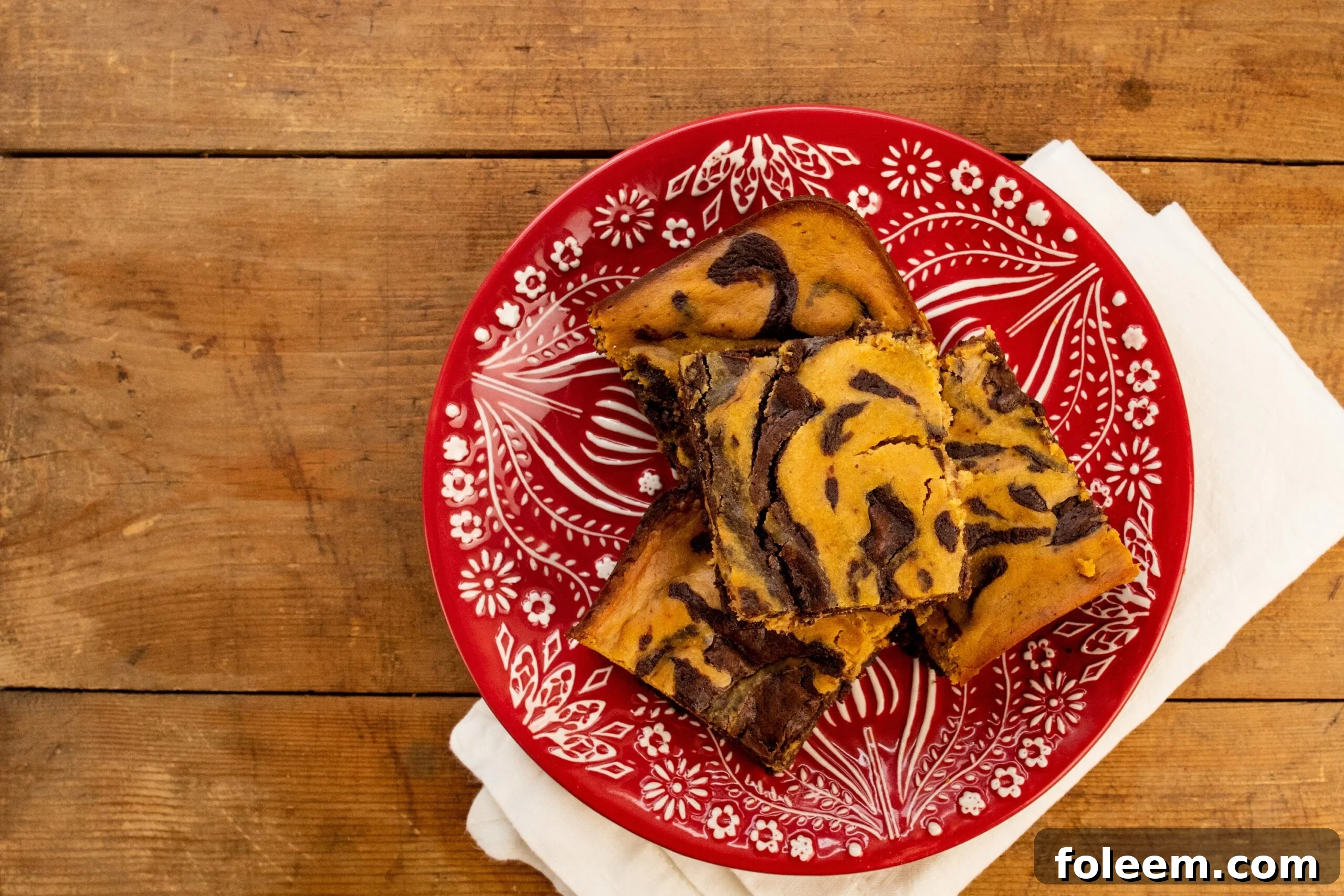
Canned pureed pumpkin is one of those pantry heroes: a single-ingredient product (just check the label to avoid pumpkin pie filling, which contains spices and sometimes sugar) that saves time and opens up many recipe possibilities. Using canned pumpkin eliminates the work of roasting and pureeing fresh pumpkin, which is delicious but time-consuming. A can … Read more

11 Chili Recipes Perfect for Big-Batch Cooking and Freezing

featured 24473

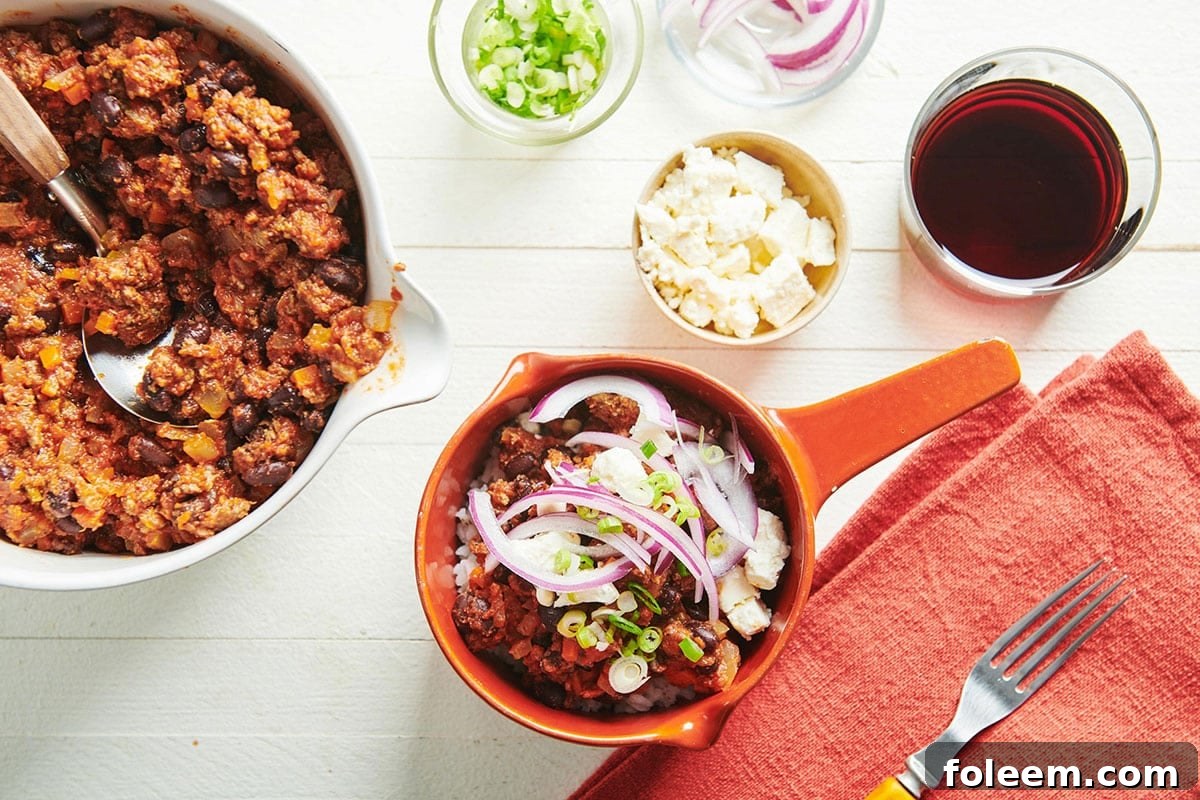
If you want simple, cozy dinners that store and reheat well, this roundup of big-batch chili recipes is perfect. It includes classic beef and turkey chilis, vegetarian and Instant Pot options, and several white chicken and barbacoa-style chilis. Each recipe is hearty, full of flavor, and designed to be freezer-friendly so you can cook once … Read more

Leftover Pesto Recipes: Delicious Ways to Use Every Spoonful

featured 15772

That jar of pesto sitting in the fridge doesn’t have to be overlooked. Whether it’s homemade or store-bought, pesto is intense, garlicky, herb-scented, and cheesy — and it deserves to be used. If you often end up with extra pesto after making a recipe, don’t toss it. This bright green sauce can transform many dishes … Read more

How to Tell If an Egg Is Bad: 5 Simple Tests You Can Do at Home

featured 84981

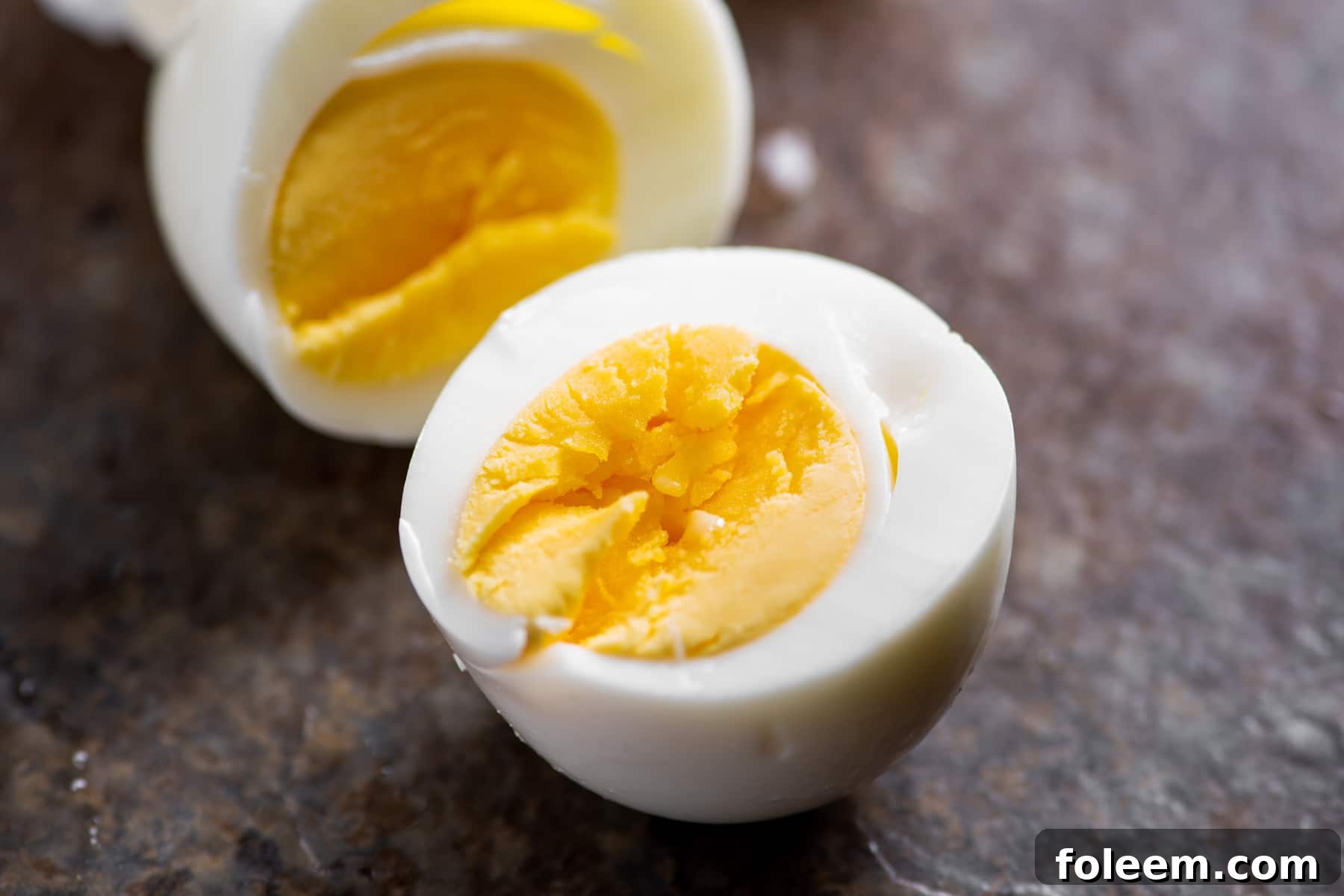
Not sure whether your eggs are still good? You can use simple at-home checks like the water “float test” to tell if eggs are fresh without cracking them open. Authorities recommend keeping eggs in their original carton on a refrigerator shelf (not the door) and storing them at 45°F (7°C) or below. Many eggs remain … Read more

Cooking Treviso Radicchio: Recipes and Tips for Perfectly Bitter Greens

featured 46159

What is Treviso Radicchio? Treviso radicchio is a mild variety of radicchio notable for its deep purple leaves, elongated shape and tapered, torpedo-like form. Compared with other radicchios, Treviso is narrower and longer. Native to northern Italy, it is a staple in Italian cuisine. Raw leaves are relatively firm, but Treviso softens and develops new … Read more