How to Cook Hearts of Palm: Simple Recipes & Techniques
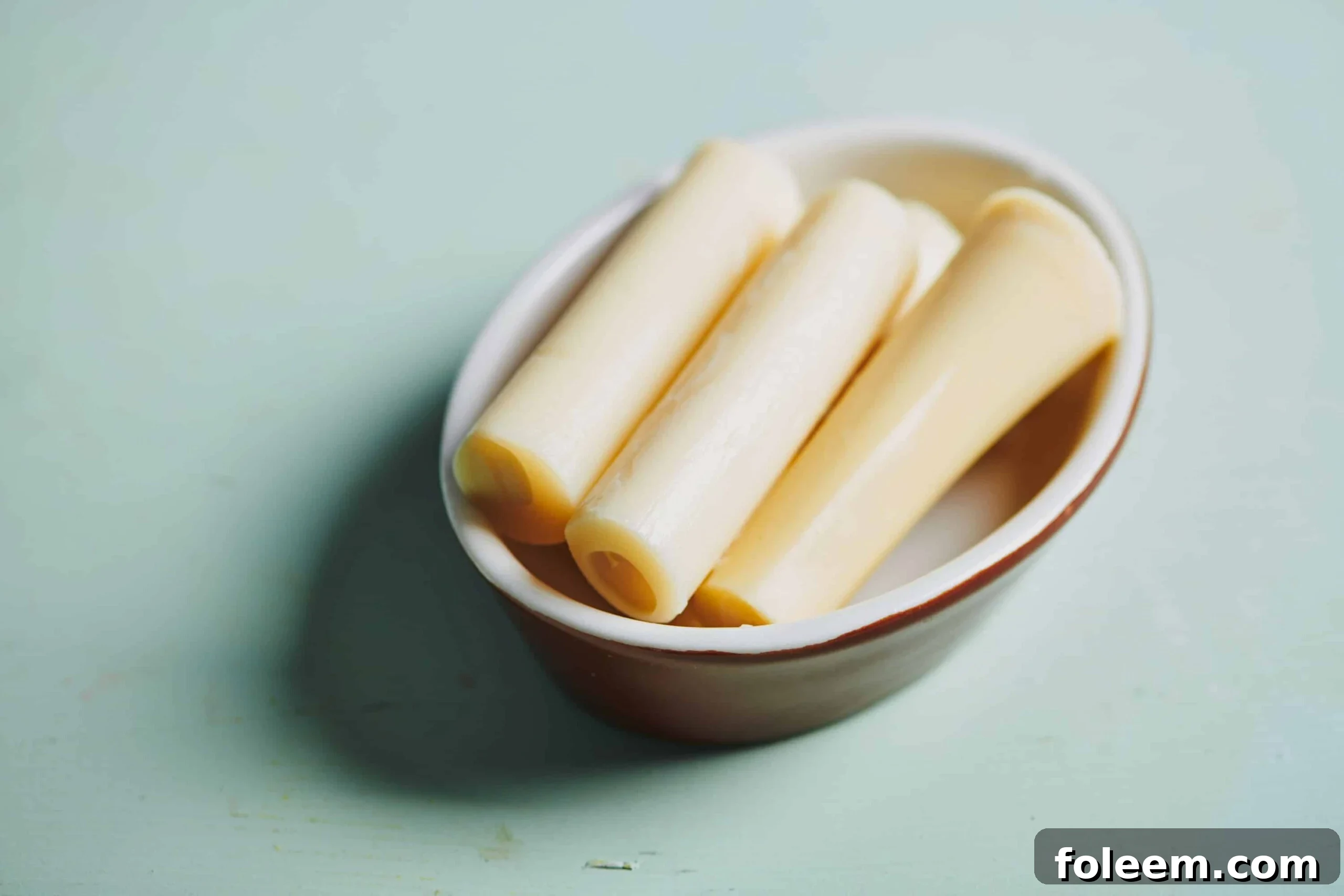
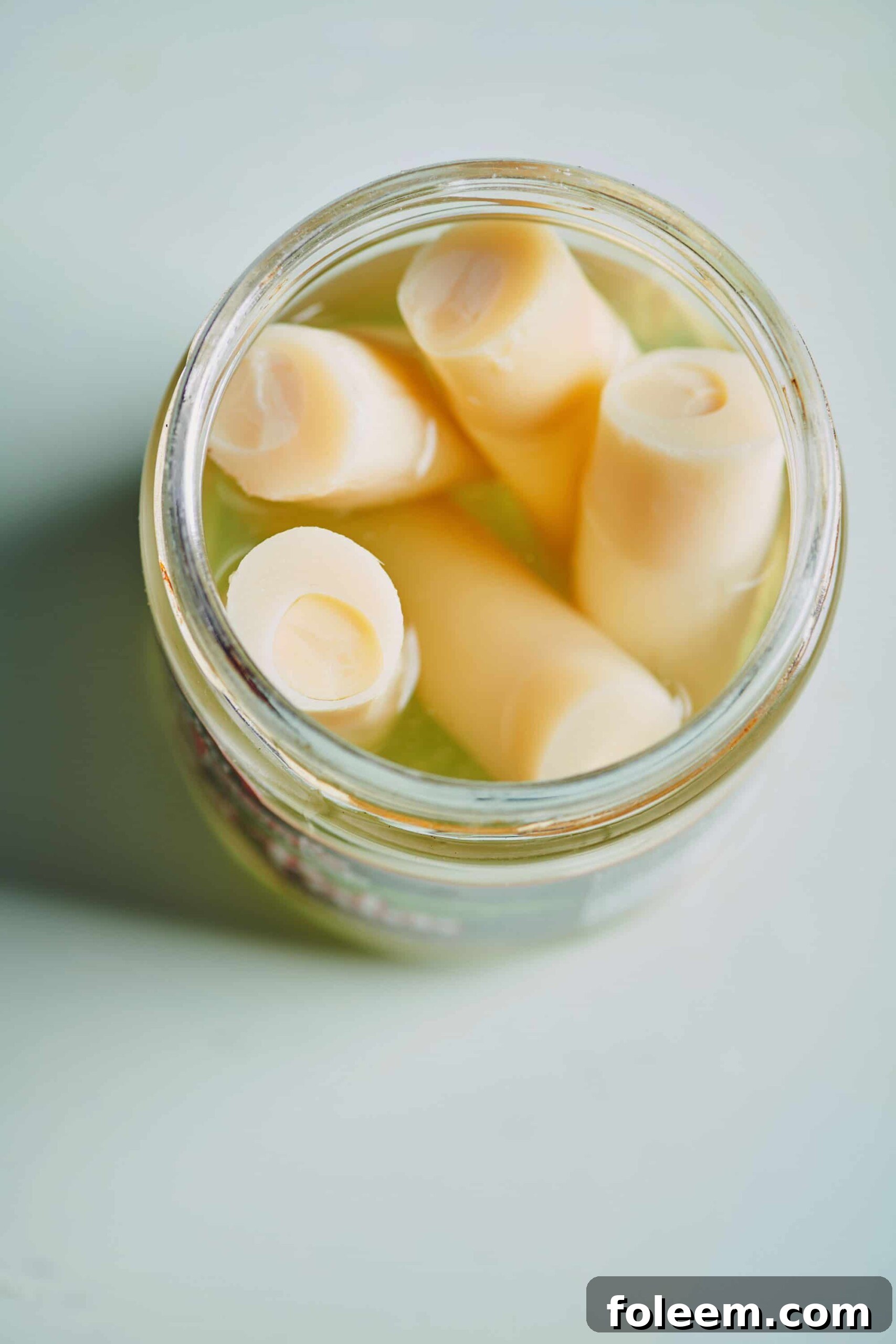
Hearts of palm offer a pleasing texture that balances tenderness with a slight crunch. Their mild flavor is often compared to artichoke hearts but is more delicate. When packed in jars or cans, they sit in a brine that reinforces that artichoke-like association.
Visually, hearts of palm resemble thick, white asparagus stalks without the tips. Their column shape contains concentric layers, giving them a firm, layered bite. They go by several names, including palmetto, palmito, swamp cabbage, palm cabbage, and chonta.
Jarred or canned hearts of palm can be used right from the container after a quick rinse. Slice or dice them to add uncooked to vegetable or grain salads, or use them in cooked dishes like stir-fries and casseroles. In many households they’re a pantry staple and an easy, low-effort ingredient to enjoy.
- Using Hearts of Palm as a Vegetarian Substitution
- Hearts of Palm Pasta
- What You Should Know About Hearts of Palm
- Storage
- Recipes That Use Hearts of Palm
- How to Prepare Hearts of Palm Recipe
Using Hearts of Palm as a Vegetarian Substitution
Because their texture can be similar to crab or lobster, chopped hearts of palm work well as a plant-based substitute in recipes like crab cakes or warm dips. Replacing shellfish with hearts of palm can make dishes vegetarian or vegan depending on other ingredients. They’re also a good swap for artichokes in hot cheesy dips or other recipes that call for a tender, mild-flavored vegetable.
Hearts of Palm Pasta
Hearts of palm are available in pasta-like strands that resemble spaghetti or other long noodles. These products are vegan, low-carb, low-calorie, and gluten-free, making them suitable for many diets. The texture is firmer and slightly fibrous compared with wheat pasta but holds up well in saucy dishes.
You can also find riced hearts of palm, which act like cauliflower rice as a low-carb substitute for regular rice and work well in salads, bowls, or as a side.
What You Should Know About Hearts of Palm
Yes — hearts of palm are harvested from the central core of certain palm species, most commonly the cabbage palm. However, sustainable methods exist. Some multi-stemmed palms and improved harvesting techniques allow producers to gather hearts of palm without killing the plant, so it’s worth checking a brand’s harvesting practices if sustainability matters to you.
Fresh hearts of palm are uncommon in most markets and can be difficult to find. Most shoppers buy them jarred or canned.
Hearts of palm are nutritious: they provide protein and fiber and are a source of vitamin C, vitamin B6, calcium, niacin, phosphorus, and zinc. They’re also low in calories — about 40 calories per cup — which makes them a helpful addition to a balanced diet, especially for vegetarians looking for higher-protein vegetables.
The edible portion is the inner core that is processed into cans or jars. The rest of the palm tree is not eaten, but the product in the container is fully edible.
Yes. Jarred and canned hearts of palm are typically packed in a salty brine, so it’s a good idea to rinse them briefly under cool water to remove excess sodium before using.
Storage
Hearts of palm are commonly sold in jars or cans and can be stored at room temperature while unopened. After opening, seal the container and refrigerate; use within about a week for best texture and flavor. The same advice applies to hearts of palm pasta or riced hearts of palm. Always check the expiration date on the package.
Recipes That Use Hearts of Palm
White Bean and Hearts of Palm Salad
Hearts of Palm Salad
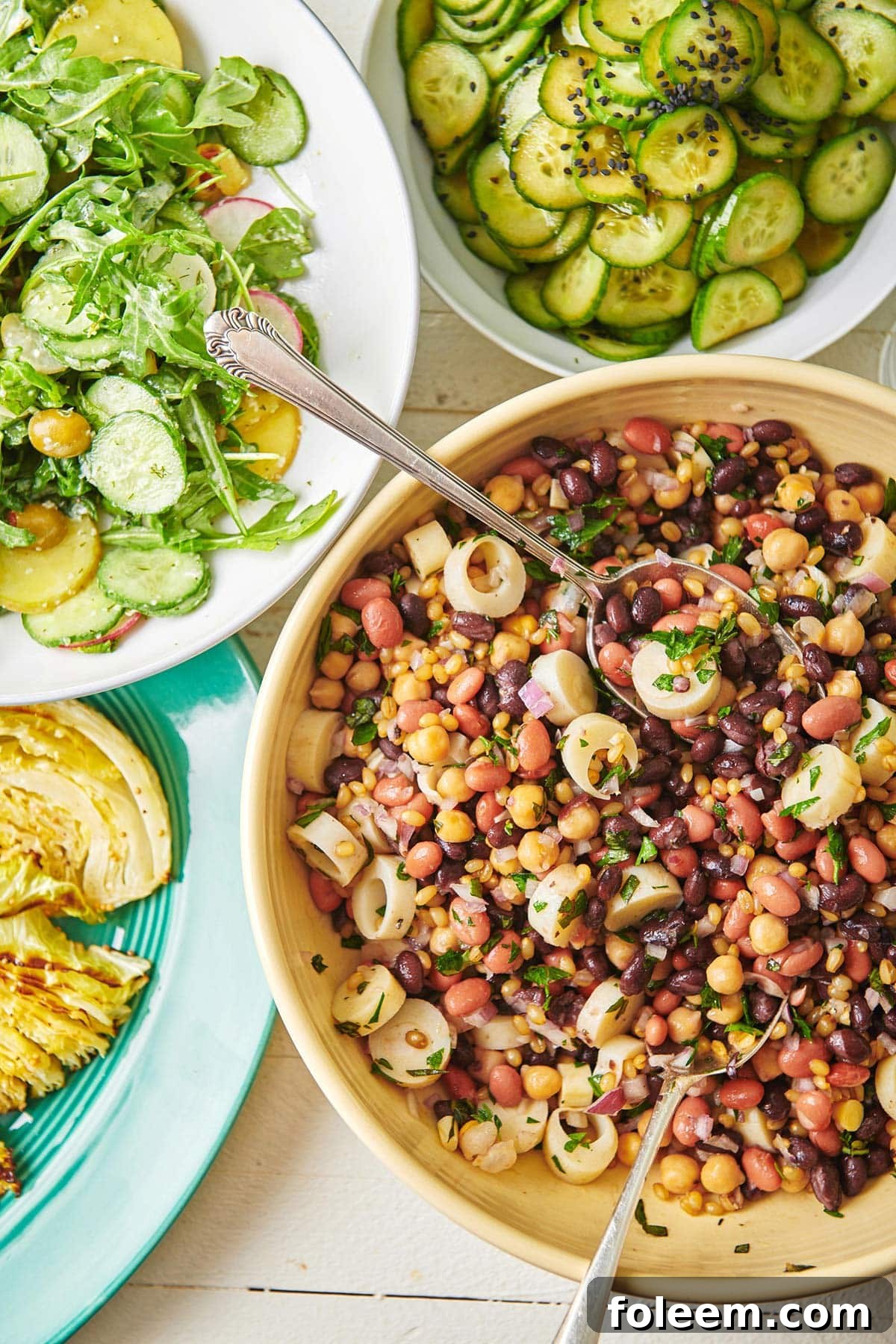
Modern Three Bean Salad
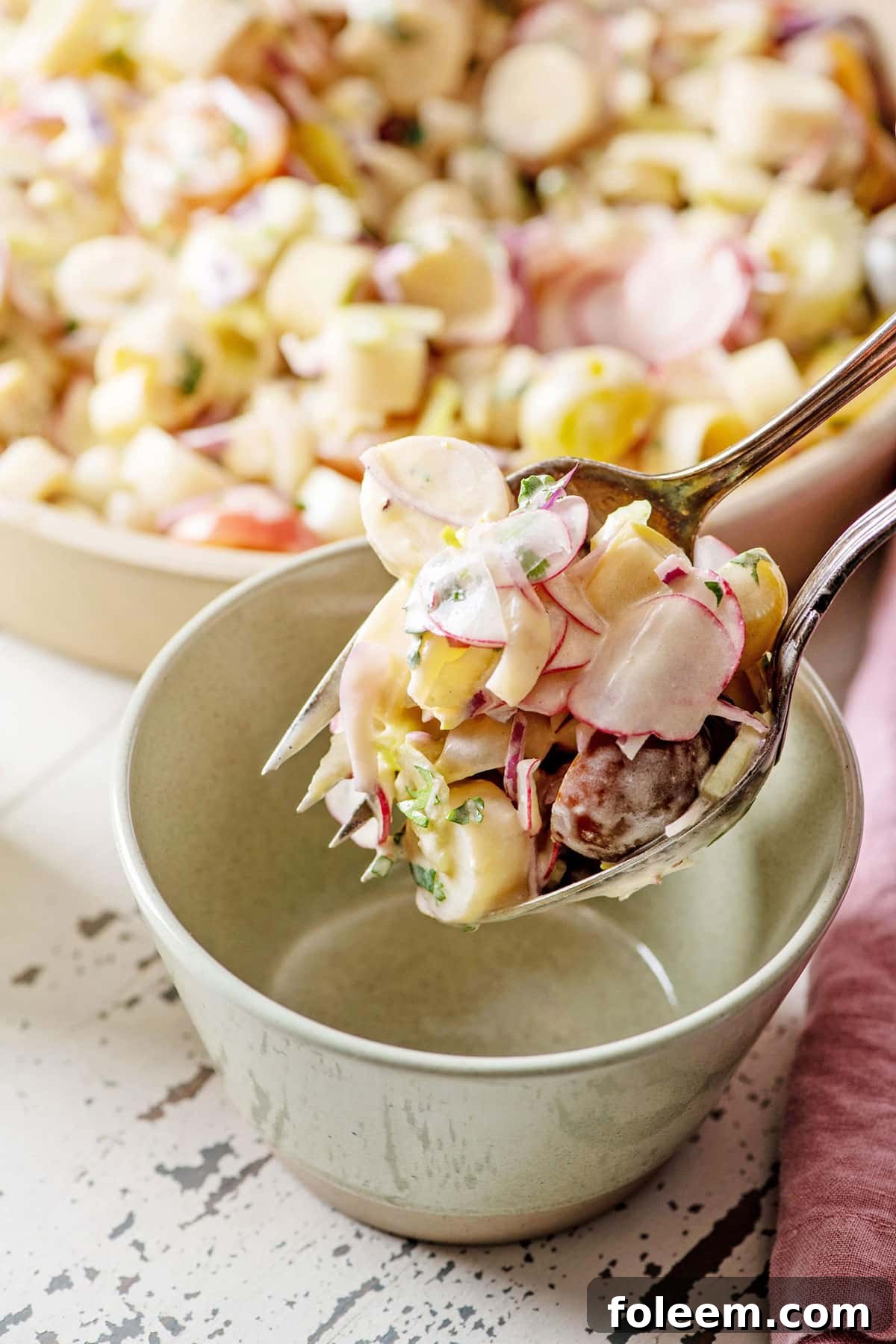

How to Prepare Hearts of Palm
Ingredients
- 1 can or jar hearts of palm (about 14–15 ounces)
Instructions
-
Open the jar or can and drain the packing liquid. Rinse the hearts of palm briefly under cool water to remove excess salt.
-
Use them whole, slice them, or chop or dice to suit your recipe. They can be eaten straight from the jar or used in cooked dishes.
Notes
Nutrition
Like this recipe? Rate and comment below!