Cabbage Recipes: Simple Techniques for Flavorful Dishes
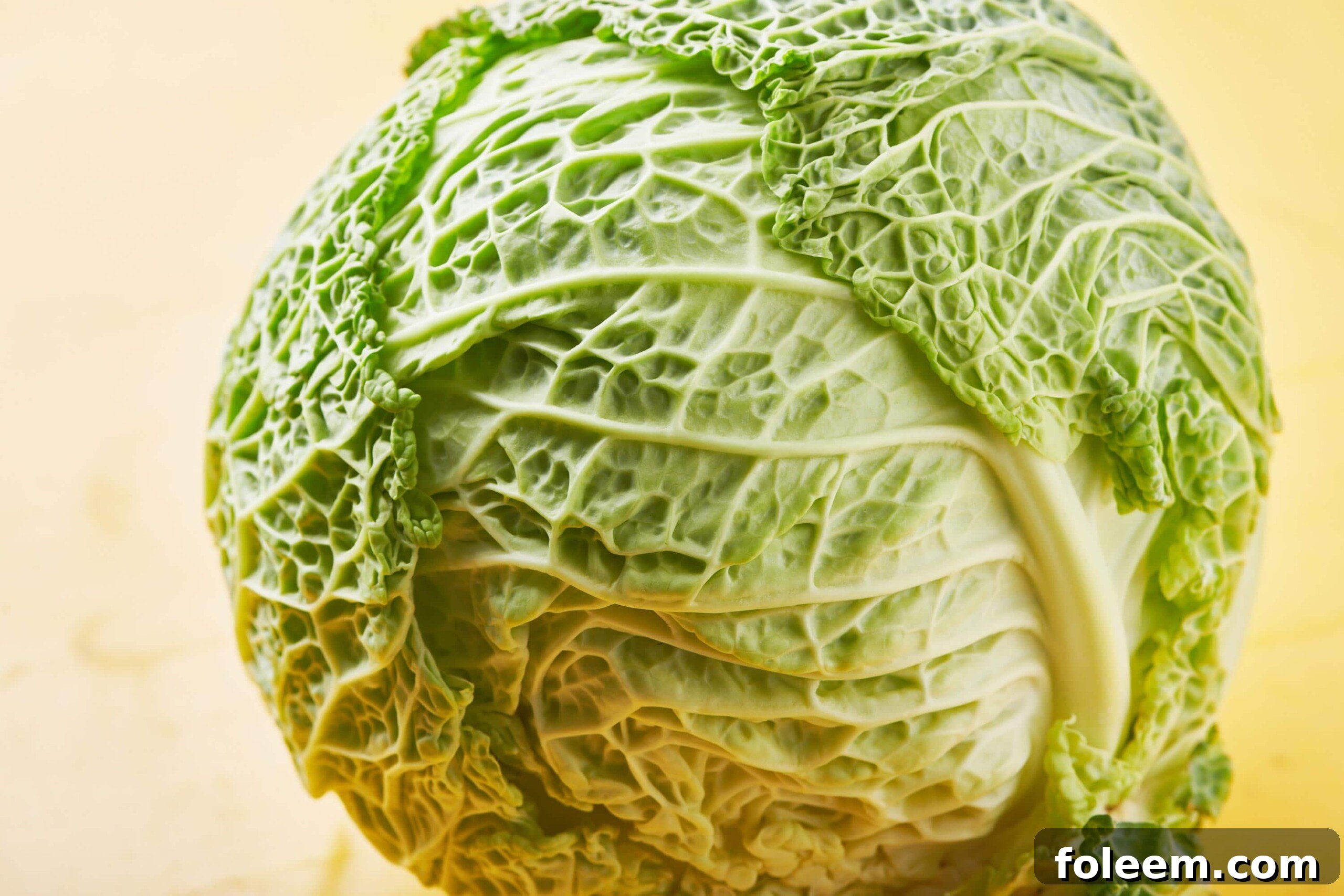
Cabbage — a humble, dense, and long-respected vegetable — is finally getting the attention it deserves. Once overlooked because it was abundant and inexpensive, cabbage is being celebrated for its versatility, flavor, and nutrition.
Valued for its long shelf life and hardiness, cabbage can be eaten raw, pickled, grilled, roasted, braised, sautéed, or used in soups and stews. It bulks up dishes, stretches meals, and adapts to many cuisines. For inspiration, try exploring a variety of cabbage recipes to see how differently it can perform.
- A Short History of Cabbage
- Types of Cabbage
- Cabbage Is On Trend
- How to Slice Cabbage
- How to Cook Cabbage
- How to Cut Cabbage
- How Long to Cook Cabbage
- FAQs
- Storing Cabbage
- Cabbage Recipes
- How to Prepare Cabbage Recipe
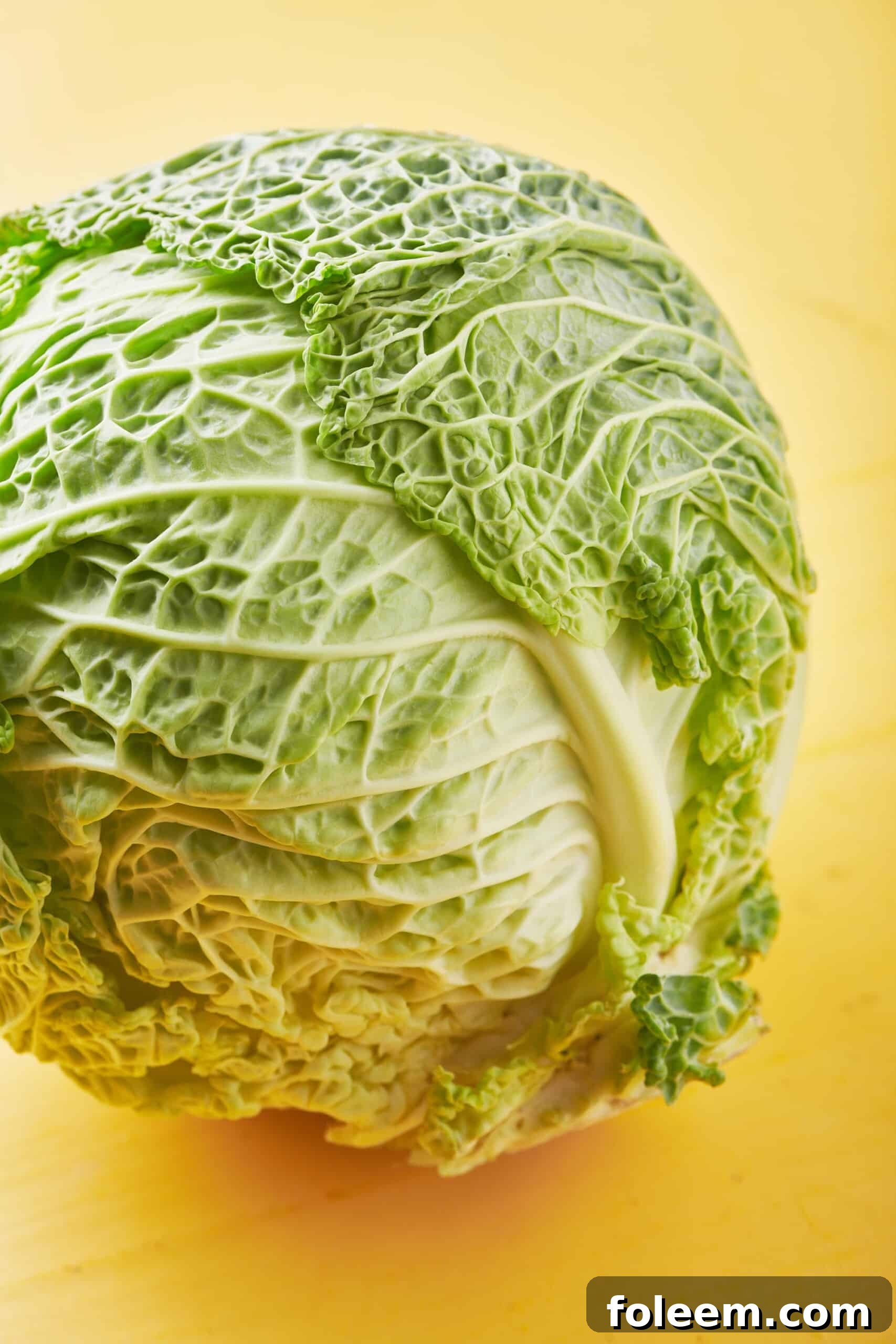
How to Cook Cabbage: Cabbage is abundant, cheap, and very hardy, but it’s also delicious and versatile. Here’s how to choose, store and prepare this amazing vegetable.
A Short History of Cabbage
Cabbage was likely domesticated in Europe over 3,000 years ago and has appeared in the cuisines of ancient civilizations from Greece and Rome to Egypt. Over time it became a staple in many regions because it was easy to grow, stored well, and could be preserved for long periods.
In the 19th century Ireland, cabbage was an important food during the potato famine and remains associated with dishes such as corned beef and cabbage and colcannon. Around the world, cabbage shows up in many forms: sautéed with bean curd in China, mixed with potatoes in England’s bubble and squeak, spiced and fermented as kimchi in Korea, and pickled as sauerkraut in parts of Europe. Many cuisines use cabbage leaves for stuffed rolls, including golabki, holishkes, sarma, and Japanese rōrukyabetsu. In the U.S., coleslaw is a familiar raw cabbage preparation.
Throughout history, cabbage has been prized for its abundance, affordability, and adaptability. It’s nutritious, versatile, and a practical vegetable to keep on hand.
Types of Cabbage
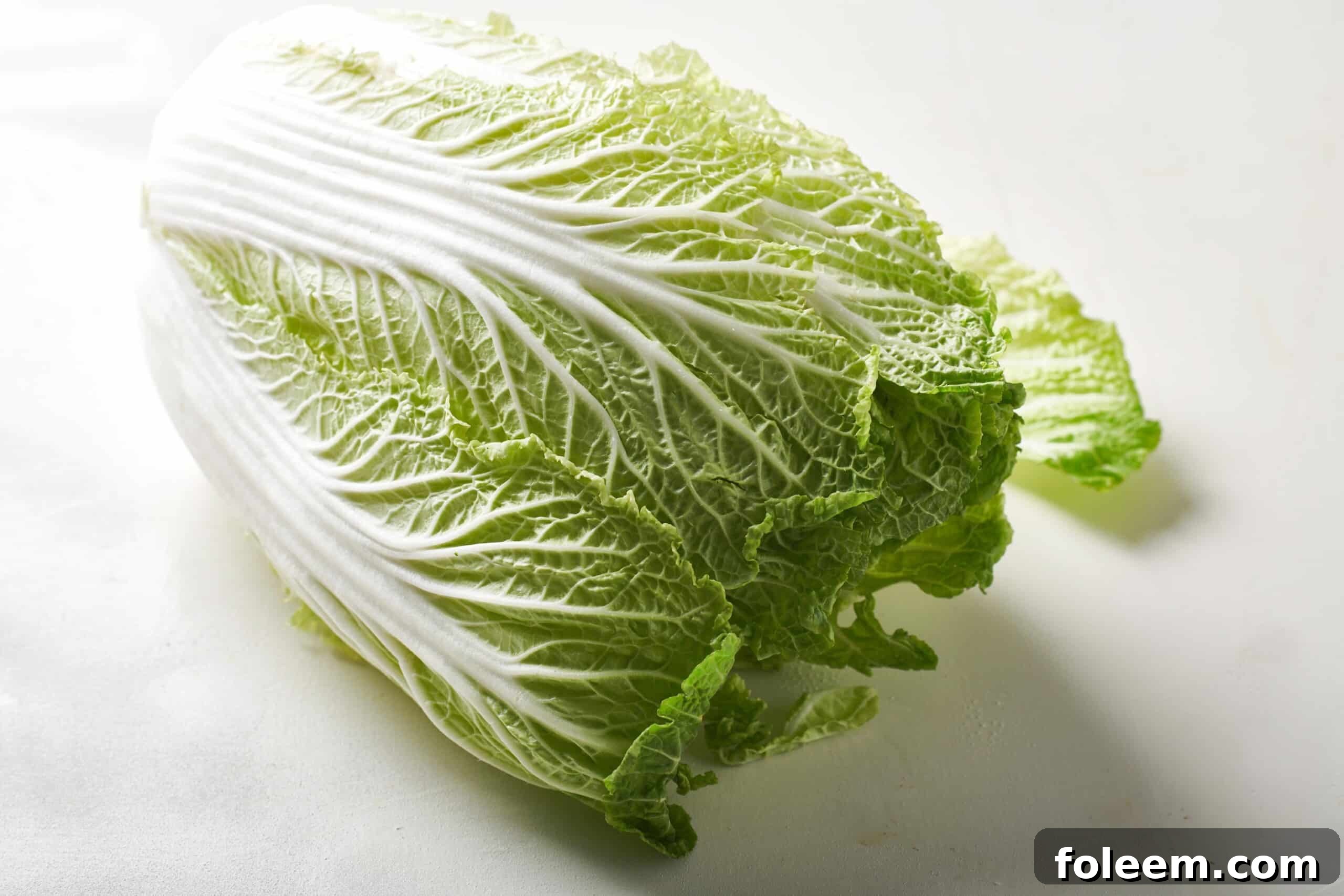
Common supermarket varieties include green cabbage and red (or purple) cabbage; both are similar in taste and texture, though red cabbage adds a vibrant color to dishes. Napa cabbage is milder and more delicate, frequently used in Asian cooking, fermentation, and pickling. Savoy cabbage has crinkled, tender leaves and a slightly softer texture than standard green cabbage.
Kitchen Smarts
Choose cabbage with firm, undamaged leaves. Avoid heads with brown, slimy, or wilting leaf tips. A good head of cabbage often feels a bit heavier than others of the same size.
Cabbage Is On Trend
Chefs and restaurants are leading a renewed interest in cabbage. It’s appearing as a crisp topping for tacos, a base for marinated fish and other entrees, and as a warm component that still holds texture better than many greens. Napa cabbage, in particular, is gaining broader popularity beyond Asian markets, used in stir-fries, ferments, and pickles.
How to Slice Cabbage
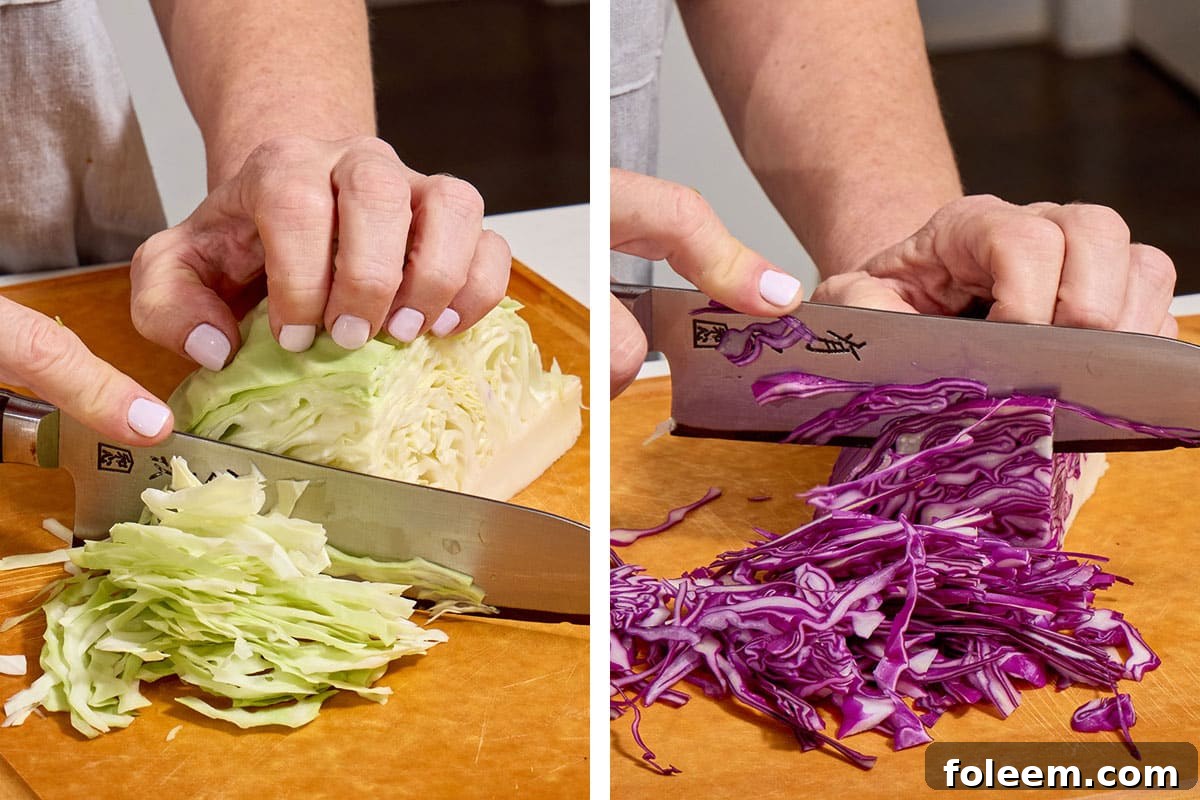
- Cut a head of cabbage into several large wedges and remove the core.
- Place each wedge on a cutting board and slice through the layers to your preferred thickness.
- For slaws and salads, slice very thinly to create fine ribbons. For braised dishes, cut thicker slices so they hold up during longer cooking.
How to Cook Cabbage
Cabbage is versatile: eat it raw, sauté it, steam it, braise it, roast it, stew it, or add it to soups. It’s also commonly preserved — think kimchi or sauerkraut — and used as wrappers for stuffed rolls. The method you choose depends on the recipe and desired texture.
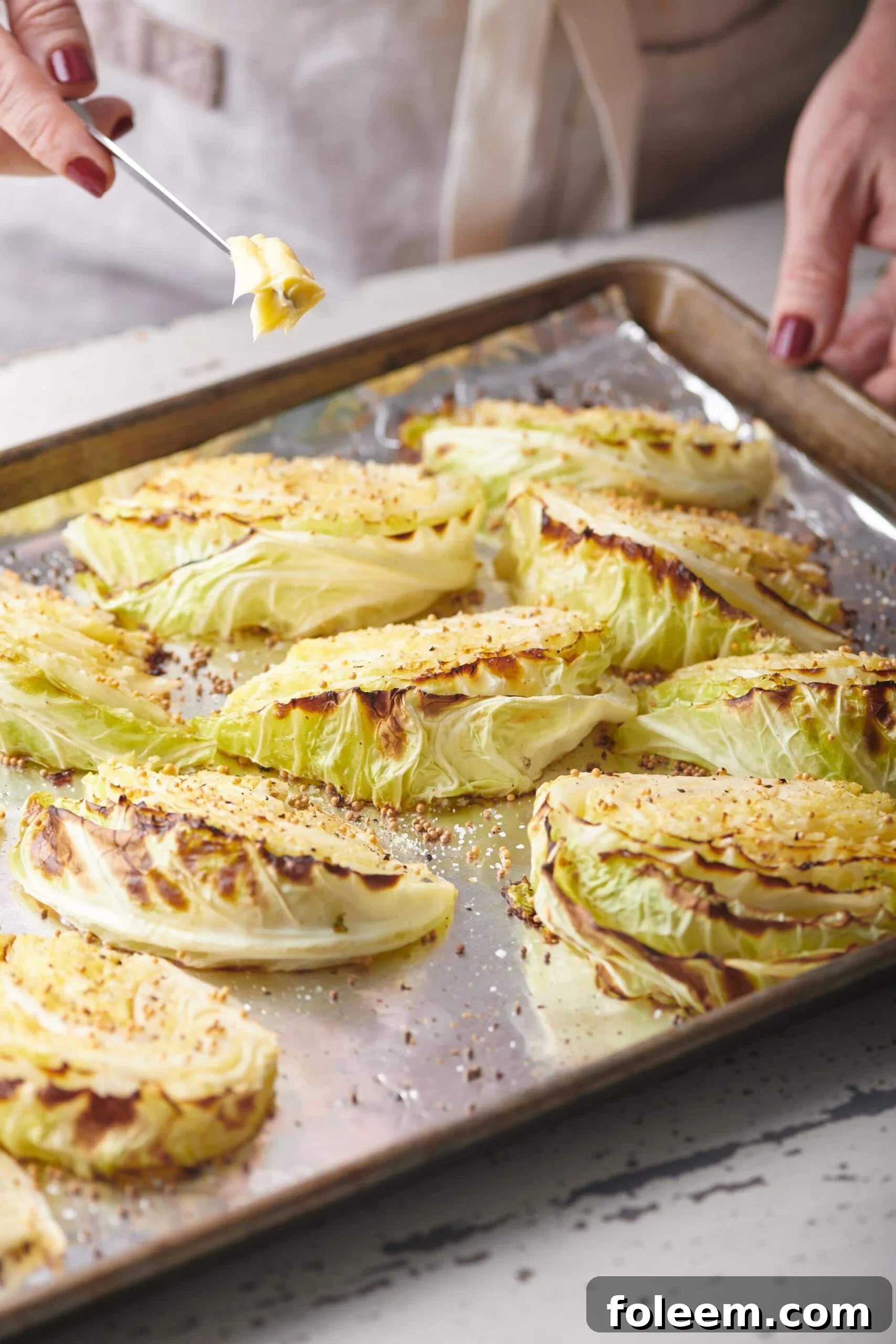
How to Cut Cabbage
To remove whole leaves for wrapping, gently separate them from the head and follow the recipe, which may call for blanching or trimming the thick rib. For chopping or shredding, cut the cabbage in half through the core, remove the core, then slice or chop as the recipe directs. A food processor with a shredding or slicing disc can speed up shredding, though the shredding disc yields finer pieces.
How Long to Cook Cabbage
Cooking time varies by preparation and desired texture. Raw slaws and salads require no cooking. Stir-fries and quick sautés cook cabbage briefly so it stays crisp. Braises and stews may cook cabbage until very tender. The size of the pieces and the cooking method determine the exact time.
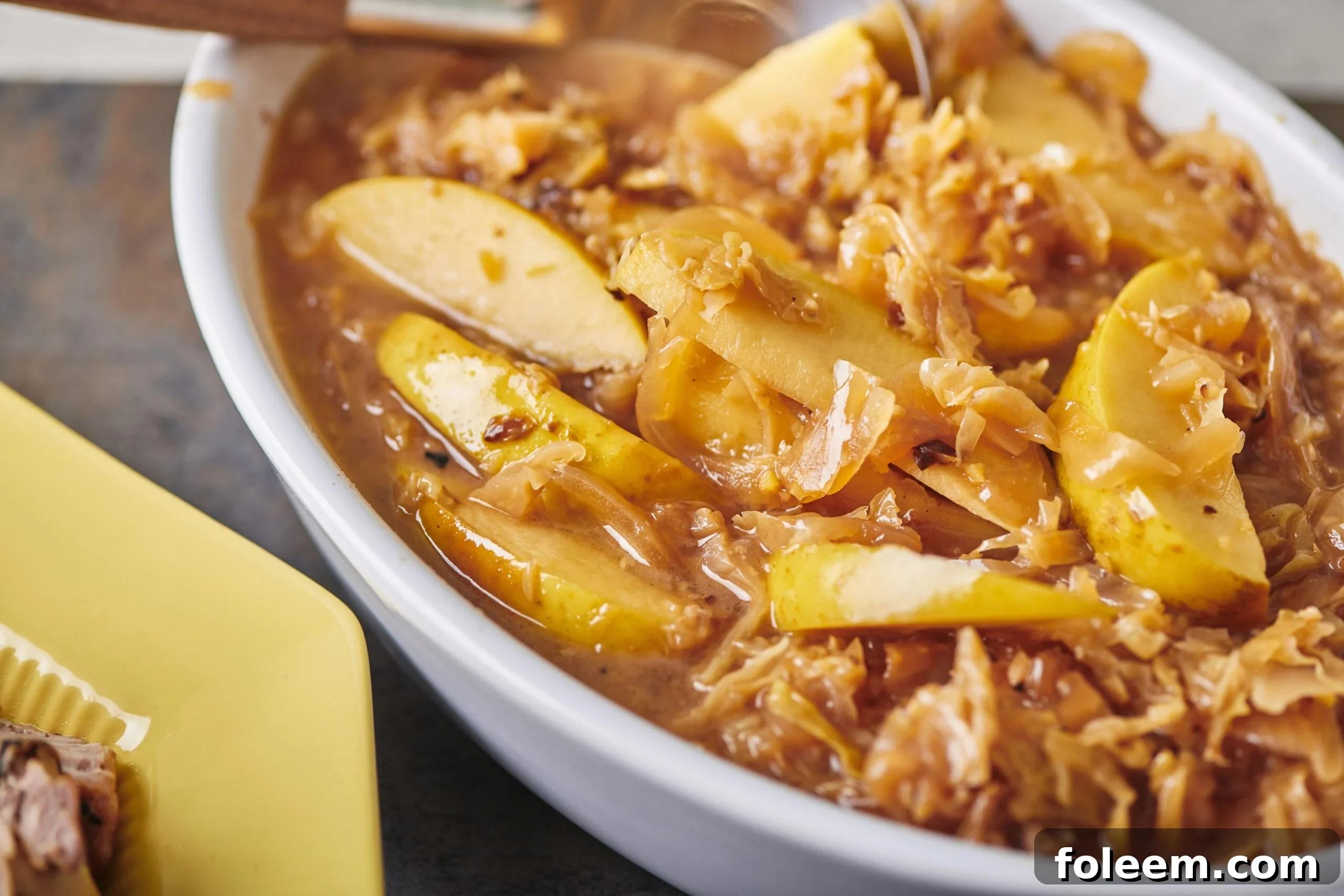
FAQs
Soaking can help remove dirt trapped between leaves, which is useful if you plan to keep large pieces intact. If you slice the cabbage first, a quick rinse of the shredded pieces is usually sufficient.
Yes. Raw cabbage is crisp and fresh-tasting, and it’s great in slaws and salads. It also supports gut health when included in fermented preparations.
Cabbage is low in calories, high in fiber, and rich in vitamin C and other antioxidants, making it a nutritious addition to meals.
Storing Cabbage
Do not wash cabbage before storing. Keep it wrapped if it came that way, or place it in a plastic bag and store it in the refrigerator’s vegetable drawer. Once cut, wrap the remaining portion in plastic wrap. Whole heads of cabbage can keep two weeks or longer in the fridge; cut cabbage has a shorter shelf life.
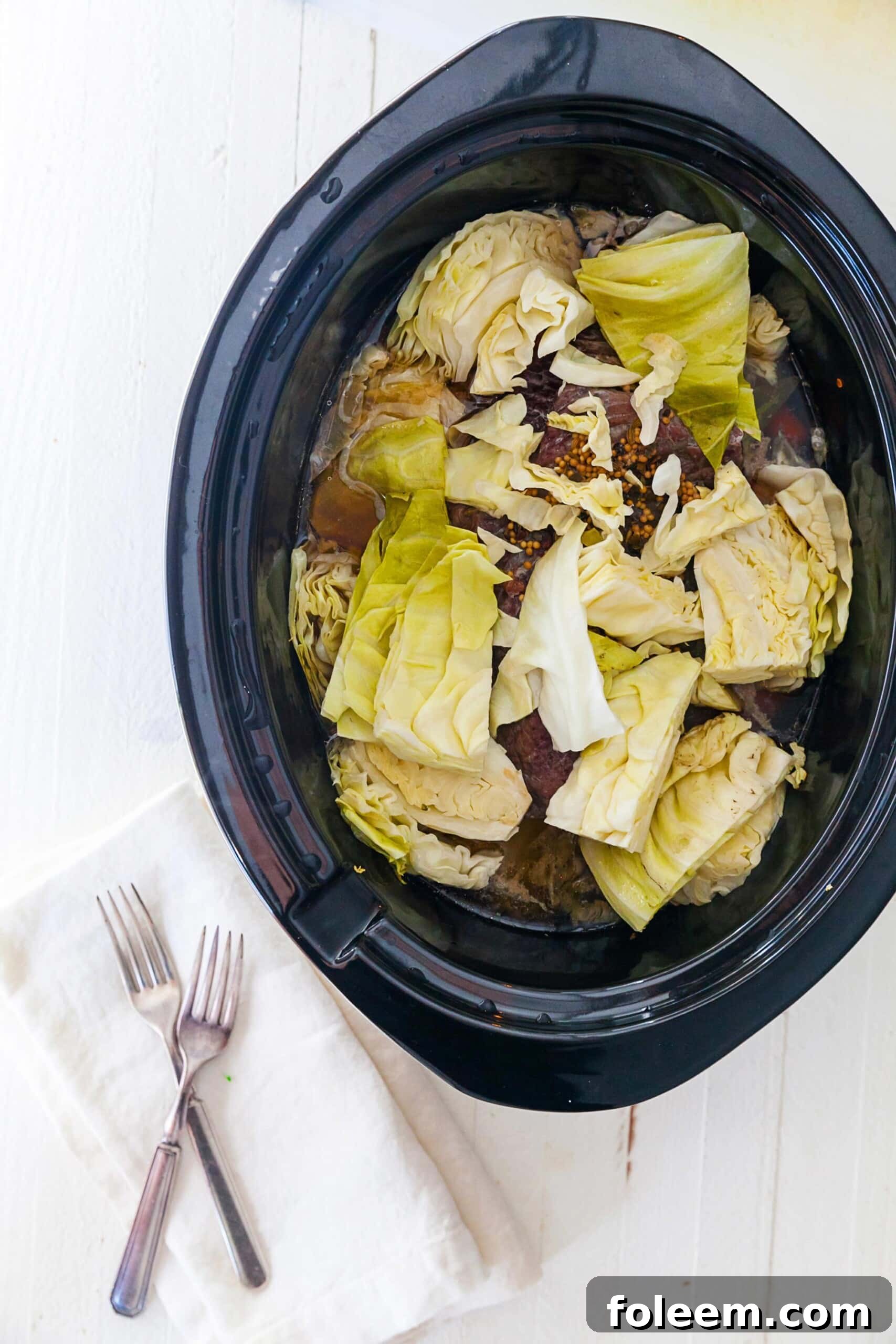
Cabbage Recipes
With a little practice in storing, prepping, and cutting cabbage, you’ll find it easy to incorporate into many meals. Try roasted wedges, braised cabbage, stir-fries, fresh slaws, or fermented preparations to experience the range this vegetable offers.
Braised Red Cabbage
Miso Chicken and Cabbage Stir-Fry
Vegan Asian Napa Cabbage Slaw
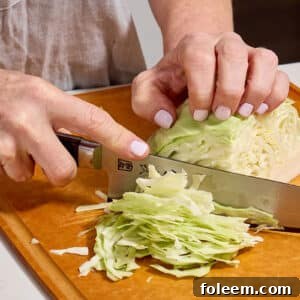
How to Prepare Cabbage
Equipment
-
Food Processor (optional)
Ingredients
- 1 head cabbage (any variety)
Instructions
-
If you are using the leaves for wrapping fillings, remove them whole from the head and follow the recipe instructions, which may include blanching or trimming the thick rib.
-
If chopping or slicing, cut the cabbage in half through the core, remove the core, then chop or slice to the desired size.
-
For slaws, slice very thinly. You can also cut the cored cabbage into chunks and run them through a food processor with the shredding or slicing blade; the shredding blade yields finer pieces.