Avocados are one of the most versatile fruits—yes, they’re a fruit! They feel indulgent, but they’re also an easy way to add nutritious produce to your day. Creamy and mild, avocados complement salads, sandwiches, dips, and dressings, and they’re simple to use whether you want slices, cubes, or a smooth puree.
Avocado pairs well with so many dishes: a California BLT, classic guacamole, or salads like Avocado Salad with Creamy Miso Dressing, Salmon, Arugula, and Avocado Salad, and Sesame-Honey Quinoa and Carrot Salad with Sliced Avocado. It makes a great topping for nachos, fish tacos, loaded potato skins, and chicken taco salad, and it blends into luscious dressings such as Avocado Ranch or Creamy Avocado Dressing.
- The Two Main Kinds of Avocados
- Where to Find Avocados
- How to Know If Your Avocado Is Ripe
- How to Speed Up the Ripening of An Avocado
- How to Prep Avocado
- How to Cut Avocado into Perfect Cubes or Slices
- How to Keep Cut Avocados From Turning Brown
- FAQs
- Avocado Recipes
- What to Serve With Avocado
- How to Prepare and Cut Avocados Recipe
The Two Main Kinds of Avocados
There are hundreds of avocado varieties, but two types dominate U.S. supermarkets. Farmers markets often offer more choices, so ask the grower when you can. The Hass avocado is the most common variety in California and worldwide. It has pebbly, dark skin and a rich, creamy texture with a buttery flavor. Hass is generally smaller and more flavorful than other types.
Florida avocados tend to be larger with smooth, bright green skins. They offer more volume but usually have a milder, slightly wetter texture and less intense flavor than Hass avocados.
Where to Find Avocados
Most supermarket avocados are grown in Mexico, California, and Florida. Choose produce from a market with a busy produce section and a good return policy for spoiled fruit. High turnover usually means fresher, better-managed fruit.
How to Know If Your Avocado Is Ripe
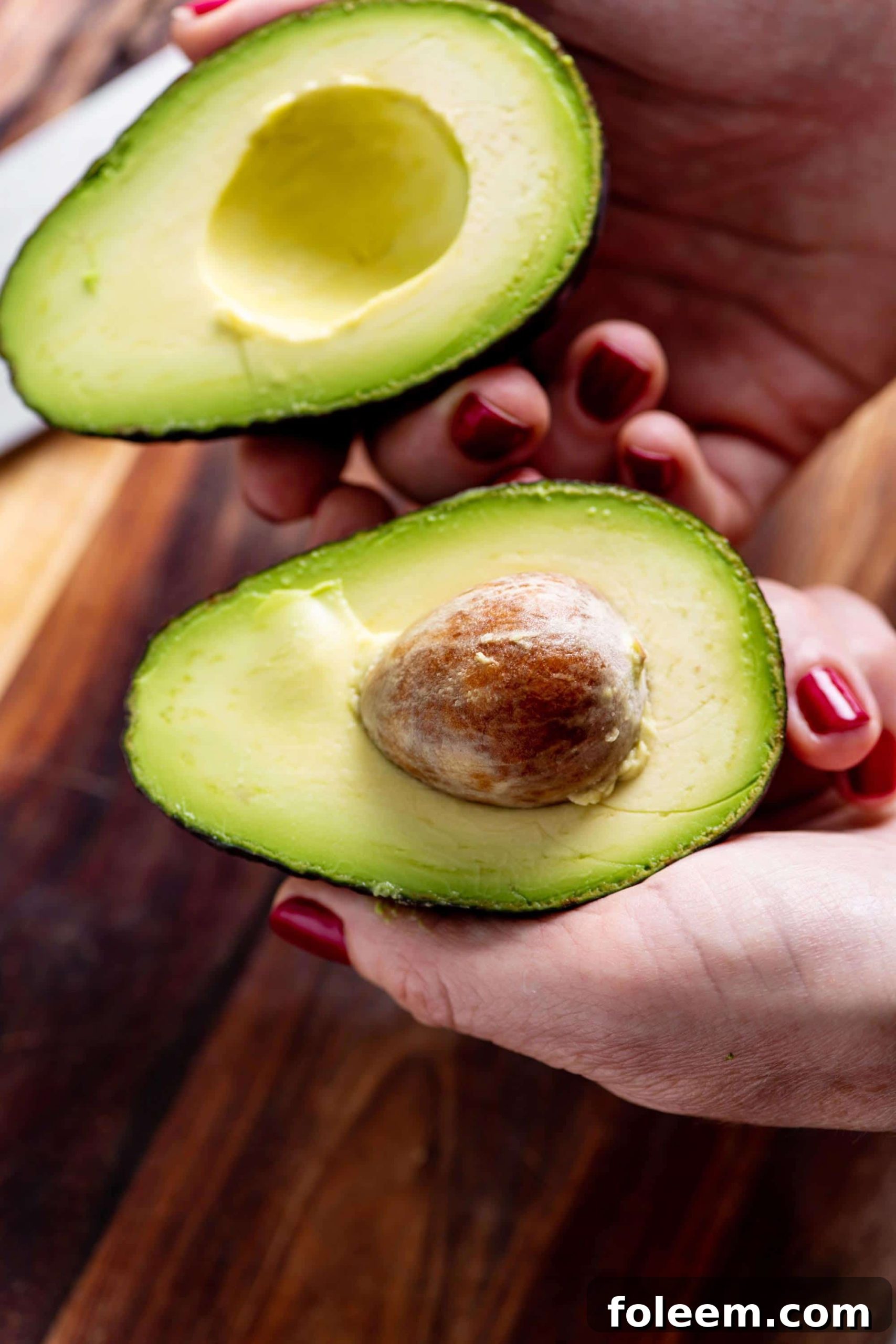
Because ripeness can be unpredictable, buy an extra avocado or two. Color and firmness are your best guides. For Hass avocados, look for a dark, almost black-green, bumpy skin rather than bright green. Gently squeeze the avocado—ripe fruit will yield slightly to pressure but shouldn’t feel mushy. Avoid fruit with loose skin, deep bruises, or dark spots. For larger varieties, the same gentle squeeze applies: test firmness by compressing the whole fruit rather than poking directly into the flesh to avoid bruising.
How to Speed Up the Ripening of An Avocado
Ripen avocados on the counter. After they reach the desired softness, move them to the refrigerator to slow further ripening and extend shelf life. To accelerate ripening, put avocados in a brown paper bag and fold the top closed. Adding an apple, banana, or kiwi to the bag releases ethylene gas and speeds the process—the more ethylene-producing fruit you add, the faster avocados will ripen.
How to Ripen an Avocado in the Microwave
This method softens an avocado quickly but doesn’t truly ripen it, so flavor and texture won’t match a naturally ripened fruit. If you’re in a pinch, cut the avocado in half, remove the pit, place the halves cut-side down on a microwave-safe plate, and heat for 30–45 seconds. Let cool before using.
How to Ripen an Avocado in the Oven
Like the microwave method, heating in the oven softens rather than ripens. Wrap a whole avocado in foil, preheat the oven to 200°F (about 93°C), and warm for 10 minutes, then check every 5 minutes until slightly soft. Let cool before cutting.
For more on natural ripening stages, check resources on avocado ripening for detailed guidance.
How to Prep Avocado
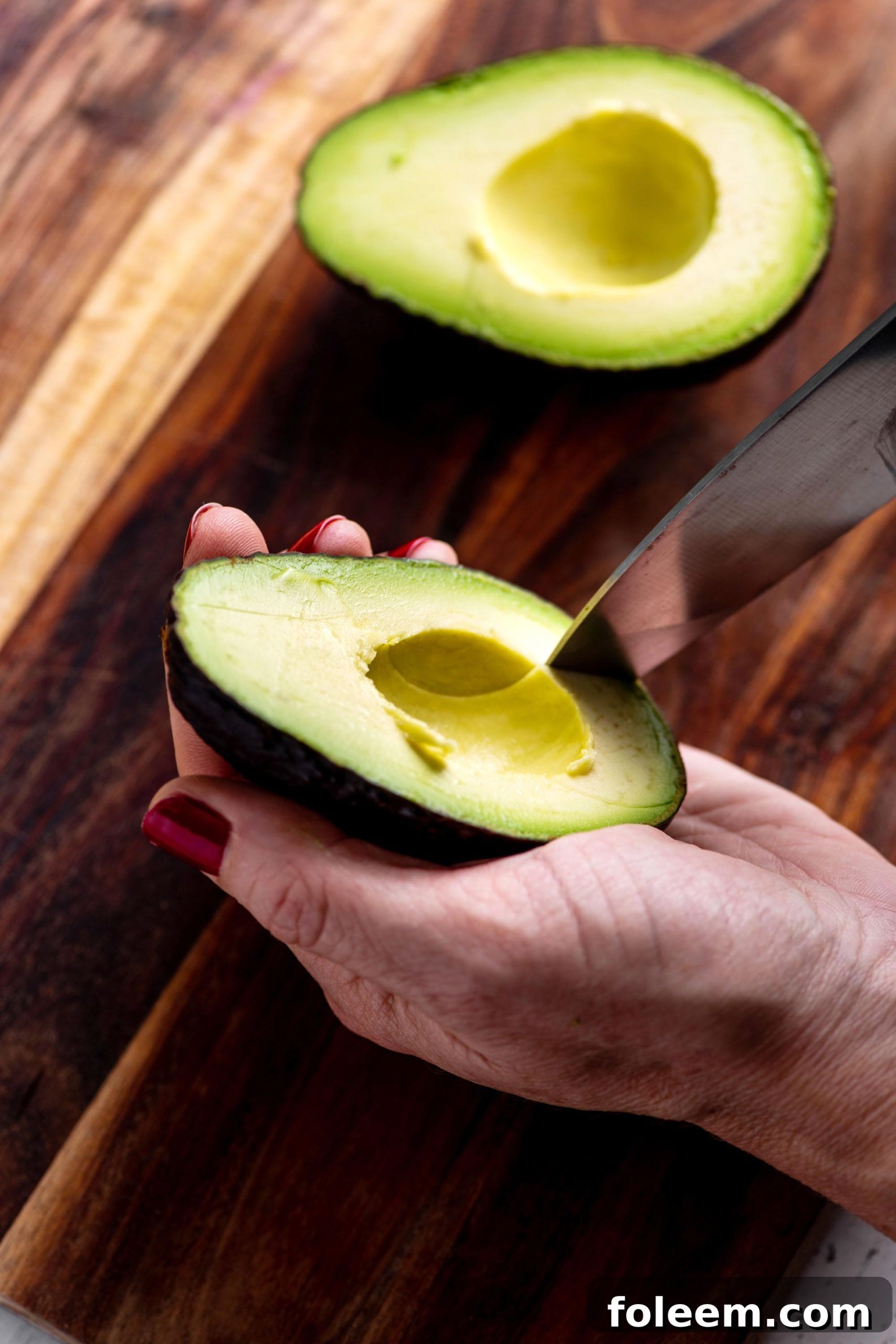
- Cut the avocado in half: Hold the fruit steady in your non-dominant hand. Using a very sharp knife, slice lengthwise from stem to bottom, then twist the halves apart.
- Remove the pit: Scoop the pit out with a spoon if you prefer a safe, simple method.
- Or remove the pit with a knife: If you have confident knife skills, carefully strike the pit with the knife blade so it lodges, then twist to lift the pit out. Remove the pit from the blade before proceeding.
How to Cut Avocado into Perfect Cubes or Slices
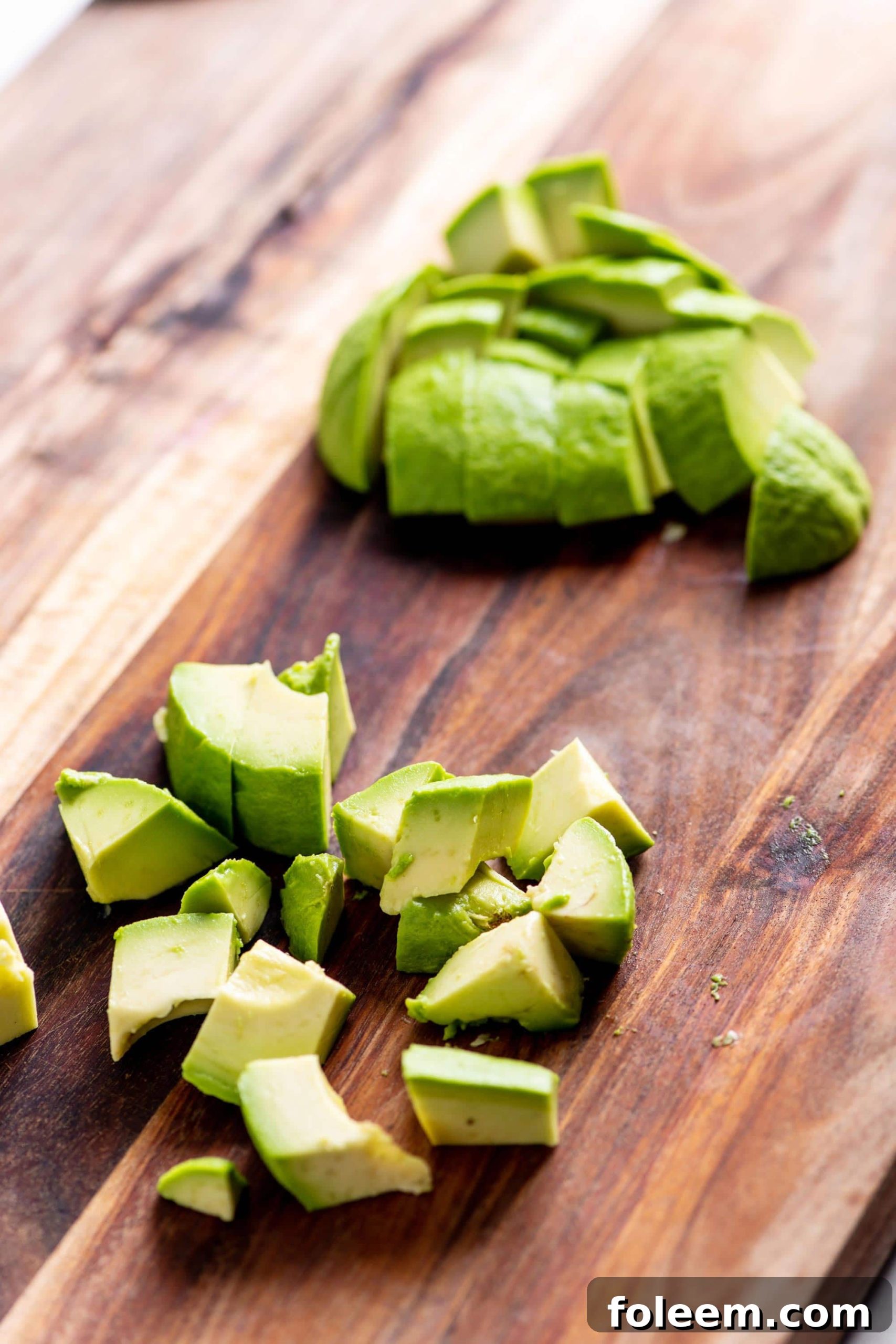
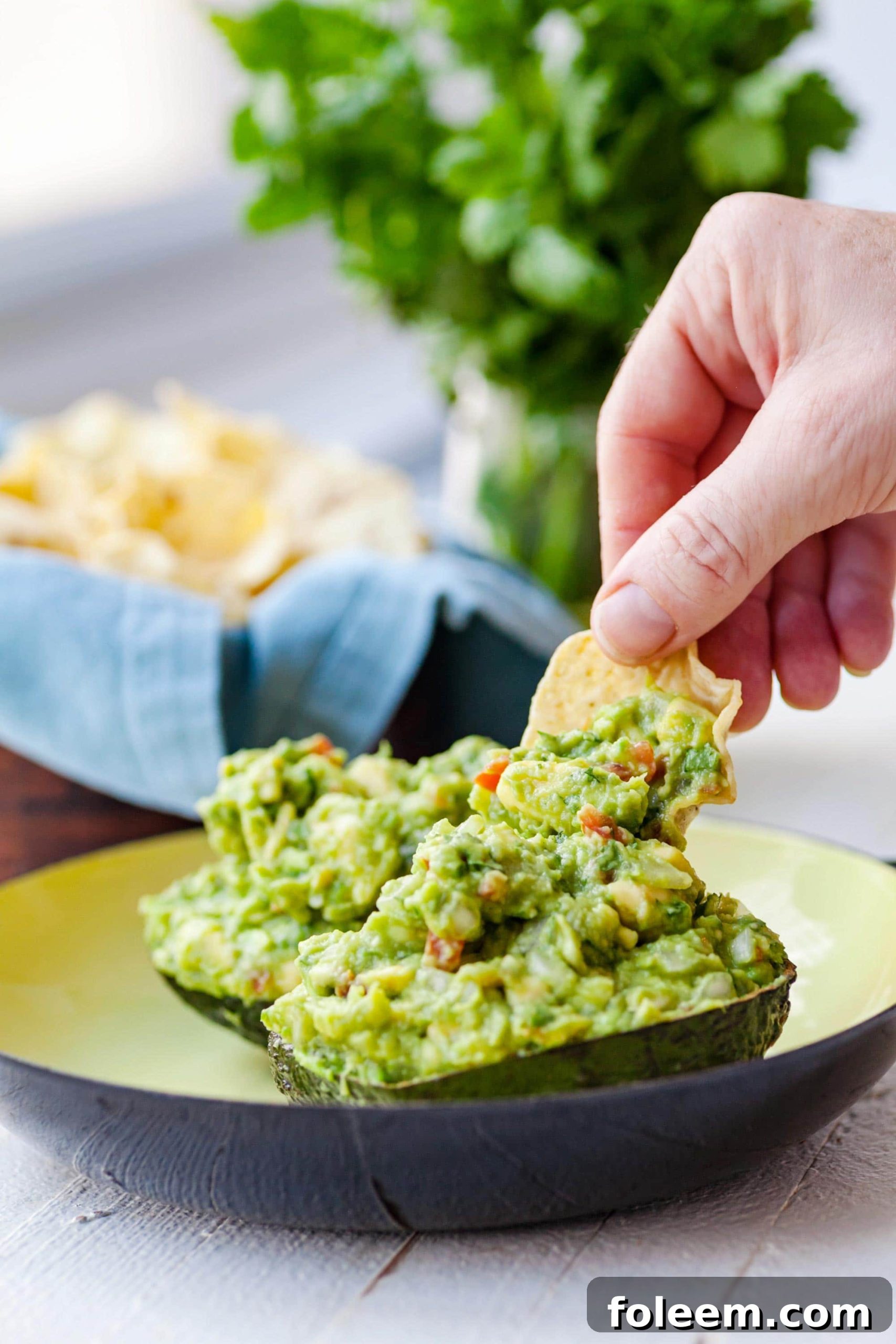
If you don’t need neat pieces—say for guacamole or smashed avocado on toast—scooping with a spoon is perfectly fine. For cleaner presentation, use one of these two methods.
How to Slice Avocado in its Shell
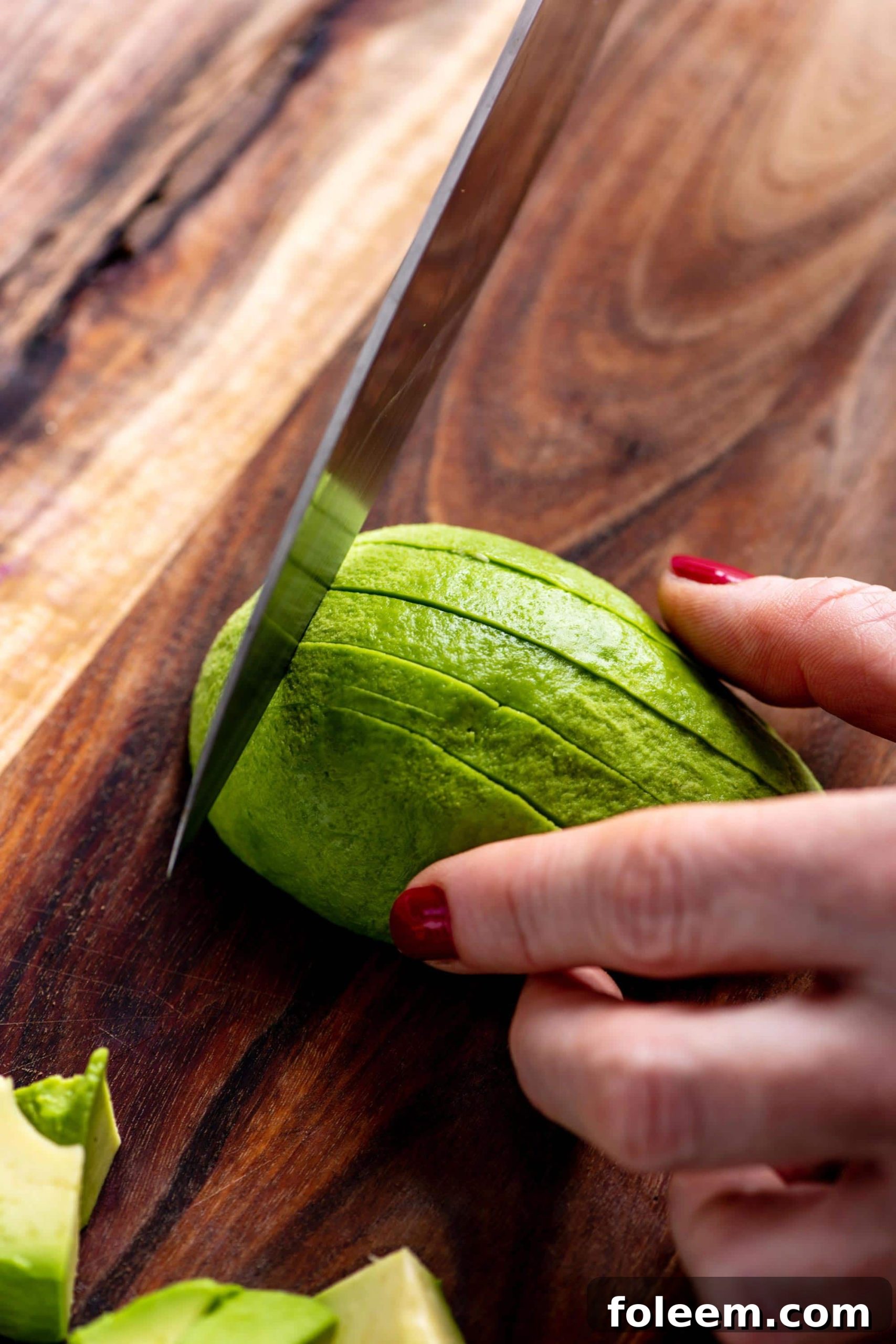
With the avocado half still in the skin, score the flesh in a grid or slice pattern down to the skin. Then scoop the cubes or slices out with a spoon, or gently peel the skin away so the pieces remain intact.
How to Slice Avocado on a Cutting Board
For the neatest results, remove the skin, place the avocado halves flesh-side down on a cutting board, and slice or cube them with a sharp knife to the size your recipe requires.
How to Keep Cut Avocados From Turning Brown
Avocado flesh browns quickly when exposed to air due to an enzyme reaction. To preserve cut avocado, only slice what you’ll use immediately and keep the remaining half intact with the pit in place. For stored halves, try one of these techniques:
- Press plastic wrap directly onto the exposed flesh so there’s minimal air contact; refrigerate for 2–3 days.
- Place the avocado cut-side up on a bed of chopped onions in a sealed container; the onion vapors help slow browning.
- Brush the exposed surface with olive oil or lemon/lime juice—the oil creates a barrier and citrus acid slows oxidation.
- Alternatively, blanch the peeled fruit briefly before using to reduce browning in some preparations.
FAQs
Cut out any brown or fibrous sections and use the remaining green flesh. Those defects often result from poor handling or cold damage during storage or transport.
Yes. Botanically, avocados are fruits—specifically a type of berry.
Yes. Avocados are rich in monounsaturated and polyunsaturated fats, high in fiber, and contain several vitamins and minerals. They are cholesterol-free and low in sodium.
Hass is the most popular and widely available variety, prized for its creamy texture and flavor. Larger Florida-style avocados give you more volume but a milder taste.
A yellowish tint often indicates slight overripeness. Small yellow areas are edible, but avoid parts that are overly mushy or brown.
Avocado Recipes
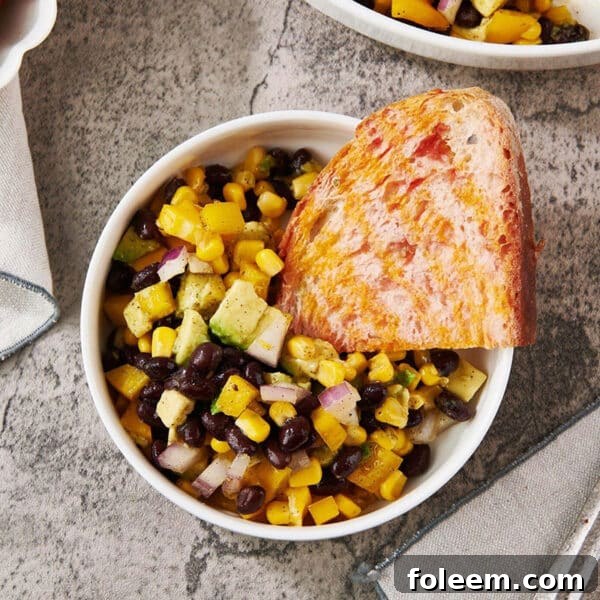
Cowboy Caviar
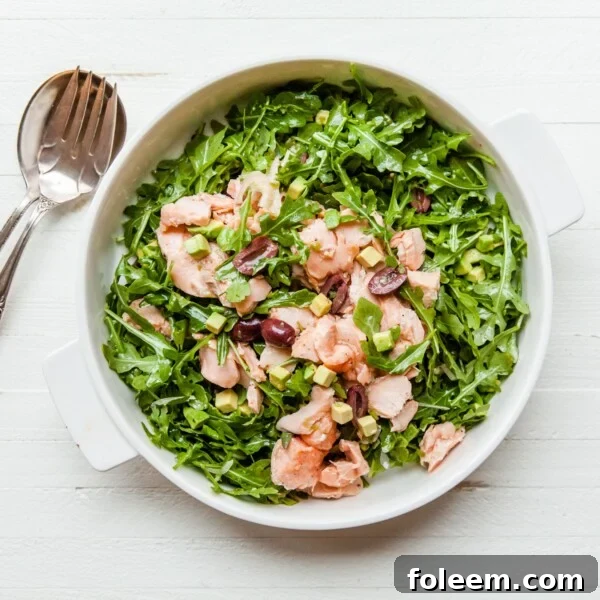
Salmon, Arugula, and Avocado Salad
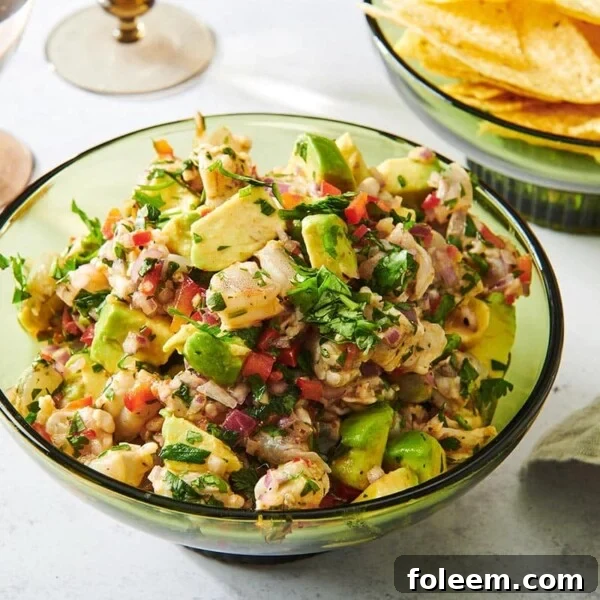
Shrimp Ceviche
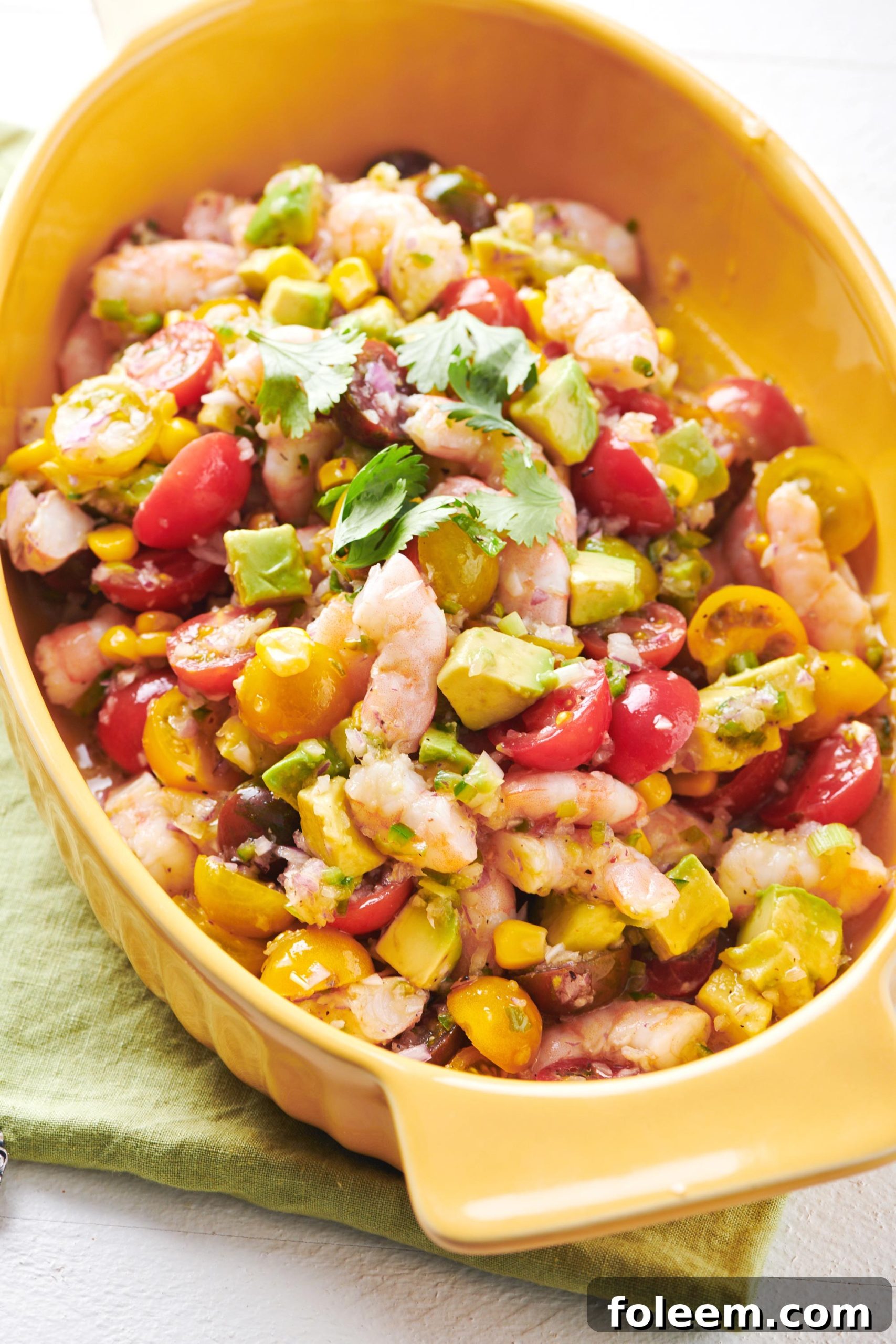
What to Serve With Avocado
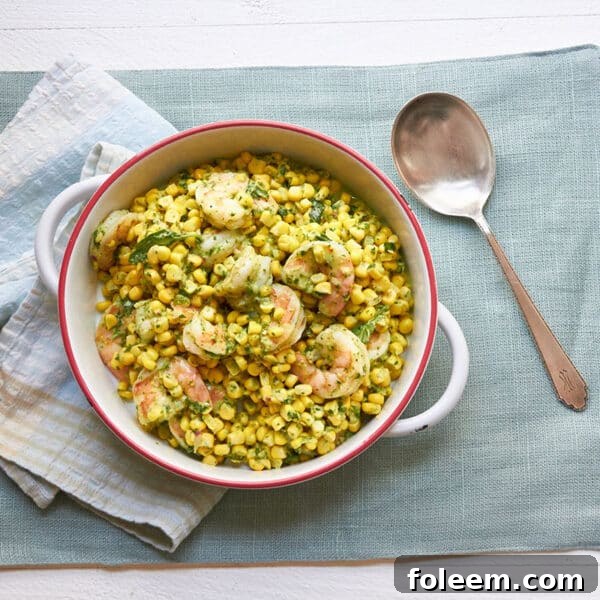
Shrimp and Corn Salad
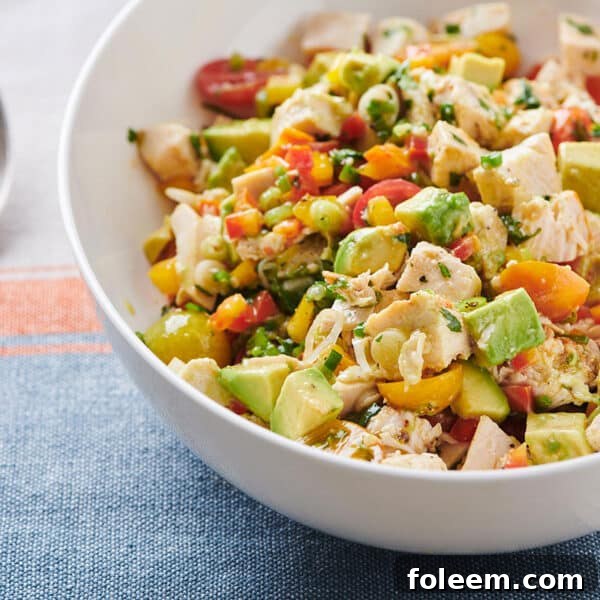
Avocado Chicken Salad
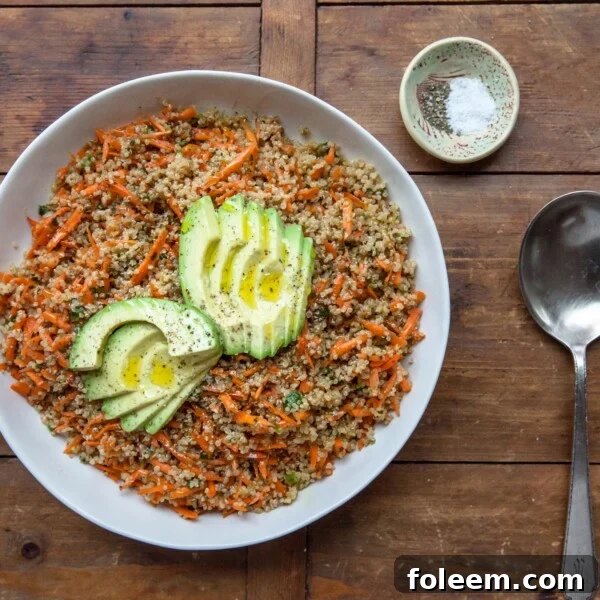
Sesame-Honey Quinoa and Carrot Salad with Sliced Avocado

How to Prepare and Cut Avocados
Ingredients
- Avocado
- Olive oil (or lemon or lime juice, if desired)
Instructions
-
Hold the avocado in your non-dominant hand. Use a very sharp knife to slice the avocado lengthwise from stem to bottom, then twist the halves apart.
-
Remove the pit by scooping it out with a spoon, or—if you are confident with knife skills—carefully lodge the knife into the pit, twist, and lift it free.
-
Slice or cube the avocado as desired. If not using immediately, coat the exposed flesh with olive oil or a little lemon or lime juice to slow browning.
Notes
Storage options to slow browning:
- Press plastic wrap directly onto exposed flesh and refrigerate for 2–3 days.
- Place chopped onions in a small container and set the avocado cut-side up on top; seal and refrigerate.
- Brush exposed flesh with olive oil or lemon/lime juice to create a barrier and slow oxidation.
- Blanch the peeled fruit before using in recipes where that is suitable.