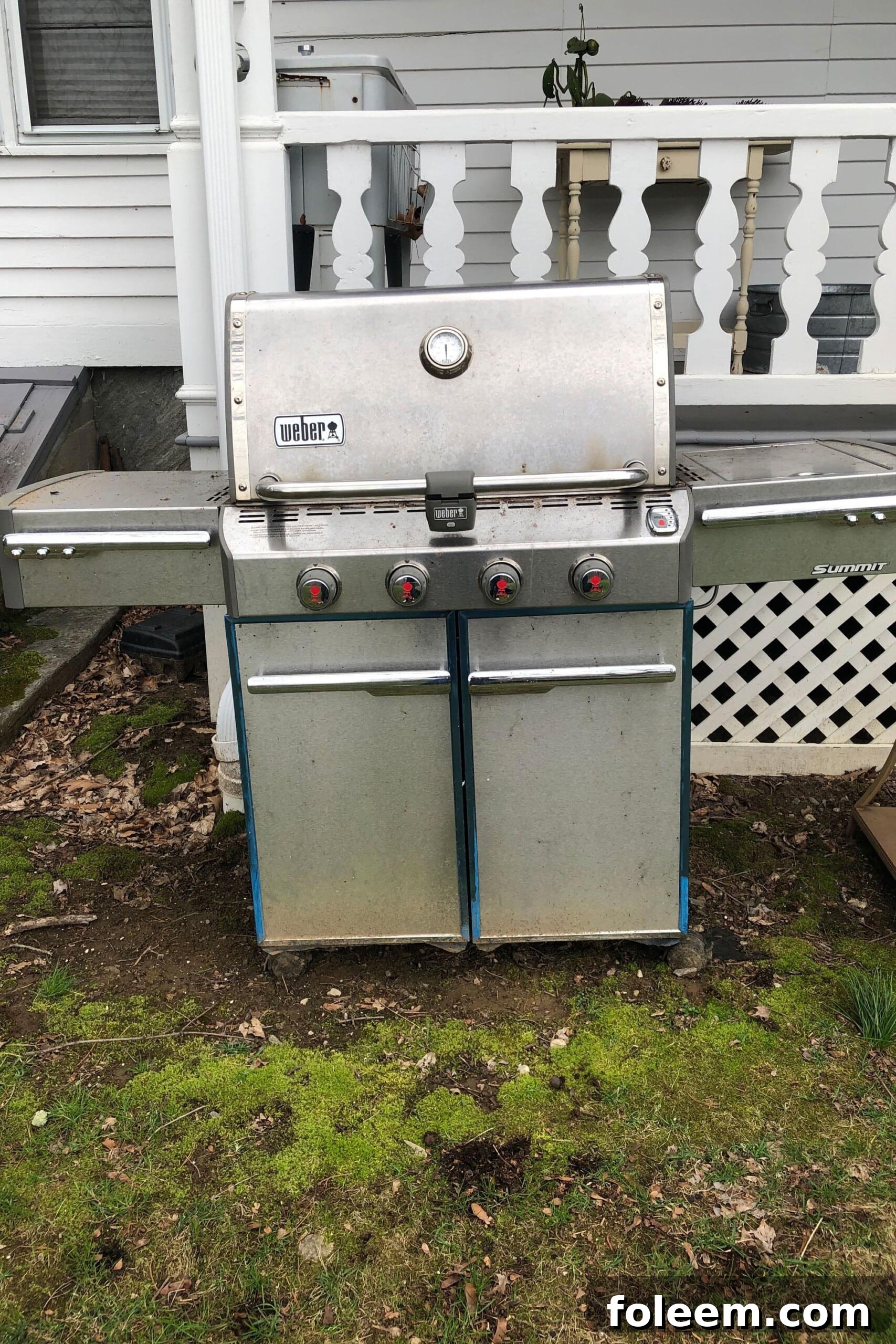
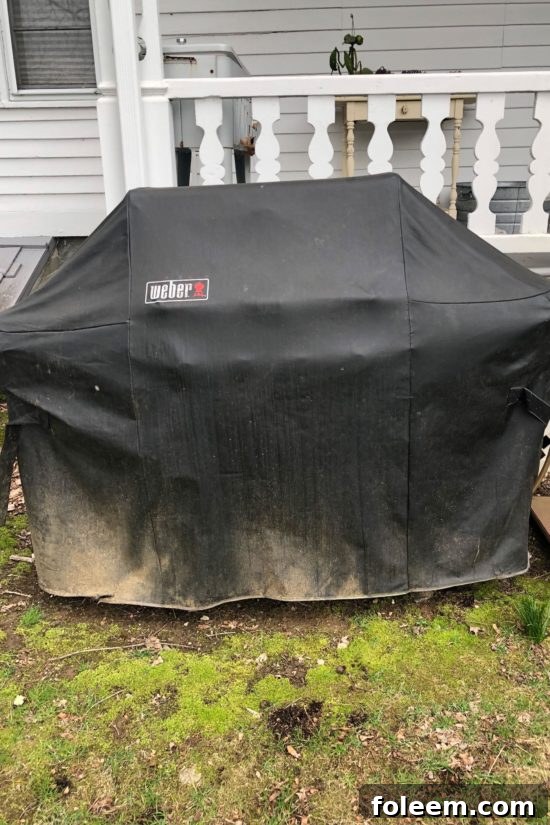
Some dedicated grillers cook year-round, shrugging off cold weather and even sleet to keep the barbecue going. Most of us, however, cover our grills and store them for the winter, bringing them back out when temperatures rise. That doesn’t mean your grill is ready to use right away. With Memorial Day upon us, take a few simple steps to clean and inspect your grill so it’s safe and performs well for the season.
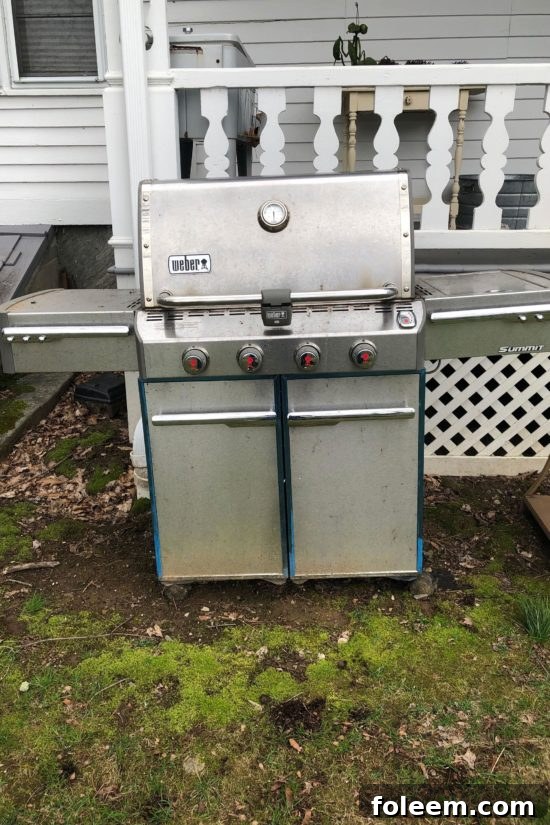
How to Clean Your Grill
Give It a Thorough Once-Over
Start with a careful inspection. Look for rust, cracks, or damage to metal components and fuel lines. Small animals and insects sometimes find their way into stored grills, so remove any nests or debris you find. Handle that task with gloves if needed.
Wipe Down the Outside
After months under a cover your grill will likely be dusty, greasy, or pollen-covered. A good exterior cleaning helps prolong the grill’s life and reduces the chance of sticky, slippery surfaces. Warm, soapy water works well for most exteriors; for specialty finishes consult products made for your grill’s material or ask a retailer for recommendations.
Don’t Forget the Inside of the Lid
The inside of the lid often collects grease and baked-on residue from prior cooks. This buildup can be unsightly and, in extreme cases, a fire hazard. Use a sturdy brush or a nylon brush depending on the grill’s finish, and a scraper for stubborn gunk. Scratches inside the lid are cosmetic—focus on removing the residue for safety and cleanliness.
Clean the Inside of the Grill
If your grill uses gas, perform internal cleaning with the gas supply turned off.
Clean the Burner Tubes and Flame Tamers
Remove and clean the flame tamers located above the burners, and check the burner ports for clogs. A skewer, paper clip, or purpose-made tiny wire brush can clear blocked holes. After an initial cleaning and a test fire, recheck and clear any remaining obstructions.

Remove Ash and Debris
For charcoal or wood grills, remove all ash and leftover debris from the previous season. You will likely need to lift out the grates to access the ashtray or firebox. Clearing ash improves airflow and reduces flare-up risk.
Empty the Grease Pan
Check and empty the grease pan if necessary. Accumulated grease is a major fire hazard. If you grill often, inspect the grease collection area regularly throughout the season.
Check the Fuel Line
To test for gas leaks, brush a mixture of dish soap and water along the outside of gas tubes and connections, then turn the gas on briefly. Bubbles indicate a leak—tighten fittings or replace damaged tubing as needed. If bubbles appear along a tube rather than at a connection, replace the tubing.
Get the Grill Grates Sparkling Clean
Clean grates are essential for food safety and attractive grill marks. On a gas grill, turn burners to high and close the lid for about 15 minutes to burn off residue. Then open the lid and scrub the grates with a grill brush, scraper, or a wad of foil held with tongs. Check the brush for loose bristles and avoid leaving any on the grate. Lightly oil the grates with vegetable oil to help prevent sticking.
If grates are very dirty, remove them and scrub with a nylon sponge or stiff brush and a strong cleaner, then rinse and dry thoroughly before replacing.
Stock Up on Fuel
Make sure you have adequate fuel before you plan your first cook. Replace or refill propane tanks as needed and consider a spare should one run out mid-grill. For charcoal, wood, or pellet grills, inspect leftover fuel from last season. Discard any fuel that shows mold or signs of moisture damage. Charcoal can often be dried if damp, but wet pellets should be discarded. Store fuel in dry conditions and in manufacturer packaging when possible to keep it protected.
Place the Grill Safely
Position your grill at least several feet from the house and away from windows and overhangs. A stable, non-flammable surface such as concrete or brick is best. If you must use a different surface, ensure you can always monitor the grill while cooking and avoid enclosed or poorly ventilated locations to reduce fire and carbon monoxide risks.
Inspect Your Tools
Check tongs, spatulas, brushes, and basting tools for wear. Replace worn grill brushes and frayed basting brushes. An instant-read thermometer is a valuable tool for reliably checking meat temperatures. Other useful items include long stainless-steel tongs, a sturdy spatula for large cuts, and a perforated pan for grilling vegetables. Keep kitchen towels handy to protect hands when handling hot items.
With the grill cleaned, inspected, and stocked, you’re ready to kick off grilling season. Popular first meals include grilled pizzas, thick steaks, and classic burgers—but choose what your family loves and enjoy the season safely.

10 Great Grilling Recipes for Memorial Day:
- Simple Herbed Grilled Chicken
- Grilled Lemony Chicken and Baby Artichokes
- Grilled Provencal Chicken and Peppers
- Mexican Grilled Corn
- Grilled Lamb Chops and Onions with Herb Salad
- Grilled Cheeseburgers with Herb Sauce
- Smoky Sweet Thai Grilled Flank Steak Salad
- Grilled Pork Loin with Brown Rice Salad
- Grilled Mexican Rib-Eye Steaks
- Marinated and Grilled London Broil