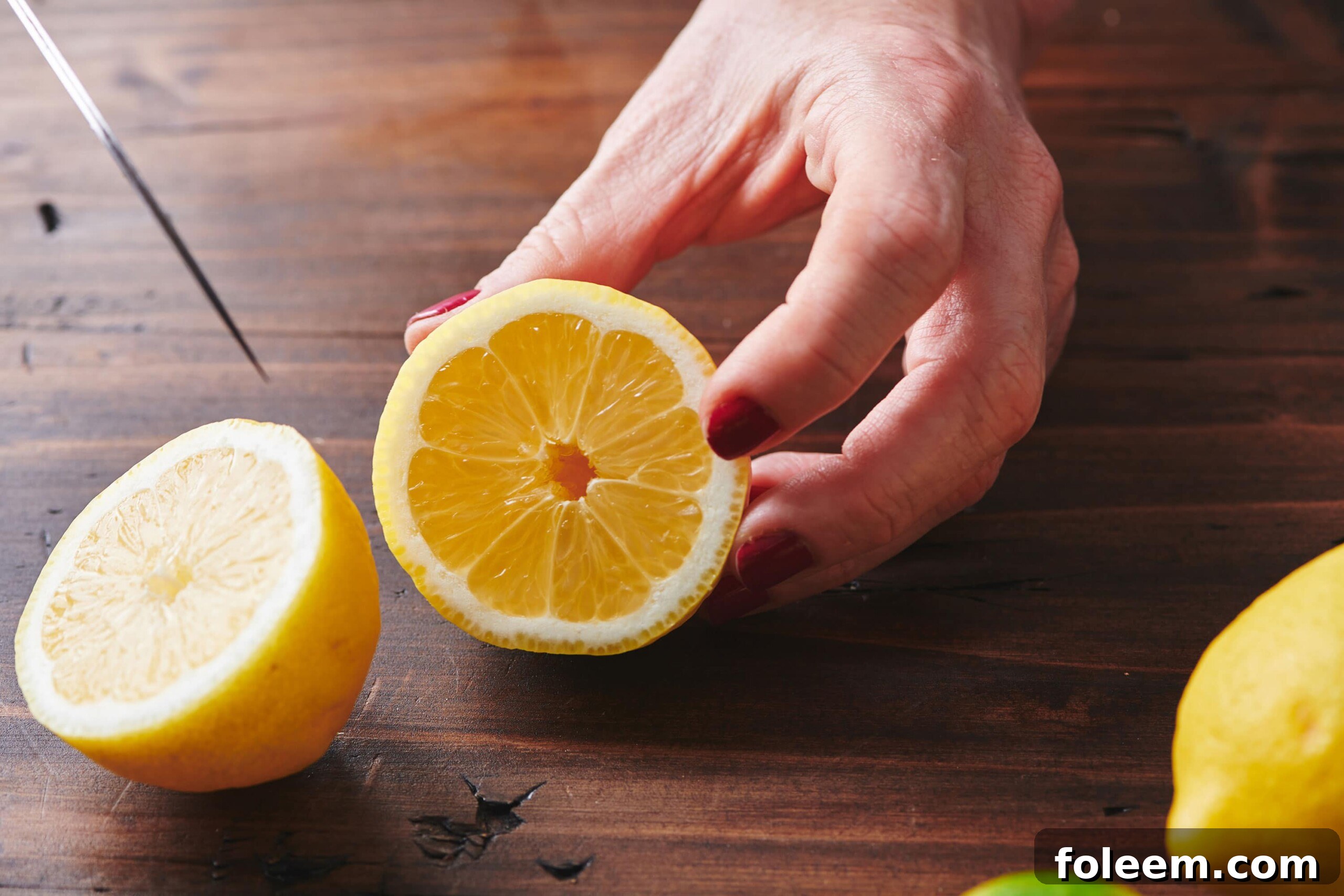
Lemons are prized for their bright yellow color, tangy juice, and remarkable versatility in the kitchen. These fruits grow on evergreen flowering trees and are commonly shipped from warm regions such as California and Mexico. If you enjoy gardening, you can also grow lemon trees in backyard gardens or in containers indoors in many climates.
Cooking with Lemons
Lemons are among my top essential ingredients. I use both juice and zest in a wide range of dishes, and occasionally the fruit itself. You can dry, candy, preserve, bake, or juice lemons. The peel contains aromatic essential oils that add depth to baked goods and savory recipes. Always remember that lemon juice is acidic, so avoid prolonged direct contact with tooth enamel.

Types of Lemons
The most common varieties in grocery stores are Eureka and Lisbon lemons. Meyer lemons are another popular type; they are sweeter and are believed to be a cross between a lemon and a mandarin orange. Meyer lemons work especially well in desserts and cocktails thanks to their milder, complex flavor.
How to Cook with Lemons: Lemon juice and zest brighten hundreds of savory and sweet dishes—here’s how to make the most of this citrus essential.
What Do Lemons Look Like?
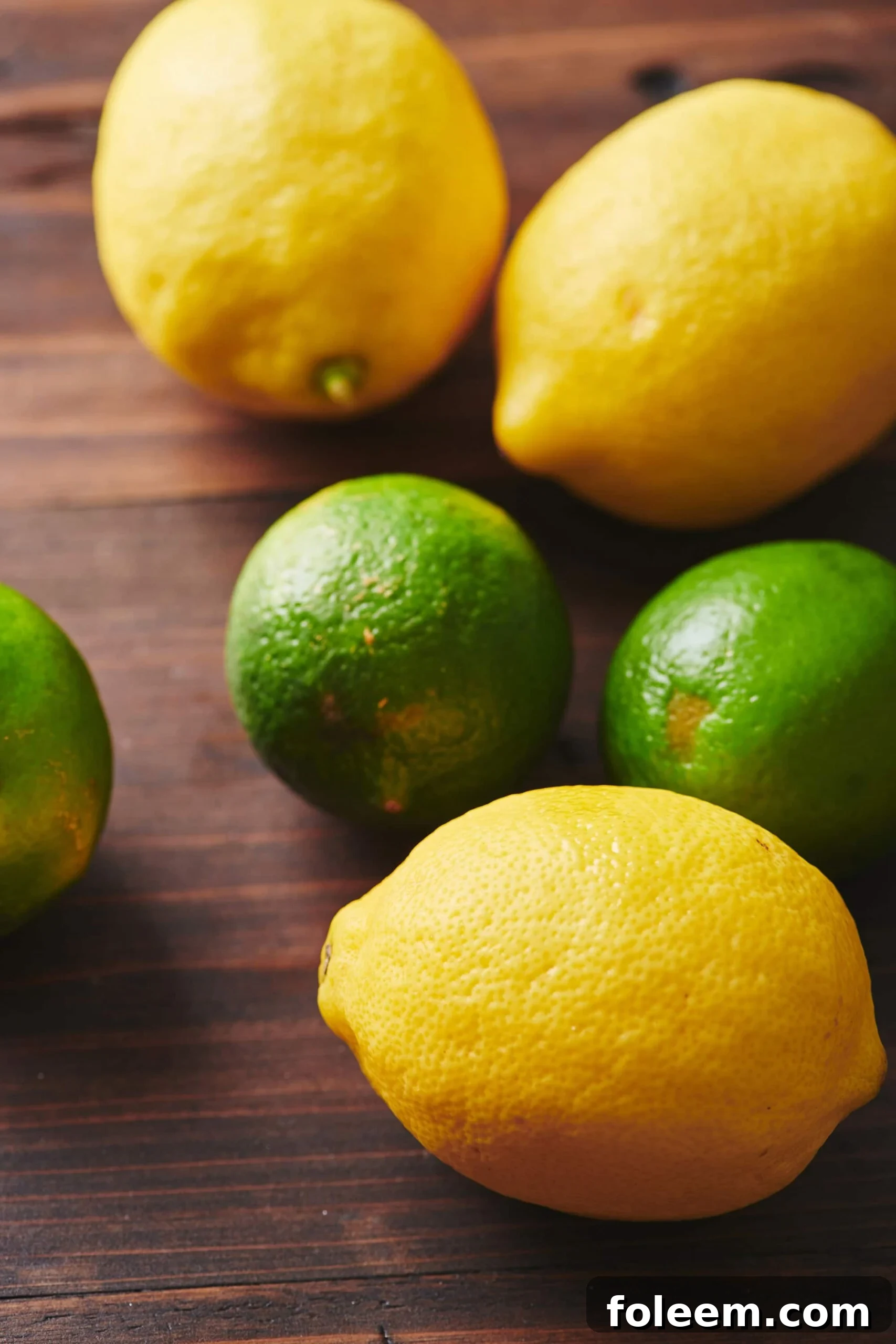
Lemons are easy to recognize by their vivid yellow color, textured rind, and oval shape. Meyer lemons tend to be smaller, rounder, slightly orange-tinged, and have smoother skin.

Where Can I Find Lemons?
Lemons are available year-round in most supermarkets. Specialty markets and regional farmers’ markets often carry specific varieties like Meyer lemons during their season.
How Do I Pick the Best Lemons?
Choose lemons that are firm, brightly colored, and free from soft spots, brown patches, or bruises. A slightly heavy lemon for its size often indicates juiciness.
What Do Lemons Taste Like?
Regular lemons are distinctly sour and high in acidity; tasting lemon juice or biting into a raw lemon will make you pucker. When combined with other ingredients or balanced with sugar, lemon contributes a bright, tart, and aromatic note. Lemon zest—the thin yellow outer peel—adds fragrant citrus character without the intense sourness of the juice.
How Do I Prepare Lemons?
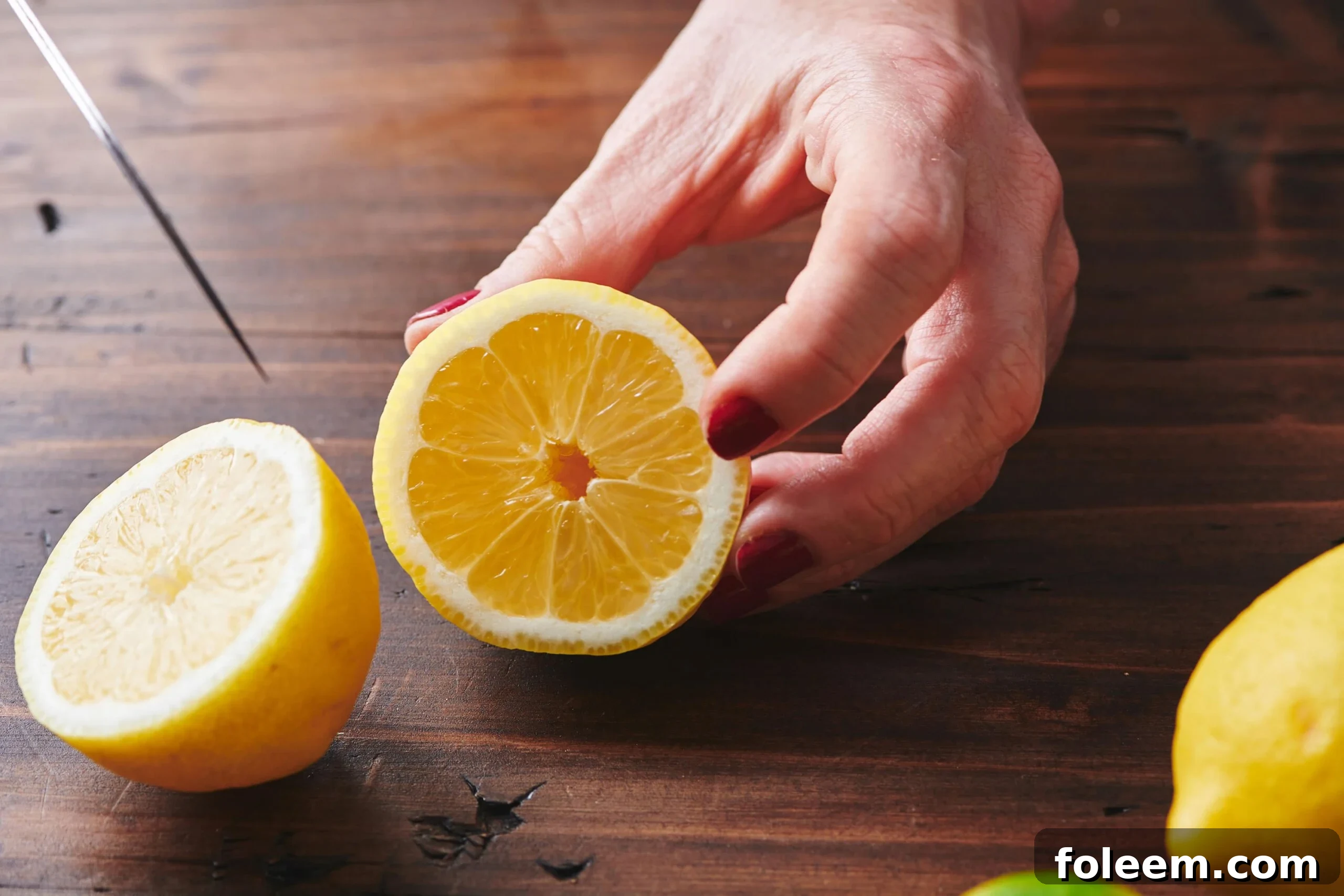
Always wash and dry lemons before using, especially if you plan to use the zest, to remove any wax or residues applied during shipping. To get more juice from a lemon, roll it firmly on a countertop with the palm of your hand before cutting. Cut in half and use a reamer, handheld juicer, or press to extract the juice. If needed, stabbing the flesh with a fork while squeezing helps release extra juice.
For lemon zest, use a zester, microplane, or a vegetable peeler to remove only the yellow outer layer, avoiding the bitter white pith. Zest can be minced, grated, or cut into strips depending on the recipe. When using slices or wedges, remove any seeds before adding them to your dish.

How Do I Cook With Lemons?
Lemons are used in countless savory and sweet preparations. They add brightness to beverages, vinaigrettes, dips, marinades, sauces, pastas, meats, seafood, and desserts. Preserved lemons are common in North African cooking and can also be chopped and added to salads for a salty, citrusy kick.
Thin lemon slices placed over pork, chicken, or fish caramelize during cooking and infuse dishes with sweet-tart flavor. Raw lemon wedges are often served alongside seafood and other savory plates to squeeze over just before eating.
When are Lemons in Season?
Lemons are widely available all year. Meyer lemons have a more defined season and are usually easiest to find between December and May.
How Do I Store Lemons?
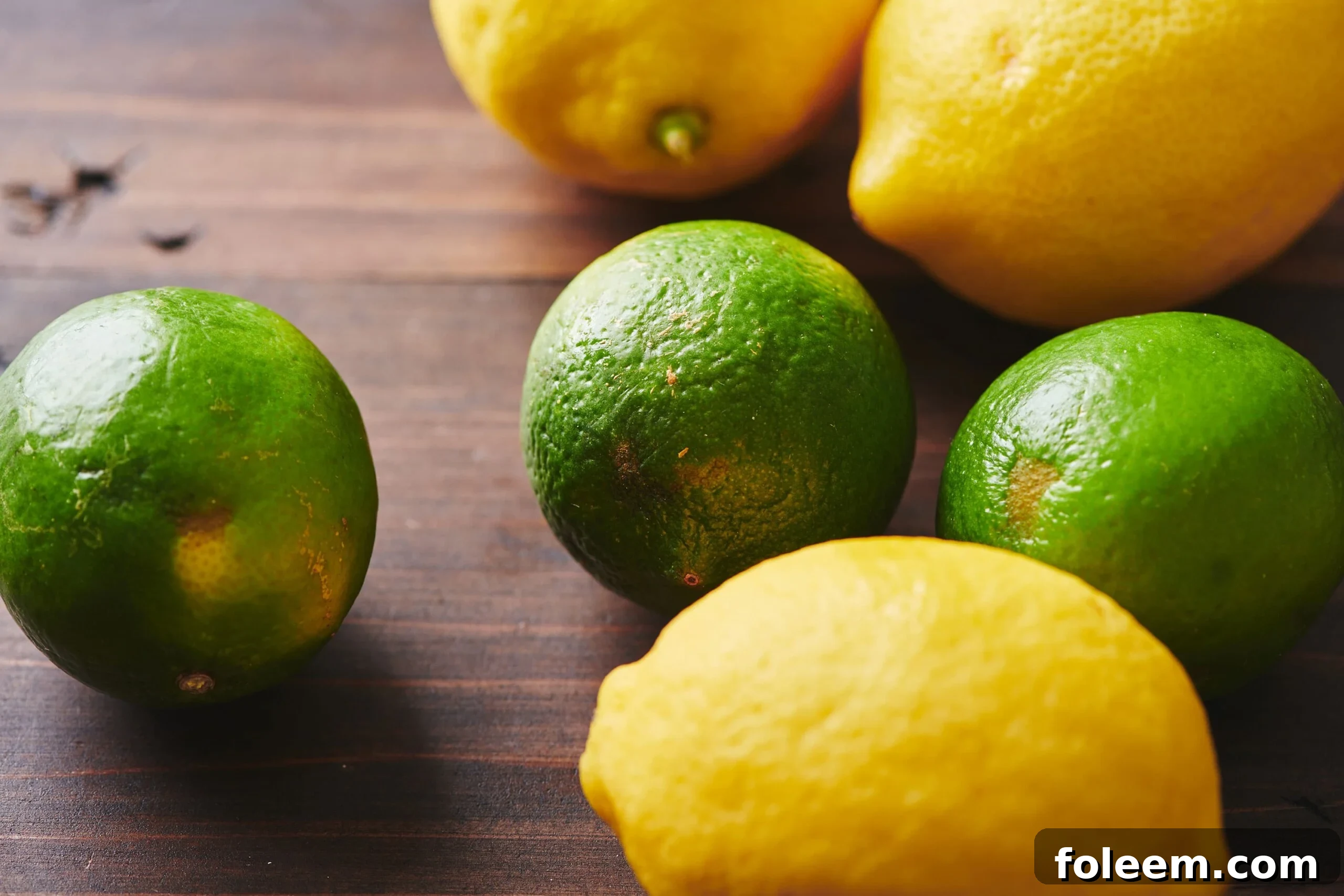
To maximize shelf life, store lemons in the refrigerator crisper drawer where they can keep for about three weeks. At room temperature they typically last about a week. If you have leftover cut lemon, wrap it tightly and refrigerate; even slightly shriveled lemons can still yield usable juice.
Are Lemons Nutritious?
Lemons are low in calories and an excellent source of vitamin C, along with small amounts of other nutrients and beneficial plant compounds.
10 Lemon Recipes
Here are some recipes that highlight lemon’s bright flavor:
Easy Shrimp and Broccoli
View Recipe
Lebanese Couscous with Sautéed Kale and Lemon Dressing
View Recipe
Lemon Squares
View Recipe
Sparkling Mint Pomegranate Cocktail
View Recipe
Basil Ginger Lemon Saketini
View Recipe
Air Fryer Chicken Breast (Boneless, Juicy, Lemon Garlic)
View Recipe
Chicken Kawarma with Lemon Sauce over Hummus
View Recipe
Lemon Meringue Pie
View Recipe
Lemon Curd
View Recipe
Atlantic Beach Pie
View Recipe