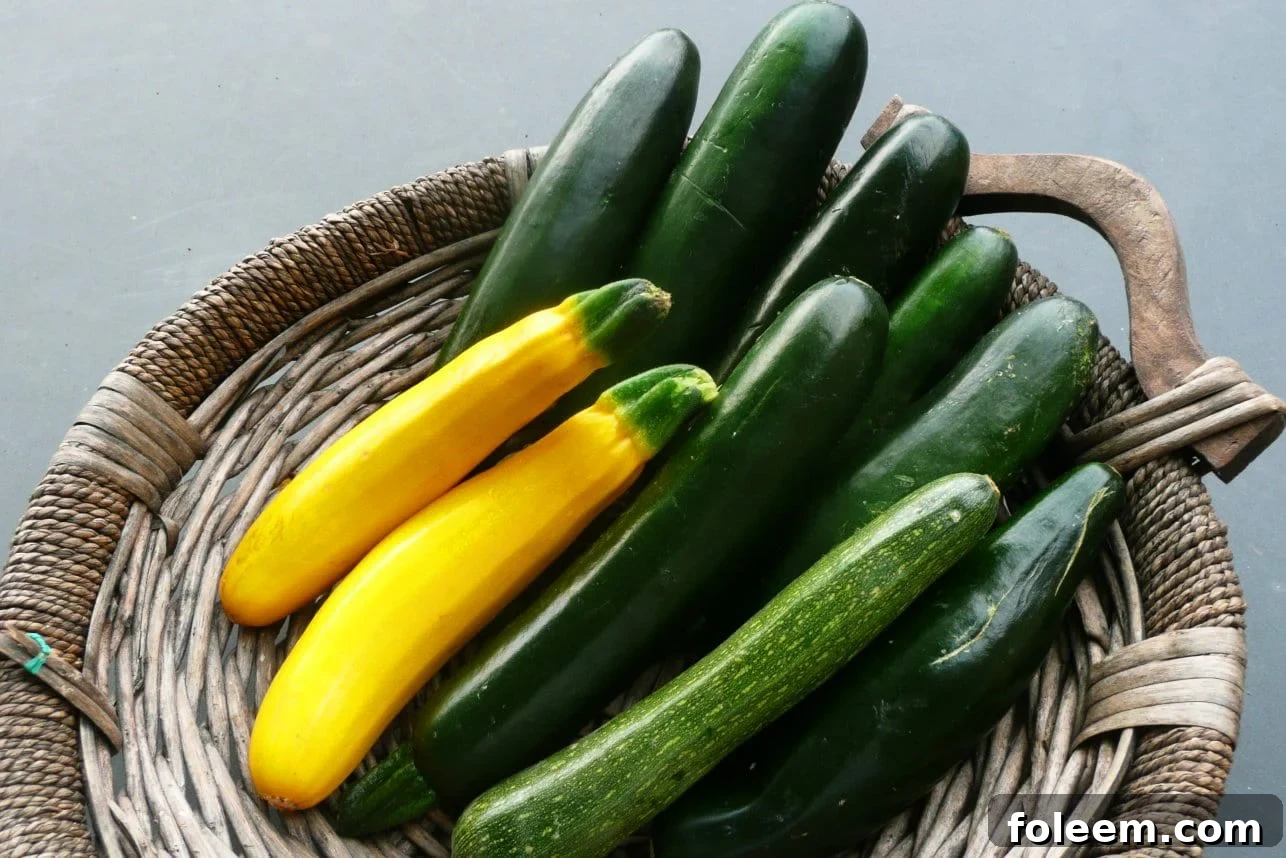
When zucchini arrive in season they seem to appear all at once—piled high at the farmers market, abundant in CSAs, and suddenly overflowing garden beds. While zucchini bread is a fine solution (and an easy neighbor gift), there are many other ways to use this versatile squash. Summer squash works the same way as zucchini in most recipes, so feel free to substitute. Before you start cooking, here are practical tips for selecting, storing, and preparing zucchini so you can make the most of your harvest.
- What Is Zucchini?
- What Does Zucchini Taste Like?
- FAQs
- How to Choose Zucchini
- How to Store Zucchini
- How to Cook Zucchini
- Zucchini Recipes
- What to Do With Zucchini Flowers
- More Fresh Produce Cooking Tips
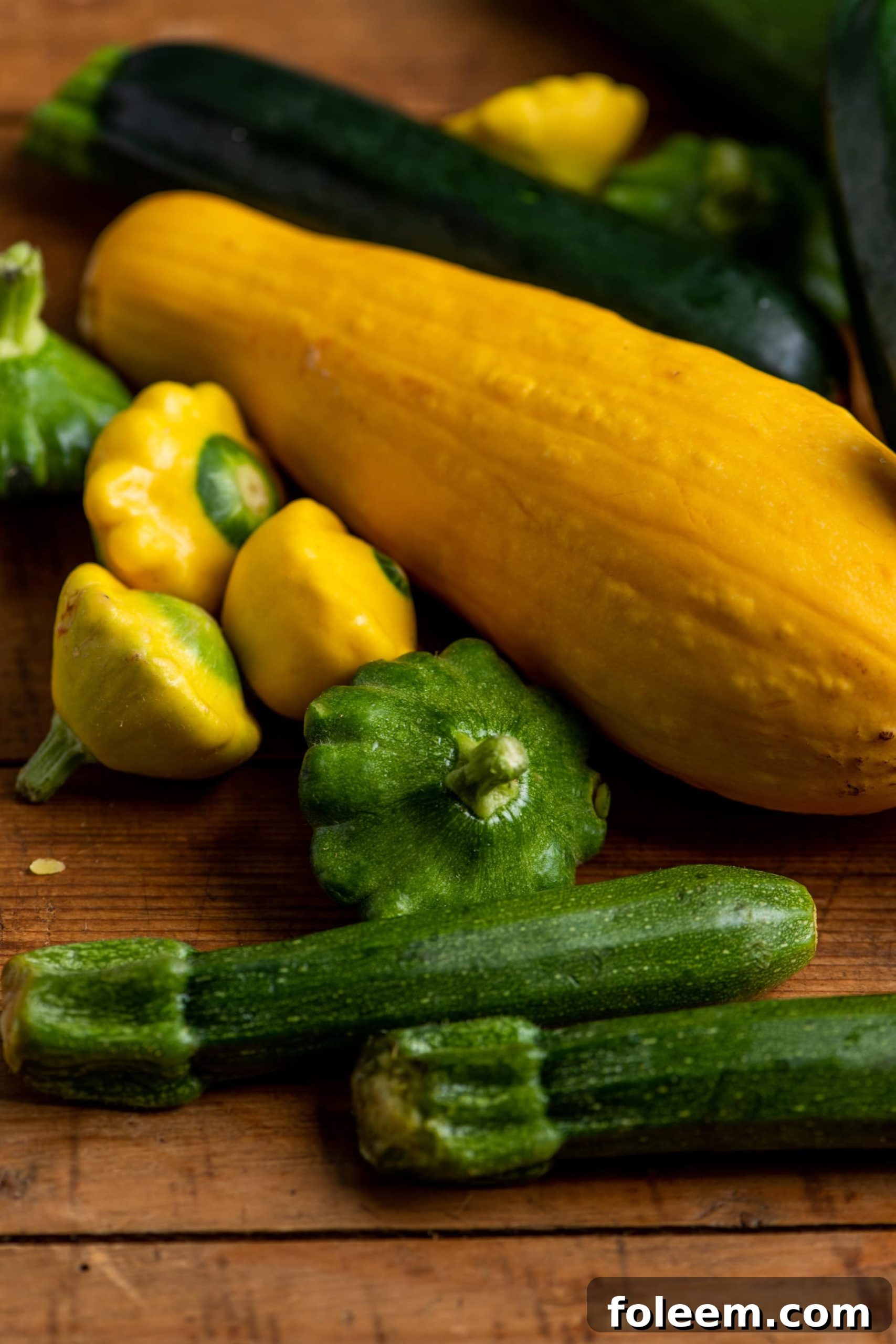
How to Cook Zucchini: Everything you need to know about buying, storing, preparing and cooking zucchini!
What Is Zucchini?
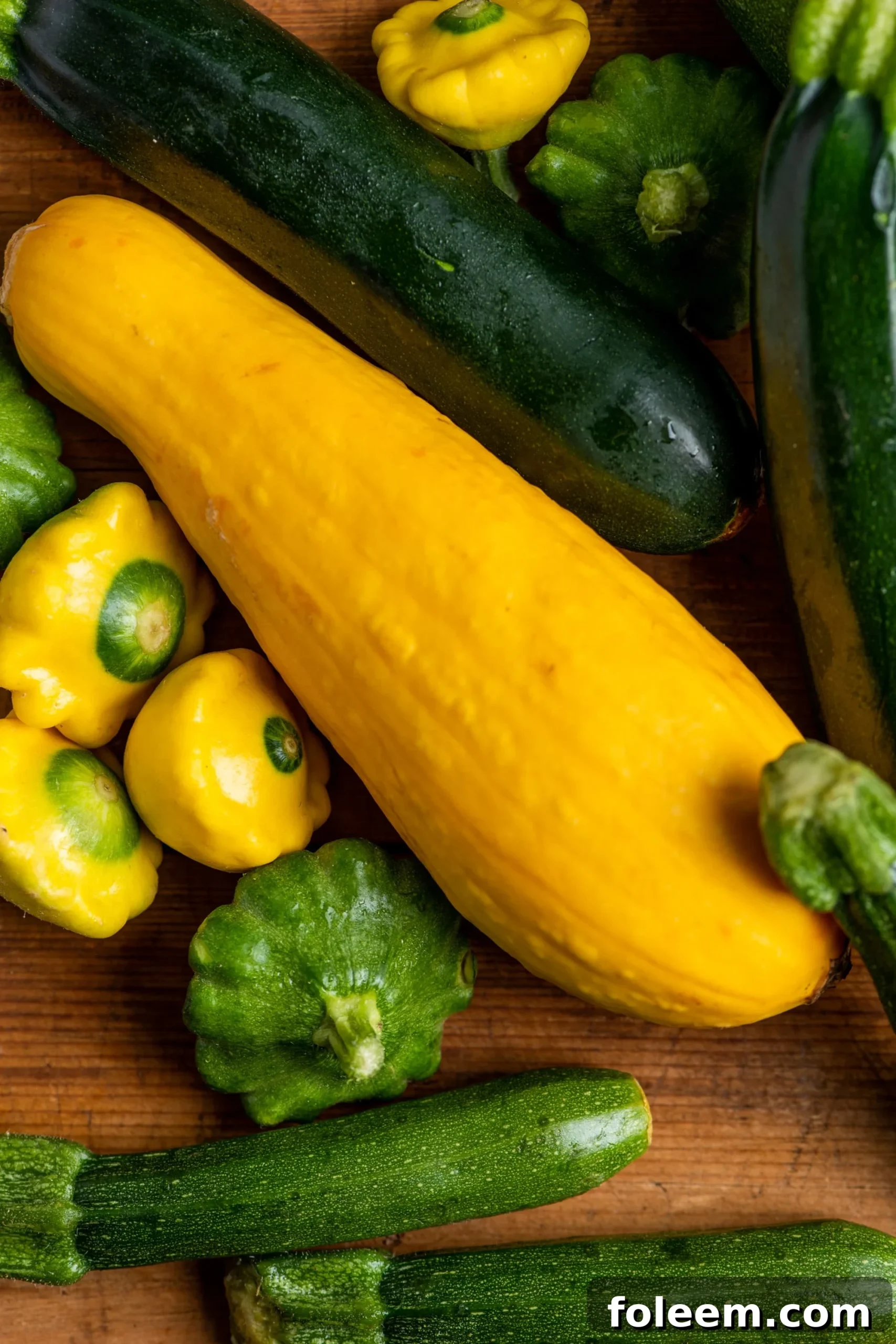
Zucchini are botanically fruit but are most commonly used as a vegetable. Known as courgettes in many parts of the world, they come in green and yellow varieties; the yellow types are often labeled summer squash. You may also encounter striped varieties. Zucchini are used across global cuisines—from the United States to Europe, the Middle East, and beyond.
What Does Zucchini Taste Like?
Zucchini have a very mild, delicate flavor and a high water content, which keeps their taste subtle. Cooking reduces their volume as water evaporates and concentrates a gentle vegetal note, but they remain fairly understated—making them an ideal canvas for sauces, herbs, and spices.
FAQs
Flavors are similar; yellow summer squash can be slightly blander and sometimes less firm. In most recipes they’re interchangeable.
Zucchini range from small, finger-sized specimens to very large fruits. They grow quickly and will continue to enlarge until harvested.
Zucchini and summer squash provide folate, potassium, and vitamins A and C, and are low in calories, making them a healthy addition to many dishes.
How to Choose Zucchini
Select zucchini that are 6 to 8 inches long and about 2 inches in diameter for the best texture and flavor. Look for squash that feel firm with smooth, unwrinkled skin. Smaller zucchini tend to be less fibrous and more tender; larger ones work well shredded for breads or hollowed and stuffed. If a very large zucchini has a spongy core, remove the interior and use the outer flesh and skin.
How to Store Zucchini
Store zucchini in the refrigerator for several days; how long they last depends on how fresh they were when bought or picked. Use them while they are still firm—soft or mushy squash should be composted. Avoid washing before storage to extend freshness.
How to Cook Zucchini
Zucchini’s mild flavor makes it adaptable to many cooking methods and seasonings. Common techniques include sautéing, steaming, roasting, frying, stuffing and baking. Zucchini adds bulk and nutrition to soups, stews, chilis, and pasta dishes without overpowering other ingredients. Smaller zucchini can be eaten raw in salads, offering a pleasant crunch.
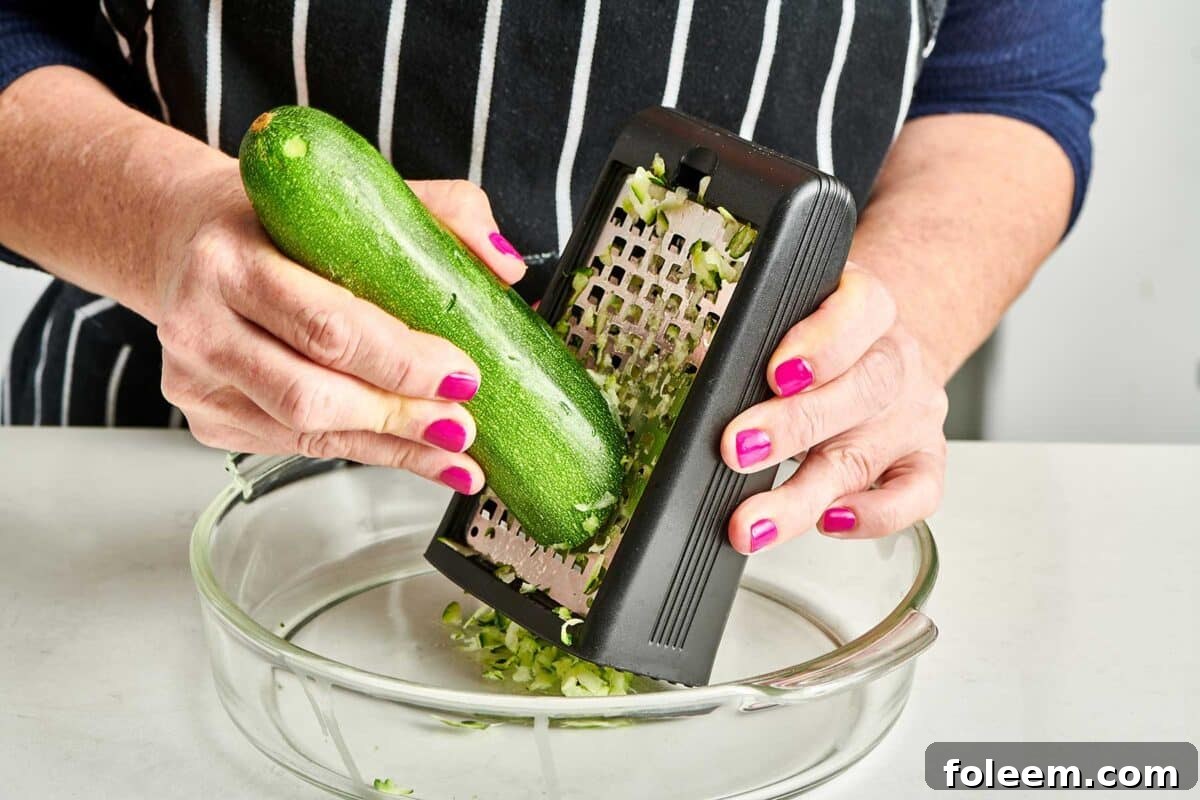
For raw preparations, use a vegetable peeler to create thin ribbons for salads. Spiralized zucchini—zoodles—are a popular pasta substitute and can be served raw or lightly cooked with sauces like tomato marinara, Alfredo, or puttanesca. When grating zucchini for breads or baked goods, peel if the skin is particularly tough; otherwise the skin is edible and attractive, so there’s no need to remove it in most dishes.
Zucchini Recipes
Zucchini can be transformed into a wide range of dishes—from quick breads and fritters to baked chips, salads, and grilled kebabs. If you have more zucchini than you can use fresh, try shredding for breads, frying in a light batter, roasting with herbs, or incorporating into pasta and grain salads. There are many ways to keep this abundant summer vegetable interesting and delicious.
Baby Zucchini Gratin
Zucchini Ribbon Salad
Baked Zucchini Chips
Pumpkin Zucchini Bread
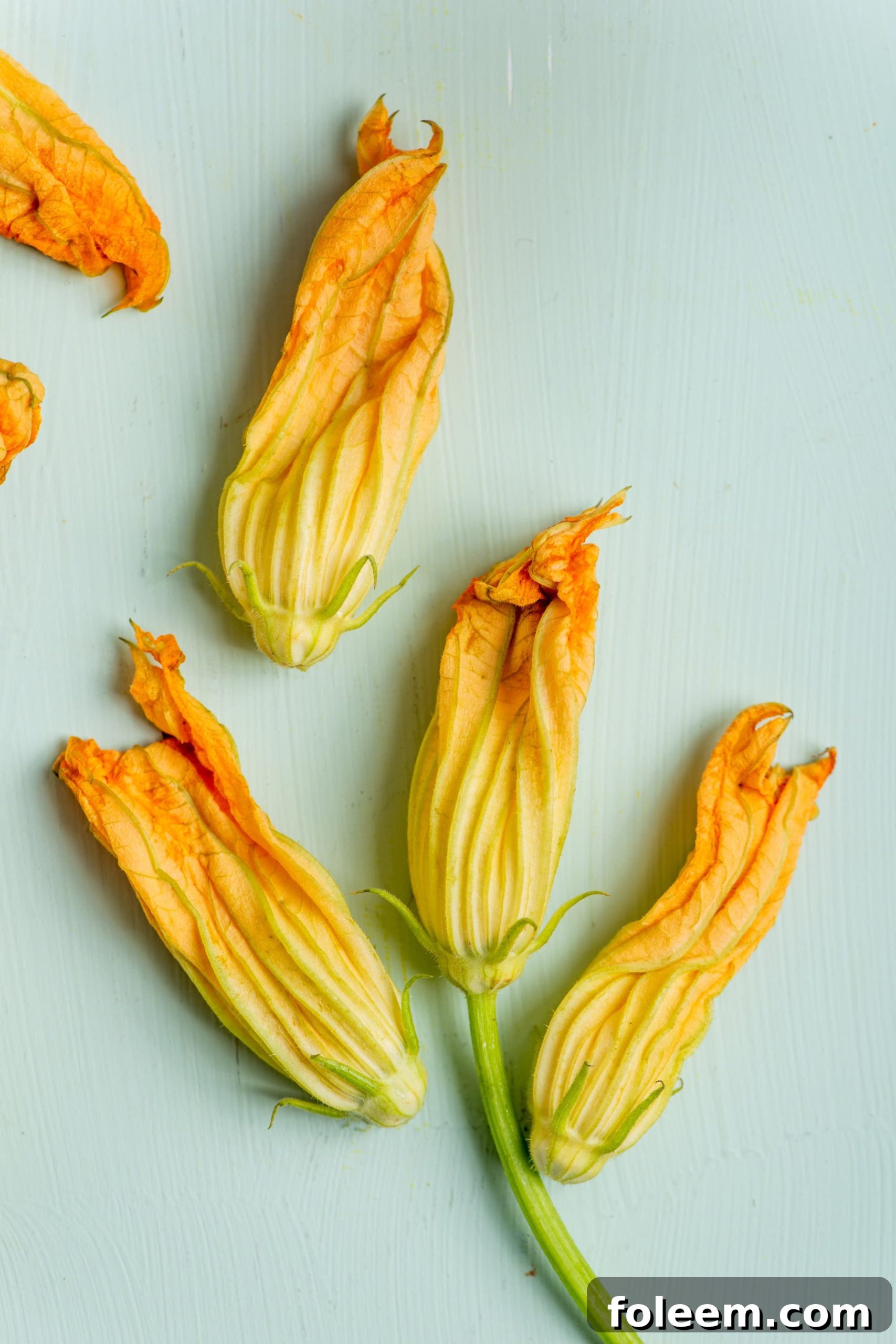
What to Do With Zucchini Flowers
Zucchini and summer squash produce edible blossoms at the stem ends. Squash blossoms are tender and delicious—commonly stuffed and fried, but also excellent roasted, baked into savory dishes, or used fresh in salads. If you have blossoms on hand, they are worth treating as a delicate seasonal ingredient.
More Fresh Produce Cooking Tips
If you’re exploring other vegetables and fruits this season, keep experimenting—each ingredient has simple techniques that bring out the best texture and flavor. Try cooking methods for broccoflower, butternut squash, pears, pumpkins, and kohlrabi to broaden your repertoire.
- How to Cook Broccoflower
- How to Cook Butternut Squash
- How to Cook Pears
- How to Cook Pumpkins
- How to Cook Kohlrabi