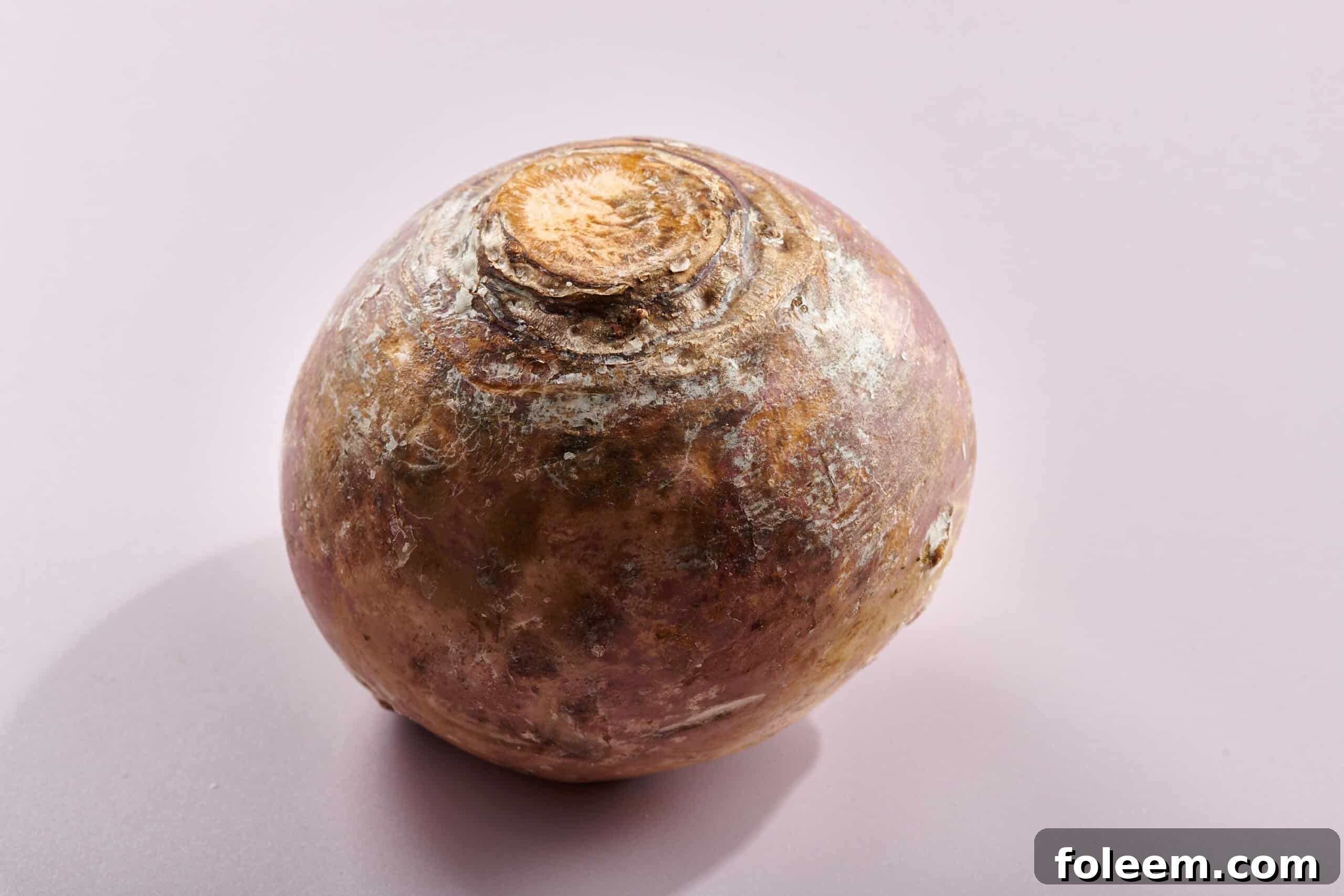
Maybe you picked up some seasonal produce at a farmers market, joined a CSA, or tried rutabagas at a restaurant and want to add them to your home cooking. If you brought unfamiliar vegetables or fruit home and aren’t sure how to pick, store, prepare, or cook them, rutabagas are easy to learn — and delicious once you know a few basics.
Here’s a straightforward guide to what rutabagas are, how they taste, how to shop for and store them, and simple ways to cook and enjoy them.
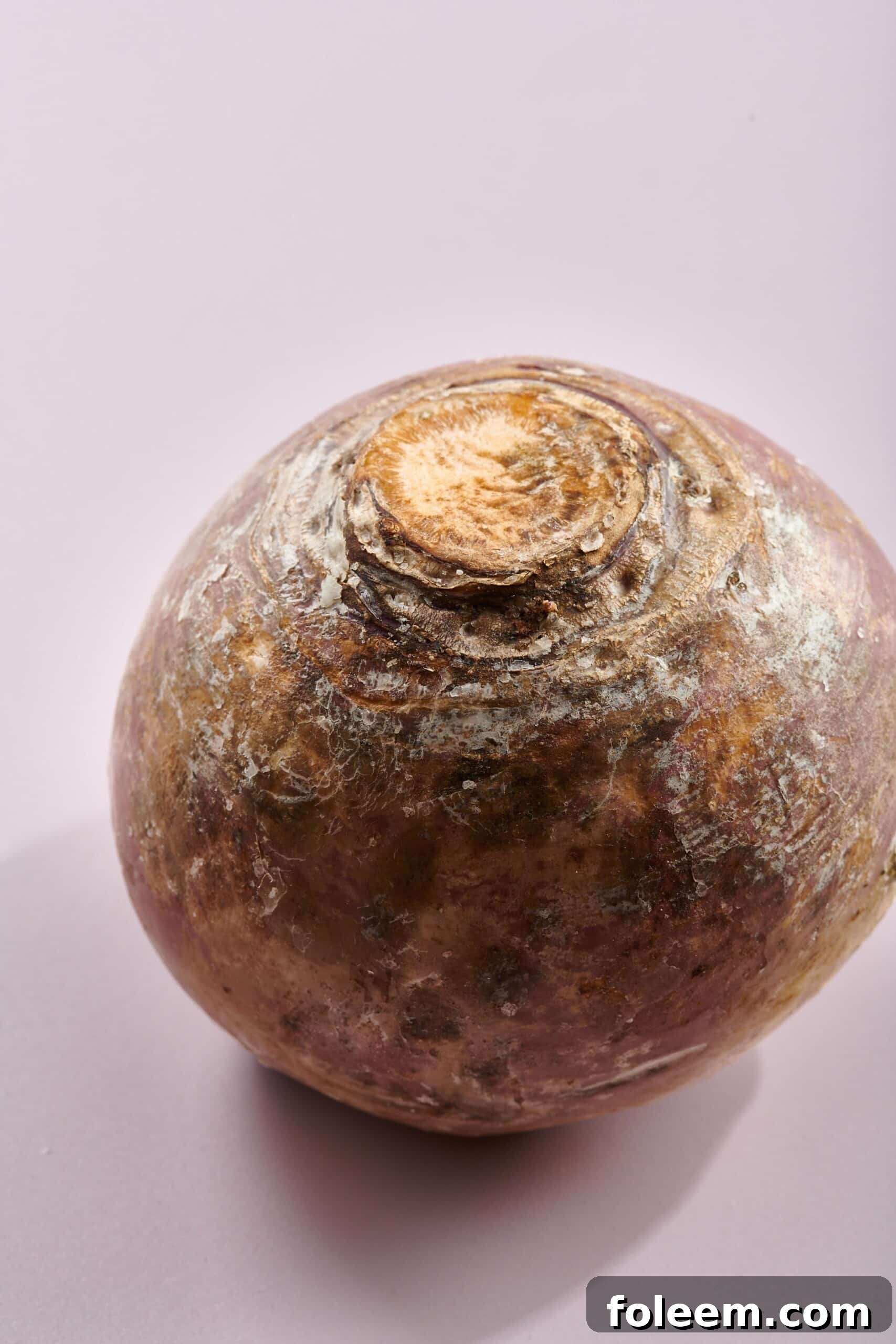
What is a Rutabaga?
Rutabagas — called Swedes in some places — are root vegetables that resemble turnips but have a slightly sweeter, earthier flavor and a yellower interior. Botanically, they’re a cross between a turnip and cabbage. Rutabagas appear in many cuisines, including Scandinavian, British, and American dishes.
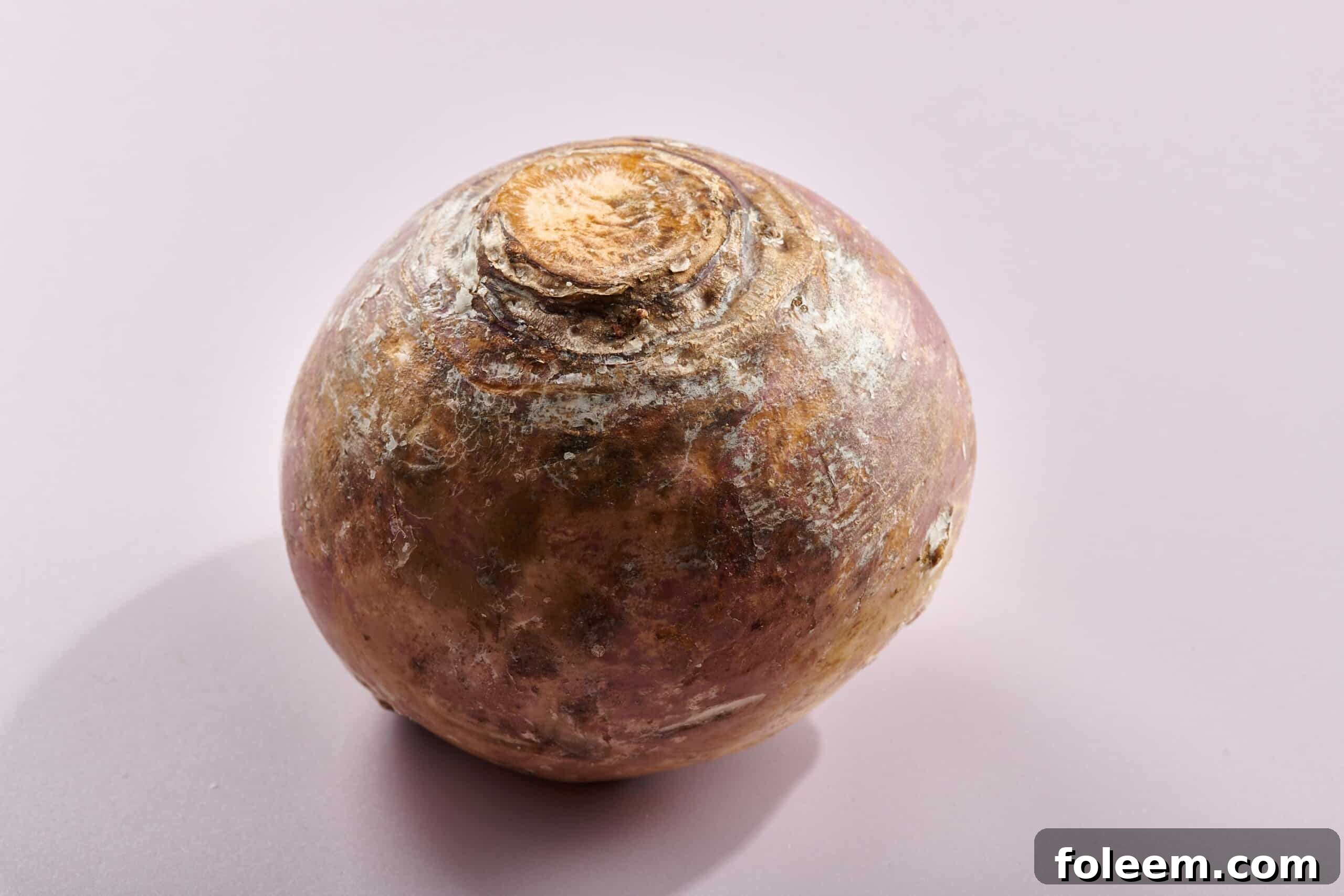
What Does a Rutabaga Look Like?
Rutabagas are generally round or slightly elongated. Many have a purple-tinted top, similar to a purple-topped turnip, with the rest of the skin a yellowish-white. The skin is usually thick and should be peeled before cooking, though small unwaxed roots can be scrubbed and cooked with the skin on.
What Does a Rutabaga Taste Like?
Raw rutabaga has a milder bite than a raw turnip. Cooked, it becomes buttery and sweet-savory with a subtle bitterness. Think of Yukon Gold potatoes with a bit more character — rich and comforting when roasted or mashed.
How Do I Cook Rutabagas?
Start by washing rutabagas well and removing the waxy skin with a vegetable peeler or knife. Farmers market or organic rutabagas might not be waxed; small, unwaxed ones can be scrubbed and left unpeeled.
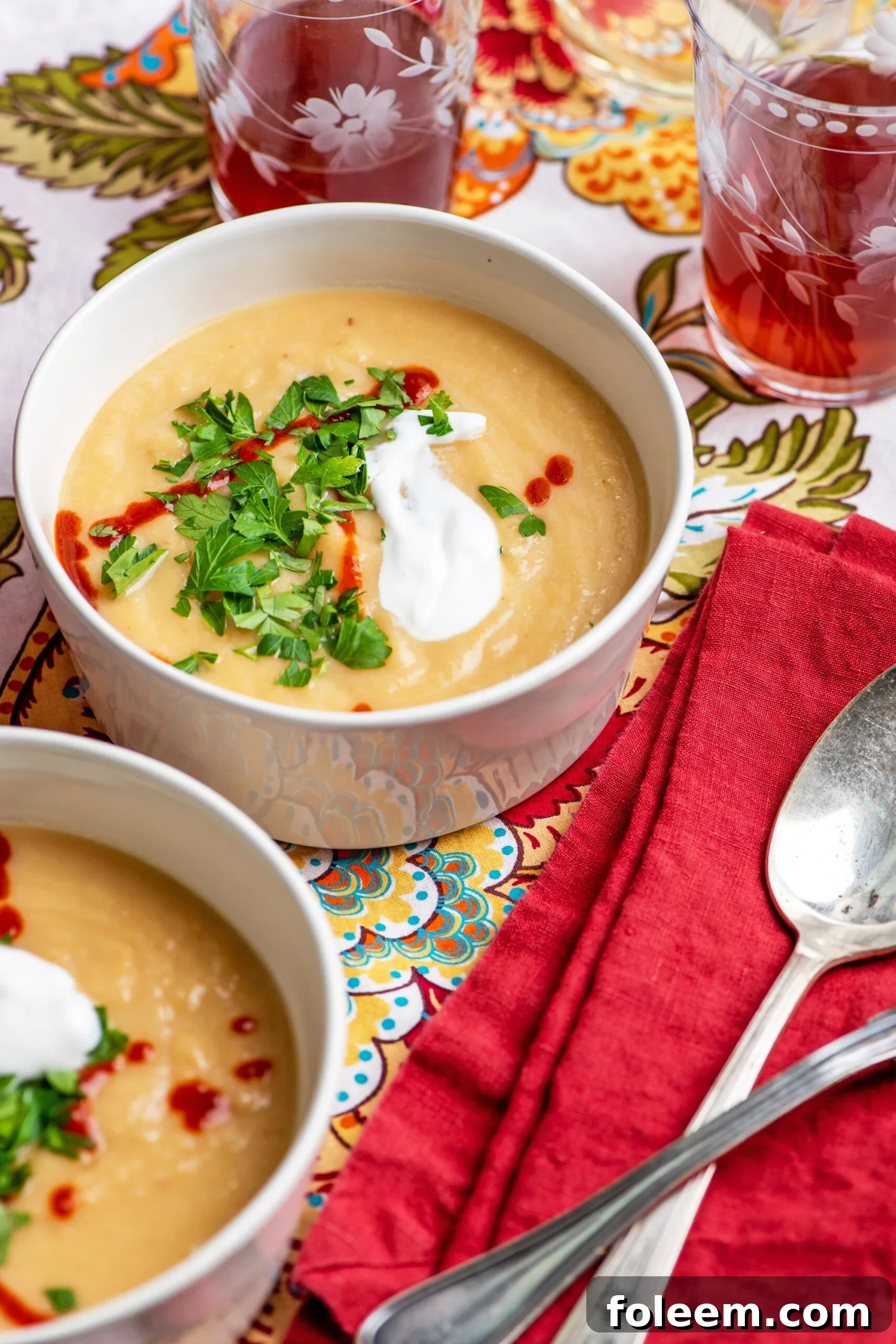
Common preparations:
– Roast: Cube rutabaga, toss with oil and seasonings, and roast until tender and caramelized.
– Boil and mash: Cook chunks until soft, then mash alone or mixed with potatoes, butter, and cream.
– Stew or soup: Add rutabagas to stews and soups for body and flavor.
– Sauté: Thinly sliced rutabaga can be sautéed as a side vegetable.
– Raw: Thinly shaved, rutabaga adds crunch and a mild bite to salads.
The greens are edible too; prepare them like turnip greens or other hearty leafy greens.
How Do I Know Which Rutabagas to Buy?
Choose rutabagas that are firm, heavy for their size, and free of soft spots. A smooth, intact skin indicates freshness. If leaves are attached, they should look crisp and waxy. Smaller rutabagas (under about 4 inches across) are often sweeter and less woody than larger ones.
How Do I Store Rutabagas?
Store rutabagas unwashed in the refrigerator in a plastic bag for up to two weeks. If left at room temperature, they will keep for several days but not as long. Only wash them right before use to preserve freshness.
When Are Rutabagas in Season?
Rutabagas are typically in season from October through March, making them a reliable winter root vegetable.
Are Rutabagas Nutritious?
Yes. Rutabagas are low in calories, high in fiber, a good source of potassium, and rich in vitamin C. They make a nutritious addition to a balanced diet.
If you have questions about buying, storing, preparing, or cooking rutabagas, this guide should help you get started.
Try Rutabagas in These Recipes
Rutabagas work well in soups, mashes, roasts, and even as a potato substitute in many dishes. Here are a few recipe ideas to inspire you.

Creamy Rutabaga, Parsnip and Cheddar Soup
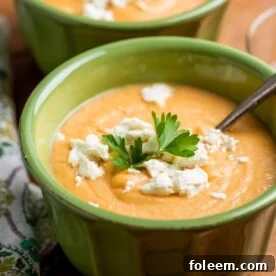
Creamy Rutabaga, Carrot and Parsnip Soup
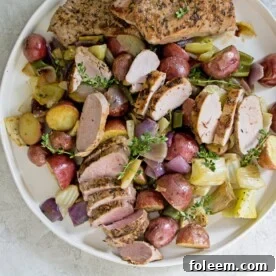
Mediterranean Pork Tenderloin with Roasted Vegetables
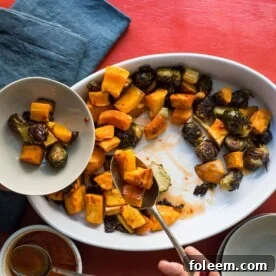
Roasted Winter Vegetables with Sriracha Honey Glaze