Cooking Persimmons: Simple Recipes and Tips for Ripe Fruit
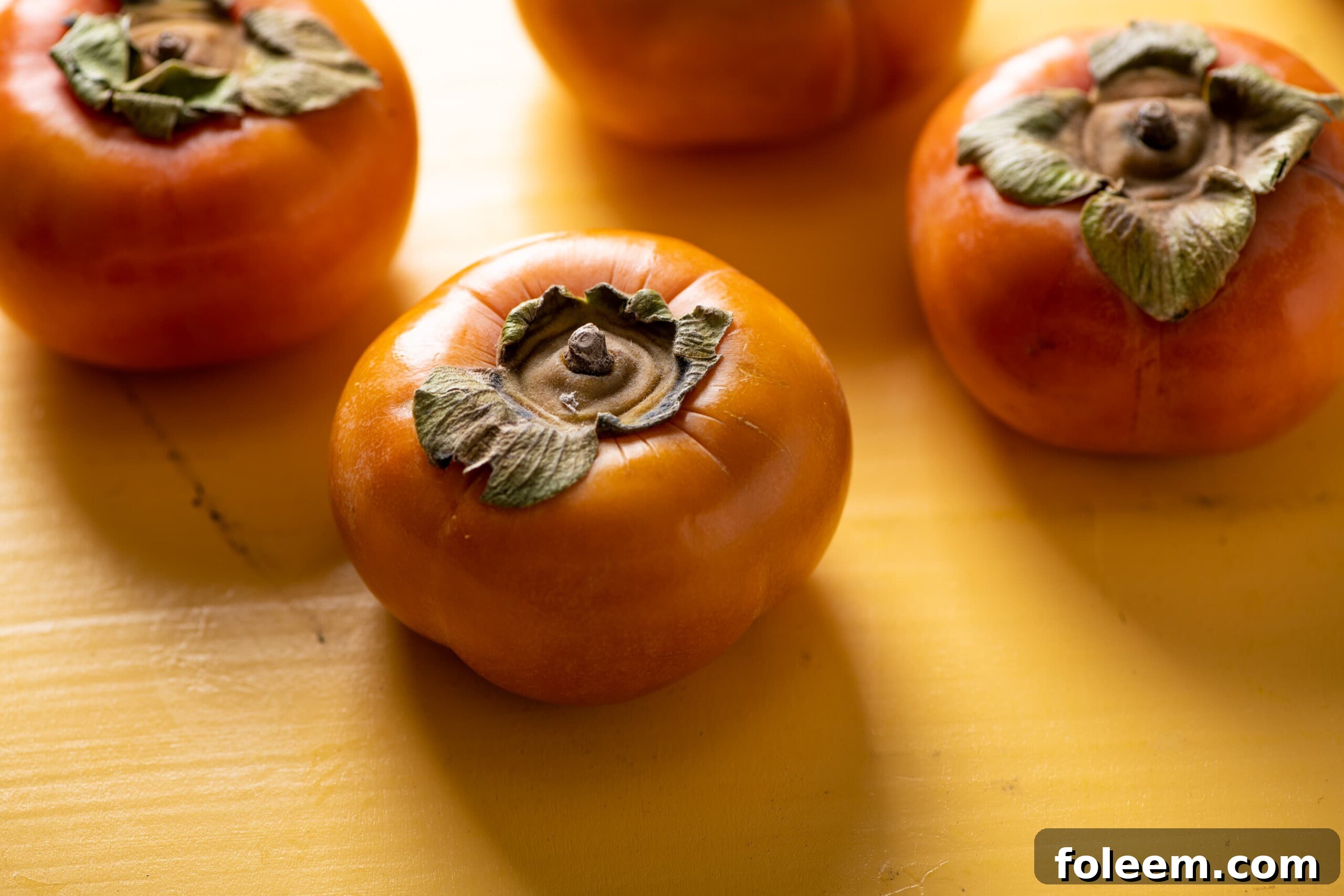
Persimmons often prompt the question, “What is this and what do I do with it?” Fortunately, they’re easy to identify and delicious to enjoy once you know the basics.
What Is a Persimmon?
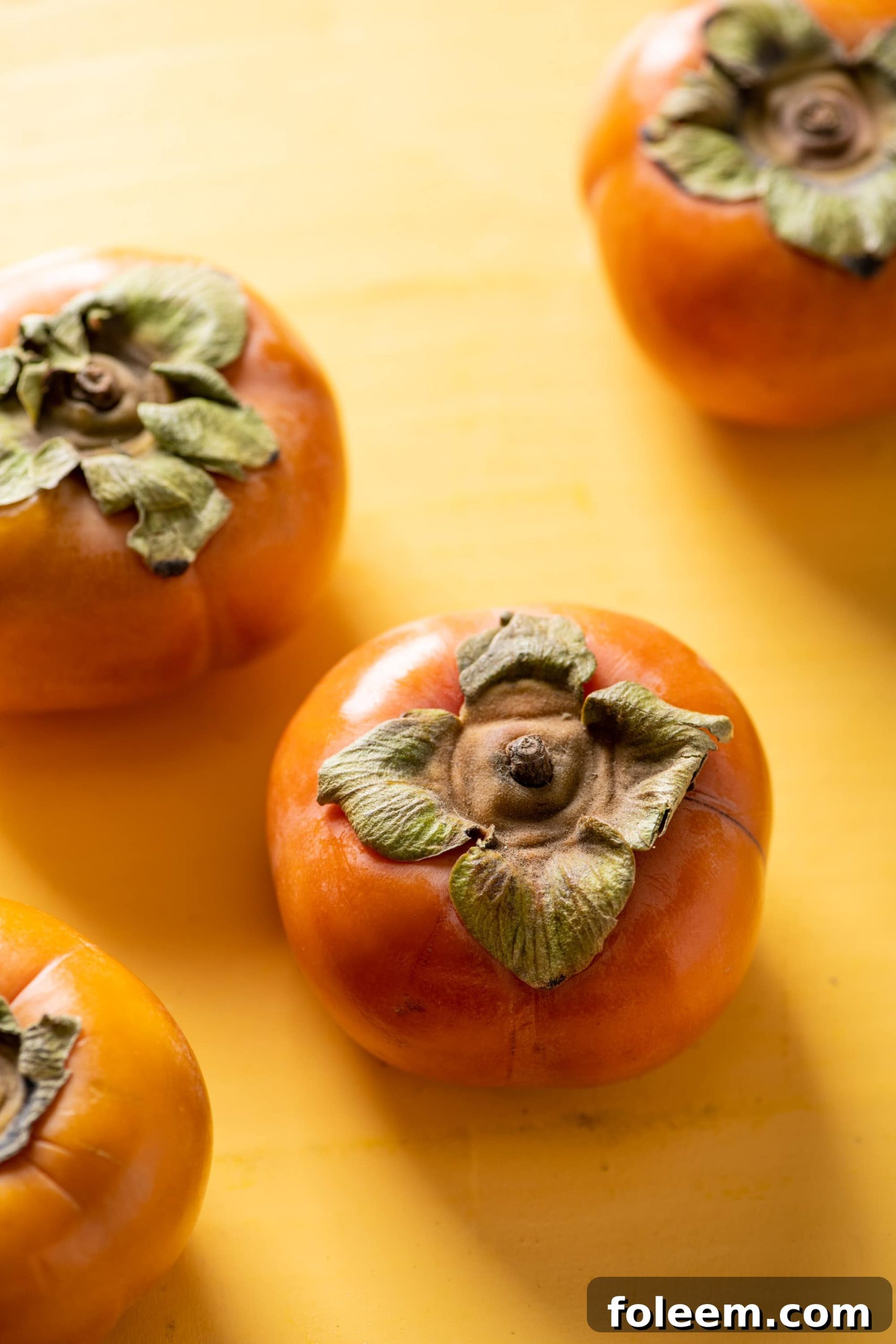
Persimmons are edible fruits native to East Asia. Botanically they’re berries that grow on trees and can resemble tomatoes in shape and color. While their appearance may be familiar, their flavor and texture are distinct and worth exploring.
What Are the Different Types of Persimmons?
There are several varieties, but the two most common you’ll find in markets are Hachiya and Fuyu.
Differences Between Hachiya and Fuyu Persimmons
In short: Fuyu persimmons are typically eaten firm and crunchy, while Hachiya persimmons must be fully ripe and very soft before eating to avoid an unpleasant astringency. Keep reading for more detail on each type.
What Do Persimmons Look Like?
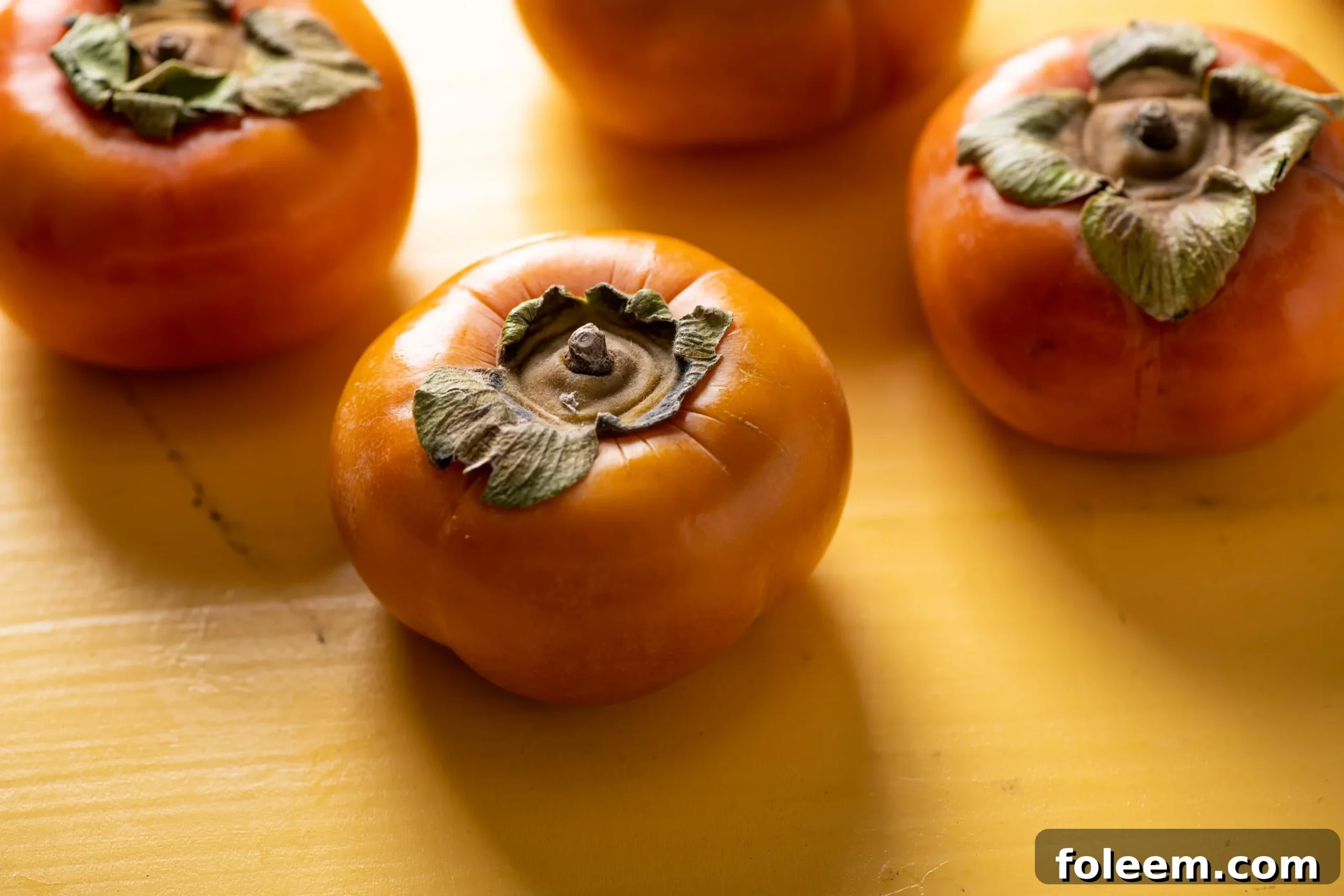
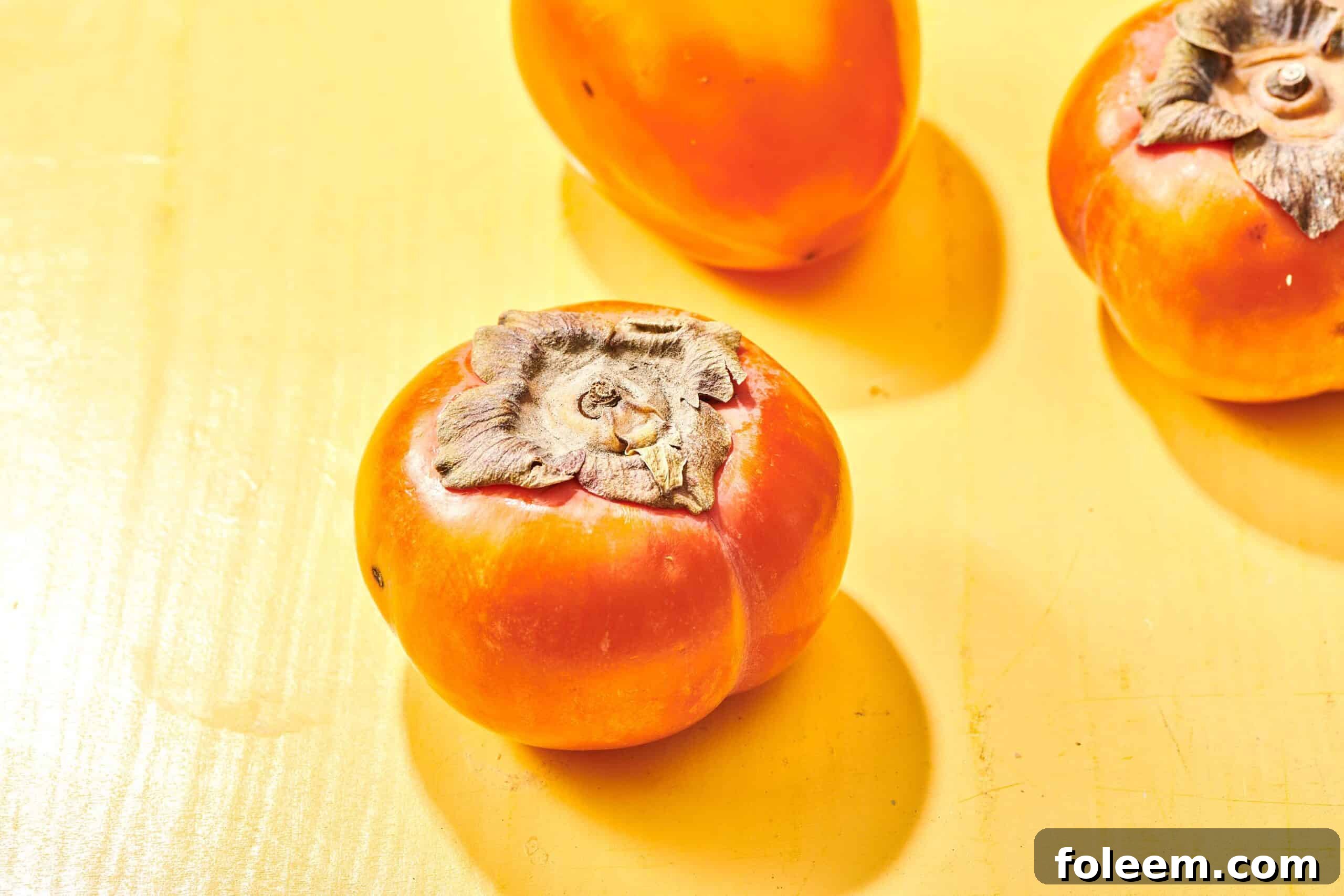
Hachiya persimmons are often oblong or rounded with a sometimes pointed base. Their ripe color ranges from bright orange to a deeper orangey-red. Fuyu persimmons are usually smaller and squat with flat bottoms, resembling small orange tomatoes with a leafy crown.
What to Look For When Buying Persimmons
Choose fruit with smooth, taut, unblemished skin. For Hachiya, look for some give or softness—firm Hachiya are unripe. Fuyu should be firm unless you plan to ripen them further. Small black specks are usually harmless, but avoid fruit with large dark spots or signs of decay.
What Do Persimmons Taste Like?
Unripe Hachiya are very astringent and unpleasant. When fully ripe they become super sweet, tangy and have a soft, custardy texture. Fuyu persimmons taste like a sweet pear with hints of date and warm spice; they stay fairly firm when ripe and offer a pleasant crunch when eaten unripe.
How to Eat and Cook with Persimmons
Hachiya: Wait until the fruit is nearly mushy. Scoop the soft pulp and eat it fresh or use it in baked goods, puddings, sorbets, pancakes, or sauces. The creamy texture makes it excellent for desserts and smoothies.
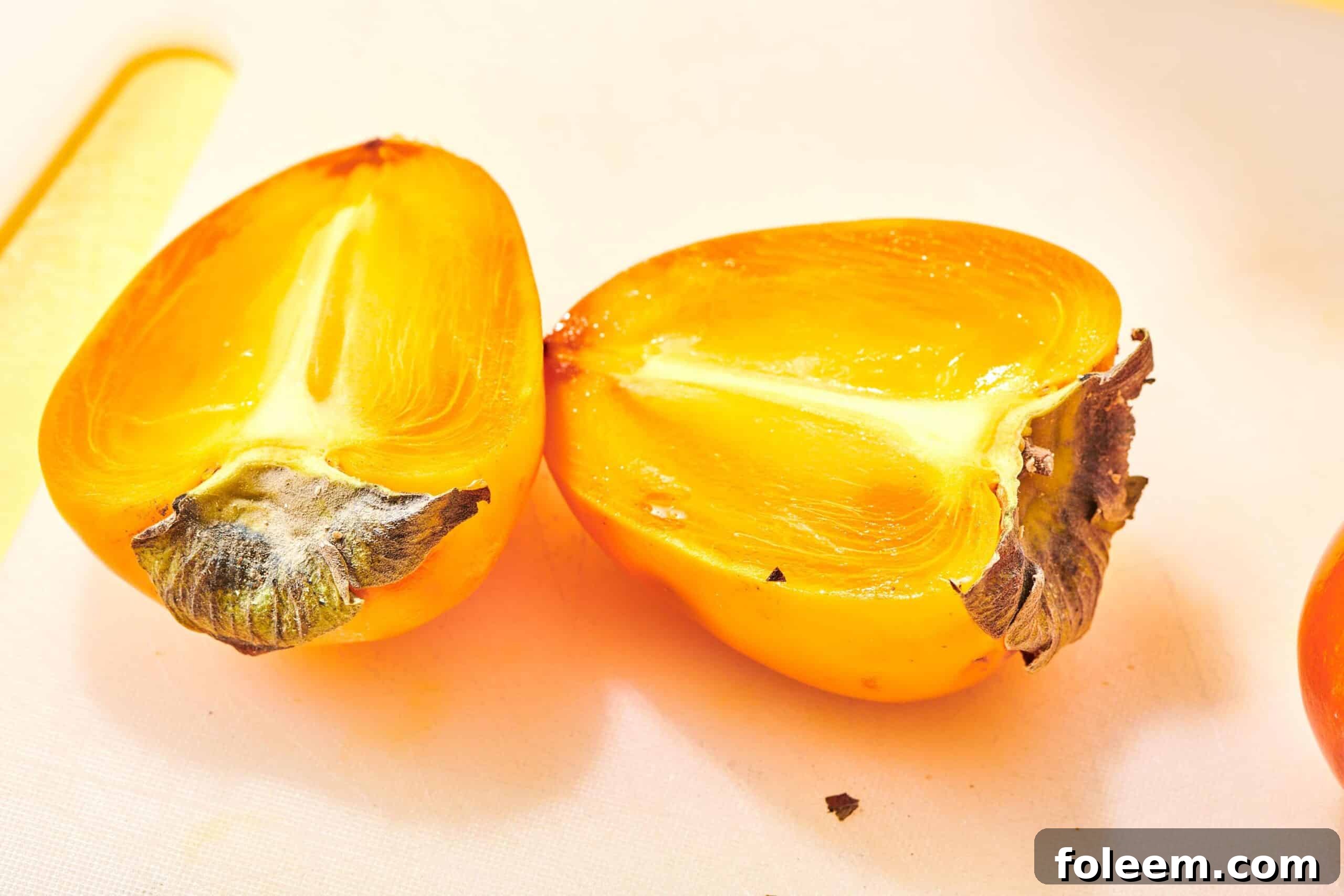
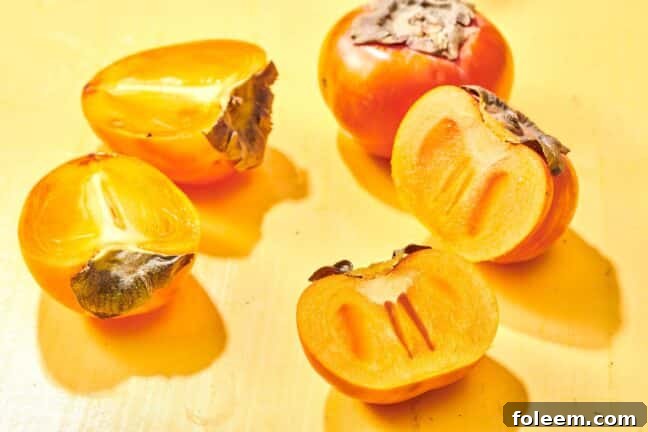
Fuyu: Can be eaten firm or ripe. Slice like an apple for snacking, add diced Fuyu to salads, grain bowls, salsas, or cheese platters. Ripe Fuyu can be pureed and used similarly to Hachiya in baked dishes, crisps, or candied preparations. Remove any seeds you encounter.
Is It OK to Eat the Skin?
Yes. The skin is edible, but many people prefer to scoop or peel Hachiya pulp for texture reasons. For cooking, peeling often produces a smoother result.
How to Store Persimmons
Fuyu persimmons will keep for several weeks to a couple of months in a cool, dry place. Hachiya should be stored at room temperature until ripe. Once Hachiya pulp is ripe, it freezes well—portion and label containers so you can thaw measured amounts for baking or smoothies.
Everything you need to know about choosing, storing, ripening and preparing this delicious and accessible Asian fruit (including the difference between Hachiya and Fuyu).
How to Ripen Persimmons
Leave persimmons on the counter for 3–5 days to ripen. To speed ripening, place them in a paper bag and fold the top closed—this can reduce the process to 1–2 days depending on how unripe they are. Adding a ripe banana to the bag releases ethylene gas and ripens them even faster.
When Are Persimmons in Season?
Persimmons are typically in season from mid-fall through winter, making them a great fruit for autumn and holiday dishes.
Are Persimmons Nutritious?
Yes. Persimmons provide dietary fiber, vitamin A, vitamin C, and antioxidants, making them a nutritious addition to a balanced diet.
Try These Persimmon Ideas
- Use ripe Hachiya pulp in muffins, cakes, pancakes, or pudding.
- Slice firm Fuyu into salads, grain bowls, or salsa for a sweet-crisp contrast.
- Bake persimmon crisps, cobblers, or cookies using pureed or diced fruit.
- Pair thin slices of Fuyu with salty prosciutto or cheeses for a simple appetizer.
Related Preparation Guides
- Butternut squash: tips for peeling and cutting
- Dragon fruit: how to prepare and eat
- Avocados: best ways to ripen and use
- Kiwano melon: how to eat and enjoy