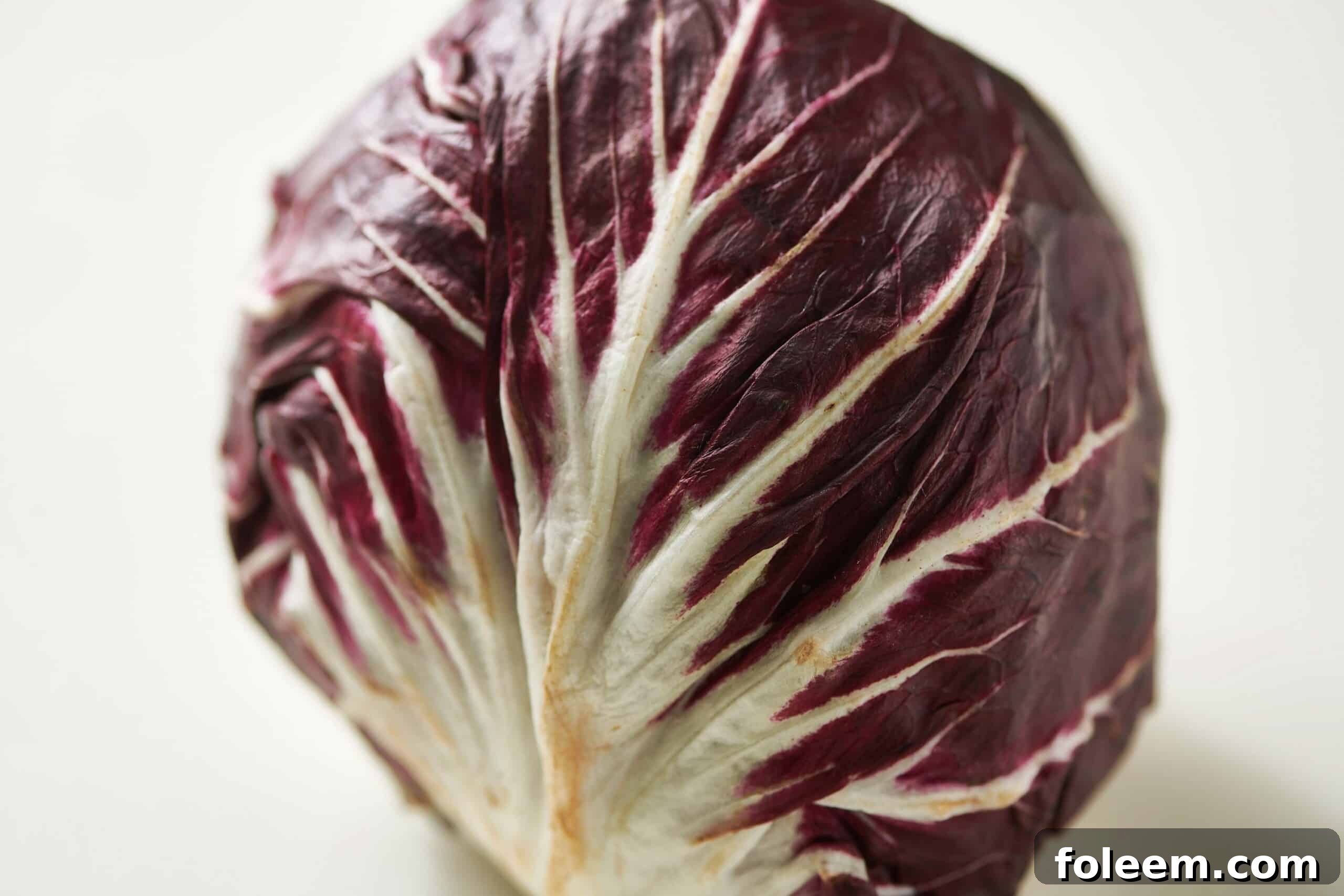
Radicchio (pronounced ruh-dee-kee-ow) makes a flavorful base for salads, but it’s far more versatile than ordinary lettuce. In Italy it’s commonly grilled, roasted, sautéed, or braised, almost always with a good drizzle of olive oil. Smaller heads are milder and work well raw in salads; wedges or chunks are ideal for grilling or roasting. Topped with shaved Parmesan and a bit of balsamic, radicchio is a perfect accompaniment to many meats and rich mains.
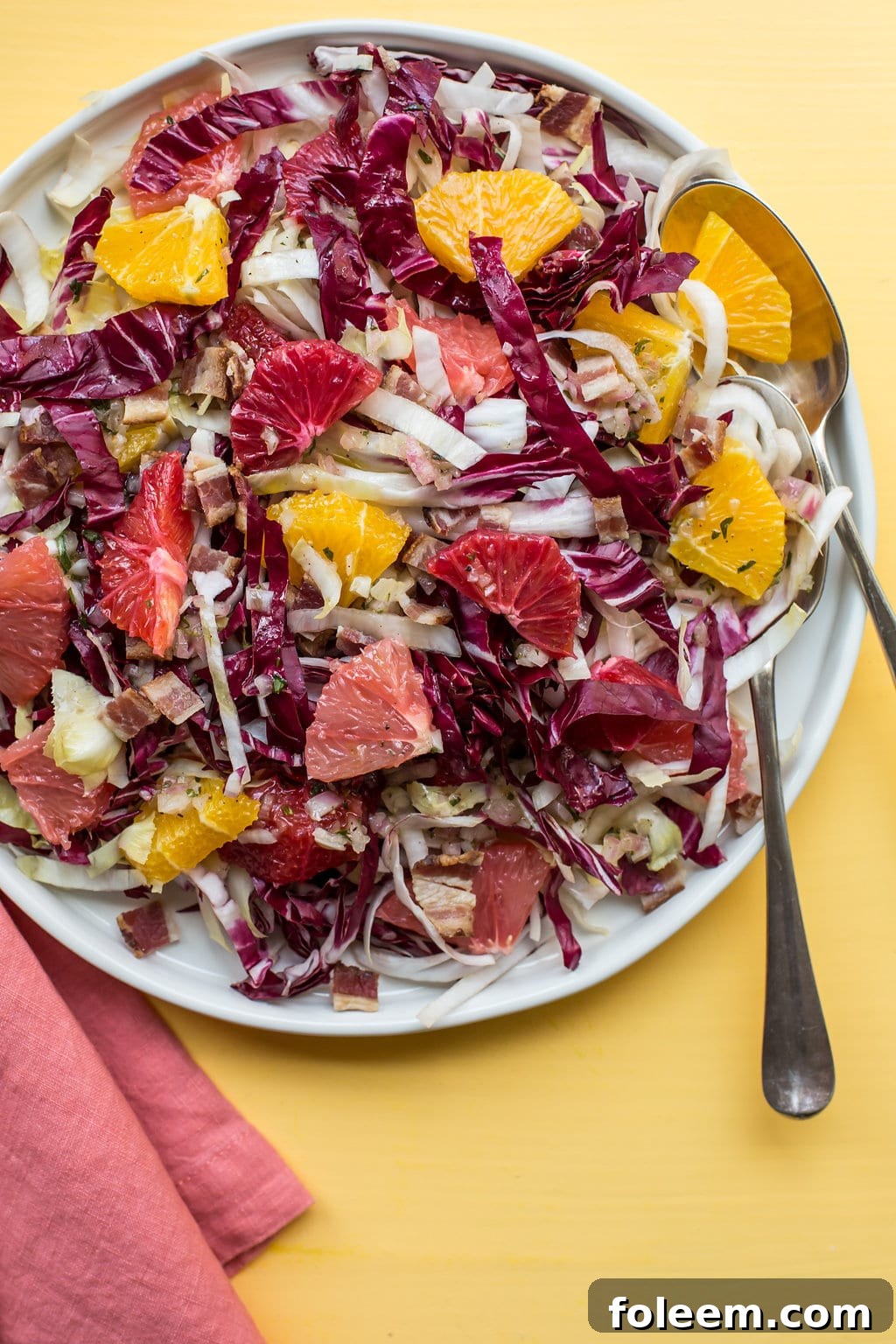
Radicchio pairs beautifully with ingredients that balance or accent its naturally bitter flavor: citrus, bacon, capers, walnuts, and a variety of cheeses. It also buds easily into soups and stews as a flavorful addition.
- What Is Radicchio?
- What Does Radicchio Look Like?
- What Does Radicchio Taste Like?
- Types of Radicchio
- Where to Find Radicchio
- How to Prepare and Cook Radicchio
- How to Slice Radicchio
- How to Store Radicchio
- FAQs
- 7 Radicchio Recipes
What Is Radicchio?
Radicchio is a type of chicory, not a lettuce or cabbage, known for its vivid reddish-purple leaves and bitter bite. It’s especially prominent in Italian cuisine, where many regional varieties are grown. In the U.S. the most common variety is Chioggia, often grown locally, while Treviso is available less frequently and tends to be a bit milder and more delicate in flavor.
What Does Radicchio Look Like?
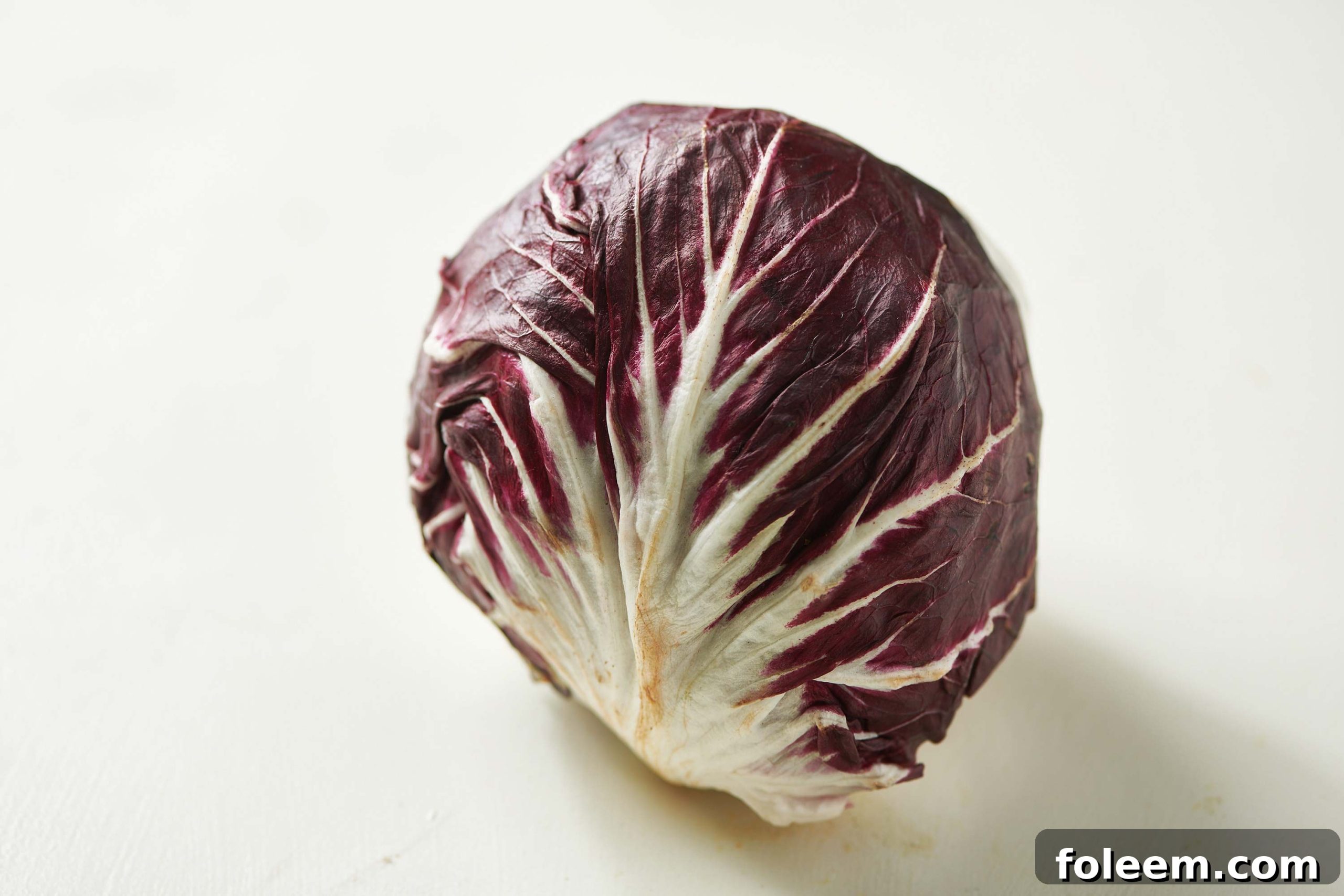
Chioggia radicchio resembles a small head of purple cabbage with white veins and fairly thick leaves formed into a compact round head. Treviso is more elongated, similar in shape to romaine. Smaller heads generally have thinner, less bitter leaves.
What Does Radicchio Taste Like?
Radicchio has a distinctive bitter flavor that some people love and others find strong. When cooked, the bitterness softens and the leaves develop a milder, slightly sweet taste. The texture is crisp with a bit of density and chew. Good substitutes include endive (milder) or dandelion greens (similar bitterness but different texture).
Types of Radicchio
There are many varieties of radicchio, each offering different shapes, colors, and flavor balances. Varieties to look for include Variegato, Treviso, Rosso Tardivo, Rosa di Padova, and La Rosa di Veneto. Mixing several types in a salad makes a striking and tasty presentation.
Where to Find Radicchio
Chioggia radicchio is commonly available year-round in most supermarkets. Treviso and other specialty varieties are less common and are more often found in specialty produce markets or farmers’ markets.
How to Pick the Best Radicchio
Choose radicchio heads that are brightly colored, crisp, and free of bruises. Leaves should feel firm and tightly packed. If outer leaves are limp, remove them to check the inner leaves for freshness.

How to Prepare and Cook Radicchio
Preparing radicchio is simple:
- Discard any damaged or wilted outer leaves.
- Wipe the head with a damp paper towel; tightly packed heads are usually clean inside.
- Cut or tear into the shape your recipe calls for—wedges for grilling, larger pieces for roasting, or slivers for salads.
How to Slice Radicchio
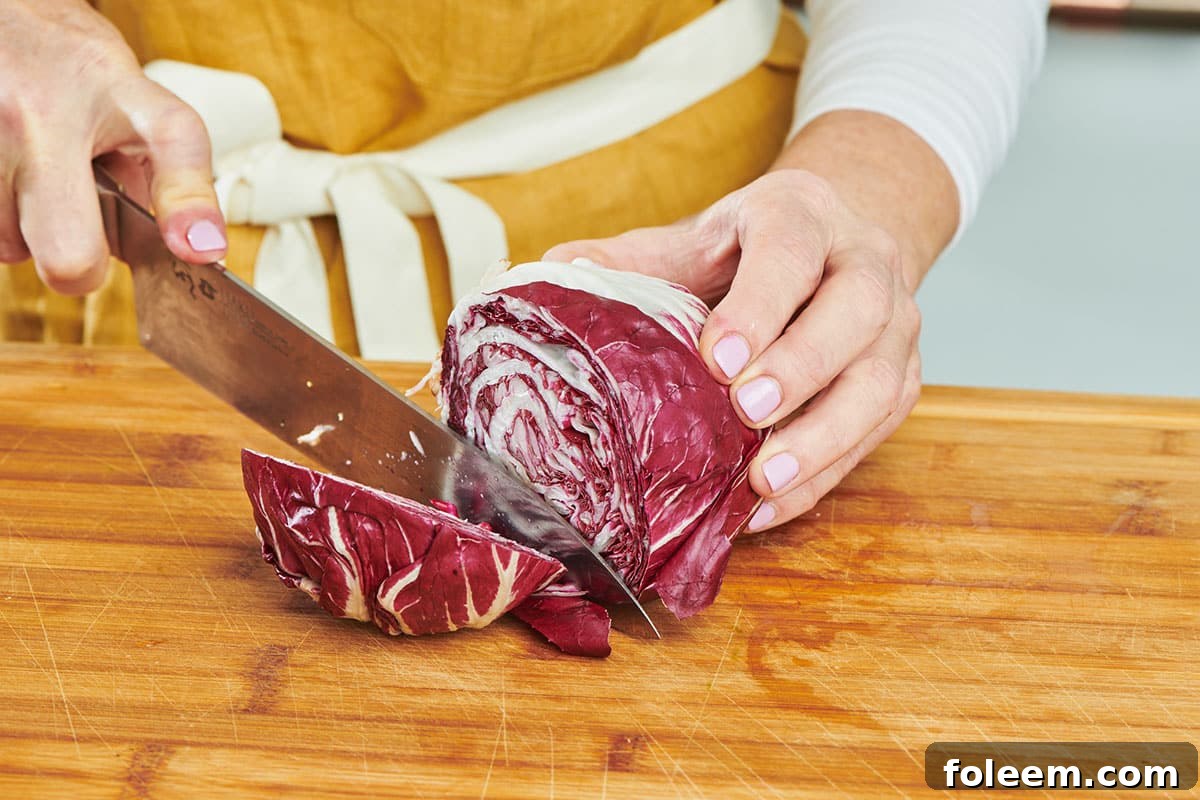
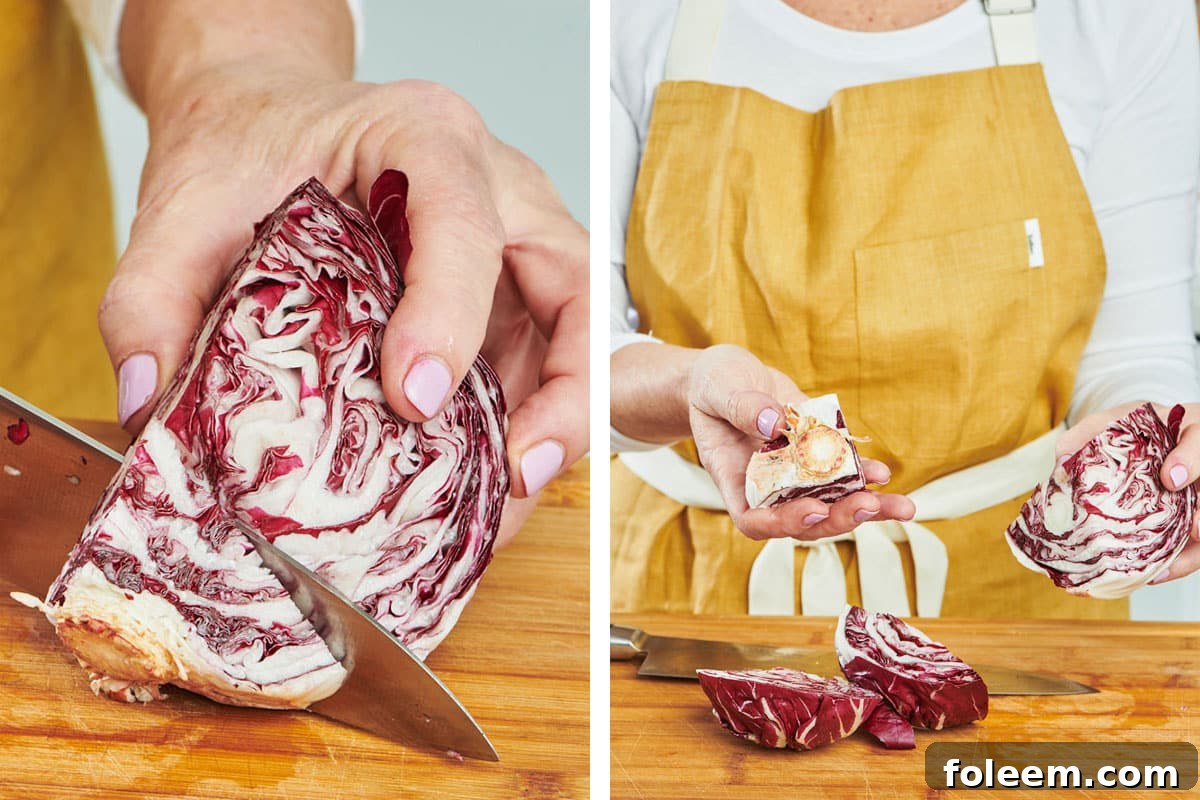
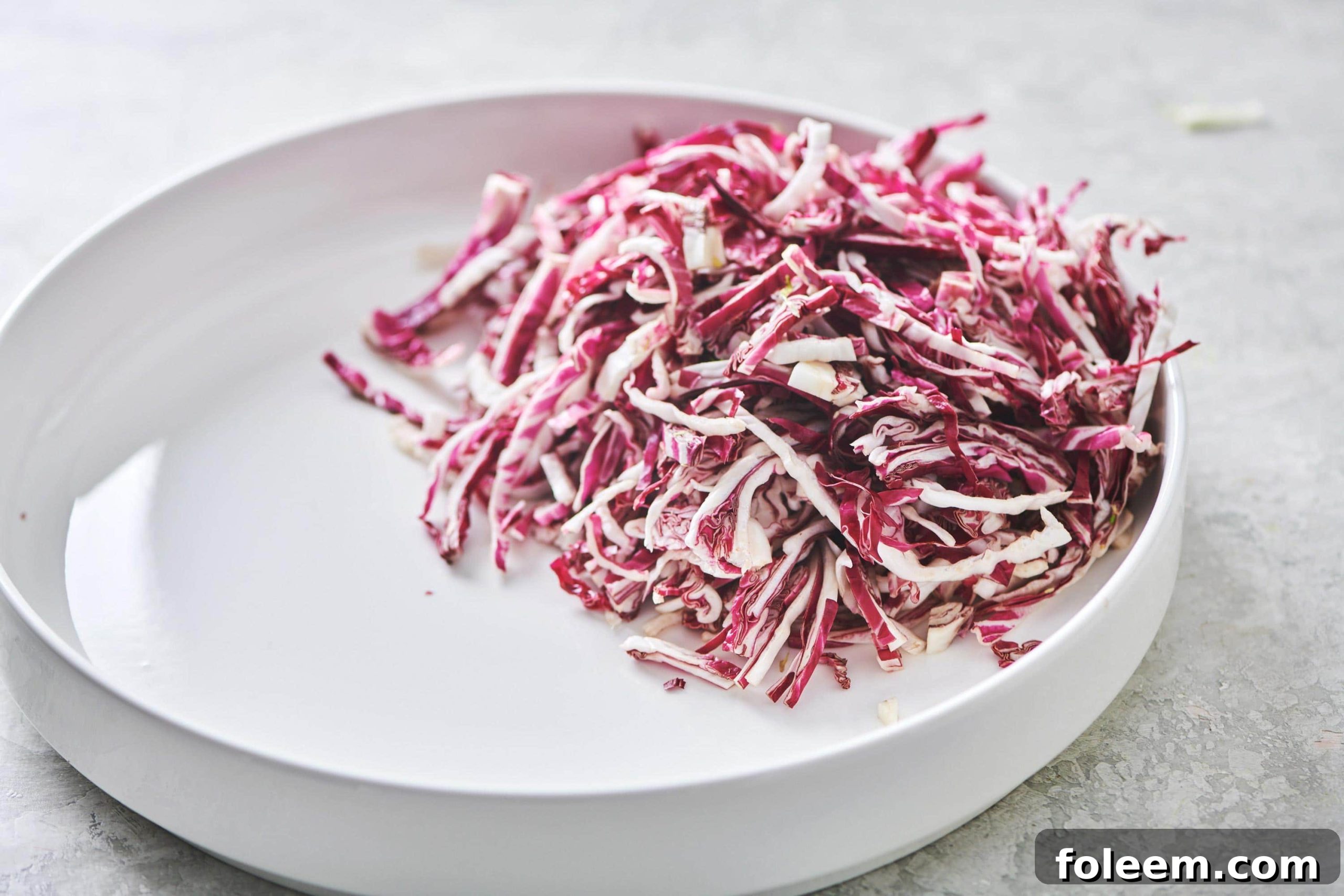
For thin slivers suitable for salads or slaws: remove damaged leaves, cut the head into large segments, discard the core, then use a sharp knife to slice each segment to the desired thinness. Slice thinner for delicate salads and thicker for more substantial preparations.
How to Store Radicchio
Store radicchio unwashed in a bag in the refrigerator’s vegetable drawer; it will keep for about 4–5 days. Washing before storage can promote mold and bacterial growth, so wait to wash until just before use. Slightly limp leaves can often be revived with a 10-minute ice bath.
FAQs
Radicchio is available year-round, with peak season in midwinter through early spring.
Yes. Radicchio provides fiber, potassium, calcium, vitamin K, B vitamins, and vitamin C, making it a nutritious addition to salads and cooked dishes.
Remove outer leaves, separate and cut the inner leaves, then soak them in ice water for up to 30 minutes. This helps crisp the leaves and reduces bitterness. Mixing in milder lettuces like romaine also mellows the overall flavor.
7 Radicchio Recipes
Here are recipes that showcase radicchio’s versatility, from simple salads to warm preparations.

Blue Cheese, Radicchio, Onion, and Honey Flatbread Strips

Frisee, Radicchio, and Escarole Salad with Citrus Dressing
Radicchio and Endive Crostini with Aged Goat Cheese and Balsamic Glaze

Endive, Radicchio, and Citrus Salad with Bacon Vinaigrette
Simple Couscous Salad
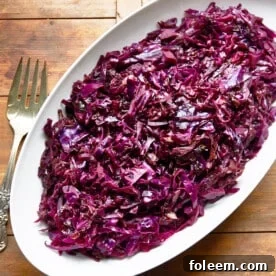
Braised Red Cabbage
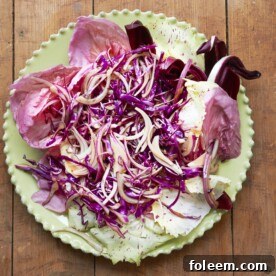
Red Salad with Citrus, Honey, and Thyme Vinaigrette
Endive and Radicchio Salad with Fresh Mozzarella
Bitter lettuces like radicchio and endive contrast wonderfully with creamy fresh mozzarella, creating an inviting first course or side for Italian meals. This salad works well alongside pasta, seafood, or tomato-based dishes.
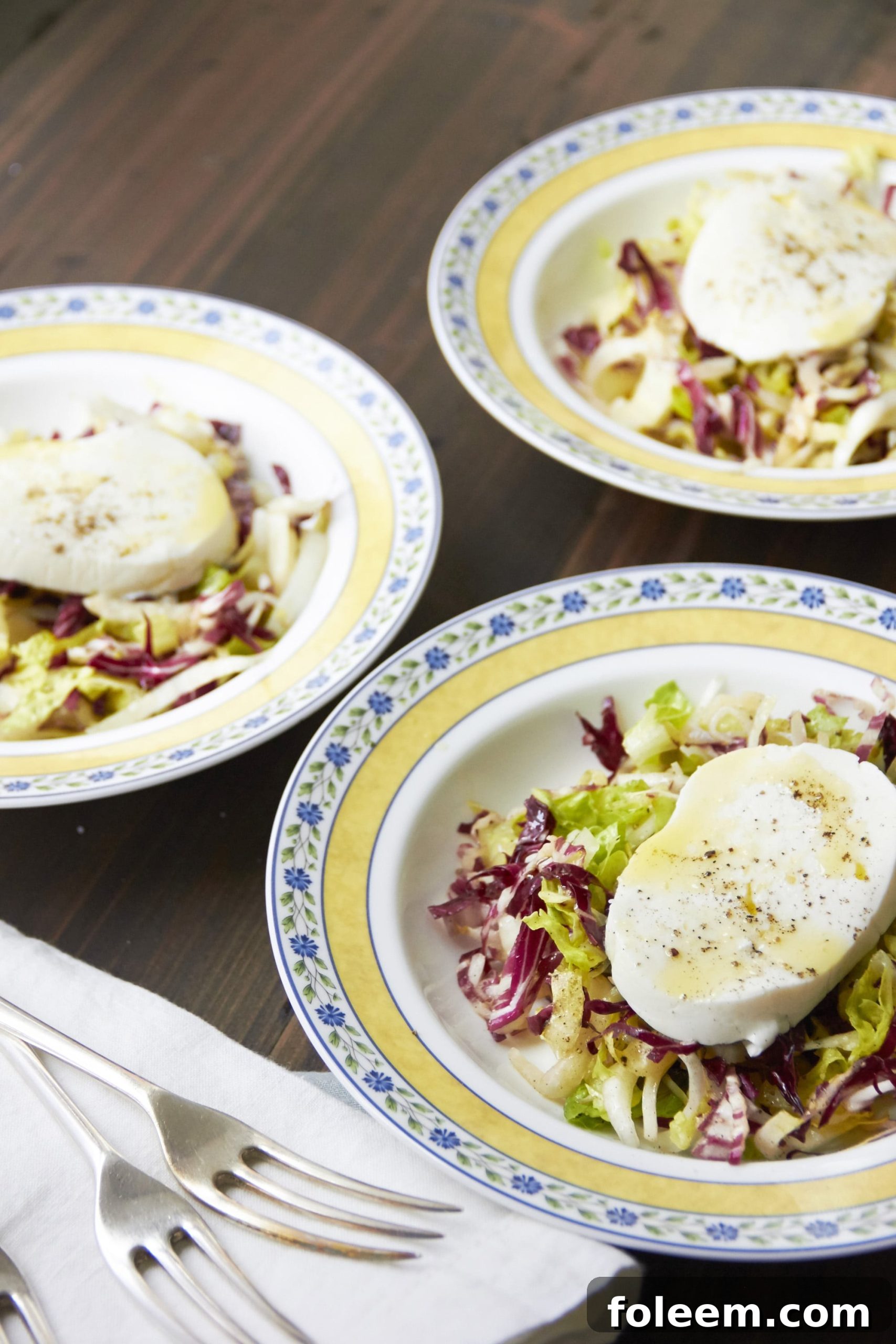
Ingredients
- Radicchio – The star of the salad.
- Endive – Adds crisp bitterness and texture.
- Heart of romaine – Use the inner leaves for a crisp base to temper the bitterness.
- Olive oil – For tossing and drizzling.
- Fresh lemon juice – Adds bright acidity to the dressing.
- Salt and pepper – To taste.
- Fresh mozzarella – Thick slices for serving on top.
Directions
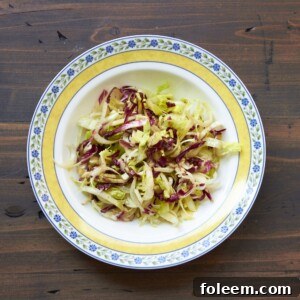
- Roughly chop radicchio, endive, and the romaine heart. Combine them in a serving bowl.
- Toss the greens with 1/4 cup olive oil, 1 tablespoon fresh lemon juice, salt, and pepper.
- Divide the salad among plates, top each portion with a slice of fresh mozzarella, drizzle a bit more olive oil over the cheese, and finish with a touch more salt and pepper.
Notes
To reduce bitterness, increase the proportion of romaine or briefly soak leaves in cold water before assembling. The salad is adaptable—use more or less endive or mozzarella to suit your taste.
Radicchio is easy to cook with and adds visual interest and bold flavor to salads, sides, and warm preparations. Try it raw, roasted, or braised to discover which preparations you prefer.