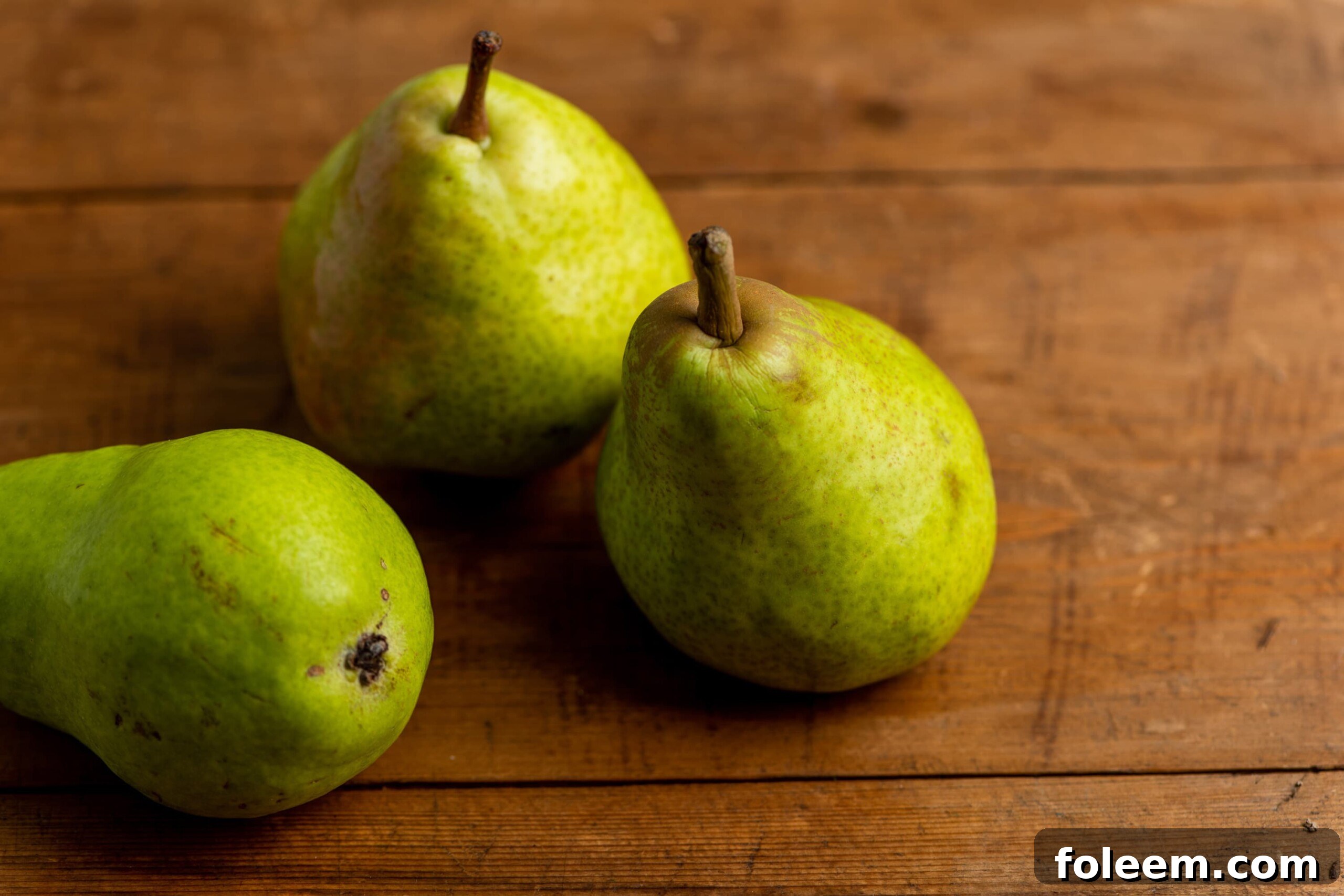
Pears are one of the autumn fruits many of us eagerly await each year. Cultivated for thousands of years, pears are enjoyed worldwide. Eat them out of hand like an apple, slice them for snacks, or use them in a wide range of recipes — autumn is the perfect season to make the most of ripe pears.
Below you’ll find an overview of pear varieties, tips for choosing pears for eating and cooking, simple methods to ripen them, and ways to prevent cut pears from browning. I also suggest several pear-forward recipes, including a Pear Tart Tatin and a bright Pear Salsa, and at the end there’s a recipe for Mixed Greens Salad with Pears and Balsamic Dressing — a lovely addition to any fall or holiday table.
- What Are the Different Types of Pears?
- What Do Pears Look Like?
- What Do Pears Taste Like?
- What Are the Best Pears for Cooking and Eating?
- How to Cook With Pears
- How to Store and Ripen Pears
- How to Prevent Pears From Turning Brown
- FAQs
- 5 Pear Recipes
- Mixed Greens Salad with Pears and Balsamic Dressing
What Are the Different Types of Pears?
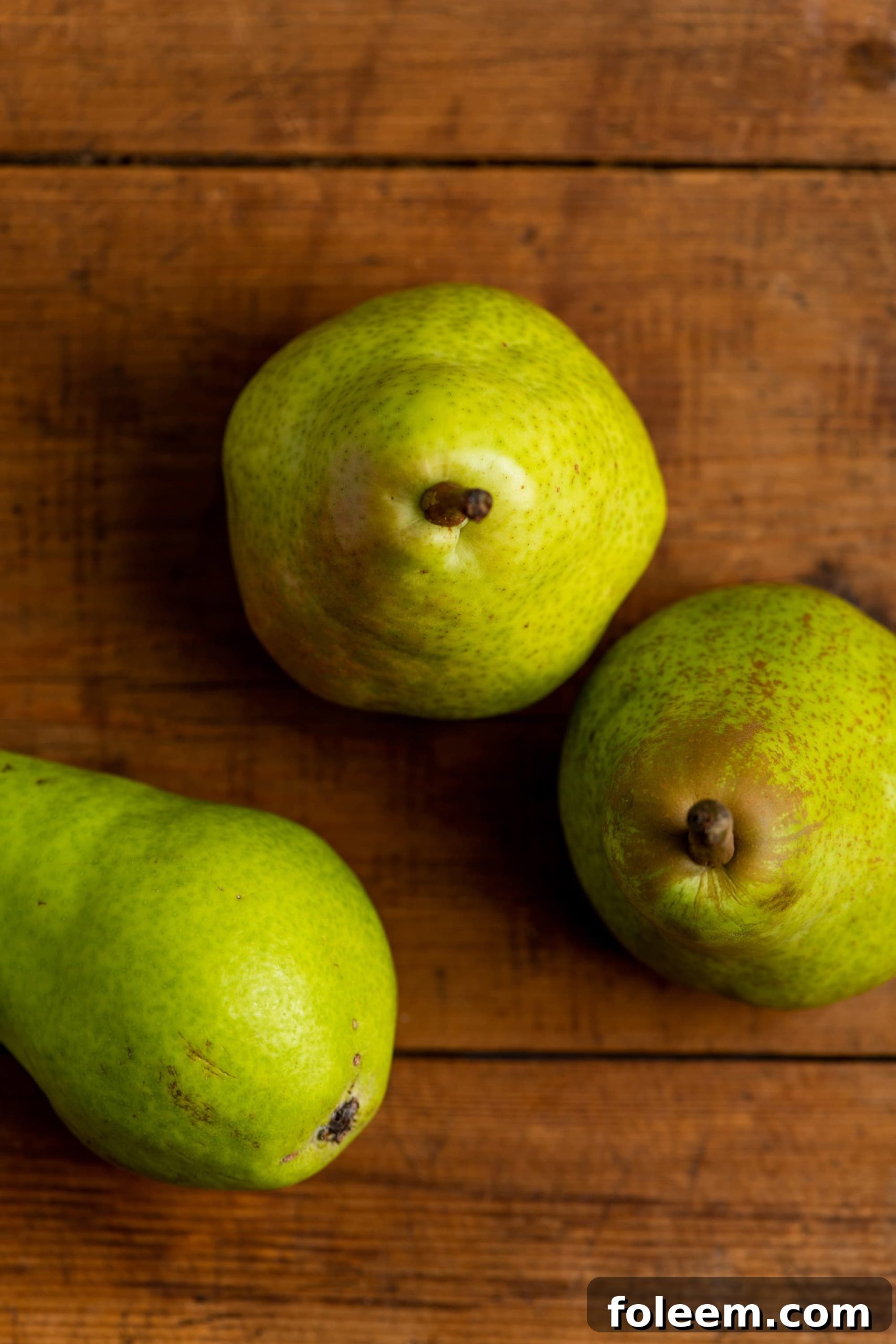
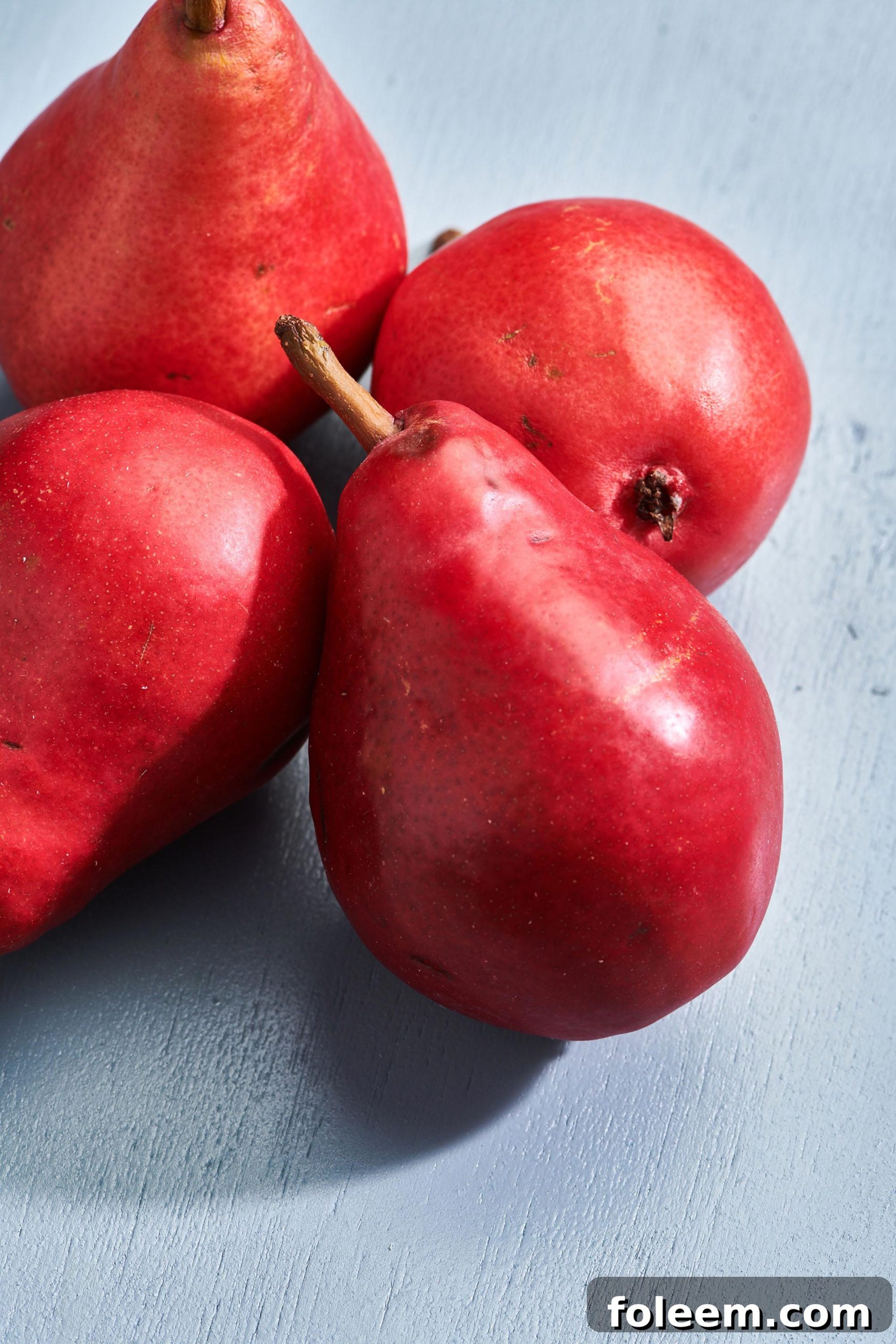
Pears fall into two main groups: European and Asian. European pears are the classic pear shape most people picture, while Asian pears tend to be crisper, less sweet, and often rounder like an apple. There are hundreds — if not thousands — of pear varieties. Common European types include Anjou (widely available), Bosc, Comice, Bartlett, Concord, and Seckel. Each variety offers a unique balance of texture and flavor.
What Do Pears Look Like?
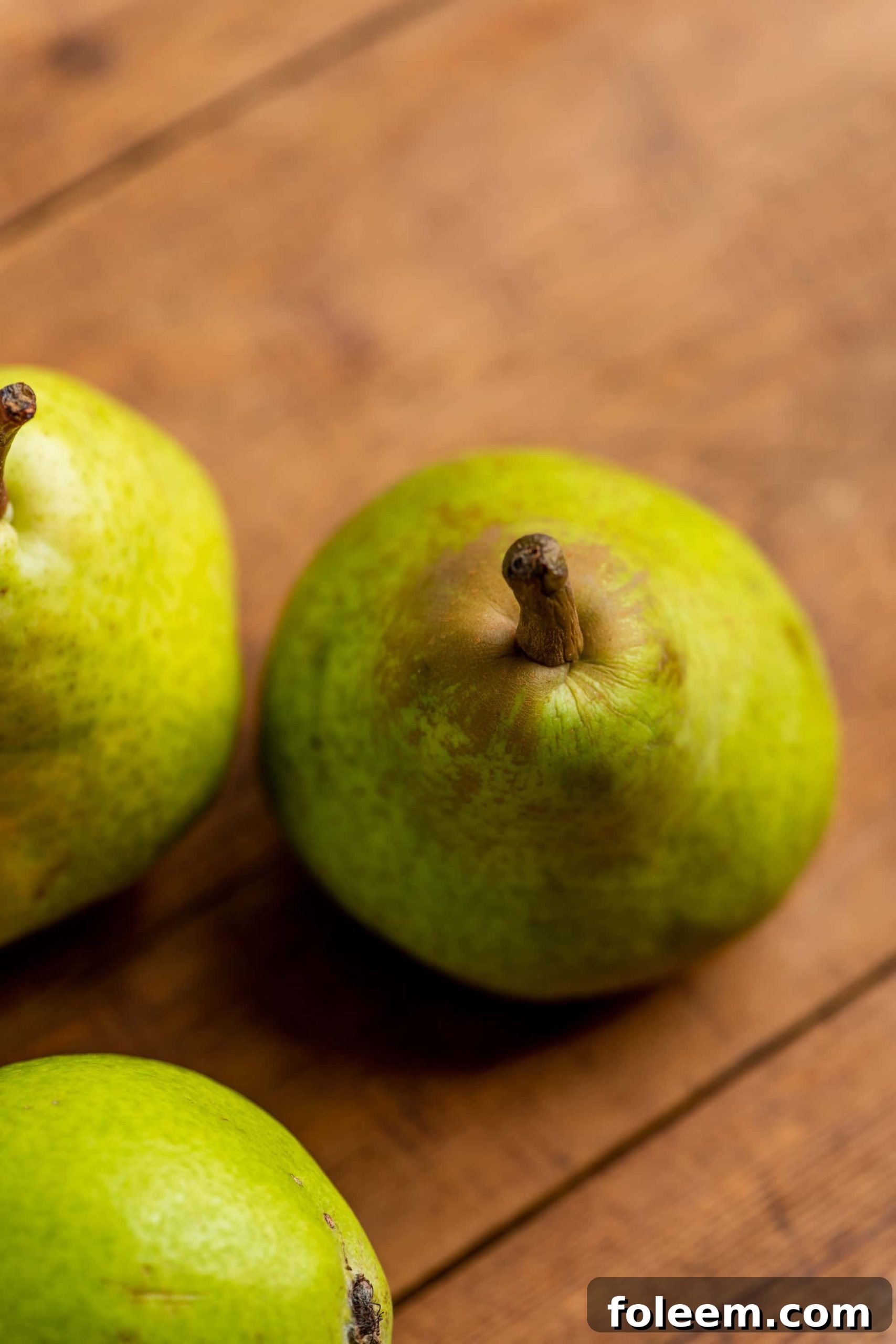
Pear shapes range from slim and elongated to almost round. Sizes and colors vary too — many pears are green when mature, some are red or brown, and others show a mix of hues. Choose pears with smooth, unblemished skin for the best texture and flavor.
What Do Pears Taste Like?
Flavors differ significantly by variety. Some pears become very sweet when ripe, while others stay more subdued. Texture also varies: some are buttery and soft when ripe, others remain firm and crisp. Because varieties differ, try a few to find your favorites for eating raw and for cooking.
What Are the Best Pears for Cooking and Eating?
Most commonly available pear varieties are versatile enough to eat fresh or to cook. If you’re baking or poaching pears, choose fruit that isn’t overly ripe so they hold their shape during cooking. Bosc and Bartlett are excellent for many cooked preparations; Comice and Anjou also work well though they can soften more quickly.
How to Cook With Pears
Pears can be used with the skin on or peeled depending on the recipe and the texture you prefer; always wash them before using. They are excellent poached, sautéed, roasted, baked in crisps, cobblers, pies, tarts, or wrapped in pastry. Pears can also be pureed into sweet or savory dishes, adding natural sweetness to soups, vegetable purees, or sauces.
How to Store and Ripen Pears
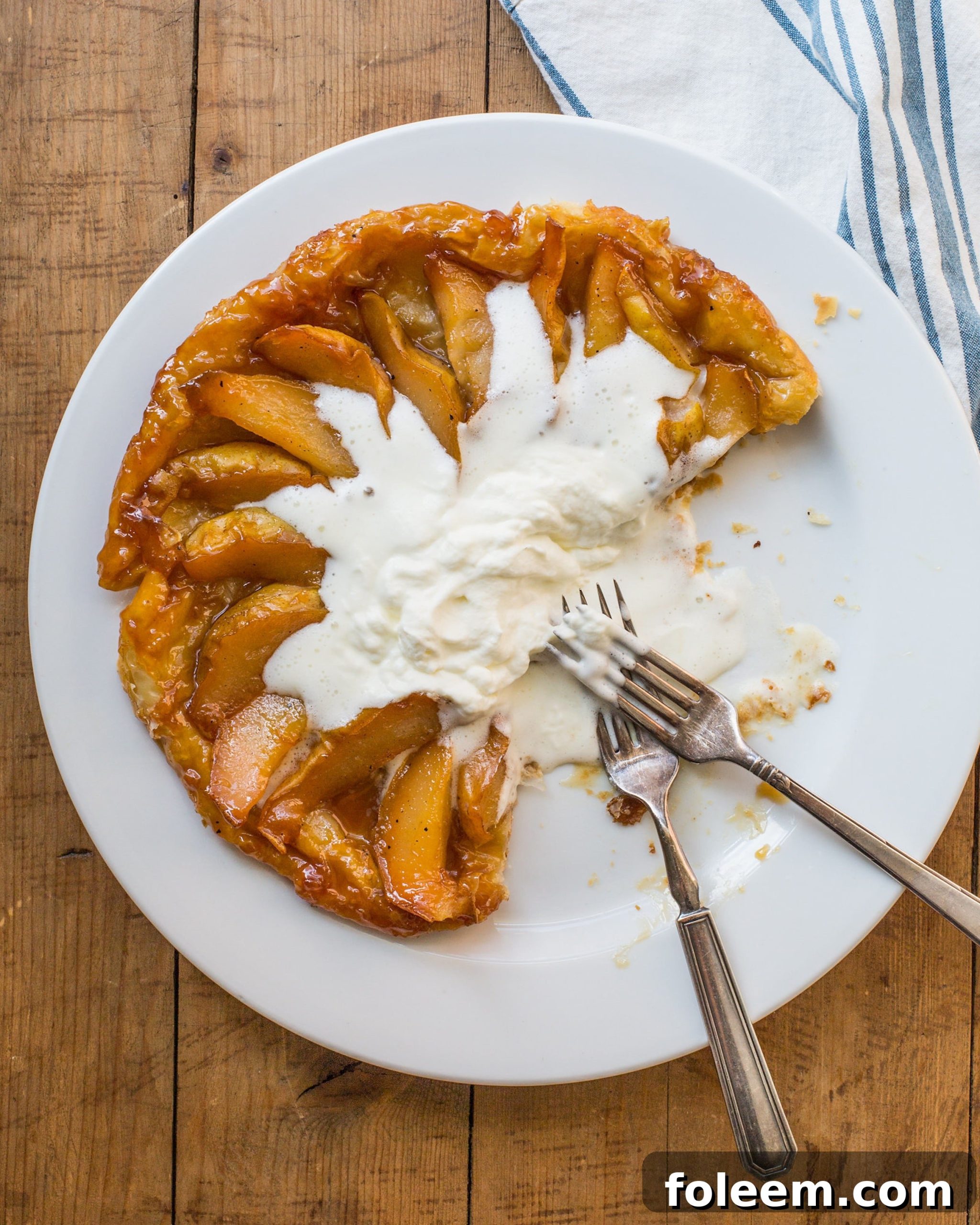
Unlike many fruits, pears are typically harvested mature but not fully ripe. To ripen them, leave pears on the counter for three to six days. Bartlett pears will change from green to yellow as they ripen; most other varieties do not show a dramatic color change. To test ripeness, gently press near the neck of the pear — if it yields to gentle pressure, it’s ready to eat. Once ripe, pears can be refrigerated for a few days to slow further softening.
How to Know When Pears Are Ripe
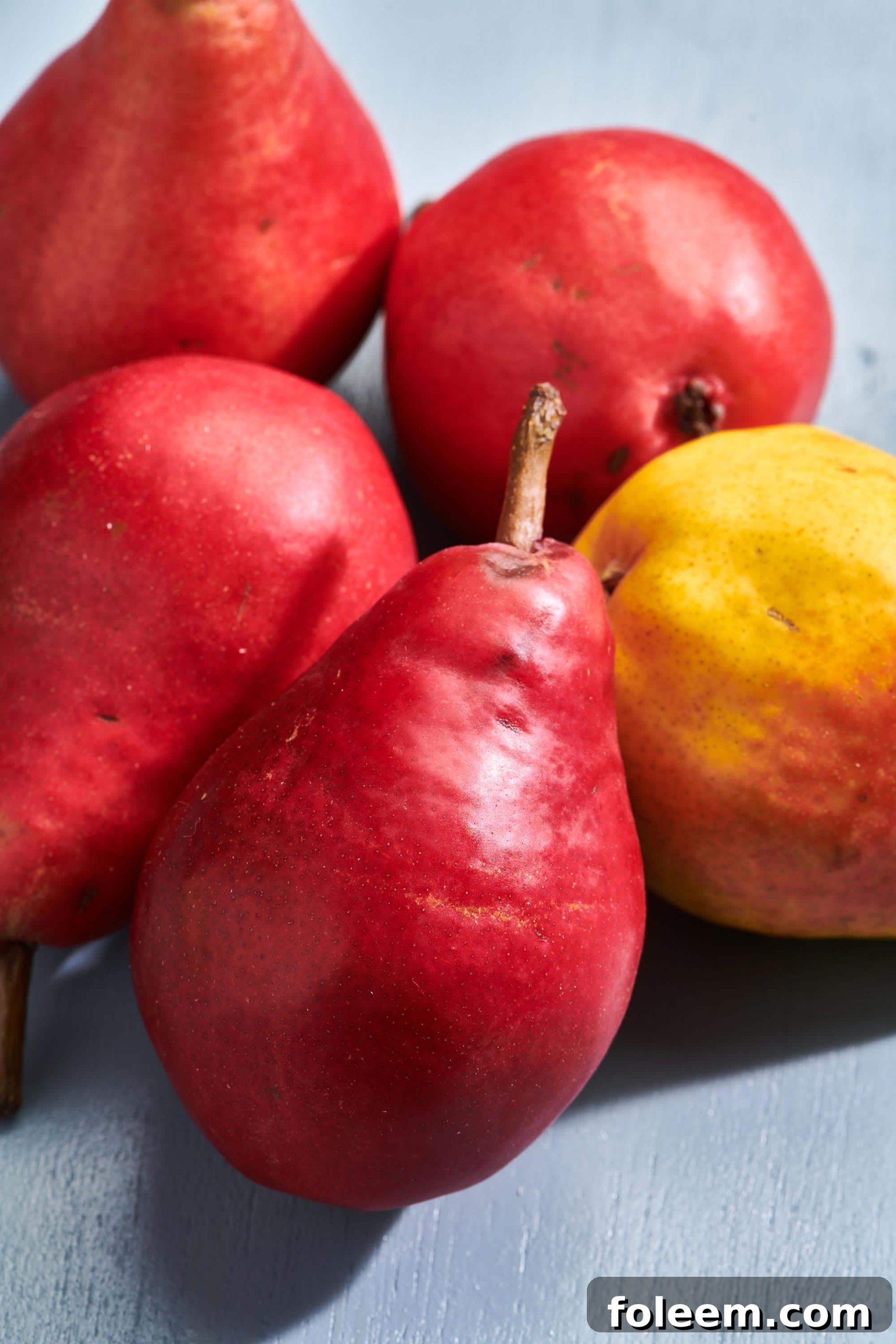
The best test for ripeness (for most varieties) is the gentle-neck-press: press near the stem and if the flesh yields slightly the pear is ripe. This simple check works well for determining readiness.
How to Prevent Pears From Turning Brown
Cut pears oxidize and brown quickly. If slicing for a dish that will sit out, toss slices with a little lemon juice mixed with water to slow browning — note this may add slight tartness. For baked applications, cut pears just before adding them to the recipe to preserve color and texture.
FAQs
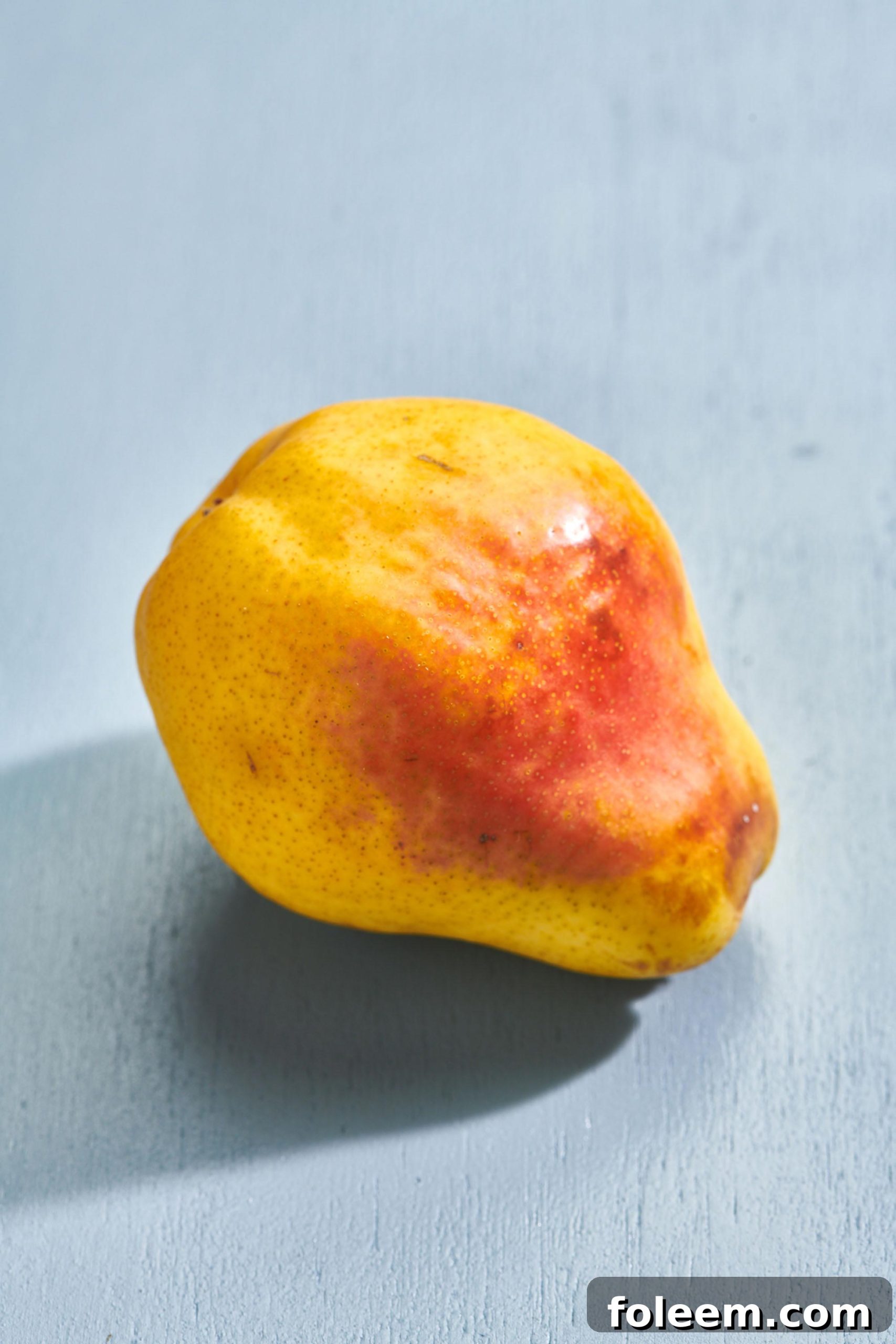
Some pears become very soft when ripe (for example, Comice and Bartlett), while other varieties stay firmer (like Concorde and Bosc). If a variety is meant to be eaten soft, it will be relatively flavorless when unripe and develops its sweetness and texture as it ripens.
Pears are generally at their peak from late summer through fall, though exact timing varies by variety and region.
Pears are a good source of fiber and provide vitamin C and other nutrients. A medium pear contains roughly 100 calories and contributes beneficial fiber to the diet.
5 Pear Recipes
Pear Tart Tatin Recipe
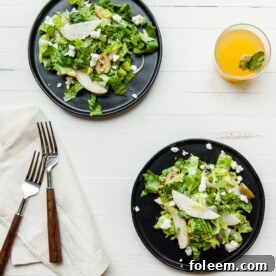
Romaine, Pear, and Goat Cheese Salad Recipe
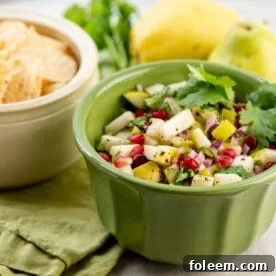
Spicy Pear and Cilantro Salsa Recipe
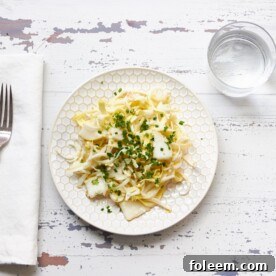
Endive Salad with Pear and Creamy Herb Dressing Recipe
Mixed Greens Salad with Pears and Balsamic Dressing
This simple salad highlights fresh pear and dried apricots. The sweetness of the fruit complements bitter lettuces like frisée or escarole, but the salad also works well with milder greens. Thinly sliced fennel adds a refreshing anise note — slice it as thin as possible for the best texture.
Ingredients
- 3 tablespoons extra-virgin olive oil
- 2 tablespoons balsamic vinegar
- 1 tablespoon fresh orange juice
- 1 tablespoon fresh lemon juice
- 2 teaspoons Dijon mustard
- Kosher salt and freshly ground black pepper, to taste
- 1 small head green lettuce (or escarole)
- 1 large or 2 small heads frisée lettuce
- 1 head fennel, quartered, cored, and thinly sliced crosswise
- 1 pear, quartered, cored, and thinly sliced (Comice or Concorde work well)
- ½ cup diced dried apricots

Mixed Greens Salad with Pears and Balsamic Dressing
Ingredients
- 3 tablespoons extra virgin olive oil
- 2 tablespoons balsamic vinegar
- 1 tablespoon fresh orange juice
- 1 tablespoon fresh lemon juice
- 2 teaspoons Dijon mustard
- Kosher salt and freshly ground black pepper (to taste)
- 1 small head green lettuce (or escarole)
- 1 large or 2 small heads frisée lettuce
- 1 head fennel, quartered, cored, and thinly sliced
- 1 pear, quartered, cored, and thinly sliced
- ½ cup diced dried apricots
Instructions
- In a large bowl, whisk together the olive oil, balsamic vinegar, lemon juice, orange juice, Dijon mustard, salt, and pepper.
- Slice or tear the green lettuce and frisée into bite-sized pieces. Add them and the thinly sliced fennel to the bowl and toss to combine. Add the pears and diced apricots and toss gently to coat with the dressing.
Notes
The dressing can be made a couple of days ahead and stored in the refrigerator.
Nutrition
Per serving: Calories: 142 kcal; Carbohydrates: 19 g; Protein: 2.5 g; Fat: 7.5 g; Fiber: 5.3 g; Vitamin C: 23 mg (approx.).