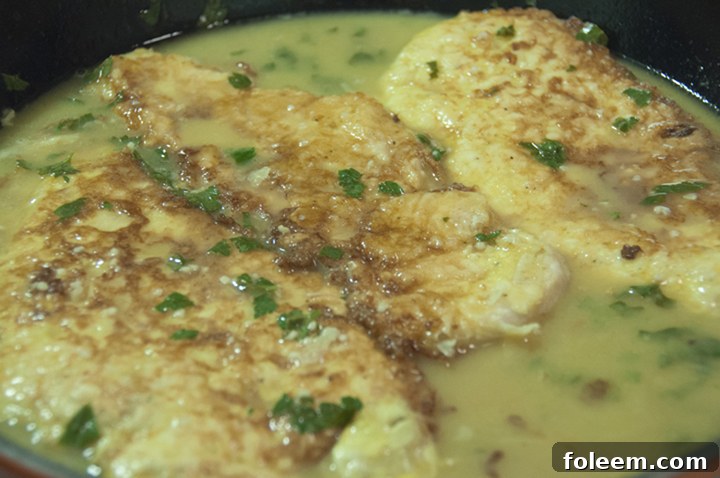
Today, I am absolutely thrilled to unveil a culinary treasure that holds a special place in my heart and in the vibrant food scene of my hometown, Rochester, NY. This isn’t just any chicken dish; it’s a regional sensation, so deeply ingrained in local culture that many affectionately refer to it as “Chicken Rochester.” Beyond its local fame, it’s also my husband’s absolute favorite meal – a dish he enthusiastically orders every time we dine out. Having spent my entire life immersed in the rich culinary traditions of Rochester, it’s quite surprising that this iconic recipe hasn’t graced my blog until now. For years, I embarked on a quest, meticulously searching for a homemade version that could truly rival the exquisite taste and tender perfection of the Chicken French served at the very best local restaurants. Finally, that search has concluded with a triumphant discovery – a recipe that is not just a winner, but a genuine masterpiece.
Chicken French embodies everything I adore in a recipe: it’s spectacularly delicious, surprisingly simple to prepare, economically friendly, yet possesses an undeniable elegance that makes it perfect for any occasion. It’s a dish that consistently garners rave reviews and universal adoration. Its name, “Chicken French,” often sparks a chuckle, as it paradoxically has no direct ties to French cuisine. Instead, its lineage traces back to a beloved Italian sautéed veal dish known as “vitello francese,” characterized by a delicate sauce reminiscent of classic French preparations. This culinary gem made its journey to New York City with early waves of Italian-American immigrants, evolving into “Veal French.” As the recipe migrated upstate to Rochester, NY, a city with a thriving Italian-American community, chicken gracefully took the place of veal, giving birth to the Chicken French we cherish today – a dish synonymous with Rochester’s unique gastronomic identity.
The Ultimate Chicken French Recipe: A Rochester Classic You Must Try
Mastering the Tangy, Buttery, Lemony Secret to This Beloved Dish
Imagine tender, succulent chicken breast, delicately coated in a light, ethereal egg batter, then pan-fried to a perfect golden-brown crispness. This is the foundation of Chicken French. But the true magic lies in its signature sauce: a bright, tangy, buttery, and incredibly zesty lemon-wine reduction. This golden elixir is typically crafted from dry Sherry or a crisp white wine, enriched with unsalted butter, savory chicken stock, a whisper of fresh parsley, and the vibrant burst of fresh lemon. Opting for Sherry adds a subtle, delightful sweetness to the sauce, while white wine lends a sharper, more traditional tang. This harmonious blend of textures and flavors creates what is, without a doubt, the perfect chicken dish – one that effortlessly balances sophistication with comforting familiarity.
Chicken French is more than just a meal; it’s an experience, a celebration of simple ingredients transformed into something extraordinary. It embodies the essence of culinary artistry where restraint and balance are key. The chicken, pounded thin, achieves a melt-in-your-mouth tenderness that perfectly complements the delicate crispness of its egg coating. The sauce, glistening and aromatic, clings beautifully to each piece, ensuring every bite is a symphony of rich, bright, and savory notes. Whether you’re a seasoned home cook or just starting your culinary journey, this recipe offers a rewarding experience, culminating in a dish that will impress guests and delight your family. Its versatility also means it can be adapted to various palates and dietary preferences, making it a truly inclusive culinary delight.
The Culinary Journey: Tracing the Fascinating Roots of Chicken French
To truly appreciate Chicken French, one must delve into its intriguing historical narrative. Despite its deceptive name, “French” doesn’t signify its origin in France, but rather hints at a style of sauce preparation. The actual genesis lies in Italy, with a dish called “Vitello Francese.” This exquisite veal preparation, featuring thinly sliced, egg-battered veal sautéed and served with a lemon-butter sauce, found its way to American shores with the influx of Italian-American immigrants settling in New York City during the late 19th and early 20th centuries. It quickly became a staple in Italian-American restaurants and homes, known simply as “Veal French.”
As Italian-American families and their culinary traditions spread throughout New York State, particularly to the burgeoning community in Rochester, the dish underwent a pivotal transformation. Veal, sometimes considered more expensive or less accessible, was gradually substituted with boneless, skinless chicken breast. This adaptation proved to be a stroke of genius. Chicken offered a more economical and widely available alternative without compromising the dish’s delicate texture or its ability to absorb the rich, tangy flavors of the lemon-butter wine sauce. Thus, Chicken French was born and flourished in Rochester, evolving into a unique regional specialty that locals proudly claim as their own. Its evolution speaks volumes about culinary adaptability and the beautiful blending of cultures that shapes American cuisine.
Why This Chicken French Recipe Will Become Your New Favorite
Beyond its rich history and captivating flavor, this Chicken French recipe stands out for several compelling reasons. It delivers on the promise of gourmet dining without the complexities often associated with such dishes. Its “frugal yet fancy” nature means you can enjoy an elegant meal that tastes like it came from a high-end restaurant, all while being surprisingly budget-friendly. The preparation process, while requiring a few distinct steps, is straightforward and highly rewarding, even for novice cooks. The result is consistently tender, moist chicken enveloped in a bright, savory sauce that is utterly addictive. It’s a perfect candidate for a sophisticated weeknight dinner, a charming centerpiece for a weekend gathering, or a show-stopping dish for special occasions, sure to impress any palate.
Elevate Your Meal: Inspired Serving Suggestions for Chicken French
The versatility of Chicken French truly shines when it comes to serving. For a classic and comforting meal, serve the golden-brown chicken with its luscious lemon-butter sauce alongside steamed or roasted broccoli florets, perhaps a sprinkle of red pepper flakes for a gentle kick. A crusty French bread is an absolute must, perfect for soaking up every last drop of that incredible sauce. Alternatively, transform your meal into a hearty, Italian-American feast by serving Chicken French over a bed of al dente pasta – think linguine or fettuccine. Be sure to generously spoon extra lemon-butter sauce over the pasta, finishing with a dusting of freshly grated Parmesan cheese and a generous sprinkle of vibrant chopped parsley. Consider pairing this delightful dish with a crisp, unoaked white wine like a Pinot Grigio or Sauvignon Blanc to complement its bright, citrusy notes.
INGREDIENTS: Crafting Your Perfect Chicken French
*This recipe generously yields 4-6 servings of this delightful dish*
1 1/2 lb boneless, skinless chicken breast or pre-thin chicken scallopini
4 large eggs, plus 2 tablespoon whole milk, thoroughly beaten
1 cup all-purpose flour
1 tablespoon fine sea salt
1 teaspoon freshly ground black pepper
A pinch of cayenne pepper, to taste, for a subtle warmth
2 tablespoon high-quality olive oil, plus 1 tablespoon unsalted butter for sautéing
For the Exquisite Lemon Butter Wine Sauce:
*Chef’s Note: For those who adore extra sauce, especially when serving over pasta, I highly recommend doubling these sauce ingredients!*
Juice of 2 large, fresh lemons (yielding approximately 1/4 to 1/3 cup)
1/2 cup good quality dry white wine (such as Sauvignon Blanc or Pinot Grigio) or dry sherry
1 cup low-sodium vegetable broth or chicken stock
4 tablespoon cold unsalted butter, cut into 1/2-inch cubes
1 tablespoon freshly chopped parsley, plus more for garnish
Salt and freshly ground black pepper to taste, to perfectly balance the flavors
DIRECTIONS: A Step-by-Step Guide to Culinary Perfection
For visual learners who appreciate a hands-on demonstration, we highly recommend watching Chef John’s insightful YouTube video on how this classic dish is skillfully prepared!
Step 1: Prepare the Chicken. If you’re using full boneless, skinless chicken breasts and not pre-thin scallopini, it’s crucial to pound them thin. Place each chicken breast between two sheets of plastic wrap or in a large freezer bag. Using a meat mallet or the flat side of a heavy pan, gently but firmly pound the chicken breasts until they are uniformly thin, aiming for about 1/4 inch thickness. This tenderizes the meat and ensures even cooking, resulting in perfectly juicy chicken.
Step 2: Set Up the Breading Stations. Prepare your dredging stations. In a shallow dish (like a pie plate), combine the 1 cup of all-purpose flour with 1 tablespoon of salt, 1 teaspoon of black pepper, and your desired amount of cayenne pepper. Whisk these dry ingredients thoroughly to ensure even distribution. In a second shallow dish, whisk together the 4 large eggs with the 2 tablespoons of milk until the mixture is smooth and slightly frothy.
Step 3: Dredge the Chicken. Take each pounded chicken piece, one at a time, and first dredge it completely in the seasoned flour, ensuring both sides are fully coated. Gently shake off any excess flour. Immediately transfer the floured chicken to the egg mixture, coating it thoroughly on all sides. You can use a fork or your clean hands for this step. Once coated, set the chicken aside on a clean plate, or leave it briefly in the egg mixture while your sauté pan heats up. Coating just before cooking helps achieve that ideal golden-brown crust.
Step 4: Pan-Fry the Chicken. Heat a large, heavy-bottomed sauté pan over medium heat. Add 2 tablespoons of olive oil and 1 tablespoon of unsalted butter. Once the butter has melted and is gently foaming, carefully place the egg-coated chicken pieces into the hot pan. Be mindful not to overcrowd the pan; cook in batches if necessary to ensure proper browning and even cooking. Cook for approximately 2-3 minutes per side, or until the chicken is beautifully golden brown and cooked through. It’s important not to let the egg coating get too dark, as this can sometimes impart a slightly bitter taste. Once cooked, remove the chicken to a clean plate and set it aside. It will be gently reheated in the sauce later, so don’t worry about it cooling down too much.
Step 5: Deglaze and Build the Sauce. With the pan still warm, carefully remove it from the heat for a moment. Immediately squeeze the fresh lemon juice directly into the pan, followed by the white wine or dry sherry. The residual heat from the pan will cause the liquids to deglaze, lifting all the flavorful browned bits (fond) from the bottom of the pan – this is crucial for the sauce’s depth. Return the pan to medium heat. Now, pour in the 1 cup of vegetable broth or chicken stock.
Step 6: Reduce and Enrich the Sauce. Bring the sauce to a gentle simmer and allow it to reduce by approximately half. This process concentrates the flavors beautifully and develops the sauce’s body. Once reduced, remove the pan from the heat and gradually add the 4 tablespoons of cold butter cubes, one at a time, whisking constantly and vigorously. It’s vital to keep the sauce moving until all the butter is completely melted and emulsified, creating a glossy, rich, and velvety texture. Stir in the 1 tablespoon of freshly chopped parsley.
Step 7: Final Seasoning and Reheat. Taste the luscious sauce and adjust the seasoning as needed, adding salt and freshly ground black pepper to your preference. Gently return the cooked chicken pieces to the pan, nestling them into the sauce. Spoon the vibrant lemon-butter sauce generously over the top of the chicken to ensure every piece is coated and infused with flavor. Allow the chicken to reheat briefly in the sauce, just a minute or two, ensuring it’s warmed through without overcooking. Serve immediately, perhaps with an extra sprinkle of fresh parsley and a lemon wedge for garnish. Enjoy this Rochester classic!
Recipe inspiration proudly adapted from: foodwishes.blogspot.com
Tips for Perfecting Your Chicken French
Quality Ingredients Matter: Since the sauce boasts so few components, the quality of your white wine (or sherry), fresh lemons, and unsalted butter will profoundly influence the final flavor. Opt for a wine you’d genuinely enjoy drinking, as its essence will permeate the sauce. Freshly squeezed lemon juice is paramount for that vibrant, zesty tang – avoid bottled concentrates for the best results.
Pounding for Perfection: Do not skip the step of pounding the chicken! This essential technique not only tenderizes the meat to a sublime degree but also creates an even thickness. Uniform thickness ensures that all chicken pieces cook simultaneously and evenly, preventing dry spots and guaranteeing a perfectly juicy, tender result throughout. Aim for about a 1/4-inch thickness.
Mastering Heat Management: Maintaining the correct pan temperature is key. Medium heat is ideal for pan-frying the chicken to achieve that desirable golden crispness without burning the delicate egg coating. When it’s time to deglaze the pan with lemon juice and wine, briefly removing the pan from the heat offers better control, preventing excessive sputtering and allowing the liquids to gently lift the flavorful fond from the pan bottom.
Emulsifying the Butter: The secret to a rich, glossy, and non-greasy sauce lies in properly emulsifying the butter. Adding cold butter cubes gradually while whisking vigorously off the heat (or over very low heat) is a technique known as “monter au beurre.” This method incorporates air and fat evenly, creating a smooth, luscious sauce that clings beautifully to the chicken.
Variations to Explore and Personalize Your Chicken French
Herb Additions: While fresh parsley is the traditional herb and offers a wonderful brightness, don’t hesitate to experiment with other aromatics. A delicate touch of fresh thyme or a hint of oregano added to the sauce can introduce a slightly different, yet equally appealing, aromatic profile.
A Caper Kick: For an extra layer of briny, salty complexity and a delightful textural contrast, consider stirring in a tablespoon of small capers along with the parsley towards the end of the sauce preparation. Capers perfectly complement the lemon and wine flavors.
Gluten-Free Option: This classic recipe is remarkably easy to adapt for gluten-free diets. Simply substitute the all-purpose flour with a good quality gluten-free all-purpose flour blend. Ensure your broth and wine are also gluten-free, and you’ll enjoy a delicious, inclusive meal.
Non-Alcoholic Version: If you prefer to avoid alcohol, you can still achieve a fantastic Chicken French. Substitute the white wine or sherry with an equal amount of additional low-sodium chicken stock. To compensate for the wine’s acidity and depth, you might add a splash of white grape juice or a touch more fresh lemon juice to the sauce, adjusting to taste.
I sincerely hope you embark on the delightful journey of preparing this exceptional Chicken French recipe. It’s truly a testament to how simple ingredients, combined with thoughtful technique, can create an unforgettable dining experience. Whether you’re reconnecting with a cherished hometown flavor or discovering a new family favorite, this dish promises to deliver joy with every savory, zesty bite. Enjoy the process, savor the flavors, and make this Rochester classic your own!