Cooking with Tamarind: 10 Flavorful Ways to Use Tamarind in Recipes
Tamarind appears across many Asian cuisines—especially Southeast Asian and Indian—as well as in Middle Eastern and Mexican cooking. It is a common ingredient in curries, soups, rice dishes, stews and sauces thanks to its distinct sweet‑and‑sour profile that complements spicy and savory flavors.
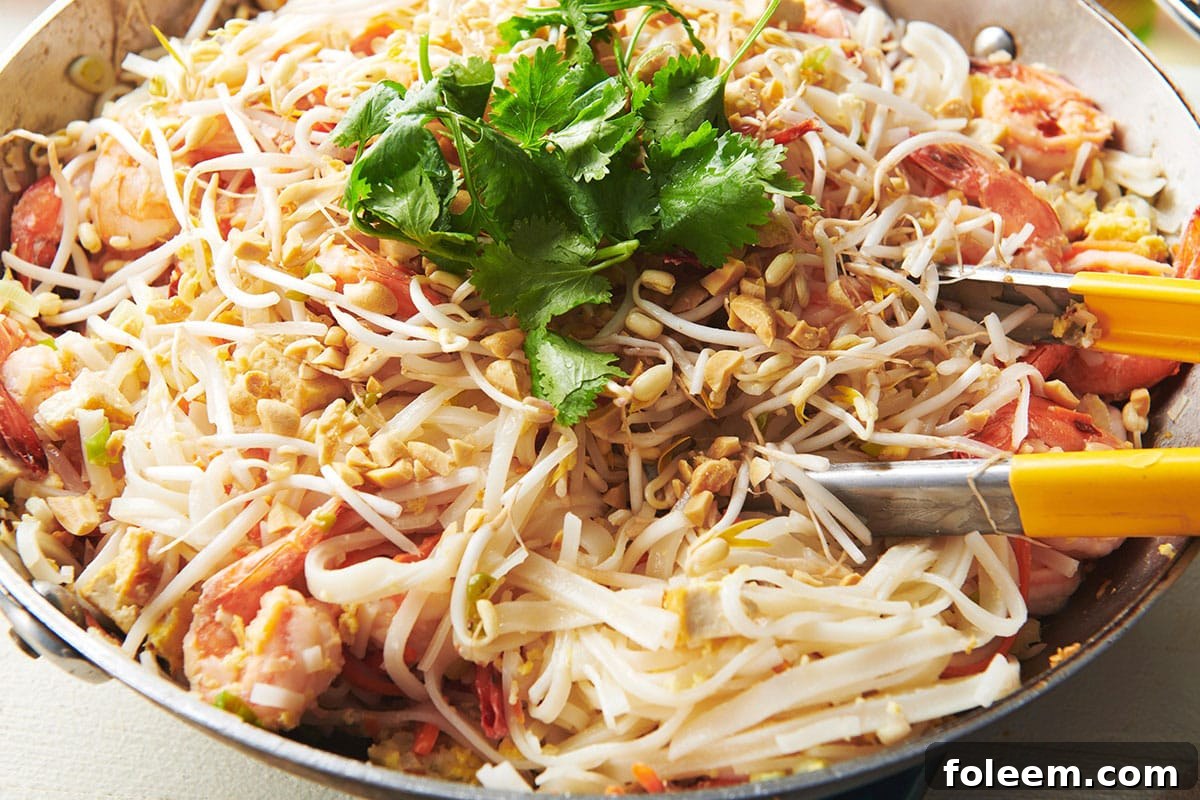
This tropical fruit delivers a bright, tart flavor often balanced with coconut milk or other mild, creamy components. One of the most recognizable dishes that relies on tamarind is Pad Thai, where tamarind paste gives the sauce its characteristic tang.
- What Is Tamarind?
- What Does Tamarind Look Like?
- What Does Tamarind Taste Like?
- Tamarind Substitutes
- How to Buy Tamarind
- How to Make Tamarind Paste
- How to Store Tamarind
What Is Tamarind?
Tamarind is the pod-like fruit of the tamarind tree, which also produces edible leaves and fragrant flowers. Although native to tropical Africa, tamarind is now cultivated across tropical regions worldwide, with major production in South and Southeast Asia, the Caribbean and parts of South America. Cooks use tamarind to add acidity and tang to dishes; its natural acidity also makes it useful for tenderizing meats.
What Does Tamarind Look Like?
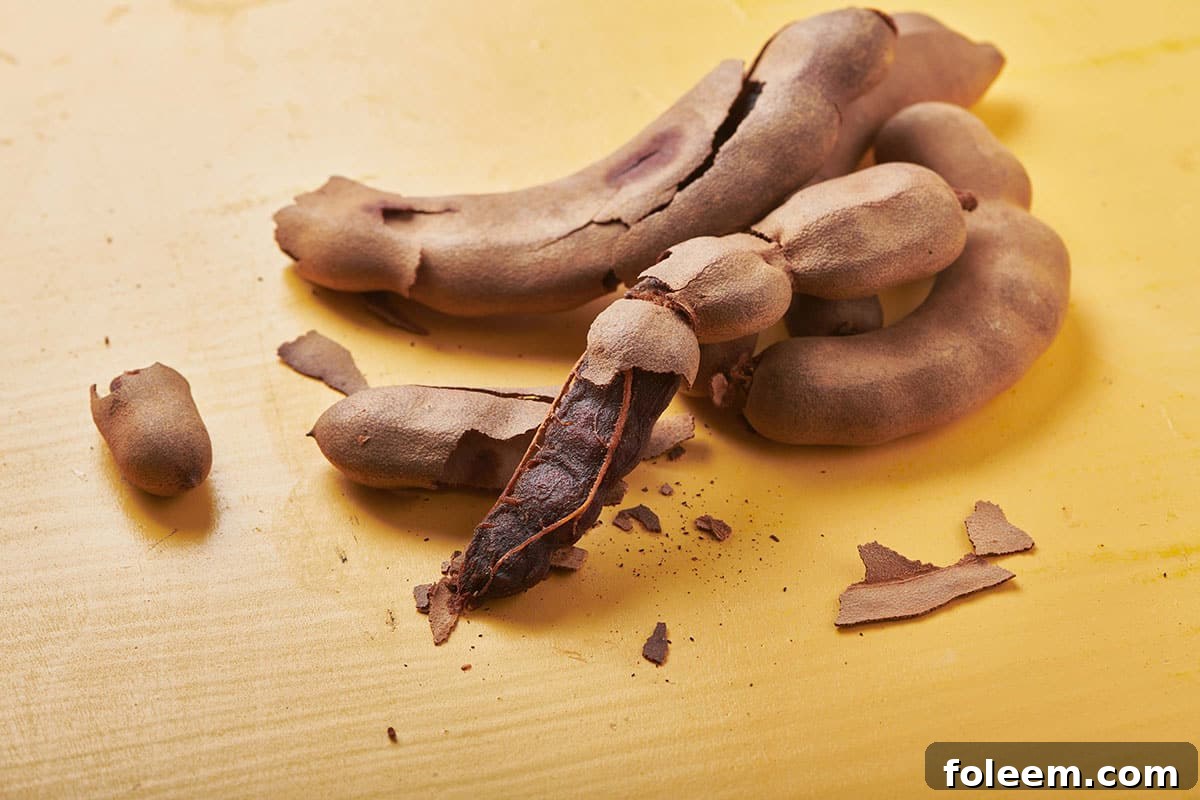
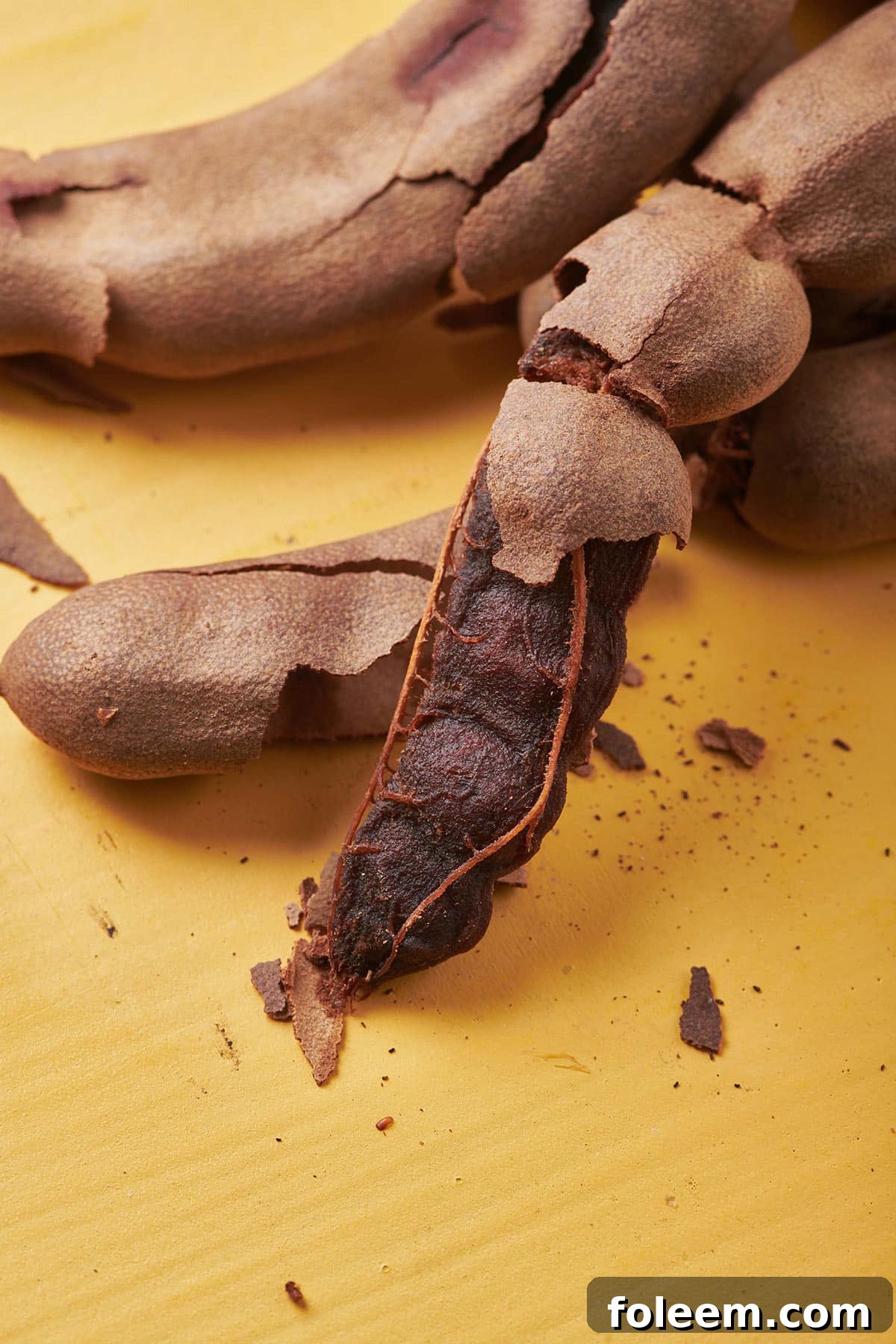
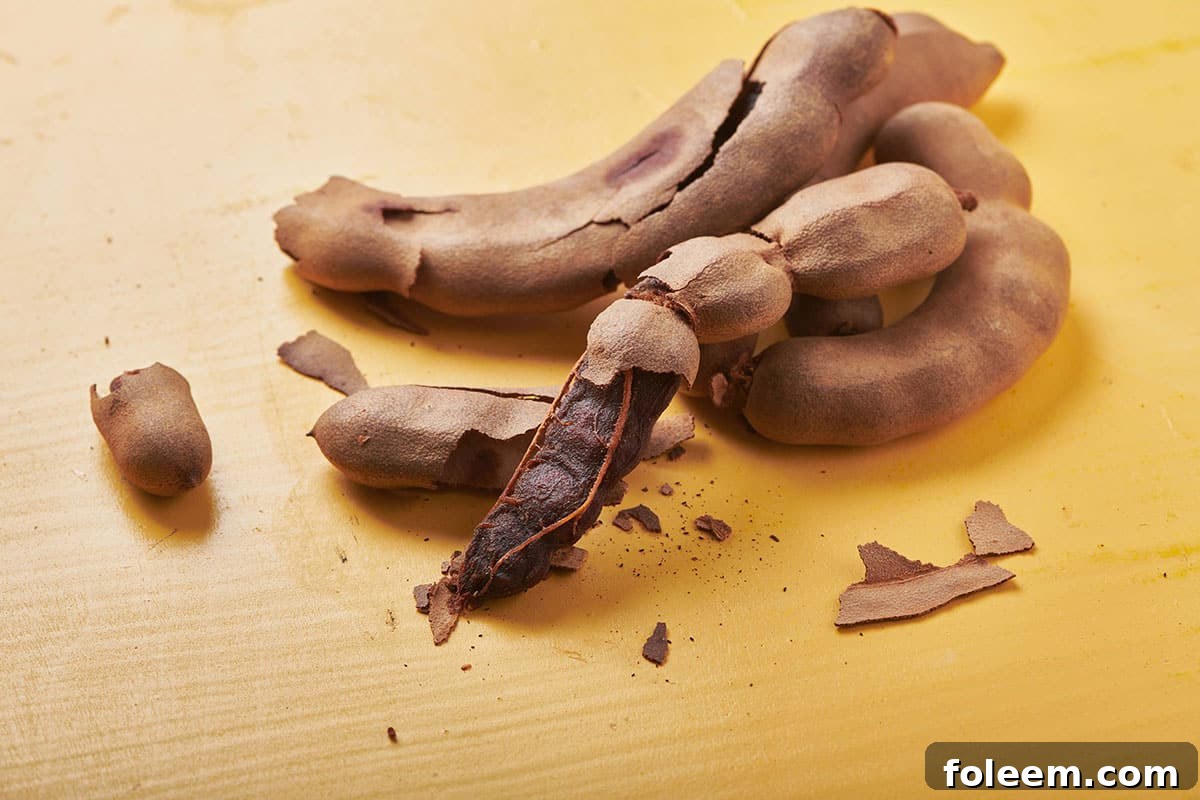
Tamarind grows inside a hard, brown shell that ranges roughly from 4 to 8 inches in length. The shell is inedible; inside lies a pulpy fruit that turns from green to reddish-brown as it ripens. Depending on variety and growing conditions, a pod can contain anywhere from one to a dozen seeds embedded in the pulp.
What Does Tamarind Taste Like?
The pulp of tamarind is intensely flavored: ripe tamarind is sour-sweet, tangy and concentrated, while unripe (green) tamarind is sharply sour and used sparingly in pickles, chutneys and relishes. As the fruit matures it develops more sweetness and a milder sourness, making it suitable to eat straight from the pod as a snack in many regions. Tamarind leaves, used in some Indian and Filipino dishes, offer a milder sour-tart note and are also used in traditional remedies.
Tamarind contains minerals such as calcium, magnesium, potassium and iron, plus B vitamins and antioxidants. It has a long history of use in traditional medicine across cultures where it is grown, and it contributes nutrients when included in a balanced diet.
Tamarind Substitutes
If you don’t have tamarind paste, there are a few simple substitutes depending on the recipe. For a sweet‑and‑sour replacement, mix 1 tablespoon brown sugar with 1 tablespoon vinegar to replace 1 tablespoon tamarind paste. For a brighter, citrusy note, 2 tablespoons fresh lime juice can replace 1 tablespoon of tamarind paste. Another option used in Thai cooking is a blend of date puree and lime juice to mimic both sweetness and acidity.
How to Buy Tamarind
Tamarind is sold in several forms. Choose the form that best fits your recipe and storage needs.
Tamarind Pods
Fresh pods are found at well-stocked grocery stores and Asian markets, particularly in areas with Southeast Asian or Indian communities. Pods are sold at different stages: green (very tart), ripe brown (balanced sour-sweet), and varieties labeled sweet tamarind that are noticeably milder and sweeter.
Tamarind Paste
Tamarind paste is widely available in jars or blocks in the international or Asian aisle of grocery stores. It’s made by combining tamarind flesh with water. When shopping, check labels to avoid added sweeteners if you want pure tamarind flavor. Paste is convenient for sauces, marinades and dressings.
Tamarind Pulp
Dried tamarind pulp often comes in blocks and may include seeds and fibrous membranes that should be removed before use. These blocks are darker and concentrated in flavor.
Tamarind Concentrate
Concentrates are thick and very dark with an intense tamarind flavor. Dilute with water to adjust intensity and make them easier to incorporate into recipes.
Frozen Tamarind
Frozen tamarind is typically milder; thaw it before use and adjust quantities to taste.
Tamarind Powder
Powdered tamarind is made from dehydrated, ground fruit. It works well for flavoring drinks, sauces and confections, but is not always a direct substitute for paste in recipes that need moisture.
How to Make Tamarind Paste
If you have fresh pods, you can make paste at home:
- Place shelled pods in a bowl and pour boiling water over them.
- Cover and let sit 30–45 minutes, stirring occasionally as the water cools so the pulp separates from fibers and seeds.
- Press the softened pulp through a fine-mesh sieve to remove seeds and fibers for a smoother paste, or keep it rustic for more texture.
How to Store Tamarind
Store tamarind pods in a cool, dark place or refrigerate them; they will keep for a few weeks when sealed. Unopened tamarind paste or blocks remain shelf‑stable for several months; after opening, refrigerate to preserve freshness. Opened paste or blocks should be tightly wrapped and refrigerated for up to a month, or portioned and frozen for up to four months. If paste firms after storage, stir in a little water to restore the desired consistency.