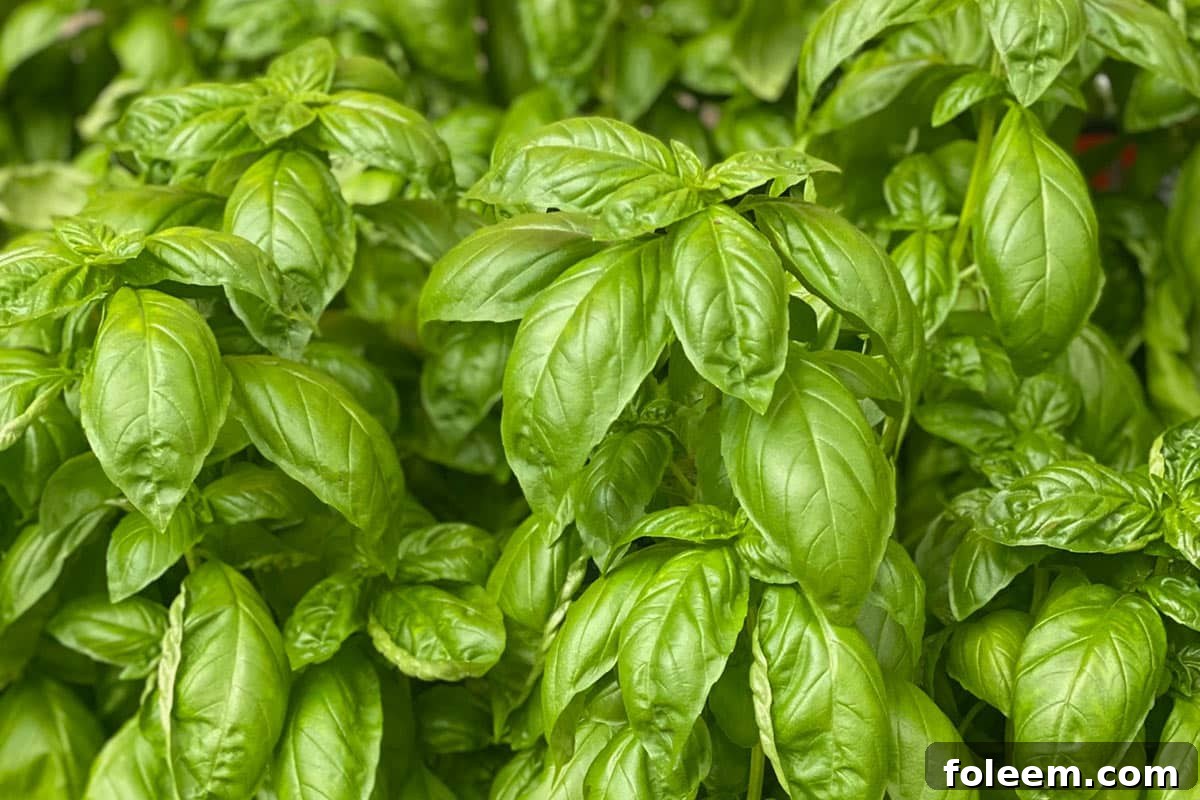
If you could choose only one fresh herb to cook with forever, basil is a top contender. Its bright aroma evokes summer and it’s incredibly versatile—lifting salads, sauces, spreads, and even cocktails. Keep a small jar of homemade basil oil in the fridge all summer to drizzle over sliced tomatoes, grilled peppers, grilled salmon, and more.
Below you’ll also find a quick 4-ingredient Basil Orange Egg Salad that takes about 10 minutes to prepare, assuming the eggs are already cooked.
- What Is Basil?
- What Does Basil Look Like?
- What Does Basil Taste Like?
- Substituting Dried for Fresh Basil
- Substituting Other Herbs for Basil
- Where To Find Basil
- Selecting Fresh Basil
- Preparing and Cooking With Basil
- Storing Basil
- Recipes With Basil
- How to Cook With Other Fresh Herbs
- Basil Orange Egg Salad Recipe
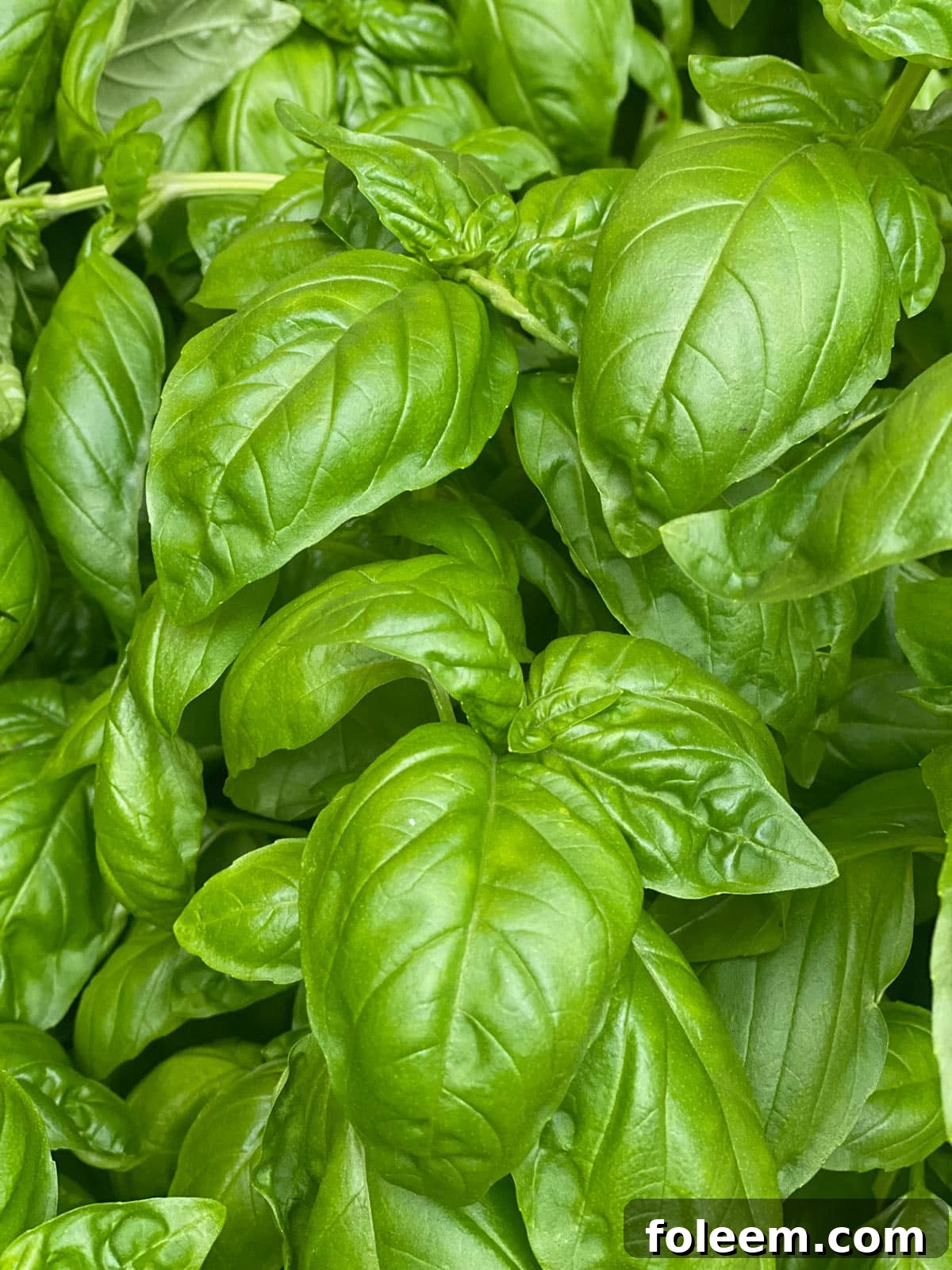
What Is Basil?
Basil belongs to the mint family and is a cornerstone of Italian and Mediterranean cooking. It’s the primary ingredient in traditional pesto and a favorite in tomato-based pasta sauces. Several Asian cuisines—Thai, Indonesian, and Vietnamese—also use distinctive basil varieties in their dishes.
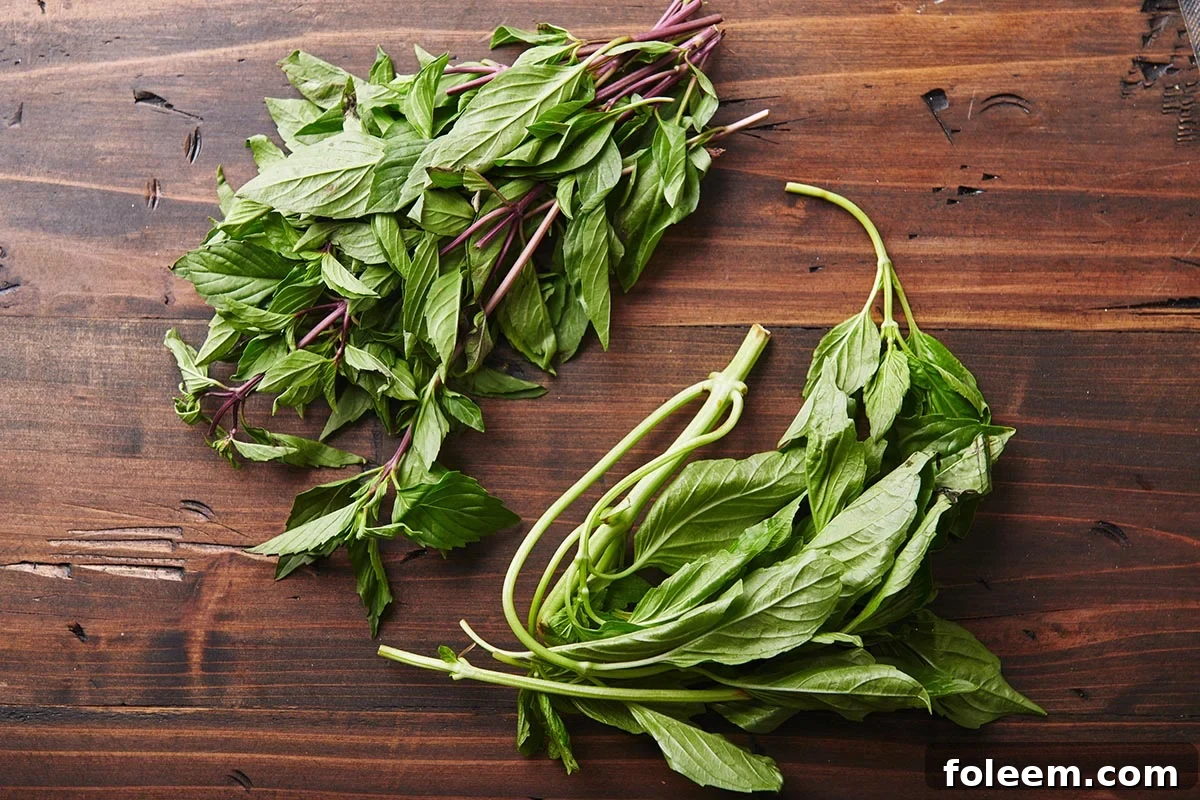
There are more than 60 varieties of basil, each offering a unique flavor. Sweet basil is the most common, while Thai basil is prized in many Asian recipes for its pronounced anise-like notes.
What Does Basil Look Like?
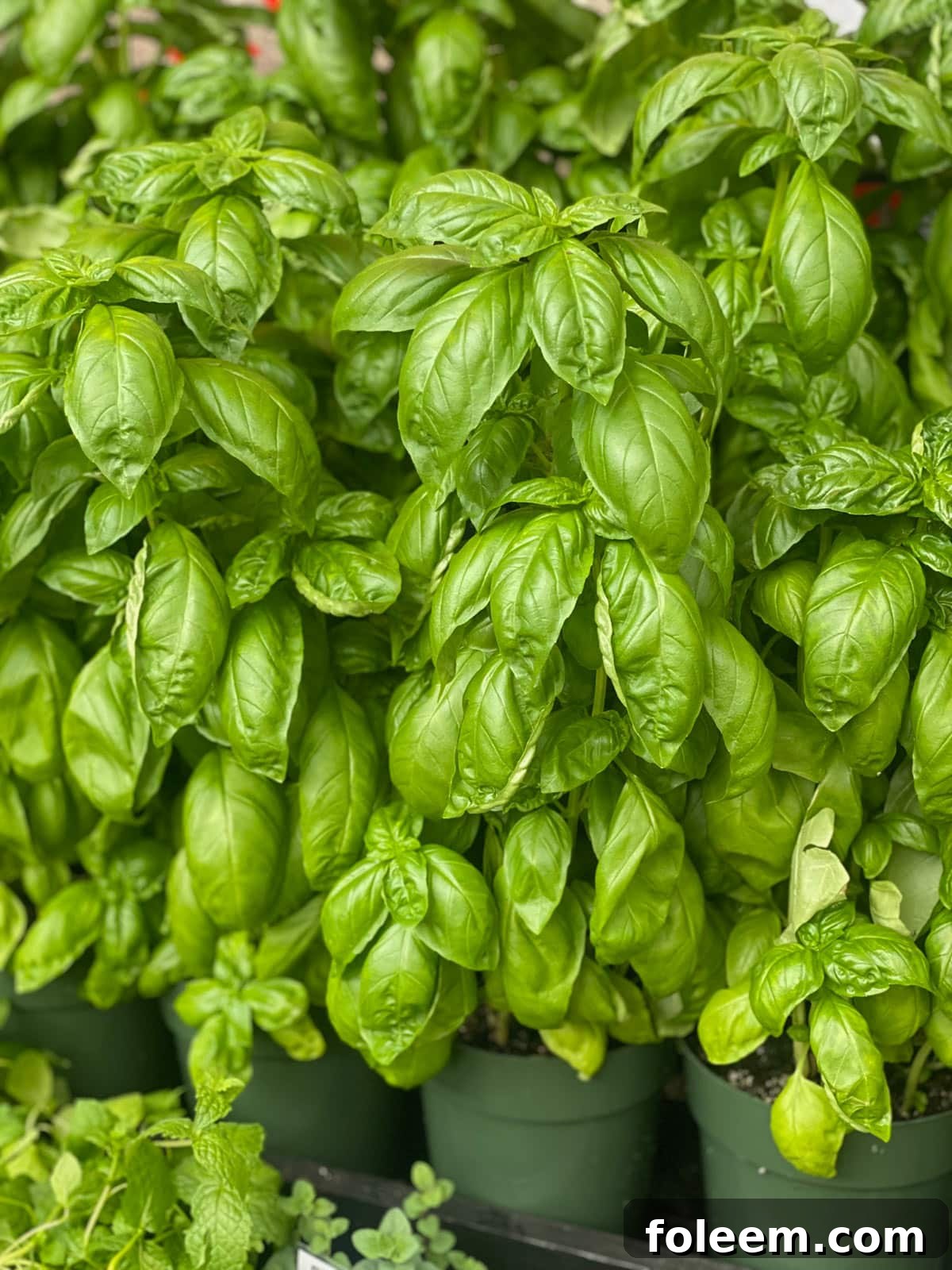
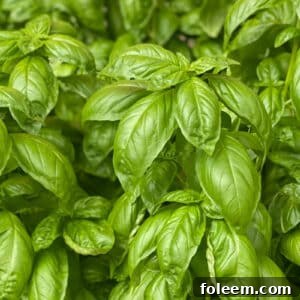
Sweet basil typically has large, glossy green leaves with visible veins and a smooth texture. Other varieties can look quite different: Dark Opal basil is deep purple, Greek basil has tiny leaves, lemon basil has longer thin leaves, and cinnamon basil shows purple stems and flowers. Dried basil appears crushed and muted green in color.
What Does Basil Taste Like?
Sweet basil gives off a fragrant, sweet aroma with a peppery, slightly minty taste; larger leaves are often more intense and slightly spicy. Different varieties introduce different notes—some citrus, some spicy—while Thai basil tends toward a savory, licorice-like flavor.
Substituting Dried for Fresh Basil
Dried basil can work in cooked dishes, but it won’t match the freshness of the raw herb. Dehydration can increase the minty character. Use about 1 teaspoon dried for 1 tablespoon fresh (roughly a 1:3 ratio). For uncooked dishes where basil is a featured flavor, dried may fall short; in blended marinades it’s usually fine, but on a Caprese salad fresh basil is preferable.
Substituting Other Herbs for Basil
Basil’s flavor is distinctive, so substitutes will change the profile of a dish. For recipes calling for dried basil, oregano, tarragon, thyme, or savory can often work. Spinach or celery leaves can sometimes replace fresh basil in blended preparations like pesto or in salads. Italian seasoning blends may replace dried basil in sauces, and oregano or thyme are frequently compatible in Mediterranean dishes that feature basil.
Where To Find Basil
Fresh basil appears in supermarket produce sections, especially in spring and summer when it grows abundantly. Farmers markets are an excellent place to buy fresh basil in season. Basil also grows easily in containers or a garden, so keeping a potted plant is a convenient option. Dried basil is available with other dried herbs and spices.
Selecting Fresh Basil
Fresh basil is sold in bunches or small plastic containers. Choose bunches with vibrant, unblemished leaves. Avoid bunches with browned, shriveled, damp, or dried leaves.
Preparing and Cooking With Basil
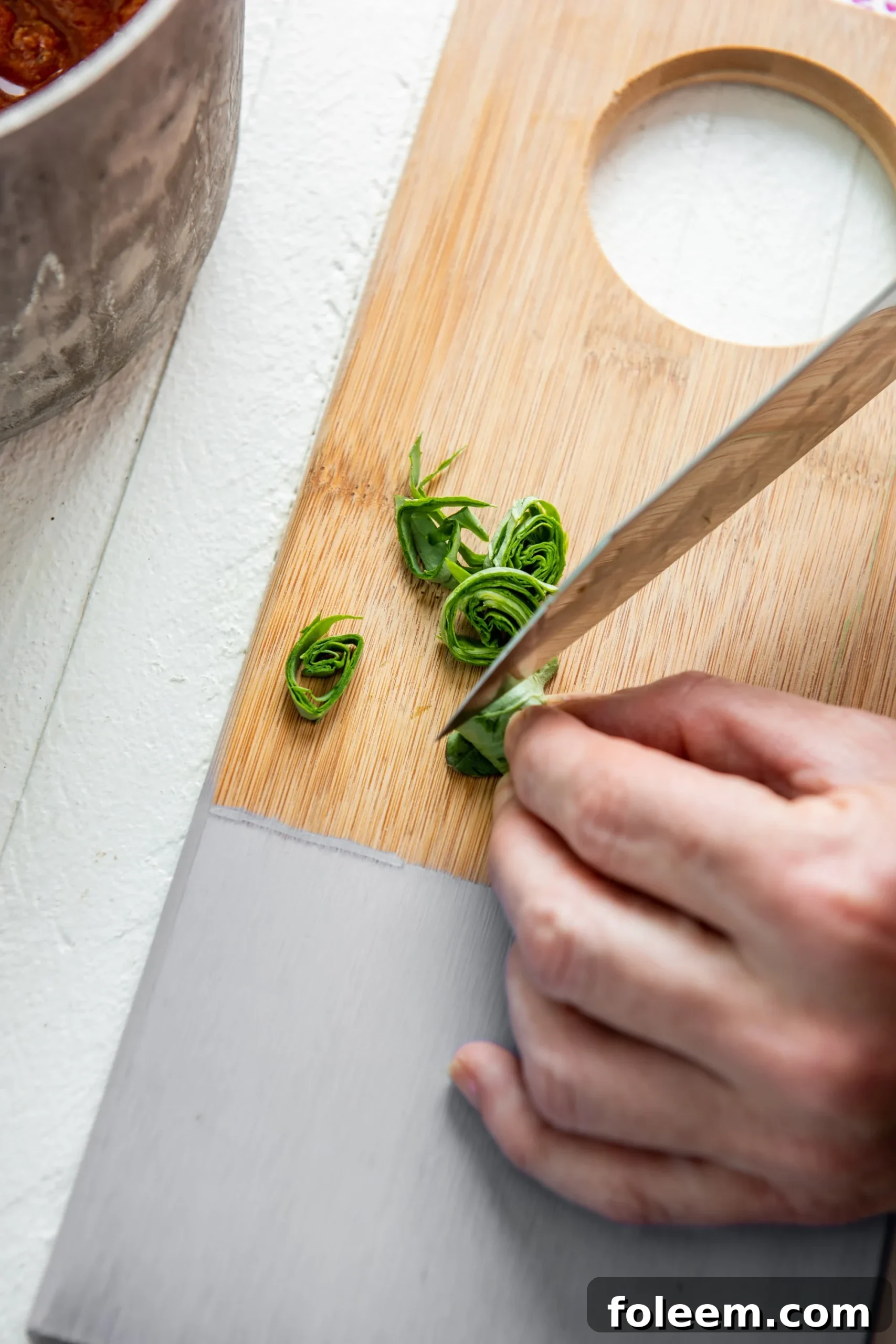
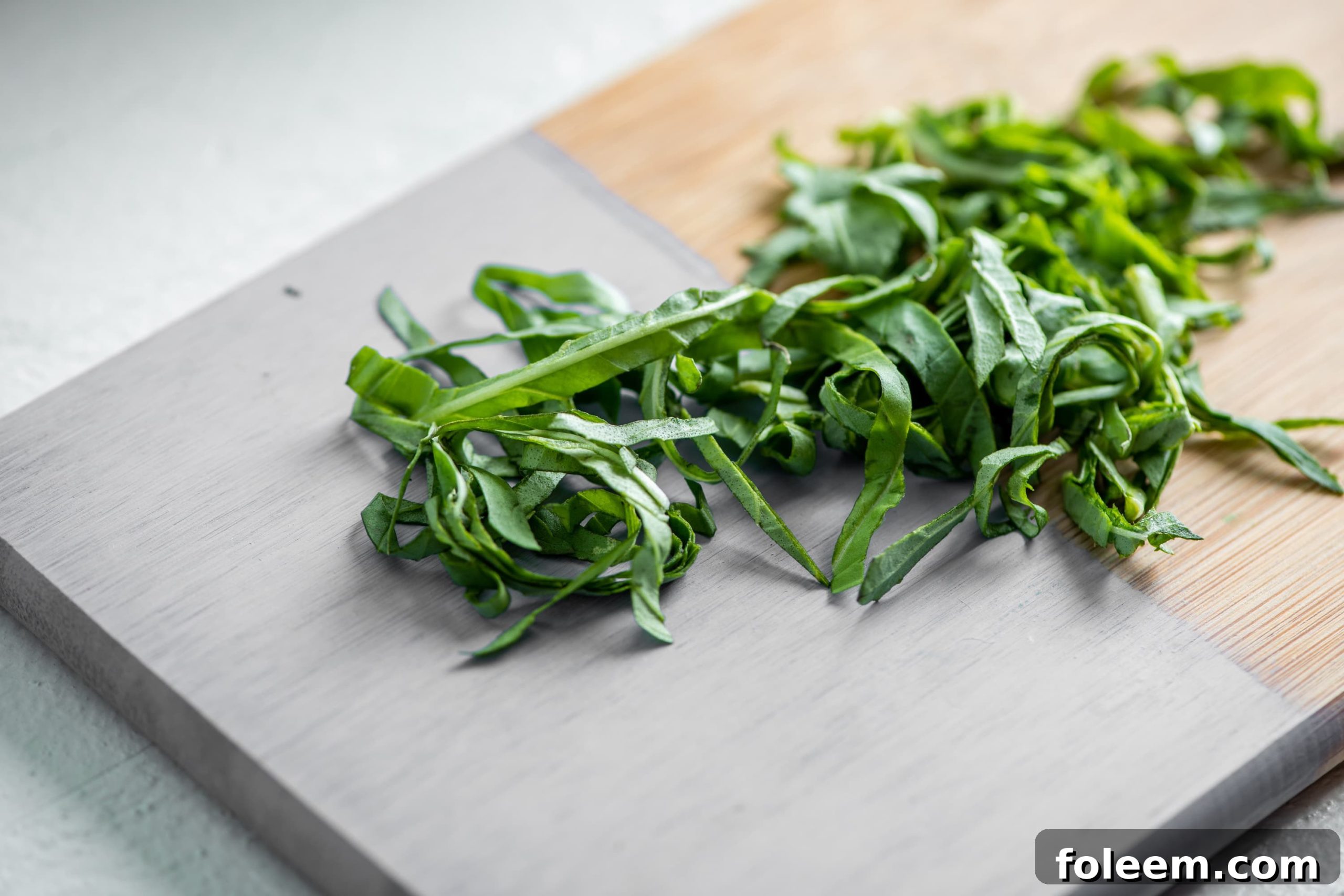
Rinse basil just before use and pat it dry. Remove leaves from the stem and use them whole, torn, chiffonaded into thin strips, finely chopped, or pureed. Whole leaves are ideal on pizza or in Caprese salad; chopped basil brightens pastas, sauces, salads, vegetables, and Southeast Asian stir-fries. Basil also complements sweets such as ice creams, fruit soups, and cool gazpachos.
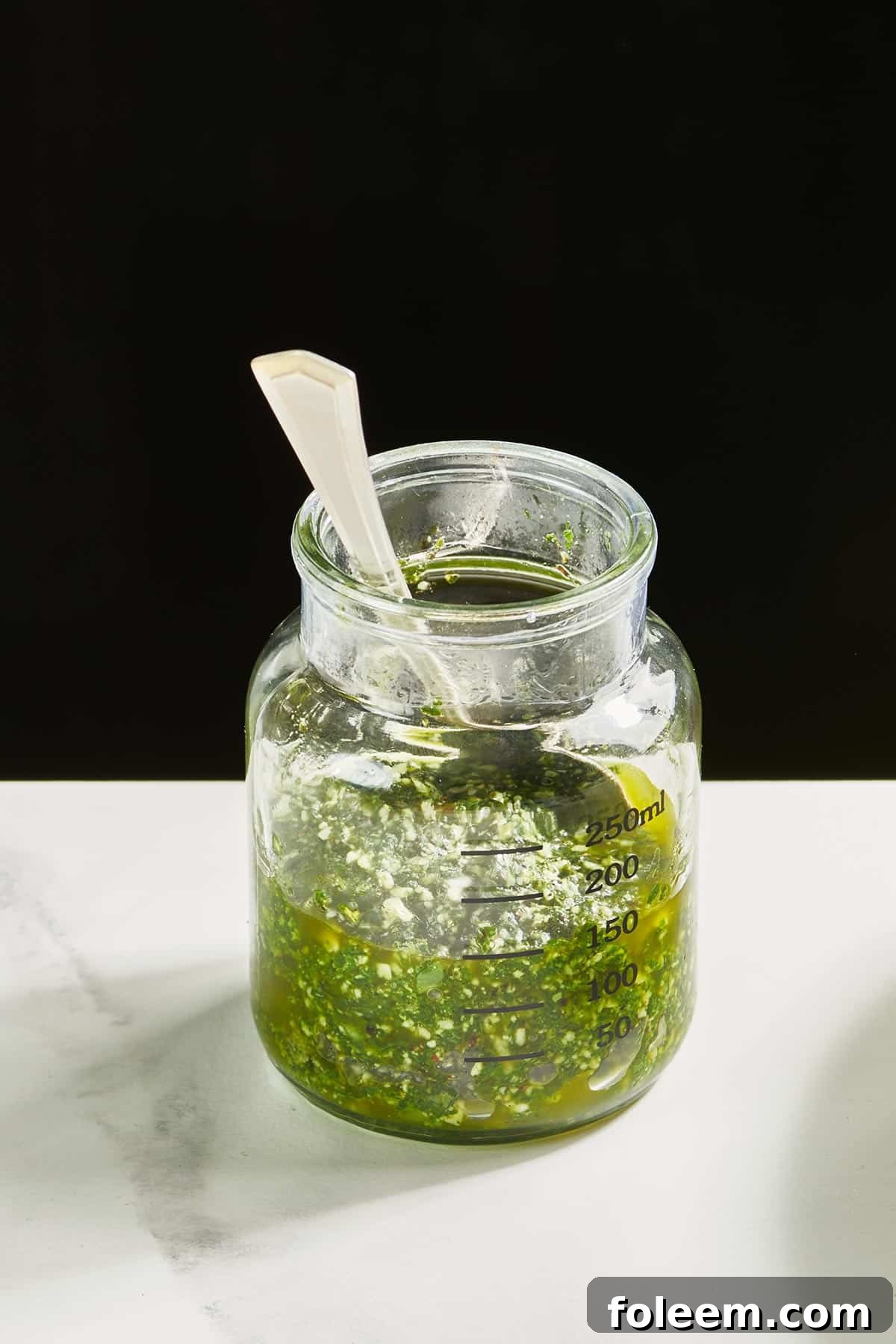
Add fresh basil at the end of cooking to preserve its bright flavor. If using dried basil, add it early so it has time to release its aroma. Fresh basil also blends well into olive oil with salt and pepper for a quick flavored oil or pistou; you can strain the leaves after infusing or leave them in.
Storing Basil
Wrap fresh basil in a slightly damp paper towel, place it in a sealable bag or container, and store it in the crisper drawer; it should keep for about a week. Store dried basil in a sealed container in a cool, dry place.
Recipes With Basil
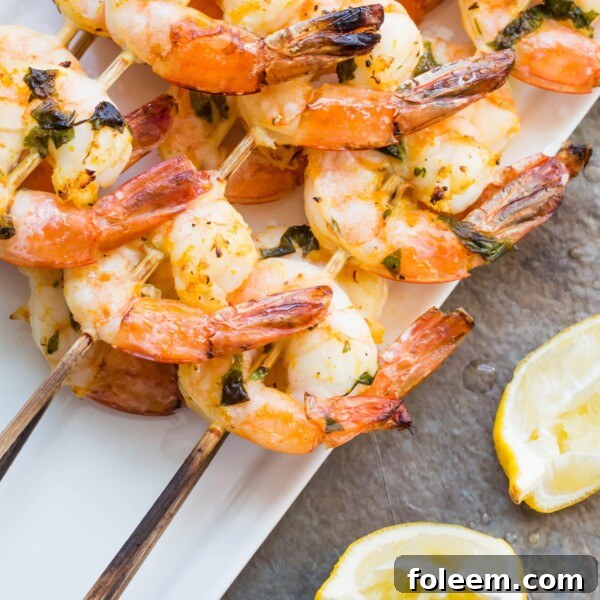
Citrus Basil Shrimp Kebabs
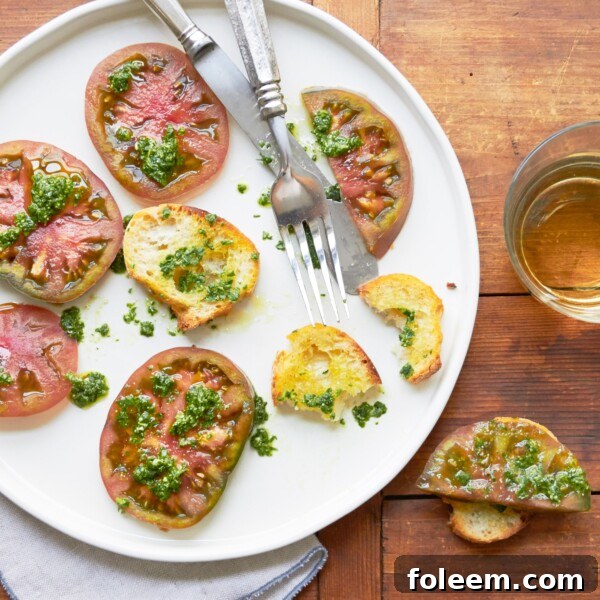
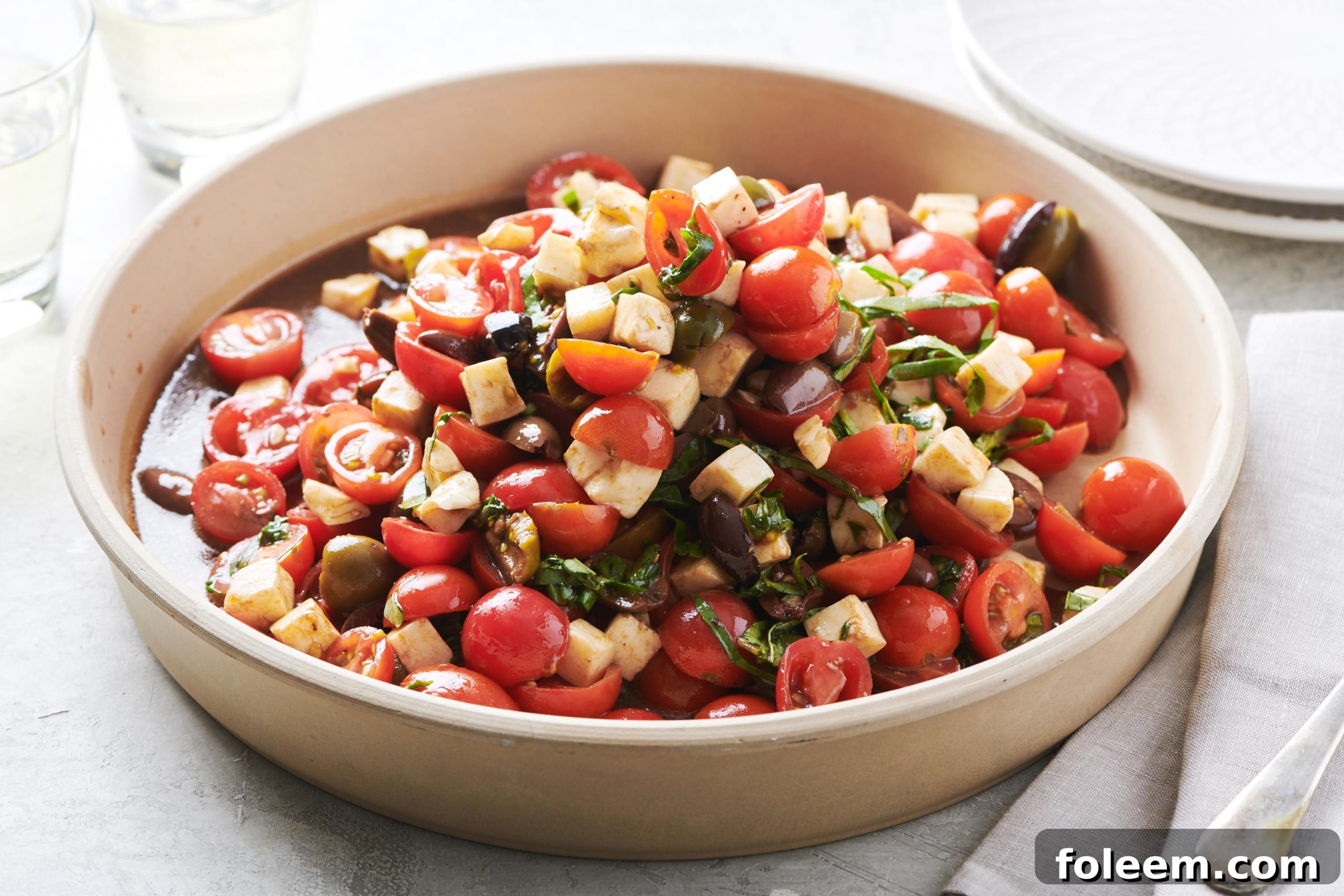
Tomatoes with Mint Basil Pesto
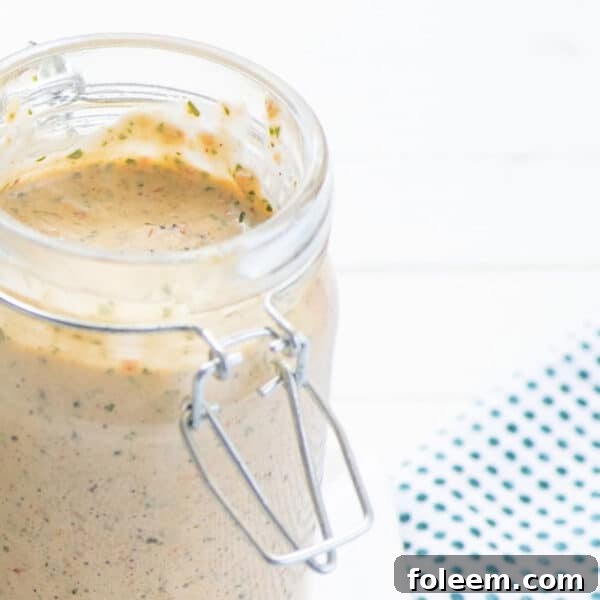
Roasted Red Pepper Mayo with Basil (Easy Homemade Spread)
How to Cook With Other Fresh Herbs
- Thyme
- Parsley
- Oregano
- Mint
- Rosemary
Basil Orange Egg Salad Recipe
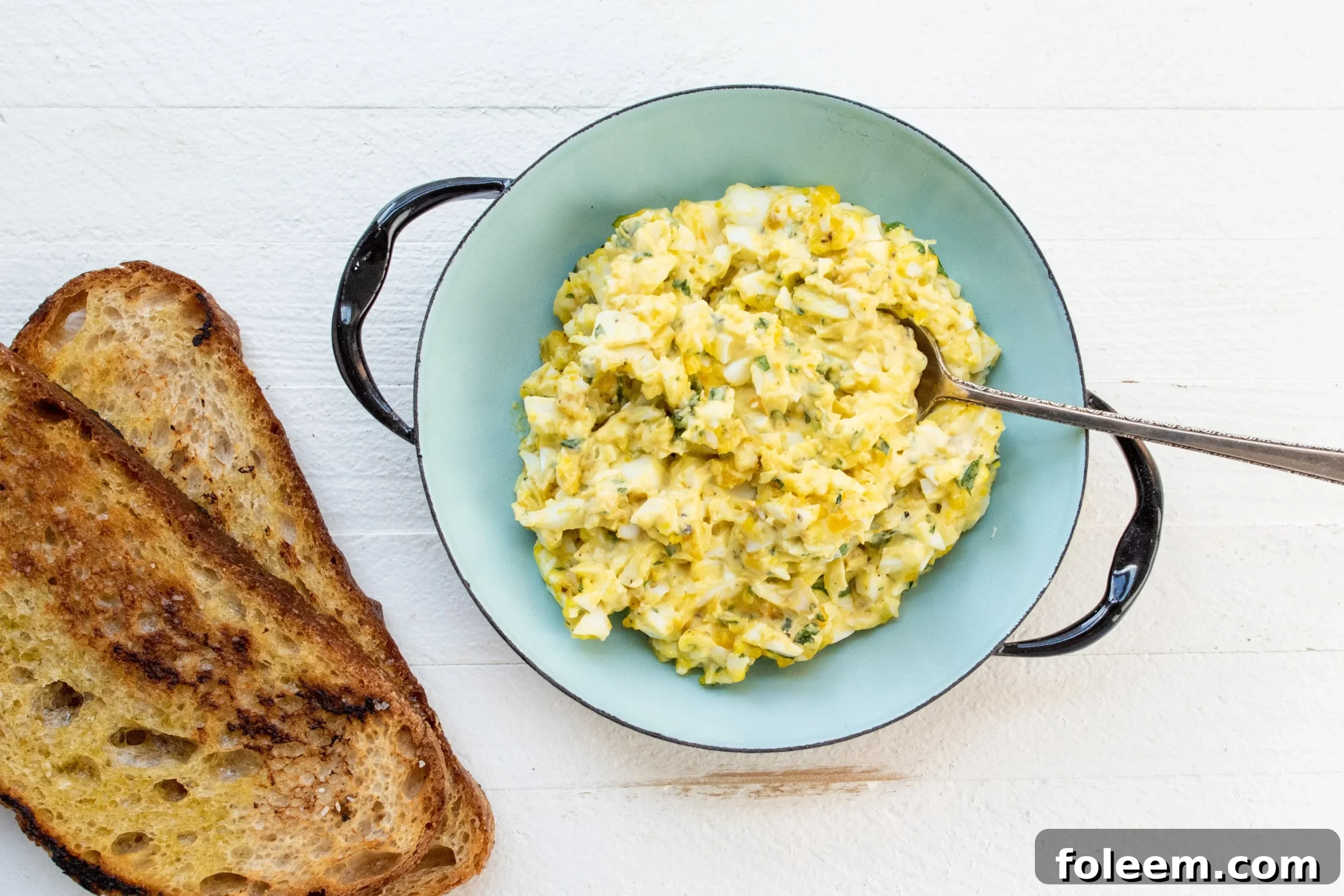
This egg salad is a classic lifted by orange zest and fresh basil—simple, bright, and perfect for a sandwich, on crackers, or spooned over greens.
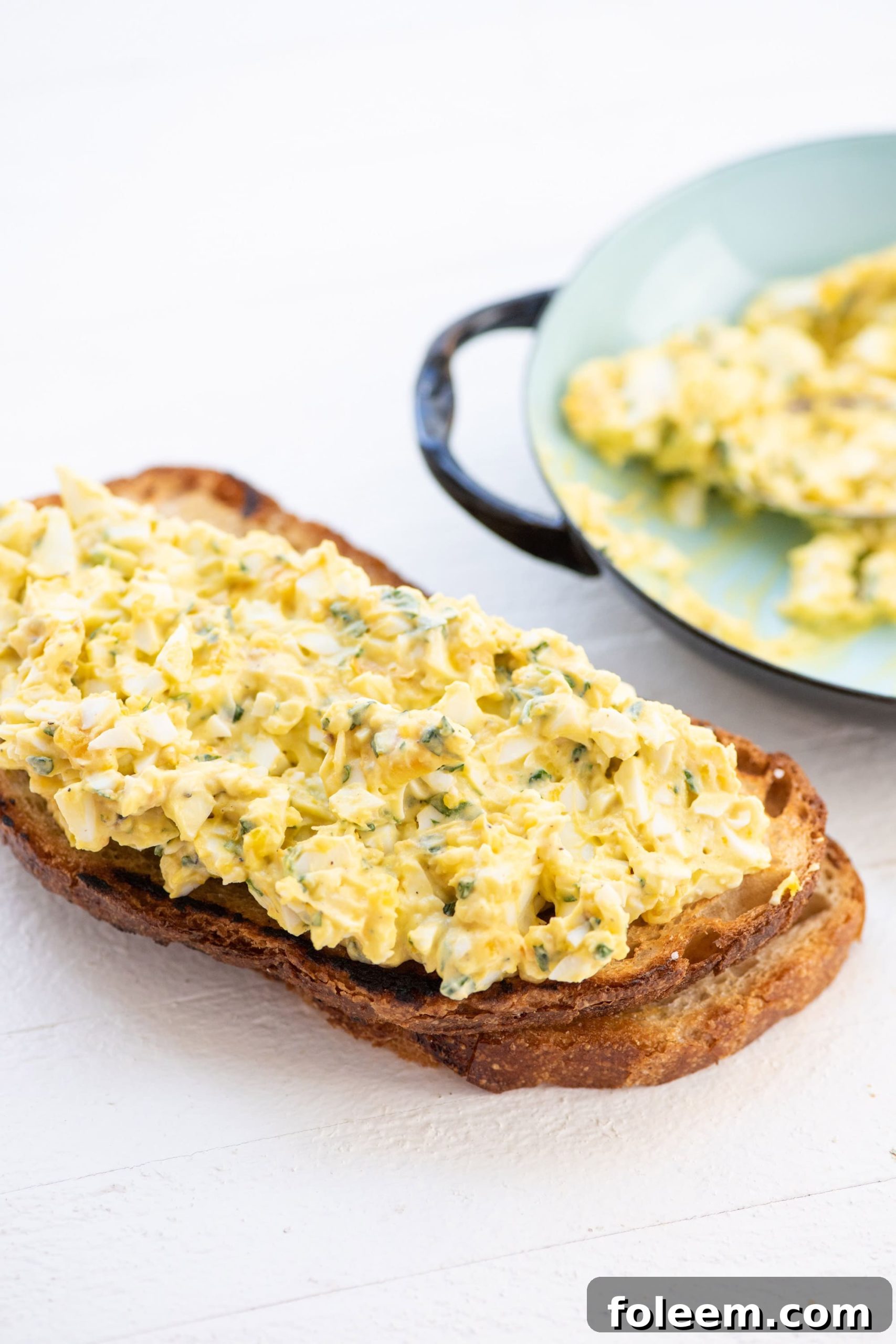
Ingredients
- Hard-cooked eggs (essential)
- Mayonnaise (regular or low-fat)
- Finely grated orange zest
- Fresh basil leaves, finely chopped (fresh is recommended)
- Kosher salt and freshly ground black pepper, to taste
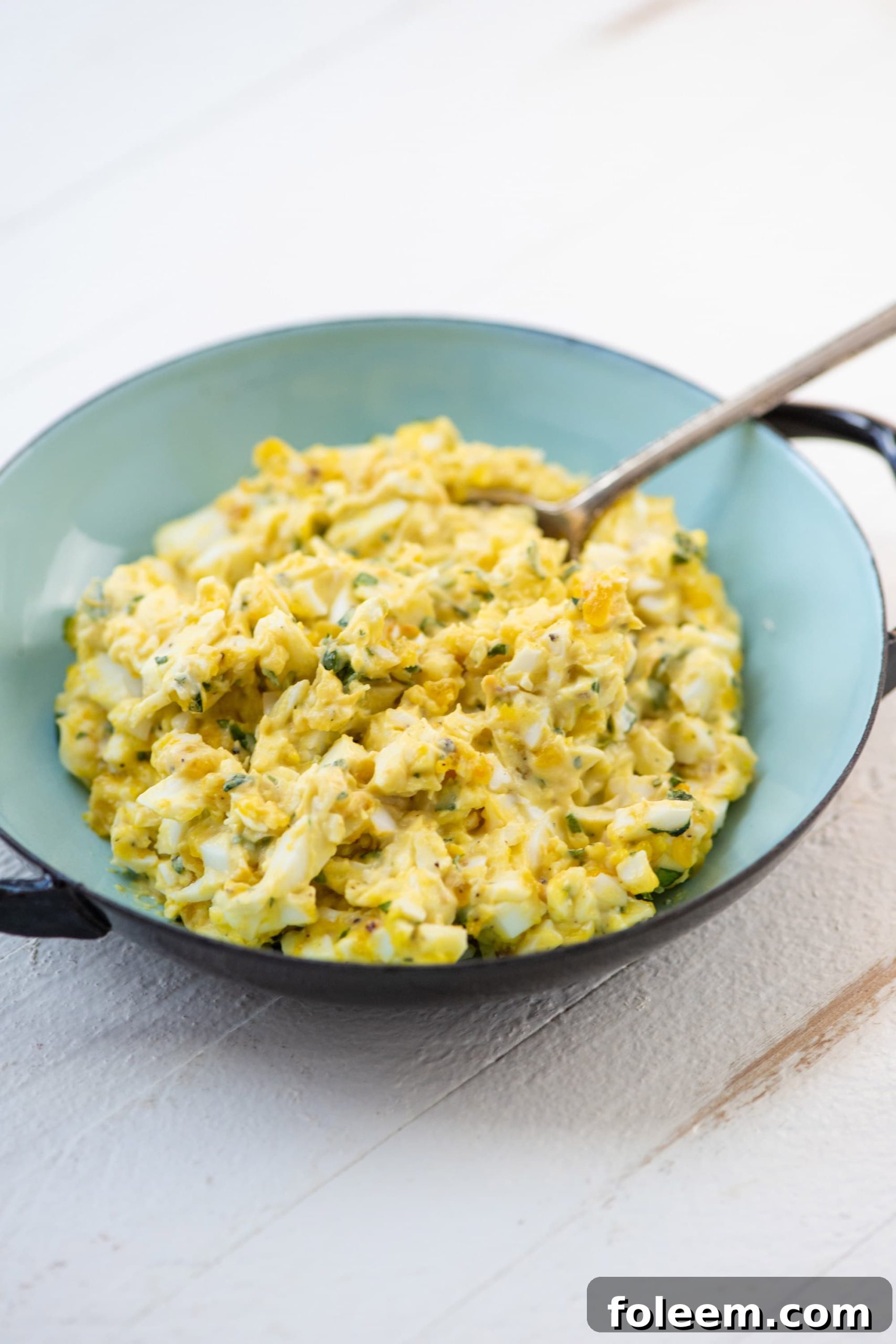
How to Make Basil Orange Egg Salad
- Chop the eggs: Peel and chop them as finely or coarsely as you prefer.
- Combine: In a medium bowl, mix the chopped eggs with mayonnaise, orange zest, basil, salt, and pepper. Stir well and chill before serving.
Tips
- You can hard-cook the eggs up to 5 days ahead.
- The prepared egg salad will keep for up to 4 days in the refrigerator.
- To make ahead, mix the eggs, mayonnaise, salt, and pepper and store; add basil and orange zest right before serving for best flavor and color.
A modern variation on the luncheonette classic—heap it on crackers, pile it on toast for a sandwich, or enjoy it straight from the bowl.

How to Cook With Basil (Plus a Recipe for Basil-Orange Egg Salad!)
Ingredients
- 6 hard-cooked eggs
- 3 tablespoons mayonnaise
- 1 teaspoon finely grated orange zest
- 1 tablespoon finely chopped fresh basil leaves
- Kosher salt and freshly ground black pepper, to taste
Instructions
- Peel and chop the eggs to your preferred texture. Place them in a medium bowl and add the mayonnaise, orange zest, basil, salt, and pepper.
- Stir thoroughly to combine, then chill before serving.
Notes
- You can hard-cook the eggs up to 5 days ahead.
- The egg salad keeps for up to 4 days in the fridge.
- To prepare ahead, mix eggs, mayo, salt, and pepper; add basil and orange zest just before serving.