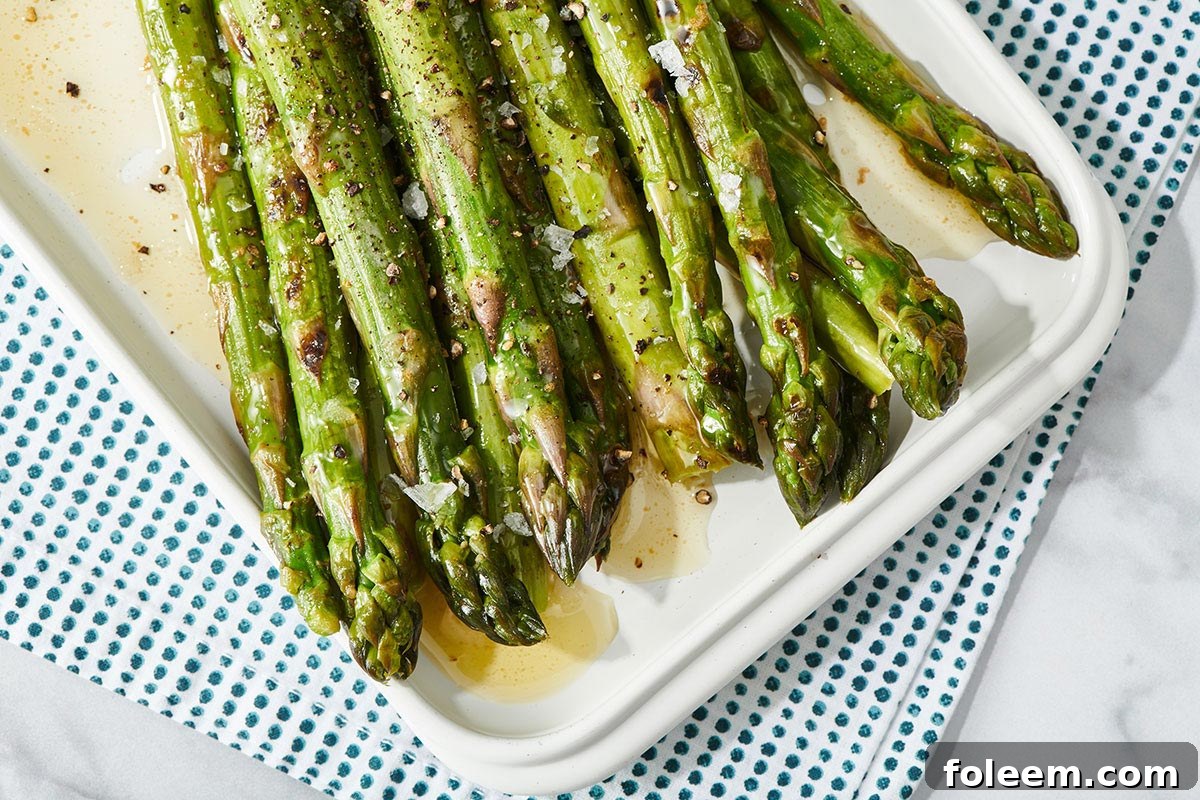
Asparagus is a versatile spring vegetable you can prepare in countless ways. These slender green spears are perfect as a simple side, a component in skillet meals, or the star of a vegetable sauté. You can steam, boil, blanch, stir-fry, roast, bake, grill, or broil asparagus — and most methods deliver a delicious result. (I haven’t tried sous vide yet, but it’s on the list.)
Cooking times usually range from about 6 to 14 minutes depending on the method, the thickness of the stalks, and whether you prefer your asparagus tender or crisp. Keep in mind asparagus continues to soften slightly after it’s removed from heat, so plan timing accordingly.
- Different Types of Asparagus
- Where and When to Find Asparagus
- How to Choose Asparagus
- Storing Asparagus
- 5 Ways to Cook Asparagus
- How to Clean and Prepare Asparagus
- How Long to Cook Asparagus
- FAQs
- 12 Asparagus Recipes
Different Types of Asparagus
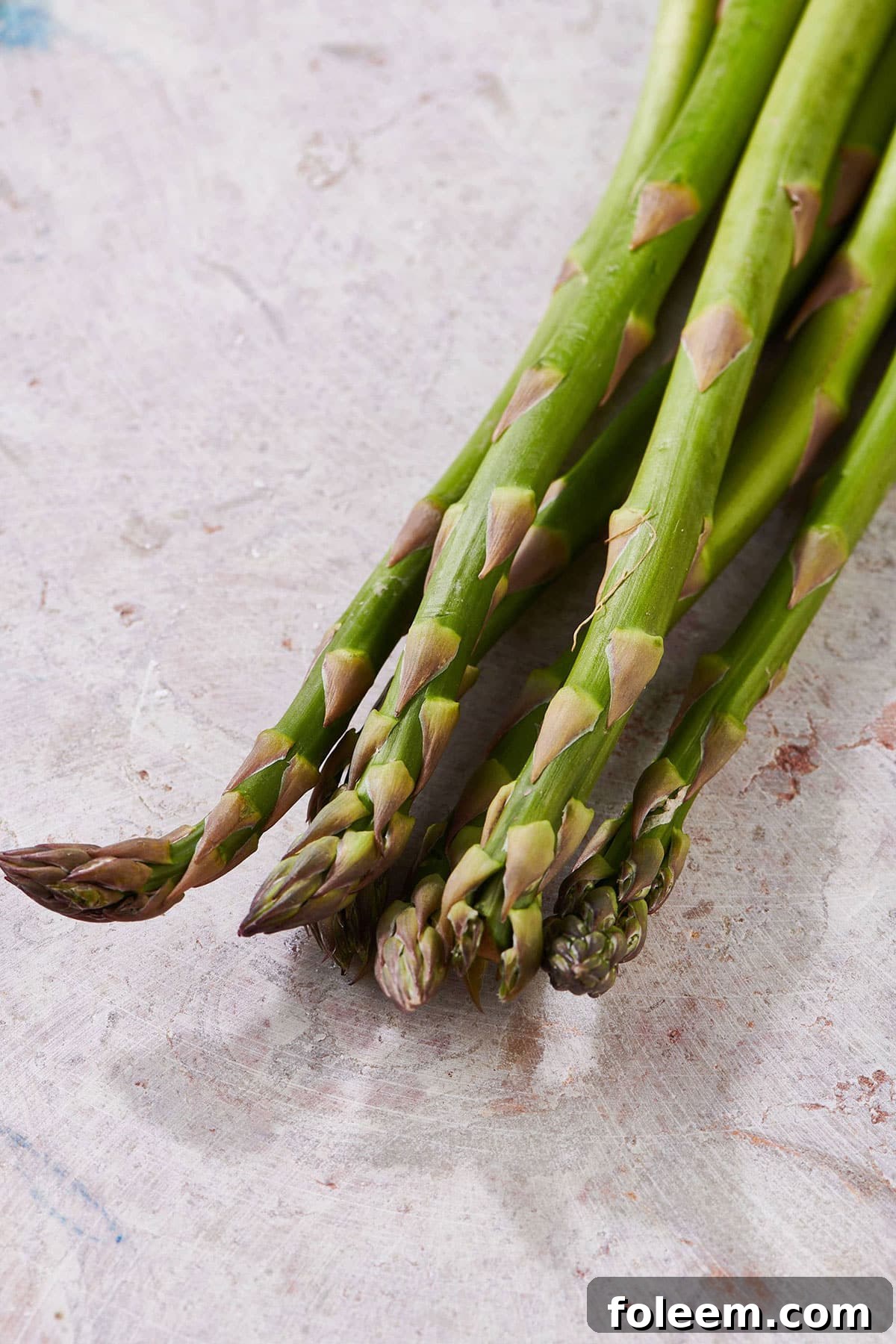
Asparagus grows as long, slender shoots topped by a tight bud. The most common variety in the U.S. is green asparagus, but you may also encounter purple or white asparagus. Purple asparagus has a sweeter flavor, while white asparagus, popular in parts of Europe, is grown out of sunlight to prevent photosynthesis and remains pale. Wild asparagus also appears in some regions, with a more delicate flavor.
Where and When to Find Asparagus
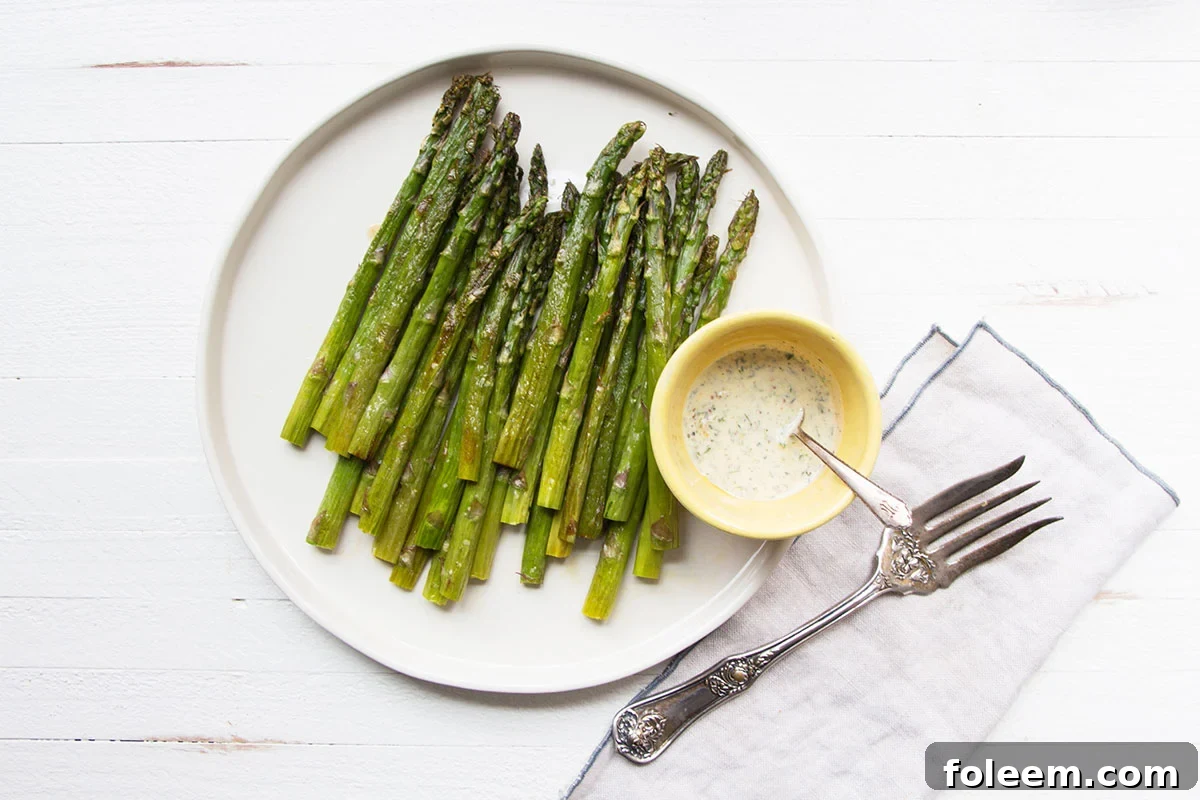
Asparagus season runs roughly from February through June in various growing regions, with March and April often being prime months. You’ll find fresh asparagus at farmers markets in spring and in grocery produce sections during its peak. Some regions have wild asparagus that foragers collect near streams, ditches, and other moist areas.
Because asparagus can be grown in greenhouses and imported year-round, it’s often available outside of season — but freshly harvested local asparagus usually offers noticeably better flavor and texture than asparagus flown in from distant places.
How to Choose Asparagus
Pick asparagus based on how you plan to cook it and your texture preference. Thin spears cook quickly and suit sautés or stir-fries, while thick spears take a little longer and provide a meatier bite. Look for firm, smooth stalks with tightly closed tips and avoid pieces that are wrinkled, slimy, or have an off odor. Cut ends will naturally be somewhat dry, but large frayed tips or mold are signs to pass.
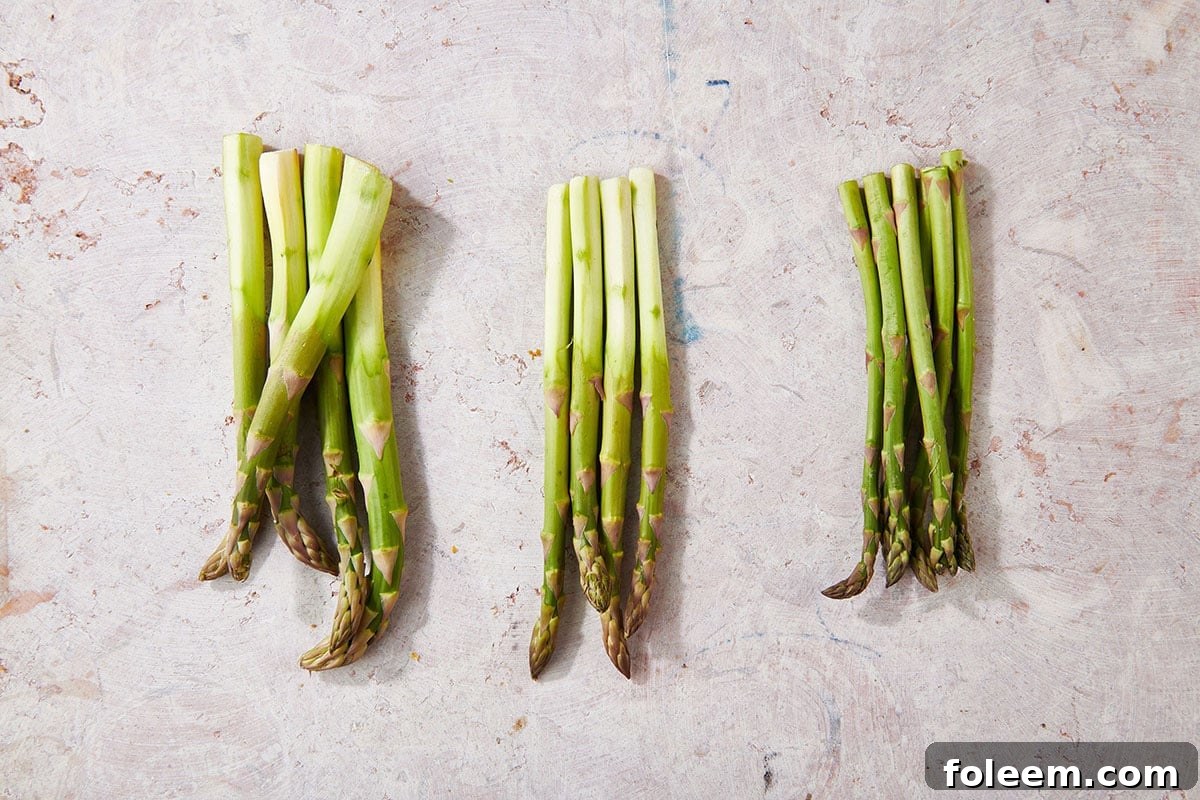
Much-loved and eagerly awaited, asparagus heralds the arrival of spring. It’s easy to find at markets and simple to prepare. Here are a dozen recipes to showcase this seasonal vegetable.
Storing Asparagus
Treat asparagus like cut flowers. Trim about an inch from the bottoms and stand the spears upright in a tall glass, jar, or measuring cup with a couple of inches of water. Loosely cover the tops with a plastic bag and refrigerate; this should keep asparagus fresh for 3 to 7 days depending on initial freshness.
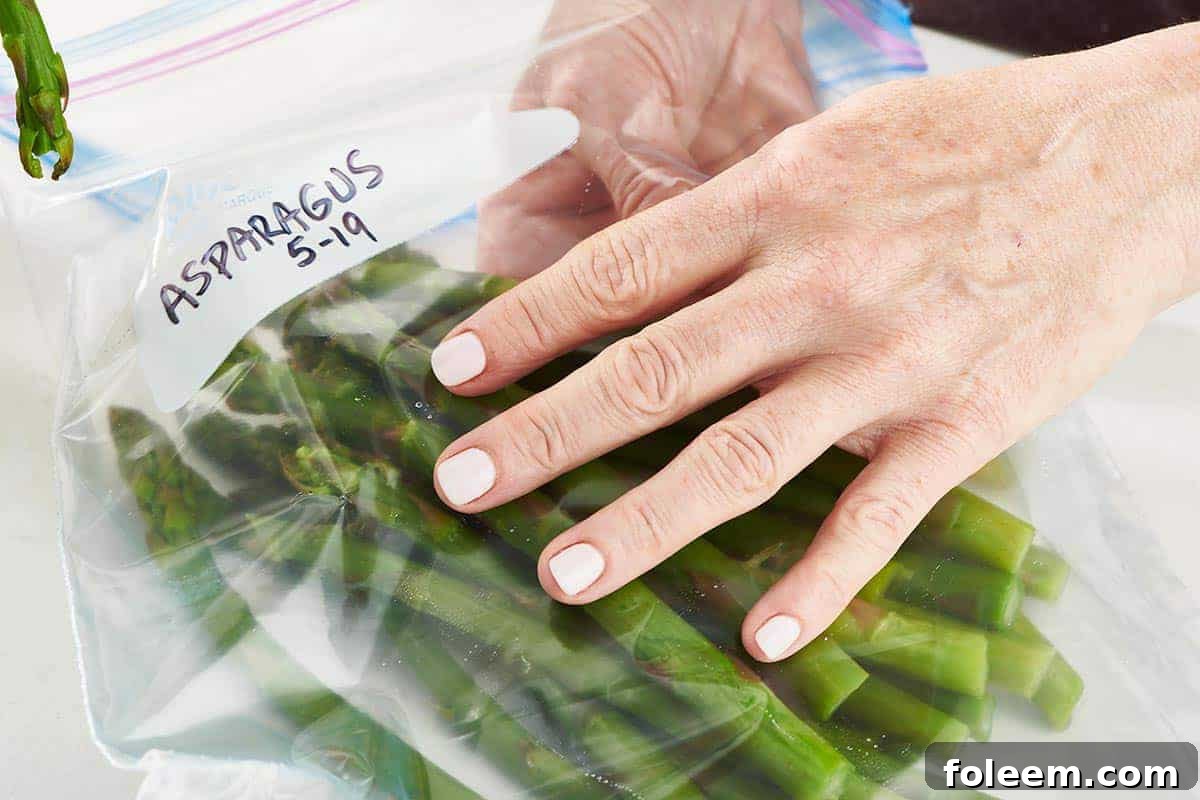
You can also store asparagus in a produce drawer in a bag, but it may bruise and age faster. If you have excess asparagus you want to save long-term, blanch it briefly and freeze for best results.
5 Ways to Cook Asparagus
How you cook asparagus depends on the dish and the texture you want. Here are common methods and what to expect from each.
Steamed Asparagus
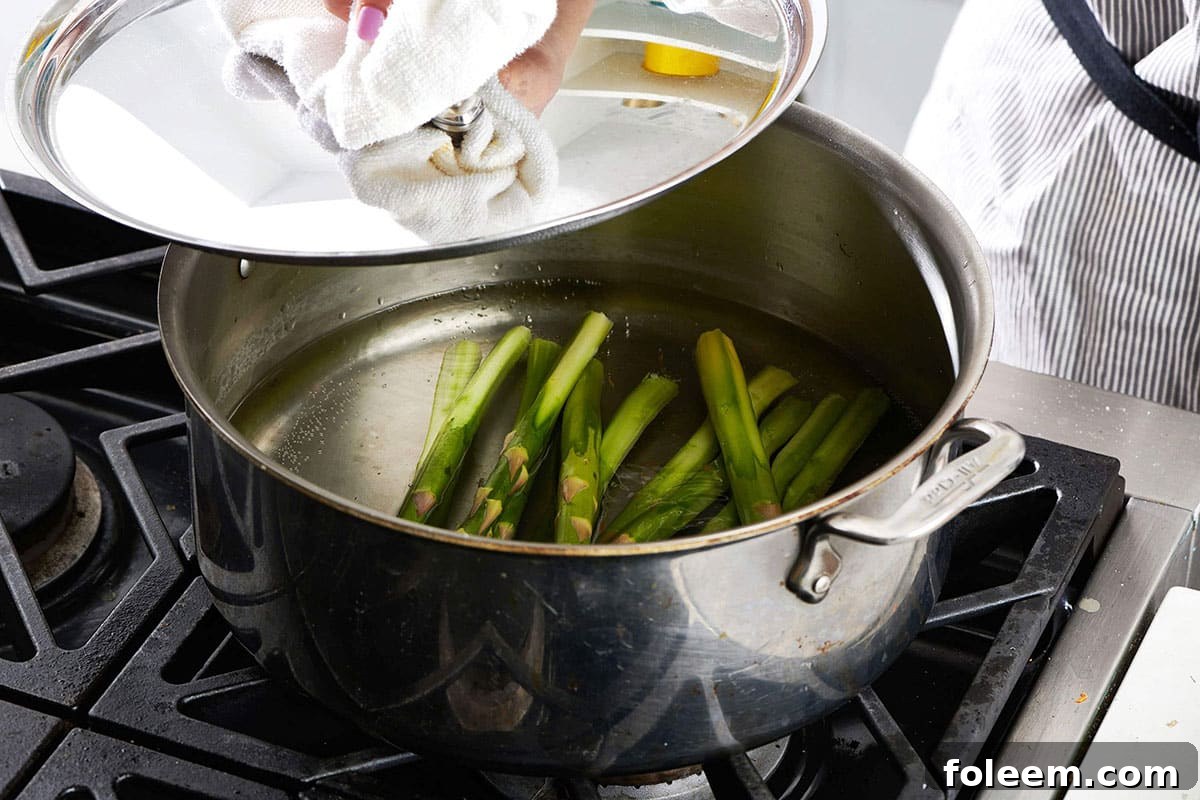
Steam asparagus over simmering water using a rack or basket with a lid. If you lack a steamer, place a small amount of water in a covered pot and steam just until tender. Steaming preserves color and delicate flavor.
Boiled Asparagus
Boiling uses more water than steaming and cooks spears quickly. Steaming often preserves slightly more flavor, but boiling is fine when you want a very tender result.
Blanching Asparagus
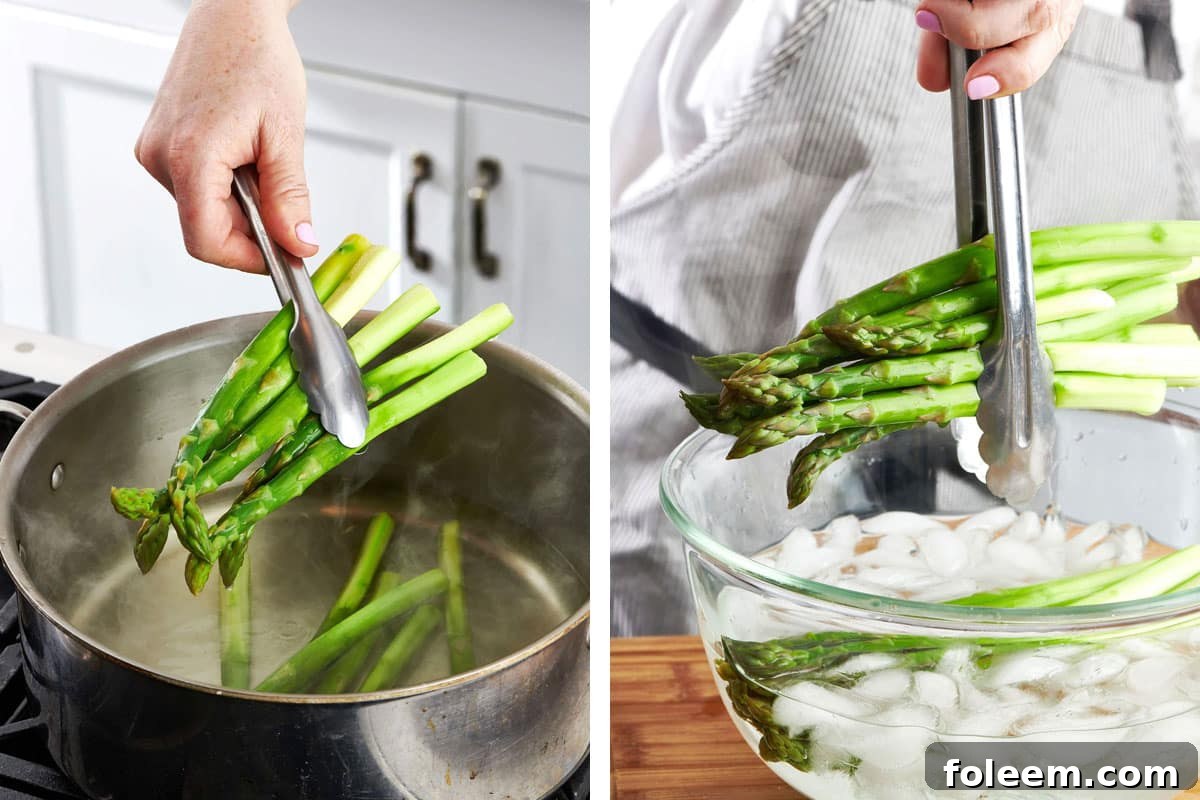
Blanching means briefly cooking asparagus in boiling water, then plunging it into ice water to stop cooking. This method softens the stalks slightly while locking in a bright green color and halting carryover cooking so spears stay crisp-tender.
An ice bath stops the cooking immediately and preserves the vivid green color and crisp-tender texture. It only takes a little extra time and makes a noticeable difference, especially with asparagus.
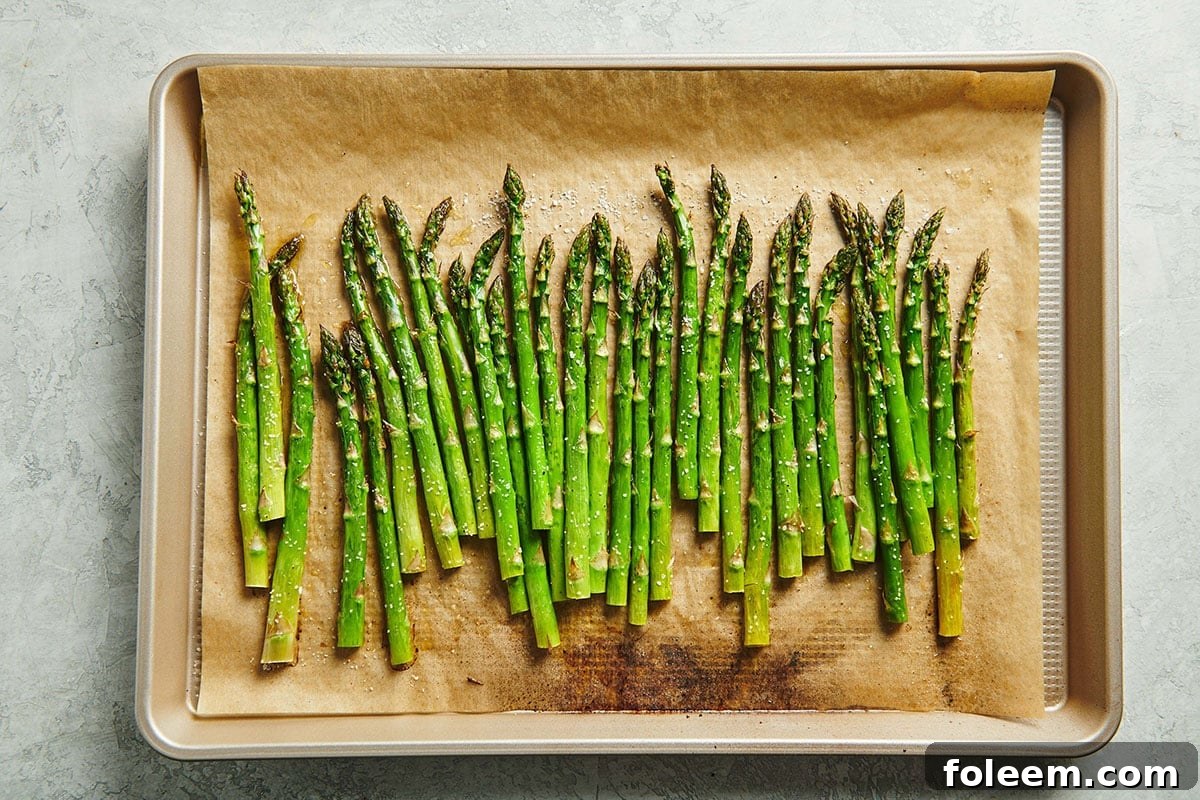
Roasted Asparagus
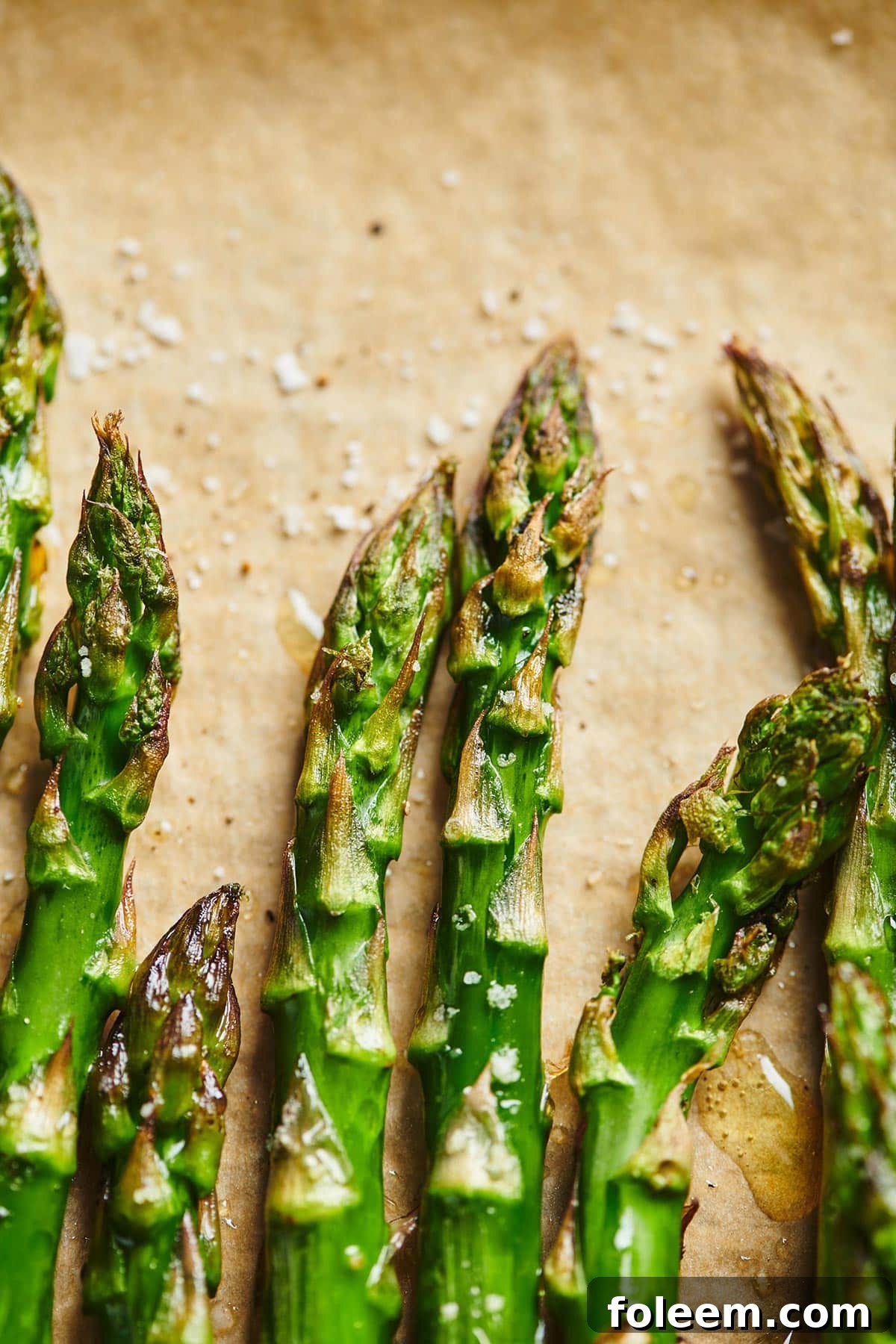
Roasting concentrates the vegetable’s natural sugars, creates a lightly caramelized exterior, and adds texture. High heat brings out a deeper flavor, and a quick toss with oil, salt, and pepper is often all you need.
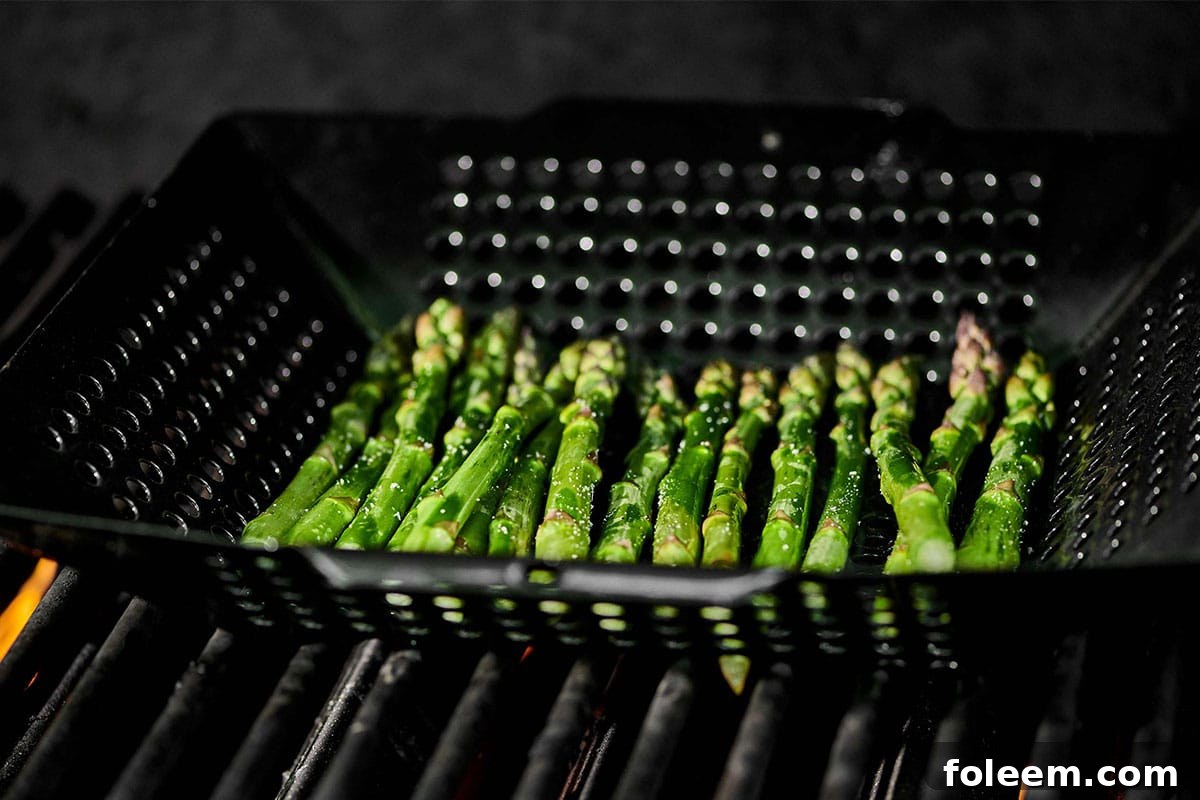
Grilled Asparagus
Grilling imparts a smoky char. Lay spears perpendicular to grates to prevent them from slipping through, or use a grill basket. All thicknesses work on the grill; thicker spears may need an extra minute or two.
How to Clean and Prepare Asparagus
Rinse asparagus under cold water — they’re rarely very dirty. If using a dry-heat method like roasting or grilling, dry the spears first. For steaming or boiling, drying isn’t necessary.
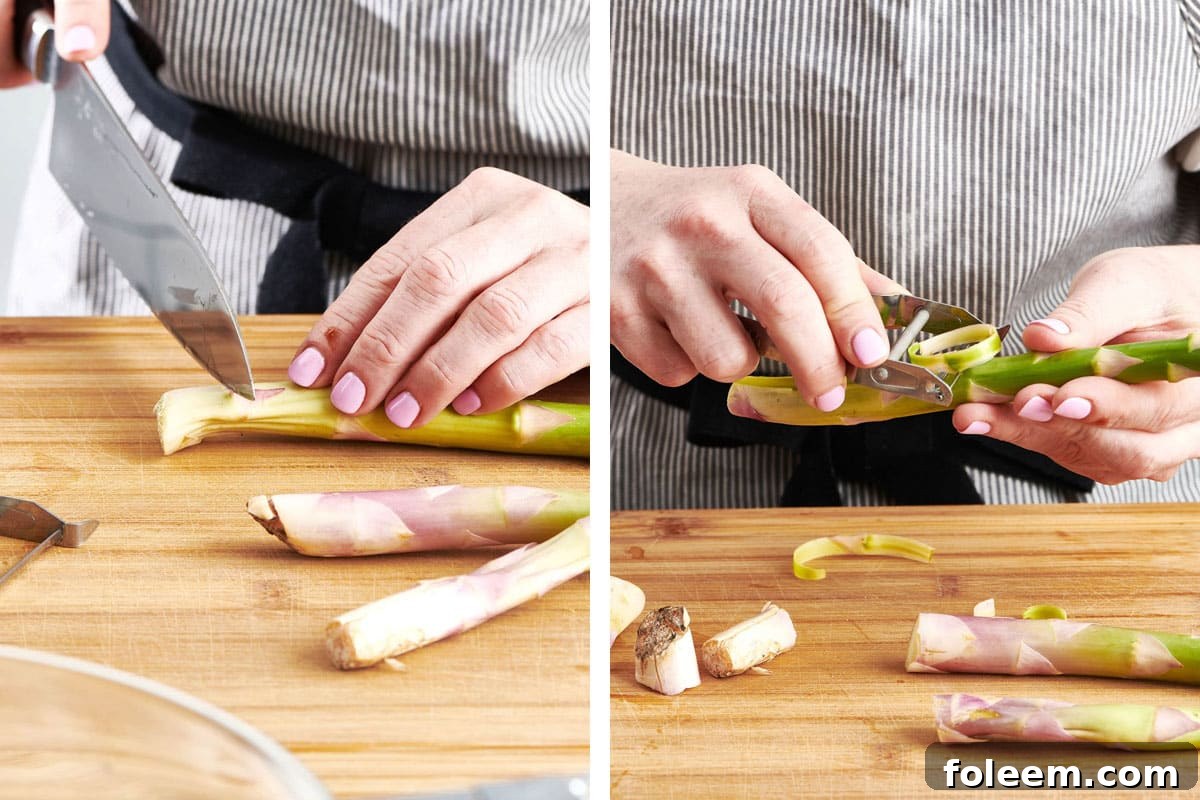
To remove tough, woody ends, you can snap each stalk where it naturally breaks, but that wastes more edible vegetable with thicker spears. A more efficient approach is to trim about an inch from the bottom and, for thick stalks, peel the lower three inches with a vegetable peeler to remove the tough outer layer.
How Long to Cook Asparagus
Cooking time depends on stalk thickness, oven temperature, and pan crowding. For oven cooking, baking is usually at a lower temperature (around 350°F) while roasting uses higher heat (around 425°F). Below are general oven guidelines; adjust slightly based on your texture preference.
| Asparagus Thickness | 425 Degrees | 350 Degrees |
| Thin Asparagus (less than 1/2-inch thick) |
8 to 10 mins | 10 to 12 mins |
| Medium Asparagus (1/2-inch thick) |
10 to 12 mins | 12 to 14 mins |
| Thick Asparagus (more than 1/2-inch thick) |
12 to 14 mins | 14 to 16 mins |
Because asparagus continues to cook after removal from the oven or pan, pull it just before it reaches your ideal doneness. Whether you like asparagus crisp-tender or softer is a matter of taste; cook to what you enjoy rather than trends.
FAQs
Yes — very fresh asparagus can be thinly sliced or shaved and added to salads or crudité platters. Trim or peel tough ends and remove any fibrous skin before eating raw.
Asparagus is nutrient-dense and low in calories. It provides fiber, vitamin K, antioxidants, and other beneficial nutrients, making it a healthy addition to meals.
There’s no single best method — steaming, grilling, and roasting are all excellent. Steaming is simple and gentle; grilling adds smoky char; roasting concentrates flavor and adds texture.
No soaking is necessary; a quick rinse is usually sufficient to remove any surface dirt.
12 Asparagus Recipes
Here are a dozen asparagus recipes to inspire spring cooking. Each offers a different way to enjoy this seasonal vegetable, from simple roasted spears to soups and salads.