
Homemade Valentine’s Day Conversation Heart Cookies: A Sweet Guide to Decorating Sugar Cookies
Valentine’s Day is the perfect occasion to spread love and joy, and what better way to do it than with adorable, homemade treats? Today, we’re diving into the delightful world of cookie decorating, specifically focusing on classic Valentine’s Day conversation heart sugar cookies. These iconic treats are not just delicious; they’re miniature canvases for heartfelt messages, making them an unparalleled choice among sugar cookie decorating ideas for the season. Whether you’re a seasoned baker or new to the art of cookie decoration, this comprehensive guide will equip you with all the knowledge to create stunning, bakery-quality conversation heart cookies that will surely capture hearts.

The secret to achieving that smooth, vibrant finish on our decorated sugar cookies lies in royal icing. This versatile icing not only dries beautifully hard, allowing for stacking and transport, but it also provides the perfect medium for intricate designs and, in our case, for replicating the charm of classic conversation hearts. Get ready to transform simple sugar cookies into edible works of art that are almost too cute to eat!
Mastering Royal Icing: The Key to Perfect Cookie Decoration
Before we embark on the delightful journey of decorating, let’s understand our primary tool: royal icing. This popular icing is a decorator’s dream, known for its ability to dry to a crisp, hard finish, making it ideal for detailed work and creating edible masterpieces. Unlike traditional frostings that remain soft and creamy, royal icing offers a sturdy shell that protects your designs and allows for precise execution.

What Makes Royal Icing Unique?
Royal icing is typically made from powdered sugar, meringue powder (or fresh egg whites), and a liquid such as water or lemon juice, often enhanced with flavoring or food coloring. Meringue powder is a fantastic alternative to raw egg whites, offering a safer and more consistent result. Its unique composition allows it to set firm, creating a protective layer that not only preserves the cookie but also provides a smooth, elegant surface for further decoration. This property is crucial for achieving the clean lines and vibrant colors characteristic of conversation heart cookies.

The significant difference between royal icing and other frostings lies in its texture transformation. While buttercream remains soft and fluffy, royal icing undergoes a complete hardening process. This firm texture is essential for creating intricate patterns, building dimensional elements, and, most importantly, ensuring your beautifully decorated cookies are durable enough to be handled, stacked, and shared without smudging or damage.
Mastering Royal Icing Consistencies
Successful royal icing decoration hinges on understanding and achieving the correct consistencies. There are two primary consistencies you’ll work with: piping and flood.
- Piping Consistency: This is a thicker consistency, similar to toothpaste. It’s used for outlining the edges of your cookies, creating borders, and adding fine details or lettering. Its firmness prevents it from spreading, allowing for crisp, defined lines.
- Flood Consistency: Thinner than piping consistency, this is comparable to honey or shampoo. It’s designed to fill in larger areas within the piped outline. Once applied, it settles and smooths out to create a uniform, even surface.
Both consistencies start with the same basic ingredients. You adjust the thickness by carefully adding small amounts of water. Always start with a thicker consistency and gradually thin it down. It’s much easier to add more water than to thicken an overly thin icing.
Essential Royal Icing Drying Tips
Patience is a virtue when working with royal icing. After your cookies are decorated, they need ample time to dry completely. Typically, royal icing cookies require about 6-8 hours to dry fully, especially in a low-humidity environment. For best results, allow them to air dry uncovered. This ensures the icing hardens properly, preventing smudges and allowing you to stack them or add additional layers of detail like the conversation heart messages.
The Perfect Sugar Cookie Base: Ingredients and Preparation
Every beautifully decorated cookie starts with a flawless base. Our sugar cookie recipe is designed to be sturdy enough to hold intricate icing designs, yet tender and delicious. This versatile recipe can be adapted for any season or theme, but today, we’re focusing on lovely heart shapes for our Valentine’s Day treats.
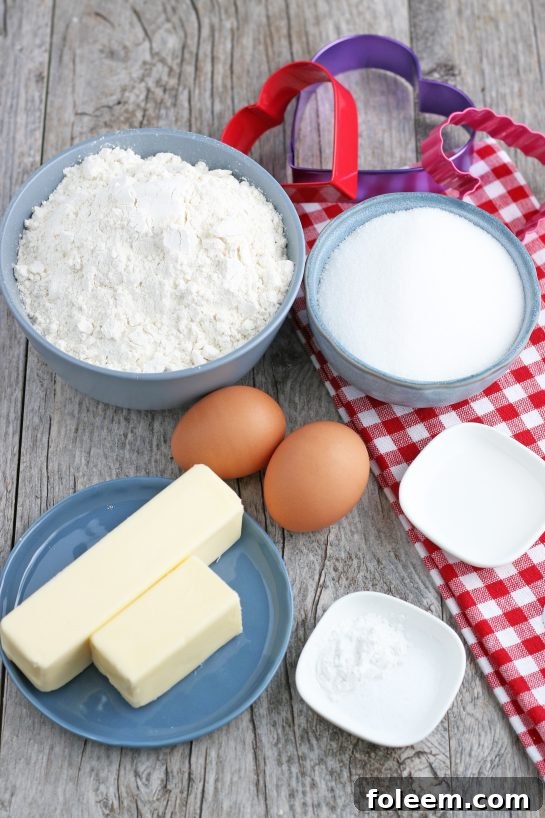
Gather Your Ingredients for Delicious Sugar Cookies:
- 2 ½ cups all-purpose flour
- 1 teaspoon baking powder
- ½ teaspoon salt
- ¾ cup (1 ½ sticks) unsalted butter, softened
- 1 cup granulated sugar
- 2 large eggs, room temperature
- 1 teaspoon almond or vanilla extract (almond extract adds a lovely, distinctive flavor that pairs wonderfully with conversation heart cookies!)
Royal Icing Essentials:
- 4 cups powdered sugar
- 3 tablespoons meringue powder
- 6-9 tablespoons water, room temperature (start with less and add gradually)
- Gel Food Coloring (for vibrant, rich colors without thinning the icing)
Step-by-Step Guide to Baking Your Valentine’s Day Sugar Cookies
Creating these delightful Valentine’s Day cookies is a straightforward and enjoyable process. Follow these steps for perfectly baked heart-shaped sugar cookies, ready for their royal icing transformation.
- In a small bowl, whisk together the all-purpose flour, baking powder, and salt. Set this dry mixture aside.
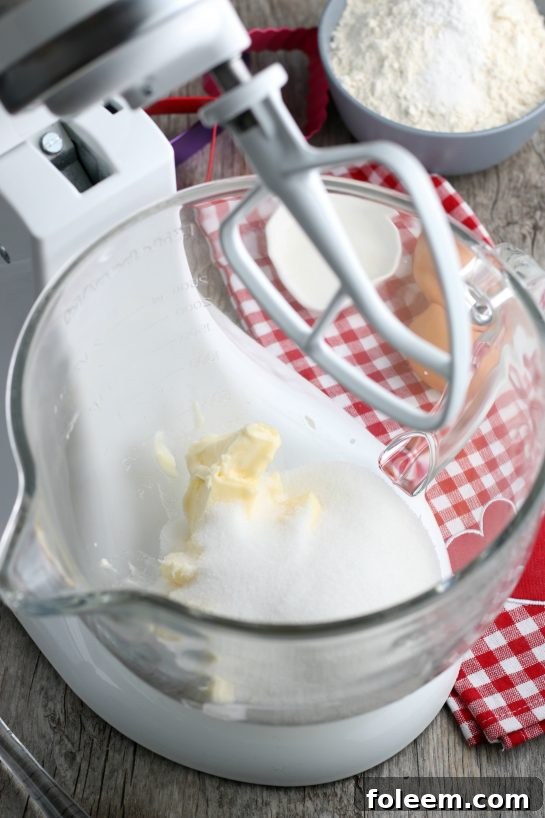
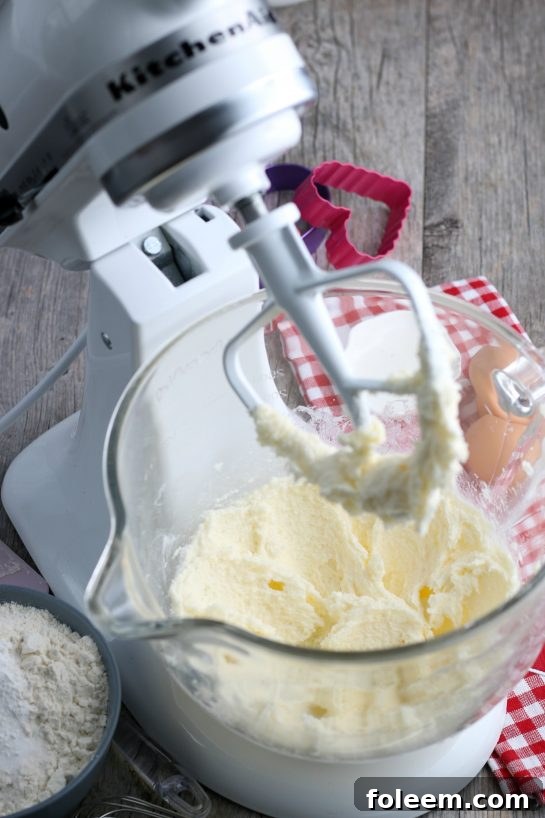
- In a large mixing bowl or the bowl of a stand mixer fitted with the paddle attachment, cream together the softened unsalted butter and granulated sugar until the mixture is light, fluffy, and pale in color. This usually takes about 2-3 minutes of beating.
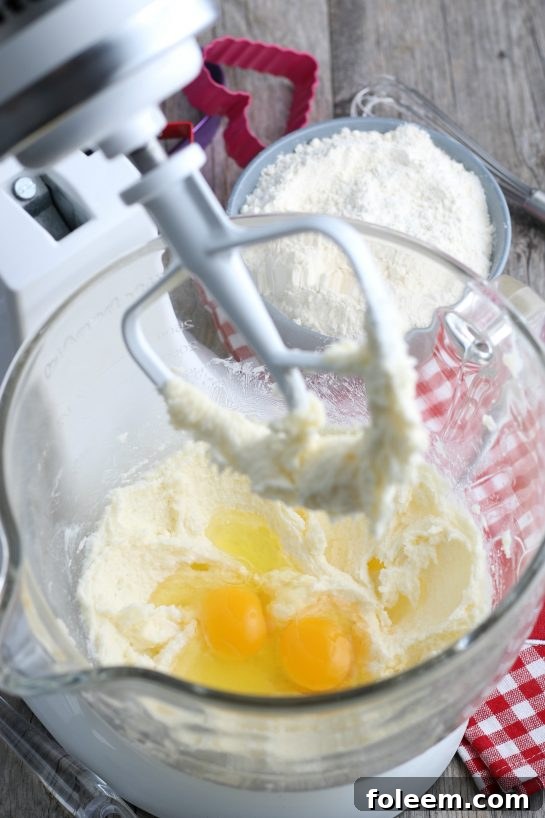
- Add the large eggs one at a time, beating well after each addition. Then, mix in your chosen extract (almond or vanilla). Continue to beat until the mixture is creamy and thoroughly combined.
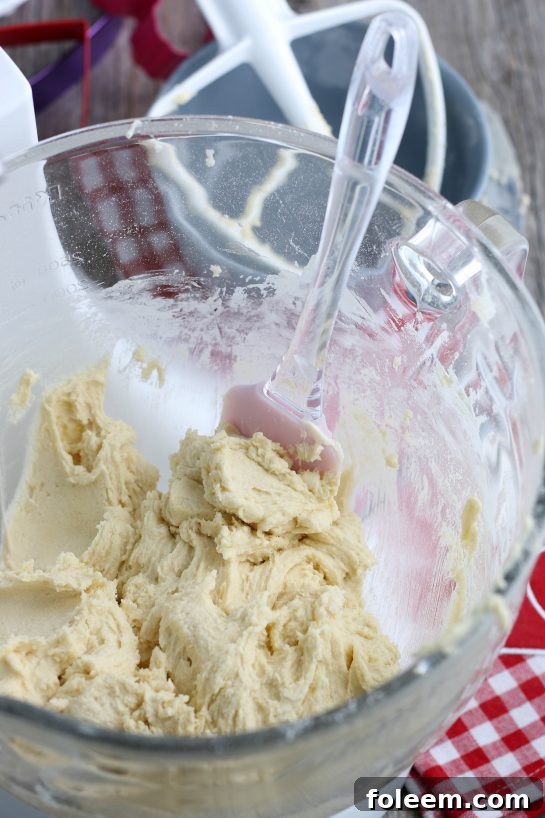
- Gradually add the reserved flour mixture to the wet ingredients, beating on low speed until just combined. Be careful not to overbeat the dough, as this can lead to tough cookies. Stop mixing as soon as no dry streaks of flour remain.
- Divide the dough into two equal portions, flatten each into a disc, and wrap tightly in plastic wrap. Freeze the dough for about 20 minutes or chill in the refrigerator for at least 2 hours (or even overnight). This chilling step is crucial for preventing your cookies from spreading in the oven and helps them maintain their crisp, defined heart shape.
- Preheat your oven to 375 degrees F (190 degrees C).
- Line baking sheets with parchment paper or silicone baking mats to prevent sticking and ensure even baking.
- On a lightly floured surface, roll out one disc of chilled dough to an even thickness of about ⅛ inch. Use a heart-shaped cookie cutter to cut out your cookies. Gently gather any scraps, re-roll, and cut more cookies until all the dough is used.
- Carefully transfer the cut-out hearts to the prepared baking sheets, leaving a little space between each cookie.
- Bake for 6-8 minutes, or until the edges are very lightly golden brown. Be careful not to overbake, as this can make the cookies dry.
- Remove from the oven and let the cookies cool on the baking sheets for a few minutes before transferring them to a wire rack to cool completely. They must be completely cool before you begin decorating with royal icing.
Seriously, do not skip chilling the dough! This isn’t just about preventing misshapen cookies; it also enhances the texture and flavor, resulting in a more delightful eating experience. Cold dough is much easier to work with, allowing you to achieve those perfectly crisp edges and maintain the heart shape you desire for your beautiful Valentine’s cookies.
Crafting Your Royal Icing: A Detailed How-To
Now that your cookies are baked and cooled, it’s time to prepare the royal icing. This is where the magic truly happens, transforming simple hearts into vibrant conversation pieces. The key is achieving the right consistency for each decorating task.
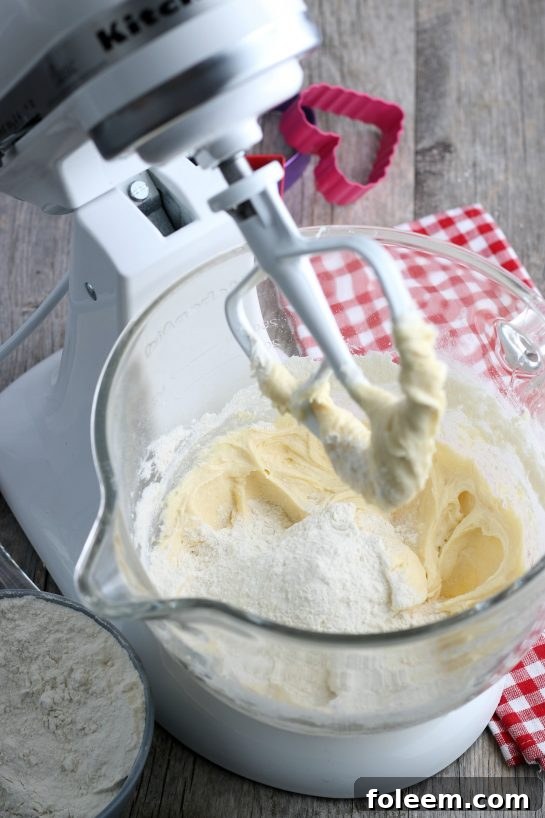
- In the large bowl of a stand mixer fitted with the whisk attachment, combine the powdered sugar and meringue powder. Whisk on low speed for about 30 seconds to thoroughly combine these dry ingredients.
- With the mixer on low, gradually add the room temperature water, one tablespoon at a time. Beat until the icing comes together. Continue adding water in small increments until you reach a thick, stiff consistency – this will be your base icing.
- At this point, you’ll divide the icing into separate bowls for coloring and thinning. Remember, you’ll need different consistencies for outlining, flooding, and writing.
Expert Tips for Decorating Conversation Heart Cookies
Achieving perfectly decorated cookies is a rewarding process. Here are some invaluable tips to help you master royal icing and create stunning conversation heart cookies:
- Color First, Thin Later: To ensure consistent colors across different icing consistencies, it’s best to separate your royal icing into smaller bowls while it’s still thick. Tint each batch to your desired vibrant conversation heart colors (think pastel pink, yellow, blue, green, and purple) using gel food coloring. Once colored, then thin each batch to the specific consistency you need for outlining, flooding, and writing. This prevents color variations that can occur if you add color after thinning.
- Precision in Thinning: Add water very slowly, a few drops at a time, when adjusting icing consistency.
- For outlining and writing icing, you want a consistency that holds its shape but is still pipeable – similar to toothpaste. When you lift your spoon, a ribbon of icing should fall and disappear into the bowl within 10-12 seconds.
- For flooding icing, it needs to be thinner, like honey or thick syrup. A ribbon of icing should fall from your spoon and disappear back into the bowl within 5-7 seconds. This allows it to spread smoothly and evenly across the cookie surface.
- Thickening Trick: If you accidentally make your icing too thin, don’t add more powdered sugar, as this can change the flavor and texture. Instead, keep a small amount of uncolored, thick royal icing aside. You can add a teaspoon or two of this thicker icing to a runny batch to bring it back to the desired consistency.
- Piping Bag Essentials: While a trimmed plastic bag corner can work in a pinch, professional piping bags fitted with small round tips (#2, #3, or #4) will give you much more precise and consistent results for both outlining and writing.
- Outline and Flood Technique: Start by outlining the edge of your cookie with the thicker piping consistency icing. Let this outline set for a few minutes (5-10 minutes) to create a barrier. Then, use the matching color of thinner flooding consistency icing to fill in the middle. Use a scribe tool or a toothpick to gently spread the icing to the edges and pop any air bubbles.
- Bubble Removal: After flooding, gently tap the cookies lightly on your work surface a few times. This helps to release any trapped air bubbles and allows the icing to settle into a perfectly smooth surface.
- Wet-on-Wet for Smooth Text: If you want your conversation heart messages to appear seamlessly integrated into the background (i.e., completely smooth, without raised text), pipe the writing or phrase onto the base flood layer while it is still wet. The two layers of icing will merge as they dry.
- Raised Text Effect: For text that stands out with a slight relief, allow the base flood layer to dry completely (6-8 hours) before piping your messages on top. This creates a lovely, dimensional effect.

Creative Sayings for Your Conversation Heart Cookies
One of the most charming aspects of conversation heart cookies is the ability to personalize them with sweet messages. While classic candy hearts have a traditional list, you have the freedom to get creative! Here are some common sayings, along with ideas for personalizing your Valentine’s Day cookies:
Feel free to mix and match, invent your own, or tailor them for specific friends and family members. A personalized cookie is always extra special!
- Love
- Kiss
- Hugs
- XOXO
- Cutie
- BFF
- Be Mine
- Sweet Pea
- My Heart
- UR Mine
- True Love
- Dream Big
- Soul Mate

More Valentine’s Day Treats to Love
If you’re looking to expand your Valentine’s Day baking repertoire beyond these charming cookies, here are a few more delightful recipes that are perfect for the season of love:
- Sugar Cookie Popcorn – A fantastic sweet and salty snack, perfect for school treats or a movie night in.
- Cupid’s Crunch Chex Mix – This festive party mix is an absolute favorite around Valentine’s Day, addictive and easy to make.
- Copycat Frosted Swig Sugar Cookies – These beautiful and soft frosted sugar cookies are wonderful for any holiday, including Valentine’s.
- Molten Chocolate Lava Cakes – An indulgent dessert for all the chocolate lovers out there, perfect for a romantic dinner.
- Brown Sugar M&M Blondies – You’ll adore how incredibly easy and satisfying these chewy blondies are to make and share.
Recipe: How to Decorate Valentine’s Day Conversation Heart Cookies
Summary:
These Valentine’s conversation heart cookies are a joy to make and even more delightful to share! This recipe offers fun cookie decorating ideas, creating perfectly decorated sugar cookies that are an ideal Valentine’s Day treat.
- Recipe Type: Dessert
- Cuisine: American
- Prep time: 15 mins
- Cook time: 7 mins
- Total time: 22 mins
- Serves: 24-28 cookies
Ingredients
For the Cookies:
- 2 ½ cups all-purpose flour
- 1 teaspoon baking powder
- ½ teaspoon salt
- ¾ cup (1 ½ sticks) unsalted butter, softened
- 1 cup granulated sugar
- 2 large eggs, room temperature
- 1 teaspoon almond or vanilla extract
For the Royal Icing:
- 4 cups powdered sugar
- 3 tablespoons meringue powder
- 6-9 tablespoons water, room temperature
- Gel Coloring
Instructions
Cookies:
- In a small bowl, whisk together flour, baking powder, and salt. Set aside.
- In a large bowl, cream together butter and sugar until light and fluffy, about 2-3 minutes.
- Add eggs and extract and beat until creamy and well combined.
- Gradually add the flour mixture, beating well after each addition. Do not overbeat.
- Wrap dough in a piece of plastic wrap, freeze for about 20 minutes or chill in the refrigerator for at least 2 hours.
- Preheat oven to 375 degrees F.
- Line baking sheets with parchment paper or silicone mats.
- Roll dough out to ⅛ inch thickness, cut with a heart-shaped cookie cutter.
- Place on baking sheet and bake for 6-8 minutes, or until the cookie bottom is lightly golden brown.
- Cool on a wire rack completely.
Icing:
- In a large bowl of a stand mixer, whisk together powdered sugar and meringue powder on low for 30 seconds.
- Add water one tablespoon at a time until desired consistency is reached. You will need different consistencies for outlining, flooding, and writing.
To Decorate Cookies:
- Divide the icing into several bowls and mix each with desired gel color.
- Transfer the colored icing to decorator bags fitted with small round tips (e.g., #4 or #5 for outlining and flooding, #2 for writing).
- Ensure outlining icing is thin enough to flow but thick enough to hold shape, and flooding icing is thinner, like honey.
- First, outline the cookie around the edge with the thicker icing.
- Then, fill the outlined area with the thinner flooding icing.
- Gently shake or tap the cookie to help the icing spread evenly and remove air bubbles.
- For writing messages, use a contrasting color of icing in a bag fitted with a very small round tip (#2) once the base color is dry, or while it’s still wet for a smooth, integrated look.