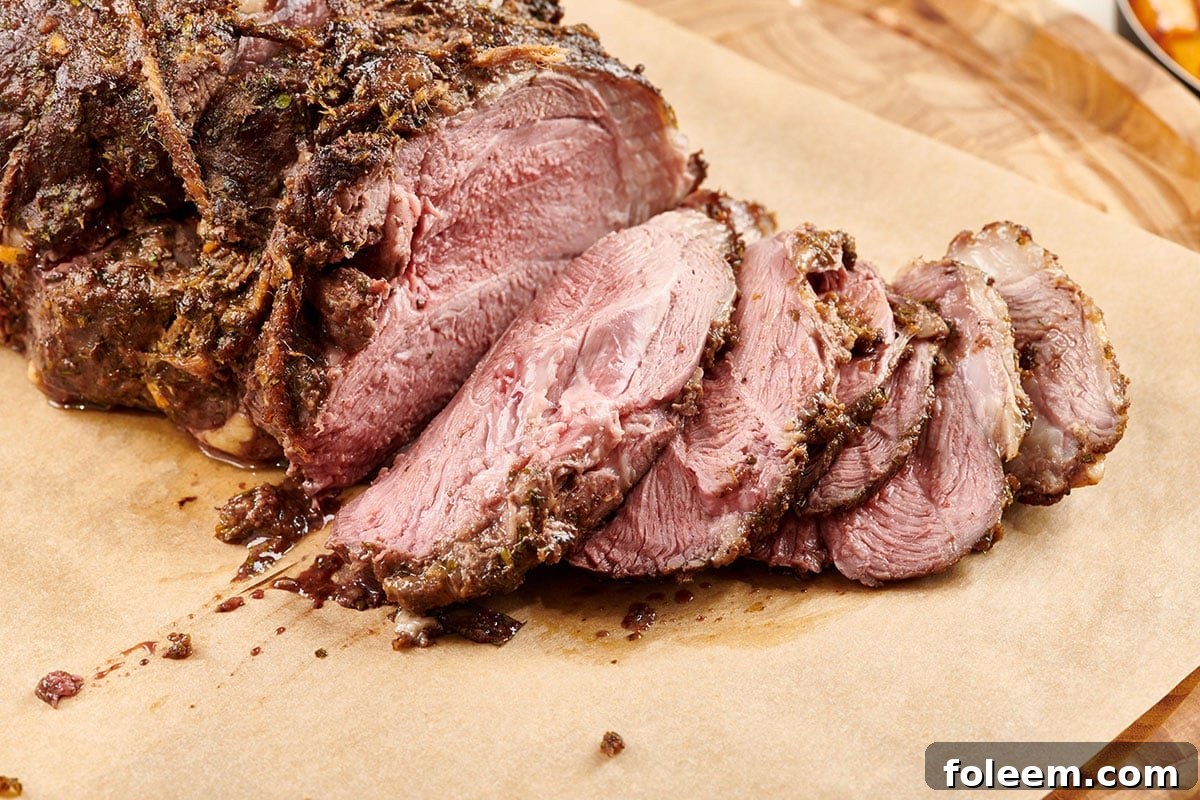
A leg of lamb is a classic celebratory roast—often the centerpiece for Easter, Passover, and Christmas dinners. Its flavor is distinctive: grassy, rich, earthy and mildly gamey. Below are practical tips for cooking a leg of lamb successfully, along with recipe ideas to ensure tender, flavorful results.
Many people choose grass-fed, pasture-raised, or humanely raised lamb, which can be pricier. Because you’re investing in quality, take the time to plan the cook method and timing carefully. A good instant-read meat thermometer is a worthwhile investment and will help you get consistent results every time.
Legs of lamb often go on sale around holidays. Watch your favorite stores’ circulars or ask a local butcher to notify you when they have deals. A special roast makes holiday meals feel memorable.
- FAQs
- How Much Lamb Do You Need?
- Pick the Right Cooking Method for Leg of Lamb
- Bring the Leg of Lamb to Room Temperature Before Cooking
- Choose the Cooking Temperature Wisely
- How Long to Cook Leg of Lamb
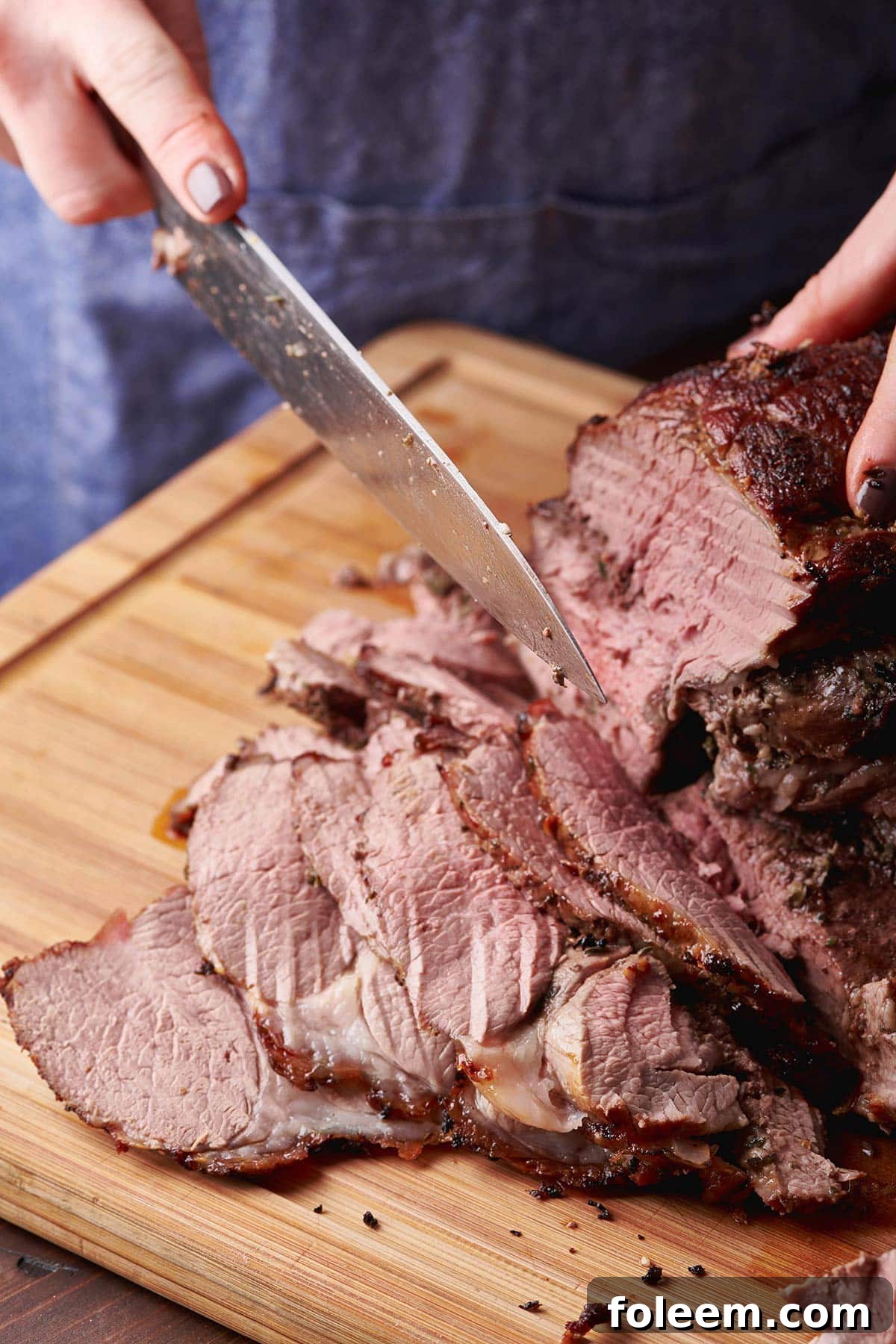
- Let Leg of Lamb Rest for at Least 20 Minutes Before Slicing
- 5 Amazing Leg of Lamb Recipes
How to cook leg of lamb: everything you need to know to roast a perfectly pink, tender leg of lamb for any celebration.
FAQs
Leg of lamb is traditional for Easter, Passover and Christmas, but it’s also a great choice any time you want a special, festive meal. Around holidays it’s often discounted, making it a practical splurge for family celebrations.
The key is not to overcook it. Use a reliable meat thermometer and follow safe temperature guidelines. Remember that internal temperature rises after you remove the roast from heat, so plan to pull it a few degrees below your target and let it rest for about 20 minutes before slicing.
How Much Lamb Do You Need?
Portion size depends on the number of guests and whether the roast is bone-in or boneless. As a rule of thumb, plan on about 1/3 to 1/2 pound of lamb per person—use the larger estimate if you expect seconds or leftovers. For example, a 6-pound semi-boneless leg will comfortably feed about 12 people.
| Leg of Lamb Weight | Number of Servings |
|---|---|
| 4 pounds | 8 people |
| 5 pounds | 10 people |
| 6 pounds | 12 people |
| 7 pounds | 14 people |
Pick the Right Cooking Method for Leg of Lamb
Roasting or grilling are the most common and reliable methods. Roasting indoors is ideal when weather is cool. Dry heat encourages caramelization on the outside while cooking evenly through the center. Some recipes suggest searing first to promote a deeply browned crust; others use a high-then-low approach or slow-roast at low temperature—each method yields different textures and crust development.
Cooking Methods for Leg of Lamb
Three oven methods work well:
- Low and slow: cook at a low temperature for a long time for fork-tender, melt-in-your-mouth meat.
- High then low: start with high heat to develop a crust, then reduce the oven temperature to finish cooking evenly.
- High heat throughout: quickest, but requires careful monitoring to avoid overcooking—temperatures can jump fast near the end.
Bring the Leg of Lamb to Room Temperature Before Cooking
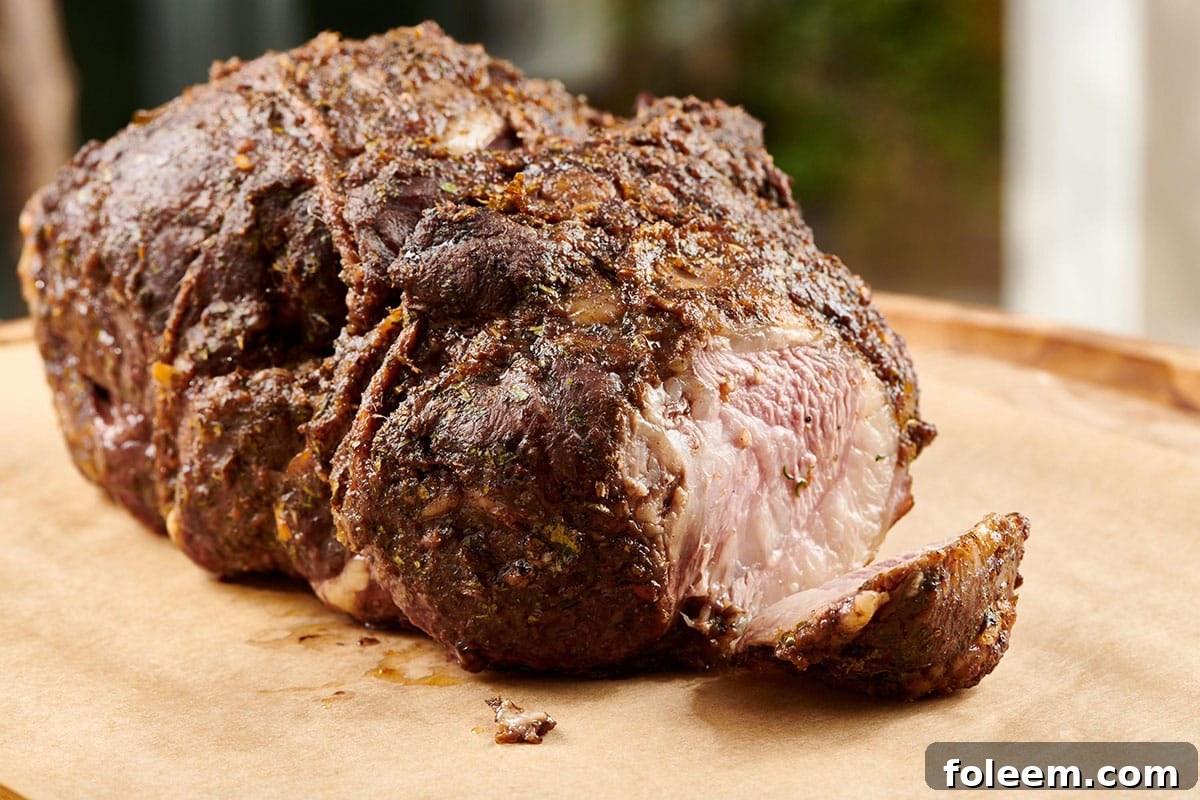
Allow the roast to sit out briefly before roasting so the meat’s exterior doesn’t overcook while the center loses its chill. Taking the lamb toward room temperature promotes more even cooking and a better final texture.
Choose the Cooking Temperature Wisely
Different techniques work—searing, low-and-slow, or high-then-low—but follow a trusted recipe closely and make sure the oven is fully preheated. For tenderness, cooking at a fairly low temperature for a longer time helps break down muscle fibers slowly and yields juicy, evenly cooked meat.
How to Make Leg of Lamb Tender
Cooking at low temperatures for longer periods gives the most consistently tender results. This allows the interior to reach the desired doneness without overcooking the exterior, and it gives connective tissue time to break down.
How Long to Cook Leg of Lamb
Cooking time depends on the roast’s weight, shape, and oven temperature. Use an instant-read thermometer to check the thickest part of the meat (avoiding bone). Below are approximate guidelines per pound for bone-in or semi-boneless legs:
| Approximate Cooking Time per Pound | Doneness and Internal Temperature |
|---|---|
| 18–25 min/lb | Rare (120°F) to Medium-Rare (125°F) |
| 25–30 min/lb | Medium (130°F) |
| 30–35 min/lb | Medium-Well (140°F) to Well-Done (150°F) |
Because the roast continues to cook after removal from the oven (carryover cooking), pull it a few degrees below your target temperature and let it rest. A thermometer is the most reliable way to achieve the exact doneness you want.
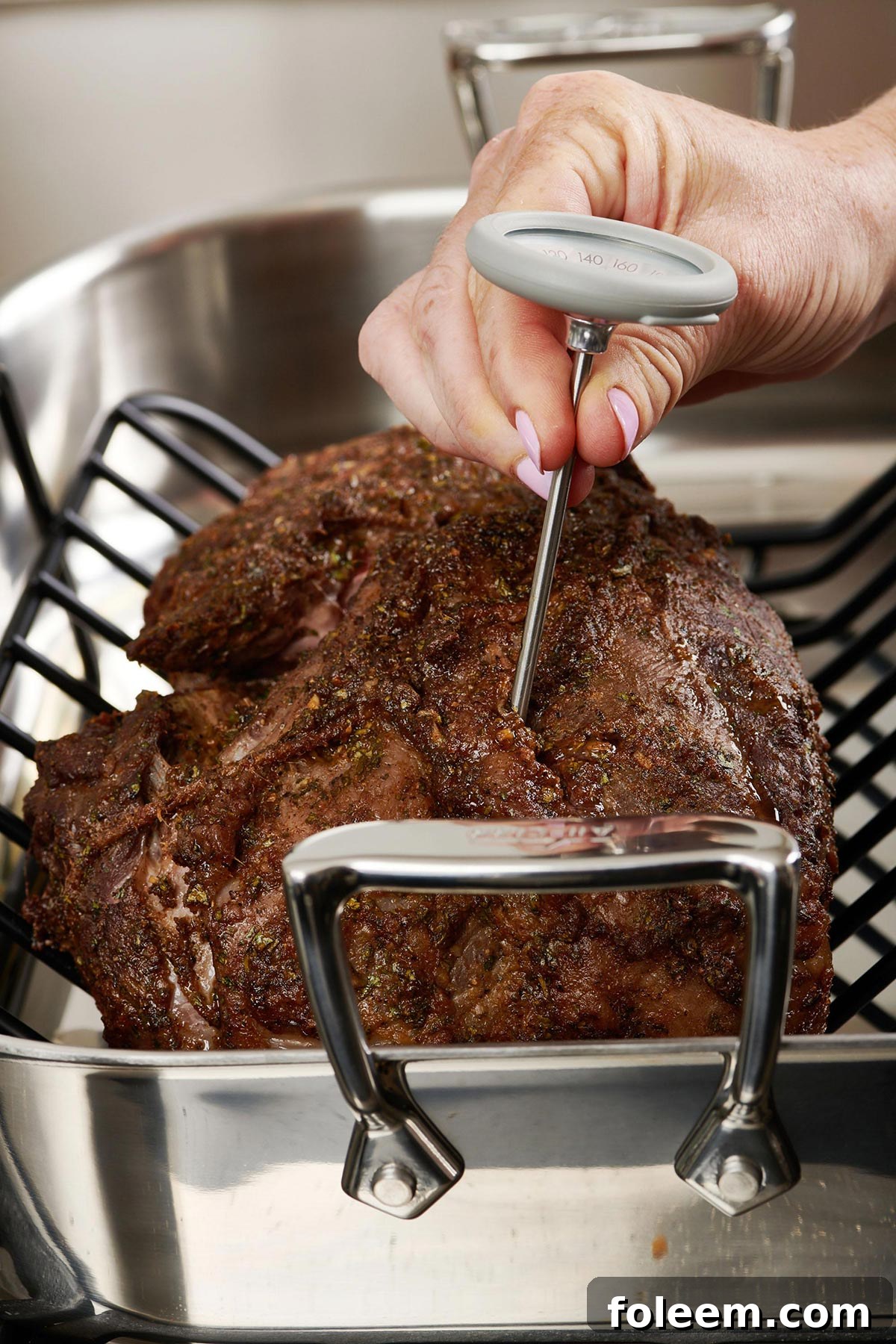
Let Leg of Lamb Rest for at Least 20 Minutes Before Slicing
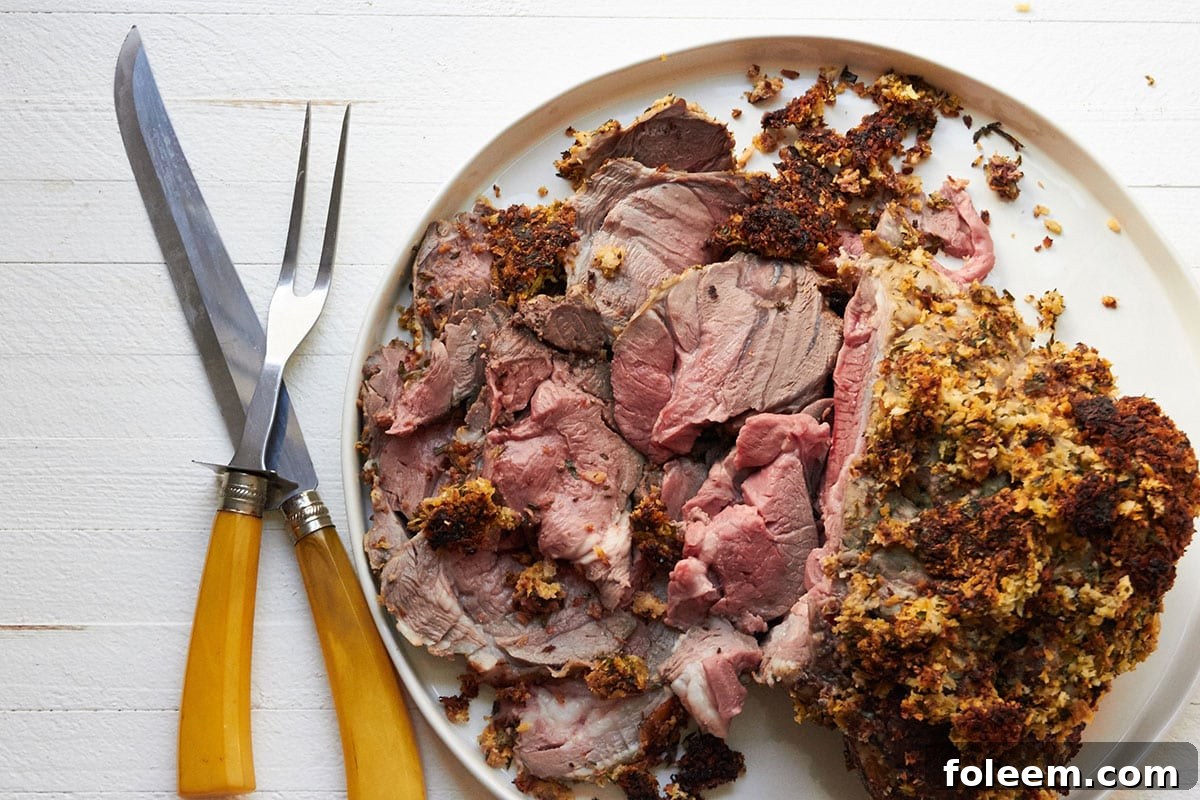
This is crucial. Carryover cooking raises internal temperature after the roast leaves the oven, sometimes as much as 10–15°F for high-heat roasts. To reach a rare to medium-rare finish (about 120–125°F), remove the roast when it reads around 115–120°F, then rest it. Resting also lets muscle fibers relax and reabsorb juices—cutting too soon will release those juices onto the cutting board and leave the meat drier and tougher. Let your leg of lamb rest 20–30 minutes before carving for the best texture and juiciness.
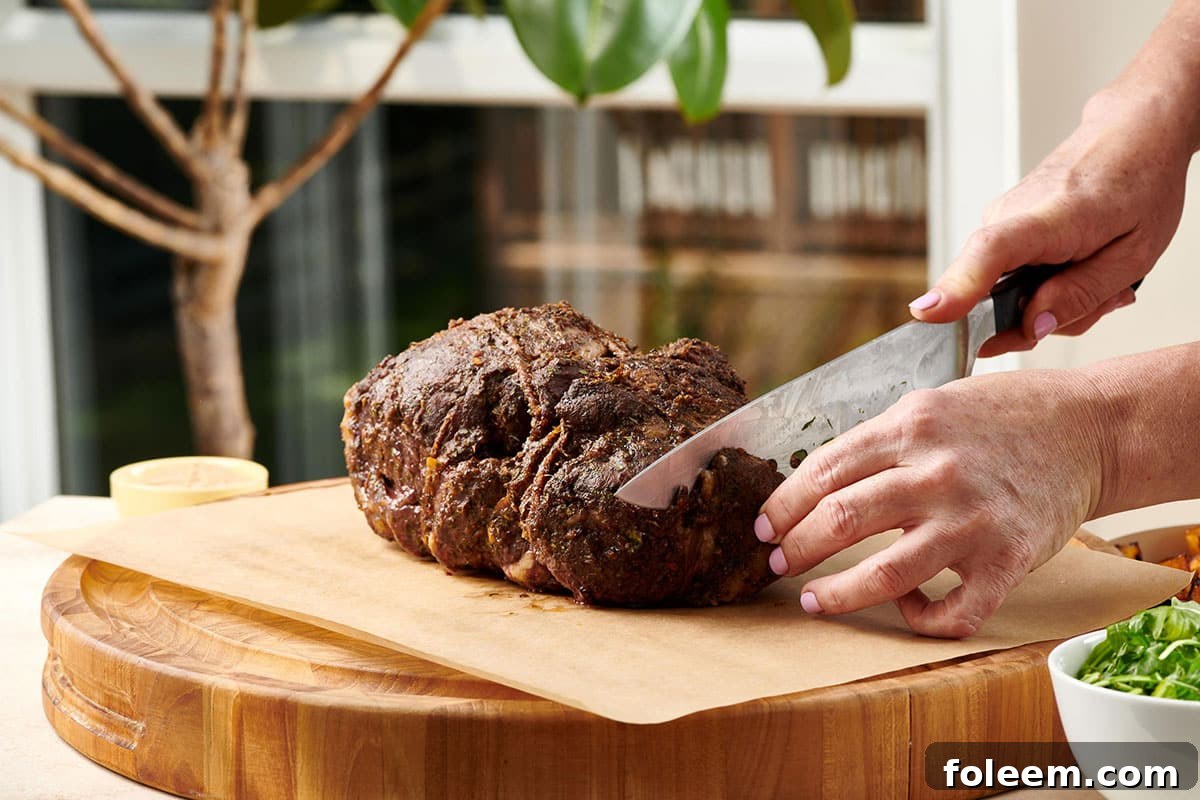
5 Amazing Leg of Lamb Recipes
Here are a few flavorful recipes to showcase this impressive cut:
Lemon-Garlic Semi-Boneless Leg of Lamb
View Recipe
Slow-Cooked Mediterranean Leg of Lamb with Tzatziki
View Recipe
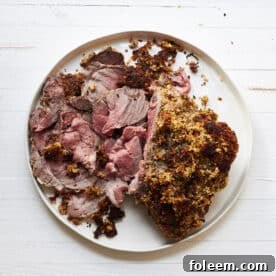
Herbed Boneless Leg of Lamb with Mustard Crust
View Recipe
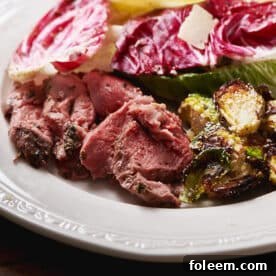
Greek Butterflied Leg of Lamb with Feta Sauce
View Recipe
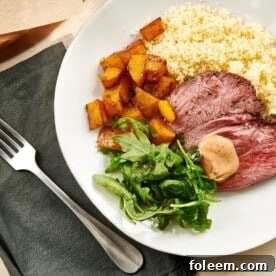
Slow-Cooked Moroccan Leg of Lamb
View Recipe
With a little planning—choosing the right cooking method, using a thermometer, and allowing a proper rest—you can turn a leg of lamb into a tender, juicy centerpiece that will delight friends and family.