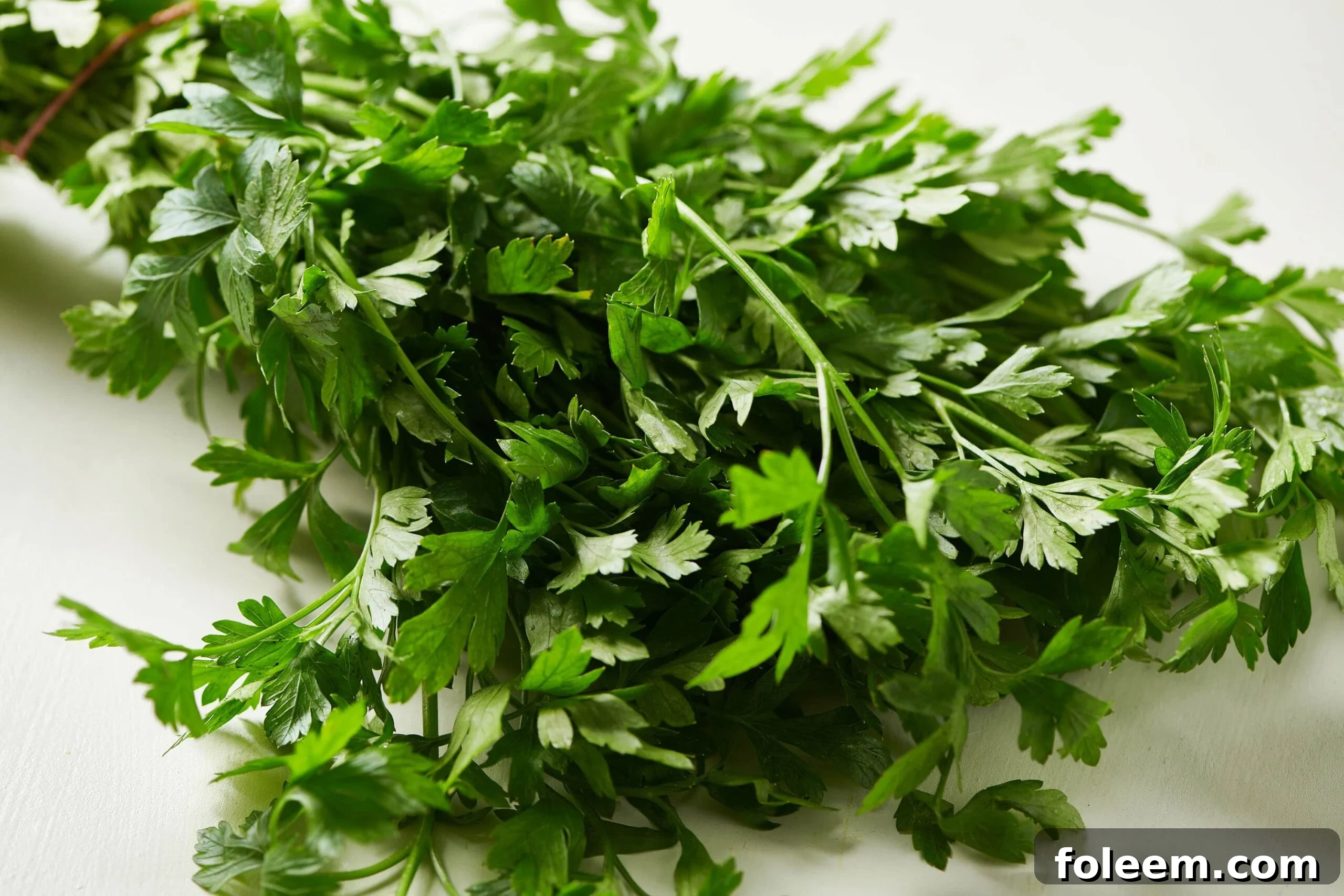
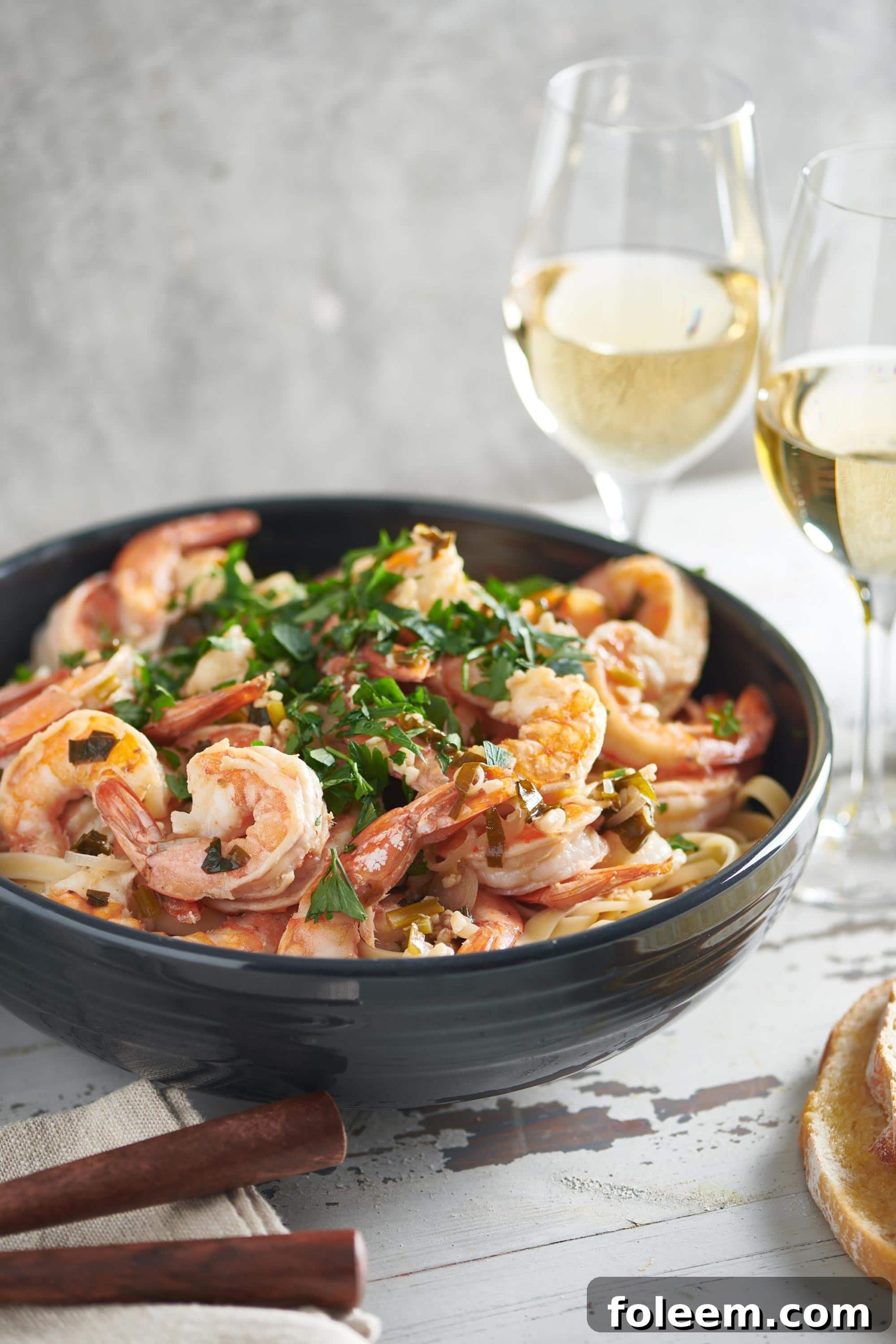
Parsley is one of the world’s most popular herbs, commonly found in European, Brazilian, Middle Eastern, and American kitchens. Its bright, herbal flavor and fresh color make it a versatile garnish and ingredient. You’ve likely seen curly parsley used as a garnish in restaurants, while flat-leaf parsley is often chosen for cooking because of its stronger flavor. Parsley brings brightness to dishes like Easy Shrimp Scampi, Tomato, Zucchini, and Bulgur Salad, and No‑Mayo Potato Salad.
Keep reading for more ways to cook with parsley and a full recipe for Spinach Parsley Pesto Garlic Bread.
- Types of Parsley and Uses
- What Does Fresh Parsley Look Like?
- What Does Parsley Taste Like?
- Substitutes
- How to Choose Fresh Parsley
- How To Prepare and Cook With Parsley
- How to Store Parsley
- Recipes With Parsley
- How to Cook With Other Fresh Herbs
- Spinach Parsley Pesto Garlic Bread
- Spinach Parsley Pesto Garlic Bread Recipe
Types of Parsley and Uses
Parsley generally comes in two familiar varieties: curly leaf (often called French parsley) and flat-leaf (Italian parsley). A less common type is Hamburg root parsley, grown for its edible root and used in some Central and Eastern European dishes.
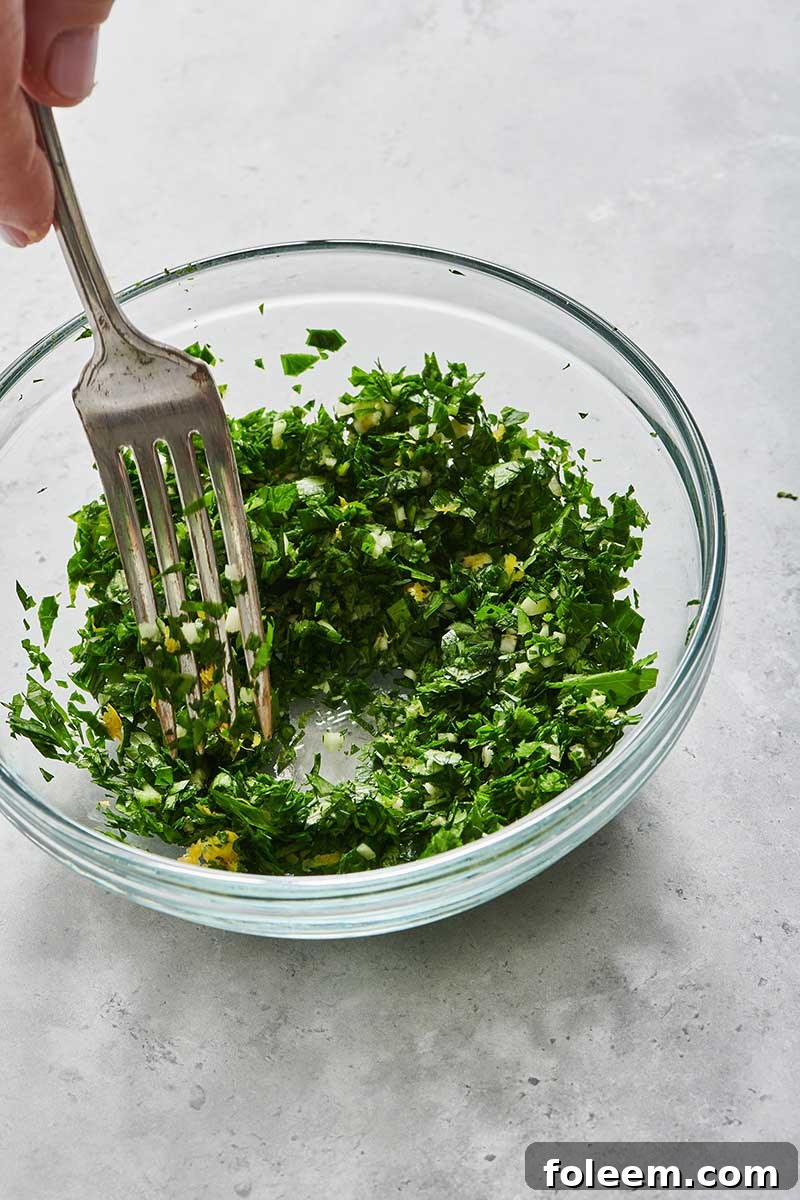
Parsley is essential in dishes such as tabbouleh, falafel, salsa verde, chimichurri, and many pestos. It’s a common component of a bouquet garni for stocks, soups, and sauces, and is a primary herb in Green Goddess dressing and various gremolatas.
What Does Fresh Parsley Look Like?
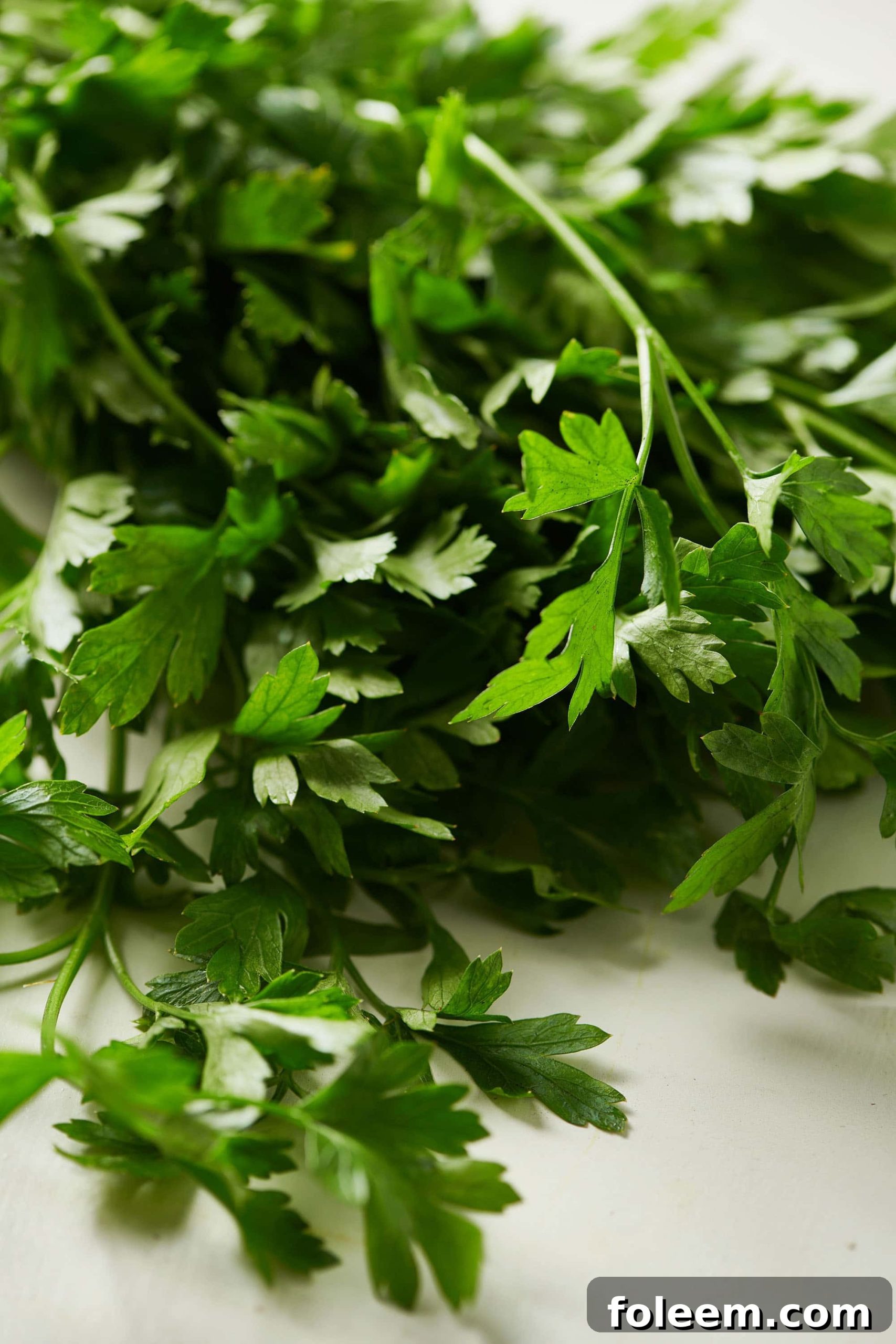
Flat-leaf parsley has broad, serrated, bright-green leaves on long, slender stems and is sometimes confused with cilantro. Curly parsley has tightly curled, crinkled leaves and is often used as a decorative garnish.
What Does Parsley Taste Like?
Parsley offers a fresh, clean flavor with mild peppery and citrusy notes. It brightens dishes and enhances other ingredients. Curly parsley is milder and works well when added at the end of cooking or used as a garnish. Italian (flat-leaf) parsley has a stronger, greener flavor that stands up well in cooked dishes and sauces.
Stems, especially from Italian parsley, carry concentrated flavor and are great in stocks, soups, and stews; tie them in a bundle and remove before serving.
Substitutes
If you don’t have fresh parsley, you can substitute dried parsley or other fresh herbs depending on the recipe. Dried parsley is best used in cooked dishes where the herb can rehydrate and meld with the other flavors. Use about 1 teaspoon dried parsley for every 1 tablespoon fresh (a 1:3 ratio).
Other fresh herbs that can replace or complement parsley include chervil, cilantro, oregano, tarragon, arugula, and basil. Choose based on the dish and the flavor profile you want.
How to Choose Fresh Parsley
Buy parsley year-round in bunches from the produce section. Select bunches with bright green leaves and avoid those with yellowing, browning, or slimy spots. Dried parsley is sold with other herbs and spices.
How To Prepare and Cook With Parsley
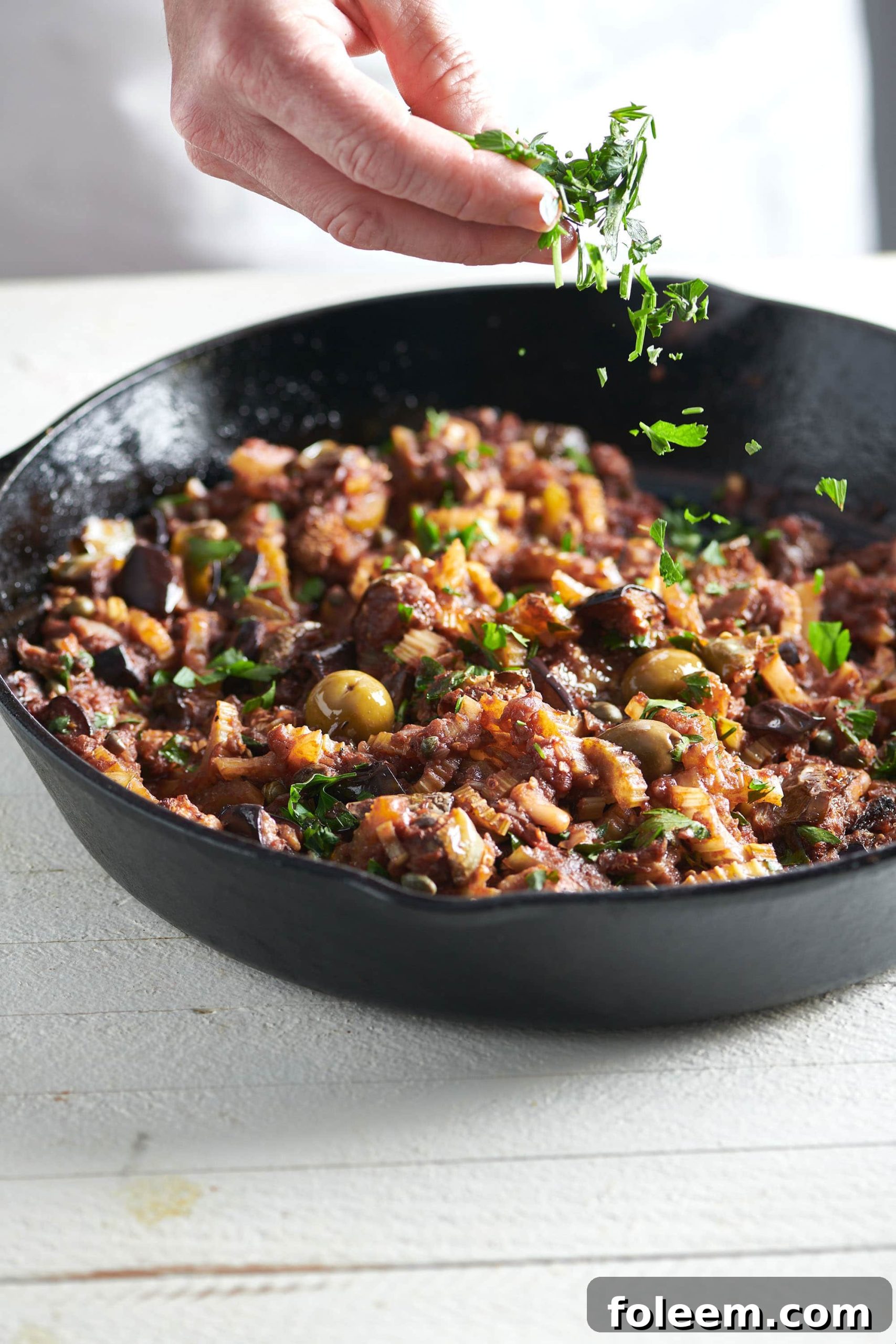
Rinse parsley under cold water and pat dry before using. Remove leaves from stems and use them whole, torn, chopped, or pureed into sauces, pestos, and dips. Parsley works well in pastas, sauces, salads, meat dishes, and vegetables, and it’s commonly sprinkled on finished plates for fresh flavor and visual appeal.
Add fresh parsley toward the end of cooking to preserve its bright flavor. If using dried parsley, add it earlier so it has time to integrate into the dish.
How to Chop Parsley
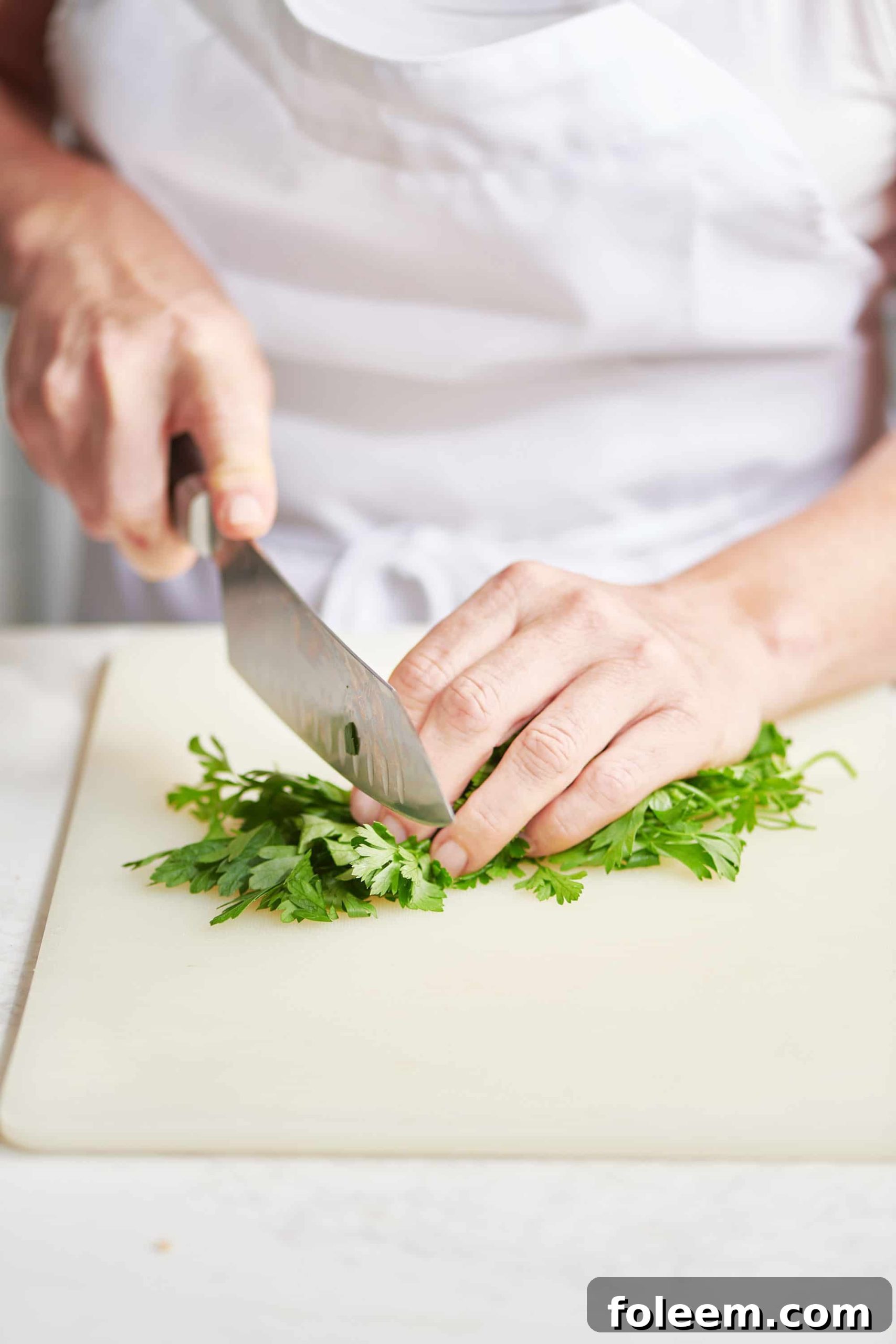
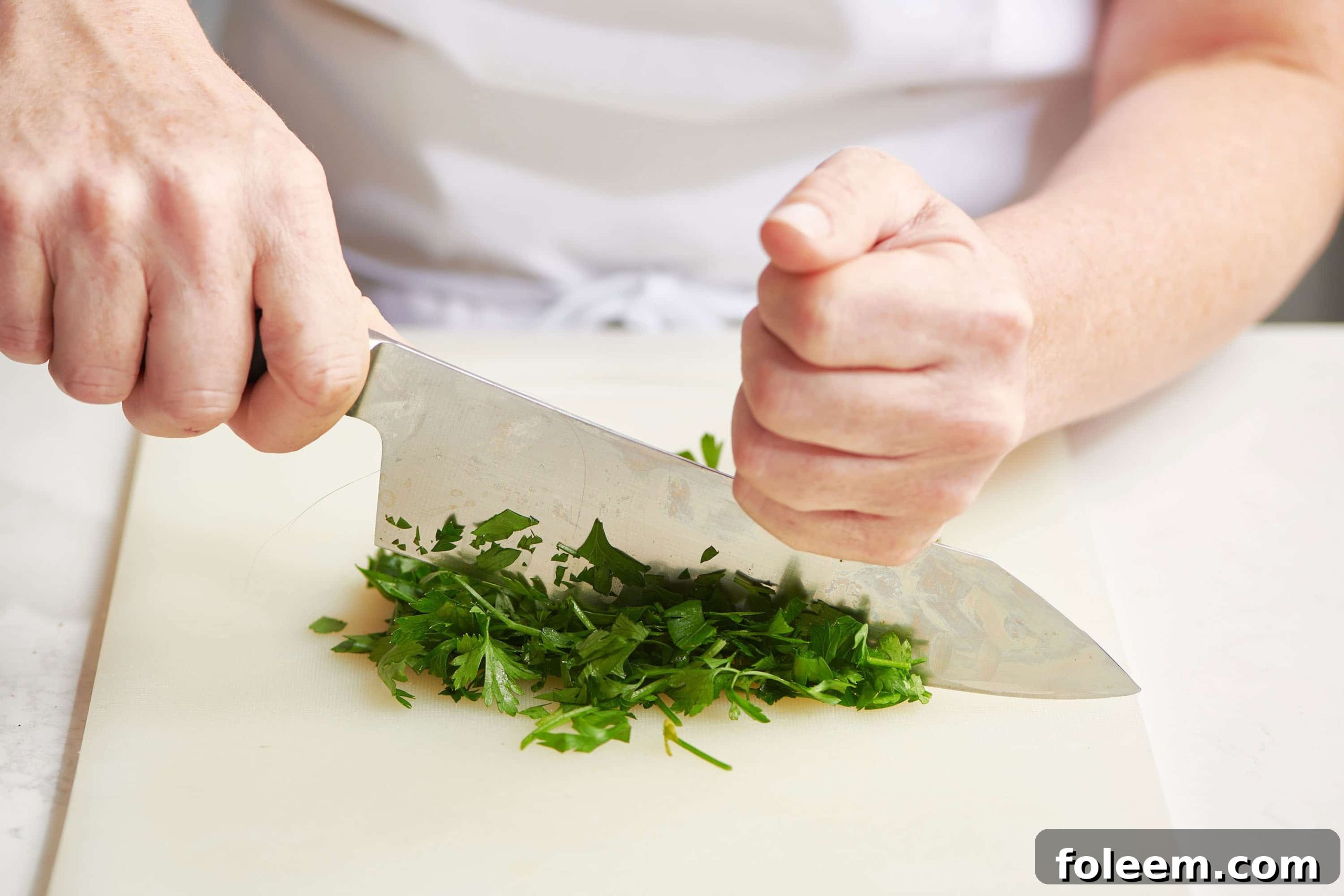
To chop parsley, strip the leaves from the stems and pile them on a cutting board. Use a large, sharp knife with your fingers curled for safety. Chop roughly for bigger bursts of flavor, or press down on the knife and rock it back and forth to mince finely.
How to Cook with Parsley: Everything you need to know about buying, storing, chopping, and cooking with parsley — plus a recipe for Spinach Parsley Pesto Garlic Bread.
How to Store Parsley
To keep fresh parsley for about a week, wrap it in a slightly damp paper towel and place it in a plastic bag or container in the refrigerator crisper. Dried parsley should be kept in a sealed container in a cool, dry place.
Recipes With Parsley
One delicious way to use parsley is Spinach Parsley Pesto Garlic Bread, featured below. Parsley is also a key ingredient in chimichurri and works beautifully in salads like Tomato, Avocado, and Cucumber Salad or in Bulgur Wheat with Caramelized Onions and Parsley.
How to Cook With Other Fresh Herbs
- Thyme
- Oregano
- Dill
- Mint
Spinach Parsley Pesto Garlic Bread
Smearing garlic bread with spinach-parsley pesto elevates a simple side into something memorable. This pesto-stuffed baguette is great alongside baked pasta, roasted chicken and potatoes, or pasta with fresh tomato sauce.

This Spinach Parsley Pesto Garlic Bread is an easy, satisfying way to use parsley and leftover pesto. It makes dinner feel special in minutes.
Ingredients
- Garlic – use fresh garlic for best flavor.
- Scallions – include the green parts for a mild onion note.
- Fresh parsley leaves
- Fresh spinach
- Pine nuts – optional; omit for nut allergies.
- Extra-virgin olive oil
- Parmesan cheese – freshly grated is best.


Spinach Parsley Pesto Garlic Bread
Ingredients
- ½ recipe Spinach-Parsley Pesto
- 1 large baguette
Instructions
-
Preheat the oven to 400°F.
-
Cut the baguette into about 1/2-inch slices without cutting through the bottom so the slices remain attached. Placing chopsticks along the sides of the bread helps prevent cutting all the way through.
-
Use a brush to smear pesto between the slices, coating both sides of each slice. Place the baguette on a piece of foil and pull the foil up around the sides, leaving the top exposed so it can brown.
-
Bake about 20 minutes, until the bread is hot and the top is lightly browned and crusty. Serve hot.