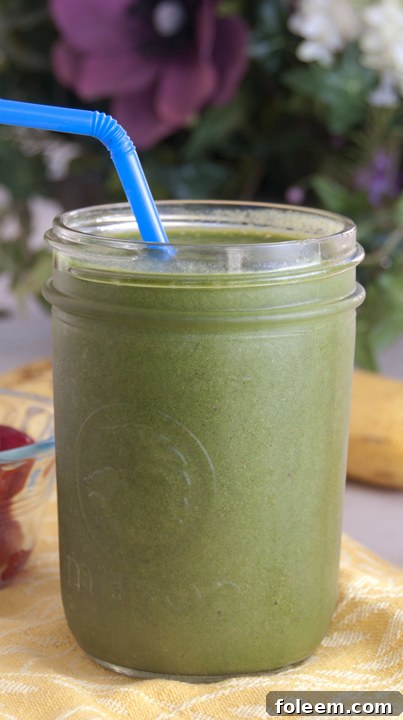
Energizing & Delicious: The Ultimate Lactose-Free Green Smoothie Recipe
Discover the perfect blend of nutrition and flavor with our incredible green smoothie recipe, designed specifically for those seeking a lactose-free and dairy-free option. It’s a vibrant, delicious, and incredibly healthy way to kickstart your day or refuel after a workout, packed with all the goodness of fruits and vegetables without any dairy discomfort.
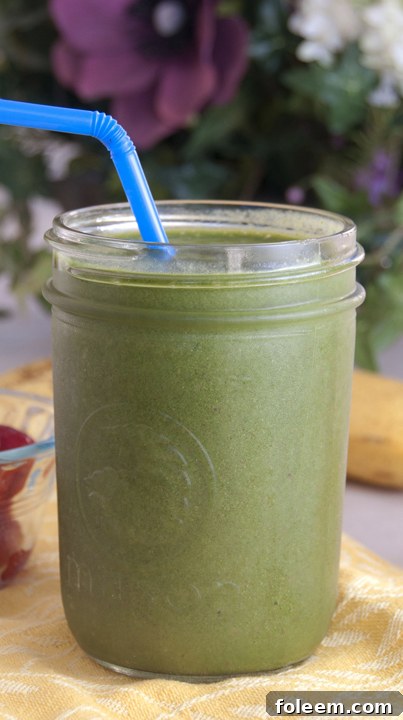
Smoothies have long been my secret weapon for effortlessly incorporating a bounty of fruits and vegetables into my daily diet. Without them, my nutritional intake would undoubtedly be a shadow of what it is – and I’m not exaggerating! My journey with lactose intolerance began in childhood, a challenge many can surely relate to. Growing up, navigating this intolerance was far from simple. Lactose-free milk and dairy alternatives were either scarce, incredibly expensive, or, frankly, tasted less than appealing. Fast forward to today, and the landscape has dramatically shifted. We now have an impressive array of fantastic lactose-free options, from milks to yogurts and even cheeses, making life significantly easier for anyone with dairy sensitivities.
For years, lactase enzyme pills (like Lactaid) were a constant companion. While they offered some relief, they weren’t without their drawbacks. Firstly, they rarely eliminated symptoms entirely. Secondly, remembering to take a pill before every meal, especially in social settings, became a real nuisance. And let’s not forget the cost, which could quickly add up. Thankfully, lactose-free dairy products now offer a brilliant solution, providing all the essential nutrients found in regular cow’s milk, but without the problematic lactose. You can easily find lactose-free milk, cottage cheese, and even ice cream in most grocery stores. And for those who prefer plant-based options, alternative milks abound, though it’s important to note that their nutritional profiles can vary significantly from traditional dairy.
Understanding Lactose Intolerance: More Than Just a Dietary Nuisance
It’s crucial to understand that lactose intolerance is a type of food sensitivity, distinct from a cow’s milk allergy. This distinction is vital for accurate diagnosis and management. Lactose intolerant individuals do not produce enough lactase, the enzyme responsible for breaking down lactose, a sugar naturally present in milk and dairy products. When lactose isn’t properly digested, it can lead to uncomfortable symptoms like bloating, gas, cramps, and diarrhea. However, a diagnosis of lactose intolerance doesn’t necessarily mean a complete farewell to all dairy foods.
Many people with lactose intolerance can still enjoy certain dairy products with minimal discomfort. For instance, yogurt, despite containing lactose, often has live and active cultures that assist in breaking down some of the lactose, making it easier to digest. Greek yogurt is an especially fantastic choice; during its straining process, a significant portion of the lactose is removed. This was a revelation to me, as I used to avoid it entirely! Now, I frequently substitute Greek yogurt for sour cream in recipes, like my favorite Hot Corn & Cheese Dip, and it works like a charm. Cheese lovers are also in luck: hard, aged cheeses such as cheddar and Swiss are incredibly lactose-intolerant friendly, containing less than 1 gram of lactose per ounce. These options allow us to enjoy the rich flavors and nutritional benefits of dairy without the discomfort.
Why Go Green? The Health Benefits of Your Daily Smoothie
Green smoothies aren’t just a trend; they’re a powerhouse of nutrition, offering a convenient and delicious way to boost your health. This particular dairy-free green smoothie recipe is designed to deliver maximum benefits with minimal fuss. Here’s why you should make it a regular part of your routine:
- Rich in Vitamins and Minerals: Leafy greens like spinach are packed with vitamins A, C, and K, along with iron and powerful antioxidants. Fruits like bananas and mangoes add potassium, more vitamin C, and natural sweetness.
- Boosts Digestion: The high fiber content from the fruits and vegetables aids in healthy digestion, promoting regularity and gut health. Incorporating ingredients like chia seeds can further enhance this benefit.
- Detoxification Support: Greens are known for their ability to support the body’s natural detoxification processes, helping to cleanse your system and promote overall vitality.
- Sustained Energy: The natural sugars from fruits provide a quick energy boost, while the fiber helps to stabilize blood sugar levels, preventing energy crashes. It’s the perfect pick-me-up without relying on caffeine.
- Hydration: Smoothies are an excellent way to increase your fluid intake, contributing to overall hydration, which is essential for every bodily function.
- Skin Health: The abundance of antioxidants and vitamins can contribute to a healthier, more radiant complexion from the inside out.
Embracing a dairy-free lifestyle doesn’t mean compromising on nutrition or taste. This green smoothie is a testament to how flavorful and nutrient-dense your meals can still be, regardless of dietary restrictions.
The Ultimate Lactose-Free Green Goddess Smoothie Recipe
Get ready to blend your way to better health with this vibrant, creamy, and utterly satisfying green smoothie. It’s incredibly easy to make and perfect for busy mornings or as a healthy snack.
Prep Time: 5 minutes | Cook Time: 0 minutes | Servings: 1
Ingredients:
- 1 cup unsweetened almond milk (or your preferred dairy-free milk like oat or soy milk)
- 1 cup fresh spinach (or kale, de-stemmed)
- 1 medium ripe banana, peeled and frozen (for a creamier, colder smoothie)
- 1/2 cup frozen mango chunks (or pineapple for a more tropical flavor)
- 1 tablespoon chia seeds (or flax seeds, for added fiber and Omega-3s)
- Optional: 1/2 inch fresh ginger, peeled (for a zingy kick)
- Optional: Squeeze of fresh lemon juice (to brighten the flavor)
- Optional: A few ice cubes (if using fresh banana/fruit and want it colder)
Instructions:
- Combine all ingredients in a high-speed blender.
- Secure the lid and blend on high until completely smooth and creamy. If the mixture is too thick, add a little more almond milk, one tablespoon at a time, until desired consistency is reached.
- Pour into a glass and serve immediately. Enjoy your nourishing and delicious green goddess smoothie!
Recipe Notes & Variations:
- Protein Boost: Add 1 scoop of your favorite dairy-free protein powder (vanilla or unflavored work best) for an extra protein punch, perfect for post-workout recovery.
- Sweetness Adjustment: If you prefer a sweeter smoothie, add a Medjool date (pitted) or a teaspoon of maple syrup or agave nectar.
- Boost of Healthy Fats: A quarter of an avocado can be added for extra creaminess and healthy monounsaturated fats, without altering the taste significantly.
- Spice It Up: A pinch of cinnamon or a dash of turmeric can add warmth and additional health benefits.
- Storage: While best enjoyed fresh, you can store any leftovers in an airtight container in the refrigerator for up to 24 hours. Stir well before consuming.
This recipe is incredibly versatile, allowing you to adapt it to your taste preferences and what you have on hand. Feel free to experiment with different leafy greens or frozen fruits to discover your perfect blend!
Navigating the World of Dairy-Free Alternatives
The rise of plant-based milks and dairy alternatives has revolutionized dietary choices for those with lactose intolerance or simply choosing to avoid dairy. Understanding the variety available can help you make the best choices for your health and taste buds:
- Almond Milk: Low in calories, light in flavor, and often fortified with calcium and vitamin D. Great for smoothies, cereals, and light cooking.
- Oat Milk: Creamy texture, slightly sweet, and a good source of fiber. Excellent in coffee, baking, and for a richer smoothie.
- Soy Milk: A complete protein source, offering a nutritional profile similar to cow’s milk. Versatile for drinking, cooking, and baking.
- Coconut Milk (Beverage type): Lighter than canned coconut milk, with a subtle coconut flavor. Good for smoothies and some culinary applications.
- Rice Milk: Light, often hypoallergenic, and lower in protein. A good option for those with multiple allergies.
When selecting dairy-free alternatives, always check the labels for added sugars and ensure they are fortified with essential nutrients like calcium and vitamin D, which are crucial when reducing dairy intake. Integrating a variety of these alternatives can ensure a balanced and enjoyable diet.
February is recognized as Lactose Intolerance Awareness Month. It’s a fantastic opportunity to educate yourself and others about this common condition. You can delve deeper into understanding lactose intolerance and dairy by visiting the National Dairy Council. Join the conversation and share your insights on Twitter by following the hashtag #BeyondLI. Your participation helps spread valuable awareness!
Disclaimer: This sponsored post was written while participating in my partnership with National Dairy Council and One2One Network. However, all opinions expressed herein remain entirely my own, reflecting my genuine experience and insights.