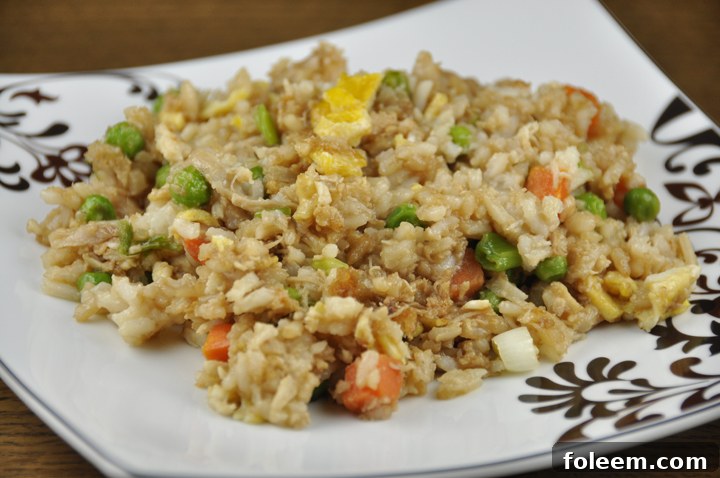
Homemade Chicken Fried Rice: Better Than Any Takeout!
Forget ordering in – discover the secret to making incredibly flavorful, perfectly textured Chinese Chicken Fried Rice right in your own kitchen. This recipe will revolutionize your weeknight meals and make you question why you ever settled for less!
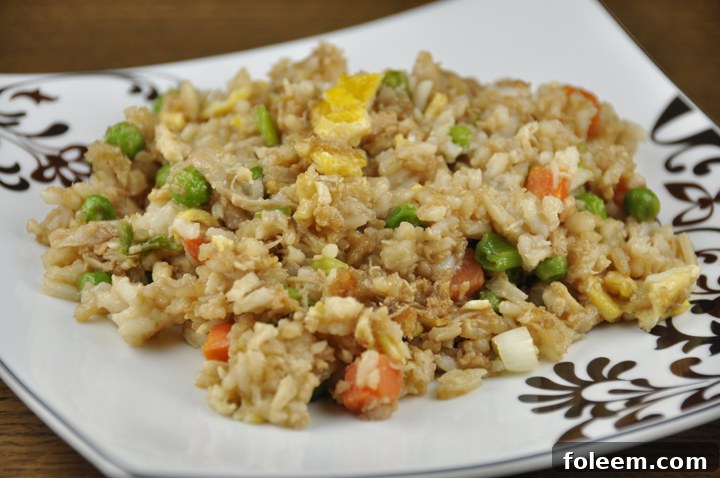
Unlocking the Authentic Flavors of Chinese Fried Rice at Home
Chinese Fried Rice holds a special place in the hearts and on the tables of food enthusiasts worldwide. It’s a culinary staple, a comforting dish that brings joy with every spoonful. For many, it’s the quintessential order at any Asian restaurant or the first choice for a quick and satisfying takeout meal. My husband, Mr. Wishes, and I share an undeniable love for fried rice. It’s often the main reason we choose to dine at an Asian establishment; as long as the fried rice hits the spot, we leave happy, regardless of the other dishes.
However, frequent dining out or regular takeout orders can become costly, and you often lose control over the ingredients, oil content, and sodium levels. This desire for delicious, restaurant-quality fried rice, accessible anytime, without the fuss or expense of ordering out, spurred me to perfect my own homemade version. The mission: to create a “just as good as takeout” chicken fried rice recipe that could be enjoyed on a whim. And I’m thrilled to report, this recipe came out absolutely perfect – wonderfully balanced, not overly greasy, perfectly seasoned, and bursting with authentic flavor.
Why Homemade Fried Rice Triumphs Over Takeout
While opinions on what constitutes “traditional” or “authentic” Chinese fried rice can vary widely, this recipe reflects my preferred style and delivers an experience that consistently surpasses typical takeout offerings. And the best part? It’s incredibly adaptable to your personal taste. Making fried rice at home offers a multitude of advantages that transcend mere convenience:
- Control Over Ingredients: You choose fresh, high-quality ingredients, avoiding unwanted additives or excessive amounts of oil and salt often found in commercial preparations.
- Healthier Options: Tailor the recipe to your dietary needs, whether that means reducing sodium, adding extra vegetables, or opting for leaner protein.
- Cost-Effective: Preparing fried rice at home is significantly more budget-friendly than frequent takeout orders, especially when utilizing leftovers.
- Customization: Adjust spice levels, incorporate your favorite vegetables, or swap proteins to create a dish that’s uniquely yours.
- No More Guesswork: Say goodbye to inconsistent takeout quality. With this recipe, you’ll achieve delicious results every time.
- Perfect for Leftovers: Fried rice is an ingenious way to transform day-old rice and leftover chicken or other proteins into a delightful new meal, minimizing food waste.
This dish was so easy to prepare, incredibly satisfying, and not a single grain was left! I wholeheartedly recommend it to anyone with a craving for truly excellent Chinese fried rice.
The Essential Ingredients for Your Best Chicken Fried Rice
Crafting perfect fried rice begins with understanding the role of each component. Here’s a breakdown of the key ingredients and why they matter:
1. The Rice: The Foundation of Flavor
This is arguably the most crucial element. For optimal results, you must use day-old, chilled cooked rice. Freshly cooked rice contains too much moisture, leading to a clumpy, mushy texture. Chilling the rice dries it out, allowing it to separate beautifully and absorb flavors without becoming soggy. Long-grain white rice, such as Jasmine or Basmati, is ideal due to its firm texture when cooked.
2. The Protein: Juicy Chicken Perfection
Our star protein here is chicken. Boneless, skinless chicken breast or thighs, cut into small, uniform pieces, work best. Marinating the chicken briefly in a touch of soy sauce and cornstarch (velveting) can enhance its tenderness and flavor. While chicken is fantastic, feel free to experiment with other proteins like shrimp, pork, beef, or even tofu for a vegetarian option.
3. The Aromatics & Vegetables: A Symphony of Freshness
A good fried rice relies on a robust aromatic base and a colorful medley of vegetables. These add both flavor and texture:
- Garlic and Ginger: Finely minced, these provide the quintessential aromatic base, imparting depth and warmth.
- Onion: Diced finely, it adds a subtle sweetness and aromatic depth.
- Peas and Carrots: Often found in a classic frozen medley, these add sweetness, color, and a familiar crunch.
- Corn: Adds a pop of sweetness and texture.
- Green Onions (Scallions): Essential for garnish and a fresh, pungent bite, typically added at the very end.
- Optional Additions: Bell peppers, finely chopped broccoli, bean sprouts, or water chestnuts can all be incorporated for added variety and nutrition.
4. The Egg: Golden Ribbons of Delight
Scrambled egg adds a wonderful richness, texture, and visual appeal to fried rice. It can be cooked separately and folded in, or pushed to one side of the wok to cook directly before incorporating.
5. The Sauces & Seasonings: The Soul of the Dish
This is where the magic truly happens, bringing all the elements together:
- Soy Sauce: Use a good quality light soy sauce for savory depth. A touch of dark soy sauce can be added for a richer color, though it’s optional.
- Sesame Oil: Added at the very end, its distinctive nutty aroma is crucial for authentic flavor. A little goes a long way.
- Oyster Sauce (Optional): Adds umami and a subtle sweetness. If you’re not a fan or prefer a vegetarian option, it can be omitted or replaced with a vegetarian mushroom sauce.
- White Pepper: A classic seasoning in Chinese cuisine, it provides a subtle heat and distinctive aroma.
- Sugar: A pinch helps to balance the savory flavors and enhance the overall taste profile.
Mastering the Wok: Techniques for Restaurant-Quality Fried Rice
Achieving that coveted “wok hei” (the breath of the wok – a smoky, charred aroma) and perfectly separated grains requires a few key techniques:
1. High Heat is Your Friend
Fried rice needs to be cooked quickly over very high heat. This prevents steaming and encourages proper caramelization and crisping of the rice grains. Ensure your wok or large skillet is screaming hot before adding oil.
2. Prepare Everything Ahead (Mise en Place)
Once you start cooking, things move fast. Have all your ingredients chopped, measured, and ready to go before you even turn on the heat. This includes your day-old rice, pre-cooked chicken, chopped vegetables, and mixed sauces.
3. Don’t Overcrowd the Wok
Cooking in batches, especially if you’re making a large quantity, is essential. Overcrowding lowers the temperature of the wok, leading to steaming instead of stir-frying, which results in mushy rice.
4. Layering Flavors
Add ingredients in a specific order: first cook the protein, then aromatics, followed by harder vegetables, then the rice, and finally the sauces and softer vegetables like peas and corn. The egg can be cooked separately or pushed to the side of the wok.
5. Constant Stirring
Keep the ingredients moving. Use a spatula or wok shovel to constantly toss and turn the rice, ensuring even cooking and preventing sticking.
A Simplified Guide to Crafting Your Delicious Chicken Fried Rice
While a detailed recipe card would provide exact measurements, here’s a general overview of the cooking process you’ll follow for this outstanding dish:
- Preparation is Key: Begin by ensuring your cooked rice is cold and separated. Chop all your chicken and vegetables into small, uniform pieces. Whisk your eggs and set aside your sauces.
- Cook the Chicken: Heat a wok or large skillet over high heat until it just begins to smoke. Add a tablespoon of cooking oil, then add the chicken pieces. Stir-fry until fully cooked through and lightly browned. Remove the chicken from the wok and set it aside.
- Sauté Aromatics and Vegetables: Add a little more oil if needed. Sauté the minced garlic, ginger, and diced onion until fragrant, about 30 seconds. Add the harder vegetables like carrots and cook for 1-2 minutes until slightly tender-crisp.
- Add the Rice: Introduce the cold, day-old rice to the wok. Break up any clumps with your spatula. Stir-fry for several minutes, tossing constantly, allowing the rice to heat through and slightly crisp up.
- Incorporate Egg and Sauces: If desired, push the rice to one side of the wok, add a tiny bit more oil, and scramble the egg until just set. Then, combine it with the rice. Pour in your prepared sauce mixture (soy sauce, oyster sauce if using, white pepper, sugar), along with the peas and corn.
- Final Toss and Finish: Return the cooked chicken to the wok. Stir-fry vigorously for another 1-2 minutes, ensuring all ingredients are well combined and coated with the sauce. Remove from heat and drizzle with a touch of sesame oil. Garnish generously with chopped green onions before serving.
Elevating Your Fried Rice: Variations and Customizations
The beauty of homemade fried rice lies in its versatility. Once you’ve mastered the basic technique, feel free to get creative:
- Protein Swaps: Replace chicken with cooked shrimp, diced char siu pork, thinly sliced beef, or even crispy pan-fried tofu.
- Vegetable Medley: Experiment with different vegetables. Try adding finely chopped bell peppers, mushrooms, asparagus, or even kimchi for a Korean-inspired twist.
- Spicy Kick: Incorporate a dash of chili oil, sriracha, or finely chopped fresh chilies for those who love a bit of heat.
- Flavor Boosters: A spoonful of Chinese chili bean paste (doubanjiang) or a drizzle of spicy fermented black bean sauce can add incredible depth.
- Garlic Lover’s Delight: For an extra garlic punch, fry some thinly sliced garlic until golden and crispy, then sprinkle over the finished dish.
Common Mistakes to Avoid for Fried Rice Perfection
Even seasoned home cooks can fall into traps when making fried rice. Steer clear of these common errors:
- Using Freshly Cooked Rice: This is the biggest culprit for mushy fried rice. Always, always use cold, day-old rice.
- Not Enough Heat: A lukewarm wok will steam your ingredients instead of frying them, resulting in a bland, unappealing dish.
- Overcrowding the Wok: As mentioned, this drops the temperature and prevents proper browning and crisping.
- Too Much Oil: While fried rice needs some oil, excessive amounts will make it greasy and heavy. Use just enough to coat the pan and prevent sticking.
- Adding Sauce Too Early: Wait until the rice has had a chance to heat through and separate before adding liquid sauces, which can reintroduce moisture and make it soggy.
- Forgetting the Sesame Oil: Its distinctive aroma is a finishing touch, not a cooking oil. Add it at the very end.
Serving Your Culinary Creation
This homemade chicken fried rice is a complete meal in itself – perfectly balanced with protein, carbohydrates, and vegetables. It’s hearty enough to be the star of your dinner. Alternatively, it makes an excellent side dish for other Asian-inspired meals, such as General Tso’s chicken, beef and broccoli, or spring rolls. Pair it with a simple clear soup or some steamed dumplings for a full Chinese feast.
Embrace the Joy of Homemade
There’s immense satisfaction in recreating beloved restaurant dishes in your own kitchen. This Chinese Chicken Fried Rice recipe is a testament to that. It’s not just about replicating a flavor; it’s about controlling your ingredients, enjoying the process, and sharing a truly delicious, wholesome meal with loved ones. Once you taste the difference that fresh ingredients and proper technique make, you’ll find yourself reaching for this recipe again and again. So, next time that craving for savory, aromatic fried rice hits, skip the takeout menu and embark on a culinary adventure that promises to be even more rewarding. Your taste buds (and your wallet!) will thank you.