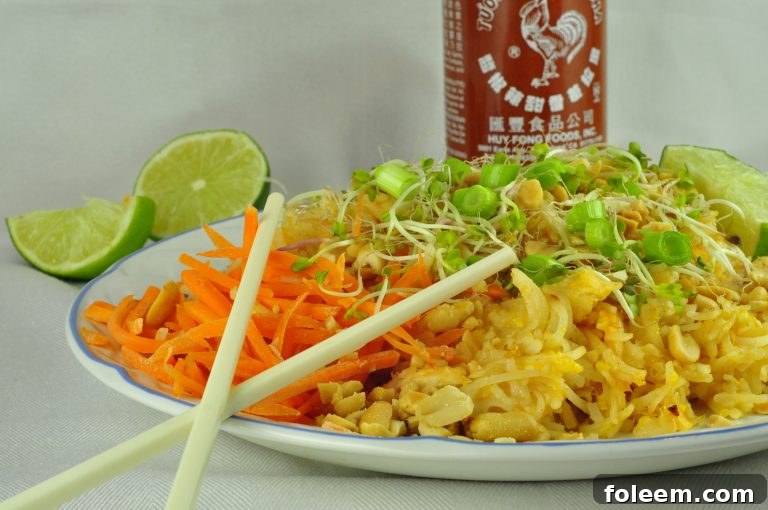
Homemade Chicken Pad Thai with a Spicy Chili Kick: Better Than Any Takeout!
Experience the authentic taste of Thailand right in your kitchen with this incredible Chicken Pad Thai recipe. Perfectly balanced with savory, sweet, sour, and spicy notes, this dish rivals your favorite Asian restaurant’s offering and is surprisingly simple to master.
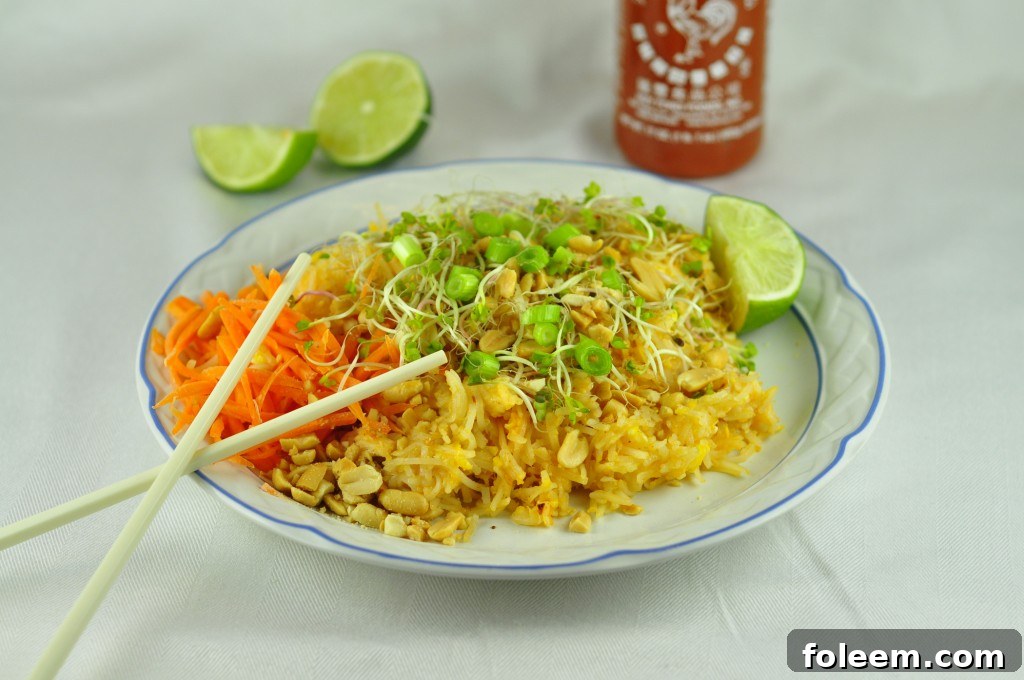
The Irresistible Allure of Pad Thai
Pad Thai holds a very special place in the hearts of food lovers worldwide, and mine is no exception. This iconic noodle dish, often hailed as the national dish of Thailand, is a symphony of flavors and textures that tantalizes the taste buds. Whenever I crave Thai cuisine, my mind invariably drifts to the comforting embrace of a perfectly cooked Pad Thai.
There’s something uniquely satisfying about the tender rice noodles, succulent chicken, crisp vegetables, and that distinctively savory-sweet-spicy sauce. For many, a good plate of Pad Thai, perhaps accompanied by a side of Thai sticky rice, serves as the ultimate benchmark for judging the quality of a Thai restaurant. And let’s be honest, sometimes we’re just creatures of habit, sticking to the dishes we know and love.
The beauty of making Pad Thai at home, however, lies in its incredible versatility and the ability to customize it exactly to your liking. Whether you prefer chicken, shrimp, pork, beef, tofu, or a delightful combination of these, this recipe is incredibly adaptable. Furthermore, this particular rendition offers a delightful spicy kick, making it a perfect choice for those who appreciate a bit of heat. If you’re sensitive to spice, don’t worry – you can easily adjust the amount of crushed red pepper and chili sauce to suit your palate. Start with less and gradually increase until you find your perfect balance. I personally enjoy a noticeable warmth, enough to awaken the senses without sending me scrambling for a glass of milk!
If your taste buds lean towards Thai flavors, you might also enjoy exploring other delightful recipes like my Thai Chicken Quesadillas for a fusion twist.
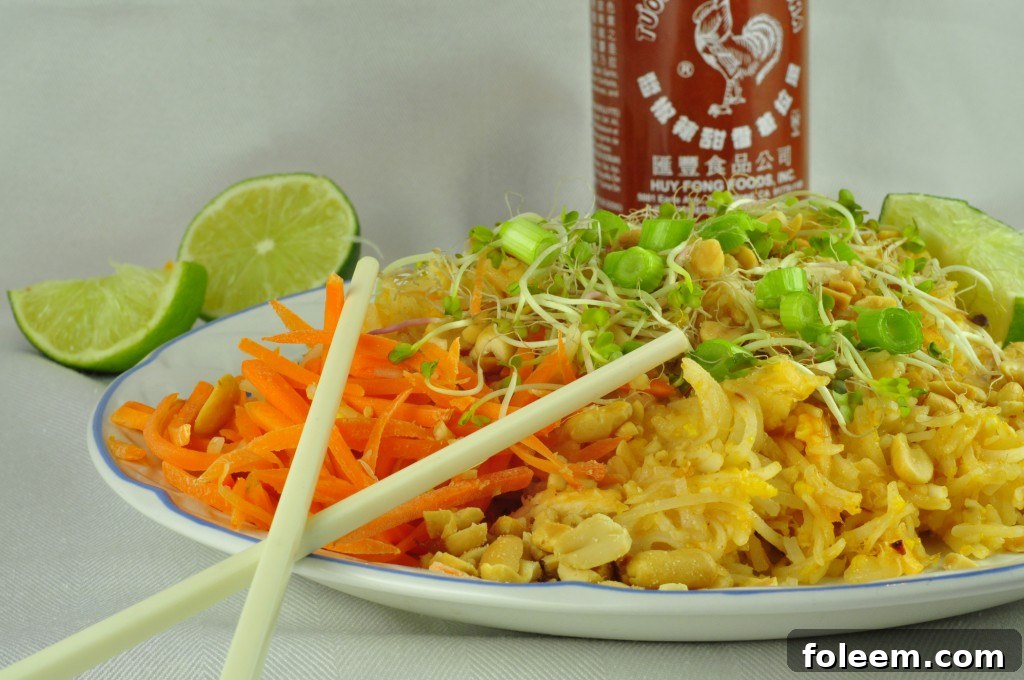
Why Make Pad Thai at Home?
While ordering takeout is convenient, crafting your own Chicken Pad Thai offers a myriad of benefits. Firstly, it’s often more economical than frequent restaurant visits. Secondly, you gain complete control over the freshness and quality of ingredients, ensuring a wholesome and delicious meal. Thirdly, and perhaps most importantly, you can tailor every aspect of the dish to your preference:
- Spice Level: From mild to fiery, you decide the heat.
- Protein Choice: Easily swap chicken for shrimp, tofu, beef, or a mix.
- Vegetable Additions: Integrate your favorite veggies like bell peppers, carrots, or bok choy.
- Allergy Control: Adapt ingredients for dietary restrictions (e.g., gluten-free noodles, less sugar).
The sense of accomplishment from creating a restaurant-quality dish in your own kitchen is incredibly rewarding, making the experience of eating it even more enjoyable.
Essential Ingredients for Your Perfect Pad Thai
Achieving that signature Pad Thai flavor hinges on a few key ingredients. While some might seem exotic, they are readily available in most Asian markets or well-stocked grocery stores.
The Noodles: Rice Noodle Fundamentals
The star of any Pad Thai is undoubtedly the rice noodle. For this recipe, a 12-ounce package of flat, wide rice noodles (often labeled as “rice stick” noodles) is ideal. When preparing them, remember this golden rule:
Crucial Tip for Perfect Rice Noodles: Unlike wheat-based pastas, rice noodles are delicate and can quickly turn mushy if overcooked. Follow package instructions carefully, but always aim for al dente. As soon as they are tender-chewy, drain them immediately and rinse thoroughly with cold water. This stops the cooking process and prevents them from sticking together, a common pitfall that can ruin the texture of your Pad Thai. (Trust me, I’ve learned this the hard way!)
The Flavor Foundation: The Pad Thai Sauce
The sauce is where the magic happens, delivering that complex balance of sweet, sour, savory, and spicy. Our sauce combines:
- White Wine Vinegar: Provides the essential sour notes.
- Fish Sauce: A cornerstone of Thai cuisine, offering deep umami and savory depth. Don’t skip this!
- White Sugar: Balances the sourness and spice with sweetness.
- Hot Chili Sauce (Sriracha): Your primary source of heat and a vibrant chili flavor.
- Crushed Red Pepper & Cayenne Pepper: These add additional layers of warmth and a lingering spice. Adjust to your desired heat level.
The Proteins and Aromatics
- Chicken Breast: Boneless, skinless chicken breast, cut into bite-sized pieces, cooks quickly and absorbs the sauce beautifully.
- Peanut Oil: Excellent for stir-frying due to its high smoke point and subtle nutty flavor.
- Garlic & Green Onions: These aromatics form the fragrant base of your stir-fry.
- Eggs: Scrambled into the dish, they add richness and texture.
The Freshness and Garnish
- Bean Sprouts: Added at the end for a delightful crunch.
- Crushed Peanuts: Essential for garnish, providing a nutty flavor and contrasting texture.
- Lime Wedges: A squeeze of fresh lime juice just before serving brightens all the flavors.
- Garnishes: Extra chopped green onions, shredded carrot, and purple cabbage add visual appeal and a fresh finish.
Step-by-Step Guide to Crafting Your Chicken Pad Thai
Follow these detailed instructions to create an unforgettable Pad Thai experience at home.
Chicken Pad Thai Recipe
This homemade Chicken Pad Thai recipe in a spicy chili sauce delivers restaurant-quality taste, perfect for a satisfying dinner!
Cuisine: Thai | Recipe Type: Dinner | Author: Ashley
Prep time: 20 mins | Cook time: 20 mins | Total time: 40 mins | Serves: 6
Ingredients
- 1-12 ounce package flat rice noodles
- 2 tablespoons peanut oil (for chicken)
- 1 pound boneless, skinless chicken breast halves, cut into bite-sized pieces
- ¼ cup peanut oil (for eggs and stir-fry)
- 2 cloves of garlic, minced
- 3 green onions, chopped (reserve some for garnish)
- 4 large eggs
- 2 tablespoons white wine vinegar
- 4 tablespoons fish sauce
- 6 tablespoons white sugar
- 1 tablespoon hot chili sauce (e.g., Sriracha)
- 1½ teaspoons crushed red pepper (adjust to taste)
- 1/8 teaspoon cayenne pepper (optional, for extra heat)
- 2 cups fresh bean sprouts
- ¼ cup crushed peanuts, for garnish
- 1 green onion, chopped for garnish
- 1 lime, cut into wedges, for serving
- Optional garnishes: shredded carrot and purple cabbage
Instructions
- Prepare the Noodles: Cook rice noodles according to package instructions. Crucially, do not overcook them; they should be just tender (al dente). Immediately drain the noodles and rinse thoroughly with cold water to prevent sticking. Set aside in a bowl.
- Sauté the Chicken: Heat 2 tablespoons of peanut oil in a large wok or a heavy, deep skillet over medium-high heat. Add the bite-sized chicken pieces, minced garlic, and the chopped white and light green parts of the green onions. Sauté, stirring frequently, until the chicken is browned and fully cooked through. Remove the cooked chicken mixture from the wok and set it aside.
- Cook the Eggs: Return the wok to the burner. Add the remaining ¼ cup of peanut oil. Once the oil is hot, crack the 4 eggs directly into the wok. Scramble or cook them until they are firm and lightly browned. Break them into smaller pieces with your spatula.
- Combine and Stir-fry: Add the cooked chicken mixture and the softened rice noodles back into the wok with the eggs. Pour in the prepared sauce mixture: white wine vinegar, fish sauce, white sugar, hot chili sauce (Sriracha), crushed red pepper, and cayenne pepper. Stir everything together vigorously and continuously, ensuring that the sauce thoroughly coats all the noodles and ingredients. Continue to stir-fry for 2-3 minutes, allowing the flavors to meld and the noodles to finish cooking to a perfectly tender yet slightly chewy consistency.
- Add Freshness and Adjust Seasonings: Taste the Pad Thai and adjust seasonings as desired. This is your chance to add more sugar for sweetness, fish sauce for savoriness, or chili sauce/red pepper for more heat. Incorporate the bean sprouts and a generous squirt of fresh lime juice from one of the wedges. Mix for another 1-2 minutes, just until the bean sprouts are slightly warmed but still retain their crispness.
- Garnish and Serve: Transfer the piping hot Chicken Pad Thai to serving plates. Garnish generously with crushed peanuts, the reserved chopped green onion, a fresh lime wedge, and optionally, shredded carrot and purple cabbage. Serve immediately and savor every bite of your homemade Thai masterpiece!
Tips for the Perfect Homemade Pad Thai
Mastering Pad Thai at home is incredibly rewarding. Here are some extra tips to ensure your dish is always a success:
- Wok vs. Skillet: A wok is ideal for stir-frying as it provides even heat distribution and allows for easy tossing. However, a large, heavy-bottomed skillet or Dutch oven can work just as well if you don’t have a wok. Ensure it’s large enough to comfortably hold all ingredients without overcrowding.
- Ingredient Prep is Key (Mise en Place): Have all your ingredients chopped, measured, and ready to go before you start cooking. Stir-frying is a very fast process, and you won’t have time to chop or measure once the heat is on.
- Don’t Overcrowd the Wok: Cook in batches if necessary, especially if your pan is not very large. Overcrowding lowers the pan’s temperature, leading to steamed rather than stir-fried ingredients.
- Adjust Spice to Your Liking: The beauty of homemade is customization. If you love heat, feel free to add more Sriracha or red pepper flakes. For a milder version, start with half the recommended amount and add more only if desired.
- Fresh Lime is Non-Negotiable: A squeeze of fresh lime juice at the end brightens the entire dish and ties all the complex flavors together. Don’t skip it!
- Protein Power: While chicken is fantastic, feel free to experiment with other proteins. Shrimp cooks very quickly, so add it towards the end to avoid overcooking. Tofu should be pressed and fried separately until golden brown before adding it back to the wok.
Customization and Variations
This recipe provides a solid foundation for an amazing Pad Thai, but don’t hesitate to make it your own!
- Vegetarian Pad Thai: Omit the chicken and eggs. Use firm or extra-firm tofu, pressed and cubed, then pan-fried until crispy. Ensure your fish sauce is vegetarian-friendly, or substitute with a combination of soy sauce and mushroom powder for umami. Add more vegetables like broccoli, bell peppers, or mushrooms.
- Seafood Lover’s Pad Thai: Replace chicken with 1 pound of medium or large shrimp. Add the shrimp to the wok after the eggs, cooking only for 2-3 minutes until pink and opaque, then proceed with the noodles and sauce.
- Extra Veggies: Boost the nutritional content and crunch by adding thinly sliced carrots, bell peppers, snow peas, or shredded cabbage along with the bean sprouts.
- Nut-Free Option: If you have a peanut allergy, omit the crushed peanuts. You can use toasted sesame seeds as an alternative garnish for a different flavor profile.
Serving Suggestions and Storage
Your freshly made Chicken Pad Thai is a meal in itself, but here are some ideas to elevate your dining experience:
- Garnish Galore: Always serve with extra lime wedges, crushed peanuts, and fresh cilantro or chopped green onions on the side for guests to add as they please. A small bowl of extra chili flakes or Sriracha is also a thoughtful touch.
- Pair with Freshness: A simple side salad with a light vinaigrette or some fresh cucumber slices can complement the rich flavors of the Pad Thai.
- Beverage Pairings: Thai iced tea, cold beer, or a crisp white wine like Sauvignon Blanc pair wonderfully with spicy Asian dishes.
Storing Leftovers
Leftover Pad Thai can be stored in an airtight container in the refrigerator for up to 3 days. Reheat gently in a microwave or a skillet over medium heat, adding a splash of water or chicken broth to prevent the noodles from drying out. While the noodles might lose a bit of their original texture, the flavors will still be delightful.
Frequently Asked Questions About Homemade Pad Thai
- What kind of rice noodles should I use?
- Flat, wide rice noodles (often labeled “rice stick” or “Pad Thai noodles”) are best. Look for a 1/4 to 1/2 inch width. Thinner vermicelli noodles can be used in a pinch but will result in a different texture.
- Can I prepare the sauce in advance?
- Absolutely! You can mix the vinegar, fish sauce, sugar, Sriracha, crushed red pepper, and cayenne pepper in a bowl ahead of time and store it in the refrigerator. This speeds up the cooking process when you’re ready to make the dish.
- Is tamarind paste necessary for authentic Pad Thai?
- Many authentic Pad Thai recipes use tamarind paste for its distinctive sour and fruity notes. This recipe achieves a similar balance using white wine vinegar and Sriracha for sourness and heat. While tamarind paste would add another layer of traditional flavor, it’s not strictly necessary for a delicious homemade version, especially if you’re aiming for simplicity or find it difficult to source.
- My noodles are sticking together. What went wrong?
- This is a common issue! It usually happens if they are overcooked or not rinsed with cold water after draining. The cold rinse removes excess starch and prevents them from clumping. Ensure you drain them immediately once they reach al dente.
- How can I make this Pad Thai less spicy?
- Reduce the amounts of hot chili sauce (Sriracha) and crushed red pepper. You can start with half the recommended amount and add more at the end if you feel it needs more heat. Omitting the cayenne pepper will also significantly reduce the spice level.