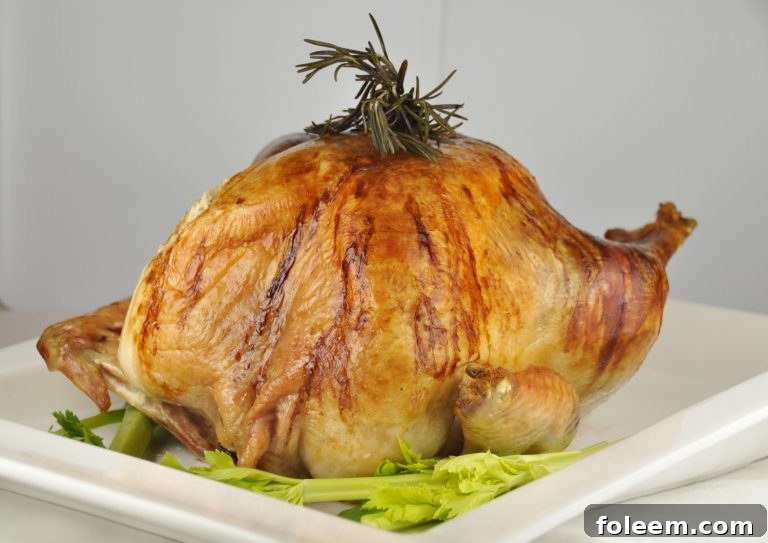
Crafting the Perfect Holiday Turkey: A Foolproof Guide for Thanksgiving and Christmas
The aroma of a perfectly roasted turkey filling your home is the quintessential scent of the holiday season, a signal that cherished moments and delicious feasts are about to begin. For many, the idea of roasting a whole turkey can seem daunting, a culinary Everest that only experienced chefs dare to conquer. But what if I told you that achieving a golden-brown, juicy, and incredibly flavorful turkey is not only possible but surprisingly simple? Today, I’m thrilled to share a method that I’ve personally perfected – one that guarantees a delicious outcome every single time, whether it’s your first turkey or your fiftieth. Get ready to impress your family and friends with a turkey that’s easy to make and utterly unforgettable.
Why This Foolproof Turkey Roasting Method Works
This method prioritizes simplicity and flavor, focusing on key techniques that ensure a moist interior and a beautifully crispy skin. One of the most common pitfalls in turkey roasting is overcooking or uneven cooking, often exacerbated by stuffing the bird. For this recipe, we’ll be cooking the turkey without stuffing inside, which allows for more consistent heat distribution and a shorter, more predictable cooking time. Instead, we infuse the turkey with incredible aromatic flavors placed directly into its cavity, creating a delightful essence that permeates the meat without hindering the cooking process.
Moreover, we’ll leverage a two-stage roasting temperature method: an initial blast of high heat to achieve that desirable crispy skin, followed by a lower, steady temperature to gently cook the meat to perfection. This combination locks in juices and ensures every bite is tender and succulent. You don’t need fancy equipment, just a reliable roasting pan, a rack, and a good meat thermometer – essentials that, like my own “new” roasting pan that sat unused for years, are truly worth breaking out for this occasion!
Choosing the Right Turkey for Your Holiday Feast
Selecting the perfect turkey is the first step towards a successful holiday meal. Consider the number of guests you’ll be serving when deciding on turkey size. A general rule of thumb is 1 to 1.5 pounds of turkey per person to ensure plenty of meat and some delicious leftovers. For this recipe, we’ll focus on a 14 to 16-pound bird, ideal for 10-12 servings. You can choose between a fresh or frozen turkey. Frozen turkeys are often more readily available and more economical, but require ample time for thawing. Fresh turkeys offer convenience as they don’t need thawing, but should be purchased close to your cooking day. Whichever you choose, look for turkeys that are well-formed and have no broken skin.
Safe Thawing: A Crucial First Step
If you’ve opted for a frozen turkey, safe thawing is paramount to prevent bacterial growth. The safest and most recommended method is to thaw your turkey in the refrigerator. Allow approximately 24 hours of thawing time for every 4-5 pounds of turkey. So, a 14-16 pound turkey will need 3 to 4 full days in the refrigerator. Place the wrapped turkey on a large pan or tray to catch any drips and prevent cross-contamination with other foods in your fridge. Once thawed, remove the giblets and neck from both cavities, then rinse the turkey inside and out with cold water, patting it thoroughly dry with paper towels. A dry surface is key to achieving that wonderfully crispy skin.
Optional but Highly Recommended: Brining for Unmatched Juiciness
While not strictly necessary for this foolproof method, brining your turkey can elevate its juiciness and flavor to extraordinary levels. A simple salt-and-sugar brine helps the turkey absorb moisture, preventing it from drying out during the roasting process, especially the breast meat which is prone to becoming dry. To brine, immerse your thawed and cleaned turkey in a solution of water, salt, sugar, and optional aromatics (like peppercorns, bay leaves, or citrus peels) for 12-24 hours in the refrigerator. This step requires a large food-grade container or brining bag and sufficient refrigerator space, but the tender, flavorful results are well worth the extra effort.
Gathering Your Roasting Essentials
Before you begin, ensure you have the necessary tools at hand. A sturdy roasting pan with a V-rack is essential; the rack lifts the turkey, allowing air to circulate and promoting even cooking and browning. If you don’t have a V-rack, a bed of chopped vegetables like carrots, celery, and onions can serve a similar purpose, adding flavor to your pan drippings. A reliable meat thermometer is perhaps the most critical tool, as it takes the guesswork out of determining doneness. An instant-read thermometer or a probe thermometer with an alarm feature will be your best friend, ensuring your turkey reaches the safe internal temperature of 165°F (74°C) without overcooking.
The Foolproof Turkey Roasting Method: Step-by-Step Guide
Preparation Day (1-3 Days Before Roasting):
- **Thawing and Cleaning:** Begin thawing your frozen turkey in the refrigerator, allowing 24 hours per 4-5 pounds. Once fully thawed (typically 3-4 days for a 14-16 lb bird), remove the turkey from its packaging. Carefully reach into both the neck and body cavities to remove the giblets and neck. Rinse the turkey thoroughly, inside and out, with cold running water. Pat the entire turkey, including the cavities, completely dry with paper towels. A dry surface is crucial for crispy skin.
- **Aromatic Infusion:** In a microwave-safe dish, combine 1 sliced red apple (large pieces), ½ sliced onion (large pieces), and 1 cinnamon stick with 1 cup of water. Microwave on high for 5 minutes. This gentle steeping helps to release and enhance their aromatic qualities.
- **Stuffing the Cavity:** Carefully transfer the steeped apple, onion, and cinnamon stick mixture into the turkey’s main cavity. Add 4 sprigs of fresh rosemary and 6 fresh sage leaves alongside them. These aromatics will infuse the turkey with incredible flavor from the inside out as it roasts.
- **Prepping for Roasting:** Place the prepared turkey on a roasting rack set inside a large roasting pan. Tuck the wing tips underneath the bird to prevent them from burning. Liberally coat the entire skin of the turkey with canola oil (or another high-smoke point neutral oil like vegetable oil). Don’t be shy; this oil is essential for achieving a beautiful golden-brown and crispy skin.
Roasting Day:
- **Initial High-Heat Roast:** Preheat your oven to a high temperature of 500°F (260°C). Place the roasting pan with the turkey on the lowest rack level in your preheated oven. Roast the turkey at this high temperature for 30 minutes. This initial burst of heat is key to searing the skin and starting the browning process effectively.
- **Lower Temperature Roasting and Monitoring:** After the initial 30 minutes, reduce the oven temperature to 350°F (175°C). Carefully insert a probe thermometer into the thickest part of the turkey breast, making sure it doesn’t touch any bone. If your thermometer has an alarm feature, set it to 165°F (74°C). Continue roasting until the thermometer registers 165°F. For a 14 to 16-pound turkey, this typically takes about 2 to 2.5 hours of total roasting time (including the initial high-heat phase).
- **The All-Important Rest:** Once the turkey reaches 165°F, carefully remove it from the oven. Transfer the turkey to a large cutting board or serving platter. Loosely tent the turkey with aluminum foil and let it rest for a minimum of 15 minutes, and preferably 30 minutes, before carving. This resting period is crucial; it allows the juices within the meat to redistribute throughout the turkey, resulting in an incredibly moist and flavorful bird. Skipping this step can lead to dry meat, as all the delicious juices will run out when you carve.
- **Carve and Enjoy:** After resting, carve your perfectly roasted turkey and serve it immediately.
Crafting Delicious Aromatics
The beauty of the aromatics in this recipe – apple, onion, cinnamon stick, rosemary, and sage – lies in their ability to subtly infuse the turkey with a wonderful depth of flavor. The apple adds a touch of sweetness and moisture, while the onion provides a savory base. The cinnamon stick, often a surprise to some, lends a warm, earthy note that beautifully complements the poultry, particularly for festive holiday meals. Rosemary and sage are classic partners for turkey, offering their distinct herbaceous flavors that truly sing when roasted. Steeping them briefly in the microwave before adding them to the cavity helps to jumpstart their fragrance and ensures a more pronounced flavor contribution.
Achieving Perfect Crispy Skin and Juicy Meat
The combination of liberally coating the turkey with oil and the initial high-heat roast is the secret to achieving that irresistible crispy, golden-brown skin. The oil helps conduct heat, ensuring even browning, while the high temperature rapidly crisps the skin before the internal temperature rises too much. Reducing the temperature then allows the turkey to cook gently and evenly through, preventing the exterior from burning while the interior slowly reaches its tender, juicy perfection. Using a meat thermometer is your ultimate guide here, ensuring doneness without overcooking.
Resting Your Turkey: The Golden Rule
This cannot be stressed enough: do not skip the resting period! When a turkey cooks, the muscle fibers contract, pushing the juices towards the center of the bird. If you carve it immediately, those juices will gush out, leaving you with drier meat. Resting allows the muscle fibers to relax and reabsorb those precious juices, resulting in a significantly more tender and moist turkey. Thirty minutes is ideal for a turkey of this size, giving you ample time to prepare your gravy and finalize your side dishes.
What to Serve with Your Perfect Turkey
A perfectly roasted turkey is the star, but it shines brightest when accompanied by classic holiday side dishes. Think creamy mashed potatoes, savory green bean casserole, sweet potato casserole, and, of course, a rich, flavorful gravy. While my gravy-making attempts didn’t always hit the mark, I highly recommend exploring a no-drippings turkey gravy recipe if you’re not planning to use the pan drippings from this bird. Stay tuned, as I’ll be sharing some of my favorite side dish recipes very soon to complete your holiday menu!
Frequently Asked Questions About Roasting Turkey
Q: Should I baste my turkey during roasting?
A: Basting is often seen as a traditional step, but it’s largely unnecessary and can even be detrimental. Opening the oven door frequently to baste causes the oven temperature to drop, extending cooking time and potentially drying out the turkey. The canola oil coating and initial high-heat roast in this recipe ensure crispy, browned skin without the need for basting. Focus on using a probe thermometer for accurate temperature monitoring instead.
Q: How do I know when my turkey is truly done?
A: The only reliable way to tell if your turkey is done is by using a meat thermometer. Insert it into the thickest part of the thigh (without touching the bone) and the thickest part of the breast. The turkey is safely cooked when both areas reach an internal temperature of 165°F (74°C). The temperature will continue to rise slightly (carryover cooking) during the resting period.
Q: Can I prepare the turkey the day before?
A: You can certainly prepare some aspects of the turkey the day before roasting. The thawing process should definitely be started days in advance. You can also rinse and pat dry the turkey, add the aromatics to the cavity, and rub it with oil the evening before, then cover it loosely and refrigerate. Just be sure to bring it out of the fridge about an hour before roasting to allow it to come closer to room temperature for more even cooking.
Q: What if my turkey skin is browning too quickly?
A: If you notice the turkey skin browning too quickly, especially on the breast, you can loosely tent the turkey with aluminum foil. This will protect the skin from direct heat while the rest of the turkey finishes cooking. Remove the foil for the last 15-20 minutes of roasting if you want to crisp up the skin again.
Q: How much cooking time per pound should I allow?
A: While a general guideline is often 15-20 minutes per pound for an unstuffed turkey at 325°F (160°C), this recipe uses a higher initial temperature. For a 14-16 pound unstuffed turkey following this method, expect a total roasting time of approximately 2 to 2.5 hours. Always rely on a meat thermometer rather than just time to ensure perfect doneness.
How to Make the Perfect Turkey Recipe
Recipe Details
Recipe Type: Dinner
Cuisine: American
Author: Ashley
Prep time: 20 mins
Cook time: 2 hours 30 mins
Total time: 2 hours 50 mins
Serves: 11-12
Summary: Today I am sharing my method for how to make the perfect turkey for Thanksgiving or Christmas! It’s easy and completely fool-proof!
Ingredients
- 1 (14 to 16 pound) frozen turkey
- For the aromatics:
- 1 red apple, sliced in large pieces
- 1/2 onion, sliced in large pieces
- 1 cinnamon stick
- 1 cup water
- 4 sprigs rosemary
- 6 leaves sage
- Canola oil, for rubbing outside
Instructions
- 1 to 3 days before roasting: Begin thawing the turkey in the refrigerator or in a cooler kept at 38 degrees F. Remove innards once thawed and rinse inside and out with cold water.
- Place the turkey on roasting rack inside a half sheet pan or in a roasting pan and pat dry with paper towels.
- Combine the apple, onion, cinnamon stick, and 1 cup of water in a microwave safe dish and microwave on high for 5 minutes. Add steeped aromatics to the turkey’s cavity along with the rosemary and sage. Tuck the wings underneath the bird and coat the skin liberally with canola oil. This will make the skin crisp up and brown nicely.
- Roast the turkey on lowest level of the oven at 500 degrees F for 30 minutes. Insert a probe thermometer into thickest part of the breast and reduce the oven temperature to 350 degrees F. Set the thermometer alarm (if available) to 165 degrees F.
- A 14 to 16 pound bird should require a total of about 2 1/2 hours of roasting. Let the turkey rest, loosely covered with foil for 15-30 minutes before carving. This will lock in the juices and keep the meat moist.
- Enjoy!
There you have it – the definitive guide to making a perfect, juicy, and flavorful turkey right in your own kitchen! This method truly is foolproof and will ensure your holiday centerpiece is a resounding success. So go ahead, embrace the joy of holiday cooking, and prepare to delight everyone at your table. Happy roasting!