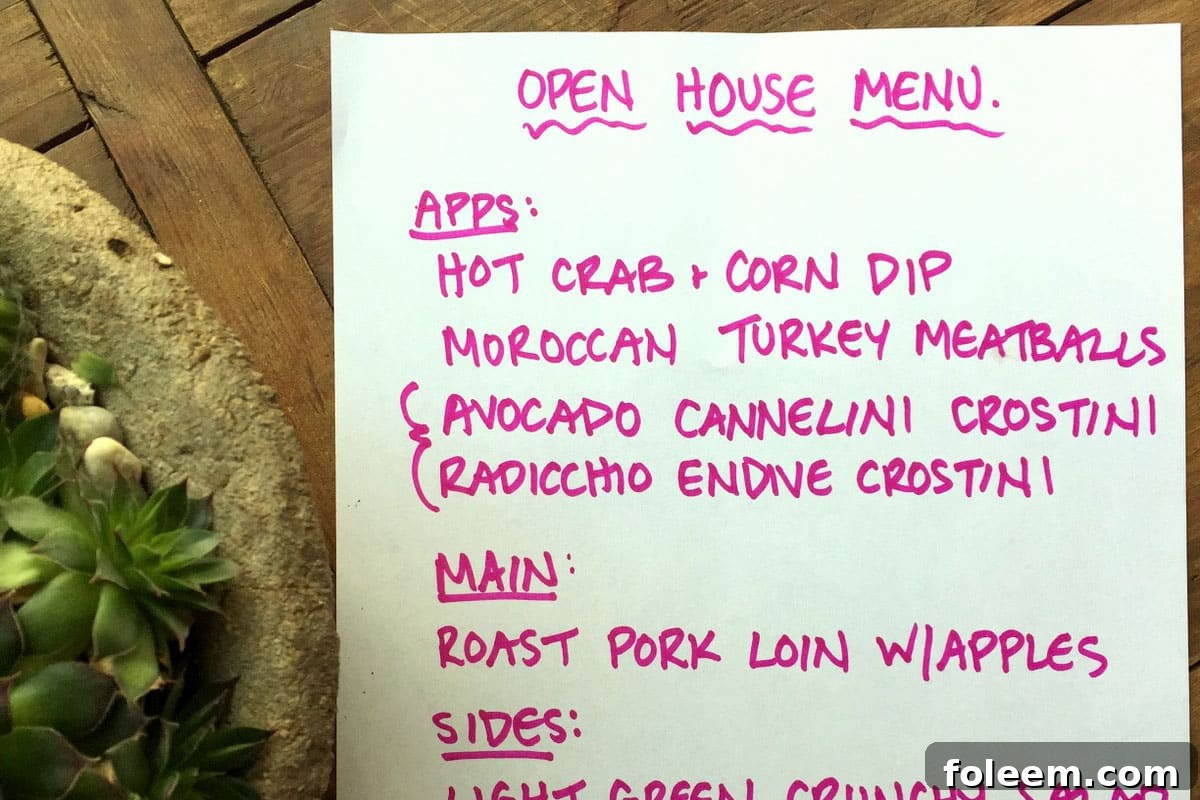
One of my greatest joys is watching someone who used to be intimidated by entertaining discover that it can actually be enjoyable. Two colleagues of mine, Netta and Kate, recently began to experience that small rush you get when a dinner for friends comes together—the food is good, the mood is right, and everything flows.
Below are practical basics that become second nature with practice. Start small with a few guests and a few dishes, get comfortable, and you’ll find it more and more fun to expand from there.

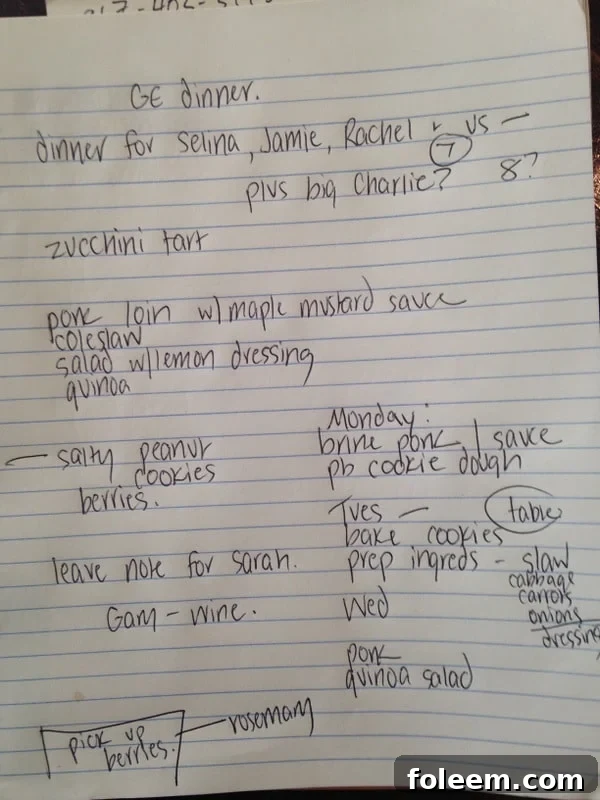
1. Write everything down
Don’t rely on memory. Too often items get forgotten—sauces left in the fridge, side dishes left unwarmed, or ingredients misplaced. Write down recipes, timing, and tasks so nothing slips through the cracks.
2. Organize tasks over time
Break your to-dos into manageable chunks. Even small items like “find votive candles” or “choose serving utensils” can become frenzied if left to the last minute. Schedule what you’ll do three days out, the night before, and the day of. Shopping for nonperishables can be done any time; most produce, meat, and poultry can be bought three to four days in advance. Buy fish the day before.
3. Build the menu
Begin with a theme or cuisine—Italian, for example—and decide whether the meal will be served hot or at room temperature (the latter is often easier for beginners). Consider the occasion, time of day, and season.
Choose a protein, a starch, and a vegetable, and imagine them plated together. If flavors and colors pair well, you’re set. Add an appetizer and a dessert that complement the meal, and you have a cohesive menu without overcomplicating things.
4. Make thorough shopping lists
Turn every recipe into a detailed shopping list and buy nonperishables as soon as you can. Items like grains or canned goods can be purchased well ahead of time. Perishables—fish, berries, delicate greens—should be bought the day before or the day of. Organize your list so shopping is efficient and stress-free.
5. Less is more
Keep the menu focused. Fewer dishes mean less work and a cleaner, more enjoyable table. If preparing three side dishes will make you frantic, choose one or two good ones and relax. Guests will appreciate tasty food and a pleasant host more than an overstuffed spread.
6. Make everything ahead that you can
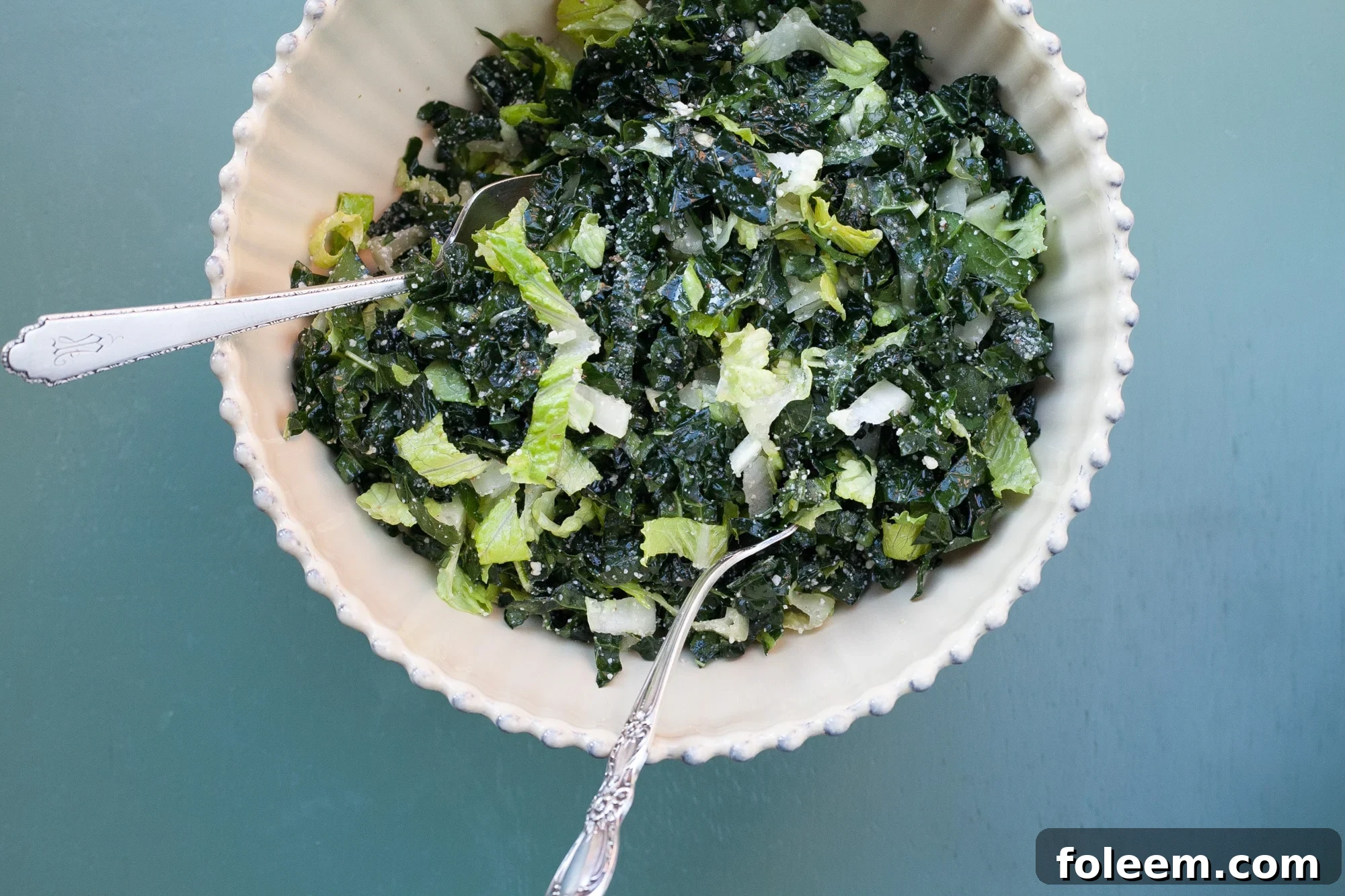
Many “I’ll do it at the last minute” tasks pile up fast. Prepare as much as possible in advance to avoid a frantic final hour. For items that must be finished right before serving—like dressing a salad—set them up so finishing takes seconds: place washed greens in the serving bowl, put dressing in a small container on top, lay out utensils, and you’ll be able to toss and serve in a minute. Accept offers of help—when someone asks, “What can I do?” give them a task.
7. Set up what you can in advance
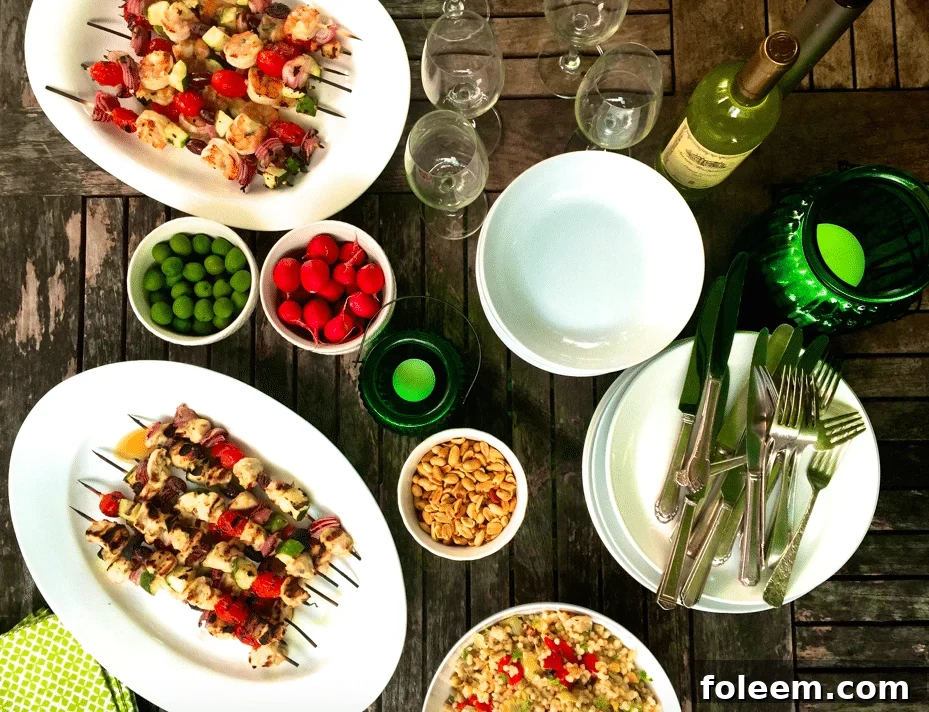
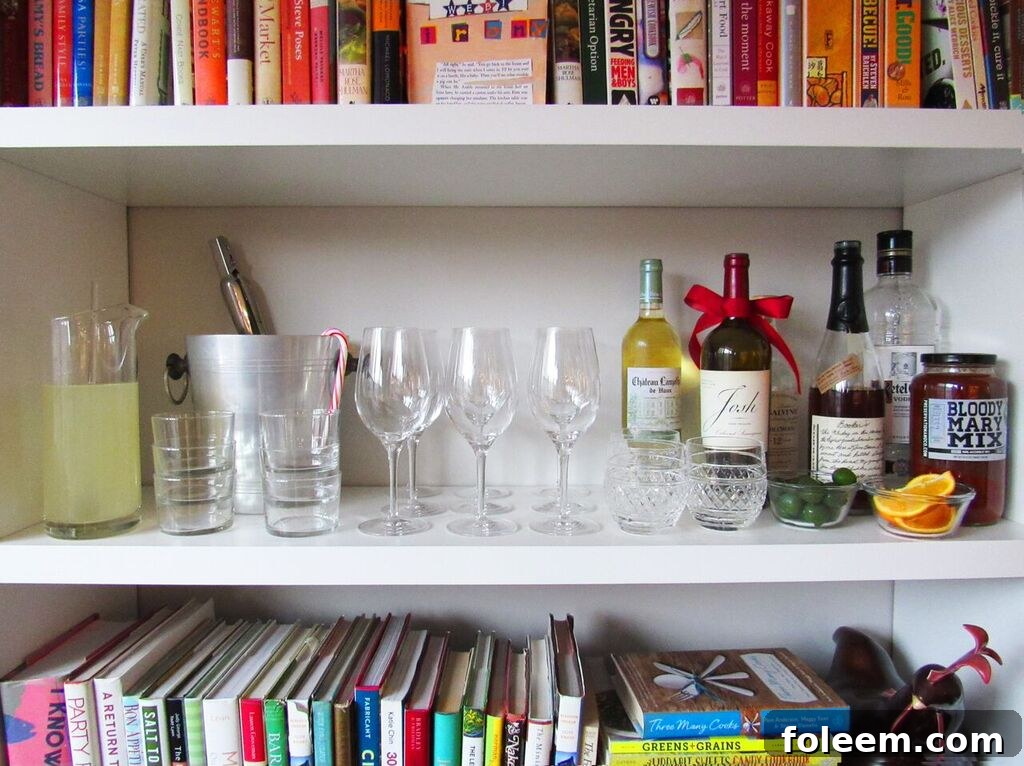
Arrange the table, buffet, and bar the day before if possible. Lay out glasses, an ice bucket, platters (label them with notes indicating which dish will go where), serving utensils, plates, cutlery, and simple centerpieces. These small steps remove last-minute decisions and help the evening start smoothly.
8. Delegate
Invite guests to bring a dish or consider buying one or two prepared items to lighten your load. There’s nothing wrong with a quality prepared shrimp cocktail or a deli slaw from a trusted source. If a friend offers to bring dessert or a side, say yes and give them a helpful suggestion.
9. Don’t forget the drinks
Decide on a simple drink plan—a single signature cocktail (offer a nonalcoholic variation if appropriate) or a selection of wine and a nonalcoholic option. A well-chosen welcome drink sets the tone and makes guests feel immediately at ease.

Entertaining gets easier with practice. Plan carefully, simplify where you can, enlist help, and prepare ahead. Those steps will free you to enjoy the company and the moment—after all, that’s the best part.