How to Cook Zucchini and Squash Blossoms: Delicious Recipes & Tips
What Are Squash Blossoms?
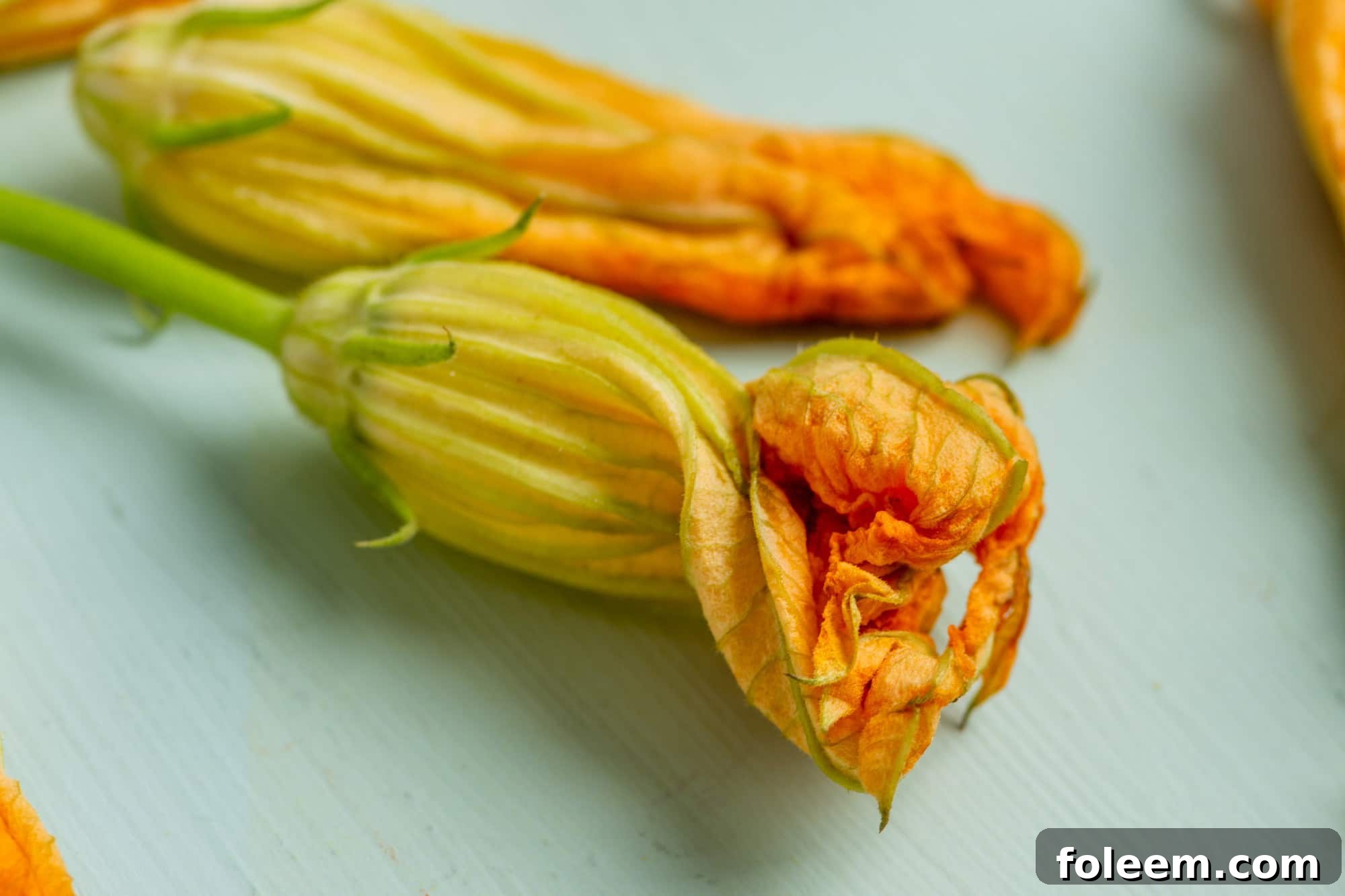
At the tip of every zucchini or summer squash plant you’ll often find a bright yellow-orange flower: the squash blossom. These delicate blooms are edible and prized for their tender texture and subtle, slightly sweet flavor that is more floral than the vegetable itself. Because they are fragile, they require gentle handling and simple preparation to let their mild taste shine.
Where Can You Find Squash Blossoms?
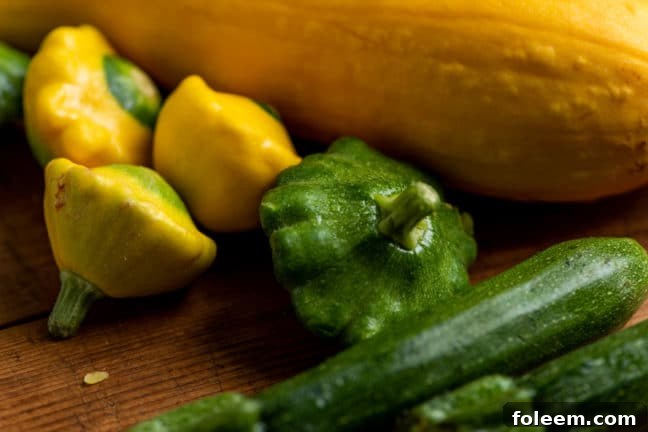
The freshest blossoms come straight from the plant, so if you grow zucchini or summer squash, harvest them when they appear. Farmers’ markets are the next best source; blossoms there are usually picked the same day. Specialty food shops and higher-end supermarkets sometimes carry them as well—inspect them closely to ensure they look fresh and perky rather than wilted.
How to Choose Squash Blossoms
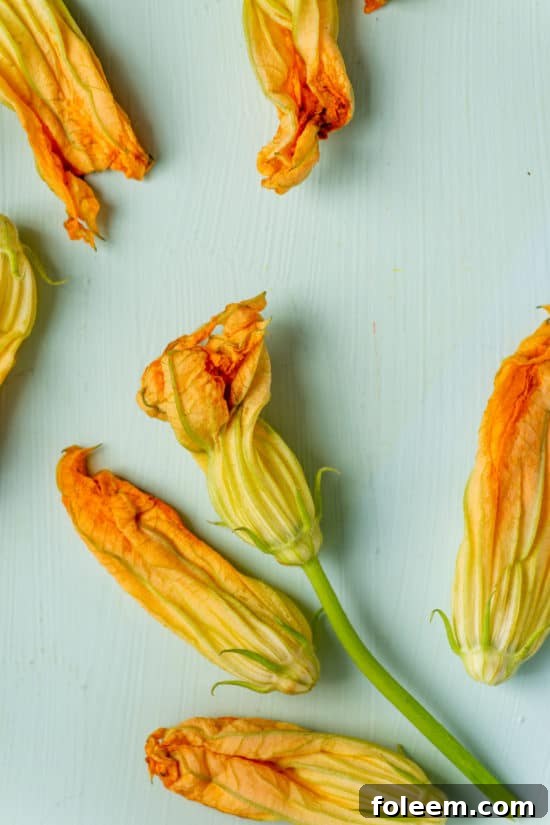
Select blossoms that look fresh and are not droopy; closed or just-opening buds hold up better during cooking. If you have the option to pick from your plant, choose male flowers when possible—male blossoms are attached to a thin stem and do not develop into fruit, so harvesting them won’t reduce your future zucchinis. Both male and female blossoms are edible, but removing male flowers leaves the plant’s developing fruit intact.
How to choose, store and prepare those gorgeous seasonal squash blossoms.
What is the Season for Zucchini and Squash Blossoms?
Squash blossoms appear in late spring or early summer and can be found through the fall as long as the plants keep producing. They often show up before the squash itself and continue to appear throughout the growing season.
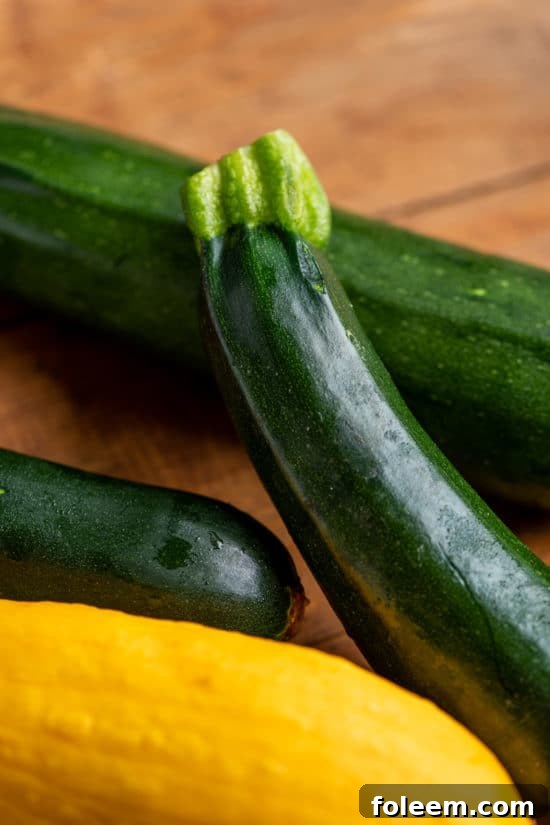
How Do You Cook Squash Blossoms?
Squash blossoms are commonly sautéed or fried, often after stuffing with a soft cheese or herb mixture and dipping in a light batter. They can also be baked, steamed, or used raw. Raw blossoms are lovely in salads or as a garnish for pasta, risotto, or soups—use a lightly seasoned filling if stuffing them so the blossom’s delicate flavor isn’t overwhelmed.
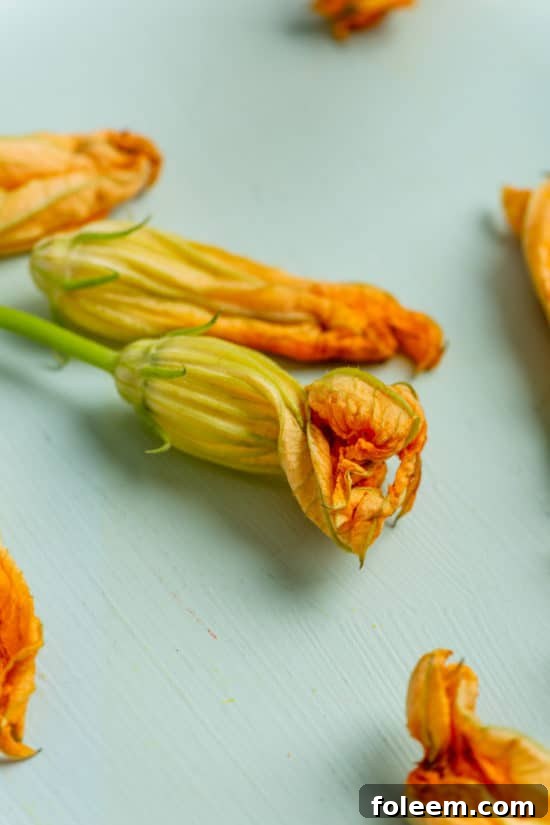
How to Store Squash Blossoms
Keep blossoms refrigerated and use them within a day or two for the best texture and flavor. Because they are so delicate, plan to cook them shortly after purchase or harvest.
Should You Wash Squash Blossoms?
Avoid rinsing blossoms if possible—water can make them wilt. If you must remove dirt or tiny insects, gently wipe them with a soft, dry cloth or very lightly brush them; handle them carefully to preserve their shape.
How to Prepare Squash Blossoms for Eating
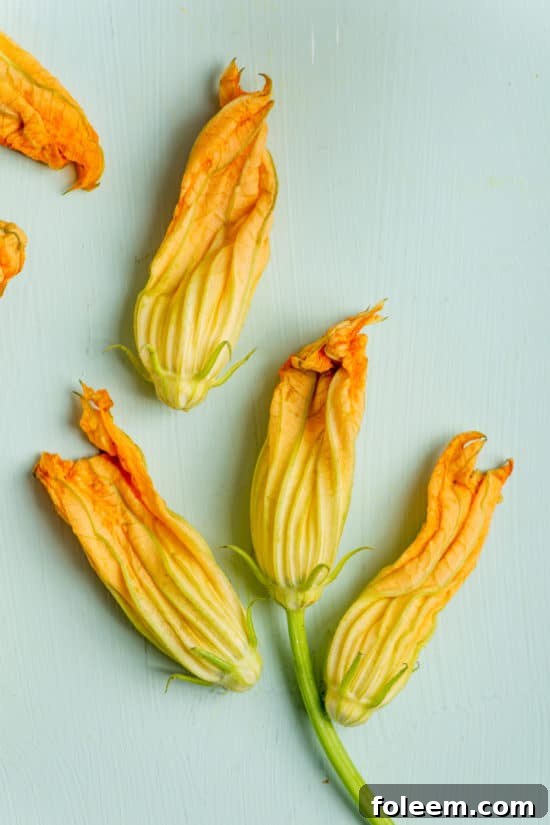
Before cooking, remove the stamen or pistil from the center of the flower. You can leave the stem attached for easier handling and because it is edible. If a recipe calls for stem removal, do so gently to avoid tearing the petals.
Are Squash Blossoms Nutritious?
Squash blossoms provide small amounts of vitamins A and C, and trace minerals like iron and calcium. They are not nutrient-dense due to their delicate nature, but they add color, texture, and a gentle flavor to dishes.
Squash Blossoms Recipes:
Squash blossoms are versatile—use them raw as a garnish or salad topping, stuff them with soft cheeses or a light herb mixture and bake or fry, or enjoy them simply sautéed. Here are some ideas to try with your blossoms:
Try adding blossoms to salads such as:
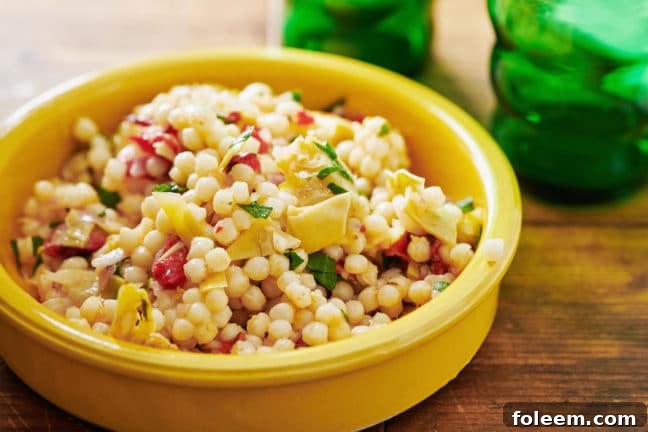
- Artichoke, Feta and Roasted Pepper Couscous Salad
- Tomato, Red Onion, Watercress, Feta and Olive Salad
- Perfect End of Summer Pasta Salad
Or prepare them in classic ways like fried, pan-fried, or stuffed with ricotta and herbs. Simple preparations will highlight the blossom’s delicate flavor—keep seasonings light and ingredients fresh.