
If you want to spend less on groceries without giving up flavor or fun, this guide will help. These practical steps to save money when cooking are proven and easy to adopt. From smarter planning and shopping to creative ways to use leftovers, you’ll get more value from every ingredient.
Almost everyone likes saving money. Even if your budget isn’t tight, no one wants to pay more than necessary, and getting a good deal feels great. Right now, keeping grocery costs under control is especially important.
Being savvy at the supermarket pays off more often than negotiating on one big purchase, because groceries are a recurring expense. Small changes in how you shop and store food add up quickly. Below are eight straightforward tips that can make a noticeable dent in your grocery total.
- 1. Buy whole fruits and vegetables.
- 2. Don’t snub store brands!
- 3. Put the freezer to work.
- 4. Look for the bargain aisle.
- 5. Look for “While Supplies Last” signage.
- 6. Stock up on sale non-perishables.
- 7. Check clearance areas in your store.
- 8. Check the store circular before you go.
- Budget-Friendly Dinner Ideas
1. Buy whole fruits and vegetables.
Pre-cut, peeled, or prepped produce carries a premium. You pay for convenience, and those items tend to spoil faster. Whole produce lasts longer, so you reduce waste and lower cost per usable ounce. For example, pre-chopped onions are significantly more expensive than a whole onion and will usually spoil sooner. Buying whole fruits and vegetables and preparing them at home is almost always the cheaper choice.

2. Don’t snub store brands!
Store brands have improved dramatically and are often produced by the same manufacturers as national brands. Trying a few will reveal which ones you like. In many cases, house-brand items deliver the same quality for a lower price. Olive oil, canned goods, staples and pantry items from store brands can save you a significant amount over time without sacrificing taste.
When comparing, look at price per ounce or per serving, not just the package price, to find real savings.
3. Put the freezer to work.
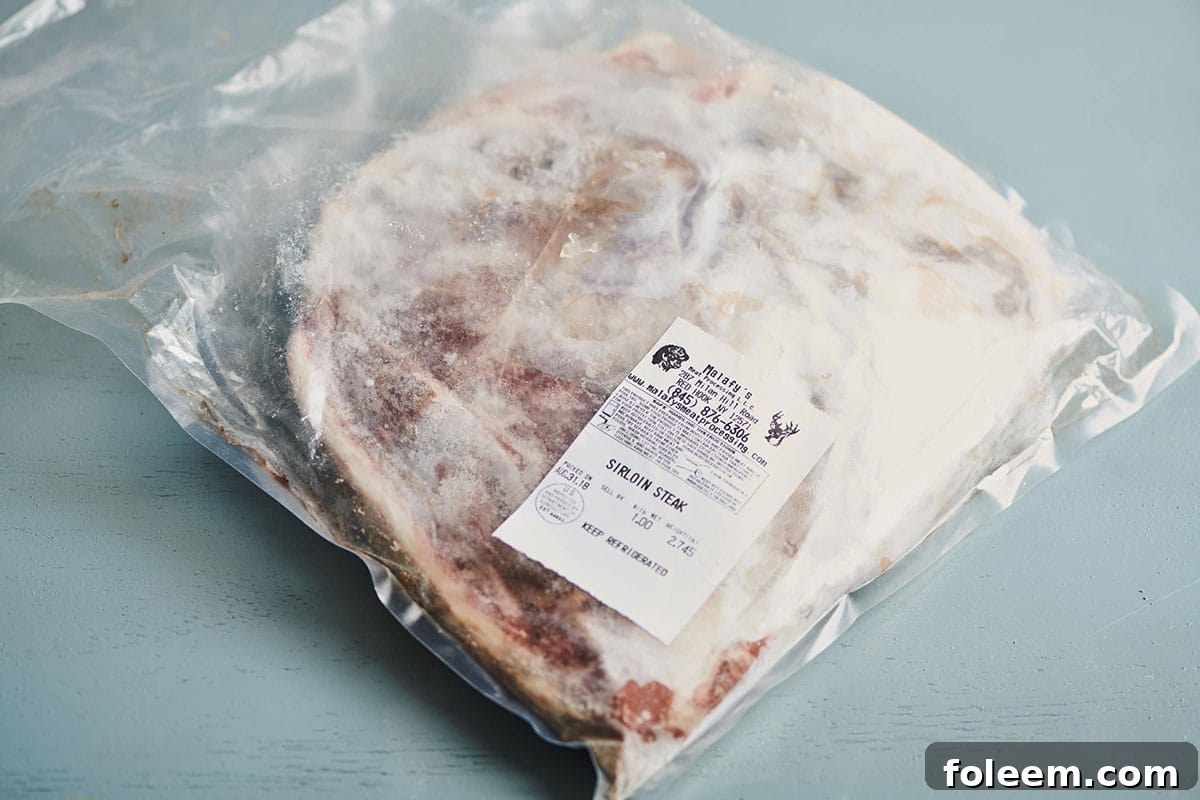
Buying on sale and freezing portions stretches your food budget. If meat or seafood is discounted, divide it into meal-size portions and freeze in labeled, airtight packaging. Frozen shrimp, for example, is usually a reliable, cost-effective option because much of the “fresh” shrimp in stores was frozen and thawed.
Frozen vegetables and fruit are often cheaper per usable ounce than fresh, already trimmed and ready to cook. They reduce prep time and minimize waste. For example, frozen broccoli bags typically cost less than fresh crowns once you account for the trim and unusable parts, and every ounce is ready to use.
4. Look for the bargain aisle.
Many stores dedicate an aisle to reduced-price or seasonal items. After holidays you can find steep markdowns on seasonal products and pantry items. Buying long-lasting pantry staples at these discounted prices — like boxed stuffing, cereal, or baking supplies — can save a lot over time. If you stock up sensibly when prices are low, you’ll spend less on the same items later.
5. Look for “While Supplies Last” signage.
Small-print notes or specific sale markers often indicate limited quantities at a steep discount. These clearance-style prices are used to clear space for new inventory, so checking shelf signage can reveal excellent deals. If you spot something marked this way and it fits your needs, buying a few is a smart move.
6. Stock up on sale non-perishables.
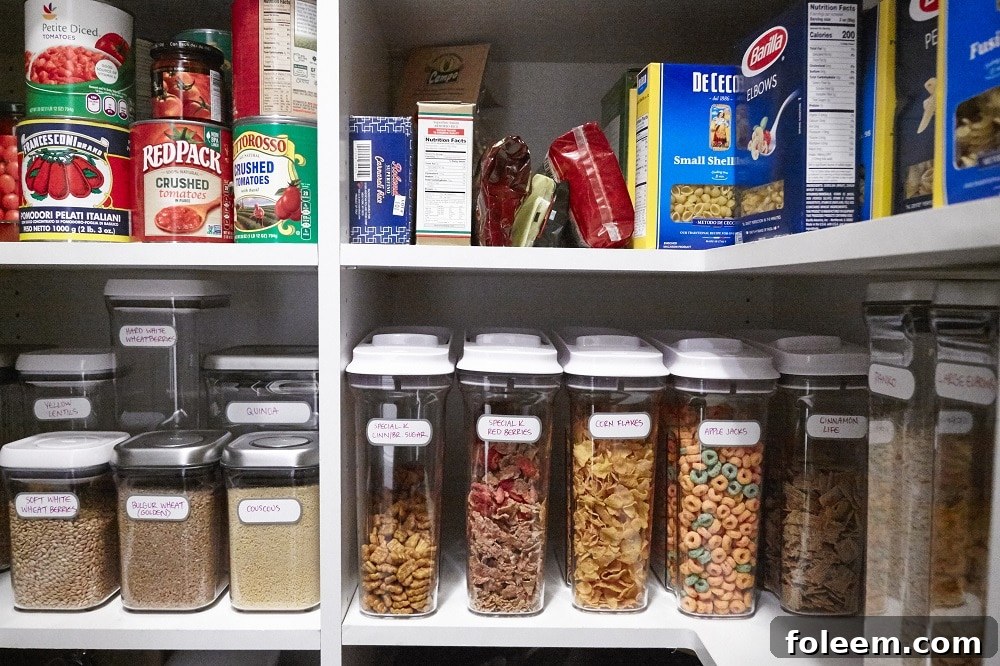
If you have storage space, buy extra of shelf-stable items when they’re on sale. Canned tomatoes, beans, pasta, broth and condiments store well and will be useful in many recipes. Buying a few extra jars or cans during a sale reduces trips to the store and lowers cost per meal in the long run.

7. Check clearance areas in your store.
Bakeries often mark down day-old pastries and bread, which are perfect for recipes like French toast or stuffing. Look for small clearance shelves or endcaps with miscellaneous markdowns — dented boxes, discontinued items, or near-expiration packages. If the contents are fine, the savings can be substantial. These finds can supply ingredients for family meals at a fraction of typical prices.
8. Check the store circular before you go.
Most stores publish weekly ads online and in print. Reviewing the circular before you shop helps you plan meals around sales and decide what to stock up on. Planning your shopping list with sales in mind reduces impulse purchases and makes it easier to buy items when they are cheapest.
Budget-Friendly Dinner Ideas
Here are a few inexpensive, crowd-pleasing dinner ideas to get you started. These recipes make use of affordable proteins, pantry staples, and versatile produce:
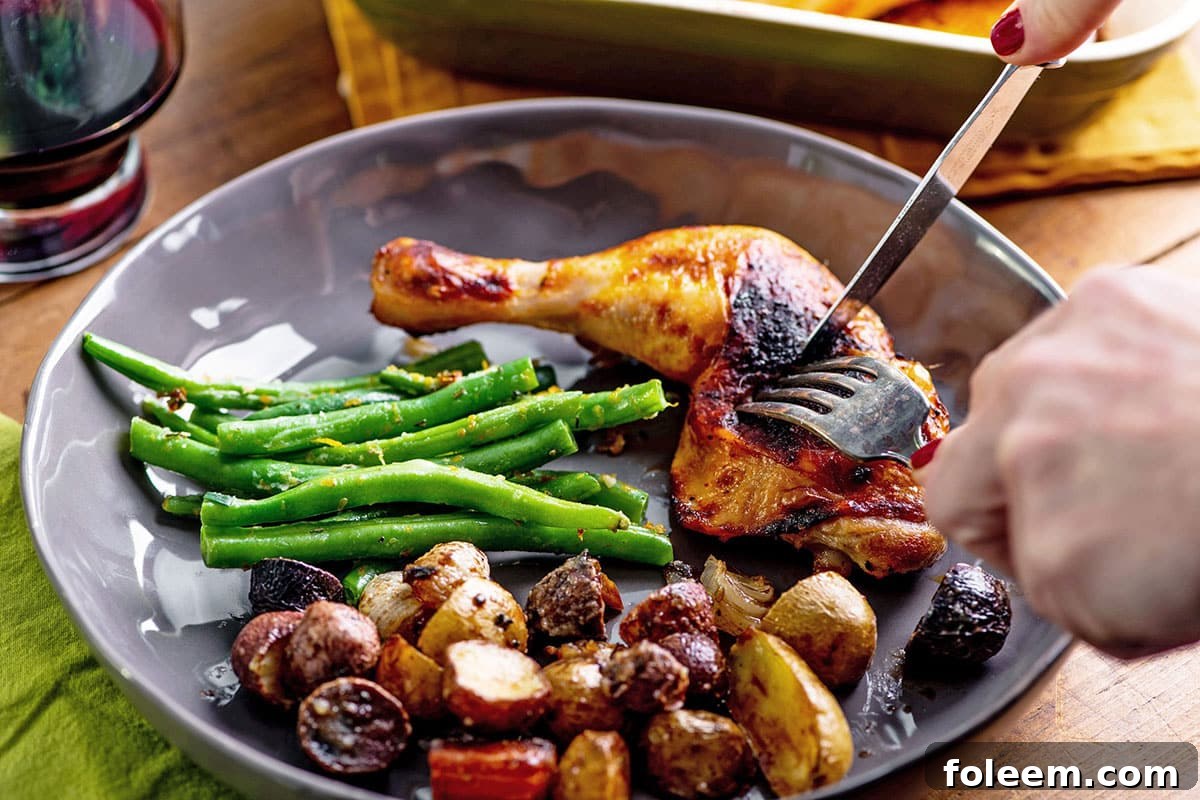
- Baked chicken legs with herbs and lemon
- Green bean niçoise-style salad
- Dijon and honey pork tenderloin
- Cheesy jambalaya and sausage bake
- Slow-cooked pork roast
Small changes—buying whole produce, choosing store brands, using your freezer, hunting clearance, and planning with the store circular—add up to big savings. With a bit of planning and a few smart habits, you can lower your grocery bill without sacrificing flavor or variety.