Cooking with Pomegranates: Recipes, Tips, and Flavor Pairings
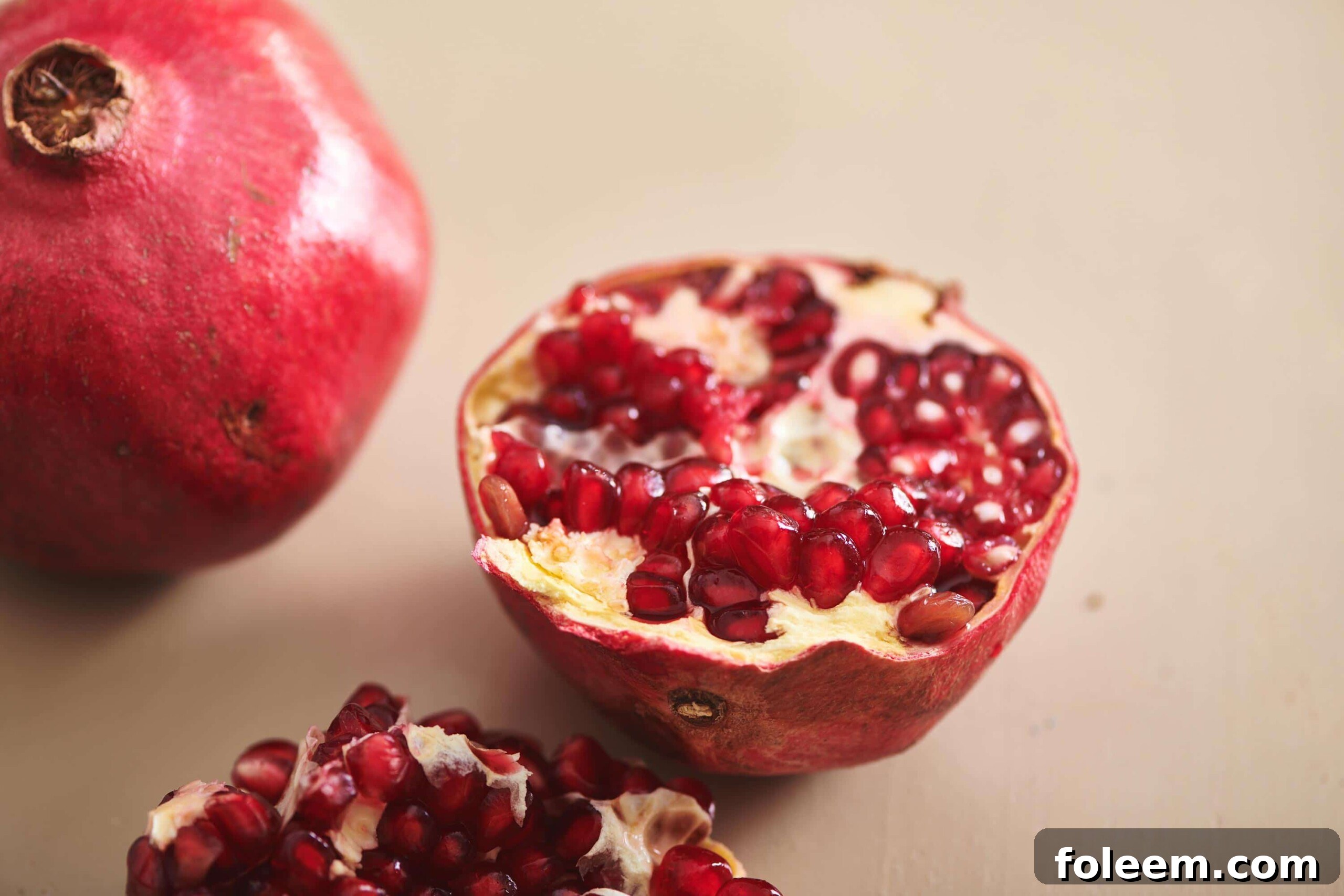
Pomegranates are unmistakable — visually striking and full of distinctive flavor. Used in both sweet and savory dishes, they feature prominently in Israeli, Middle Eastern, Mediterranean, Indian, and North African cuisines. Their juice is popular for cooking and mixing into beverages, and ready-made bottled pomegranate juice is widely available for drinking, cocktails, and mocktails.
These vibrant fruits add color, texture, and a bright sweet‑tart note to fall and winter menus. In Jewish tradition pomegranates symbolize righteousness, knowledge, and wisdom, and they are commonly enjoyed during Rosh Hashanah. You can buy whole pomegranates and remove the seeds (arils) yourself for the freshest results, or purchase the seeds already prepared in many supermarkets for convenience — though prepared arils are pricier and don’t keep as long.
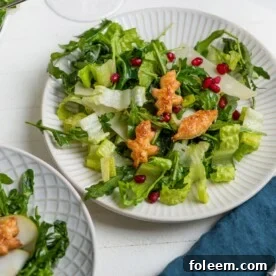
Pomegranate seeds are versatile: sprinkle them over salads, mix them into rice and grain dishes, stir them into yogurt, or scatter them on roasted vegetables and baked eggplant. They’re also wonderful in baked goods and desserts like tarts, cakes, scones, and chocolate dishes. For a festive twist, try using pomegranate in salads and drinks, such as a Pomegranate Orange Mocktail with Mint or an Arugula, Orange, and Pomegranate Salad.
- What Is a Pomegranate?
- What Do Pomegranates Look Like?
- FAQs
- Where To Find Pomegranates?
- How To Pick The Best Pomegranates
- How to Juice Pomegranate
- How To Store Pomegranates
- 8 Pomegranate Recipes
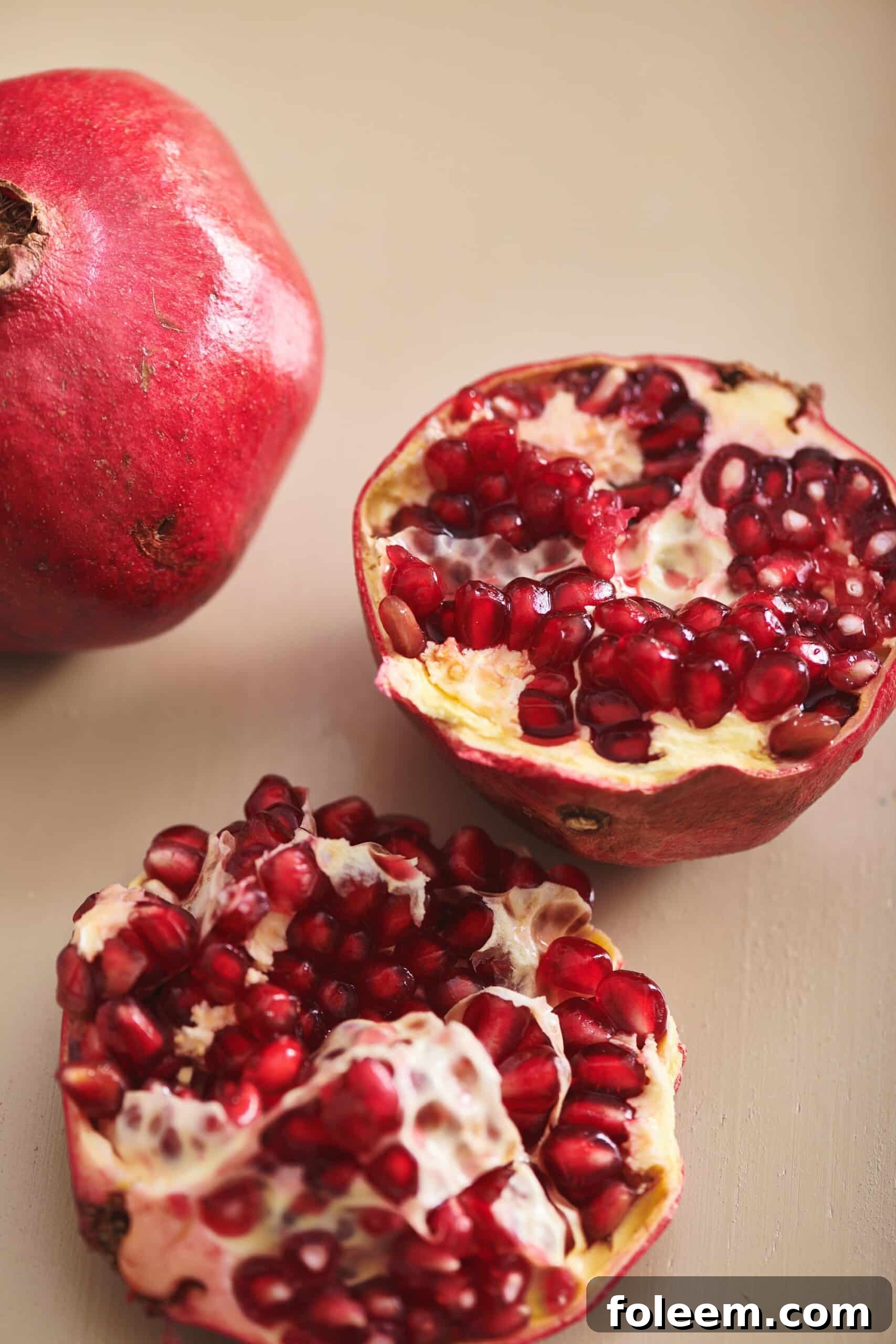
Pomegranates are a one-of-a-kind fruit. Here’s what you need to know about buying, storing, preparing, and cooking with them — plus eight recipes to try.
What Is a Pomegranate?
Pomegranates arrived in North America in the late 18th century but remain, for many, an intriguing specialty fruit. Their season is limited and preparing them takes a bit of effort, which keeps them from being an everyday staple for some households. A single pomegranate contains hundreds of juice-filled arils that must be extracted from the leathery rind — a process that can be messy if you’re not careful.
Originating in the dry regions around the Mediterranean and the Middle East, pomegranates grow on spiny shrubs with bright red flowers. Across cultures the fruit symbolizes life and fertility; in Jewish tradition it holds special holiday significance.
What Do Pomegranates Look Like?
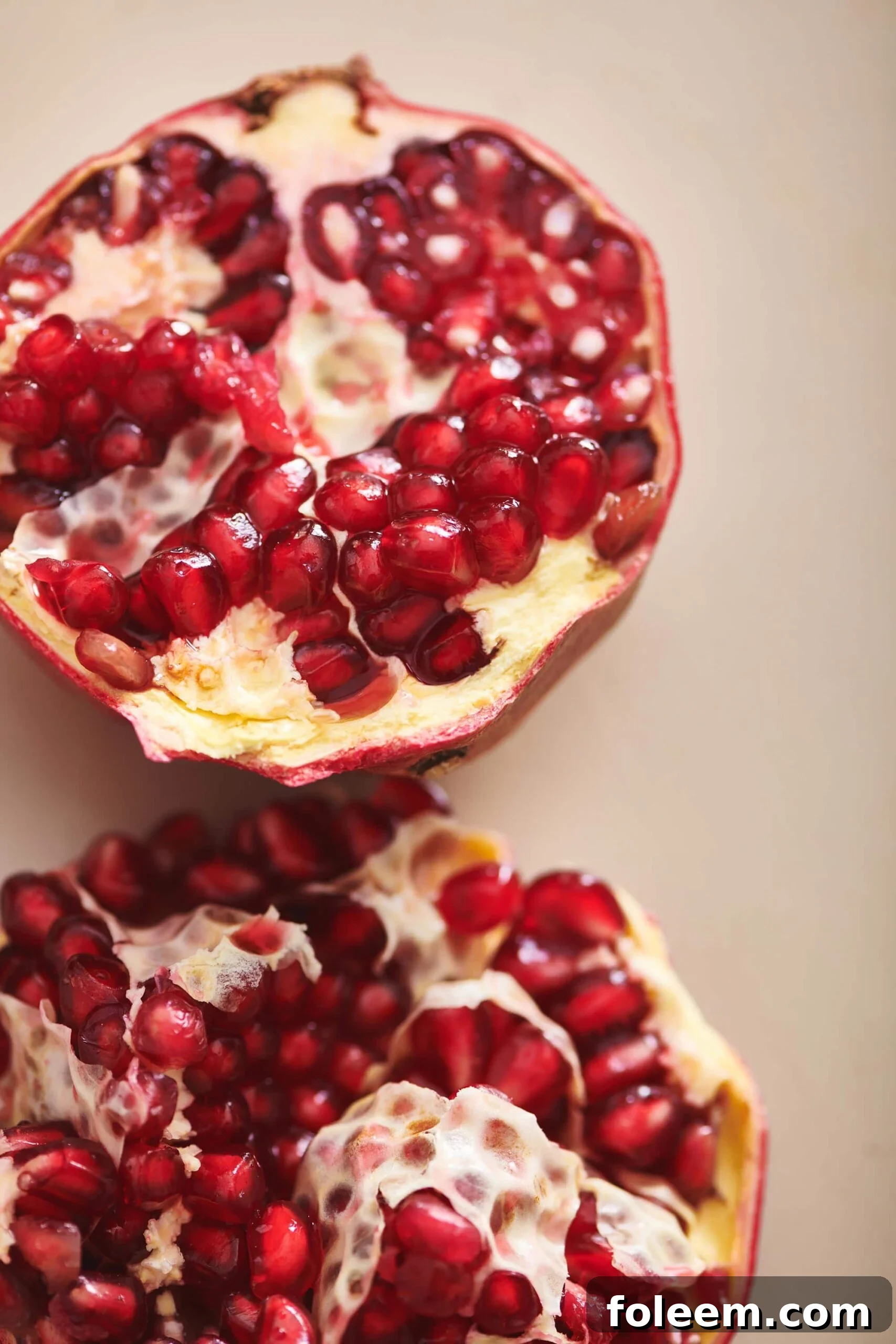
Pomegranates are round, about the size of a large navel orange, with thick, leathery skin that ranges from deep red to pale pink depending on the variety. Inside are numerous arils — small, jewel-like pods filled with red juice and a crunchy seed at the center.
FAQs
Arils and juice are sweet-tart, refreshing, and citrus-like when fully ripe. They add a bright, tangy contrast to many dishes.
Pomegranates are typically in season from late fall into early spring (roughly September through February), though exact timing depends on climate and growing conditions.
Yes. Pomegranates are rich in antioxidants and provide fiber, vitamin C, and vitamin K. They’ve been widely studied for their potential health benefits.
Where To Find Pomegranates?
When in season, whole pomegranates are usually available at major supermarkets, farmers markets, and specialty produce stores. If you live near growing regions — in the U.S., primarily California — they’re easier to find. Many stores also sell pre‑seeded arils and bottled 100% pomegranate juice year‑round.
How To Pick The Best Pomegranates
Choose fruit that is firm with glossy skin and a deep red color, though some varieties are lighter. Heavier fruit indicates juicy arils. Prefer specimens with angular sides rather than perfectly spherical shapes, and avoid those with soft spots, bruises, or brown blemishes.
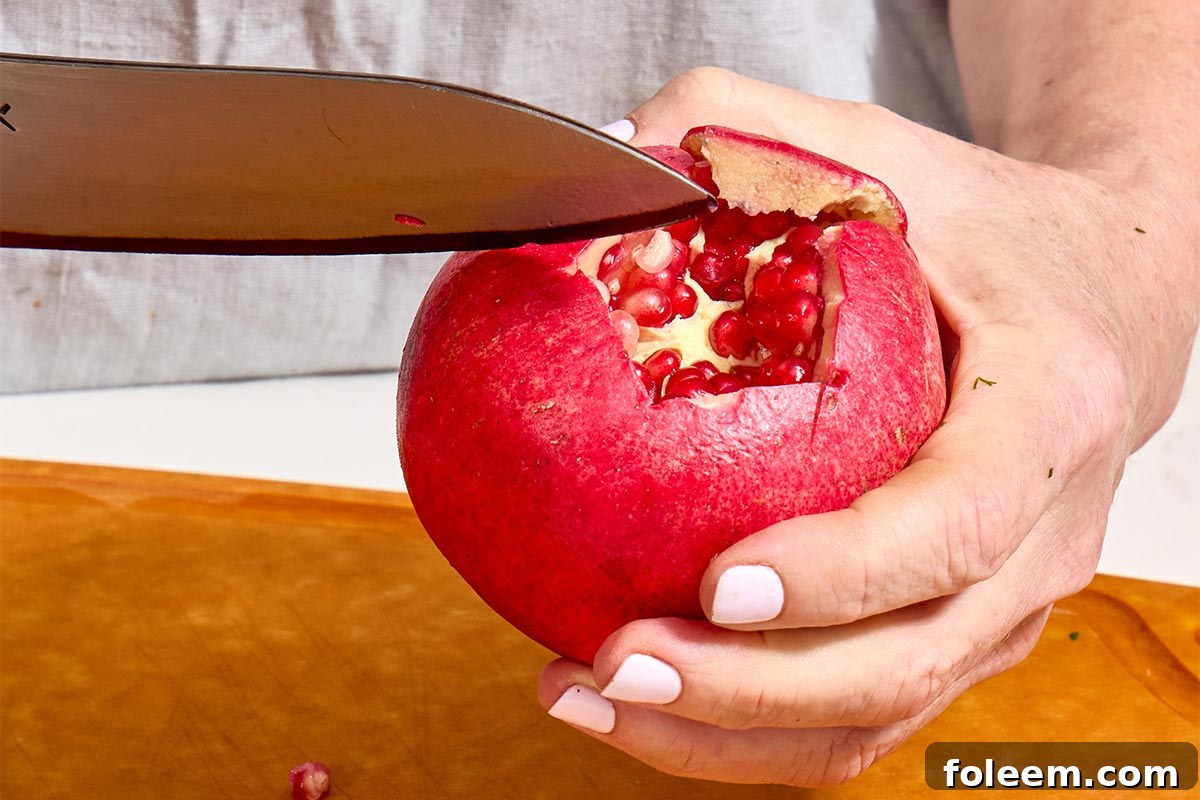
Kitchen Smarts
If you’ve never seeded a pomegranate, look for basic seeding tips to make the process clean and efficient.
If buying prepared arils, inspect them for bright color and firm texture; avoid packages with soft, brownish, or shriveled seeds.
How to Juice Pomegranate
To make fresh juice, place a cup or more of arils in a blender or food processor and pulse just enough to break the aril sacs without pulverizing the seeds. Strain the mixture through a fine colander or sieve, pressing gently with a spatula to release the juice while leaving the bitter seed bits behind. Avoid over-blending to prevent bitter flavors from the seed husks.
Many people buy 100% pomegranate juice for convenience, since it takes a lot of arils to make a single cup of juice. Pomegranate juice is excellent in cocktails, smoothies, drinks, granitas, syrups, dressings, marinades, and dessert glazes.

How To Store Pomegranates
Whole pomegranates do not continue to ripen once picked. Store them in the refrigerator for up to two weeks or on the counter for up to one week. Fresh arils keep in an airtight container in the fridge for about five days; discard any that turn brown or slimy. You can freeze arils for up to three months, and fresh juice is best consumed within a week.
8 Pomegranate Recipes
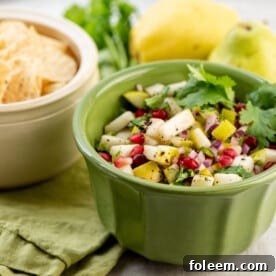
Spicy Pear and Cilantro Salsa
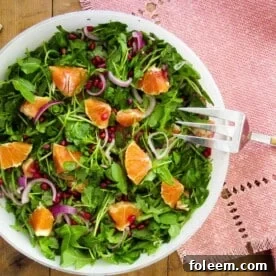
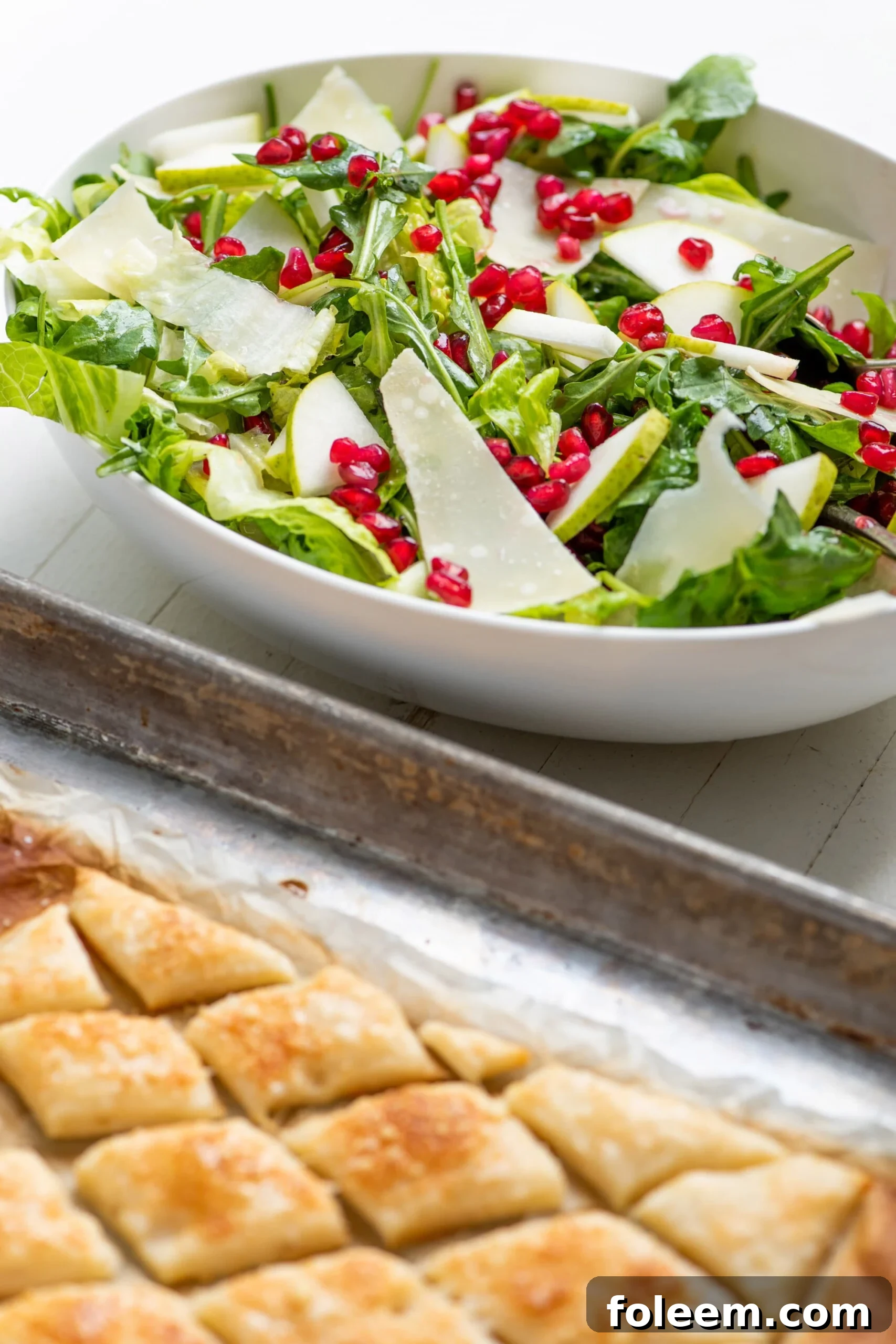
Arugula, Orange, and Pomegranate Salad

Brussels Sprouts, Apple, and Pomegranate Slaw Salad

Pomegranate Orange Mocktail with Mint

Frozen Pomegranate and Citrus Cocktail

Mixed Greens with Pomegranate Vinaigrette

Sparkling Mint Pomegranate Cocktail