Cooking with Marjoram: Flavorful Recipes and Tips for Home Cooks
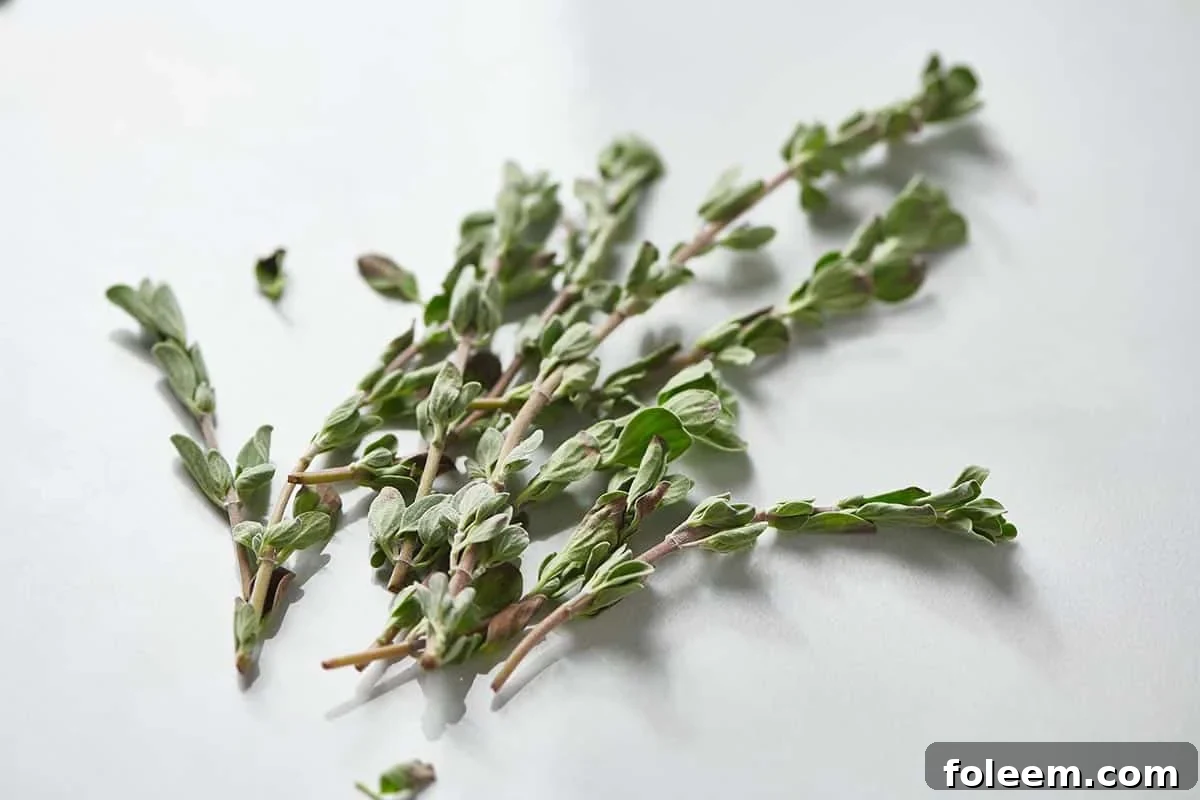
Marjoram is an aromatic perennial herb in the mint family, used to flavor and garnish soups, stews, salads, sauces, and dressings. It also makes a pleasant herbal tea. Dried marjoram is a component of classic French Herbs de Provence and of za’atar, a common Middle Eastern spice blend. Because it resembles oregano, you can often swap oregano for marjoram to give familiar recipes a milder, sweeter note.
In ancient times marjoram was associated with happiness and good fortune. Legend says the goddess Aphrodite cultivated marjoram, a sign of how highly the herb was regarded.
- What Does Marjoram Look Like?
- What Does Marjoram Taste Like?
- Substituting Dried Marjoram for Fresh Marjoram
- Marjoram Substitute
- Where to Find Marjoram
- How to Prepare and Use Marjoram
- Storage
- Recipes With Marjoram
- How to Cook With Other Fresh Herbs
- How to Prepare Marjoram Recipe
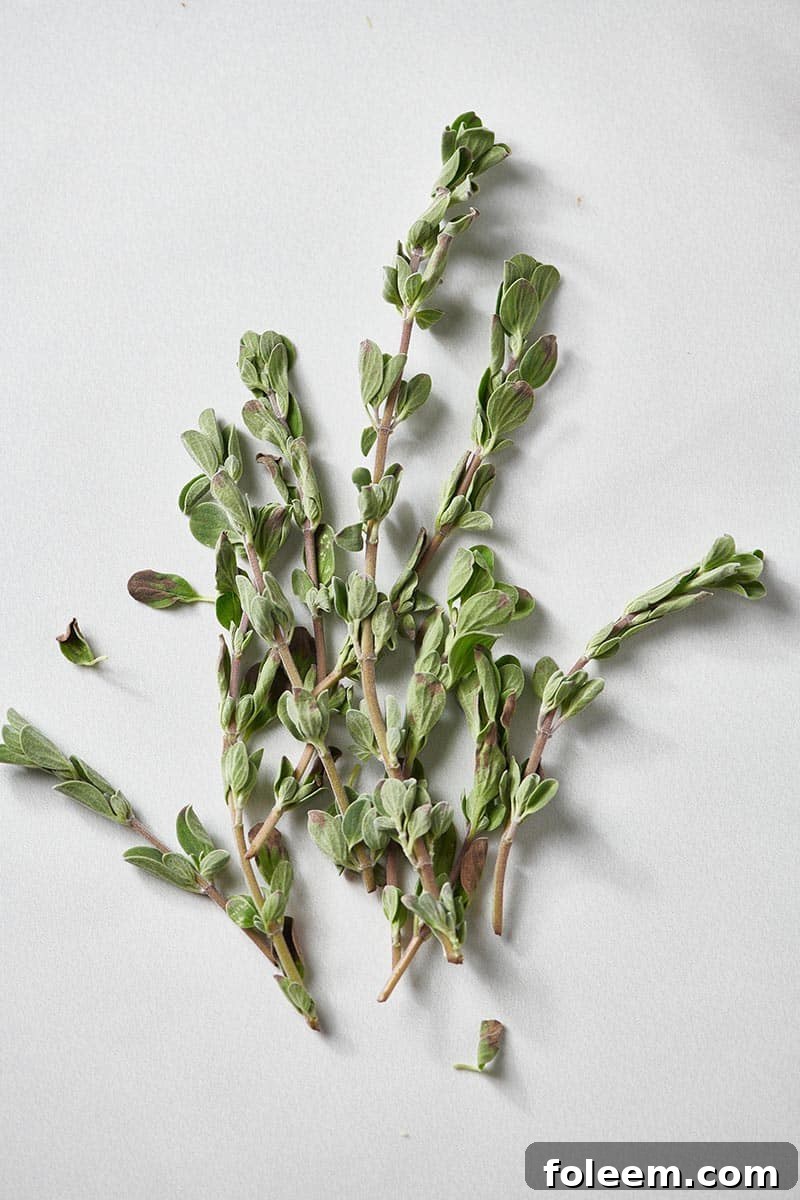
How to Cook with Marjoram: Marjoram is an aromatic, perennial herb in the mint family. Here’s everything you need to know about how to buy, store, and use marjoram.
What Does Marjoram Look Like?
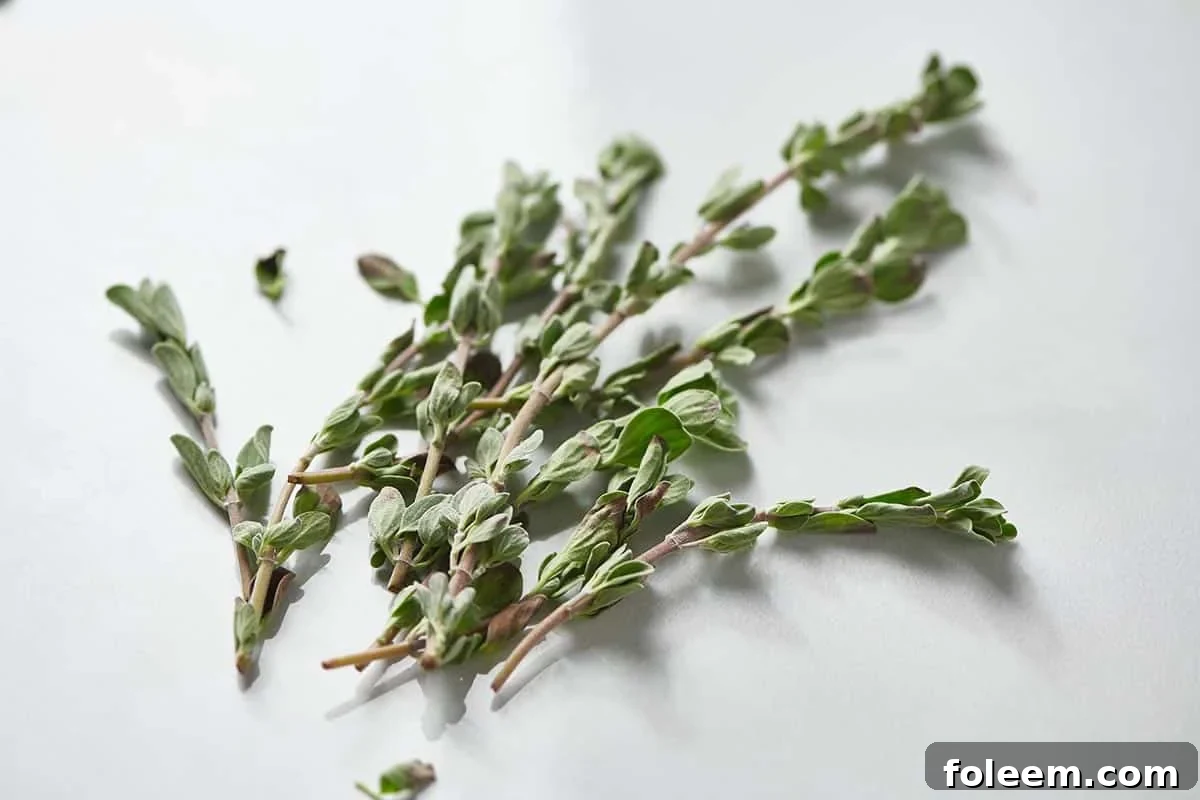
Marjoram has small, fuzzy oval leaves that form tight clusters at the tips of the stems — which is why it’s sometimes called knotted marjoram. It can be confused with oregano, a close relative; marjoram’s leaves tend to cluster near branch tips, while oregano’s leaves are more evenly spaced along the stalk. When dried, the leaves shrink further and are what you’ll find in spice jars and packets.
What Does Marjoram Taste Like?
Marjoram offers an earthy, woodsy flavor with a subtle, sweet undertone. Compared with oregano, marjoram is milder and more delicate in both fresh and dried forms, which is why it’s often called “sweet marjoram.”
Substituting Dried Marjoram for Fresh Marjoram
Dried marjoram works well as a substitute in cooked dishes. Use one part dried to three parts fresh (for example, 1 teaspoon dried for 1 tablespoon fresh). Consider how the herb is used: dried marjoram is fine in marinades, soups, and stews, but if a recipe calls for fresh marjoram as a finishing touch or in a salad, choose another fresh herb instead of dried.
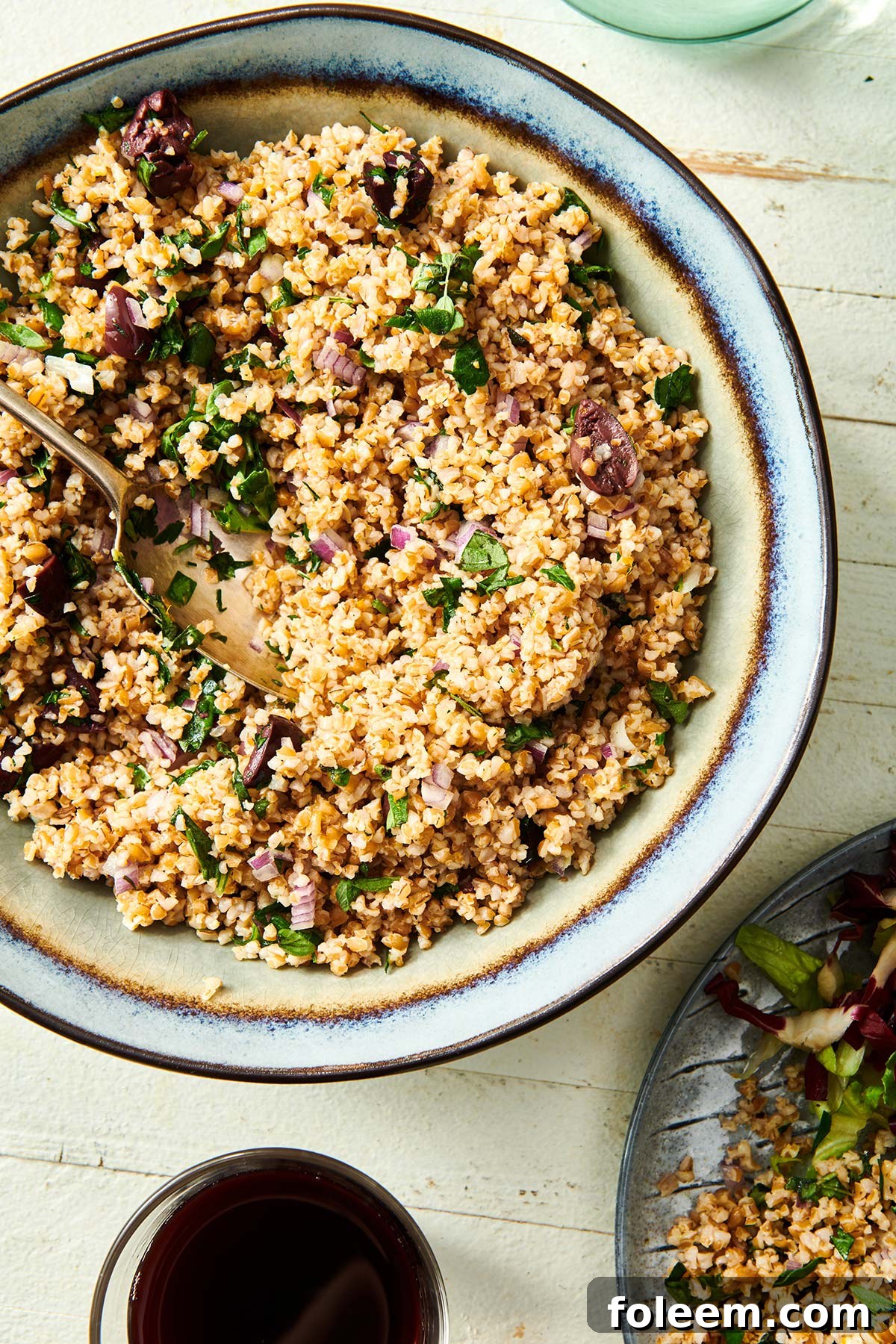
Marjoram Substitute
Oregano is the closest substitute for marjoram, whether dried or fresh. Because oregano is a bit stronger and less sweet, reduce the amount slightly when substituting. Fresh thyme and basil can also replace marjoram in many recipes, since their flavor profiles pair well with the same dishes.
Where to Find Marjoram
Fresh marjoram can sometimes be found in the produce section of supermarkets or at farmers markets during spring and summer. Buying a plant is another option — marjoram grows readily and will scent your garden while supplying fresh leaves for cooking. Dried marjoram is available on spice racks in grocery stores. Look for bright green, lively leaves and avoid bunches with browned, shriveled, or damp leaves.
How to Prepare and Use Marjoram
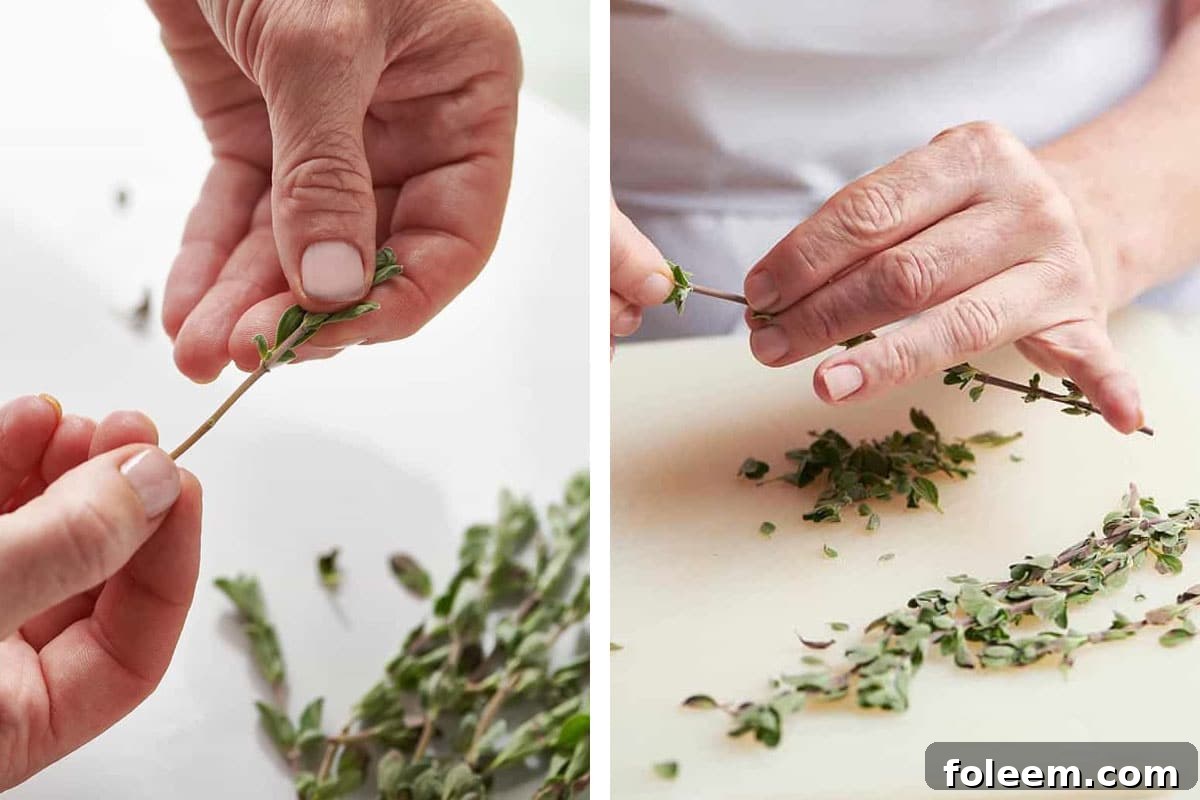
Marjoram pairs especially well with meats — lamb, veal, beef, pork, and chicken — and is equally good with vegetables and seafood. When preparing fresh marjoram, use the leaves rather than the stems. To strip the leaves, hold the top of a stem and slide your fingers down to pull the leaves off; the leaves are very small and generally don’t need chopping.
Add fresh marjoram near the end of cooking to preserve its bright flavor. If using dried marjoram, add it earlier so it has time to release its aroma and taste into the dish.
Storage
Fresh marjoram will keep at least a week if wrapped in a slightly damp paper towel and stored in a sealable bag or container in the crisper drawer. Store dried marjoram in a sealed container in a cool, dry place to preserve its flavor.
Recipes With Marjoram
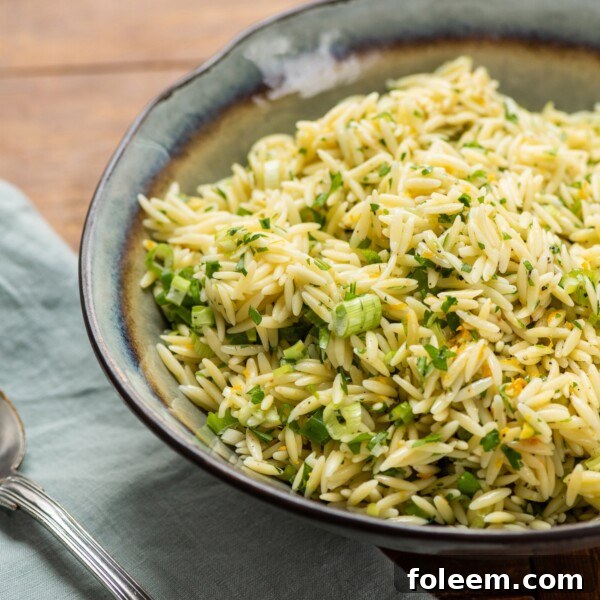
Orange and Herb Orzo
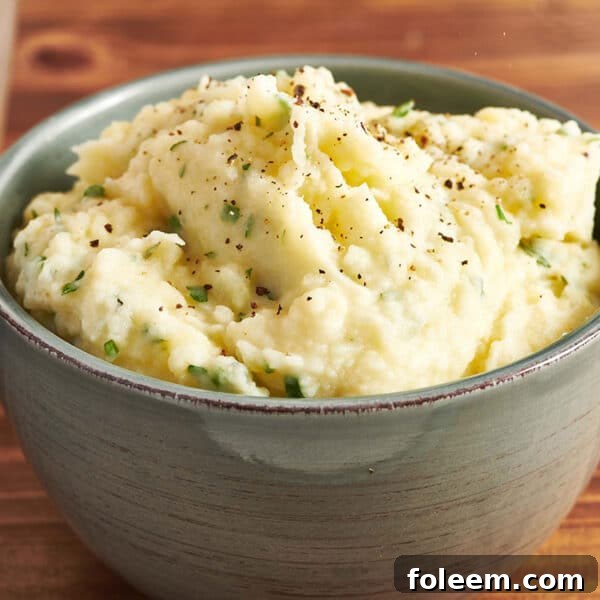
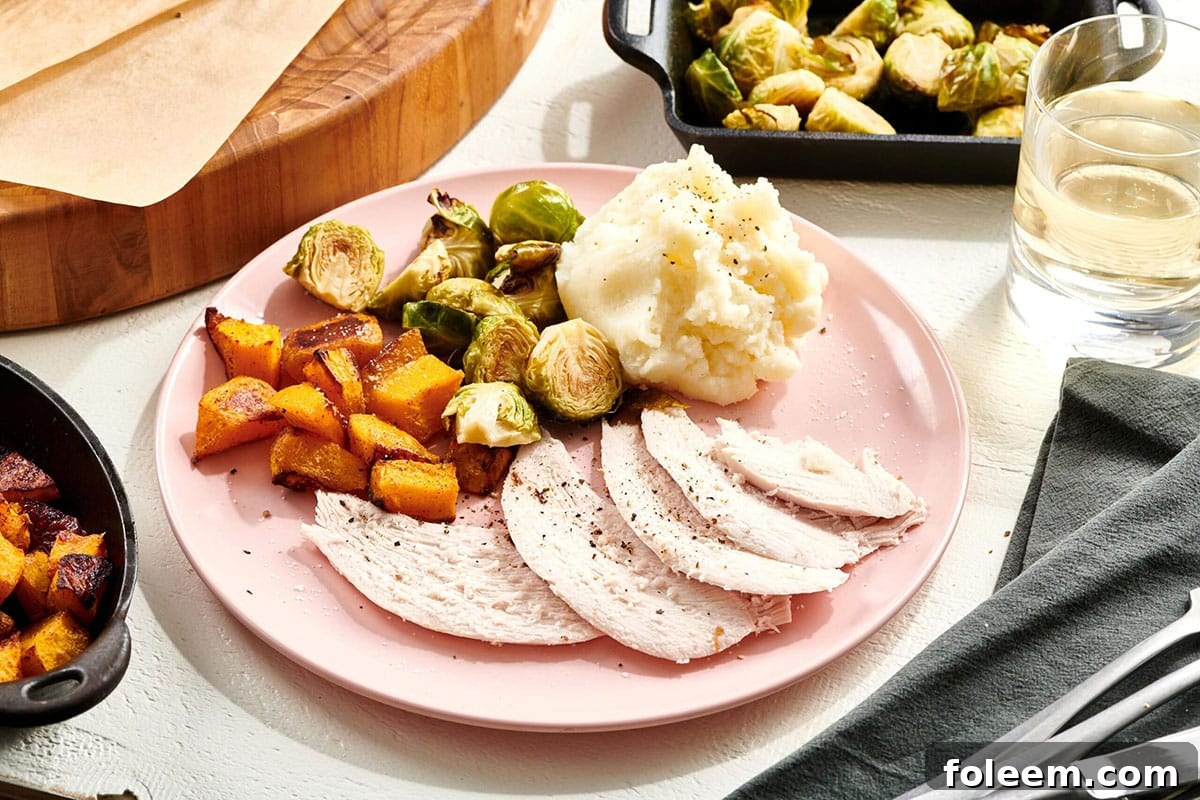
Herb Mashed Potatoes
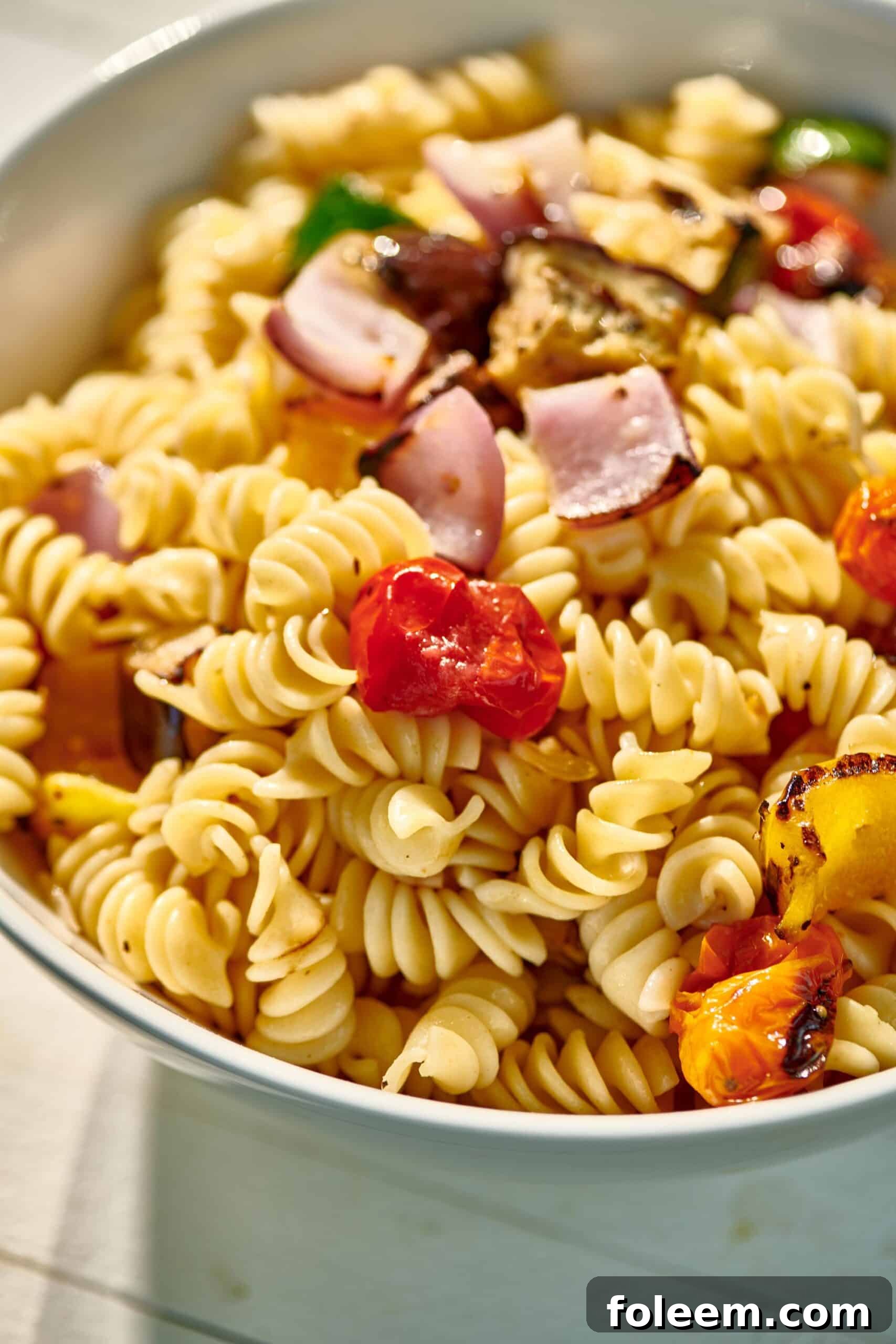
How to Cook With Other Fresh Herbs
- Oregano
- Parsley
- Thyme
- Mint
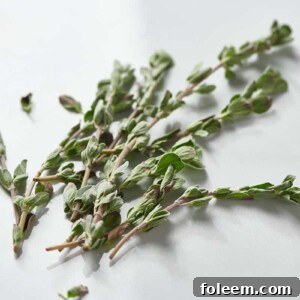
How to Prepare Marjoram
Ingredients
- 4 sprigs fresh marjoram
Instructions
- To remove the leaves from the stem, hold the top and slide your fingers down the stem to strip off the leaves.
- Fresh marjoram leaves are very small and generally do not need to be chopped.