What Bay Leaves Do in Cooking and How to Use Them Effectively
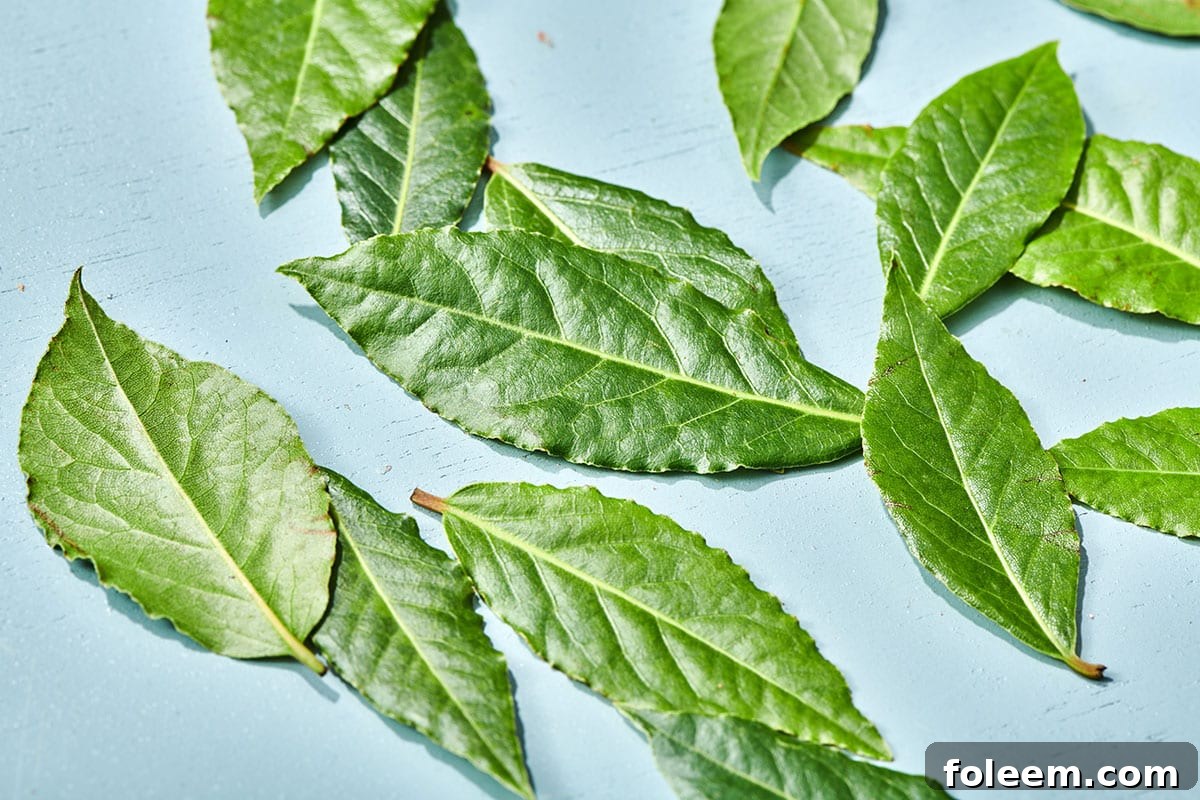
So… what do bay leaves actually do? These modest leaves are a small but powerful ingredient that quietly elevates savory cooking. Whether tucked into soups, stews, sauces, or braises, bay leaves rarely announce themselves; instead they develop and deepen flavor. Knowing what bay leaves are, how to use them, and why recipes typically call for just one or two can help you take a dish from good to memorable.
This guide explains the difference between fresh and dried bay leaves, offers practical cooking and storage tips, and suggests when to include them so they contribute maximum impact without overpowering your food.
Let’s break it down.
- What Are Bay Leaves?
- What Do Bay Leaves Do in Cooking?
- Fresh vs. Dried Bay Leaves
- How Many Bay Leaves Should You Use?
- Cooking Tips
- Storing Bay Leaves
- A Few Recipes With Bay Leaves
- More Herb and Spice Cooking Tips
What Are Bay Leaves?
Bay leaves come from the bay laurel tree, an aromatic evergreen native to the Mediterranean. Their flavor is subtle—slightly floral and herbal—and when it’s missing you’ll notice a flatness in dishes where they belong.
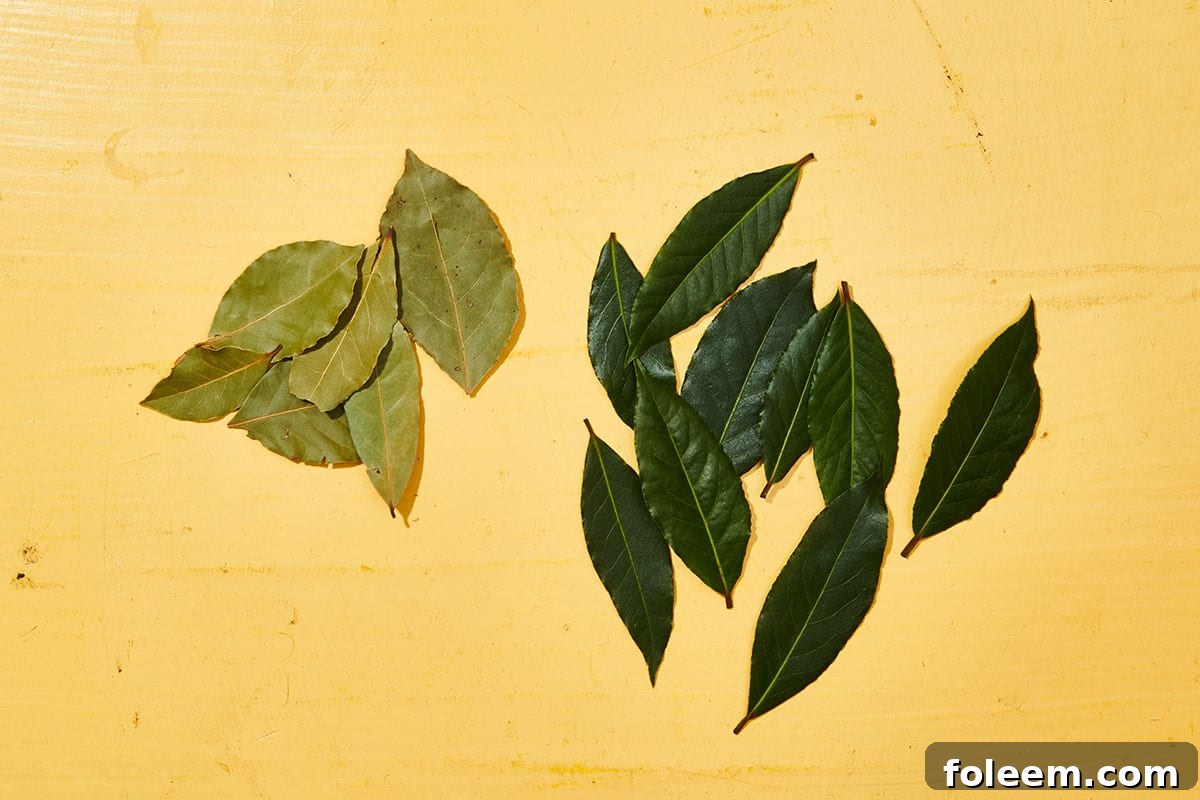
You can use bay leaves fresh or dried. Most home cooks and recipes prefer dried leaves because drying concentrates their aroma and makes them shelf-stable. Dried bay leaves are commonly sold in the herbs and spices section of grocery stores.
What Do Bay Leaves Do in Cooking?
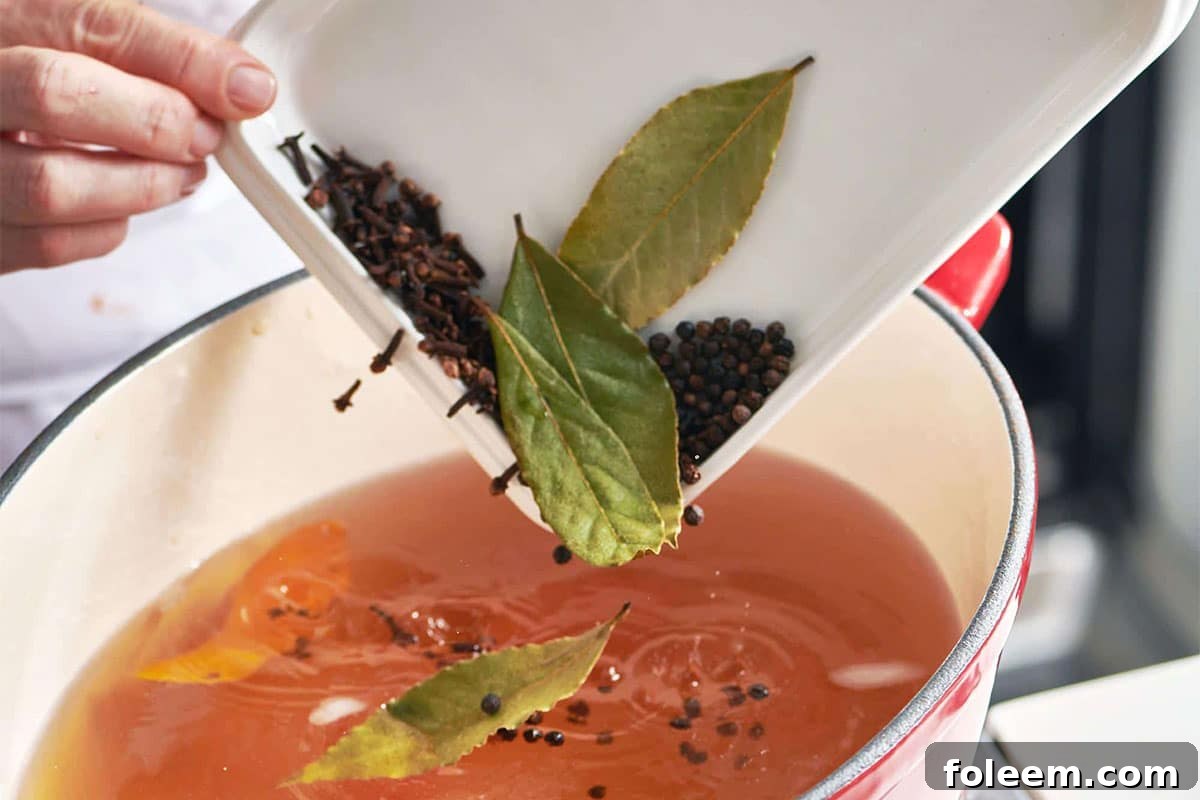
Rather than dominating a dish, bay leaves add depth and complexity. During simmering, their essential oils are released slowly, helping to soften acidity, round out richness, and introduce a warm herbal note. That background support melds other flavors together so sauces, stocks, and braises feel more cohesive and balanced.
Fresh vs. Dried Bay Leaves
- Dried Bay Leaves: The most common choice. Shelf-stable, concentrated in flavor, and easy to keep on hand. Properly stored, they retain good flavor for about a year.
- Fresh Bay Leaves: Milder and slightly greener in flavor. If you substitute fresh for dried, use about twice the amount because the flavor is less concentrated.
How Many Bay Leaves Should You Use?
Most recipes specify one or two bay leaves for a reason: the leaves are potent, and too many can introduce bitterness. Use them sparingly so they enhance the dish without drawing attention to themselves.
Cooking Tips
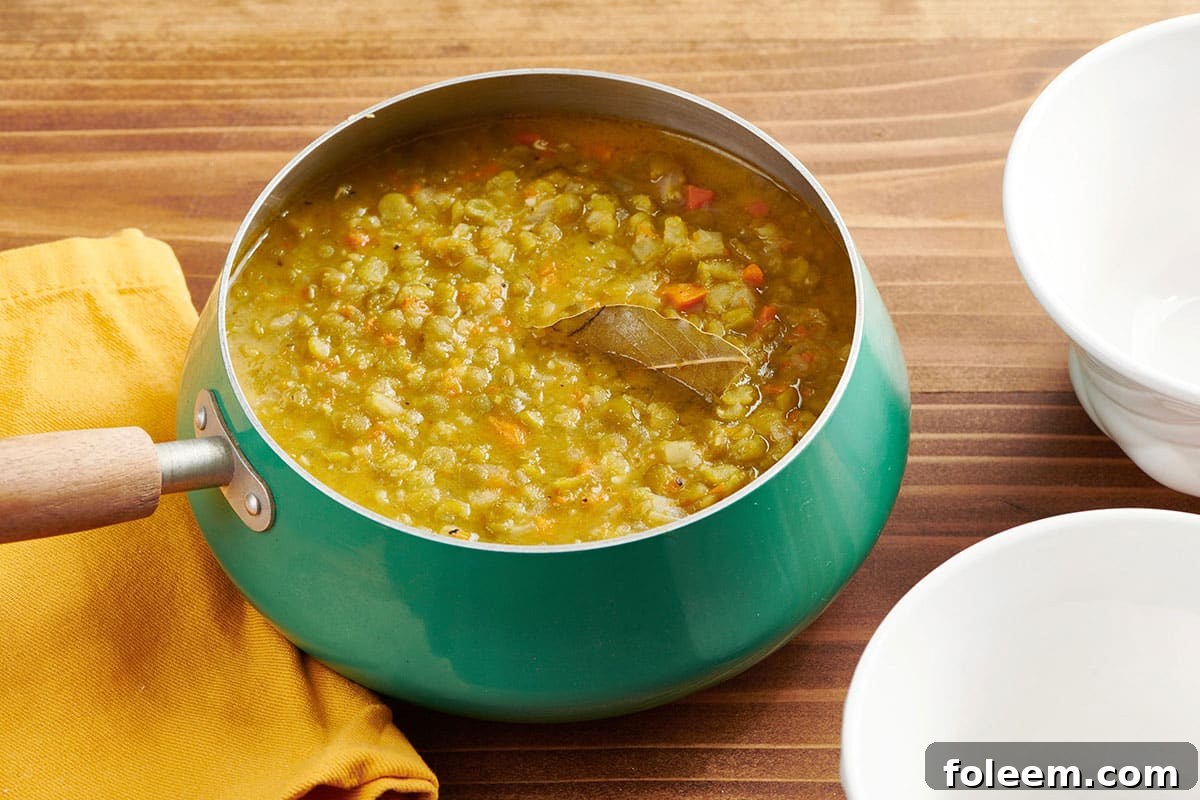
- Add bay leaves early in long-simmering dishes so their oils have time to infuse the liquids and ingredients.
- Remove before serving. Bay leaves remain tough after cooking and are unpleasant to bite into.
- They excel in slow-cooked recipes—soups, stews, tomato sauces, braises, stocks, and brines—where a subtle herbal background is desirable.
Storing Bay Leaves
- Dried: Store in an airtight container in a cool, dark place. While they can remain usable beyond a year, flavor is best within 12 months.
- Fresh: Use within a week or two in the refrigerator, or freeze to extend life. Frozen leaves will keep up to six months and can be added directly to cooked dishes.
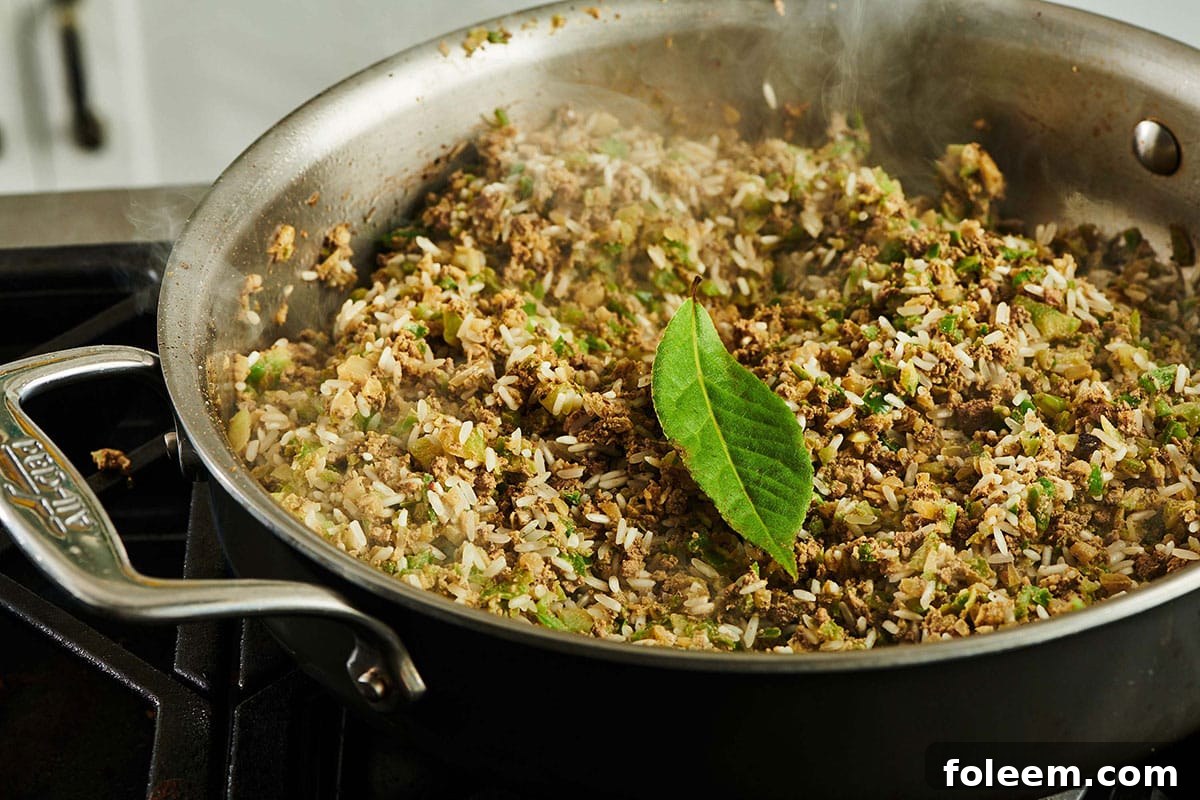
Bay leaves are the quiet MVP of the pantry. They won’t steal the spotlight, but they make many dishes taste more complete. Next time a recipe asks for a bay leaf, include it—just one or two will often make a noticeable difference.
Pin this now to find it later
Pin It
A Few Recipes With Bay Leaves
Butter Chicken (Murgh Makhani)
Turkey Posole Soup
Slow Cooker Barbacoa Beef
Creamed Peas and Pearl Onions
Chicken and Dumplings
Swedish Meatballs
More Herb and Spice Cooking Tips
- How to Cook With Rosemary
- How to Cook With Dill
- How to Cook With Marjoram
- How to Cook With Fresh Ginger