How Long to Marinate Chicken, Beef, Fish, Tofu & Vegetables

How long should you marinate chicken, pork chops, steak, vegetable skewers, or tofu? Do you need to thaw meat before marinating it? This guide answers those common questions and includes timing recommendations for tofu, seitan, and tempeh as well as a few marinade ideas to try.
These are general marinating guidelines — always follow specific recipe instructions when provided. The required marinating time depends mostly on the protein: bone-in chicken needs longer than boneless pieces, for example. Marinades are an easy way to add flavor or tenderize food, and they work great for meal prep and make-ahead dishes. Below you’ll find practical timing advice and safety tips for the most common ingredients.
- Why Marinades Are So Great
- Tips for Marinating Success
- Can You Use a Marinade as a Sauce?
- Can You Reuse a Marinade?
- How Long to Marinate Chicken
- How Long to Marinate Beef and Pork
- How Long to Marinate Fish and Seafood
- How Long to Marinate Soy Products
- How Long to Marinate Vegetables
- FAQs
- What to Serve With Marinated Main Dishes
- 5 Marinade Recipes to Try

Why Marinades Are So Great
Marinades transform ordinary proteins and vegetables quickly and easily. They add flavor and, in many cases, help tenderize. Keep in mind that acidic ingredients like citrus or vinegar can start to “cook” or break down delicate proteins if left too long, which can produce a mushy texture.
Marinades mainly flavor the surface of the food rather than penetrating deeply. That’s why thin cuts and delicate fillets often respond well to short marinades, while dense or very thick cuts see less benefit from long soaks.
Tips for Marinating Success
- Thinner, less dense foods require less time in the marinade.
- More acidic marinades (citrus, vinegar) need shorter marinating times.
- Unless marinating for 30 minutes or less or working with vegetables, always marinate in the refrigerator.
- Use glass, ceramic, or food-safe plastic containers; avoid aluminum, which can react with acidic marinades and affect flavor and safety.
How long to marinate chicken, steak, fish, shrimp, pork, tofu, and vegetables — a clear breakdown of timing and tips.
Can You Use a Marinade as a Sauce?
If you plan to use some marinade as a sauce, reserve a portion before adding raw protein. Do not reuse or serve a marinade that has been in contact with raw meat, poultry, or seafood unless you boil it first. If basting, stop well before the end of cooking so any raw juices have time to cook off.

Can You Reuse a Marinade?
A marinade used on raw meat, poultry, or seafood should not be reused unless it is boiled to a rolling boil and reaches at least 165°F, which kills harmful bacteria. Boiling can change flavor and may cause high-sugar blends to burn, so consider making a fresh batch or reserving a portion before marinating.
How Long to Marinate Chicken

Marinating times for chicken vary by cut and whether bones are present:
- Whole chicken: 4 to 12 hours
- Bone-in pieces (thighs, drumsticks): 2 to 6 hours
- Boneless pieces (breasts, cutlets): 30 minutes to 2 hours
How Long to Marinate Beef and Pork
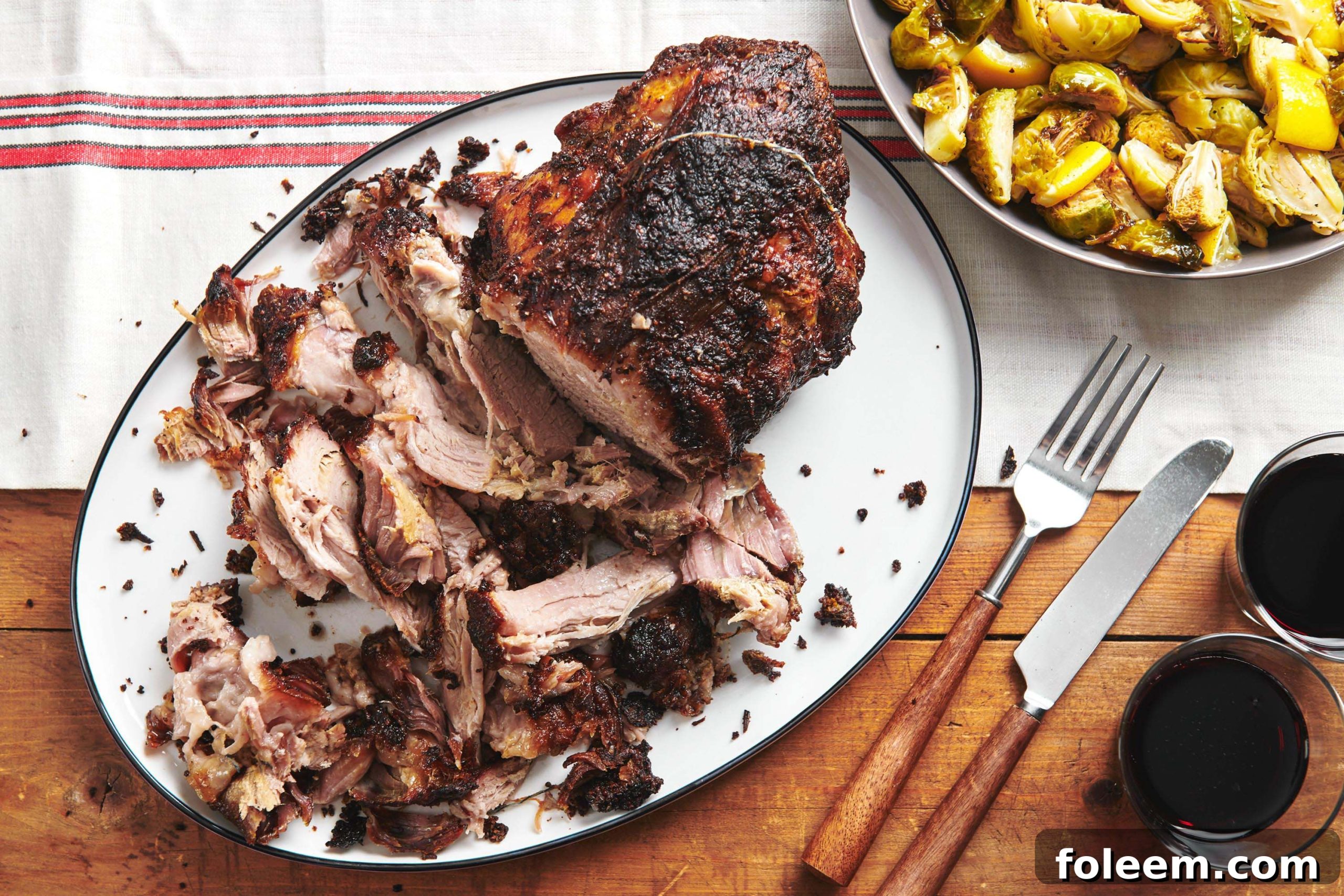
Recommended marinating times for common beef and pork cuts:
- Large roasts (chuck roast, pork shoulder): 2 to 8 hours
- Tougher, thicker steaks (strip, London broil): 1 to 2 hours
- More tender cuts (sirloin, skirt, flank, pork chops): 30 minutes to 1 hour
How Long to Marinate Fish and Seafood
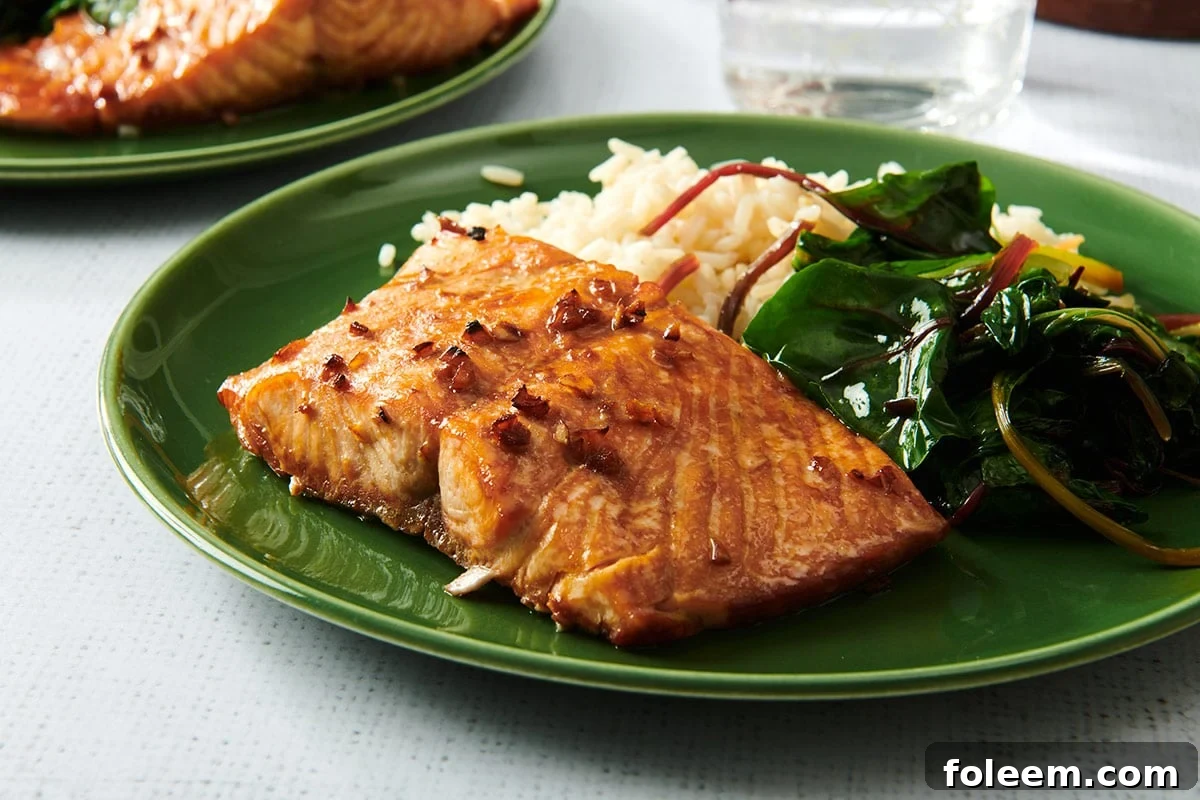
Fish and shellfish are delicate and require only short marinating times:
- Fillets, scallops, shrimp: 15 to 20 minutes
- Whole fish or thick fish steaks: about 30 minutes
How Long to Marinate Soy Products

Timings for tofu, seitan, and tempeh:
- Tofu: 30 minutes to 1 hour
- Seitan and tempeh: 1 to 6 hours
How Long to Marinate Vegetables

Vegetables benefit from marinating but rarely need long soaks:
- Dense vegetables (carrots, squash, potatoes): 1 to 2 hours
- Softer vegetables (broccoli, zucchini, tomatoes): 30 minutes to 1 hour
For safe cooking, consult FoodSafety.gov for minimum safe internal temperatures for various meats.
FAQs
Yes — always marinate meat in the refrigerator, never at room temperature.
A whole chicken can marinate up to 12 hours in the fridge. Bone-in pieces should be limited to around 6 hours, and boneless cuts to about 2 hours.
“Marinate” is the verb meaning to soak food in a flavored liquid. “Marinade” is the noun for that flavored liquid — essentially the sauce used to marinate.
It depends on the ingredient. Tender items like fish fillets, shrimp, and boneless chicken can benefit from a 30-minute marinade. Tougher cuts need longer for the marinade to affect texture and flavor.
What to Serve With Marinated Main Dishes

Best Garlic Bread Ever

Tomato Scallion Rice

How to Make Perfect Mashed Potatoes
5 Marinade Recipes to Try
Here are a few versatile marinades to get you started — quick, flavorful, and suitable for a range of proteins and vegetables.

Lemon Garlic Chicken Marinade

Ginger, Mint, and Lime Marinade

Indian Curry Yogurt Marinade

Spicy Sesame Asian Marinade