Safely Thaw Frozen Meat: Methods, Times, and Food Safety Tips
Thawing frozen meat can feel worrisome — nobody wants to risk foodborne illness. Freezing meat, however, is a practical way to save money, take advantage of sales, and reduce shopping trips. Below are safe, efficient methods for defrosting all types and cuts of meat so you can plan and prepare with confidence.
Choose a defrosting method based on the size and cut of meat and how much time you have. A large pork shoulder for pulled pork needs far more refrigerator thawing time than a top sirloin steak you want to grill. Ground beef for a quick skillet meal thaws faster still. Plan ahead when possible.
- The Best Ways to Defrost Meat
- Thawing Frozen Meat in the Refrigerator
- Quickly Thawing Meat in Cold Water
- How to Defrost Meat in a Microwave
- How to Cook Frozen Meat
- FAQs
- More Safe Defrosting Advice!
The Best Ways to Defrost Meat
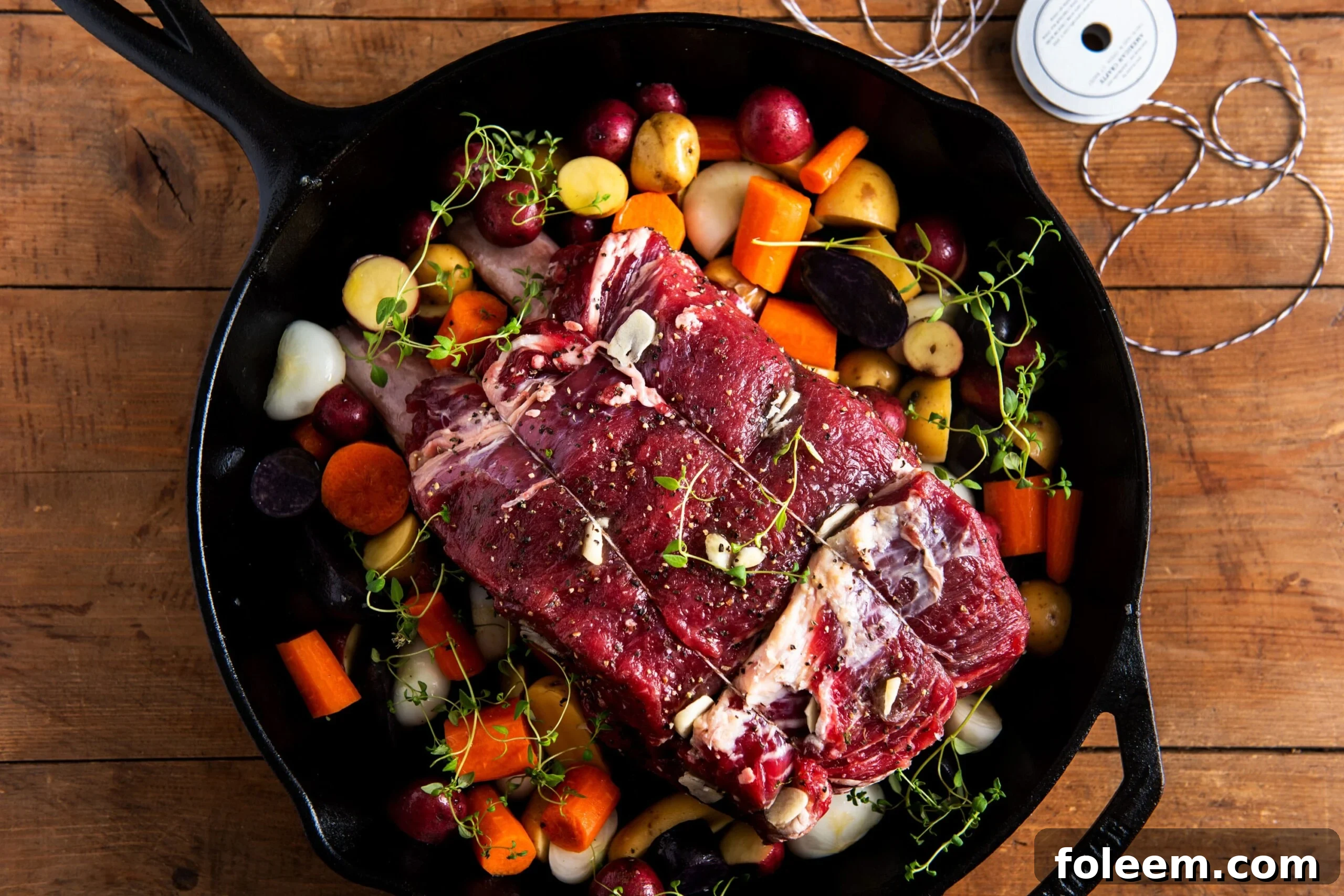
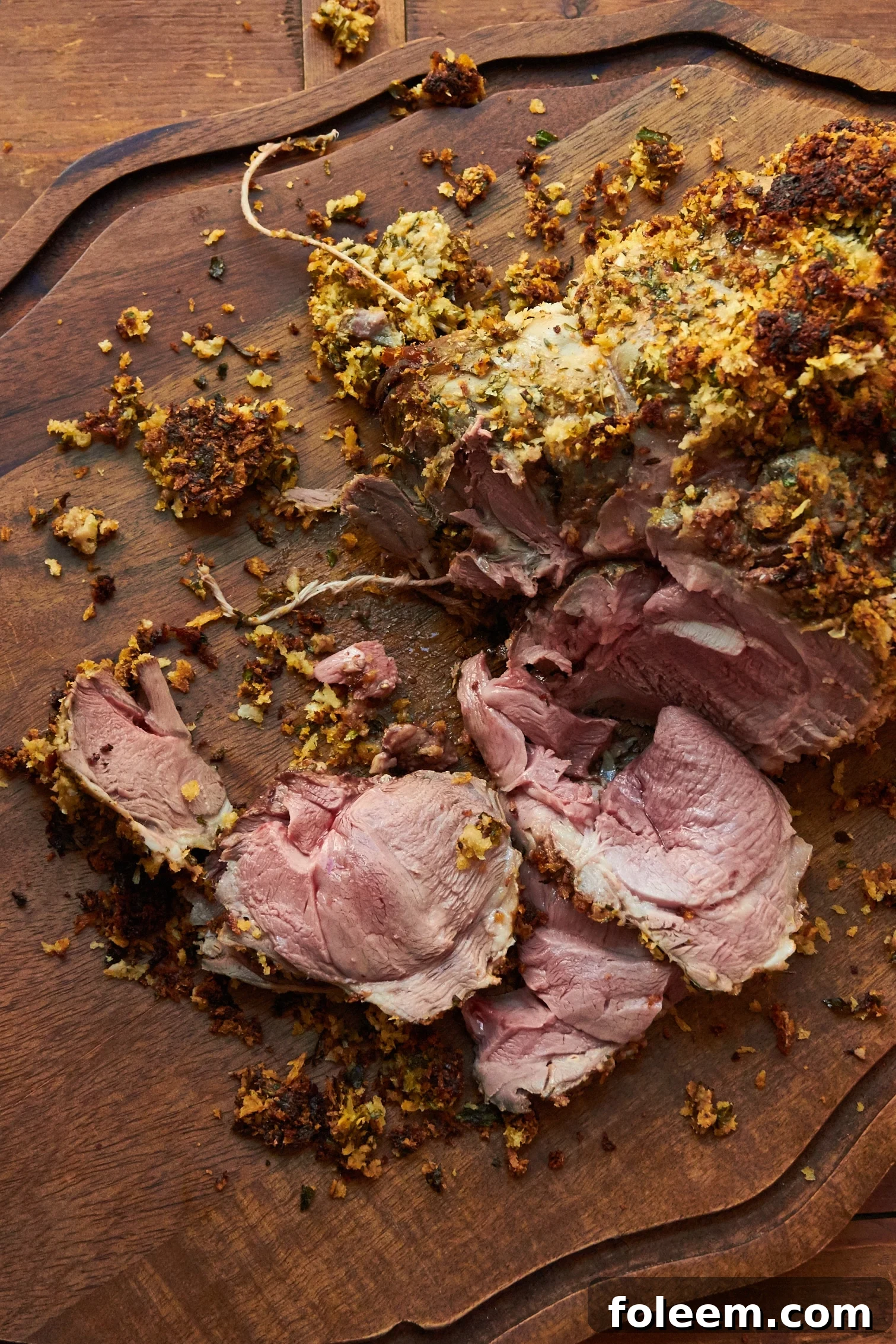
Large cuts are best thawed in the refrigerator to avoid partially cooking the exterior or uneven thawing. Microwaving larger roasts risks cooking the edges before the center is thawed. Smaller or thinner cuts — flank steak, pork chops, or individual portions — respond well to cold-water thawing or the microwave when you need speed.
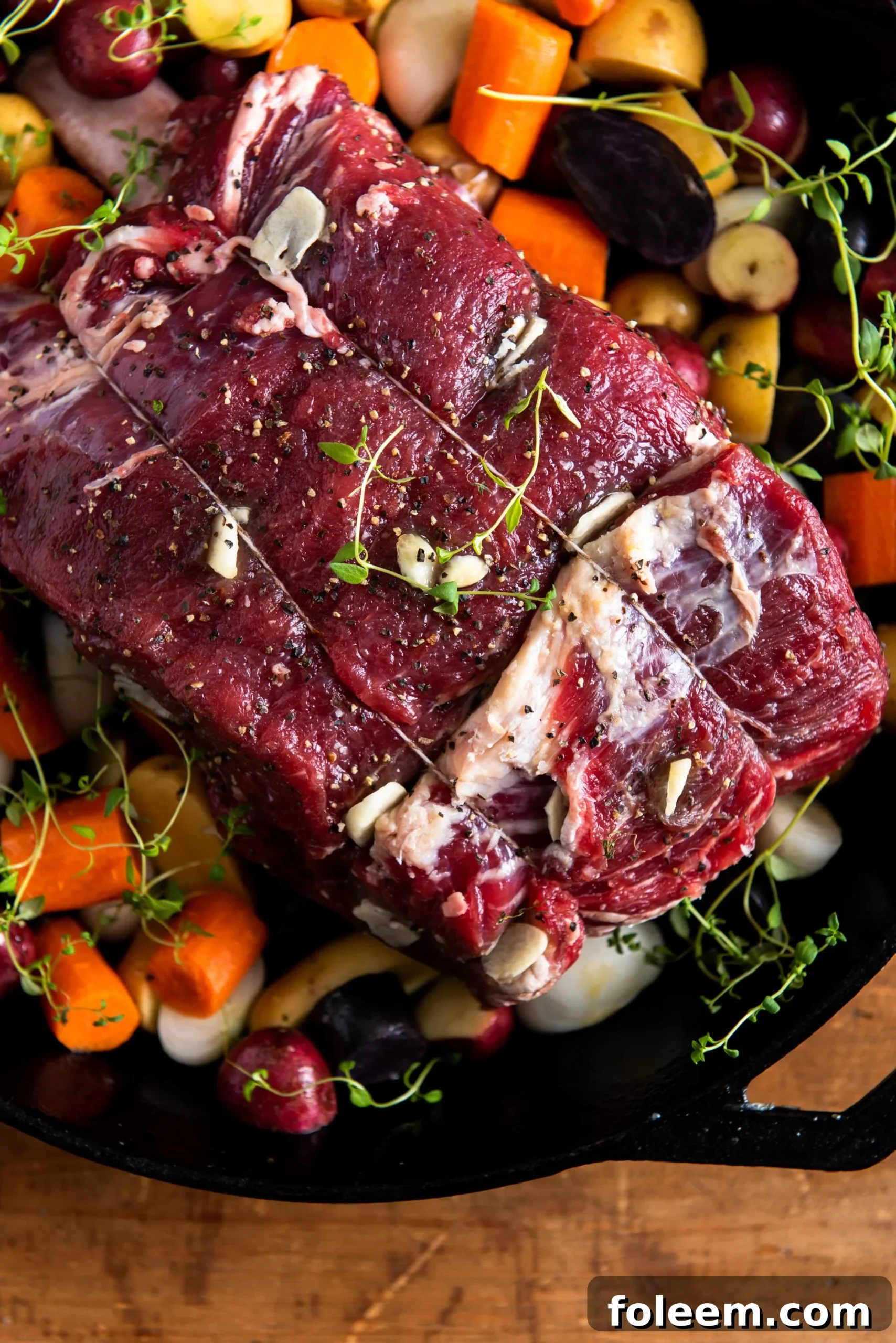
All the methods you need to know for defrosting frozen meat safely, from chops to ground beef to roasts.
Thawing Frozen Meat in the Refrigerator
The refrigerator method is the safest and most reliable. It requires minimal monitoring but needs planning because it can take a long time for large cuts to thaw completely.
Examples: a single-layer package of lamb chops or ground beef may thaw in about a day. A 4-pound roast or a large multi-steak package could take two days. Very large pieces — a pork shoulder or big roast — may take three days. Once thawed, most cuts can stay refrigerated for an additional day or two if they were frozen fresh; ground meat should be cooked within 24 hours.
Quickly Thawing Meat in Cold Water
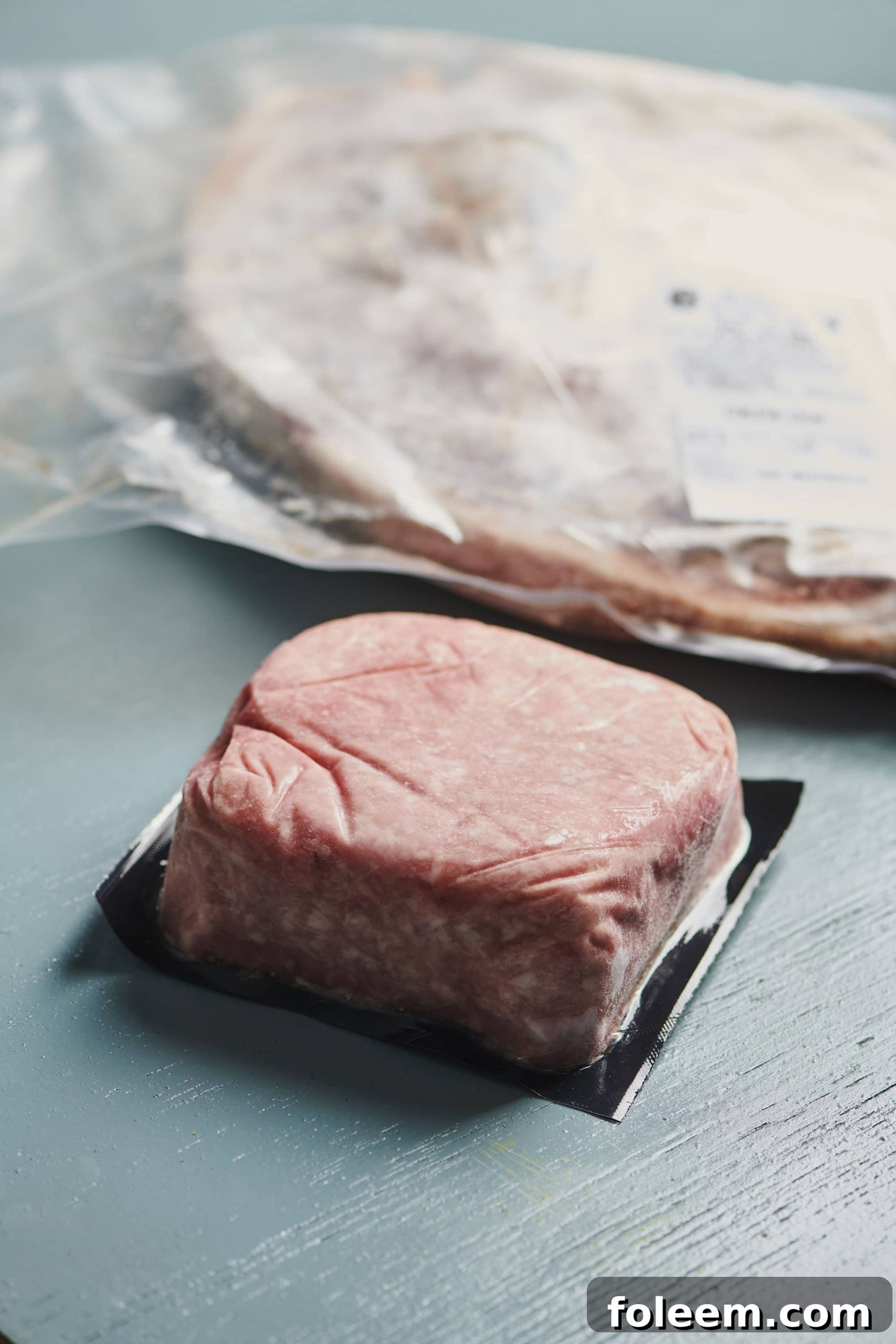
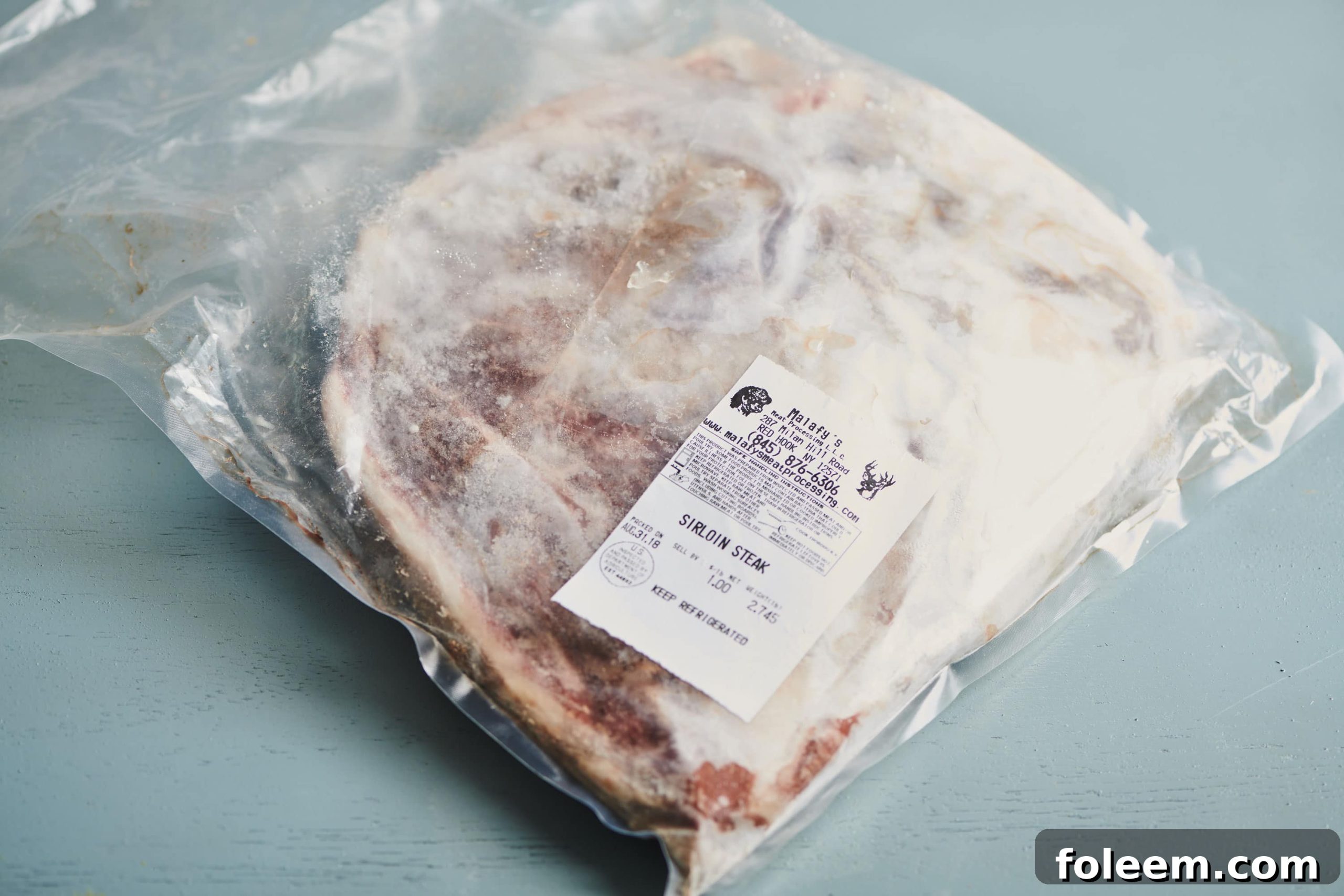
Cold-water thawing is the fastest safe method when you need meat thawed quickly. Keep meat sealed tightly in vacuum-sealed packaging or sturdy freezer-proof zipper bags, and submerge the bag in cold water. Change the water every 30–45 minutes to maintain a cold temperature and ensure even thawing.
After thawing by cold water, cook the meat within a day. Do not refreeze meat thawed in this manner without cooking it first.
Never use hot or warm water. Warm temperatures can encourage bacterial growth and will begin to cook the surface while the interior remains frozen.
How Long Does Thawing Meat in Water Take?
Times vary by thickness and cut. Remember to keep the water cold and refresh it as needed.
- A pound of ground meat: 1–2 hours.
- A steak about 1 inch thick: 1–2 hours; thicker steaks may take longer.
- Small roasts: about 3 hours.
- Larger roasts are better thawed in the refrigerator.
- If multiple items are frozen together, separate them once they are flexible enough, then reseal and continue thawing to speed the process.
How to Defrost Meat in a Microwave
Many microwaves include defrost settings designed to thaw meat gently. Check your microwave’s manual for recommended settings and times for different cuts to minimize partial cooking.
If your microwave lacks specific guidance, follow these steps:
- Place the meat on a microwave-safe plate or in a microwave-safe bag and select the defrost setting. Monitor closely and check every few minutes.
- If the microwave does not rotate, turn the plate frequently. If thawing several pieces at once, rearrange them during the cycle so outer pieces do not overheat while the center remains frozen. Remove pieces as they become thawed.
- Microwave-thawed meat often begins to cook on thin edges even while the center is still icy. Meat thawed in the microwave should be cooked immediately and not returned to refrigerator storage raw.
How to Cook Frozen Meat
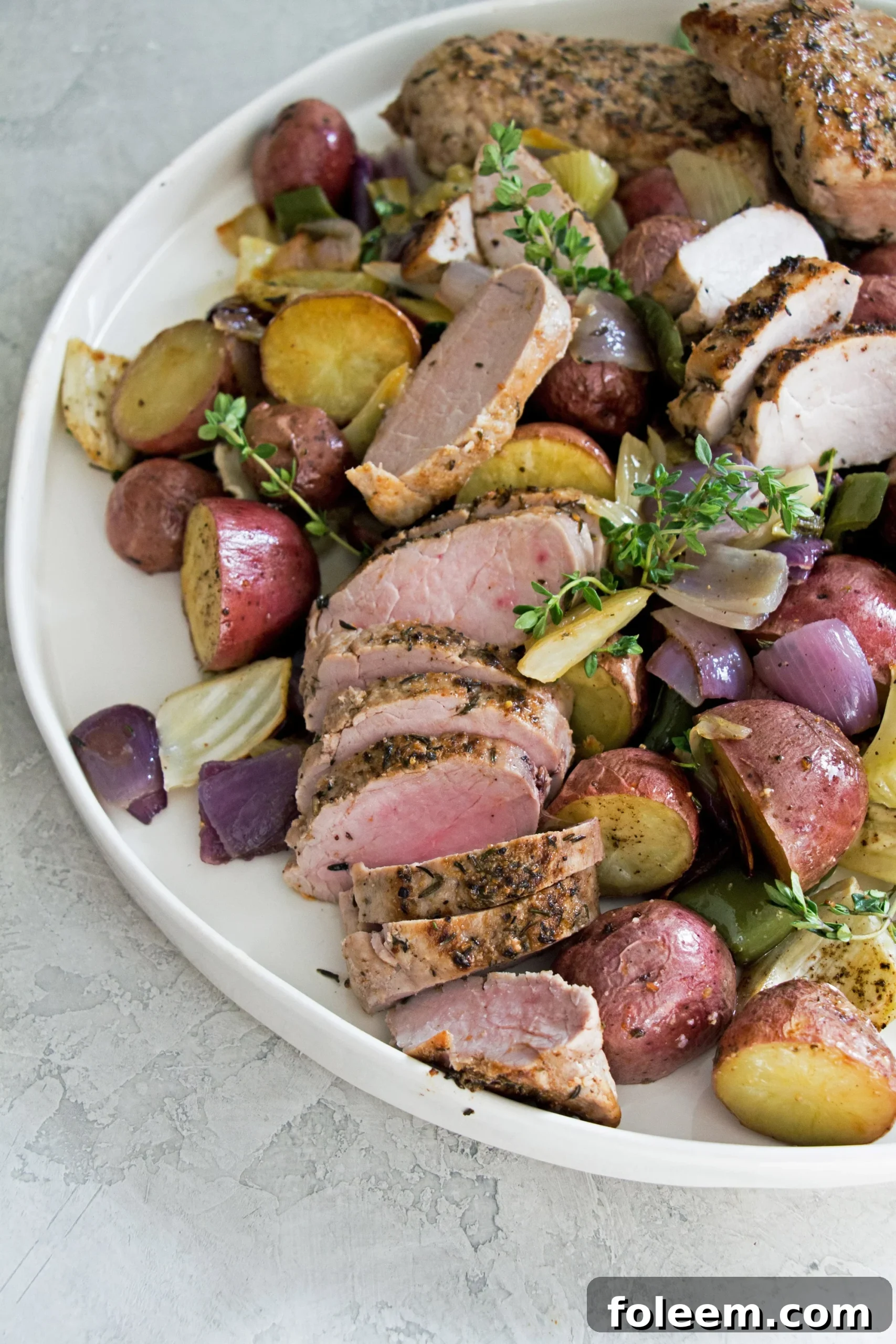
Cooking from frozen is possible for many cuts, but it changes timing and sometimes texture. As a general rule, allow roughly 50% more cooking time than the recipe indicates for thawed meat.
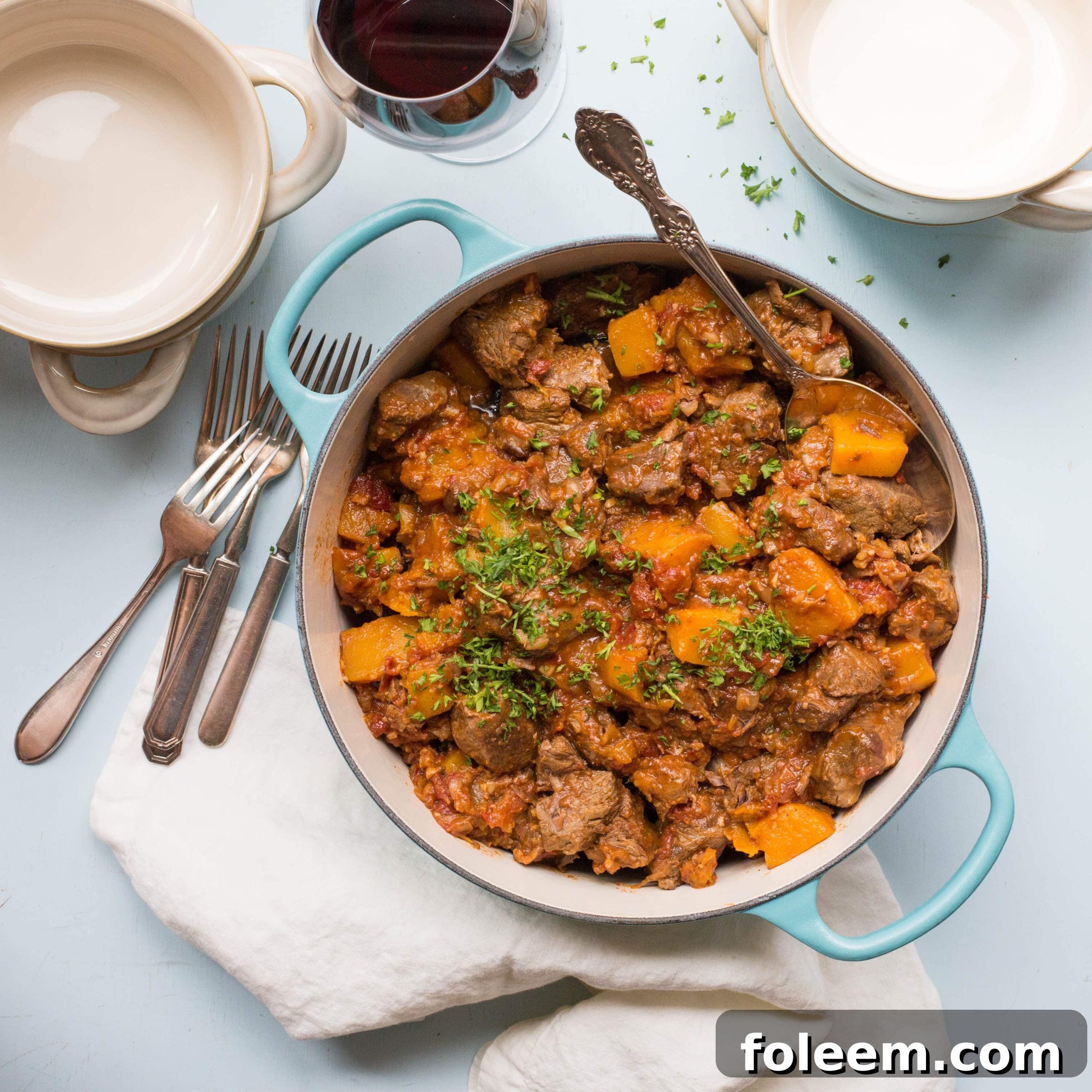
Small or thin cuts and dishes that use slow, moist heat are best for cooking from frozen: stew cubes, sliced meat, slow-cooked braises, soups, and stews maintain better texture when cooked slowly. Fast, dry-heat methods (searing, sautéing, or roasting) may produce uneven results: the exterior can overcook while the interior reaches a safe temperature, and surface browning will be harder to achieve because released moisture causes steaming.
FAQs
For safety reasons, do not thaw meat at room temperature or in warm water. Thaw in the refrigerator or in cold water to avoid the temperature range where bacteria multiply rapidly (40–140°F), often called the “danger zone.”
No. Hot or warm water can push meat into the danger zone for bacterial growth and may partially cook the exterior. Always use cold water when using the water-thaw method.
A 1-inch steak typically takes about a day in the refrigerator, about 2 hours in cold water, or around 10 minutes in a microwave depending on power and settings.
Smaller packages like lamb chops or ground beef may thaw within a day. A 4-pound roast or a large steak package can take two days. Very large roasts, such as pork shoulders, can take three days. Use thawed meat within one to two days; use ground meat within 24 hours.
More Safe Defrosting Advice!
- How to safely thaw frozen chicken: use refrigerator or cold-water methods and cook promptly.
- How to freeze and defrost casseroles: refrigerate overnight to thaw or use cold water for sealed containers when needed.
- How to thaw shrimp: keep seafood cold and use the refrigerator or cold-water method for best results.
- How to safely thaw frozen turkey: allow ample refrigerator time for whole birds; use cold-water thawing if you need to accelerate the process.