Essential Asian Pantry Staples: Ingredients Every Home Cook Needs
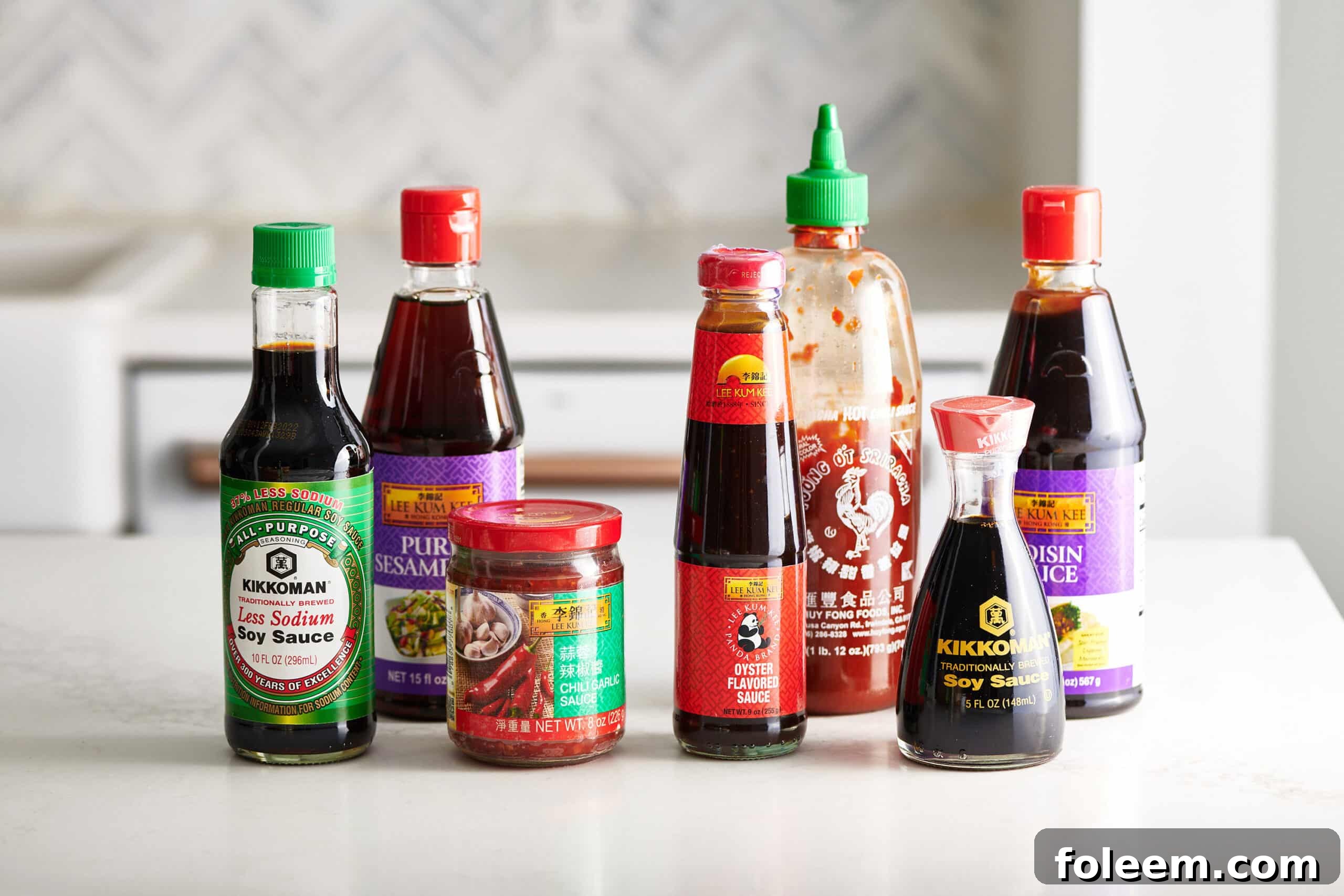
Identifying essential Asian ingredients can feel intimidating because “Asian cuisine” covers many countries and regional styles. If you’re beginning to cook Asian food at home, start with a compact pantry of versatile staples. Once you’re comfortable, expand your selection to explore specific cuisines like Thai, Hunan Chinese, or Japanese.
Below are core pantry items and condiments used across many Asian recipes. Learn their flavors and uses, and you’ll soon be mixing and matching them with confidence.
Soy Sauce
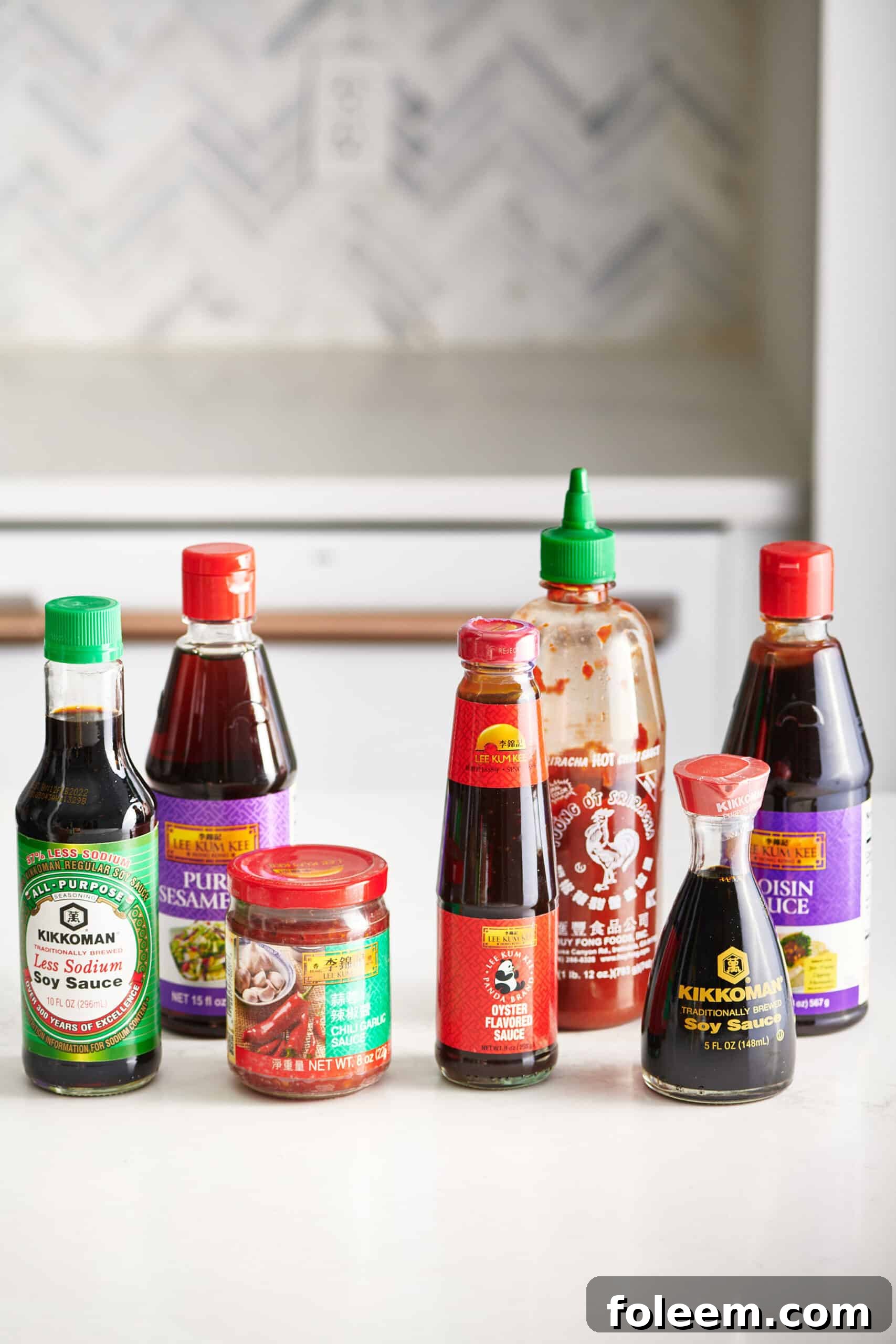
Soy sauce is foundational in many Asian dishes and also useful outside Asian cooking. It’s a dark, salty, umami-rich liquid brewed from soybeans and wheat. Choose regular or reduced-sodium versions to suit your taste, and use tamari if you need a gluten-free alternative. Soy sauce works well as a seasoning, a marinade base, or a finishing splash to boost savory depth.
Sesame Oil
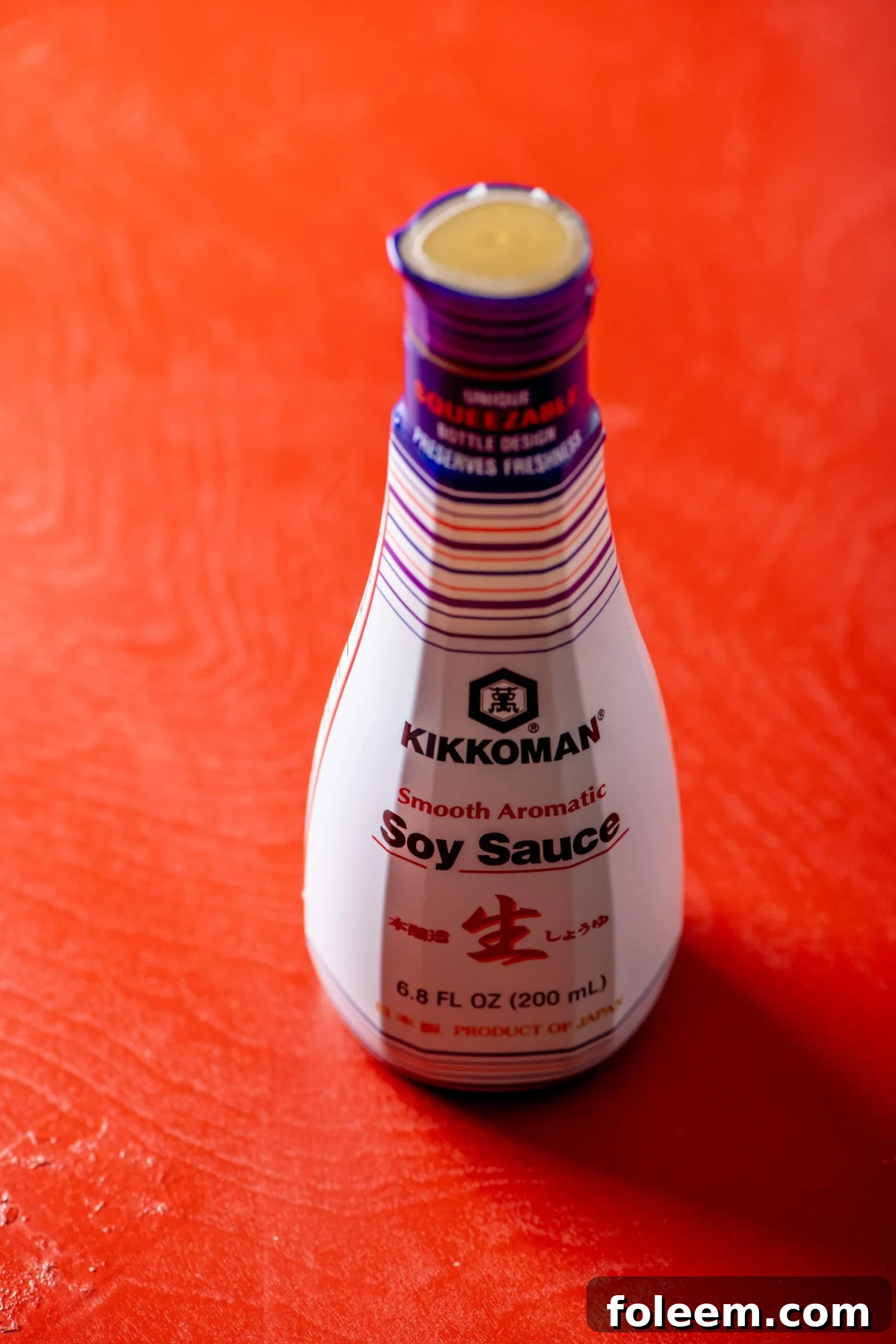
Made from toasted sesame seeds, sesame oil delivers a strong, nutty aroma and flavor. It’s typically used sparingly as a finishing oil or seasoning so its fragrance remains bright. Chili sesame oil combines sesame flavor with heat and can add both aroma and spice. Store sesame oil in the refrigerator to slow rancidity.
Hoisin Sauce
Hoisin is a thick, bold sauce made from ground soybeans and starch, usually sweetened and seasoned with garlic, red chiles, vinegar, and Chinese five-spice. It brings a sweet-savory richness to marinades, stir-fries, and dipping sauces.
Chili Garlic Sauce
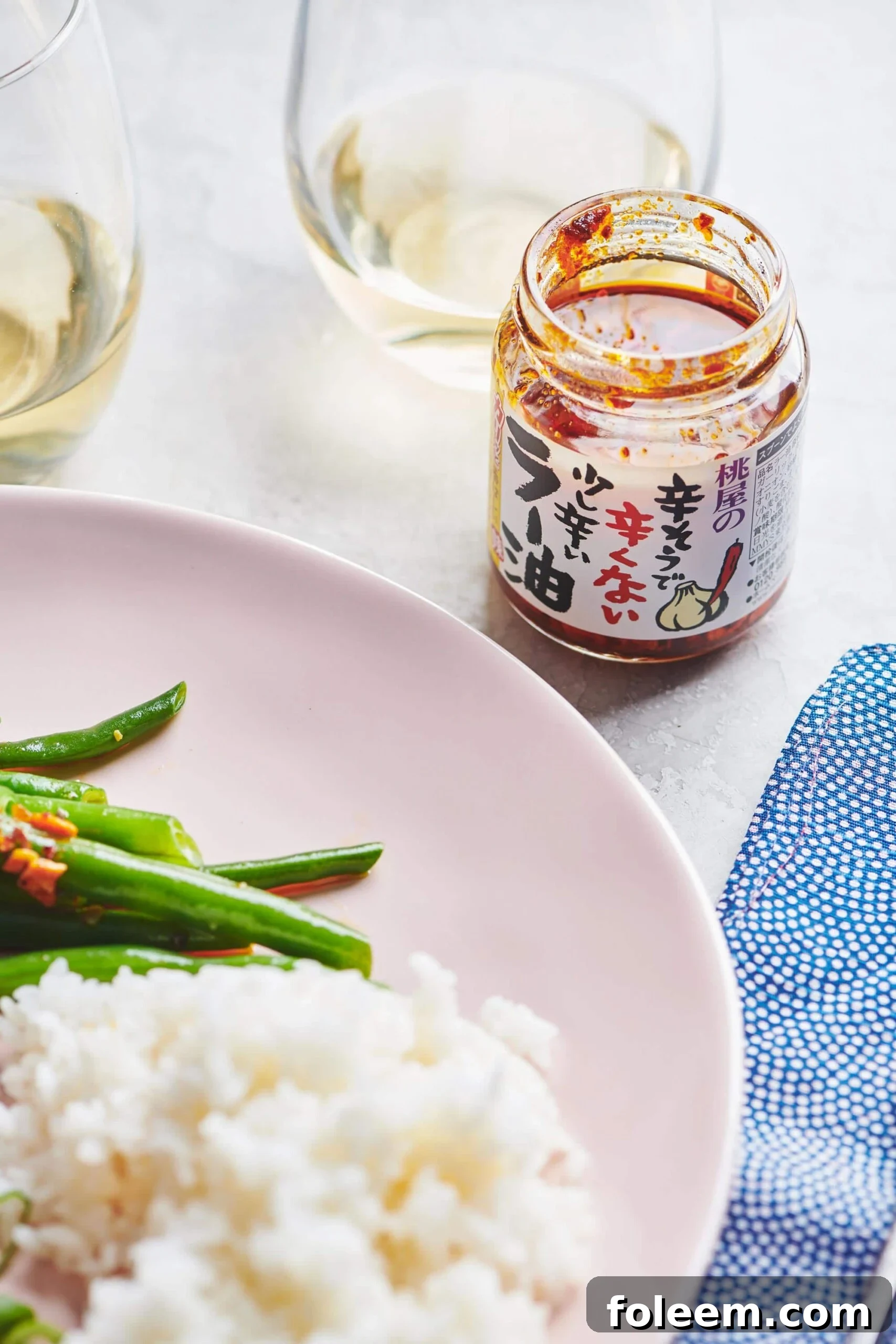
Chili garlic sauce is a versatile condiment with a chunky texture, bright vinegar tang, heat from chiles, and pronounced garlic flavor. Use it to spice up stir-fries, noodles, dipping sauces, or marinades.
Oyster Sauce
Oyster sauce is made from oyster extracts blended with sugar, soy sauce, salt, and thickeners. This thick, dark sauce adds savory, slightly sweet umami to stir-fries and vegetable dishes, and is a staple in many Chinese-style home recipes.
Fish Sauce
Fish sauce (nam pla in Thai) is essential in Southeast Asian cooking, especially Thai and Vietnamese cuisines. It’s produced by fermenting or salting anchovies, yielding a potent aroma that mellows when cooked. Use fish sauce sparingly to add salty, savory depth to soups, sauces, dressings, and marinades.
Two Items to Keep in the Fridge:
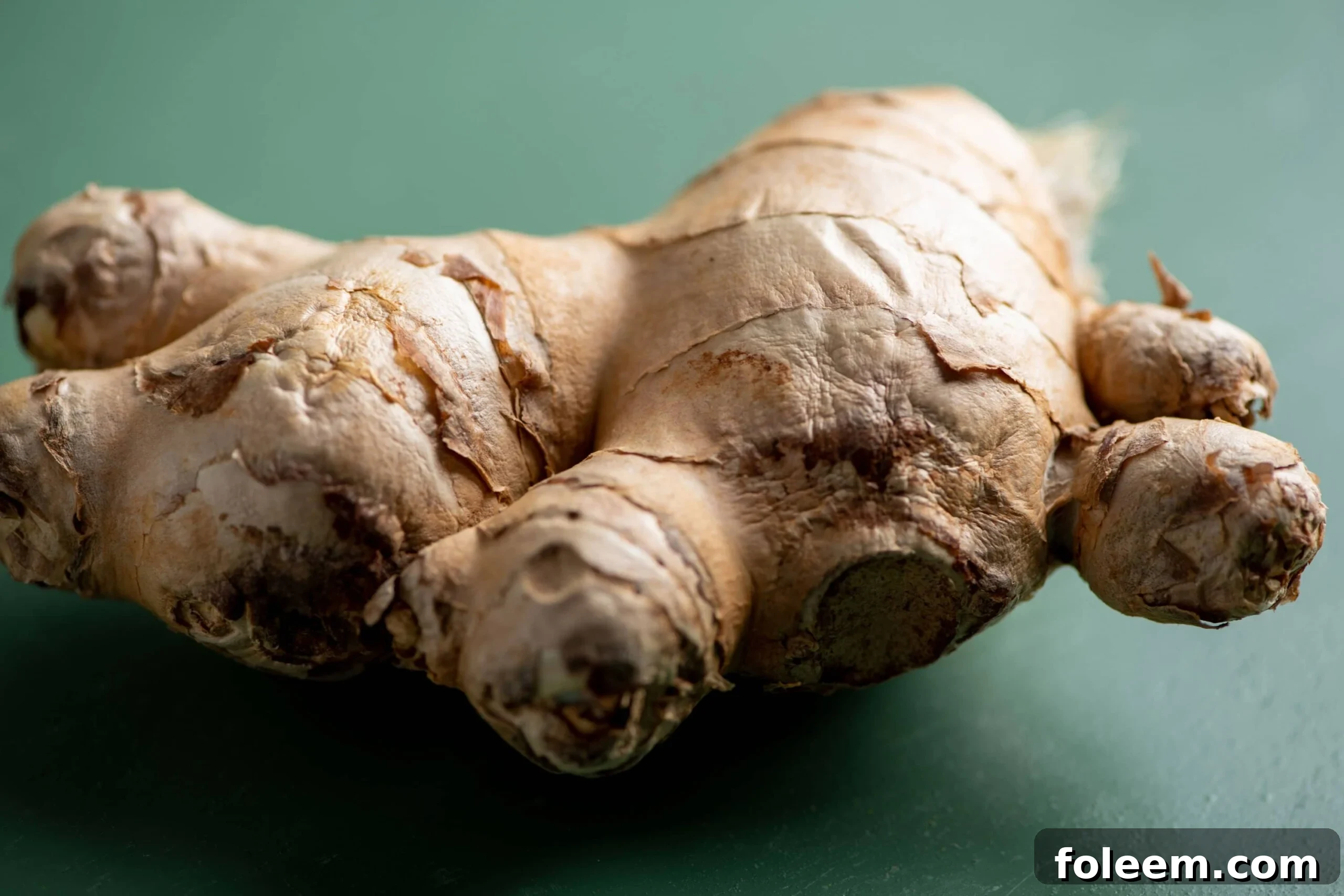
Ginger
Fresh ginger is one of the most impactful ingredients for stir-fries. Its bright, spicy, slightly citrusy bite lifts flavors and adds warmth. Mince or julienne ginger and add it early in the cooking process for a fragrant base.
Garlic
Garlic, usually finely minced or thinly sliced, is another cornerstone of stir-fries. The classic aroma of garlic and ginger sizzling in oil signals the start of a flavorful dish.
Asian Recipes to Try:
Kung Pao Chicken
View Recipe
Vegetable Stir-Fried Rice
View Recipe
Miso-Glazed Japanese Eggplant
View Recipe
Simple Stir-Fried Crispy Tofu and Vegetables
View Recipe
Stir-Fried Scallion Chicken
View Recipe