How to Eat Honeycomb Safely and Deliciously
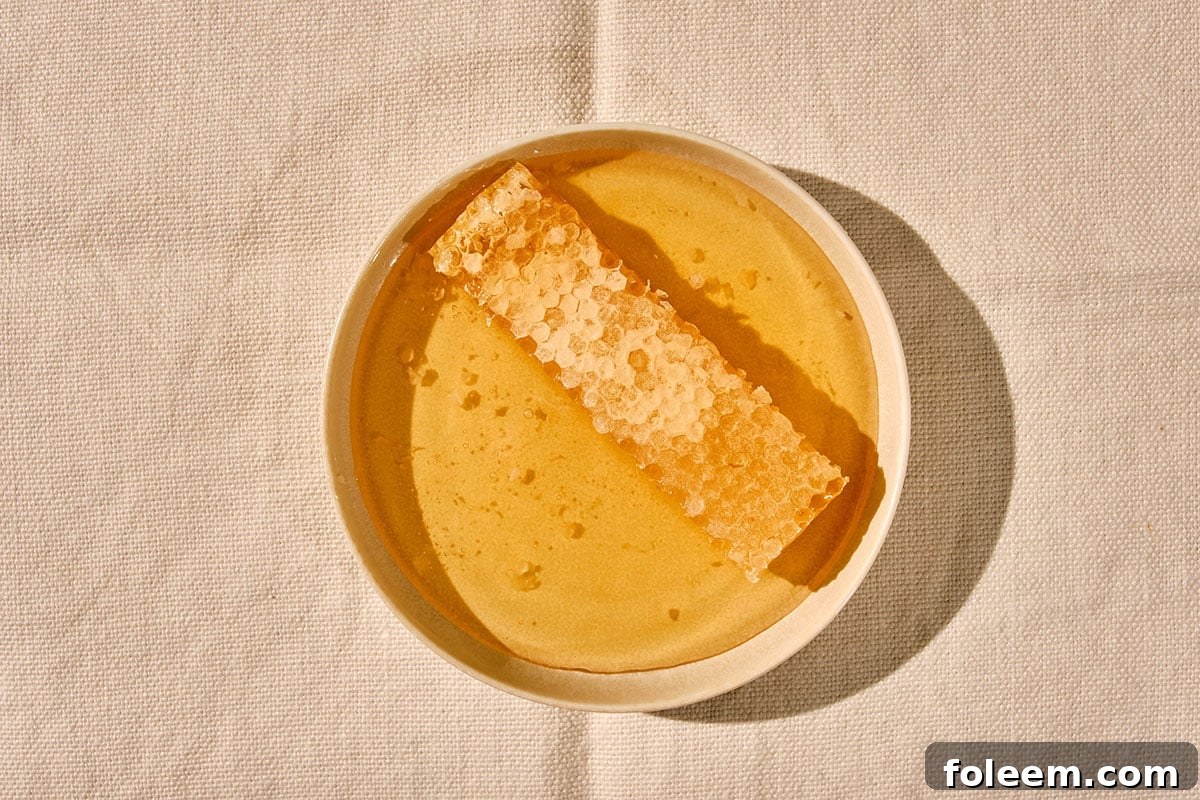
Honeycomb is literally where bees live and store their honey. When beekeepers harvest honey, they sometimes collect sections of honeycomb to sell as an edible delicacy. Because bees invest far more effort producing beeswax than making honey, honeycomb is considered a special treat.
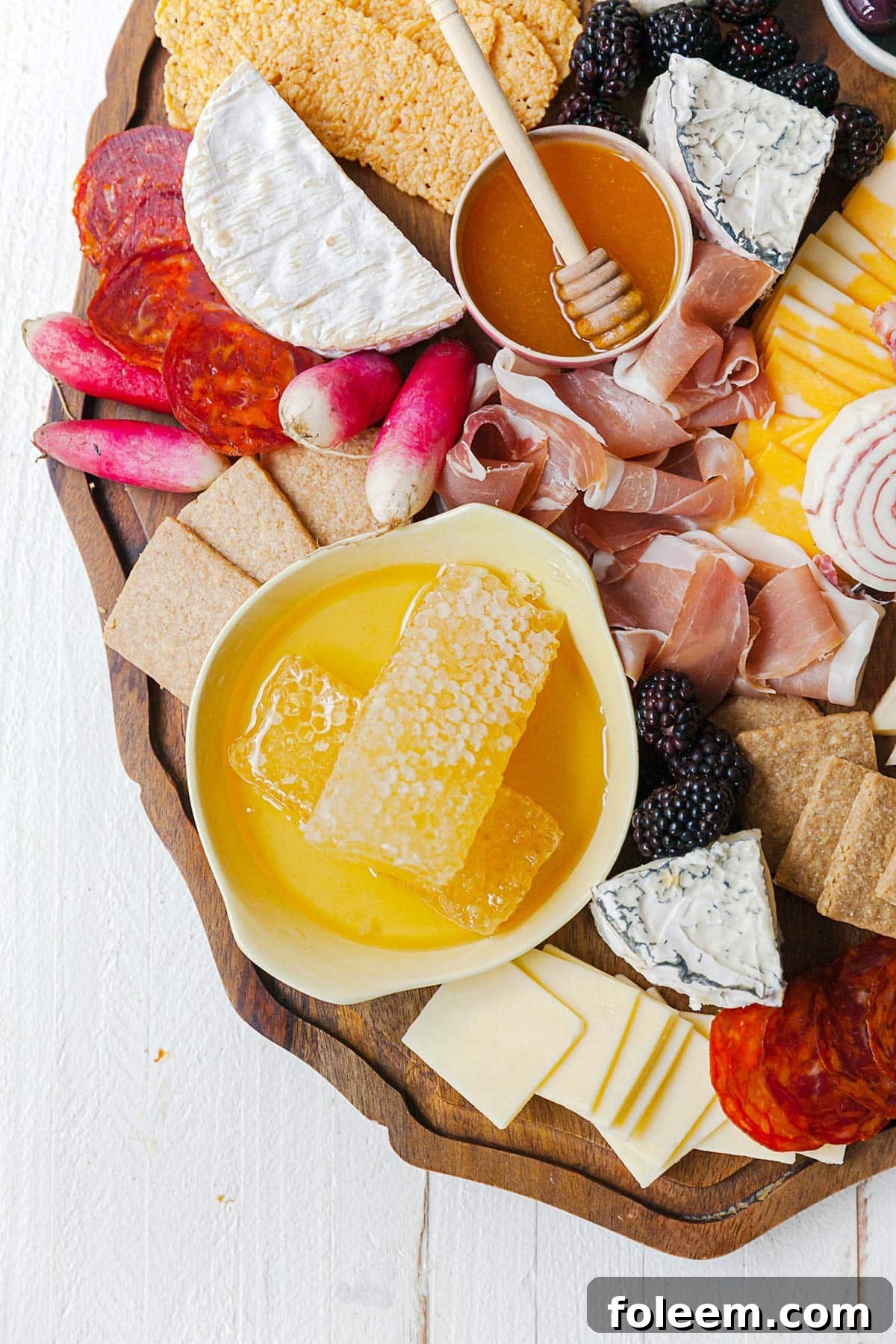
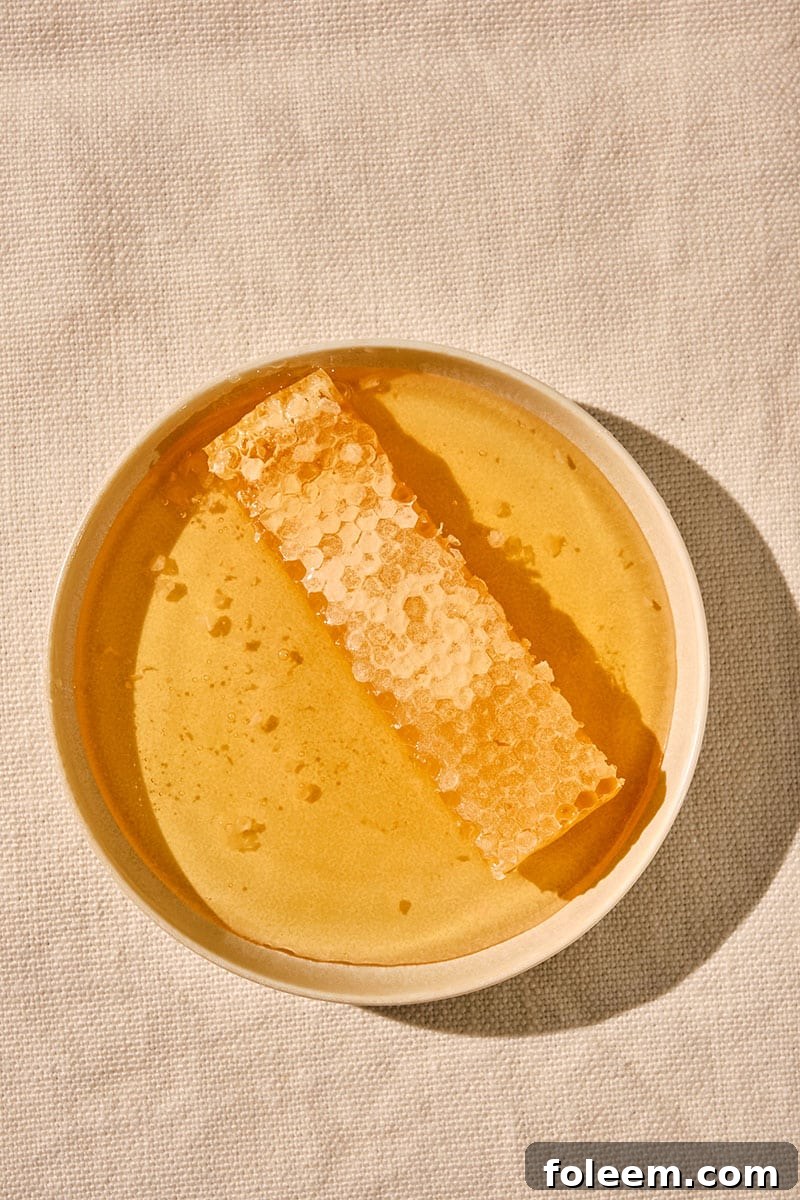
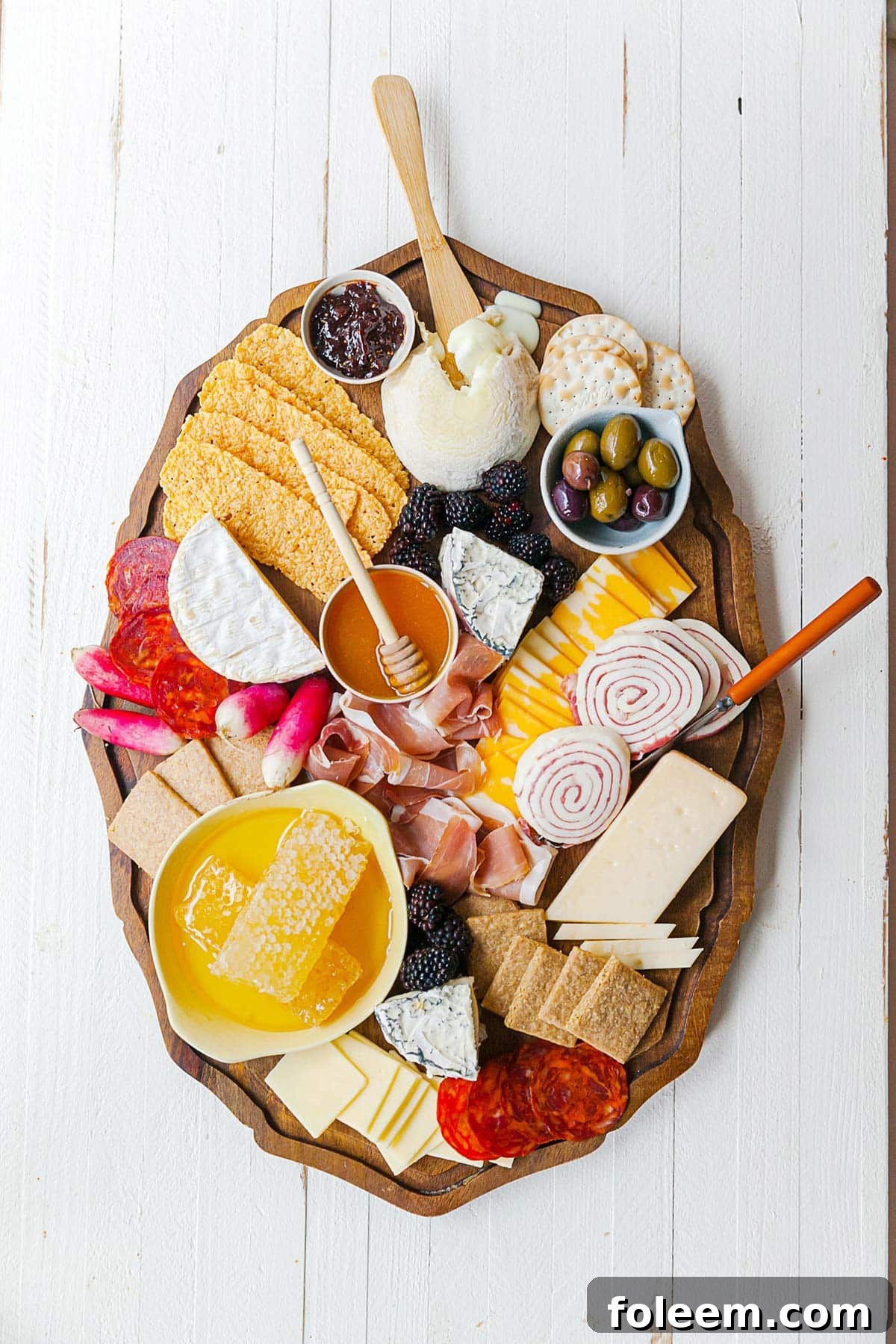
Built of hexagonal wax cells arranged in a strong repeating pattern, honeycomb has a distinctive, attractive appearance. Slices of honeycomb are visually appealing, intensely sweet, and entirely edible. They make a lovely addition to a cheese plate or graze board.
- What Does Honeycomb Look Like?
- What Does Honeycomb Taste Like?
- What Are the Benefits of Eating Honeycomb?
- How To Prepare and Eat Honeycomb
- How to Store Honeycomb
- Fun Facts About Honeycomb
- Try These Honeycomb Ideas
What Does Honeycomb Look Like?
Honeycomb is instantly recognizable because of its hexagonal cells. It typically appears a warm amber color, and you can often see the honey pooled inside the cells. When sold, honeycomb is commonly displayed in clear containers that show off this structure. For the freshest pieces, look for local farmers markets or apiaries, though commercially packaged honeycomb is also available in some stores.
What Does Honeycomb Taste Like?
Honeycomb tastes predominantly sweet thanks to the raw honey held in the wax cells. That honey offers a richer, more complex sweetness than refined sugar, often with floral or earthy notes depending on the flowers the bees visited.
The beeswax of the comb is chewy and has little intrinsic flavor. When you chew a chunk of honeycomb, you’ll enjoy the honey first; after the honey is gone, the wax may seem bland or waxy. The wax is edible and digestible, though some people choose to discard it after extracting the honey.
What Are the Benefits of Eating Honeycomb?
Raw honey in honeycomb contains propolis, a mixture bees make from plant resins, saliva, and wax. Propolis contributes to honey’s soothing texture and is traditionally associated with calming irritated throats and easing mild upper respiratory discomfort.
Compared with refined sugar, raw honey often has a lower glycemic index and contains trace vitamins and minerals such as calcium, magnesium, iron, zinc, and some vitamins. Because individual health needs vary, discuss dietary changes with a healthcare provider if you have blood-sugar concerns.
How To Prepare and Eat Honeycomb
You can eat honeycomb whole. The honey inside is raw and viscous, and the wax cell walls are chewable and safe to swallow. To enjoy it, cut a small rectangle or cube of comb and chew it like gum, allowing the honey to dissolve. If you prefer not to swallow the wax, you can chew out the honey and discard the wax.
Because honeycomb is a striking ingredient, it’s often enjoyed on its own rather than cooked. It pairs beautifully with spreadable cheeses, jams, and fresh bread, and it can elevate an open-faced sandwich or cheese board when added in small pieces.

How to Store Honeycomb
Honeycomb is sticky, so store it in an airtight container to prevent leakage. Keep it at room temperature and avoid moisture; water can cause fermentation or spoilage, so discard any comb that shows signs of mold or dampness. Properly stored and kept dry, honeycomb can remain stable indefinitely.
Fun Facts About Honeycomb
Not all comb-like structures are made by bees—some wasps build paper nests, but those are not the wax honeycomb harvested for food.
Other interesting points:
- The comb used to rear larvae is called brood comb. It darkens over time from bee traffic and is distinguishable from honey storage comb.
- Some producers dilute honey with other sugars; this practice has led to controversies in the industry around purity and labeling.
- Bees produce wax by consuming honey. It takes many pounds of honey to make a small amount of wax, which helps explain why honeycomb is rarer and pricier than liquid honey.
Try These Honeycomb Ideas
- Serve small pieces of honeycomb alongside blue cheese, radicchio, and caramelized onions on flatbread or crackers.
- Add honeycomb to a graze board with cheeses, cured meats, nuts, and fresh fruit for a visually stunning centerpiece.