How to Cube Chicken Breast Quickly and Evenly

This simple cubing technique works for both raw and cooked chicken breasts. Raw chicken is softer and can be harder to cut into even pieces, so a very sharp knife and a steady hand help a lot. If you find the meat too floppy, briefly firm it in the freezer (see the tip below). With patience and the right blade, you can achieve clean, uniform cubes every time.
After dicing many pounds of chicken, my top advice is to use a sharp chef’s knife and go slowly. There’s no rush unless you’re on a timed cooking show. Cooked, cubed chicken stores well in the fridge for easy meal prep—USDA guidance recommends using cooked chicken within 3–4 days. Cubed cooked chicken is handy in pastas, salads, grain bowls, and many other recipes.
Raw cubed chicken is great for soups, stews, casseroles, slow-cooker meals, and kabobs.
- How to Cube Chicken Breast
- How to Dice Chicken Breast
- How to Cube Chicken Breast Recipe
- FAQs
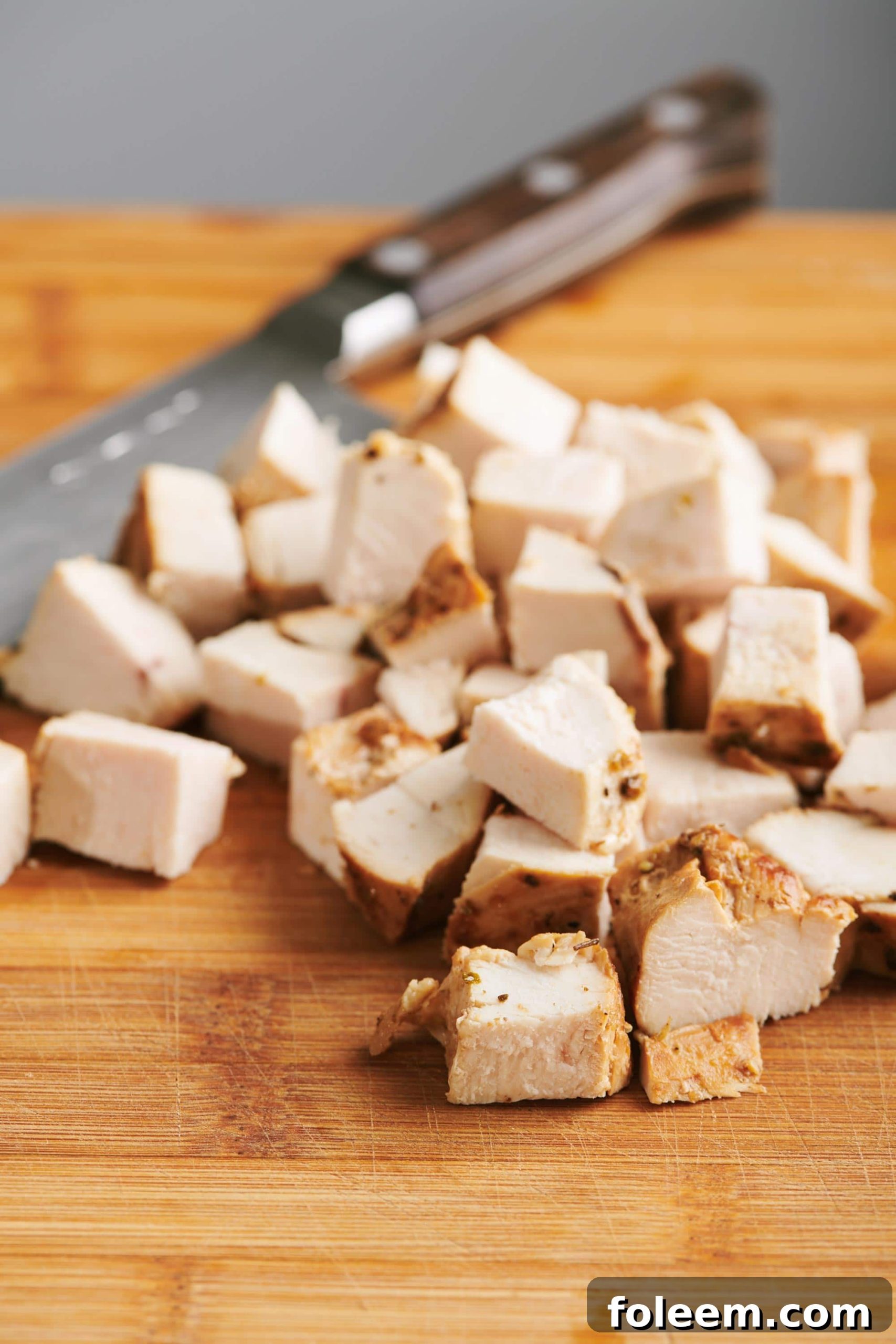
How to Cube Chicken Breasts: A simple step-by-step guide for cutting cooked or raw chicken into neat cubes or dice.
Kitchen Smarts
To make cutting easier, chill chicken breasts in the freezer for about 20 minutes before slicing. This firms the meat and helps you make cleaner, more even cuts.
How to Cube Chicken Breast
- Slice crosswise: Cut the breast crosswise into slices at the thickness that matches your desired cube size. For roughly 1-inch cubes, slice the breast into 1-inch-thick pieces. A sharp knife makes this quick and precise.
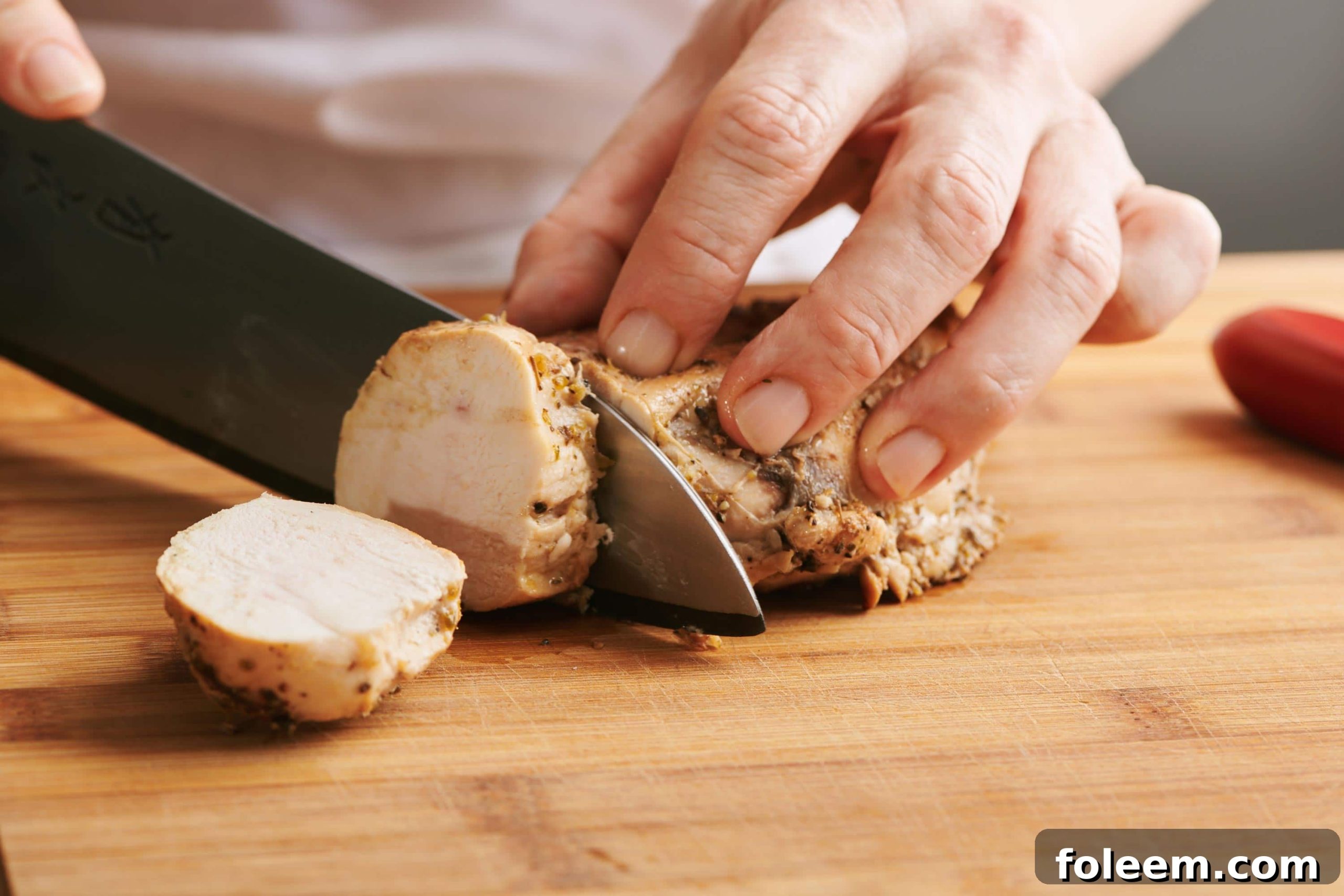
- Cube the chicken: Take each slice and cut it into cubes, aiming for sides that are similar in size. Exact uniformity isn’t required, but consistent pieces cook and eat better together.

How to Dice Chicken Breast
Diced chicken usually refers to smaller, bite-sized cubes. For 1/2-inch dice, start by cutting the breast into 1/2-inch strips, then cross-cut those strips into 1/2-inch cubes. This size works well for quick-cooking dishes and recipes that call for bite-sized pieces.

How to Cube Chicken Breast
Equipment
-
Knife
-
Cutting board
Ingredients
- Chicken breasts (or thighs; cooked or raw)
Instructions
-
Slice the chicken crosswise into pieces the thickness of the cubes you want (for example, 1 inch for 1-inch cubes).
-
Cut each slice into cubes, keeping the sides as even as possible so the pieces cook uniformly.
Notes
- To make raw chicken easier to cube, freeze the breasts for about 20 minutes first to firm the meat.
- If a recipe calls for diced chicken, aim for roughly 1/2-inch cubes by starting with 1/2-inch strips and cutting across into dice.
- Cubed or diced chicken (cooked or raw) can be stored in a sealed container in the refrigerator for up to 4 days.
- You can freeze cubed chicken (cooked or raw) for up to 6 months—use a freezer-safe container or a zipper bag, remove excess air, label, and freeze.
Like this guide? Rate and comment below!
FAQs
Cubed chicken refers to chicken that has been cut into small square pieces, commonly around 3/4 to 1 inch. It can be raw or cooked. Cutting into smaller pieces is called dicing.
Boneless, skinless chicken breasts are generally easiest to cube because there are no bones and the meat is fairly uniform. Thick breasts yield more regular cubes. For very thick breasts, slice them horizontally first to create even pieces; thinner breasts or thighs can be sliced crosswise before cubing.
For kabobs, cut chicken into larger cubes—about 1 to 1½ inches—so the exterior browns while the interior stays juicy. For fast, very high-heat skewers, you can use smaller dice, but avoid cubes so small they overcook before browning.