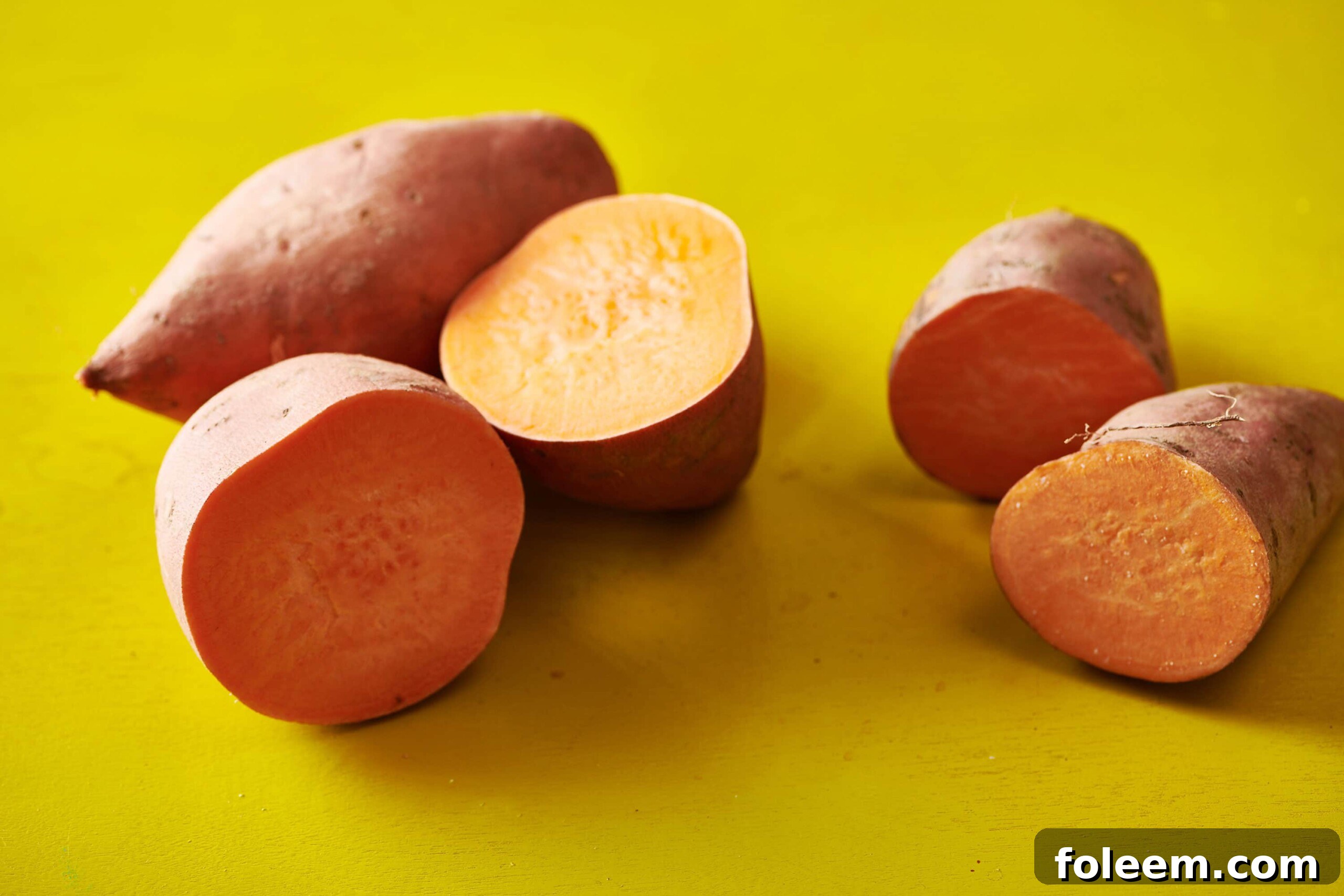
Sweet potatoes are a widely loved root vegetable, prized for their naturally sweet, creamy flesh. Baked whole, they make a comforting side, and when incorporated into recipes they add a subtly sweet, earthy note to both savory and sweet dishes. From crispy baked sweet potato fries served with chipotle mayo to classic sweet potato casseroles (with or without marshmallows), these versatile tubers shine in many preparations.
- What Are Sweet Potatoes?
- What Do Sweet Potatoes Look Like?
- FAQs
- What Do Sweet Potatoes Taste Like?
- Sweet Potato Substitutes
- Where to Find and How to Choose Sweet Potatoes
- How to Prepare and Cook With Sweet Potatoes
- How to Store Sweet Potatoes
- 12 Sweet Potato Recipes
- Baked Sweet Potatoes
- How to Bake Sweet Potatoes Recipe
What Are Sweet Potatoes?
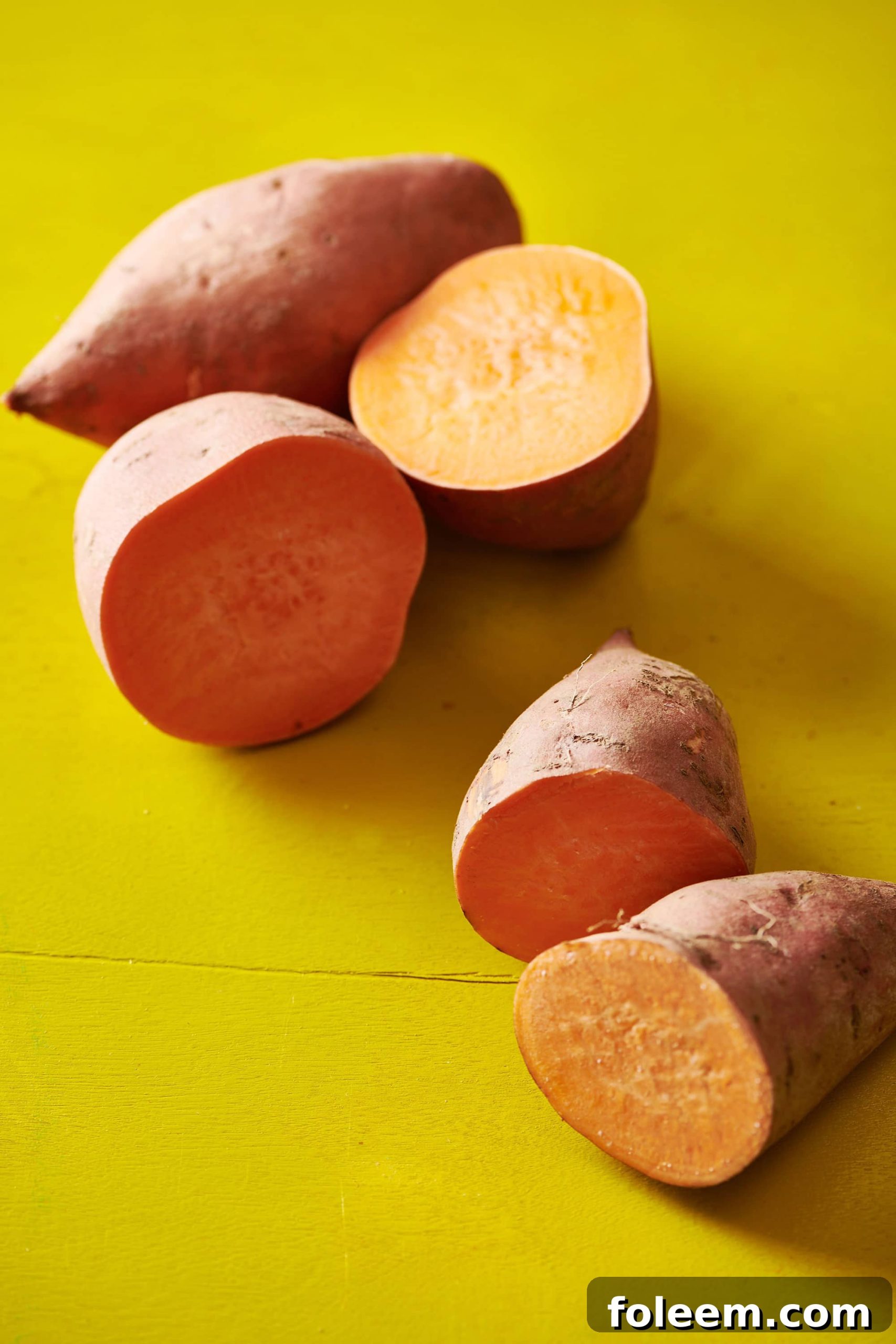
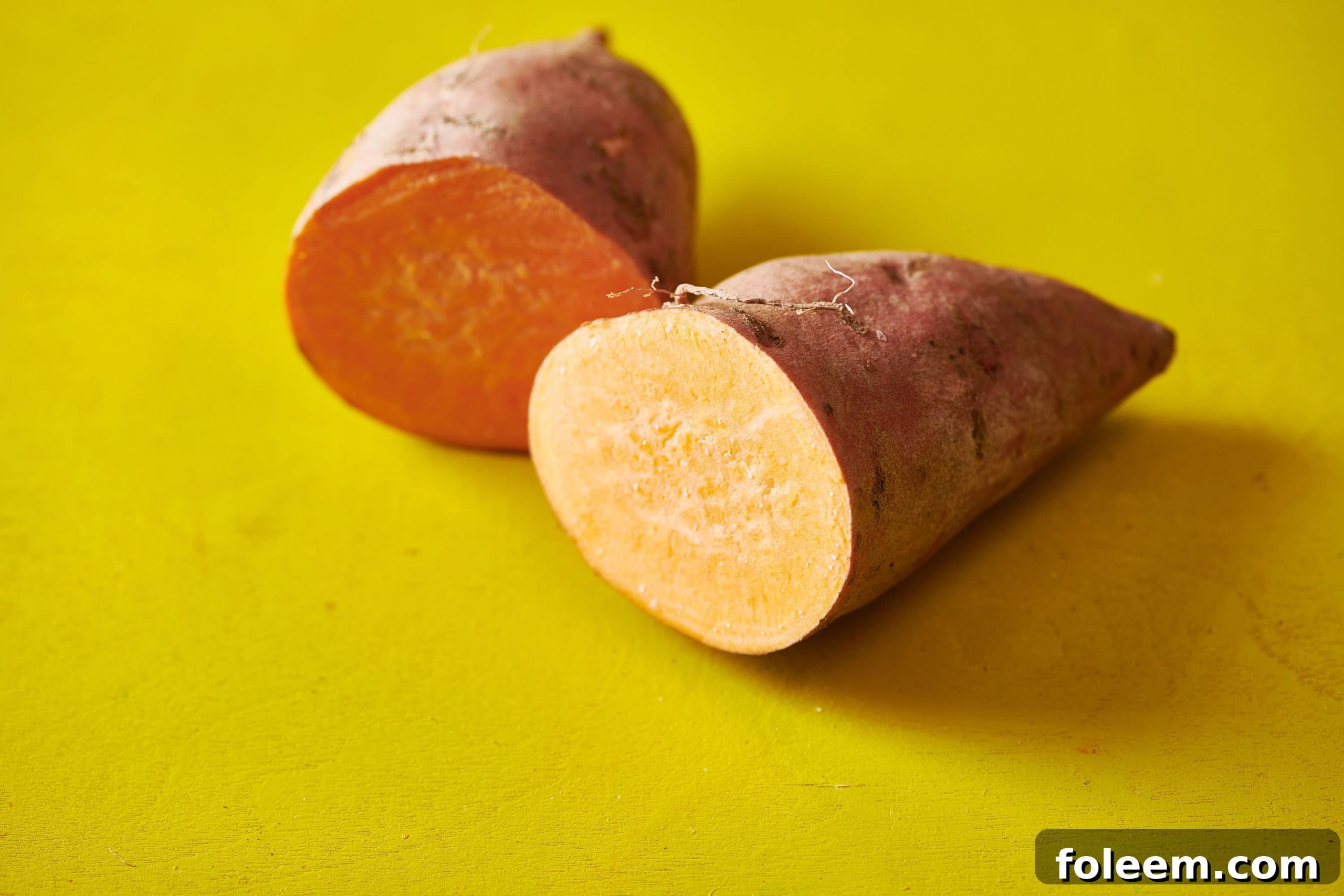
Sweet potatoes are starchy, sweet-tasting root vegetables that grow underground. Their leaves and shoots can also be eaten as greens. As the name suggests, sweet potatoes are sweeter than standard white or yellow potatoes, though sweetness varies by variety. Different cultivars range from mildly sweet to distinctly sugary, and they come in several skin and flesh colors.
What Do Sweet Potatoes Look Like?
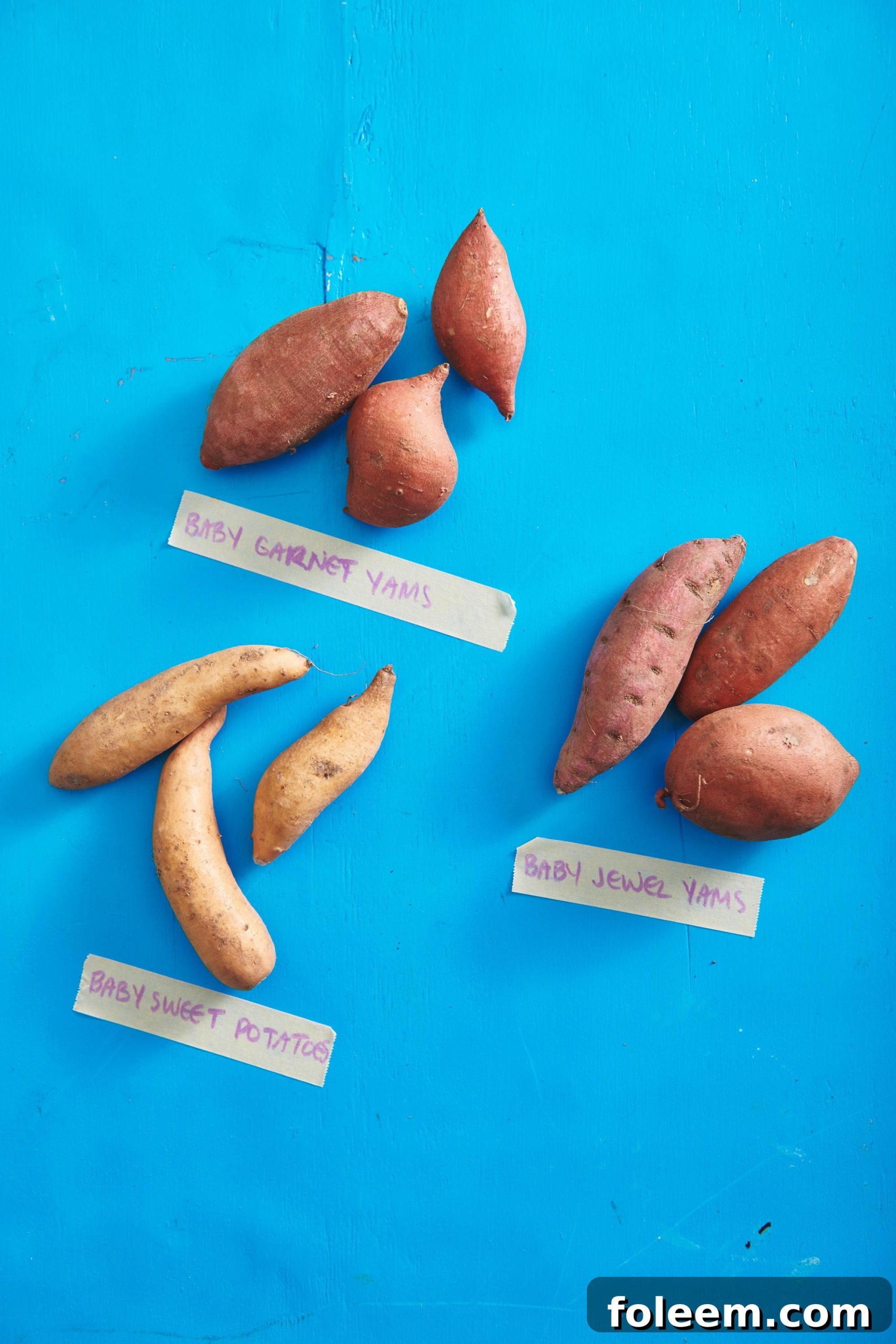
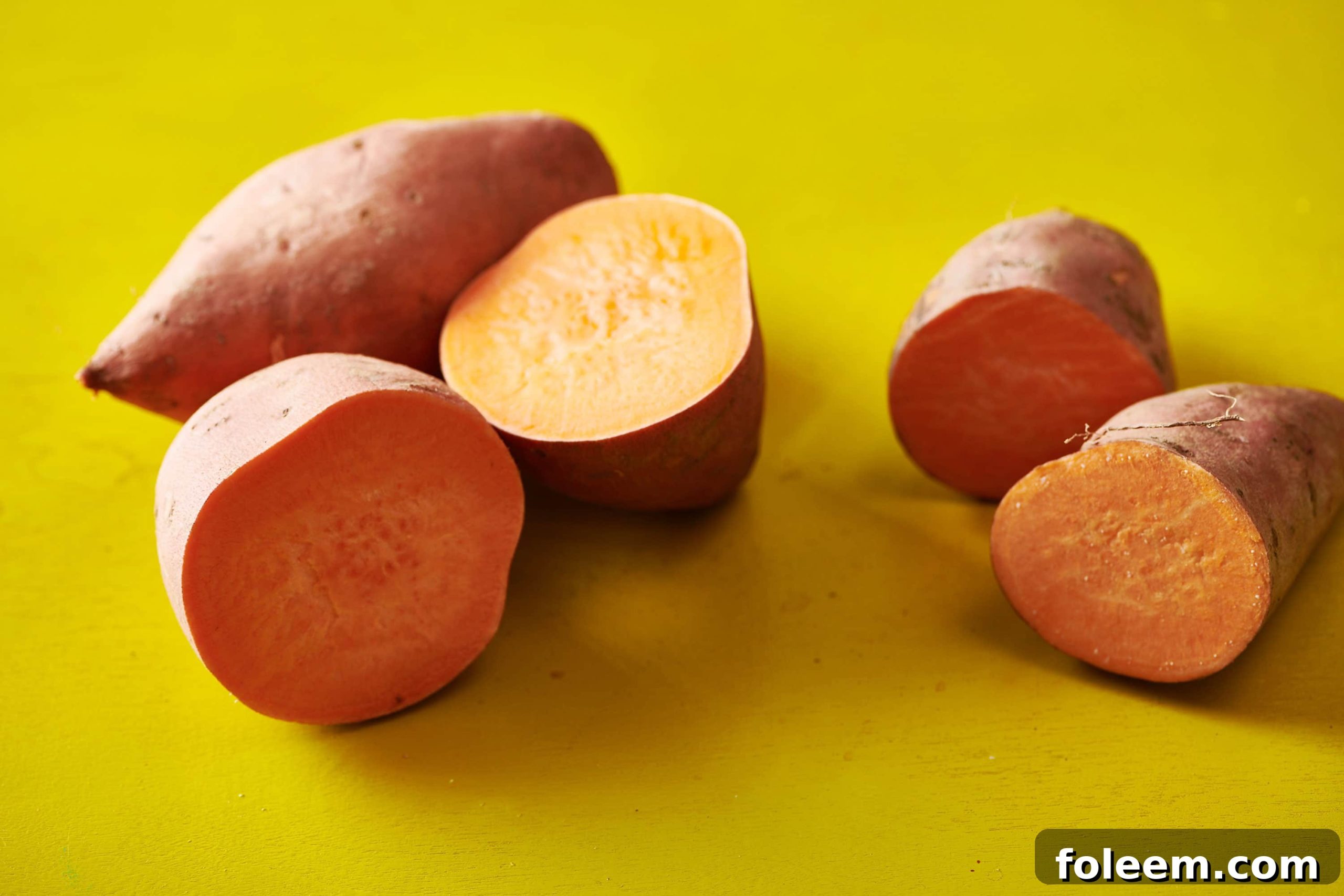
Sweet potatoes typically have an elongated, tapered shape but can also be round and plump. The common variety has copper-brown skin and bright orange flesh, but you’ll also find specialty types with yellow, red, purple, or white skins and flesh that can be white or purple. Baby sweet potatoes are simply smaller tubers; they roast well whole and are great served split and buttered.
How to Cook Sweet Potatoes: Everything you need to know to choose, store, and cook sweet potatoes!
FAQs
The terms are often mixed up in markets and recipes, but true yams are a different species. Yams tend to be larger, drier, and starchier, and are usually less sweet. Still, in many recipes yams and sweet potatoes can be swapped.
You can find sweet potatoes year-round, but their peak season typically runs from October through December.
Yes. Sweet potatoes are rich in beta-carotene (which converts to vitamin A), vitamin C, potassium, fiber, and antioxidants. These nutrients support immune health, vision, and digestion.
What Do Sweet Potatoes Taste Like?
As the name suggests, sweet potatoes taste sweet, especially after cooking when enzymes break down starch into sugars. Their texture is creamy and rich when cooked, with a pleasant, earthy sweetness that pairs well with both savory and sweet ingredients.
Sweet Potato Substitutes
If you need a substitute, other starchy root vegetables can work depending on the dish. Regular potatoes, winter squash, or carrots can replace sweet potatoes in many recipes, though each brings its own texture and flavor. Consider swapping them in your favorite potato dishes for variety.
Where to Find and How to Choose Sweet Potatoes
Sweet potatoes are commonly available in grocery stores year-round, usually near other root vegetables. Choose small to medium tubers for the best balance of sweetness and creaminess; larger ones can be drier and starchier. Look for smooth, firm skins without bruises or breaks. Darker skins often indicate higher beta-carotene content.
How to Prepare and Cook With Sweet Potatoes
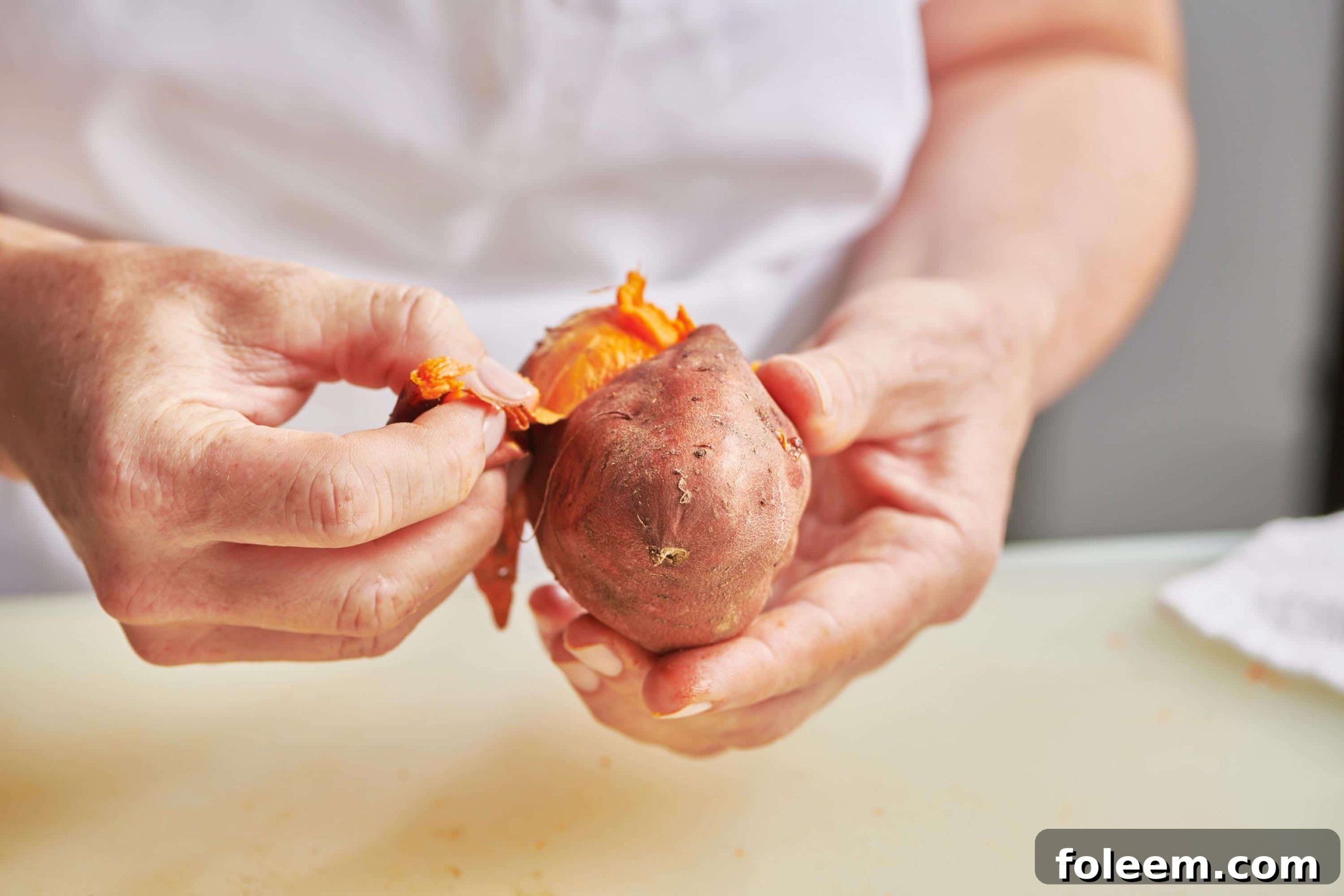
Always wash sweet potatoes before cooking to remove dirt; avoid washing them before storage because moisture speeds spoilage. You can leave the skin on or peel it depending on preference or recipe. Sweet potatoes can be sliced, diced, julienned, cubed, roasted whole, steamed, boiled, fried, or mashed. They also puree nicely into soups and fillings.
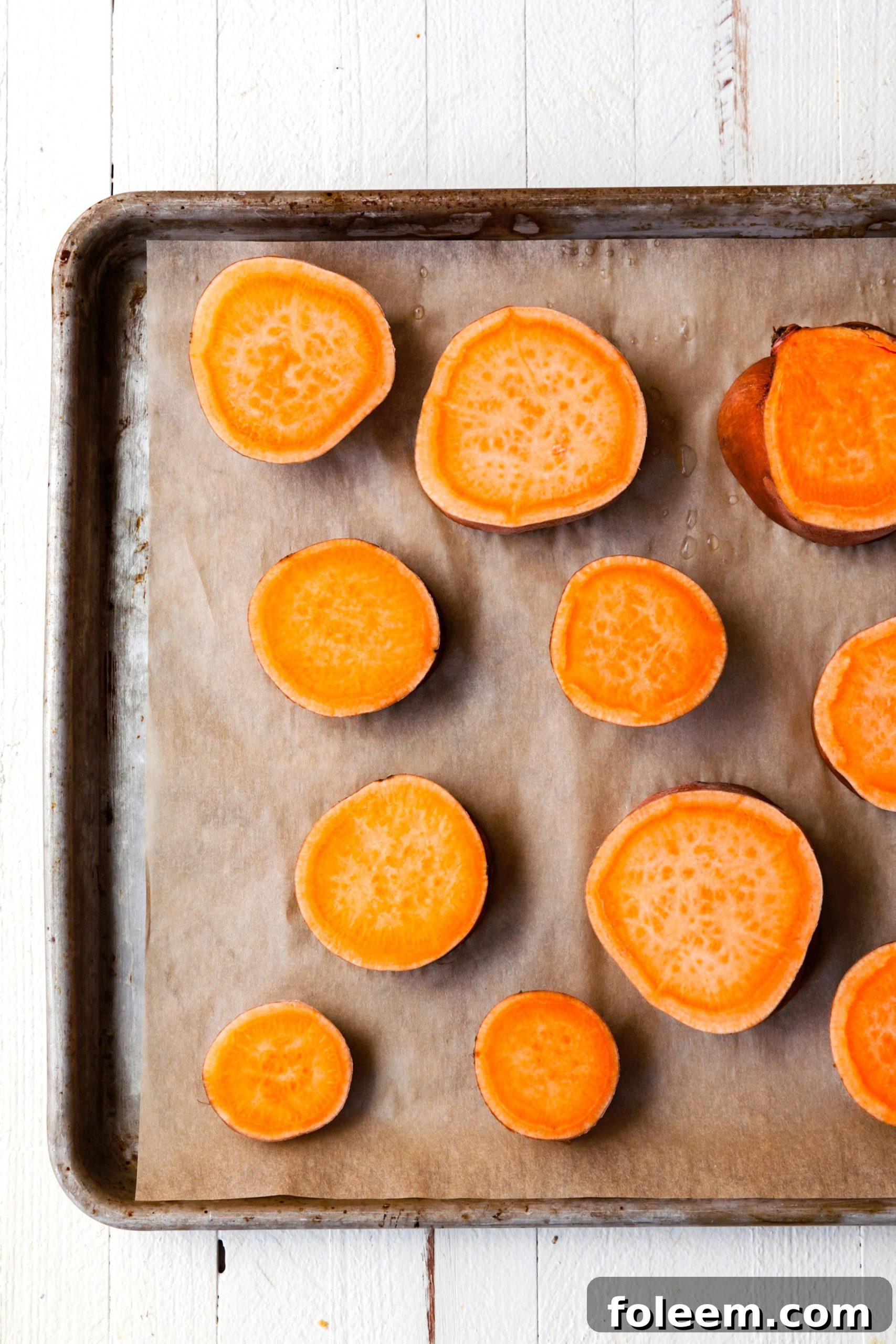
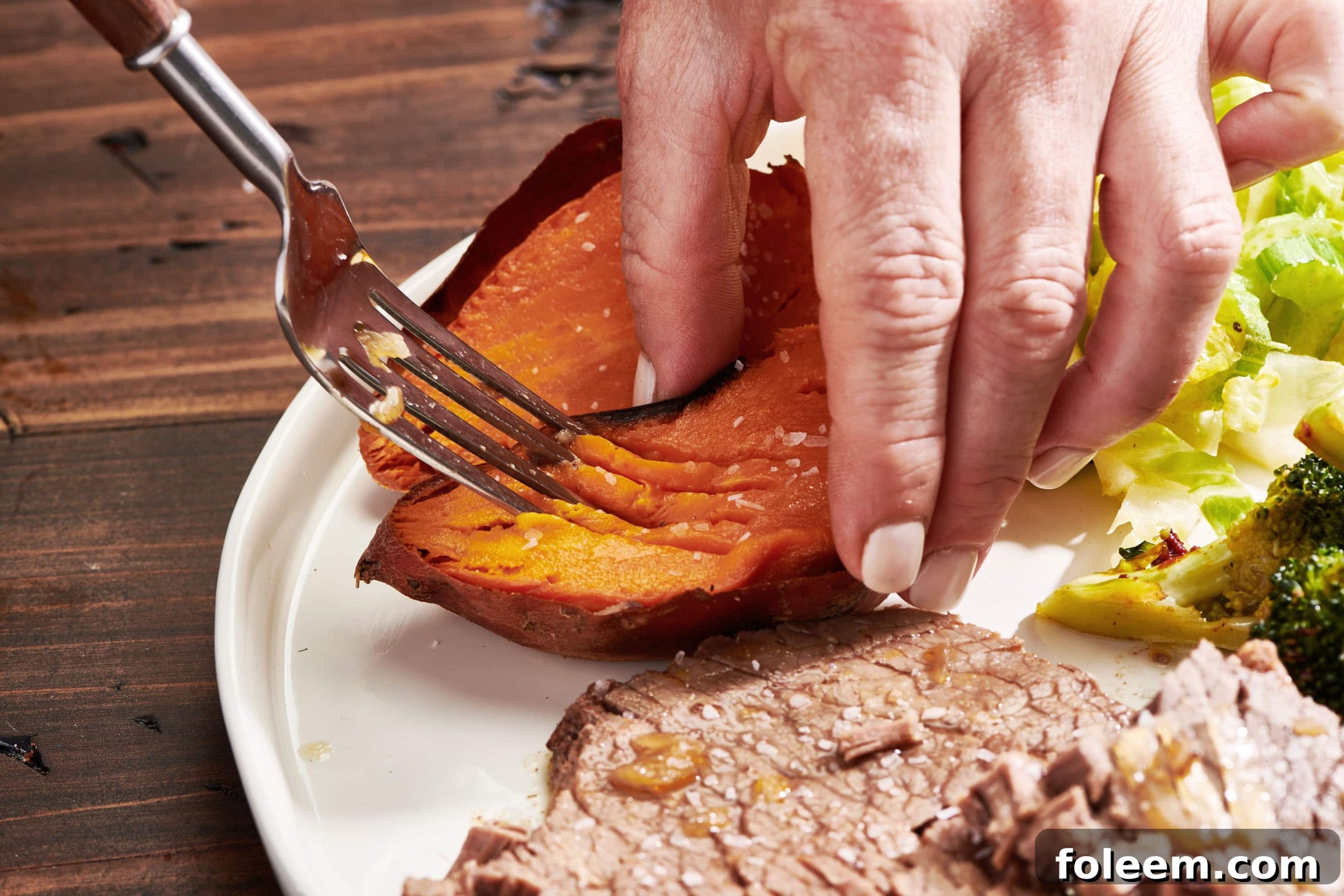
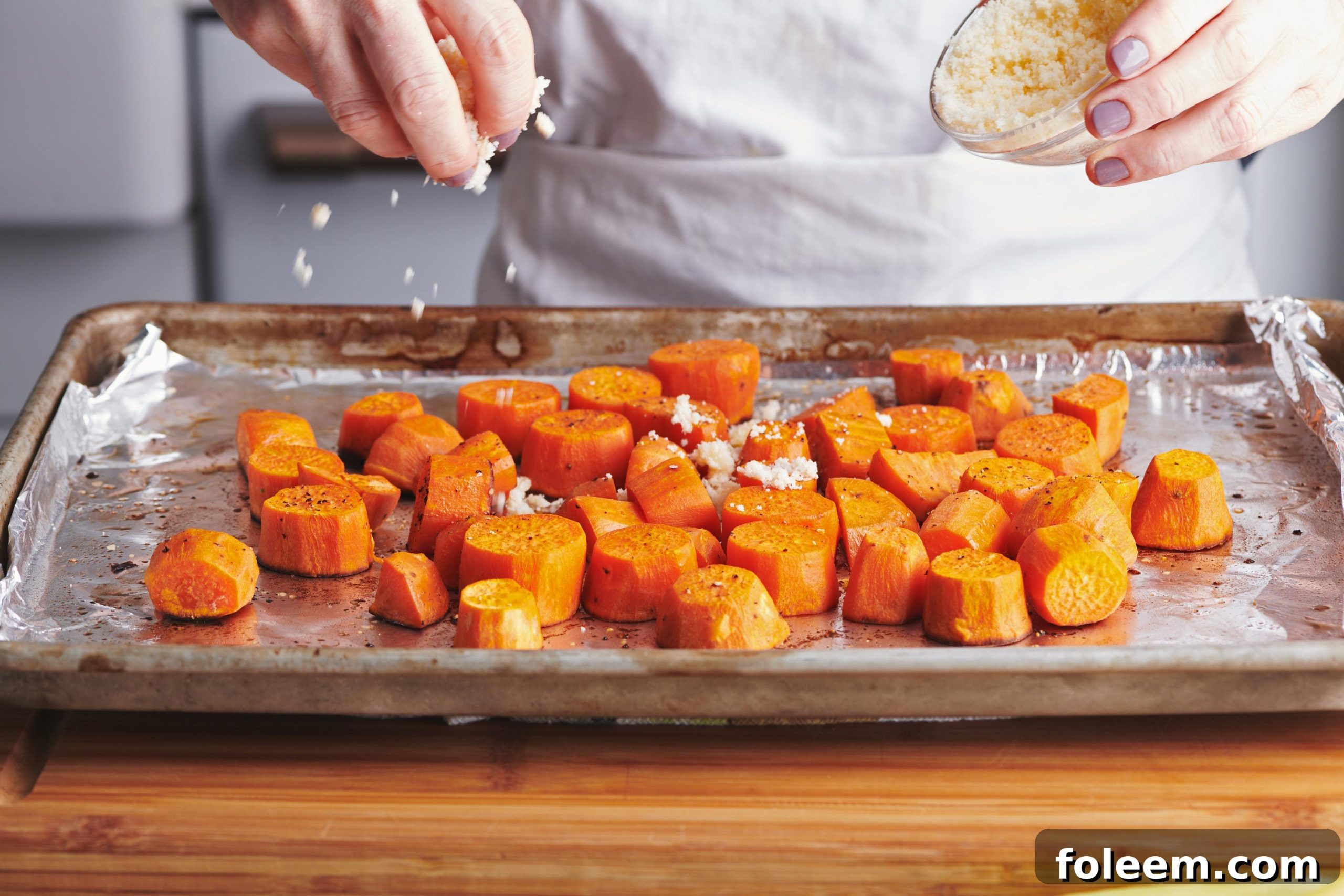
Baking and roasting bring out the best in sweet potatoes. For whole baked potatoes, simply pierce the skins and bake as you would a regular baked potato. Cubed or wedged sweet potatoes roast beautifully when seasoned and paired with other vegetables. Thin-cut fries can be baked or fried for a tasty alternative to regular fries. Boiling and mashing yields rich mashed sweet potatoes, and combining them with russet potatoes creates a pleasant texture balance.
Try thick slices topped with feta and herbs, thin slices layered in a gratin, or classic sweet potato pie for dessert. Sweet potatoes adapt well to bold spices, cheeses, and sweet glazes alike.
How to Store Sweet Potatoes
Store raw sweet potatoes in a cool, dry, dark place for best shelf life—avoid sunlight, which encourages sprouting. Do not wash before storing; simply brush off excess dirt. Properly stored, they can last for several weeks to a month. Do not refrigerate raw sweet potatoes, as cold temperatures can hasten spoilage. Once cut, store them in an airtight container in the refrigerator for a few days, or freeze cooked sweet potatoes in airtight containers for up to 12 months.
12 Sweet Potato Recipes
Here are a dozen tested recipes that showcase sweet potatoes in a variety of ways.

Smashed Sweet Potatoes with Feta

Scalloped Sweet Potatoes

Garlic Mashed Sweet Potatoes

Crispy Baked Sweet Potato Fries

Sweet Potato Spoon Bread

Bulgur Wheat, Sweet Potato, and Black Bean Casserole

Sweet Potato Pie with Whipped Cream

Old-Fashioned Sweet Potato Casserole with Marshmallows
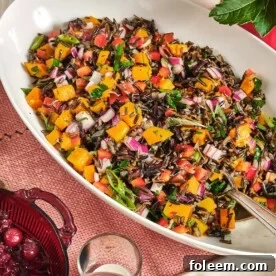
Wild Rice and Sweet Potato Salad

Sweet Potato Casserole

Candied Sweet Potatoes

Simple Roasted Sweet Potatoes
Baked Sweet Potatoes
A perfectly baked sweet potato is an ideal cold-weather side. It takes about an hour in the oven but requires almost no hands-on time. For a crispier skin, rub the potatoes with olive oil before baking; place a sheet pan on the rack below to catch any drips if you do. After baking, season both the skin and the flesh with salt, then add butter, sour cream, or more adventurous toppings.
Smaller potatoes will bake faster, so adjust the cook time accordingly. Baked sweet potatoes are a simple canvas for savory toppings or sweet finishes alike.
How to Bake Sweet Potatoes
Ingredients
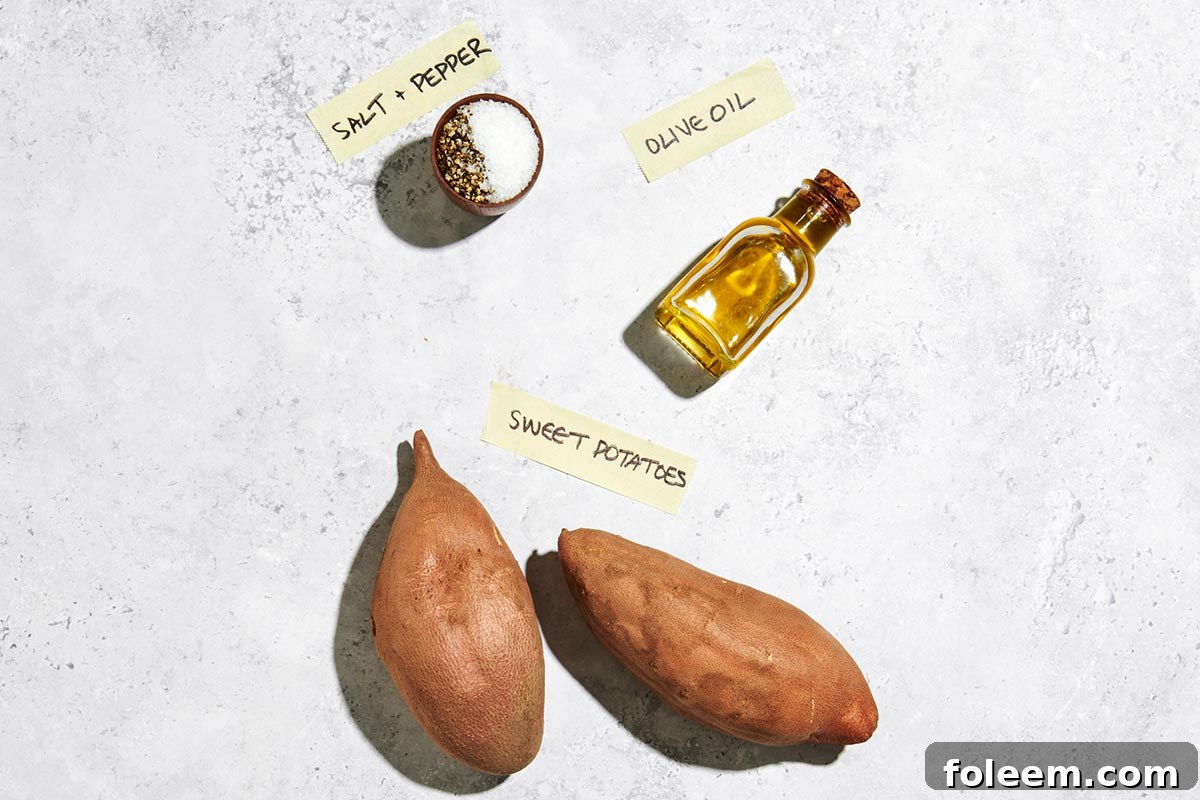
- 2 large sweet potatoes
- Olive oil (optional)
- Butter, sour cream, and salt (optional, to serve)
Instructions
- Preheat the oven to 375°F (190°C). Scrub the sweet potatoes, dry them, and trim any dark spots or “eyes.” Poke several holes around each potato with a fork or skewer. Brush with olive oil if you want extra crispy skin.
- Place the potatoes directly on the oven rack and bake 1 1/4 to 1 1/2 hours, until a thin, sharp knife slides easily into the center. If you oiled the potatoes, place a baking sheet on the rack below to catch drips.
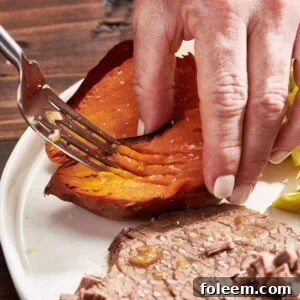
- Let the potatoes cool a few minutes. Slice each one down the middle, give it a gentle squeeze, and loosen the flesh with a fork.
- Season with salt and top as desired—classic options include butter and sour cream, or try more adventurous toppings.
Notes
- Season both the skin and the inside with salt after baking for the best flavor.
- If you rub the potatoes with olive oil, place a baking sheet beneath them to catch any drips during baking.