How to Use Vanilla Beans and Why They’re Worth It
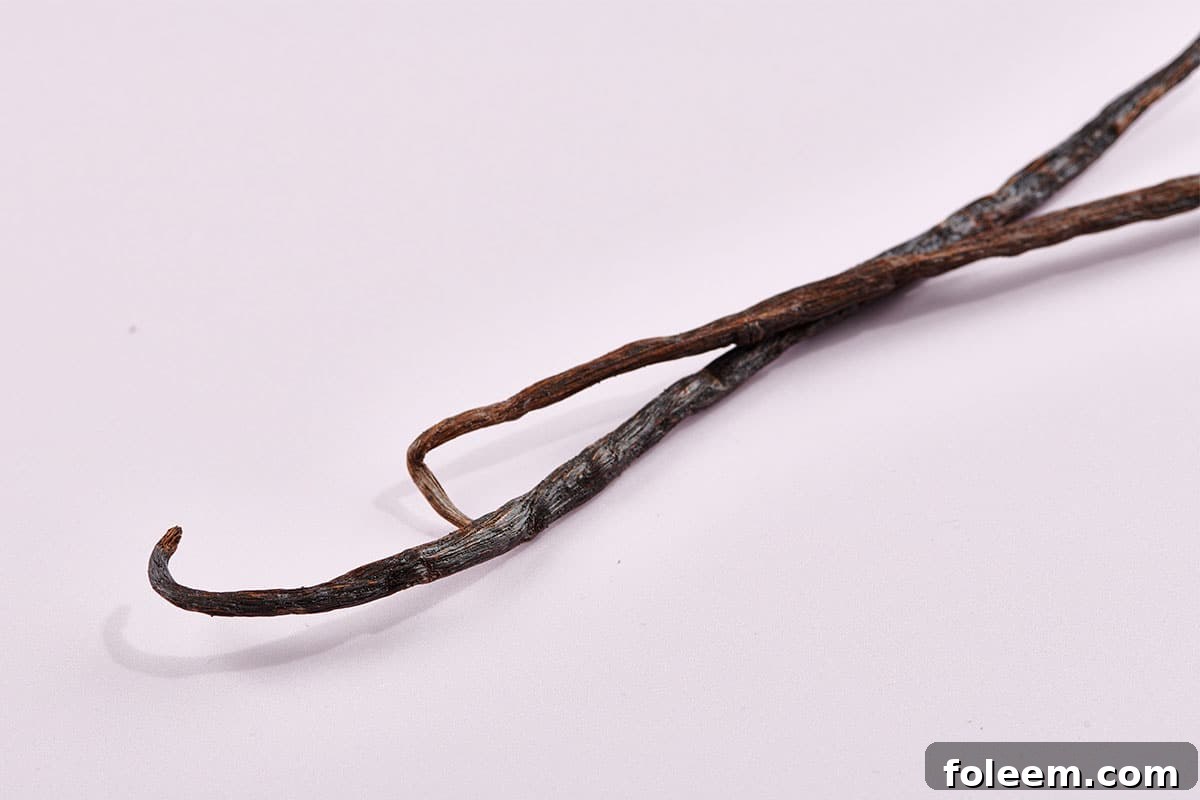
Vanilla beans can feel intimidating until you actually use one — then you wonder why you waited. They’re simple, unfussy, and incredibly flavorful: the purest form of vanilla. Once you know what they do and how to use them, you’ll turn to them more often than you expect.
Here’s everything you need to know.
- What Is a Vanilla Bean?
- Vanilla Bean vs. Vanilla Extract — What’s the Difference?
- How to Prepare a Vanilla Bean
- Tips for Buying and Storing Vanilla Beans
- What to Make With Vanilla Beans
- How to Scrape a Vanilla Bean Recipe
- More Cooking Tips
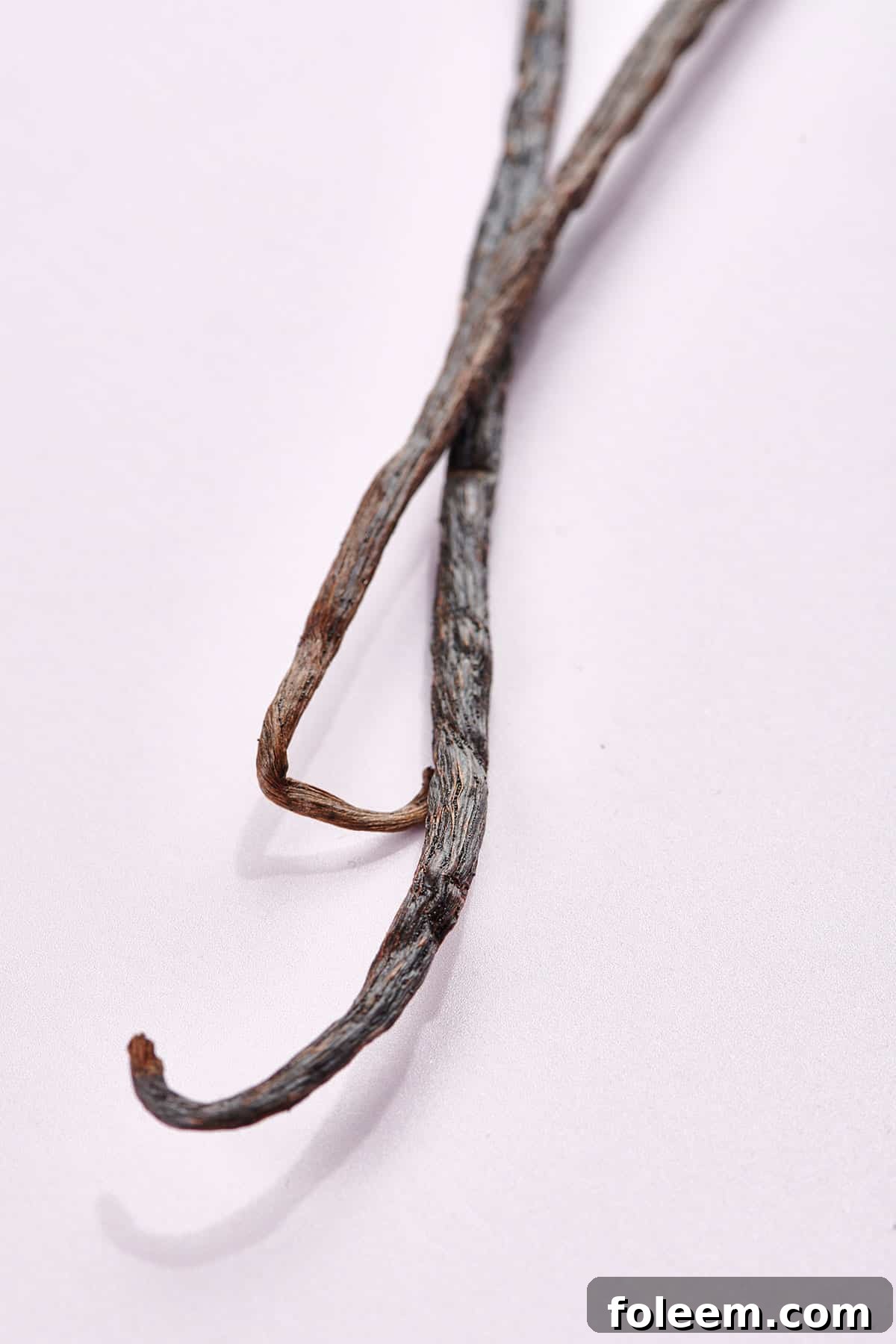
What Is a Vanilla Bean?
A vanilla bean is the seed pod of the vanilla orchid: a long, dark pod that looks plain on the outside but holds thousands of tiny black seeds inside. Those seeds carry intense flavor and aroma that a bottle of extract can’t exactly reproduce.
Good vanilla beans are pliable, fragrant, and slightly oily. If a bean is stiff and dry it’s past its prime; if it’s soft and aromatic you’re set for something special.
Vanilla Bean vs. Vanilla Extract — What’s the Difference?
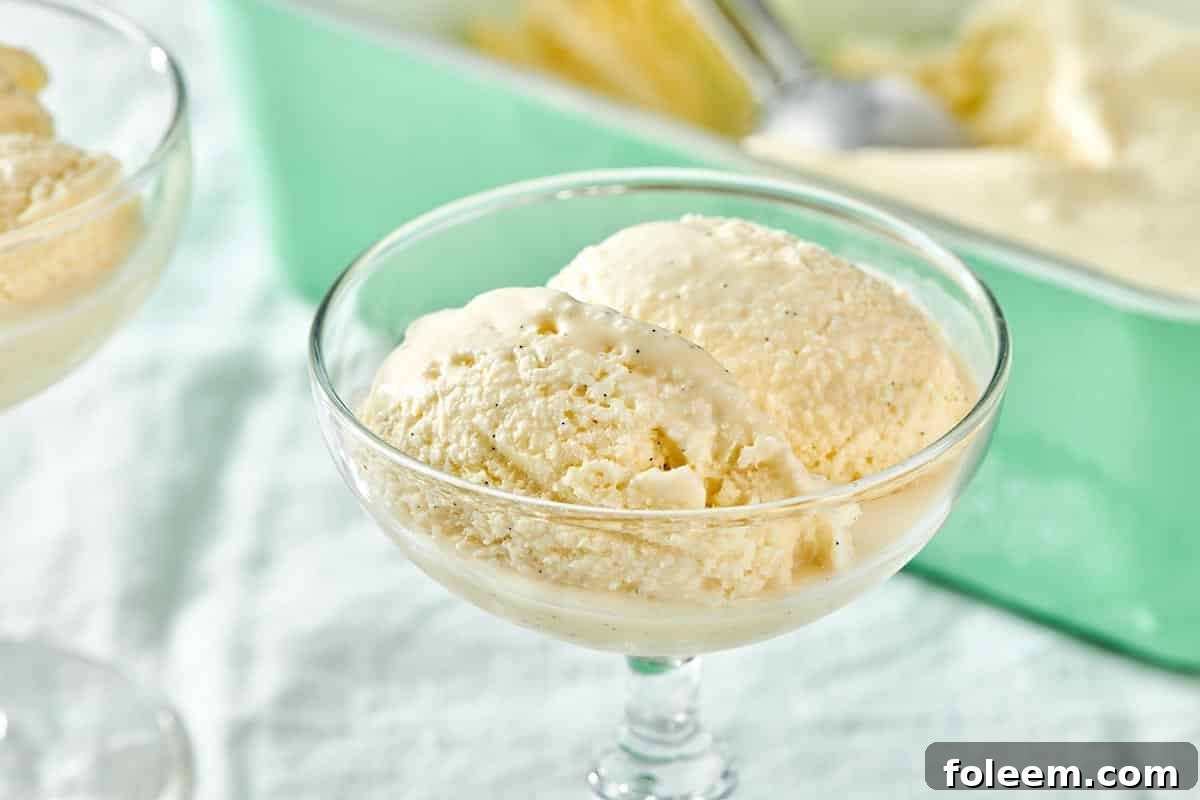
Vanilla extract is made by soaking beans in alcohol, which extracts many flavor compounds. It’s convenient and excellent to have in the pantry, but a whole bean delivers the full spectrum of vanilla: deeper, more complex, and often slightly floral. The tiny black seeds are more than decoration — they’re concentrated flavor that appears in every bite.
The visible specks of vanilla in custards, creams, syrups, or frostings also signal you used real beans, which matters for both taste and presentation.
Which Type of Vanilla to Use

When to use a whole bean: Custards, ice cream, crème brûlée, panna cotta, pastry cream, simple syrups, and any recipe where vanilla is the star.
When extract is fine: Cookies, quick breads, most cakes, and other recipes where vanilla is one of several flavors and the visual specks aren’t important.
How to Prepare a Vanilla Bean
Preparing a vanilla bean is easy and takes about a minute. You only need a sharp paring knife and a cutting board.
- Lay the bean flat on the cutting board. Hold it steady with one hand.
- Make a lengthwise cut. Use the tip of the knife to slit the bean down its length, opening it like a book rather than cutting it in two.
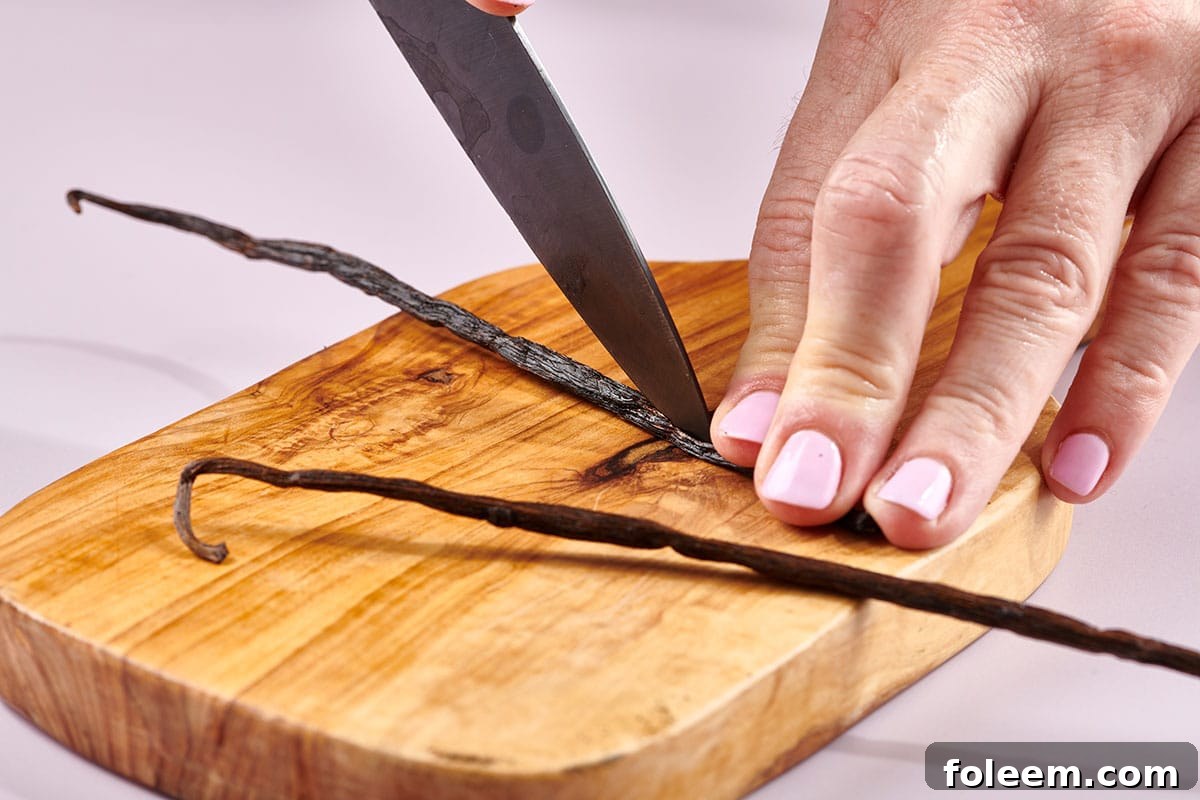
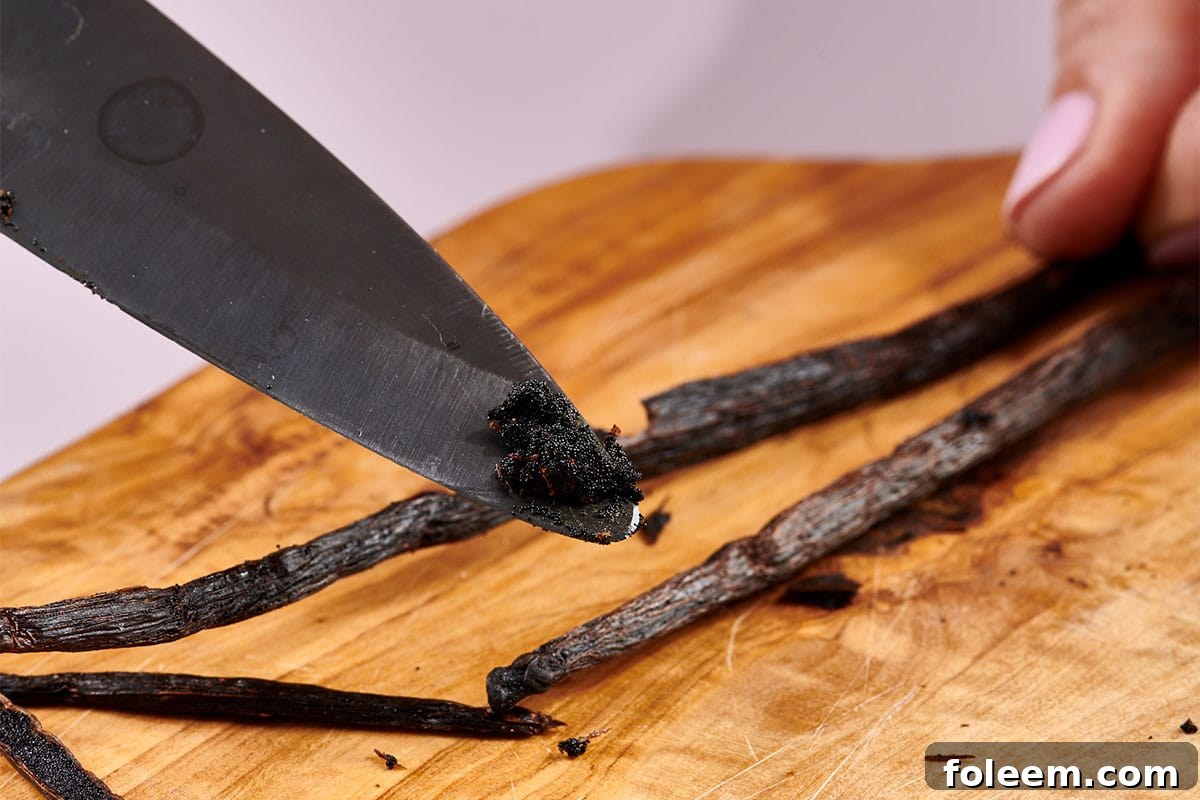
- Scrape out the seeds. Hold the split pod open and scrape the blade down the interior to collect the seeds. The seeds form a small, intensely fragrant pile on the knife.
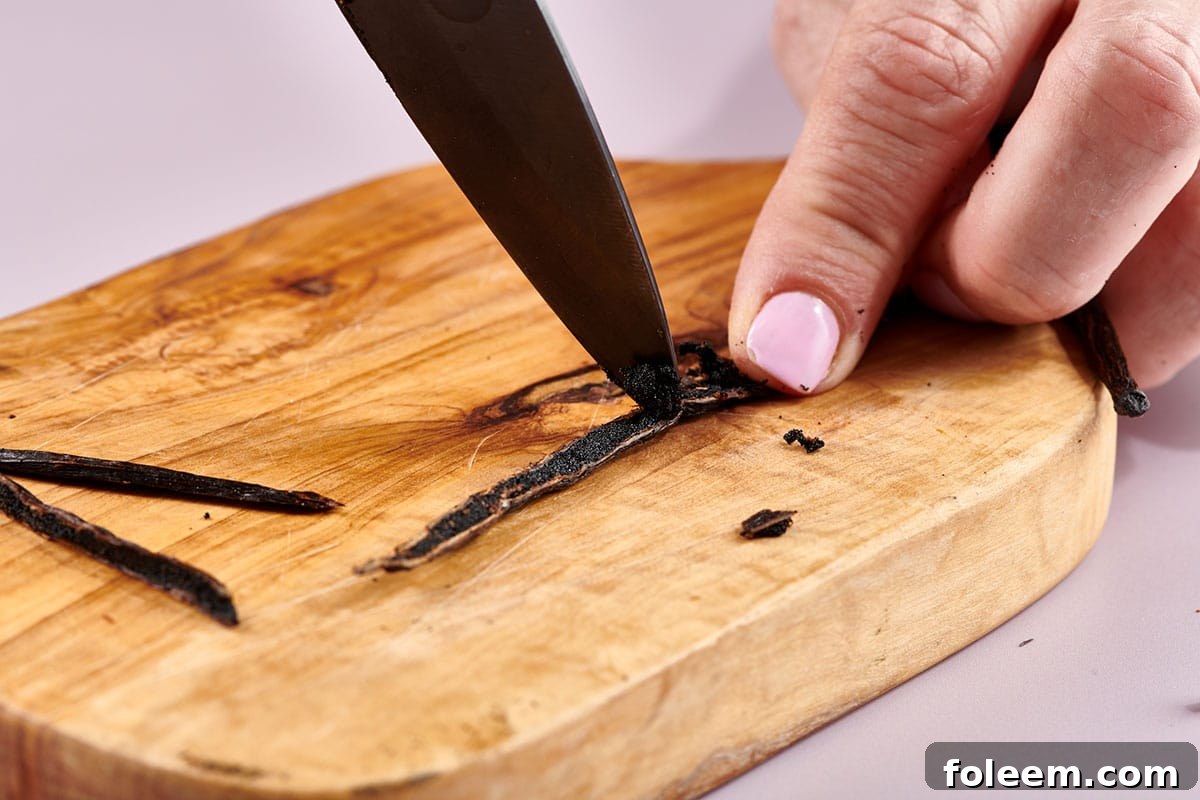
- Use the seeds and save the pod. Add the seeds to your recipe. Don’t discard the empty pod — tuck it into a jar of sugar to make vanilla sugar, or simmer it in milk or cream to infuse custards and sauces.
Tips for Buying and Storing Vanilla Beans
Buy beans from a reputable spice shop or a trusted online purveyor — higher turnover means fresher beans than those dried out in supermarket jars. You don’t have to spend a fortune if you buy small quantities from a good source.
Store beans wrapped in plastic or in an airtight container at room temperature, out of direct light. Avoid the fridge — cold temperatures dry them and can encourage mold. Properly stored, they’ll keep for several months.
If beans are a bit dry, you can revive them by wrapping in a damp paper towel for an hour or briefly soaking them in warm water. They won’t be as fresh as new beans, but still usable.
What to Make With Vanilla Beans
Once you’ve scraped a bean, these are ideal uses:
- Vanilla ice cream — classic and transformative when made with beans.
- Crème brûlée or panna cotta — the suspended seeds are both beautiful and flavourful.
- Pastry cream — perfect for tarts, éclairs, and cream puffs.
- Whipped cream — scrape half a bean into the cream before whipping for a subtle, extraordinary flavor boost.
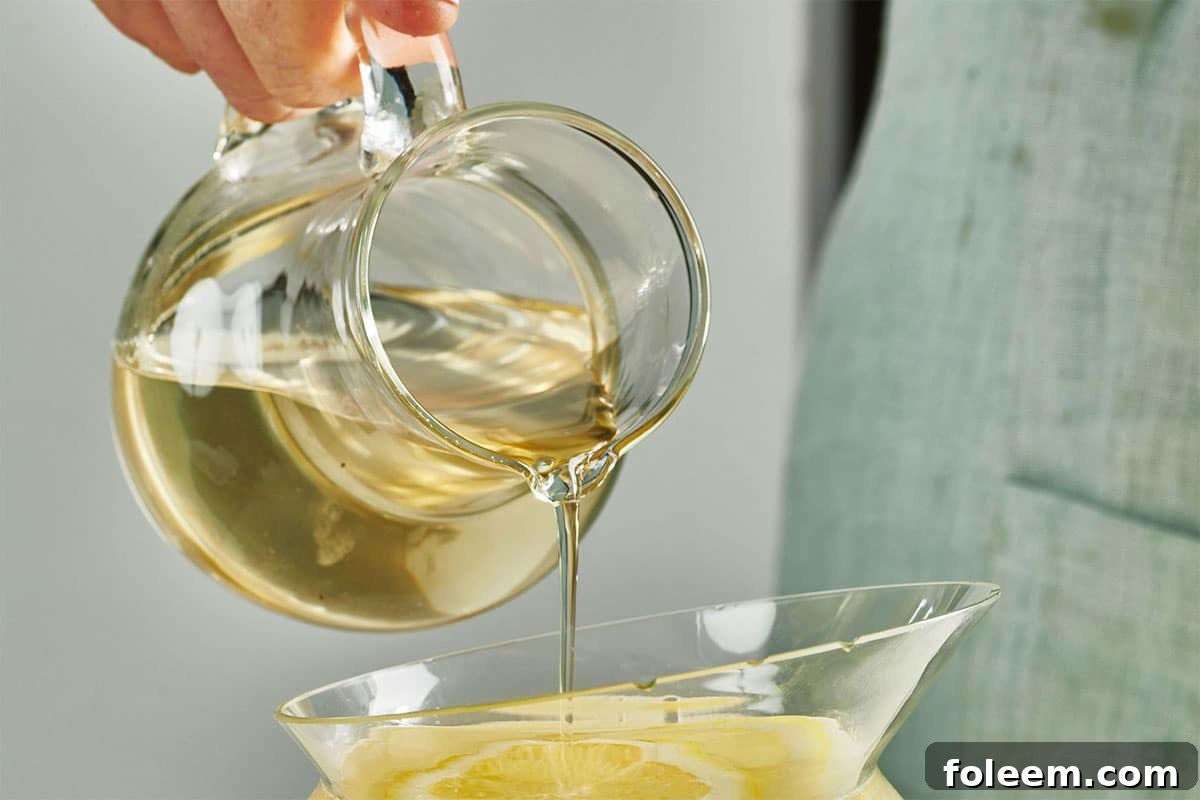
- Simple syrup — vanilla bean syrup is excellent in cocktails, lemonade, or coffee.
Vanilla Sugar
Use vanilla sugar in place of regular sugar for shortbreads, cookies, cakes, whipped cream, or coffee. Reduce or omit any vanilla extract in the recipe depending on how strongly your sugar is flavored.
How to Scrape a Vanilla Bean
Equipment
-
Sharp paring knife
-
Cutting board
Ingredients
- 1 whole vanilla bean
Instructions
-
Place the vanilla bean on a cutting board and hold it flat with your non-dominant hand.
-
Using the tip of a sharp paring knife, make a lengthwise slit down the center of the bean from near the tip to the other end. Don’t cut all the way through — open it like a book.
-
Open the bean and hold it steady. Press the flat edge of the knife tip against the interior and scrape firmly toward the other end to collect the seeds. Repeat on the other half.
-
Scrape the seeds off the knife and into your recipe.
-
Save the empty pod. Place it in a jar of sugar, cover tightly, and let sit for 1–2 weeks for vanilla sugar, or simmer it in milk or cream to infuse custards and sauces.
Notes
Yield
The seeds from one vanilla bean are commonly considered equivalent to 1 teaspoon of pure vanilla extract, though many bakers find the bean delivers more depth and complexity.
Tip
Take your time scraping so you collect all the seeds. They’re sticky and cling to the pod, so a careful second pass is often useful.
Like this recipe? Rate and comment below!
More Cooking Tips
- Easy Cream of Tartar Substitute
- Find Out If Your Eggs Are Bad
- How to Cut Cake Cleanly (Without the Mess)
- What Is Marsala Wine and How to Use It in Cooking?
- Tips for Cooking With Mangosteens