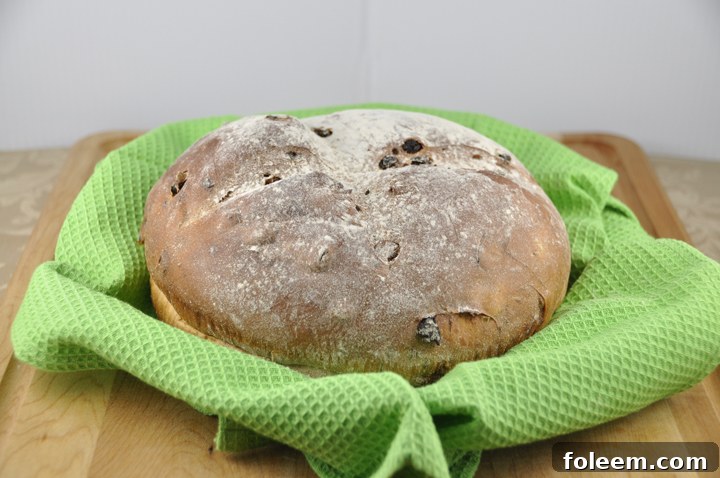
Irresistible Irish Raisin Soda Bread Recipe: Your Quick & Easy St. Patrick’s Day Celebration Bake!
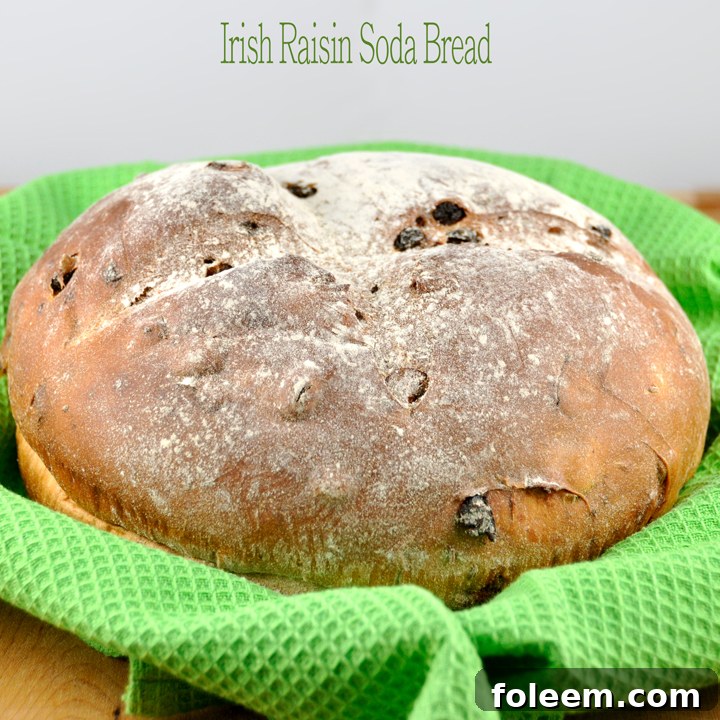
As the days stretch longer and the first whispers of spring fill the air, there’s a renewed sense of warmth and anticipation. It’s a time when we look forward to brighter days, and perhaps, a little extra sunshine to make up for those initial, jarring losses of sleep when daylight saving time begins. For many, this seasonal shift also heralds the approach of St. Patrick’s Day, a vibrant celebration steeped in rich traditions and, of course, delicious food. What better way to welcome both spring and this festive occasion than with a freshly baked loaf of homemade Irish Raisin Soda Bread?
The Enduring Charm of Homemade Irish Soda Bread
Irish Soda Bread holds a special place in culinary history, particularly within Irish culture. It’s a “quick bread,” meaning it doesn’t rely on yeast for leavening. Instead, baking soda (bicarbonate of soda) reacts with buttermilk’s acidity to create carbon dioxide bubbles, giving the bread its signature rise. This makes it incredibly fast and simple to prepare, a true staple for busy households for centuries. Traditionally, soda bread was a plain, hearty loaf, often baked over an open fire, serving as a vital accompaniment to meals.
However, the term “soda bread” can sometimes bring to mind dry, crumbly loaves that lack flavor. For years, I approached Irish soda bread with a degree of skepticism, often finding it to be bland or disappointing. That changed completely when I finally discovered *this* Irish Raisin Soda Bread recipe. After having it tucked away for quite some time, I decided to dedicate a quiet evening to some St. Patrick’s Day culinary experimentation, including whipping up a homemade shamrock shake (which your kids will adore!), and giving this bread a try. The result was nothing short of a revelation: a perfectly moist, delightfully flavorful loaf that genuinely tastes like it came straight from a charming Irish bakery.
Unveiling Our Secretly Moist and Flavorful Raisin Soda Bread
What sets this particular Irish Raisin Soda Bread recipe apart from the rest? It’s all about the balance of ingredients and a few key elements that ensure a tender crumb and incredible taste, dispelling any notion of a dry or boring loaf. The moment this bread starts baking, your kitchen will be filled with an aroma so captivating, it’s almost impossible to wait for it to cool down. My patience, as many know, is minimal, and I found myself cutting into the warm loaf after only a few minutes! And I was so glad I did.
The Magic of Orange Zest (and Why You Shouldn’t Skip It!)
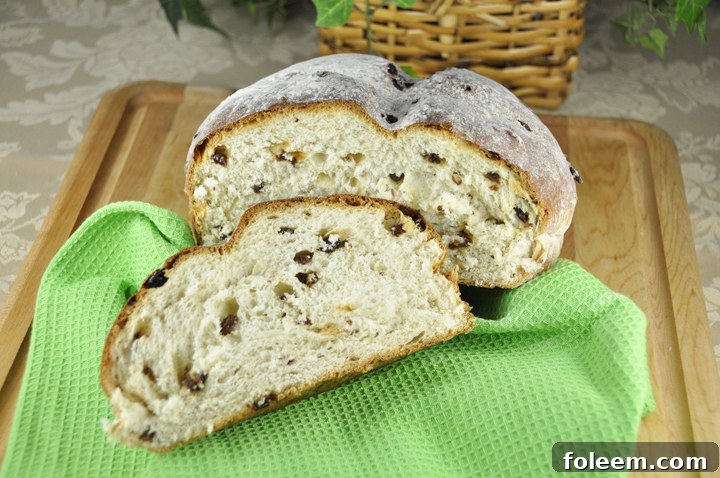
One of the true stars of this recipe is the grated orange zest. While you *can* omit it and still achieve good results, I cannot recommend strongly enough that you include it. The orange zest doesn’t just add a subtle citrus note; it elevates the entire flavor profile, brightening the sweetness of the raisins and adding a wonderful complexity that makes each bite truly memorable. It transforms the bread from merely good to absolutely fabulous. Trust me on this—it’s a game-changer.
When preparing this dough, you’ll notice it’s a bit sticky and quite moist. Don’t be alarmed! This is actually a good sign, indicating the rich moisture content that will result in a beautifully tender loaf. While it might be a little challenging to shape initially, it will come together, and the overall simplicity of this recipe makes it incredibly easy for any baker, regardless of experience level. So embrace the stickiness, as it’s a promise of the deliciousness to come.
Essential Ingredients for Your Bakery-Quality Irish Soda Bread
Crafting this delightful Irish Raisin Soda Bread requires a handful of common pantry staples. The magic truly happens when these simple ingredients come together to form a loaf that’s greater than the sum of its parts. Here’s what you’ll need to create this comforting classic:
Ingredients
- 4 cups all-purpose flour, plus extra for dusting raisins/currants and your work surface
- 4 tablespoons granulated sugar, for a touch of sweetness
- 1 teaspoon baking soda, the crucial leavening agent
- 1 ½ teaspoons kosher salt, to balance the flavors
- 4 tablespoons (1/2 stick) cold unsalted butter, cut into ½-inch dice, for richness and texture
- 1 ¾ cups cold buttermilk, shaken, for acidity and moisture
- 1 extra-large egg, lightly beaten, for binding and richness
- 1 teaspoon grated orange zest, highly recommended for flavor enhancement (can be left out if absolutely necessary)
- 1 cup raisins or currants, the sweet jewels of this bread
Key Ingredients Spotlight:
Each ingredient plays a vital role in the success of your Irish Raisin Soda Bread:
- Buttermilk: This acidic dairy product is essential. It reacts with the baking soda to create the lift and tender texture without the need for yeast. If you don’t have buttermilk on hand, you can make your own by adding 1 tablespoon of lemon juice or white vinegar to regular milk and letting it sit for 5-10 minutes until it slightly curdles.
- Baking Soda: The “soda” in soda bread! Activated by the buttermilk, it’s the primary leavening agent.
- Cold Butter: Much like in scone or biscuit making, using cold butter cut into small pieces helps create pockets of steam during baking, contributing to a wonderfully light and flaky texture.
- Orange Zest: As mentioned, this ingredient is the secret weapon, infusing the bread with a bright, aromatic fragrance and a depth of flavor that complements the raisins beautifully.
- Raisins or Currants: These add natural sweetness and chewiness. Coating them lightly in flour before adding to the dough prevents them from sinking to the bottom of the loaf during baking.
Step-by-Step: Crafting Your Perfect Irish Raisin Soda Bread
Preparing this bread is a straightforward process, making it an ideal choice for both novice and experienced bakers. Follow these simple steps to create a show-stopping loaf that will impress everyone.
Instructions
- Prepare Your Baking Environment: Preheat your oven to 375 degrees F (190 degrees C). Line a sheet pan with parchment paper. Alternatively, you can use a round cake or pie pan, as done in the original recipe, for a more traditional round shape.
- Combine Dry Ingredients: In the bowl of an electric mixer fitted with the paddle attachment (or a large bowl if mixing by hand), combine the 4 cups of all-purpose flour, 4 tablespoons of sugar, 1 teaspoon of baking soda, and 1 ½ teaspoons of kosher salt. Mix briefly to ensure everything is well combined.
- Incorporate the Butter: Add the 4 tablespoons of cold unsalted butter (diced) to the dry ingredients. Mix on low speed until the butter is mostly incorporated into the flour mixture, resembling coarse meal.
- Prepare Wet Ingredients: In a separate bowl, lightly beat together the 1 ¾ cups of cold buttermilk, 1 extra-large egg, and 1 teaspoon of grated orange zest with a fork.
- Combine Wet and Dry: With your mixer still on low speed, slowly pour the buttermilk mixture into the flour and butter mixture. Mix just until combined. The dough will be quite wet and sticky – this is perfectly normal and desired for a moist loaf.
- Add Raisins: In a small bowl, toss the 1 cup of raisins or currants with 1 tablespoon of extra flour. This simple step helps prevent them from sinking to the bottom during baking. Add the floured raisins/currants to the dough and mix briefly, just until evenly distributed.
- Shape the Loaf: Generously flour a clean work surface. Gently turn the sticky dough out onto the floured surface. With well-floured hands, knead the dough a few times, just enough to bring it together into a round loaf shape. Avoid over-kneading, as this can develop the gluten too much and result in a tough bread.
- Prepare for Baking: Carefully transfer the shaped loaf to your prepared sheet pan or baking dish. Using a serrated knife, lightly cut a shallow “X” into the top of the bread. This traditional cross cut is said to ward off evil spirits and also helps the bread bake more evenly.
- Bake to Perfection: Bake for 45 to 55 minutes, or until a cake tester inserted into the center comes out clean. Mine typically takes closer to 55 minutes for a truly golden brown crust. When tapped, the bottom of the loaf should sound hollow, indicating it’s fully cooked through.
- Cool and Serve: Once baked, transfer the loaf to a wire baking rack to cool. For a rustic bakery look, you can optionally dust the top with a little rye flour while it’s still warm. Serve your Irish Raisin Soda Bread warm or at room temperature.
Serving Suggestions & Enjoying Your Homemade Treat
This Irish Raisin Soda Bread is incredibly versatile and can be enjoyed in many ways throughout the day. It’s truly fabulous with its subtle sweetness and the bright notes of orange zest. While it’s fantastic freshly baked, I found it to be absolutely divine the next day, especially when lightly toasted and slathered with a generous amount of butter. The slight crispness from toasting and the creamy butter create a perfect textural contrast that is simply irresistible.
Beyond a simple breakfast or snack, consider pairing a slice with a cup of hot tea or coffee for a comforting afternoon treat. It also makes a wonderful accompaniment to a hearty Irish stew, offering a delightful balance to savory flavors. And, of course, for St. Patrick’s Day, it’s a non-negotiable addition to your festive spread. Its homey charm and delectable taste embody the spirit of the celebration.
Frequently Asked Questions (FAQ) About Irish Soda Bread
Curious to learn more about this beloved quick bread? Here are answers to some common questions:
What’s the Difference Between Traditional and Sweet Soda Bread?
Traditional Irish soda bread is typically a plain, savory bread made with just flour, baking soda, salt, and buttermilk. It’s a peasant bread, designed to be simple and hearty. Sweet soda bread, like this raisin version, includes sugar and often dried fruits (raisins, currants) and sometimes spices or citrus zest, making it more akin to a sweet scone or tea bread. Both are delicious in their own right!
Can I Make My Own Buttermilk?
Absolutely! If you don’t have buttermilk, you can create a substitute. For 1 ¾ cups of buttermilk, measure 1 ¾ cups of regular milk (dairy or non-dairy), remove 1 ¾ tablespoons of milk, then add 1 ¾ tablespoons of lemon juice or white vinegar. Stir gently and let it sit for 5-10 minutes until it slightly curdles. While it’s not exactly the same as cultured buttermilk, it will provide the necessary acidity to activate the baking soda.
How Do I Store Leftover Soda Bread?
To keep your Irish Raisin Soda Bread fresh, store it at room temperature in an airtight container or wrapped tightly in plastic wrap for up to 2-3 days. For longer storage, you can slice the cooled bread and freeze the slices in an airtight bag for up to 1-2 months. Thaw individual slices and toast them for a quick, delicious treat!
What Other Variations Can I Try?
While this raisin and orange zest version is a favorite, feel free to experiment! You can replace raisins with other dried fruits like cranberries or chopped apricots. For a more traditional sweet version, omit the orange zest and consider adding caraway seeds for a distinct aromatic flavor. For a savory twist, remove the sugar and raisins, and instead add grated cheddar cheese and fresh chives or herbs to the dough.
Your New Favorite St. Patrick’s Day Tradition Awaits!
Baking this Irish Raisin Soda Bread is more than just following a recipe; it’s about creating a moment of comfort and celebrating a cherished tradition. The ease of preparation, combined with the utterly delicious results, makes this quick bread an absolute winner. From the fragrant aroma filling your home to the tender, flavorful slices enjoyed with family and friends, this recipe is sure to become a beloved staple.
So, whether you’re celebrating St. Patrick’s Day, looking for a simple yet satisfying baking project, or just craving a delicious homemade treat, give this Irish Raisin Soda Bread a try. You’ll be delighted by how easy it is to achieve bakery-quality results right in your own kitchen. Don’t forget to follow along on Pinterest for more delicious inspiration and share your baking creations with us!