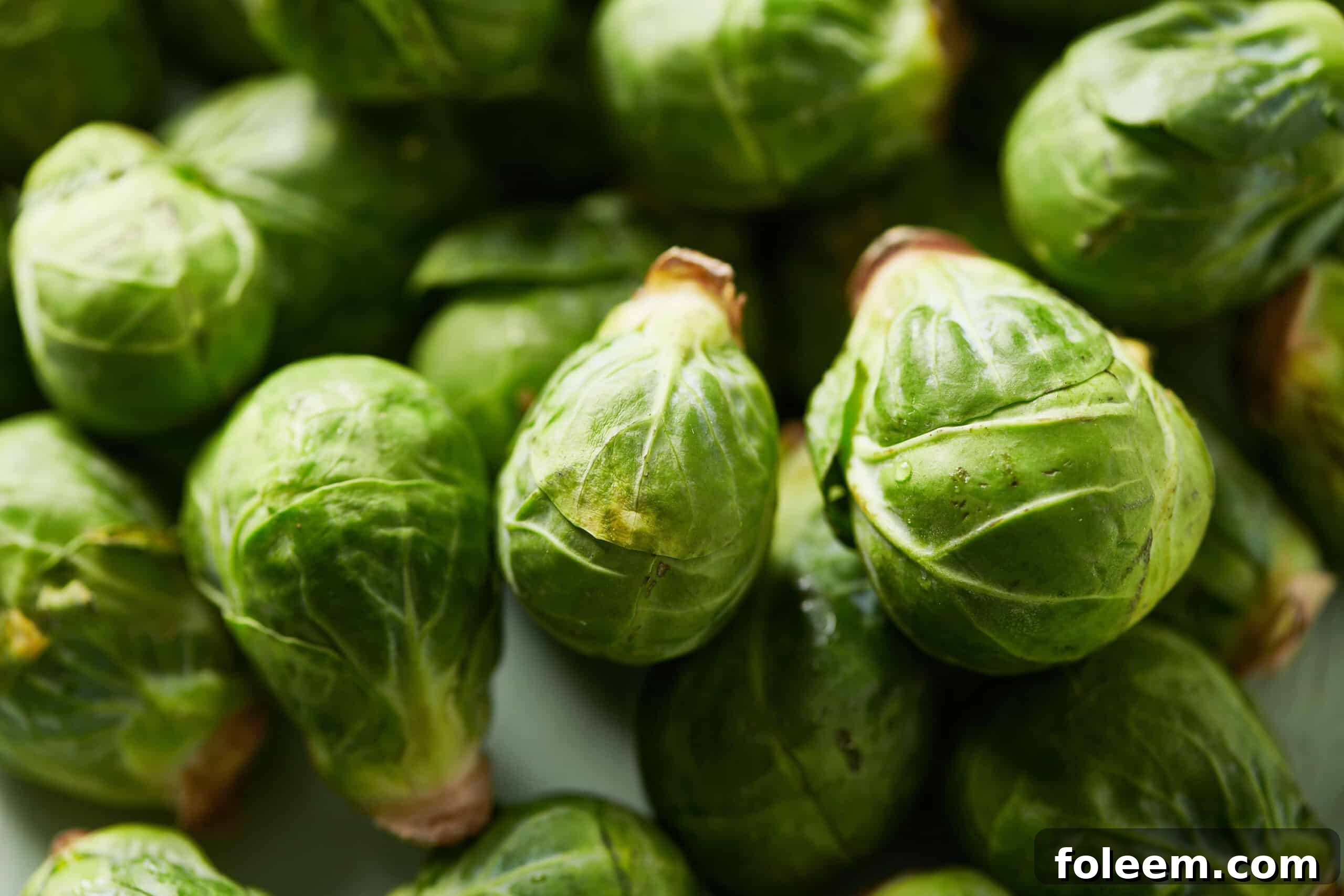
Brussels sprouts are a favorite winter vegetable, commonly enjoyed at holiday meals like Thanksgiving and Christmas. Often misunderstood, they become delicious when cooked well. Brussels sprouts are versatile: raw and thinly sliced for salads, steamed, sautéed, fried, braised, roasted until crispy, or even pickled for a bright, tangy side.
- What Are Brussels Sprouts?
- FAQs
- Buying and Choosing Brussels Sprouts
- What do Brussels Sprouts Taste Like?
- How to Prepare Brussels Sprouts
- The Best Ways to Cook Brussels Sprouts
- Storage
- 17 Brussels Sprouts Recipes
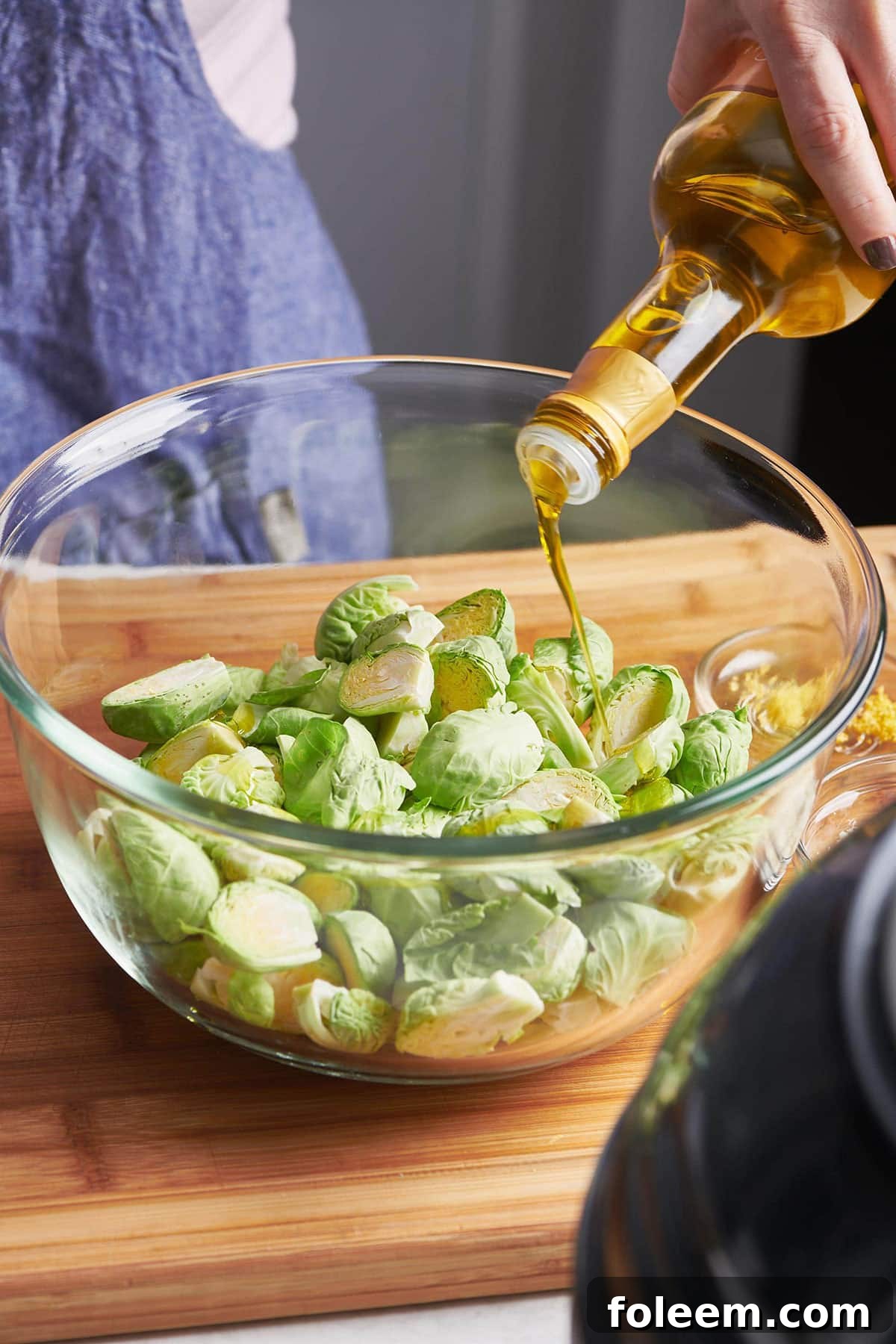
Everything you need to know about how to buy, store, prepare and cook with Brussels sprouts. Plus lots of Brussels sprouts recipes
What Are Brussels Sprouts?
Brussels sprouts are small, cabbage-like vegetables in the cruciferous family alongside cabbage, cauliflower, broccoli, kale, and collards. They look like mini cabbages and grow on a thick central stalk. Although they trace back to ancient Rome, they were popularized around Brussels in Belgium by the 13th century and were introduced to North America in the 18th century. Today, California is the largest U.S. producer. At markets you’ll usually find the sprouts removed from the stalk, sold loose or in bags; in season you may encounter whole stalks at farmers markets.
FAQs
They are small, round, bright green buds resembling mini cabbages, made of tight layers of leaves. On the plant they form along a thick stalk in a spiral pattern.
Many dislike them because they’ve only tried overcooked steamed or boiled sprouts, which can be bitter and limp. Roasting, sautéing, braising, or air frying brings out sweetness and a pleasant texture—try those methods before deciding you don’t like them.
Buying and Choosing Brussels Sprouts
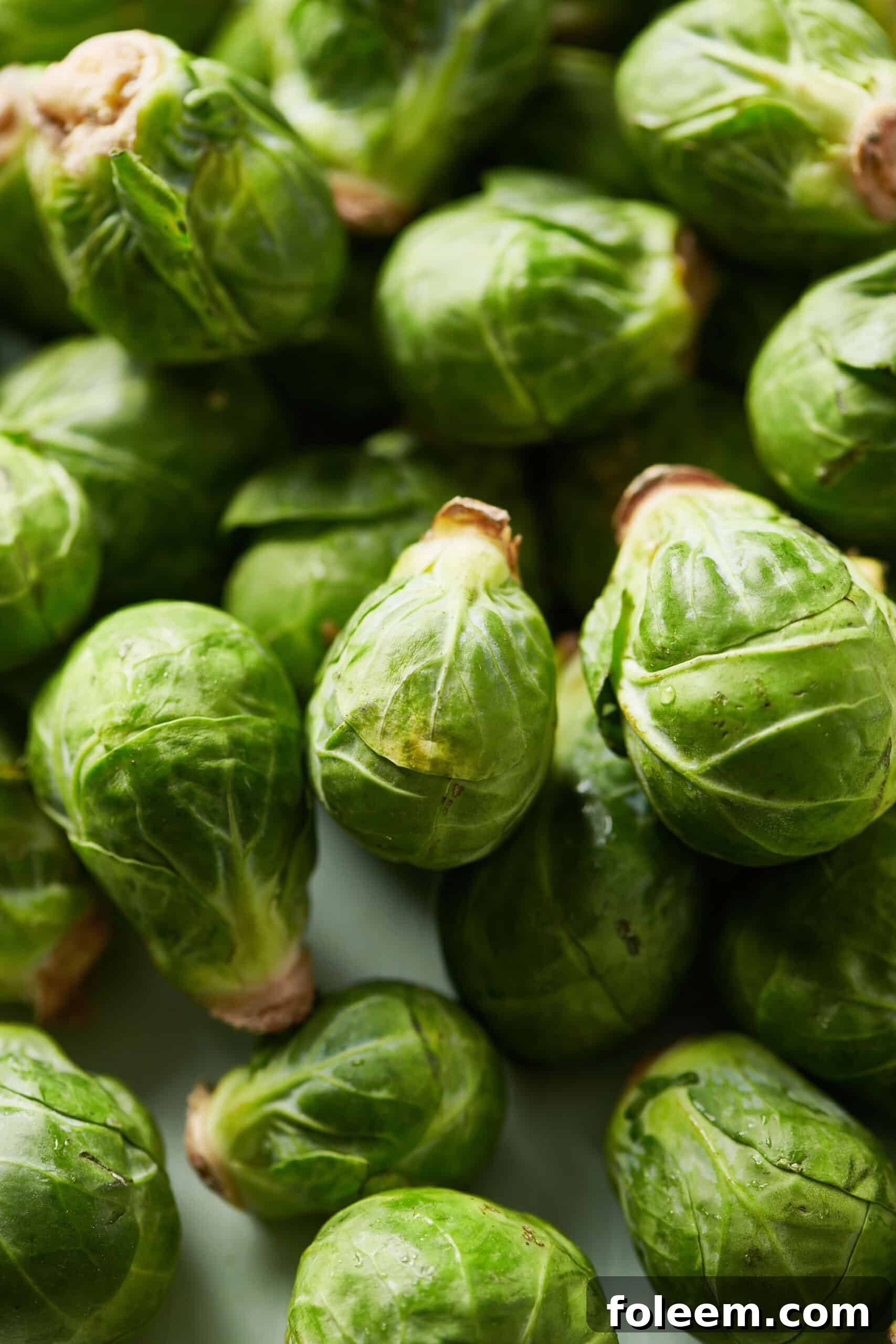
You can find Brussels sprouts year-round in supermarkets and in the frozen aisle. In regions where they are grown, they appear fresh at farmers markets and sometimes still attached to the stalk. Choose firm, bright green sprouts without wilted leaves or bruises. Remove any damaged outer leaves at home. Smaller sprouts are typically more tender and sweeter; larger ones have a more cabbage-like flavor.
They are a cool-weather crop and are abundant in the fall. In California they are grown from summer into winter, but stores generally carry them year-round.
Select firm, evenly colored sprouts without soft spots. Smaller heads are usually sweeter and more tender; if you prefer a stronger, cabbage-like flavor, pick larger ones.
What do Brussels Sprouts Taste Like?
Flavor varies by size and cooking method. Small sprouts are sweeter and more delicate; larger ones can be slightly bitter and cabbage-like. Cooking technique largely determines the final flavor: roasting and sautéing develop sweet, nutty notes while boiling highlights a more cabbage-like character.
Yes. Brussels sprouts are rich in vitamins (notably A and C), fiber, iron, and antioxidants. They are a nutritious cruciferous vegetable with potential health benefits.
How to Prepare Brussels Sprouts
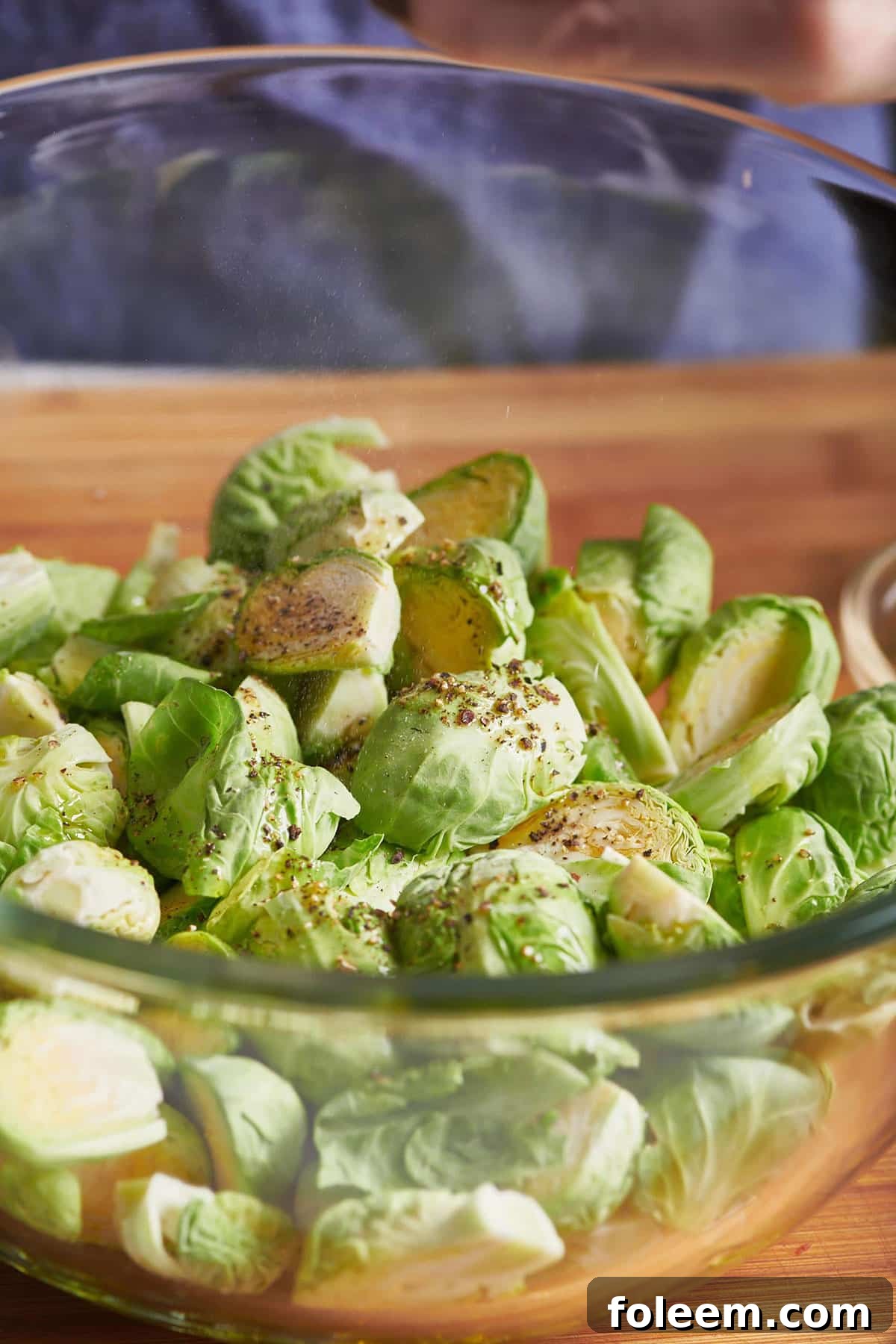
Trim the base of each sprout and remove any browned or wilted outer leaves. If sprouts vary in size, cut them to uniform pieces so they cook evenly. For whole large sprouts, cutting a small X in the stem helps heat reach the center. You can halve, quarter, shred, or thinly slice sprouts depending on the recipe. Use a sharp knife, a food processor slicing blade, or a mandoline for quick shredding. Pre-sliced sprouts are also available.
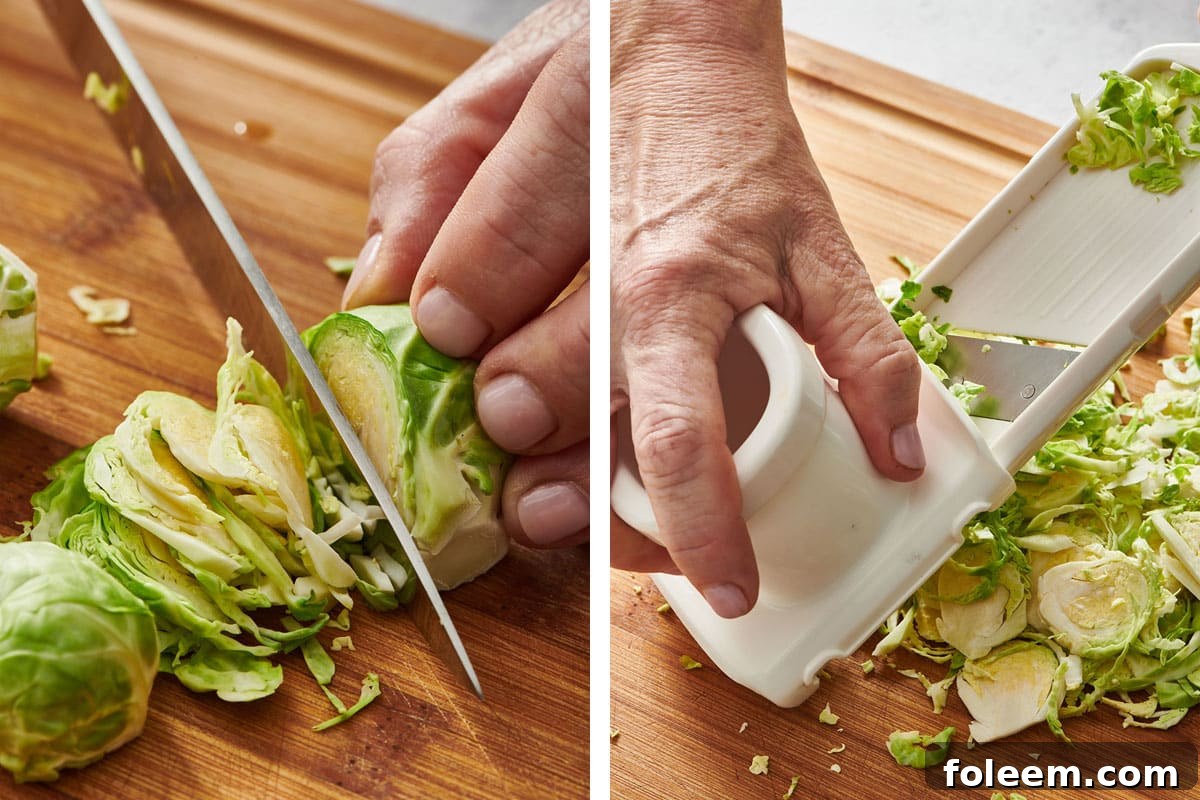
The Best Ways to Cook Brussels Sprouts
Roasting and sautéing are the most popular methods because they enhance the sprouts’ natural sweetness and nuttiness. Toss with olive oil (or melted butter), minced garlic, salt, and freshly ground pepper before cooking. Add extras like bacon or pancetta, balsamic vinegar, lemon, Parmesan, onions, or shallots for more depth. Thinly sliced raw sprouts also pair nicely with bright vinaigrettes.
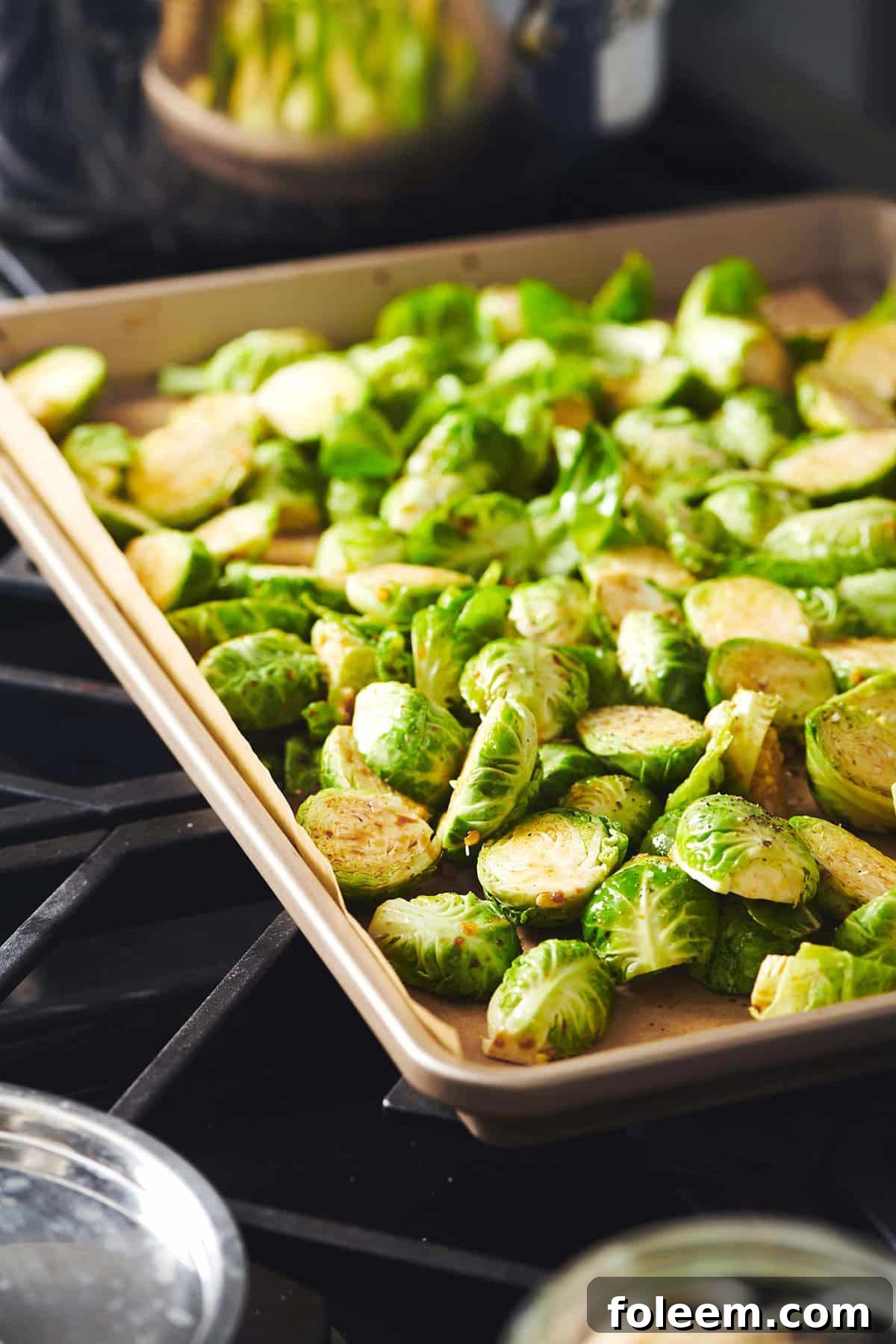
Storage
Brussels sprouts prefer cool storage. On the stalk they can keep for about two weeks in the refrigerator; loose in a bag or airtight container, they last around one week. They freeze very well: blanch briefly in boiling water, shock in ice water, pat dry, and freeze for up to a year. Alternatively, frozen Brussels sprouts are widely available and convenient.
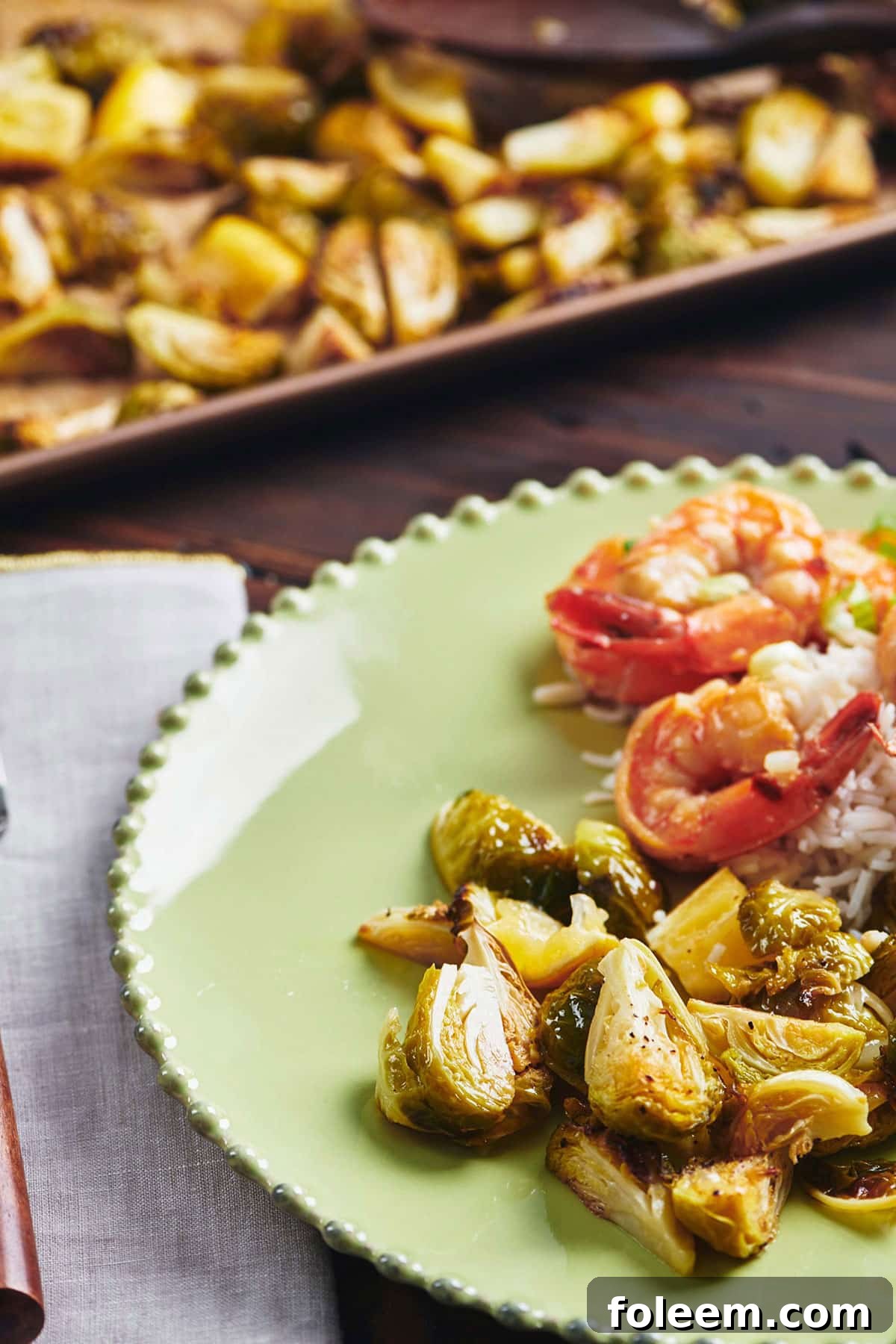
17 Brussels Sprouts Recipes
Brussels sprouts can be a side, a salad base, or even a main course. Below are many recipe ideas that showcase different techniques and flavors.
Crispy Brussels Sprouts Salad
View Recipe
Warm Brussels Sprouts Salad with Anchovy Vinaigrette
View Recipe
Air Fryer Brussels Sprouts
View Recipe
Slow Cooker Maple-Dijon Brussels Sprouts
View Recipe
Warm Brussels Sprouts with Bacon and Mustard Vinaigrette
View Recipe
Brussels Sprouts Slaw
View Recipe
Best Parmesan Brussels Sprouts
View Recipe
Shredded Sautéed Brussels Sprouts
View Recipe
Kung Pao Brussels Sprouts
View Recipe
Kimchi Brussels Sprouts
View Recipe
Pan-Roasted Brussels Sprouts with Chorizo and Toasted Breadcrumbs
View Recipe
Cheesy Baked Brussels Sprouts
View Recipe
Bacon-Wrapped Brussels Sprouts
View Recipe
Roasted Honey Mustard Brussels Sprouts
View Recipe
Brussels Sprouts, Pecorino, and Apple Salad
View Recipe
Roasted Lemon Brussels Sprouts
View Recipe
Chili Crunch Brussels Sprouts
View Recipe
Pin this now to find it later
Pin It