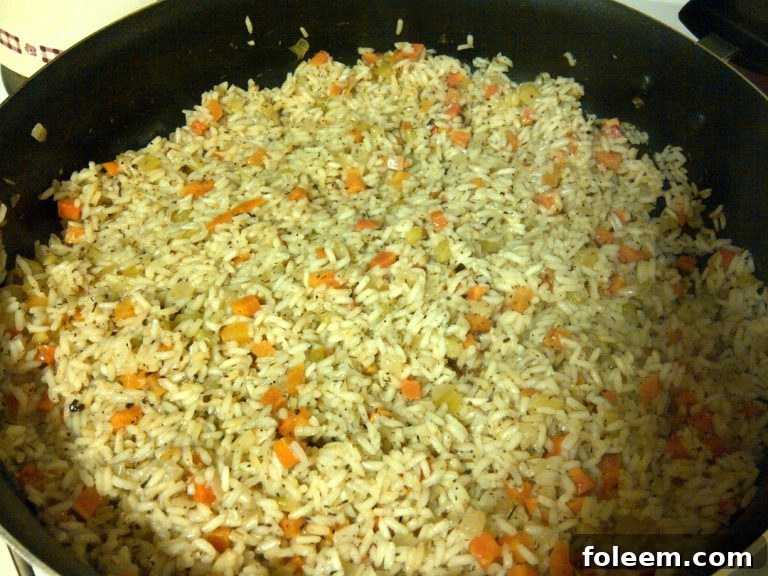
Homemade Rice Pilaf: Your Go-To Easy and Flavorful Side Dish
Say goodbye to bland, boxed mixes and embrace the vibrant flavors of homemade rice pilaf! This incredibly easy recipe promises a perfect side dish for any meal, elevating your dining experience with minimal effort. Forget the artificial flavors and preservatives; this from-scratch version is not only superior in taste but also gives you complete control over your ingredients.
This exquisite and simple rice pilaf was a star among the side dishes I crafted during a memorable culinary session at the New York Wine and Culinary Center. It was specifically designed to complement the savory Pork Tenderloin with Apple Brandy Sauce I shared previously. However, its versatility extends far beyond one specific pairing. This pilaf is an effortless and nourishing addition that harmonizes beautifully with an extensive array of main courses. Imagine serving this fluffy, aromatic pilaf alongside that tender pork tenderloin – it’s an absolutely, positively drool-worthy combination that will impress your taste buds and your guests alike!
Why Choose Homemade Rice Pilaf Over Packaged?
Many of us grew up with the convenience of boxed rice pilaf, a quick fix for busy weeknights. However, once you experience the rich, nuanced flavors and superior texture of homemade pilaf, there’s simply no going back. Store-bought versions often contain excessive sodium, artificial flavorings, and preservatives. Crafting your own allows you to control every ingredient, from the quality of the rice and broth to the freshness of the aromatics and the exact seasoning. This not only results in a healthier dish but one that boasts an incomparably authentic and delicious taste. Plus, you’ll be surprised at how truly simple and quick it is to prepare, often taking less time than you might think for such a rewarding outcome.
What Exactly is Rice Pilaf? A Culinary Definition
At its heart, rice pilaf is a method of cooking rice in a seasoned broth. The technique typically involves sautéing rice in a fat (like butter or oil) with aromatics such as onions and garlic until lightly toasted. This toasting process, often referred to as ‘sautéing en pilaf,’ helps prevent the grains from sticking together, resulting in a distinctively fluffy texture. After toasting, a flavorful liquid, usually chicken or vegetable broth, is added, and the rice is simmered gently until all the liquid is absorbed. The beauty of pilaf lies in its simplicity and its ability to absorb and carry the flavors of the ingredients it’s cooked with, making it a perfect canvas for various culinary explorations.
The Art of Achieving Fluffy Perfection: Key Steps
Creating the perfect rice pilaf is a simple process, but a few key steps make all the difference between sticky rice and fluffy, separate grains:
- Sautéing the Aromatics: Begin by gently cooking finely diced onions and garlic in butter or oil until they are translucent and fragrant. This builds the foundational flavor of your pilaf.
- Toasting the Rice: Add your chosen rice (long-grain white rice like Basmati or Jasmine is ideal) to the pot and stir constantly for a few minutes until the edges of the grains become translucent and some turn a very light golden brown. This step is crucial for preventing stickiness and enhancing the nutty flavor.
- Adding the Liquid: Pour in hot broth or water. Using hot liquid helps maintain the cooking temperature and ensures even cooking.
- Seasoning and Simmering: Season appropriately with salt and pepper, and any desired herbs or spices. Bring the liquid to a gentle simmer, then immediately reduce the heat to low, cover tightly, and let it cook undisturbed.
- The All-Important Rest: Once the liquid is absorbed, remove the pot from the heat and let it rest, still covered, for at least 5-10 minutes. This allows the steam to redistribute, resulting in perfectly fluffed rice. Only then should you gently fluff with a fork.
Essential Ingredients for a Delicious Homemade Pilaf
While the recipe itself is straightforward, the quality of your ingredients will truly shine through. Here’s what you’ll typically need for a foundational rice pilaf:
- Rice: Long-grain white rice like Basmati or Jasmine is traditionally preferred for its delicate flavor and ability to remain separate. Rinsing the rice beforehand can help remove excess starch, contributing to a fluffier texture.
- Fat: Butter or olive oil are commonly used to sauté the aromatics and toast the rice, adding richness and facilitating the golden color.
- Aromatics: Finely diced yellow onion and minced garlic are standard and provide a savory depth.
- Liquid: Chicken broth or vegetable broth are excellent choices, imparting much more flavor than plain water. For a richer taste, you can even use a combination of broth and a splash of white wine.
- Seasoning: Salt, black pepper, and perhaps a bay leaf are common. You can also experiment with fresh or dried herbs like parsley, thyme, or a pinch of saffron for an exotic touch.
Expert Tips and Tricks for the Best Rice Pilaf Every Time
Achieving consistently perfect rice pilaf is easier than you think with these expert tips:
- Resist the Urge to Stir: Once the liquid is added and the pot is covered, do not lift the lid or stir the rice. Stirring releases steam and disrupts the cooking process, leading to mushy rice.
- Accurate Liquid Ratio: The general rule of thumb is 1 part rice to 2 parts liquid, but this can vary slightly depending on the type of rice. Stick to the recipe’s recommendation for best results.
- Use a Heavy-Bottomed Pot: A pot with a thick bottom distributes heat more evenly, preventing scorching and ensuring consistent cooking.
- Don’t Skip the Resting Period: This is a crucial step! Letting the pilaf rest off the heat for 5-10 minutes allows the rice to steam thoroughly and become perfectly fluffy.
- Fluff with a Fork: After resting, gently fluff the rice with a fork, rather than a spoon, to separate the grains without crushing them.
- Taste and Adjust: Always taste your pilaf before serving and adjust salt and pepper if needed. A sprinkle of fresh herbs at the end brightens the flavor.
Versatile Serving Suggestions: More Than Just a Simple Side
While this rice pilaf shines as a magnificent side dish, its versatility allows it to complement a wide array of meals. It’s the ideal accompaniment for:
- Roasted or Grilled Meats: Pair it with the aforementioned Pork Tenderloin, juicy roasted chicken, succulent lamb chops, or a perfectly seared steak. Its subtle flavors enhance without overpowering.
- Seafood: For those who appreciate seafood (and are not Mr. Wishes!), this pilaf is excellent with baked salmon, grilled shrimp, or pan-seared scallops, providing a comforting counterpoint to the delicate flavors of the ocean.
- Vegetarian Mains: Serve it alongside roasted root vegetables, hearty mushroom dishes, or a lentil stew for a satisfying and complete vegetarian meal.
Transform Your Pilaf into a Complete Meal:
Beyond being a side, this rice pilaf can easily become the star of your plate by incorporating a few extra ingredients:
- Grilled or Sautéed Vegetables: Mix in colorful additions like sautéed mushrooms, vibrant red bell peppers, sweet caramelized onions, tender zucchini, bright green peas, or thinly sliced carrots. This adds texture, flavor, and nutrients.
- Grilled or Sautéed Chicken: Cubed or shredded chicken, cooked and seasoned, can be folded into the pilaf, instantly transforming it into a hearty chicken and rice dish.
- Grilled or Sautéed Shrimp: (For those who enjoy seafood!) Quick-cooking shrimp, lightly seasoned and sautéed, makes a fantastic addition, turning the pilaf into a delightful seafood meal.
Customizing Your Pilaf: Endless Possibilities
The beauty of homemade rice pilaf lies in its adaptability. Once you master the basic technique, you can endlessly customize it to suit your preferences and what you have on hand:
- Different Grains: While long-grain white rice is traditional, you can experiment with other grains like brown rice (adjusting cooking time and liquid), or a mix of rice and orzo pasta for a classic pilaf texture.
- Herb & Spice Blends: Add a pinch of turmeric for color and earthy flavor, a dash of cumin, or a sprinkle of dried dill. Fresh herbs like chopped parsley, cilantro, or chives stirred in at the end add a burst of freshness.
- Vegetable Variations: Beyond the standard onions and garlic, consider adding finely diced celery, bell peppers, or even a handful of frozen mixed vegetables during the last few minutes of cooking.
- Enrichment: Stir in a small amount of toasted nuts like slivered almonds or pine nuts for extra crunch and richness. A handful of dried cranberries or golden raisins can add a touch of sweetness.
Experience the Difference: Homemade vs. Packaged
The satisfaction of preparing a dish from scratch that far surpasses its store-bought counterpart is incredibly rewarding. From the moment the onions begin to soften and release their sweet aroma, to the sound of rice toasting gently in the pan, you are creating something truly special. The vibrant flavors, the perfect fluffy texture, and the wholesome goodness of a homemade rice pilaf are simply unmatched. It’s a testament to the fact that often, the simplest ingredients, prepared with a little care and attention, yield the most extraordinary results. This recipe isn’t just about cooking; it’s about transforming simple staples into a culinary delight that nourishes both body and soul.
Homemade Rice Pilaf Recipe
Classic Fluffy Rice Pilaf
A simple, elegant, and irresistibly fluffy rice pilaf that makes the perfect side dish for any meal.
Ingredients:
- 1 tablespoon unsalted butter or olive oil
- 1/2 cup finely diced yellow onion (about 1 small onion)
- 1 clove garlic, minced
- 1 1/2 cups long-grain white rice (such as Basmati or Jasmine), rinsed
- 3 cups low-sodium chicken or vegetable broth (hot)
- 1/2 teaspoon salt, or to taste
- 1/4 teaspoon black pepper, or to taste
- Optional: 1 bay leaf
- Optional: Fresh parsley, chopped, for garnish
Instructions:
- In a medium-sized heavy-bottomed pot or Dutch oven, melt the butter or heat the olive oil over medium heat.
- Add the diced onion and sauté until softened and translucent, about 3-5 minutes.
- Add the minced garlic and cook for another minute until fragrant, being careful not to burn it.
- Stir in the rinsed rice. Cook, stirring constantly, for 3-5 minutes until the rice grains are lightly toasted and some edges appear translucent. This helps prevent sticking and enhances flavor.
- Carefully pour in the hot broth. Add the salt, black pepper, and bay leaf (if using). Bring the liquid to a gentle simmer.
- Once simmering, immediately reduce the heat to low, cover the pot tightly with a lid, and cook undisturbed for 15-18 minutes, or until all the liquid has been absorbed. Do NOT lift the lid during this time.
- Remove the pot from the heat and let it rest, still covered, for an additional 5-10 minutes. This crucial step allows the steam to finish cooking the rice and ensures a fluffy texture.
- Remove the bay leaf (if used). Gently fluff the rice with a fork.
- Taste and adjust seasoning if necessary. Garnish with fresh chopped parsley, if desired, and serve warm.
Notes:
- Rinsing Rice: Rinsing rice thoroughly under cold water until the water runs clear helps remove excess starch, leading to fluffier, less sticky pilaf.
- Hot Broth: Using hot broth helps maintain an even cooking temperature and reduces overall cooking time.
- Don’t Peek! Resisting the urge to lift the lid during cooking is vital for perfectly cooked rice.
- Batch Cooking: This recipe can easily be doubled or tripled for larger gatherings. Just ensure your pot is large enough and maintain the rice-to-liquid ratio.
Conclusion: Your New Go-To Side Dish Awaits!
In conclusion, this homemade rice pilaf is a game-changer for anyone looking to upgrade their side dish game. It’s incredibly simple to prepare, bursting with fresh flavors, and remarkably versatile. Whether you’re serving it alongside a elegant pork tenderloin, grilled chicken, or transforming it into a complete meal with added vegetables and proteins, this pilaf delivers every time. It’s a testament to the fact that simple, wholesome ingredients can create culinary magic that far surpasses any store-bought alternative. Say hello to fluffy, flavorful perfection and make this easy rice pilaf your new kitchen staple!