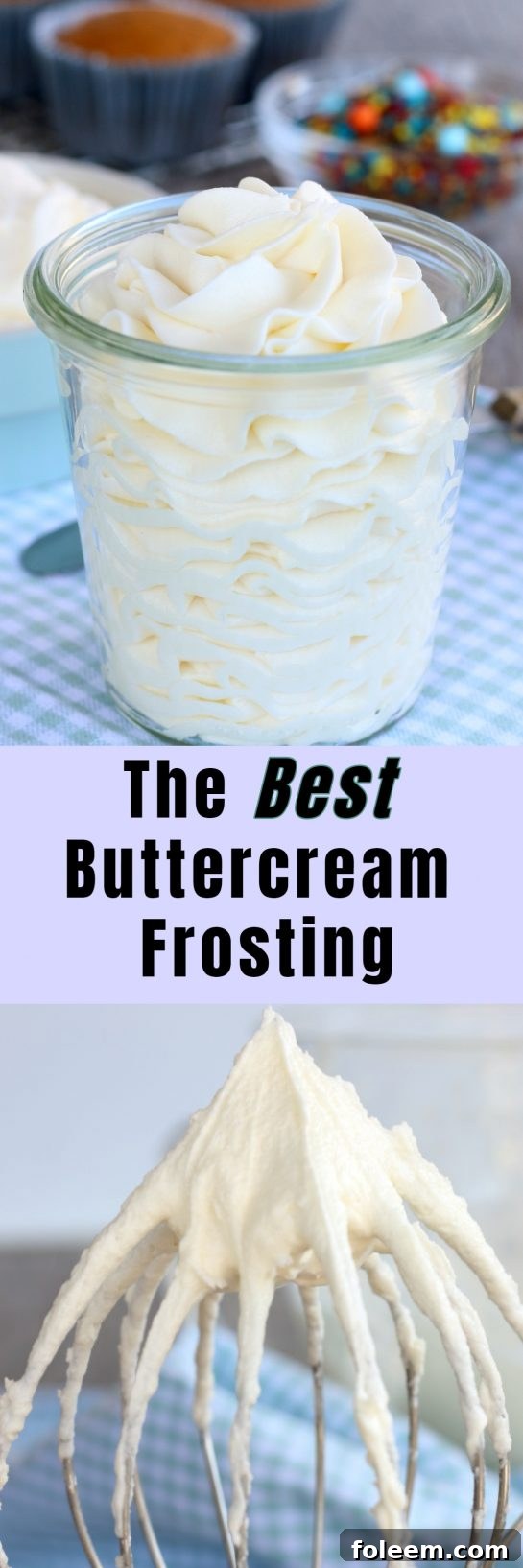
The Best Buttercream Frosting Recipe: Your Ultimate Guide to Sweet Perfection
Every home baker knows the secret to truly unforgettable desserts often lies in the frosting. A truly exceptional buttercream frosting recipe isn’t just a nice-to-have; it’s an absolute essential. Whether you’re a seasoned pastry chef or just starting your baking journey, mastering a simple yet sublime homemade frosting will elevate your creations from good to absolutely extraordinary. This guide unveils what we confidently call the best buttercream frosting recipe – a versatile, reliable, and utterly delicious concoction perfect for cakes, cupcakes, cookies, and even eating by the spoonful when the craving strikes. Its rich, creamy texture and delightful sweetness make it an instant favorite, and the best part? It’s incredibly easy to make! Say goodbye to store-bought tubs and hello to the fresh, vibrant taste of homemade.
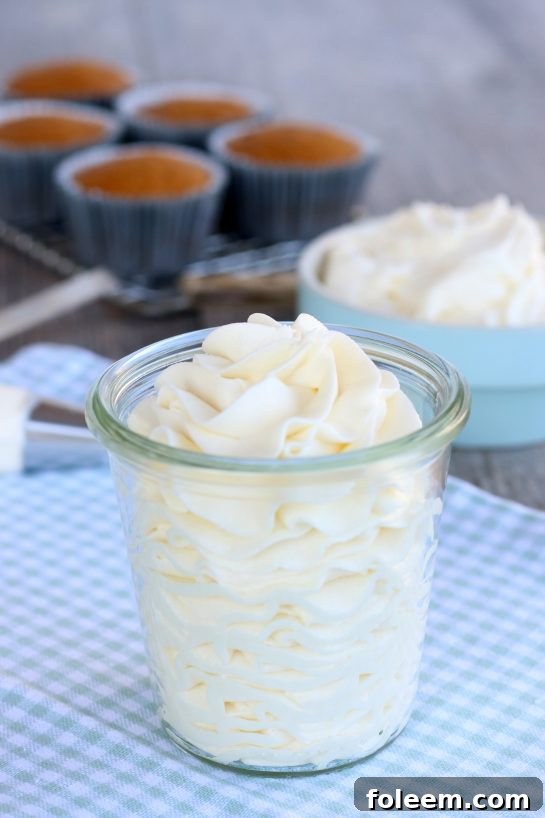
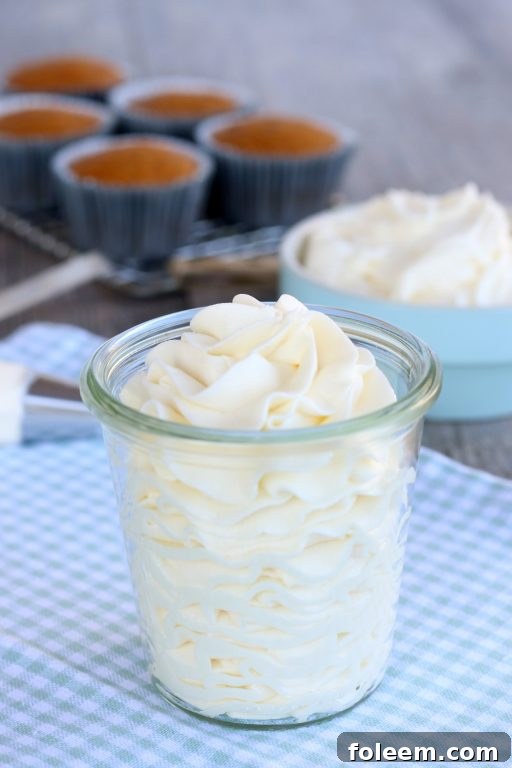
There’s a special joy in seeing a beautifully frosted cake or a perfectly piped cupcake. This recipe delivers that joy, consistently creating a smooth, stable, and richly flavored frosting that holds its shape and impresses every time. Beyond its aesthetic appeal, the taste is paramount. This buttercream strikes the perfect balance of sweetness and buttery richness, with a hint of vanilla that complements virtually any baked good. Imagine it delicately blanketing your favorite cut-out sugar cookies during the holidays, or crowning a fluffy vanilla cake – the possibilities are endless with this versatile base.
Essential Ingredients for Your Perfect Buttercream Frosting
Creating truly exceptional buttercream relies on a handful of high-quality ingredients and understanding their role. While substitutions are possible, sticking to these four core components will guarantee the best results for this specific recipe. This is an incredibly forgiving frosting, making it perfect for beginners, but precision with these basics ensures its signature smooth texture and delightful flavor.
- 1 cup (2 sticks) unsalted butter, softened: Unsalted butter allows you complete control over the salt content in your frosting, ensuring a balanced flavor profile. Softened butter (not melted!) is crucial for a smooth, lump-free buttercream. It should be pliable enough to leave an indentation when pressed, but still cool to the touch.
- 4 cups powdered sugar (confectioners’ sugar): This superfine sugar dissolves easily into the butter, creating a silky-smooth texture without any graininess. The quantity can be adjusted slightly to achieve your desired consistency.
- 1-2 tablespoons heavy whipping cream or milk: This liquid component helps achieve the perfect spreadable or pipeable consistency. Heavy whipping cream will result in a richer, stiffer frosting, ideal for intricate decorating, while milk offers a slightly lighter texture.
- 1 teaspoon clear vanilla extract: While regular vanilla extract adds incredible flavor, clear vanilla extract is the secret to achieving a pure, bright white buttercream, especially important if you plan on vibrant coloring. If the color isn’t a concern, feel free to use standard vanilla extract for its robust flavor.
Unpacking Buttercream Varieties: Is This an American Buttercream?
Yes, the delightful recipe we’re sharing today is indeed an American buttercream. This classic style is renowned for its simplicity, speed, and versatility. Typically made by creaming butter with powdered sugar and a touch of liquid and flavoring, it yields a rich, sweet, and airy frosting that’s beloved for its ease of preparation and crowd-pleasing taste. It’s the go-to for countless home bakers and professional confectioners alike due to its stability and ability to hold intricate piped designs.
However, the world of buttercream is much broader and more fascinating! While American buttercream is fantastic, exploring other types can open up a whole new realm of textures and flavors:
- Swiss Meringue Buttercream: This elegant buttercream begins by gently heating egg whites and sugar over a double boiler until the sugar fully dissolves. The mixture is then whipped into a stiff, glossy meringue before softened butter is gradually added. The result is a remarkably smooth, silky, and less sweet frosting that’s incredibly stable, perfect for intricate piping and warmer climates.
- Italian Meringue Buttercream: Similar to Swiss meringue, Italian buttercream also uses egg whites, but with a different technique. A hot sugar syrup is carefully drizzled into whipping egg whites, cooking them as they transform into a sturdy meringue. Once cooled, softened butter is incorporated. This method creates an incredibly stable, glossy, and airy buttercream that is renowned for its resilience and smooth consistency, making it ideal for delicate decorations.
- French Buttercream: A rich and decadent option, French buttercream is made with egg yolks (instead of whites) whipped with hot sugar syrup, then blended with butter. This results in a custardy, intensely buttery, and yellowish frosting with a luxurious mouthfeel. It’s less stable than meringue-based buttercreams but offers unparalleled richness.
While these other buttercreams offer unique characteristics, our American buttercream recipe provides the perfect balance of ease, flavor, and reliability for everyday baking and special occasions alike. It’s the perfect entry point into the world of homemade frosting!
How to Master the Best Buttercream Frosting: Step-by-Step Instructions
Get ready to unleash your inner pastry artist! This section guides you through the simple steps to create a delicious, perfectly textured buttercream frosting that will become your go-to recipe. The beauty of this recipe lies in its straightforward process, ensuring flawless results every time, even if you’re new to frosting making.
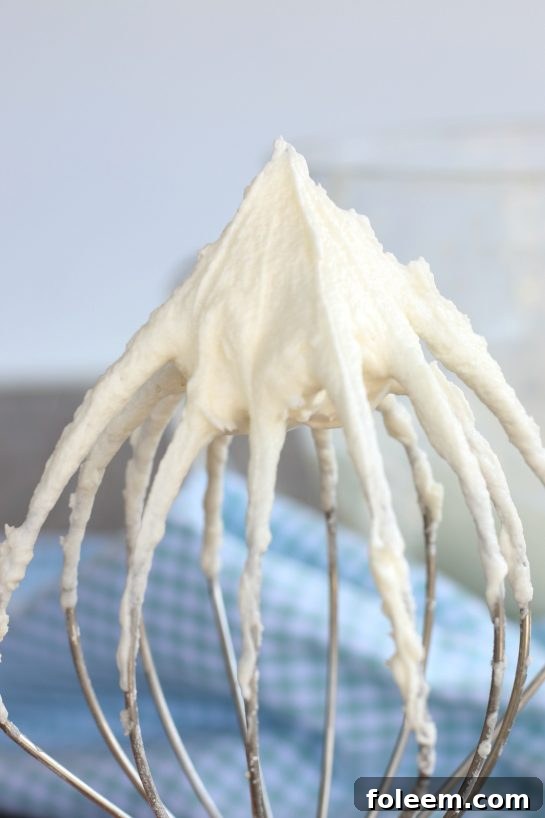
- Cream the Butter until Fluffy and Smooth: In a large mixing bowl, preferably using a stand mixer with a paddle attachment or a hand mixer, beat the softened unsalted butter on medium-high speed for 3-5 minutes. You’re looking for a transformation: the butter should become visibly lighter in color, pale yellow, and significantly fluffier and creamier in texture. This step incorporates air, which is vital for a light and airy buttercream. Remember to scrape down the sides of the bowl frequently to ensure even creaming.
- Sift Powdered Sugar (Optional, but Recommended): While not strictly mandatory, sifting your powdered sugar into a separate medium bowl before adding it to the butter is a highly recommended step. Powdered sugar can sometimes clump together, and sifting removes these lumps, ensuring an incomparably smooth, velvety frosting free of any gritty texture. This extra minute of effort makes a noticeable difference in the final quality.
- Gradually Add Powdered Sugar, Alternating with Heavy Cream: With your mixer on low speed, begin adding the sifted powdered sugar to the creamed butter, about a cup at a time. After each addition of sugar, add approximately half a tablespoon of heavy whipping cream (or milk). Continue this alternating process until all the sugar is incorporated and 1-2 tablespoons of liquid have been used. This gradual addition prevents a cloud of sugar from enveloping your kitchen and helps the ingredients combine smoothly.
- Add Vanilla Extract and Beat Well: Once all the sugar and liquid are incorporated, add the clear vanilla extract. Increase the mixer speed to medium-high and beat the frosting for another 2-3 minutes. This final beating step ensures all ingredients are thoroughly combined, further aerates the frosting, and helps achieve that light, fluffy consistency. Scrape down the bowl one last time to catch any unmixed ingredients.
- Use Immediately or Store for Later: Your perfect buttercream frosting is now ready to use! Spread it generously onto cakes, pipe it onto cupcakes, or swirl it onto cookies. If you’re not using it right away, transfer it to an airtight container and store it in the refrigerator for up to a week. When ready to use after refrigeration, let it come back to room temperature (this might take 1-2 hours) and re-whip it for a minute or two on medium speed until it’s light and fluffy again.
Expert Tips for Crafting the Perfect Butter Frosting
Achieving buttercream perfection is within reach with a few helpful pointers:
- The Power of Clear Vanilla: As mentioned, using clear vanilla extract is your secret weapon for maintaining a brilliant white buttercream. If a slightly off-white tint doesn’t bother you, regular vanilla extract will provide a deeper, more traditional vanilla flavor. Experiment to see which you prefer!
- Mastering Consistency: The beauty of this recipe lies in its adjustability. If your frosting seems too thick for piping or spreading, simply add another teaspoon of heavy whipping cream or milk at a time, beating until you reach your desired consistency. Conversely, if it’s too thin, gradually mix in a tablespoon or two more of powdered sugar until it stiffens up. This flexibility ensures your frosting is perfect for any application.
- Butter Temperature is Key: Ensure your butter is truly softened – not melted, not rock-hard. Softened butter creams beautifully, incorporating air for that light, fluffy texture. If your butter is too cold, your frosting will be lumpy; too warm, and it will be greasy and runny.
- Don’t Skimp on Mixing Time: The initial creaming of the butter and the final whipping after all ingredients are combined are crucial. These steps aerate the frosting, making it light and fluffy. Don’t stop mixing until it reaches that desired pale, airy texture.
- Sift for Smoothness: While optional, sifting powdered sugar eliminates lumps, guaranteeing a silky-smooth finish. This is especially important if you’re piping delicate designs.
- Coloring Your Buttercream: For vibrant hues, always use gel food coloring. Liquid food coloring can thin out your buttercream, altering its consistency. Add gel color sparingly with a toothpick, mixing well between additions until you achieve your desired shade.
Do I Have to Use Heavy Whipping Cream? What Are My Options?
While heavy whipping cream provides a wonderful richness and a firmer, more stable consistency ideal for intricate decorating, it’s not your only option. If you don’t have heavy whipping cream on hand, or simply prefer a lighter frosting, you can absolutely use milk instead!
Using whole milk (or even 2% milk) works perfectly well. The frosting might be slightly less stiff than with heavy cream, but it will still be delicious and entirely suitable for most applications. Just be mindful that you might need to adjust the amount of powdered sugar slightly to achieve the perfect balance of consistency and sweetness. Start with the recommended amount, then add more powdered sugar or milk in small increments until you reach your ideal spreadable or pipeable texture. Don’t let a lack of heavy cream stop you from making this amazing buttercream!
Can This Butter Frosting Be Used as a Homemade Cake Icing? Absolutely!
This butter frosting is incredibly versatile and is absolutely perfect as a homemade cake icing. Its smooth texture makes it a dream to spread, and its stability allows for beautiful piping, making any cake look professionally decorated. Beyond cakes, its applications are vast:
- Cupcakes: Pipe generous swirls onto your favorite cupcakes, like my delightful Watermelon Cupcakes, for an instant upgrade.
- Cookies: Use it to decorate sugar cookies, gingerbread, or even as a filling for sandwich cookies.
- Brownies & Bars: A thick layer of this buttercream transforms a simple pan of brownies or dessert bars into an indulgent treat.
- Donut Filling or Topping: Fill homemade donuts or drizzle it over a glazed pastry.
- Crepes & Waffles: A dollop on top adds a touch of sweetness to breakfast or brunch.
- Dessert Pizza: Use it as a sweet base for fruit dessert pizzas.
The truth is, this frosting is so wonderfully delicious, you’ll find yourself looking for every possible excuse to slather it on all your favorite baked goods. It truly elevates any dessert it touches!
Will This Frosting Be Suitable for Piping onto My Desserts?
Without a doubt! This buttercream frosting is wonderfully pipeable, making it an excellent choice for decorating cupcakes, cakes, and various other desserts. Its stable yet creamy consistency holds its shape beautifully, allowing you to create a wide array of designs, from simple swirls to more intricate patterns.
You can use virtually any piping tip with this versatile buttercream. I’m particularly fond of the Wilton 1M star tip for creating elegant rose swirls or classic star designs, and a large round tip for generous, smooth mounds of frosting. Paired with an amazing cupcake recipe, the results are simply stunning, creating that perfect, bakery-worthy finish. Don’t be shy – grab your piping bag and get creative!
How to Easily Flavor Your Buttercream for Endless Possibilities
While the classic vanilla American buttercream is a timeless favorite, this recipe serves as a fantastic base for endless flavor explorations. Don’t limit yourself to just vanilla; get creative and customize your frosting to complement any dessert:
- Chocolate Buttercream: Sift in 1/2 to 3/4 cup unsweetened cocoa powder along with the powdered sugar. Adjust sweetness and consistency with more sugar or cream as needed.
- Strawberry Buttercream: Blend in 1/4 to 1/2 cup finely pureed and strained fresh or frozen strawberries (ensure minimal liquid) for a natural fruit flavor and beautiful pink hue, similar to my Easy Strawberry Buttercream. Alternatively, use a few drops of strawberry extract.
- Citrus Buttercream: Add 1-2 teaspoons of lemon, lime, or orange zest for a bright, refreshing flavor. A small amount of citrus juice can also be added, but be careful not to thin the frosting too much.
- Nut Butter Buttercream: Incorporate 1/2 cup of smooth peanut butter, almond butter, or cashew butter for a rich, nutty twist, just like my Peanut Butter Buttercream Frosting.
- Coffee Buttercream: Dissolve 1-2 teaspoons of instant espresso powder or strong instant coffee in a tablespoon of hot water, let it cool, then mix it into your frosting for a robust coffee flavor.
- Mint/Peppermint Buttercream: Add 1/2 to 1 teaspoon of peppermint extract (or mint extract) for a cool, refreshing taste, perfect for holiday desserts or chocolate pairings.
- Spice Buttercream: Mix in a pinch of cinnamon, nutmeg, ginger, or pumpkin spice for a warm, comforting flavor.
- Liqueur-Infused Buttercream: Replace a tablespoon of the heavy cream with a tablespoon of your favorite liqueur (e.g., Kahlua, Grand Marnier, Amaretto) for an adult-friendly twist.
Always add flavorings gradually, tasting as you go, to achieve your desired intensity. The possibilities are truly limitless, allowing you to tailor your buttercream to any occasion or dessert!
Enjoy the sweet rewards of your homemade masterpiece!
- 1 cup (2 sticks) unsalted butter, softened
- 4 cups powdered sugar
- 1-2 tablespoons heavy whipping cream or whole milk
- 1 teaspoon clear vanilla extract
- In a mixing bowl, cream butter with a mixer until fluffy and smooth, about 3-5 minutes.
- Sift powdered sugar into a medium bowl – this step is OPTIONAL, but highly recommended as it makes the frosting smoother and easier to mix without lumps.
- Gradually add the sifted powdered sugar to the creamed butter, alternating with 1-2 tablespoons of heavy cream or milk, beating on low speed until combined.
- Add vanilla extract and beat on medium-high speed for another 2-3 minutes until light and fluffy.
- Use immediately to frost your favorite desserts or store in an airtight container in the refrigerator for up to 1 week. Let it come to room temperature and re-whip before using if refrigerated.
Important Notes:
- Using clear vanilla extract will help keep your buttercream super white. Regular vanilla extract can be used but may impart a slightly off-white tint.
- To adjust consistency: if too thick, add more heavy whipping cream (or milk) by the teaspoon; if too thin, add more powdered sugar by the tablespoon, until desired texture is reached.
- Heavy whipping cream will give the frosting a stiffer, richer consistency great for decorating. Milk can be used as a substitute for a slightly lighter texture.