Fluffy French Toast Perfection
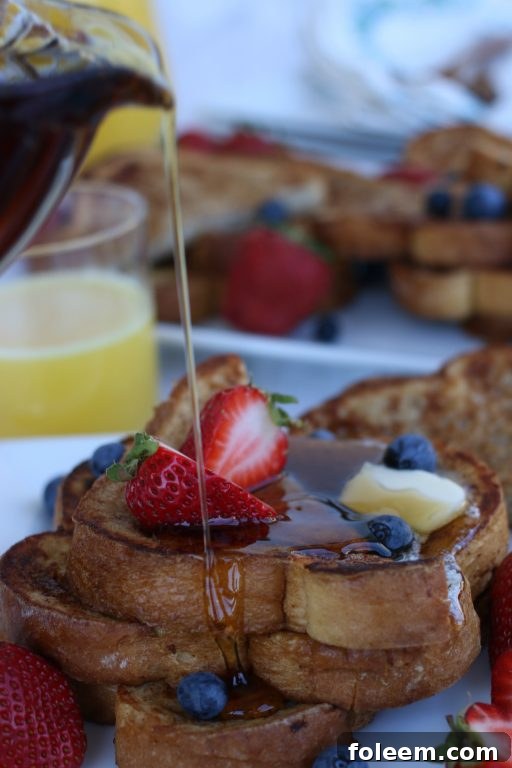
Mastering the Art of Homemade French Toast: Your Ultimate Guide
Forget complicated recipes and secret ingredients – learning how to make French toast is surprisingly simple and incredibly rewarding. This guide will walk you through creating an indulgent, golden, and perfectly flavored French toast that will elevate any breakfast or brunch. Whether you’re a seasoned chef or a kitchen novice, prepare to transform ordinary bread into an extraordinary culinary delight that will have everyone asking for more!
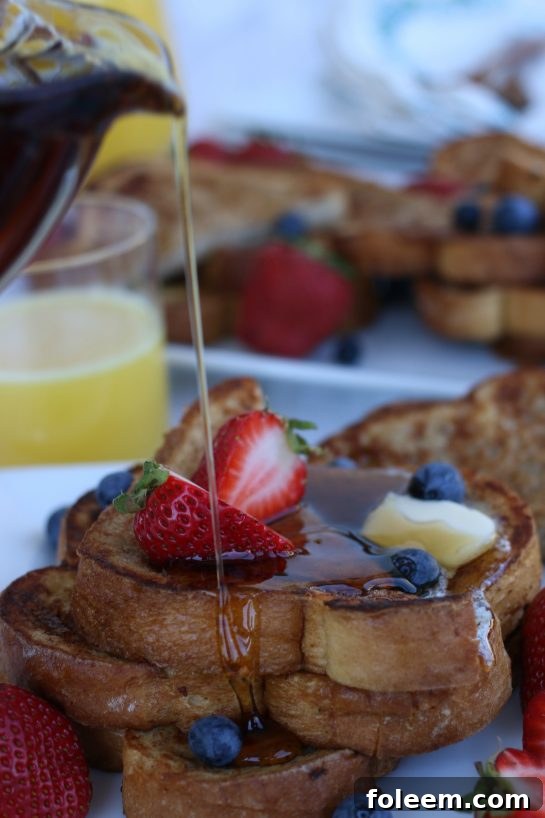
Why Homemade French Toast Reigns Supreme
There’s something uniquely comforting and satisfying about a plate of freshly made French toast. While many cafes and restaurants offer their versions, nothing quite compares to the warmth and customization of a homemade batch. When you make French toast from scratch, you control the quality of ingredients, the richness of the custard, and the delightful array of toppings. It’s an act of love, turning simple pantry staples into a breakfast masterpiece that brings smiles to the table. Plus, it’s often more economical and allows for dietary adjustments, making it truly the best way to enjoy this classic.
Choosing the Best Bread for French Toast: The Foundation of Flavor
The bread is the unsung hero of any great French toast recipe. While almost any bread can technically be used, selecting the right kind can dramatically enhance the texture and overall experience. The key is finding a bread that is sturdy enough to soak up the rich custard without falling apart, yet soft enough to yield a tender interior. Thick-cut slices are always recommended, as they offer more surface area for that delicious crispy exterior while maintaining a moist, fluffy center.
Top Bread Choices for Perfect French Toast:
- Texas Toast: Readily available in most grocery stores like Walmart, Texas Toast is pre-sliced to the ideal thickness. Its generous size makes for hearty, satisfying portions perfect for soaking up flavor.
- Brioche: This rich, buttery French bread is a top contender. Its high egg and butter content gives it a naturally sweet flavor and a tender crumb, which becomes incredibly custardy when soaked and cooked.
- Challah: A Jewish egg bread, Challah is similar to brioche in its richness and slightly sweet profile. Its braided structure results in a dense yet airy texture that holds up beautifully to the custard.
- Sourdough: For those who prefer a tangier note, sourdough offers a delightful contrast to the sweet custard and toppings. Its firm crust provides a satisfying chew.
- Artisan White Bread: A good quality, thick-cut artisan white bread can also work wonders, offering a neutral canvas for your flavors.
Pro Tip: Slightly stale bread (a day or two old) is often preferred. It’s less likely to get soggy and absorbs the custard more effectively, leading to a firmer, more uniformly cooked slice.
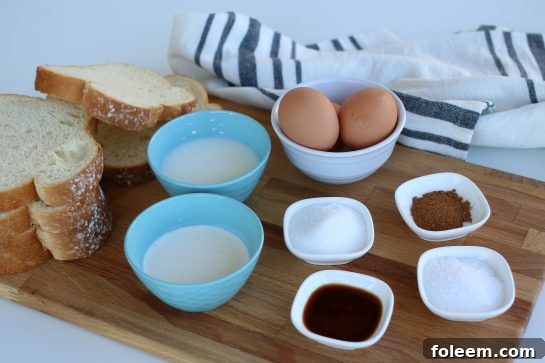
Crafting the Perfect French Toast Custard: The Heart of the Recipe
The custard, or egg mixture, is where the magic truly happens. It transforms ordinary bread into a sweet, savory, and incredibly indulgent treat. Our classic French toast recipe focuses on a balanced blend of dairy, eggs, and aromatic spices to create a rich soaking solution that infuses every bite with flavor.
Essential Custard Ingredients and Their Roles:
- Milk (Full-Fat Recommended): Provides moisture and helps create a creamy texture. While any milk will work, full-fat milk or half-and-half adds a luxurious richness that makes the French toast truly decadent.
- Heavy Cream: Takes the indulgence up a notch, contributing significant creaminess and a velvety mouthfeel. It’s a secret weapon for an extra-special French toast.
- Large Eggs: The binding agent that holds everything together and creates that classic “eggy” texture. They also contribute to the golden-brown crust.
- Sugar: Adds sweetness and aids in caramelization, giving the French toast a beautiful golden hue.
- Vanilla Extract: A crucial flavoring agent that adds warmth and depth, complementing the sweetness and spice.
- Ground Cinnamon: The quintessential spice for French toast, providing a comforting aroma and flavor that pairs perfectly with breakfast.
- A Pinch of Salt: Don’t skip this! Salt balances the sweetness and enhances all the other flavors, preventing the French toast from tasting flat.
Expert Tips for Flawless French Toast Every Time
While the recipe itself is straightforward, a few key tips can elevate your French toast from good to absolutely unforgettable. Pay attention to these details for consistently perfect results.
Tips for Success:
- Choose the Right Soaking Dish: A shallow casserole dish or pie plate is ideal. It allows you to easily submerge one or two slices of bread at a time, ensuring even saturation without waste.
- Don’t Over-Soak (or Under-Soak): The goal is for the bread to absorb enough custard to become flavorful and tender, but not so much that it becomes soggy and falls apart. For thick-cut bread, about 30 seconds to 1 minute per side is usually perfect, depending on the bread’s freshness and density.
- Proper Pan Temperature: Heat your skillet or griddle to medium-high heat. Too low, and your French toast will be pale and greasy; too high, and it will burn on the outside before the inside is cooked through. A hot pan ensures a beautiful golden-brown crust.
- Grease Between Batches: Always add a little butter or non-stick spray to your pan before cooking each new batch of French toast. This prevents sticking and contributes to that desirable crispy, buttery crust.
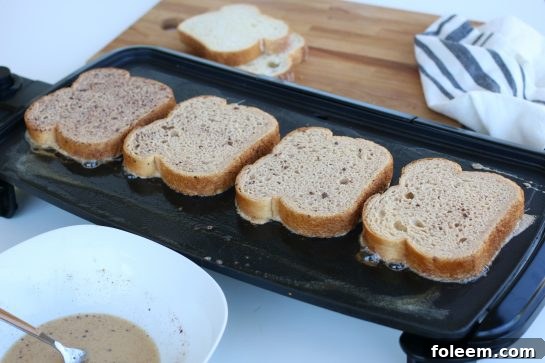
- Consider an Electric Griddle: If you’re feeding a crowd or simply love efficiency, an electric griddle is a game-changer. It provides a large, even cooking surface, allowing you to cook multiple slices simultaneously and get breakfast on the table faster.
- Keep Cooked French Toast Warm: As you cook batches, transfer finished slices to a baking sheet in a warm oven (around 200°F / 95°C) to keep them toasty until you’re ready to serve everything.
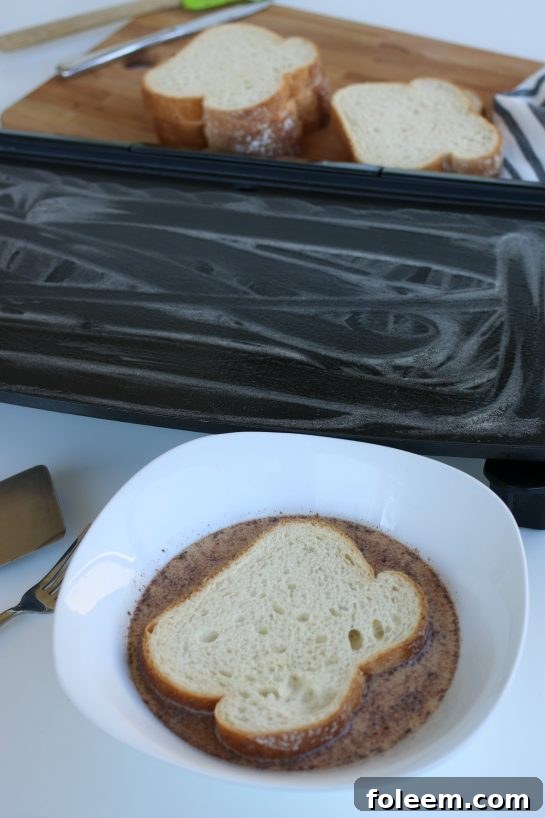
Addressing Common French Toast Woes: Blandness & Soggy Textures
Sometimes, despite following a recipe, your French toast might not turn out exactly as expected. Don’t worry, these common issues are easy to troubleshoot!
“My French Toast is Bland!”
This is a frequent complaint, but it’s easily remedied. Our recipe is designed to be bursting with flavor, but if you find yours lacking, it likely just needs a little more of the “good stuff”! Don’t be shy with the spices and flavorings.
- Increase Spices: If it tastes flat, try adding a little more cinnamon, nutmeg, or even a pinch of cardamom to your custard.
- Boost Sweetness: A touch more sugar in the batter, or a sprinkle of cinnamon sugar directly onto the French toast while it’s cooking, can make a huge difference.
- Enhance Vanilla: Quality vanilla extract is potent. If using imitation vanilla, you might need a bit more. Consider adding a few drops of almond extract for an interesting twist.
- Salt Matters: Remember that dash of salt! It balances the sweet flavors and makes everything pop.
“My French Toast is Soggy!”
Sogginess usually stems from one of two issues:
- Too Much Soaking: If your bread sits in the custard for too long, it becomes oversaturated and won’t cook properly, leading to a mushy interior. Stick to the recommended soaking times.
- Not Hot Enough Pan: A pan that isn’t sufficiently hot will not create a crisp exterior quickly enough, allowing the moisture from the custard to linger and create a soggy texture. Ensure your pan is preheated to medium-high.
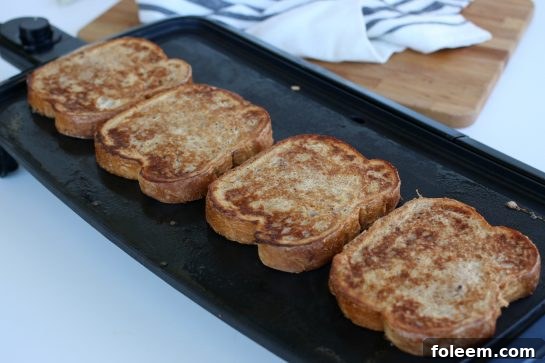
Gathering Your Ingredients for Classic French Toast
Ready to whip up some culinary magic? This recipe focuses on simple, accessible ingredients that come together to create that irresistible brunch staple. Once you master this classic, feel free to experiment and create your own signature blends!
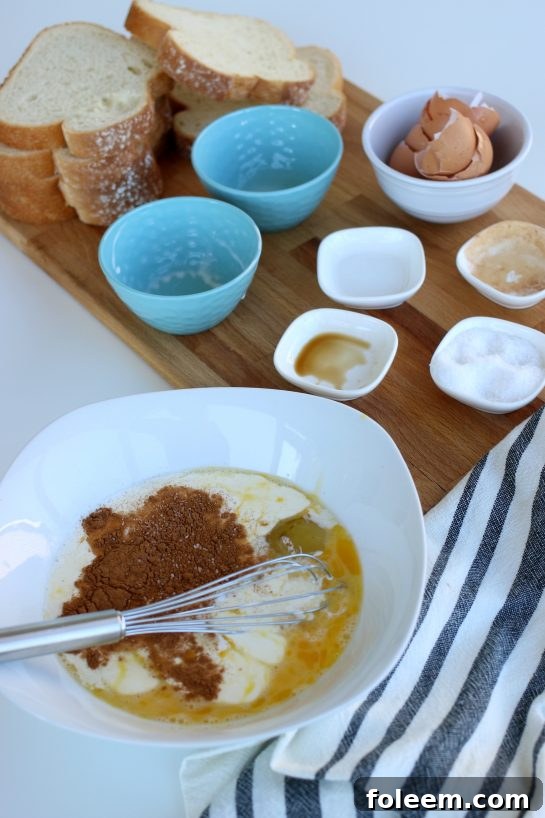
Ingredients You’ll Need:
- ¼ Cup Milk (whole milk or half-and-half recommended for richness)
- ¼ Cup Heavy Cream
- 3 Large Eggs
- 1 ½ Tbsp Granulated Sugar
- ¾ Teaspoons Vanilla Extract
- ¾ Teaspoons Ground Cinnamon
- A Dash of Salt
- Butter or Non-Stick Spray (for greasing the pan)
- 6 Slices Thick-Cut Bread (e.g., Texas Toast, Brioche, Challah)
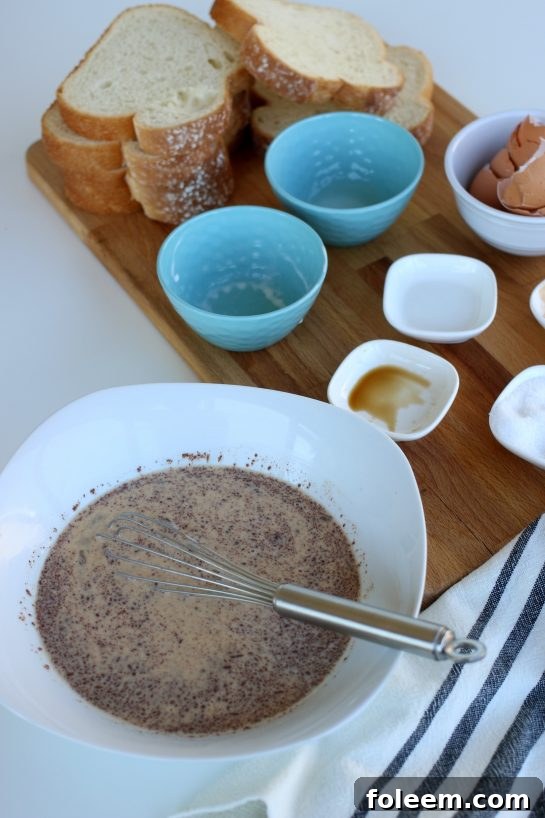
Step-by-Step: How to Make French Toast
Follow these simple instructions to create perfectly golden and delicious French toast that will impress everyone at the breakfast table.
- Prepare the Custard: In a shallow bowl or casserole dish (ideal for soaking bread), whisk together the milk, heavy cream, eggs, sugar, vanilla extract, ground cinnamon, and a dash of salt. Whisk vigorously until all ingredients are thoroughly combined and the mixture is smooth, ensuring no streaks of egg white remain.
- Heat the Pan: Place a nonstick skillet or electric griddle over medium-high heat. Allow it to preheat for a few minutes. Once hot, add a pat of butter or a spray of non-stick oil to coat the cooking surface. You want the butter to melt and slightly sizzle without burning.
- Soak the Bread: Give your egg mixture one final quick whisk. Take one slice of thick-cut bread and gently immerse it into the custard, allowing it to soak for about 30 seconds on one side. Flip the bread and let the other side soak for an equal amount of time. The bread should be thoroughly saturated but not dripping excessively.
- Cook to Golden Perfection: Carefully transfer the soaked bread slice from the custard to the preheated pan. Cook for 2-4 minutes per side, or until each side is beautifully golden brown and cooked through. The exact time will depend on your pan’s heat and the thickness of your bread.
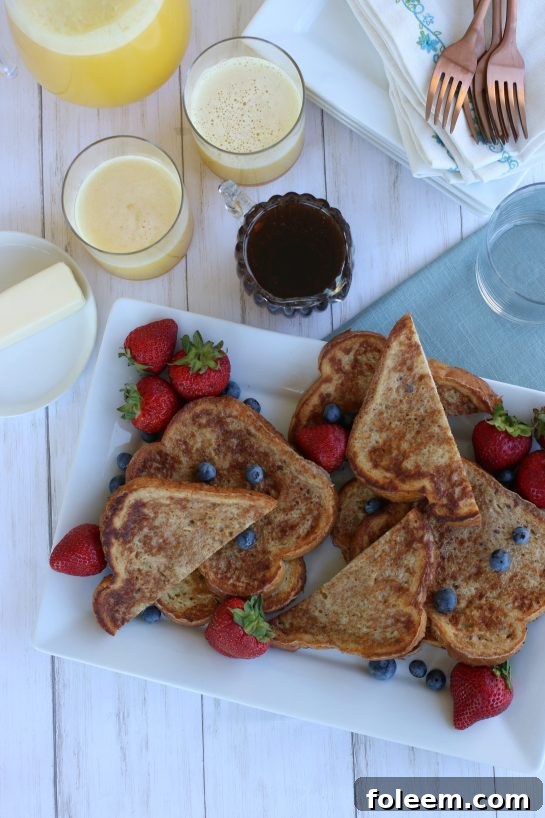
- Repeat and Serve: As you finish each slice, add more butter or non-stick spray to the pan before soaking and cooking the next slice. Continue this process until all your bread is cooked or your custard mixture is used up. Serve your easy French toast warm, directly from the pan, or keep it warm in a low oven until ready to enjoy with your favorite toppings.
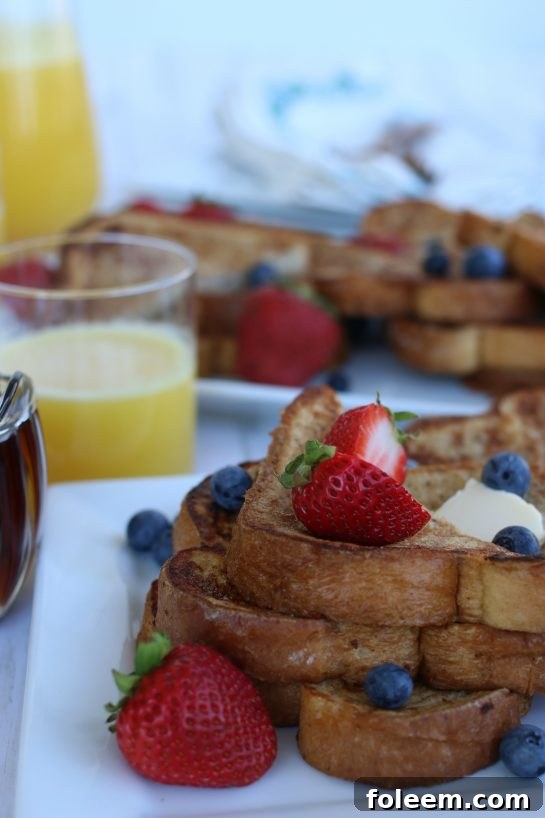
Creative Toppings & Serving Suggestions for French Toast
The beauty of French toast lies in its versatility. While it’s utterly delicious on its own, it also serves as a fantastic canvas for an endless array of toppings. Let your imagination run wild and create a personalized French toast experience!
Sweet Topping Ideas:
- Classic Maple Syrup & Butter: The timeless duo. Pure maple syrup is highly recommended.
- Powdered Sugar: A simple dusting adds an elegant touch and extra sweetness.
- Fresh Fruit: Sliced strawberries, blueberries, raspberries, banana slices, or mixed berries add freshness and a hint of tartness.
- Whipped Cream: A dollop of homemade or store-bought whipped cream makes it extra decadent.
- Chocolate Syrup or Chocolate Chips: For the chocolate lovers, a drizzle of syrup or a sprinkle of chips that melt onto the warm toast.
- Nutella or Peanut Butter: Spread generously for a rich, nutty flavor.
- Jelly or Jam: Your favorite fruit preserve can add a burst of fruity flavor.
- Pie Filling: A quick and easy way to add a warm, fruity topping – apple, cherry, or peach pie filling works wonderfully.
- Caramel Sauce: A sweet, buttery drizzle for an extra indulgent treat.
- Marshmallows: Lightly toasted under a broiler for a gooey, sweet finish.
- Toasted Nuts: Pecans, walnuts, or almonds add a lovely crunch and earthy flavor.
Savory Twist Toppings:
Don’t limit yourself to sweet! French toast can also be a fantastic base for savory combinations.
- Crumbled Bacon or Sausage: The salty crispness provides a wonderful contrast.
- Fried Egg: For a hearty breakfast plate, top with a perfectly cooked fried egg.
- Avocado & Everything Bagel Seasoning: A surprisingly delicious modern twist for the adventurous palate.
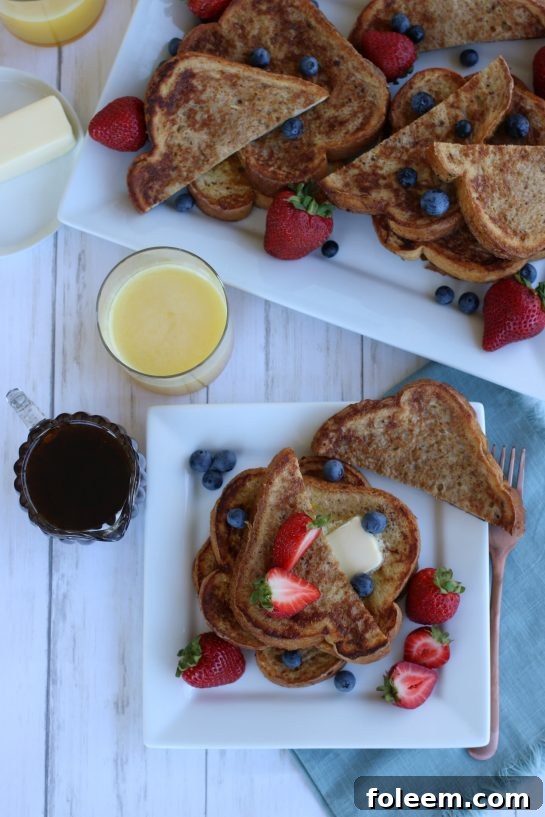
Frequently Asked Questions About French Toast
Can I prepare French toast ahead of time?
While freshly made French toast is best, you can prepare the custard mixture the night before and store it in an airtight container in the refrigerator. In the morning, simply give it a good whisk and proceed with soaking and cooking the bread. Cooked French toast can be reheated in a toaster, oven, or microwave, but it might lose some of its crispness.
How do I reheat French toast without it getting soggy?
The best way to reheat French toast is in a toaster oven or conventional oven at 350°F (175°C) for about 5-10 minutes, or until heated through and slightly crispy. A regular toaster can also work if the slices fit. Microwaving is quick but tends to make it softer and sometimes chewy.
Can I use gluten-free bread?
Absolutely! Gluten-free bread can be used to make French toast. Just ensure it’s a thick-cut variety that won’t disintegrate when soaked. The soaking time might need to be slightly adjusted as gluten-free breads can absorb liquid differently.
What’s the difference between French toast and Eggy Bread?
Essentially, they are very similar! “Eggy bread” is a more colloquial term, often implying a simpler preparation with just eggs and maybe a dash of milk or salt. “French toast” typically suggests a richer custard with milk, cream, sugar, vanilla, and cinnamon, leading to a more indulgent and dessert-like breakfast.
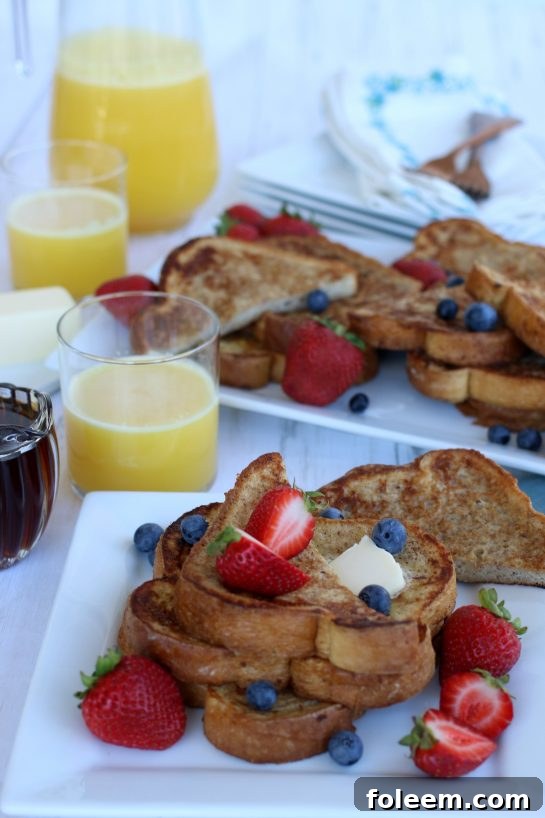
More French Toast Inspirations
Once you’ve mastered this classic recipe, the world of French toast variations is yours to explore! Here are some other fantastic French toast recipes that you should definitely try to expand your breakfast repertoire:
Blueberry French Toast Casserole
Banana & Nutella Stuffed French Toast
Crock Pot Cinnamon Bun French Toast
Mini French Toast Sausage Roll-Ups
Coconut Crusted French Toast
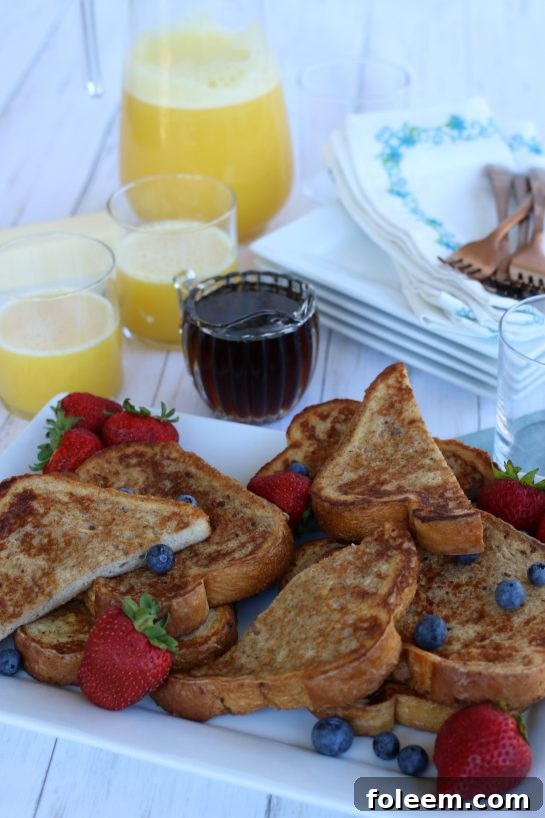
Classic French Toast Recipe
Learning how to make French toast isn’t about secret ingredients or special tools. This recipe will show you how to make this incredibly indulgent breakfast and brunch staple!
Recipe Type: Breakfast
Cuisine: American / French-inspired
Author: Ashley
Prep time: 15 mins
Cook time: 10 mins
Total time: 25 mins
Serves: 6
Ingredients:
- ¼ Cup Milk
- ¼ Cup Heavy Cream
- 3 Large Eggs
- 1 ½ Tbsp Sugar
- ¾ Teaspoons Vanilla Extract
- ¾ Teaspoons Ground Cinnamon
- A Dash of Salt
- Butter (for greasing the pan)
- 6 Slices Thick-Cut Bread
Instructions:
- In a shallow bowl or casserole dish, mix together the milk, heavy cream, eggs, sugar, vanilla, cinnamon, and a pinch of salt. Whisk vigorously until everything is combined really well for a nice smooth finish.
- Use a nonstick skillet or griddle on medium-high heat. Use butter or a non-stick spray to keep your French toast from sticking to your pan!
- Now that your pan is heated up, you are ready to start cooking! Give your egg mixture one last good whisking and then start placing your bread into the mixture one by one. Allow each slice to soak up some egg mixture on both sides (about 30 seconds to 1 minute per side) before placing it into the preheated pan. Cook each slice on both sides until golden brown!
- Add butter or non-stick spray between slices to keep them from sticking and continue step three until you have used your egg mixture up entirely or until you have enough slices for everyone to enjoy.
- Serve your easy French toast warm with butter, maple syrup, fresh fruit, or any other toppings you enjoy. (See topping ideas above in this post).