Zesting Lemons: Simple Techniques for Perfect Citrus Zest
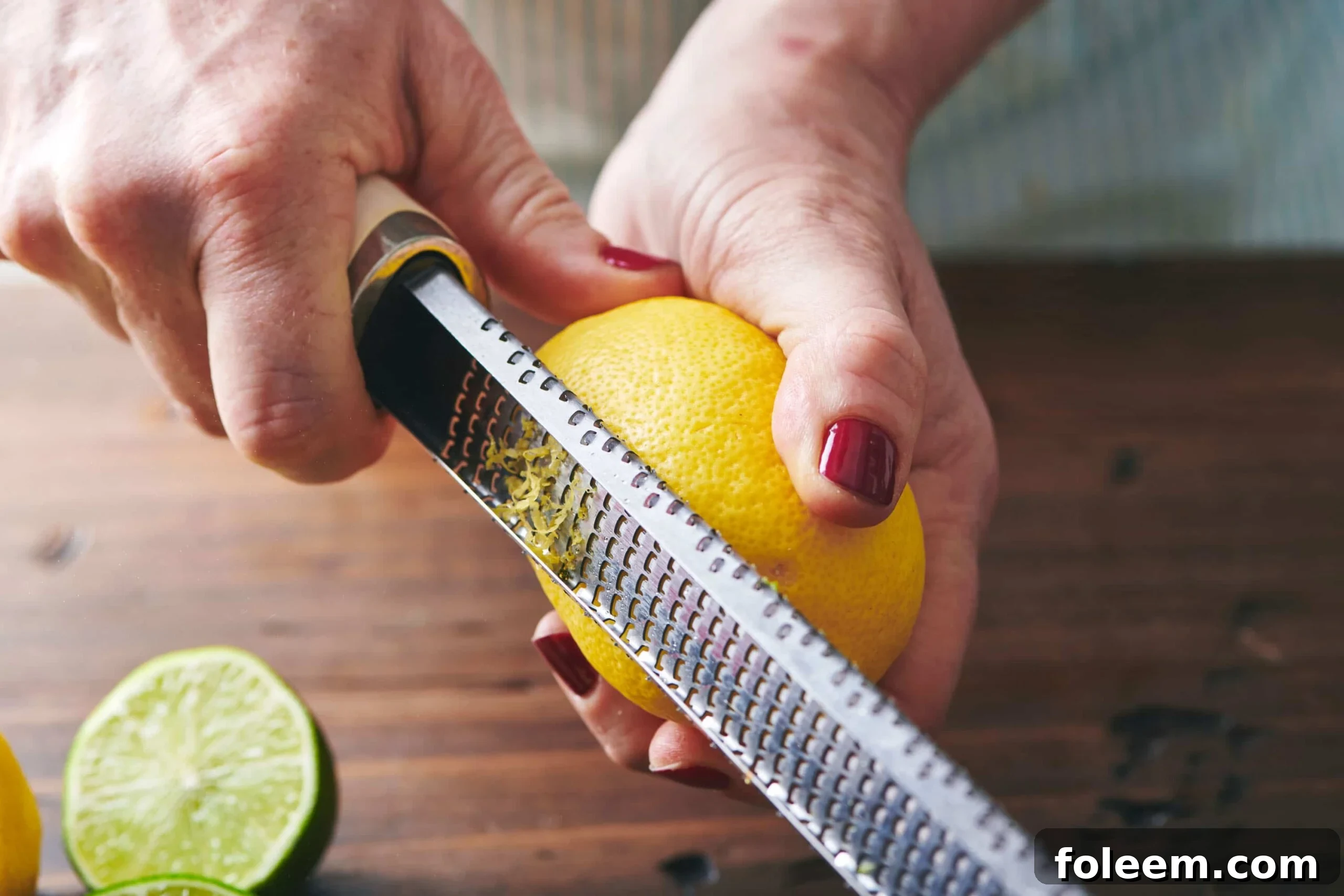
Lemons are one of the most useful and versatile ingredients in any kitchen. I use them almost daily: the juice brightens sauces and dressings, while the zest contributes a perfume-like, sweet citrus note that lifts both savory and sweet dishes. The outer colored peel—zest—contains essential oils that give a concentrated lemon flavor without the tart acidity of the juice, and it holds up well to heat.
All citrus fruit can be zested the same way—limes, oranges, and other citrus are equally adaptable. How you zest depends on the tools you have and the texture you want. A microplane, citrus zester, vegetable peeler, box grater, or a sharp knife can all deliver great results. Follow these techniques and you’ll remove only the thin colored layer, avoiding the bitter white pith beneath it.
- What Is Lemon Zest?
- How to Zest with a Microplane
- How to Zest with a Citrus Zester
- How to Zest with a Vegetable Peeler
- How to Zest with a Box Grater
- How to Zest with a Knife
- Tips for Zesting
- How to Use Lemon Zest
- Storage
- Recipes Featuring Lemon Zest
- More Citrus Cooking Tips

How to Zest Lemons: Lemon zest adds bright citrus aroma and flavor to sweet and savory foods. These simple methods deliver lemony, not bitter, zest every time.
What Is Lemon Zest?
Lemon zest is the thin, colored outer skin of the fruit. Beneath it lies the white pith, which is bitter and lacks the citrus aroma. When zesting, remove only the colored layer and stop when the white pith appears. The oils in the zest—rich in compounds like citral—deliver a floral, lemony scent that behaves differently from the juice: zest is less acidic and often withstands cooking better, making it useful in both cooked dishes and finishing touches.
How to Zest with a Microplane
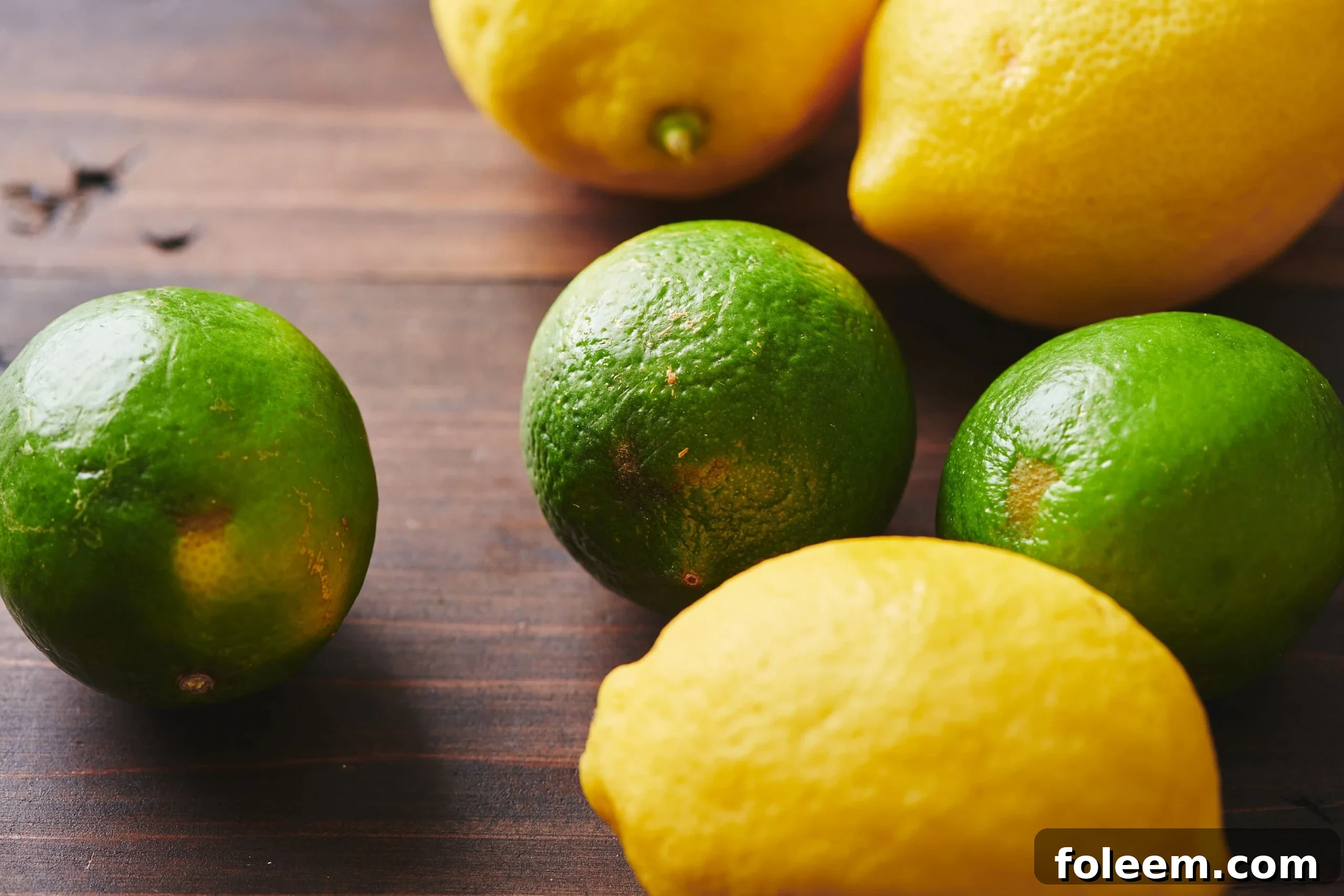
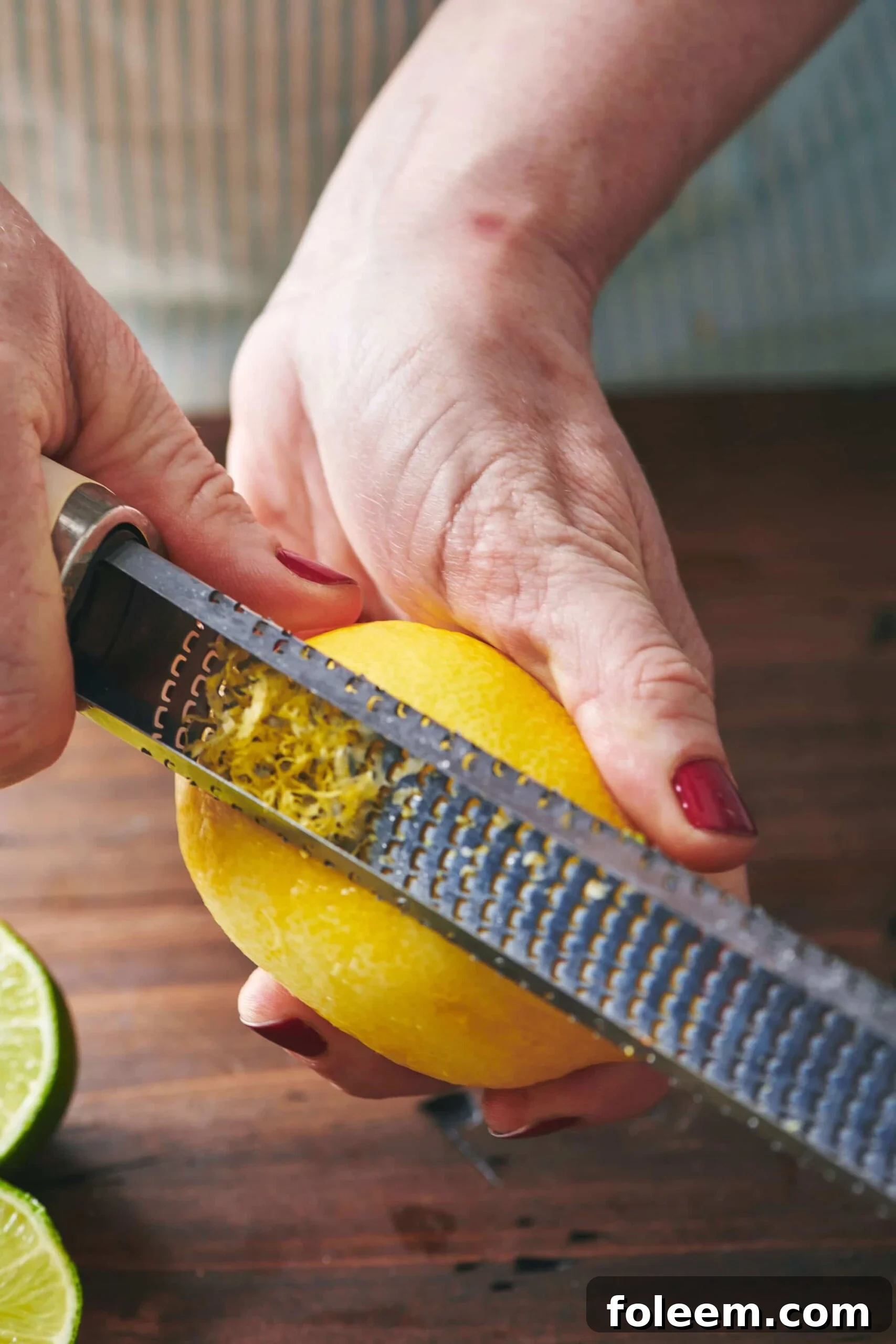
A microplane (a fine rasp) is my preferred tool for zest. It scrapes the colored peel into fine, fluffy strands without digging into the bitter pith. Microplanes come in different hole sizes; choose the size that fits the texture you want.
- Hold the microplane in your dominant hand and the lemon in the other.
- Drag the lemon across the microplane and rotate it as you go, taking care to keep your fingers clear—microplanes are very sharp.
- Continue until the yellow outer layer is gone.
How to Zest with a Citrus Zester
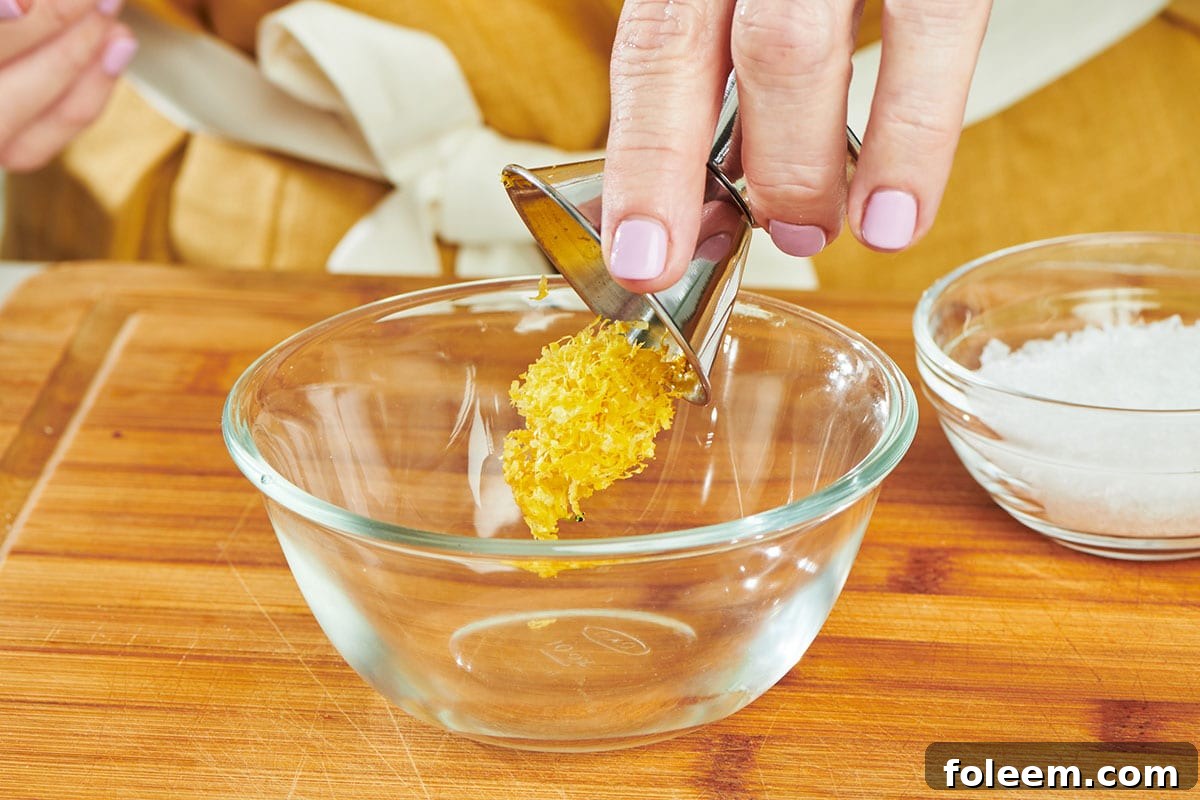
A citrus zester has a row of small, sharp holes that create longer, thin strips of zest. These strips are less fluffy than microplane zest but excellent for garnishes, cocktails, or when you want visible ribbons of peel. If you prefer finer pieces, simply chop the strips further.
- Place the zester’s holes against the peel and, with light pressure, pull from top to bottom.
- Rotate the lemon and repeat until only the white pith remains.
How to Zest with a Vegetable Peeler
A vegetable peeler is ideal when a recipe calls for wider strips of zest—great for cocktails, poaching liquids, brines, and infusions. After peeling, you can cut the strips into thin slivers or mince them if a finer texture is required.
- Start at the top of the lemon and pull the peeler down the fruit, taking care not to cut into the white pith.
- Continue around the fruit until the colored peel is removed.
How to Zest with a Box Grater
A box grater works in a pinch, though the finest holes can clog with zest. Use a medium-sized hole if possible to reduce clogging. Move the lemon against the grater, rotating as you go, and stop when the white pith shows.
- Press the lemon against the grater’s sharp holes and move it back and forth while rotating the fruit.
- Stop when the yellow peel is removed and the white pith is visible.
How to Zest with a Knife
A sharp paring knife can remove zest when you don’t have other tools. It takes more care to avoid cutting into the pith, but once removed you can slice or mince the peel as needed.
- For stability, trim one end of the lemon and set it cut-side down on a board.
- Carefully slice off thin pieces of the colored peel at a slight angle, avoiding the pith.
Tips for Zesting
- Wash the fruit thoroughly before zesting.
- One average lemon yields about 1 tablespoon of zest.
- Zest before cutting or juicing. A halved lemon becomes too soft to zest easily.
- If you need both zest and juice, zest first, then cut and squeeze.
- If you lack a microplane, use a zester, peeler, or knife and chop the peel finer by hand.
How to Use Lemon Zest
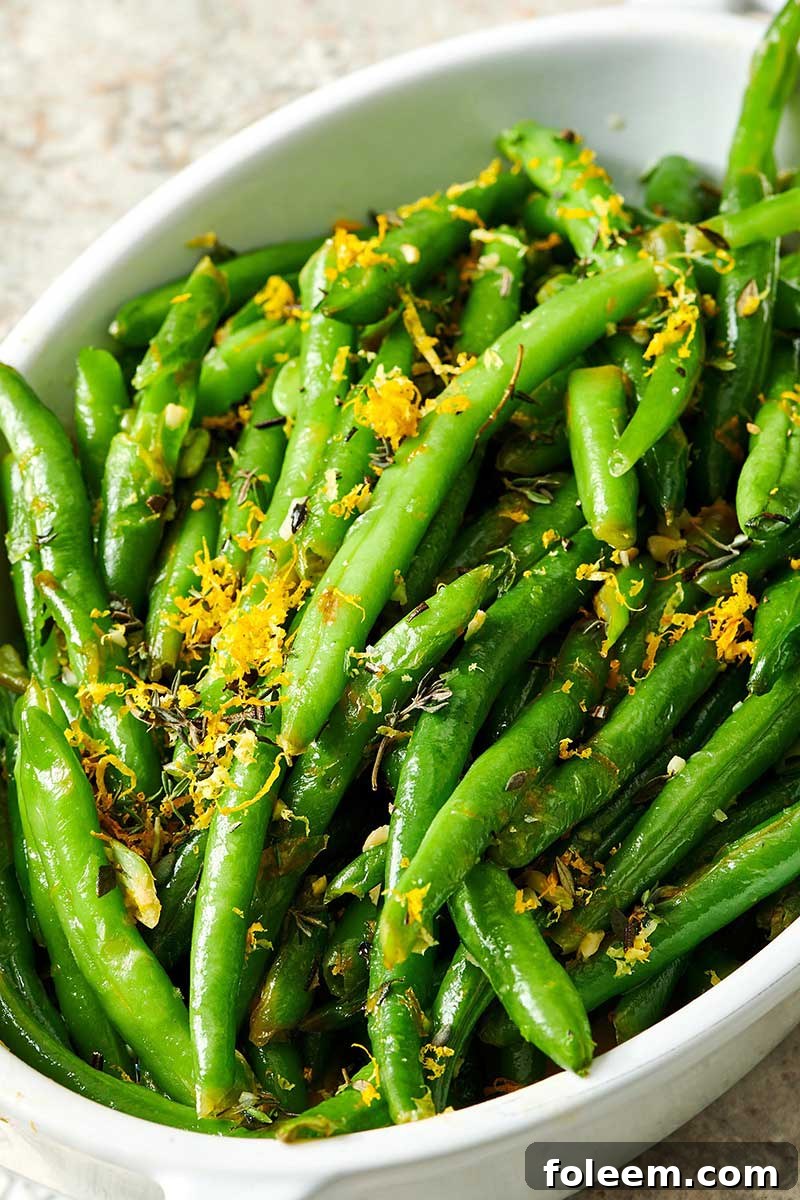
- Add zest to pasta, salads, soups, or stews for a bright finish.
- Mix into softened butter for a lemony compound butter.
- Stir a pinch into dips, spreads, vinaigrettes, or marinades for more depth.
Lemon zest works in countless recipes—both sweet and savory—and is an easy way to add fresh citrus aroma and flavor.
Storage
Zest can be stored in the refrigerator in an airtight container for several days and remains useful for cooking. It will dry out over time but will rehydrate in hot dishes. For longer storage, freeze zest in a sealed container or bag—properly stored it will keep up to six months and gives you ready lemon flavor whenever you need it.
Recipes Featuring Lemon Zest

Lemon Cake
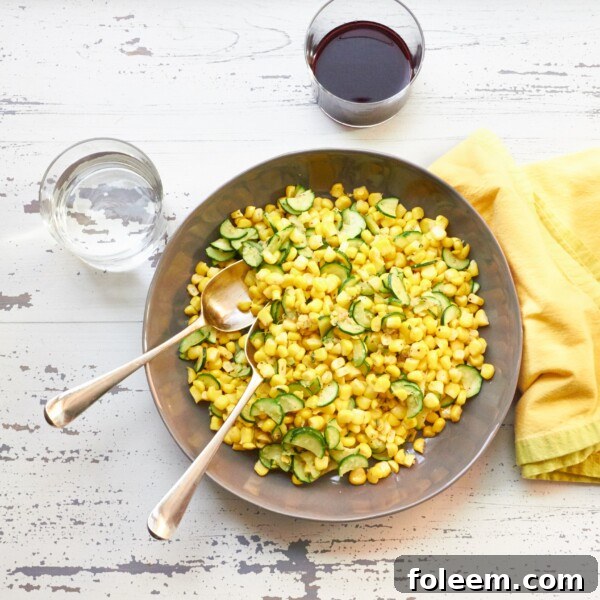
Sautéed Corn and Zucchini in Lemony Browned Butter

Fish in Yogurt Marinade

Best Egg Salad

Old-Fashioned Berry Cobbler

Easy Shortbread Cookies

More Citrus Cooking Tips
- How to Make Preserved Lemons
- How to Cook With Citrus Fruits
- How to Cook With Limes
- How to Cook With Finger Limes
- How to Cook With Yuzu

How to Zest a Lemon
If you have a microplane, zester, veggie peeler, grater, or knife, you can easily capture the bright zest of lemons and other citrus fruits. Use the method that matches the texture you need and always avoid the white pith for the best flavor.
Equipment (optional)
- Microplane
- Citrus zester
- Vegetable peeler
- Box grater
- Paring knife
Instructions
To Zest with a Microplane
- Hold the microplane in your dominant hand and the lemon in the other. Drag the lemon across the microplane, rotating as you go, and stop when the colored peel is gone.
To Zest with a Citrus Zester
- Place the zester against the peel, pull from top to bottom with light pressure, and rotate as needed until only the pith remains.
To Zest with a Vegetable Peeler
- Peel thin strips from top to bottom, avoiding the white pith. Cut or mince the strips if a finer texture is required.
To Zest with a Box Grater
- Rub the lemon against the grater’s holes, rotating as you go. Use medium holes to reduce clogging and stop when the colored peel is removed.
To Zest with a Paring Knife
- Trim one end of the lemon, set it cut-side down, and carefully slice off the colored peel at a slight angle, avoiding the pith.
Notes
Tips
- Wash your fruit before zesting.
- One average lemon yields roughly 1 tablespoon of zest.
- Zest before juicing to keep the fruit firm and easy to work with.
- If you need both zest and juice, zest first, then halve and squeeze the lemon.
Storage
Store zest in an airtight container in the refrigerator for several days, or freeze it for up to six months. Dried zest can be used in cooked dishes where it will soften and release flavor when heated.