As winter fades, spring brings longer days, milder weather, and an inspiring array of fresh produce. Farmers’ markets overflow with colorful fruits and vegetables, tempting you to bring home armfuls of seasonal bounty. Once you’ve stocked up, here are practical and delicious ways to use that spring produce.
This guide highlights seasonal ingredients and simple ideas for cooking with them, from quick sautés and salads to roasts and preserves. Use it as a reference when you’re at the market or planning meals for the week.
- Apricots
- Artichokes
- Arugula
- Asparagus
- Beets
- Fava Beans
- Fennel
- Fiddleheads
- Greens
- Leeks
- Lettuce
- Morels and Other Mushrooms
- Parsley
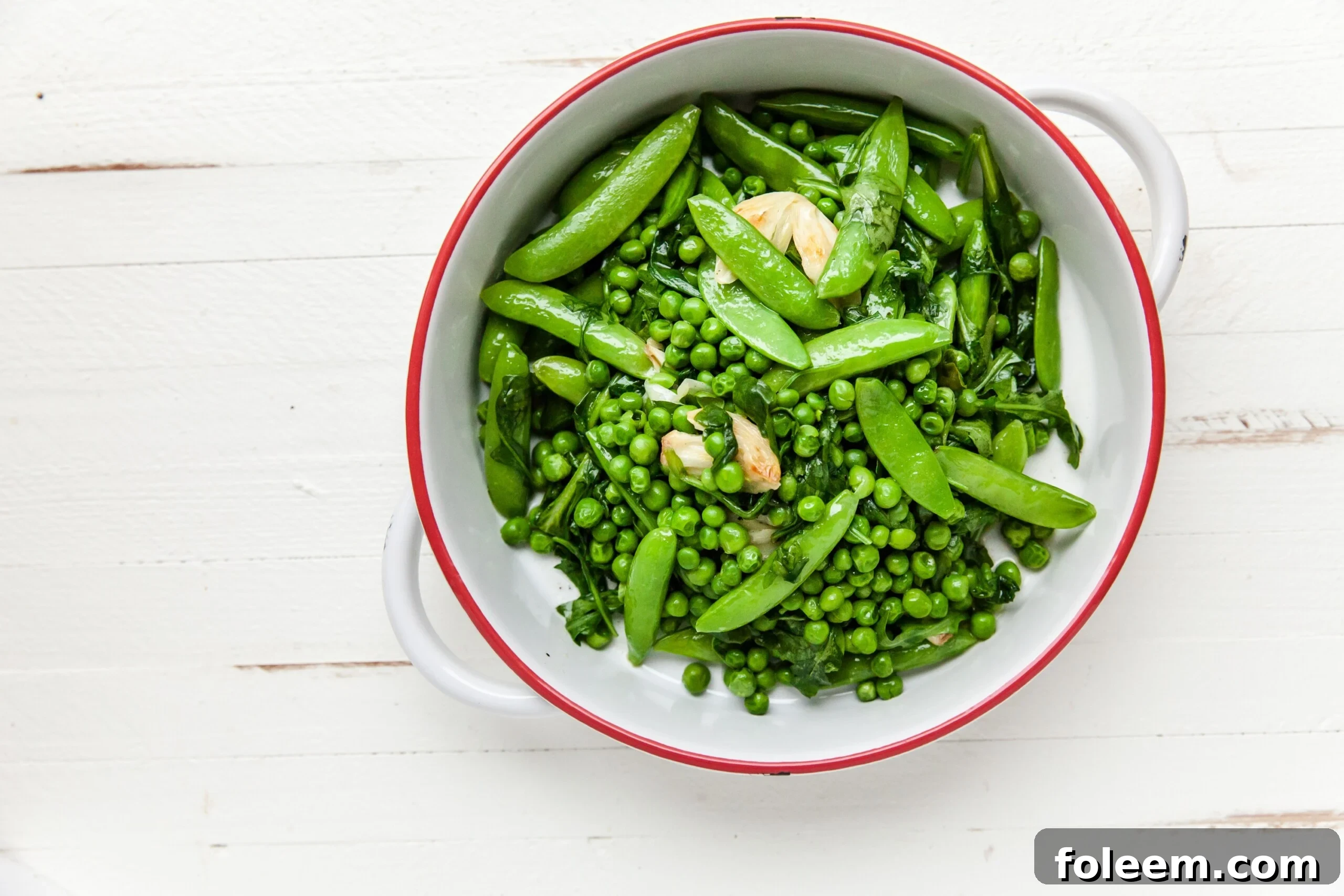
- Peas, Snow Peas, and Sugar Snap Peas
- Potatoes
- Radishes
- Ramps
- Rhubarb
- Spinach
- Spring Onions or Scallions
- Strawberries
- Swiss Chard
Apricots
Delicate and lightly sweet, apricots are a lovely spring fruit. Substitute them for plums in crisps and cobblers, or pair slices with a variety of cheeses on a grazing platter. Their subtle flavor works well in both desserts and savory dishes.
Artichokes
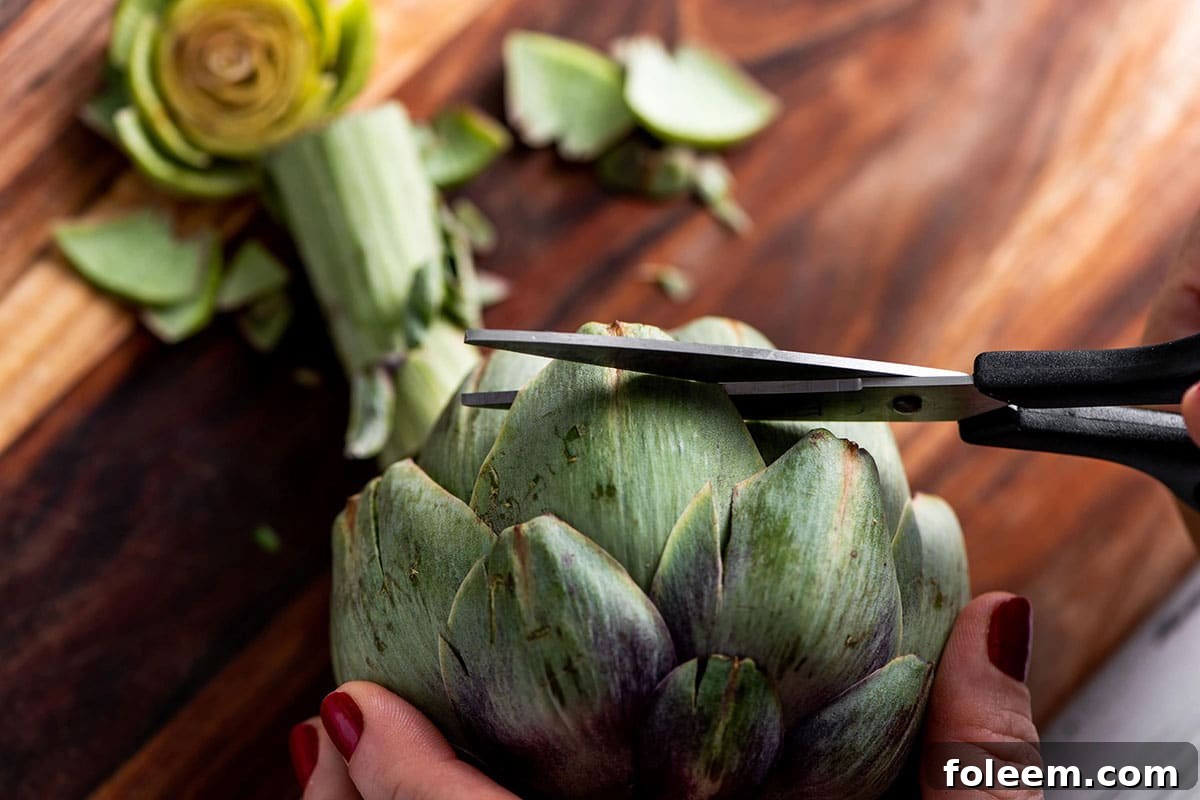
Artichokes are a family favorite for steaming, dipping in lemony butter, or incorporating into pasta, risotto, and salads. You can also roast or grill them for a smoky touch. Baby artichokes are especially tender and work well braised or grilled.
Arugula
Arugula brings a bright, peppery bite to spring salads and makes an excellent garnish for roasted or pan-seared proteins. Use it raw for salads or wilt it briefly into warm dishes—the contrast of peppery greens and rich foods is delightful.
Asparagus
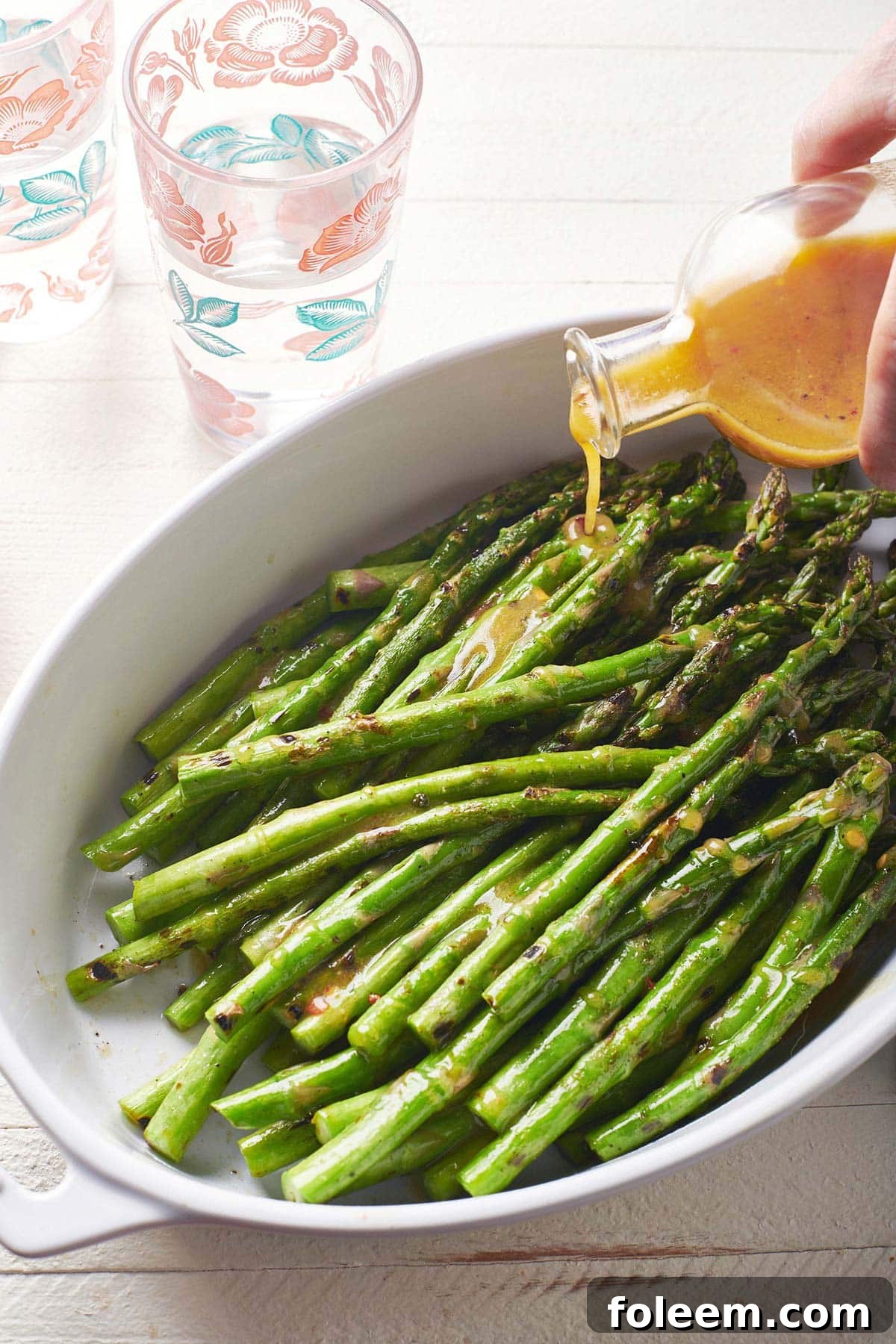
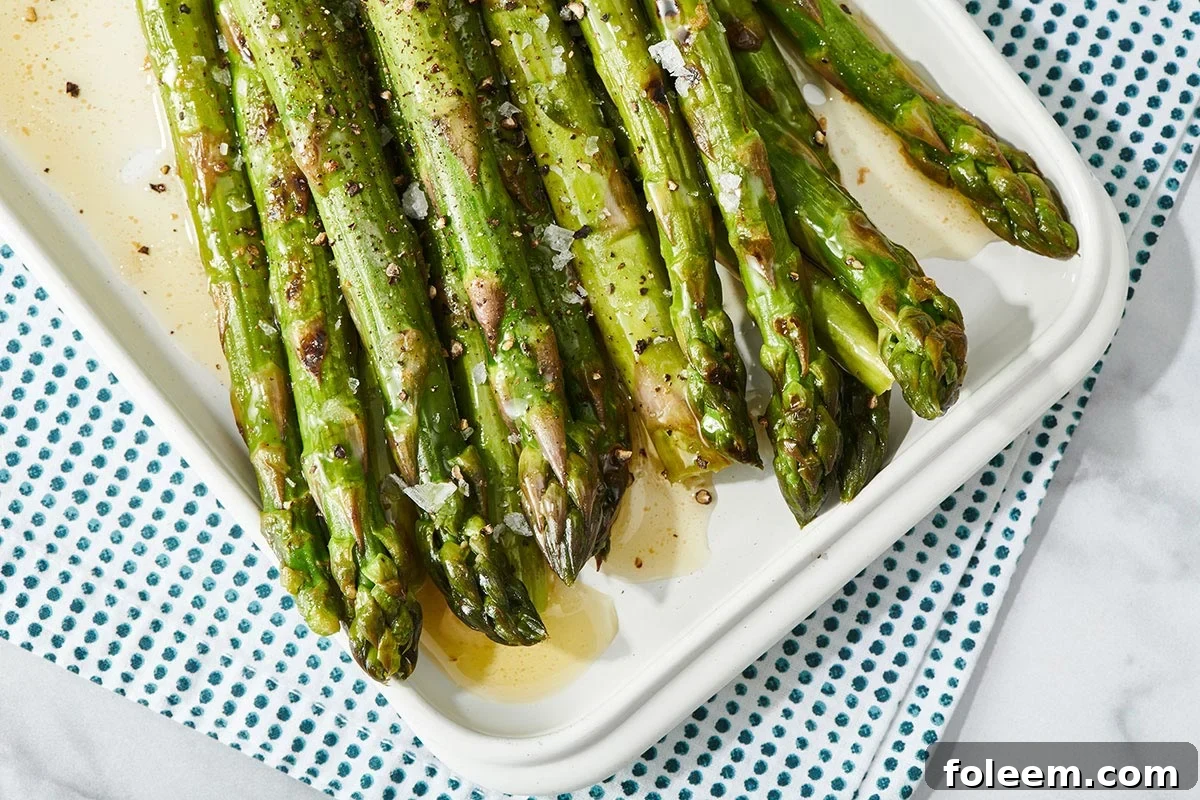
Asparagus is a spring essential. Whether thin or thick, spears can be grilled, steamed, roasted, sautéed, or added to soups and salads. Roasting intensifies their sweetness; freezing blanched spears preserves their flavor for later use.
Beets
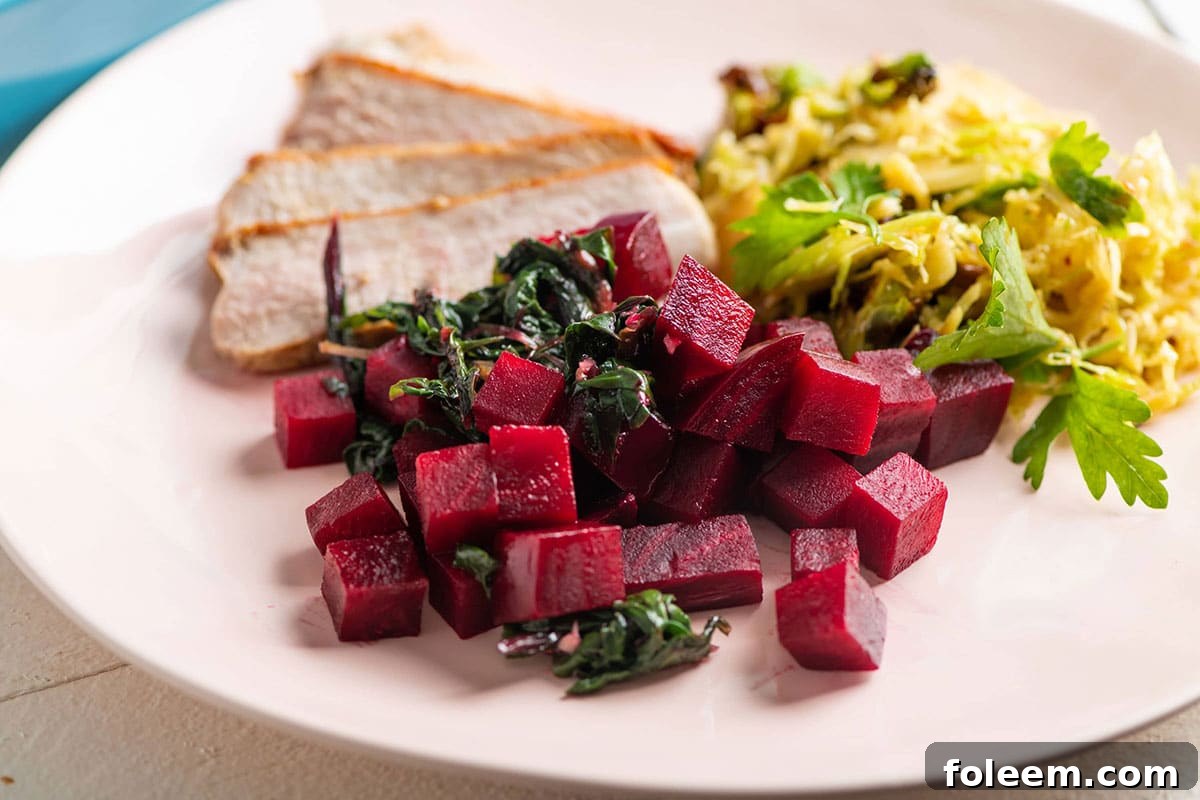
Beets can be roasted, boiled, or steamed—sometimes peeled before cooking, sometimes cooked with skins on. Look for beets under 4 inches for the best texture. Both red and golden varieties are excellent in salads, soups, and grain dishes.
Fava Beans
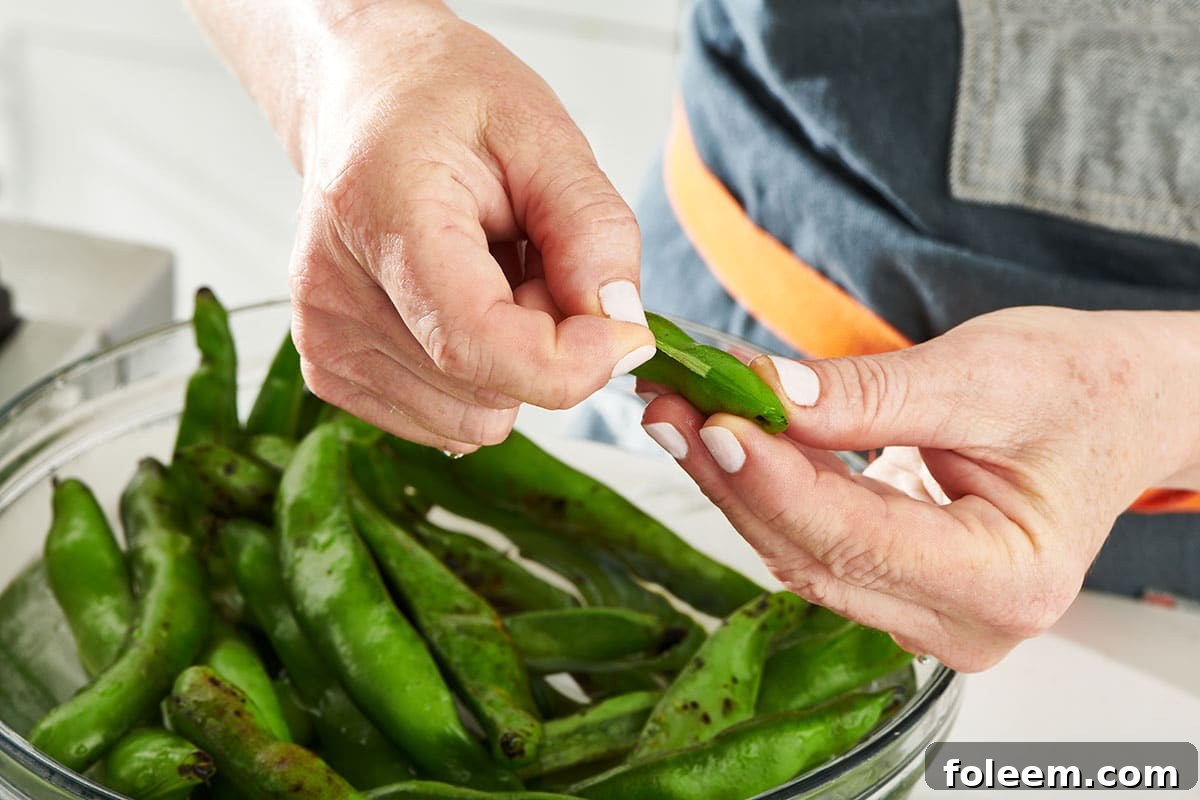
Young fava beans are tender with a buttery, nutty flavor. They’re great boiled, steamed, or sautéed and add a satisfying vegetal note to pastas, soups, and salads. If the beans are larger, blanch them first to remove the tough outer skins.
Fennel
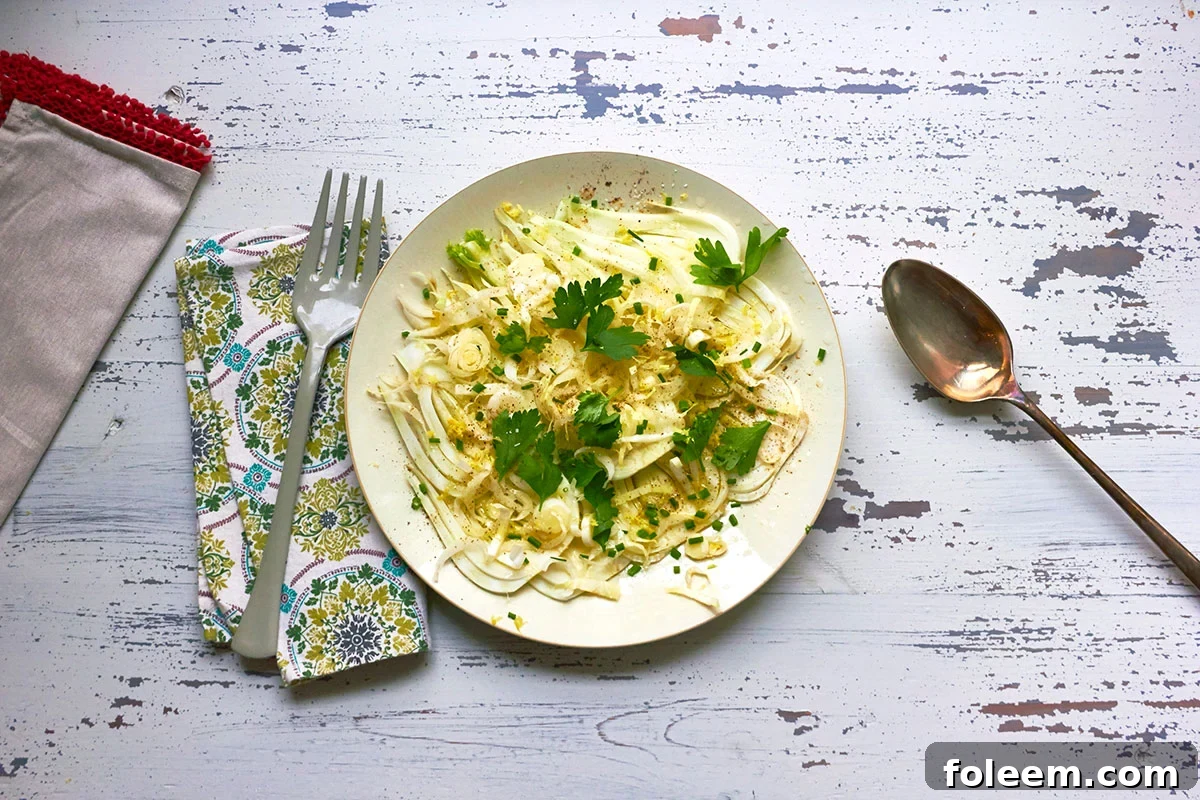
Fennel offers crisp texture and a mild anise note that softens with cooking. Use it raw in salads and crudités for crunch, or roast, braise, and add to pastas, stews, and grain dishes for a sweet, aromatic element.
Fiddleheads
Fiddleheads are the curled fronds of young ferns foraged in moist spring areas. They must be cooked—never eaten raw—and are lovely simply sautéed or blanched then tossed with butter, lemon, or garlic for a seasonal side.
Greens
“Spring greens” refers broadly to tender, young edible leaves like kale, collards, and mustard greens. Quick sautés with a splash of acid and garlic bring out their best qualities. These greens are versatile additions to bowls, pastas, and simple side dishes.
Leeks
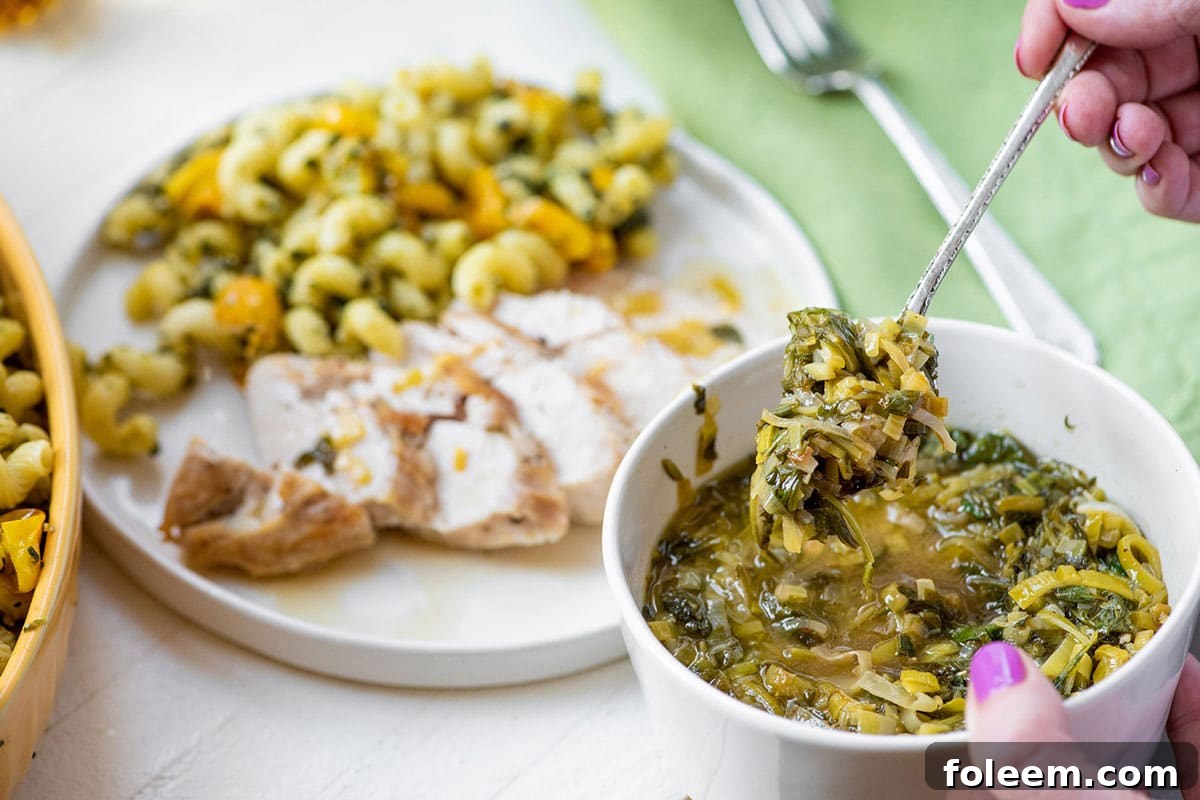
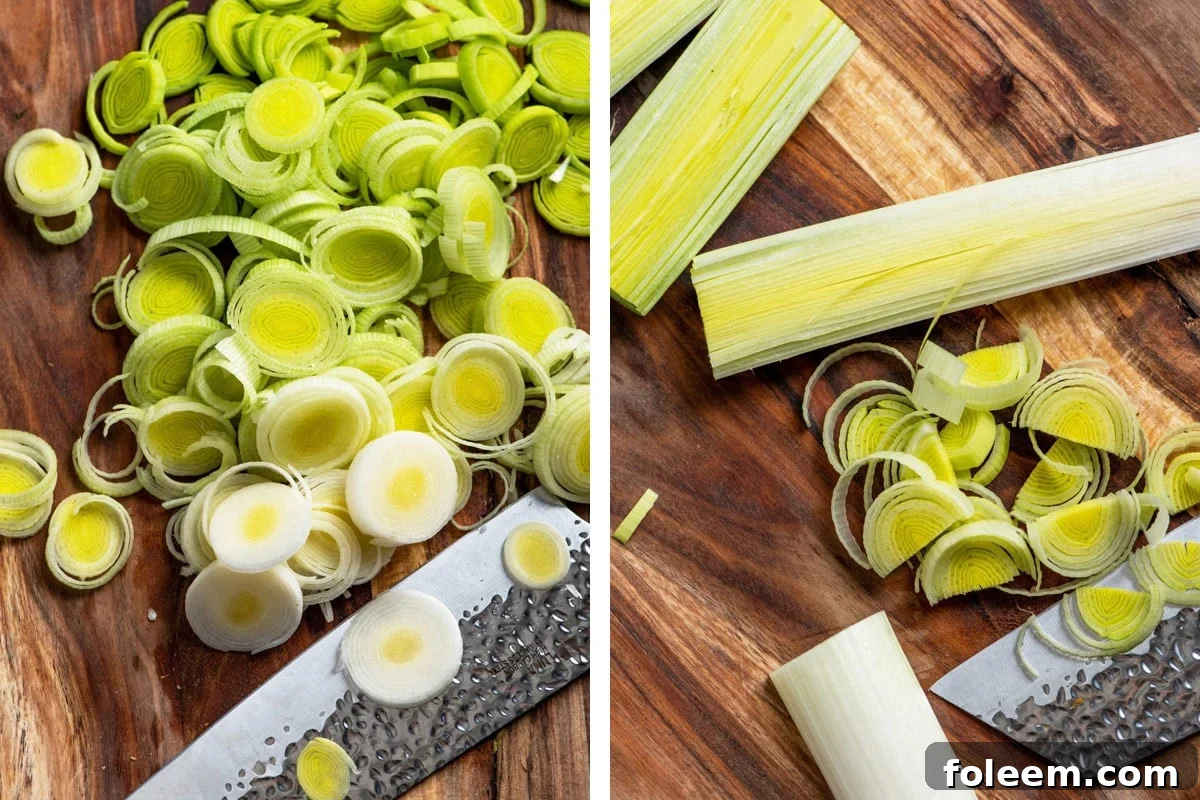
Leeks are a sweet, mild member of the onion family and shine in cooked dishes like soups, quiches, and braises. Choose firm, smaller leeks with a long white base for the most tender results. When young, they can be thinly sliced and eaten raw.
Lettuce
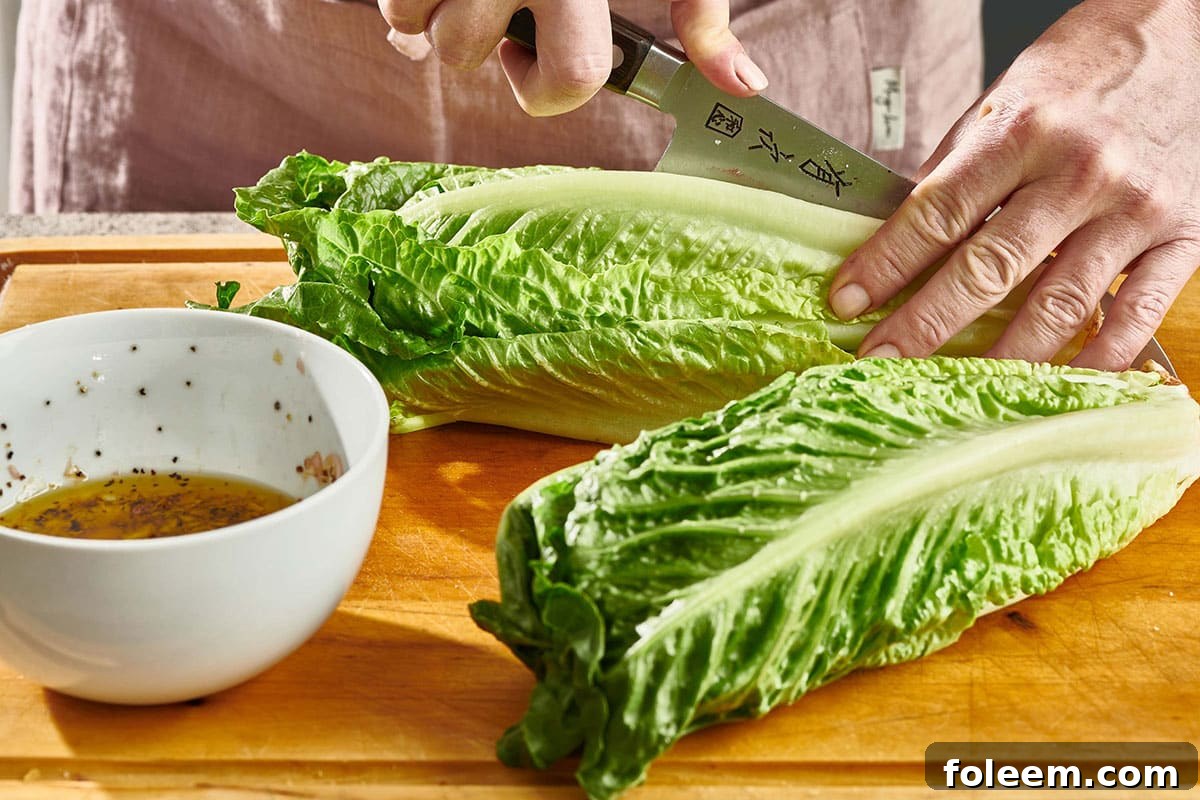
Spring brings a variety of tender lettuces—mesclun, romaine, butterhead, and more. Mix and match leaves for vibrant salads or try grilling romaine for a smoky spin. Lettuce is also an excellent bed for roasted meats and vegetables.
Morels and Other Mushrooms
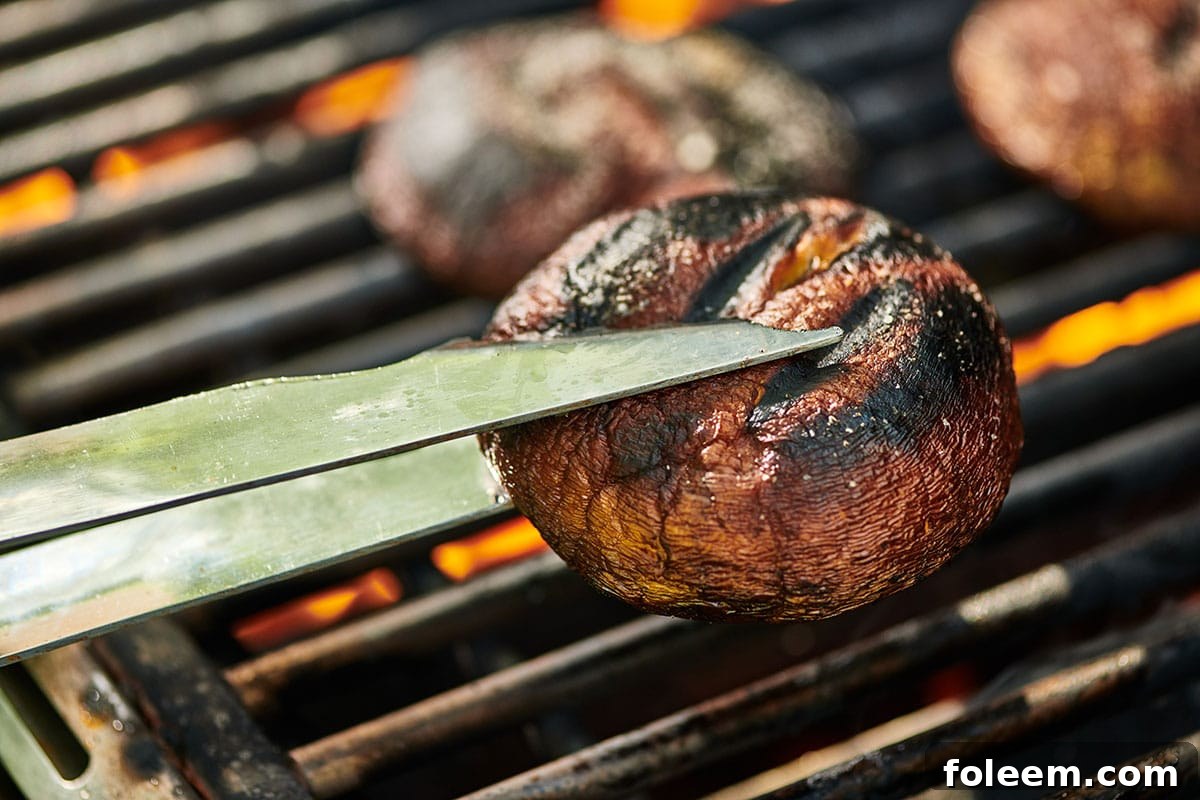
Morels are a prized spring mushroom with an earthy flavor best highlighted by simple preparations: sauté, roast, or grill. Look for firm, clean specimens and pair them with butter, cream, or bright herbs to complement their richness.
Parsley
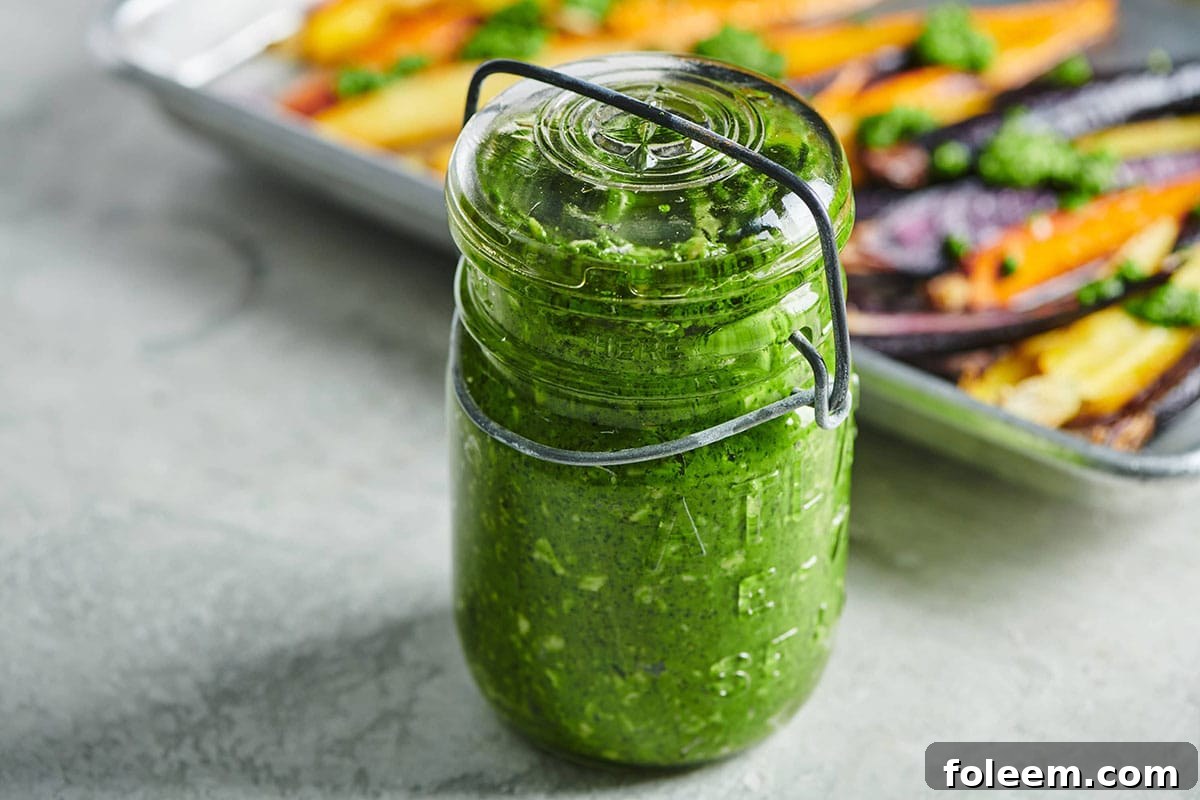
Parsley is more than a garnish—flat-leaf parsley lends bright, vegetal freshness to sauces, salads, and dressings. Use larger quantities in tabbouleh-style salads, herb pestos, and grain dishes to add lift and color.
Peas, Snow Peas, and Sugar Snap Peas
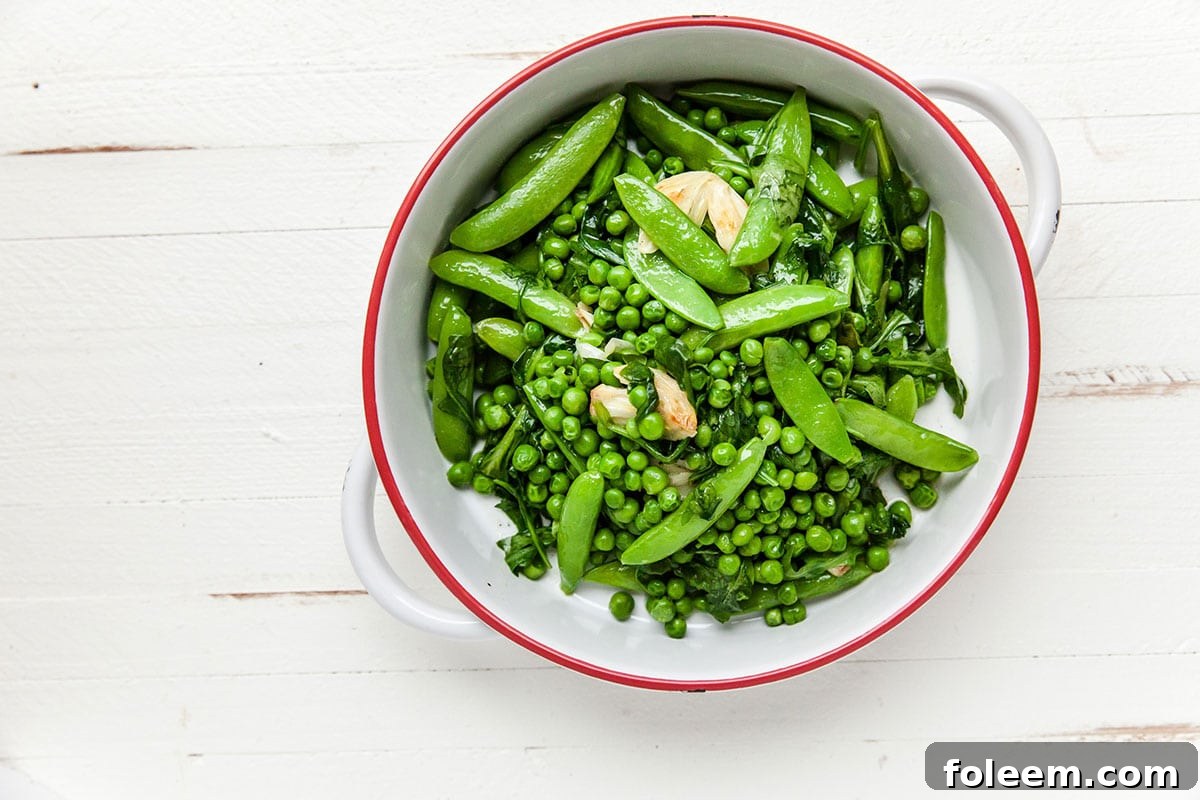
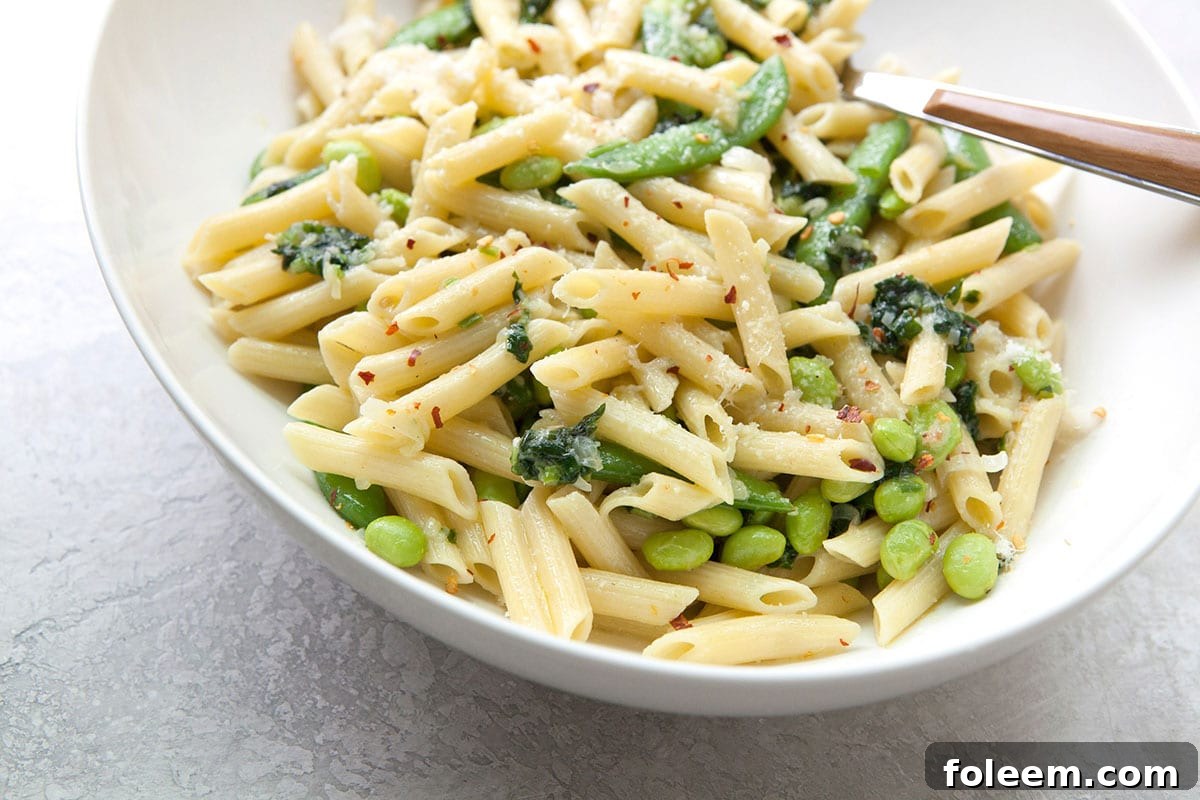
Peas are a sure sign of spring—sweet and crisp when fresh. Sugar snaps are excellent raw in salads or briefly cooked in stir-fries and pastas. Use fresh peas to add sweetness and texture to risottos, pastas, and salads.
Potatoes
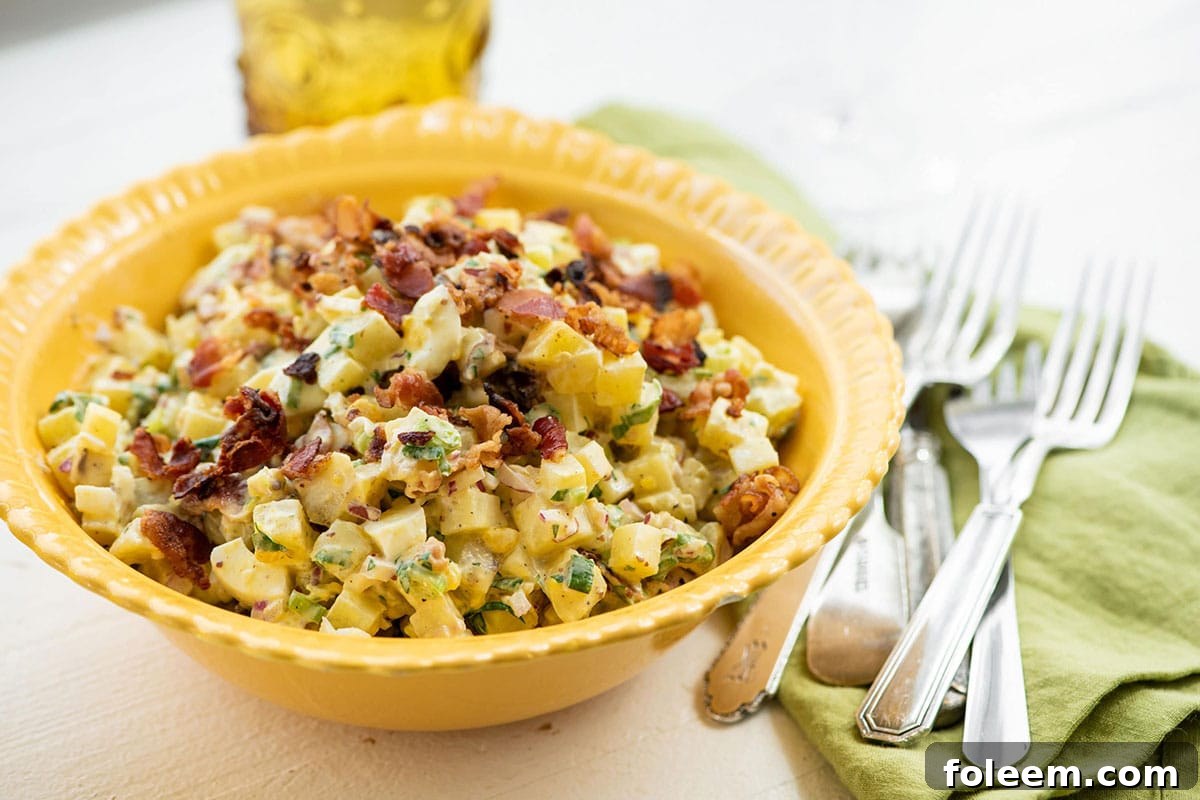
New-season potatoes are young and less starchy, with a sweeter flavor and thin skins. Roast, grill, boil, or steam them; they’re especially good in warm salads or simply tossed with herbs and olive oil.
Radishes
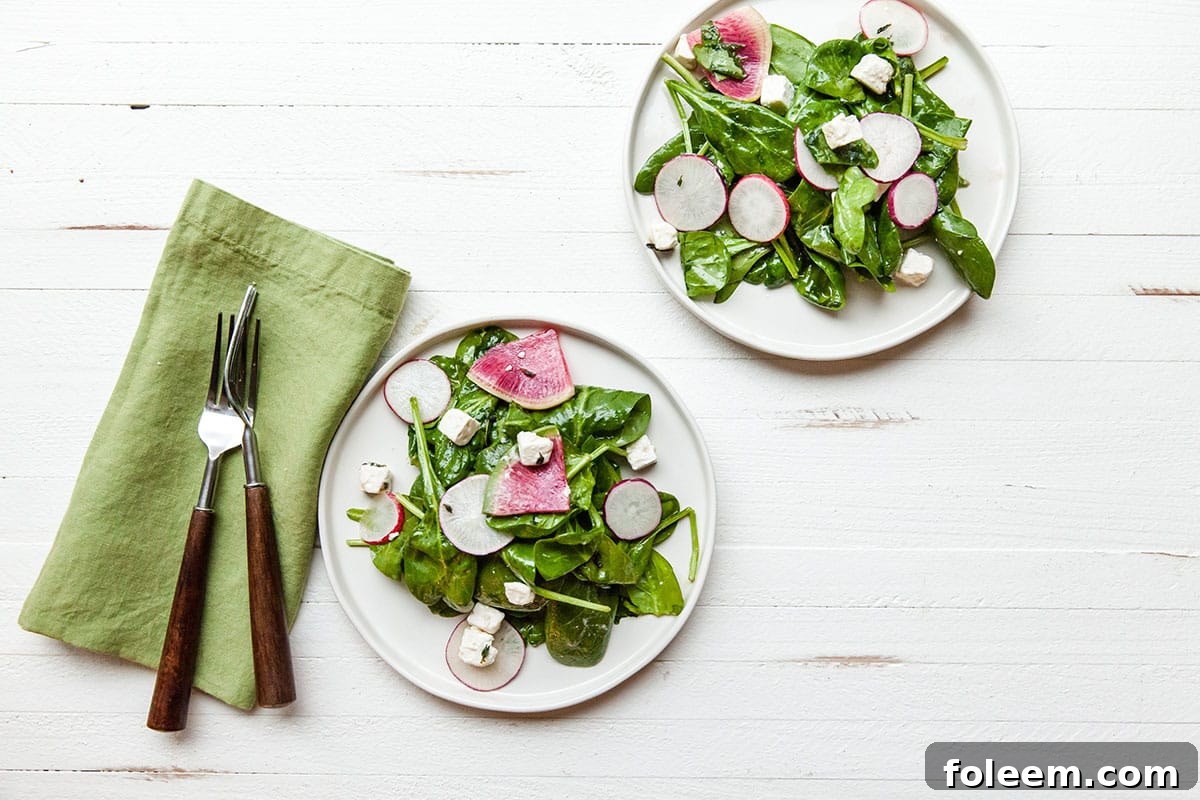
Radishes bring crispness and peppery heat to salads and sandwiches. Sliced thin, they add color and crunch; try milder varieties like watermelon radishes for an attractive presentation and sweet finish.
Ramps
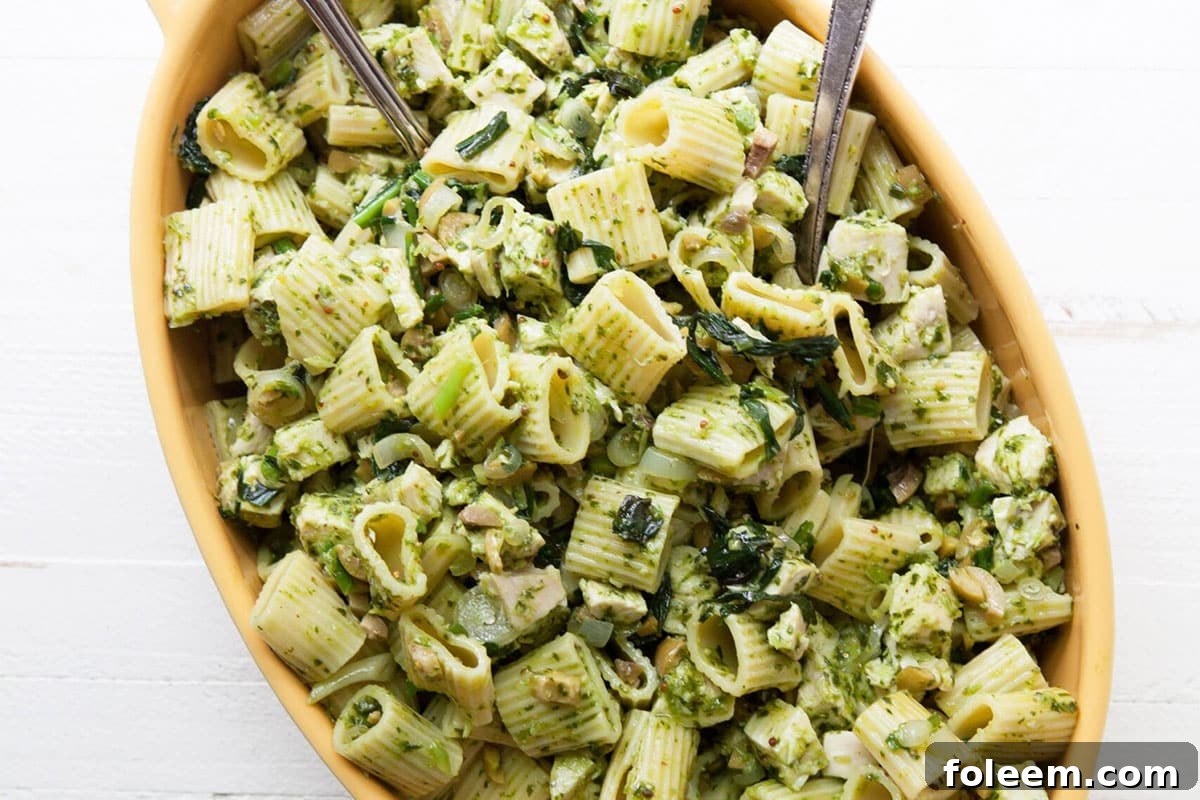
Ramps are wild, seasonal scallions prized for their onion-garlic flavor. They’re short-lived and celebrated by chefs for striking spring dishes. Use ramps sparingly to highlight their unique aroma in pastas, pestos, and vinaigrettes.
Rhubarb
Rhubarb’s tart stalks are classic in desserts like pies, crisps, and jams, often paired with sweeter fruits such as strawberries. Trim and remove stringy bits from the stalks and avoid the leaves, which are toxic.
Spinach
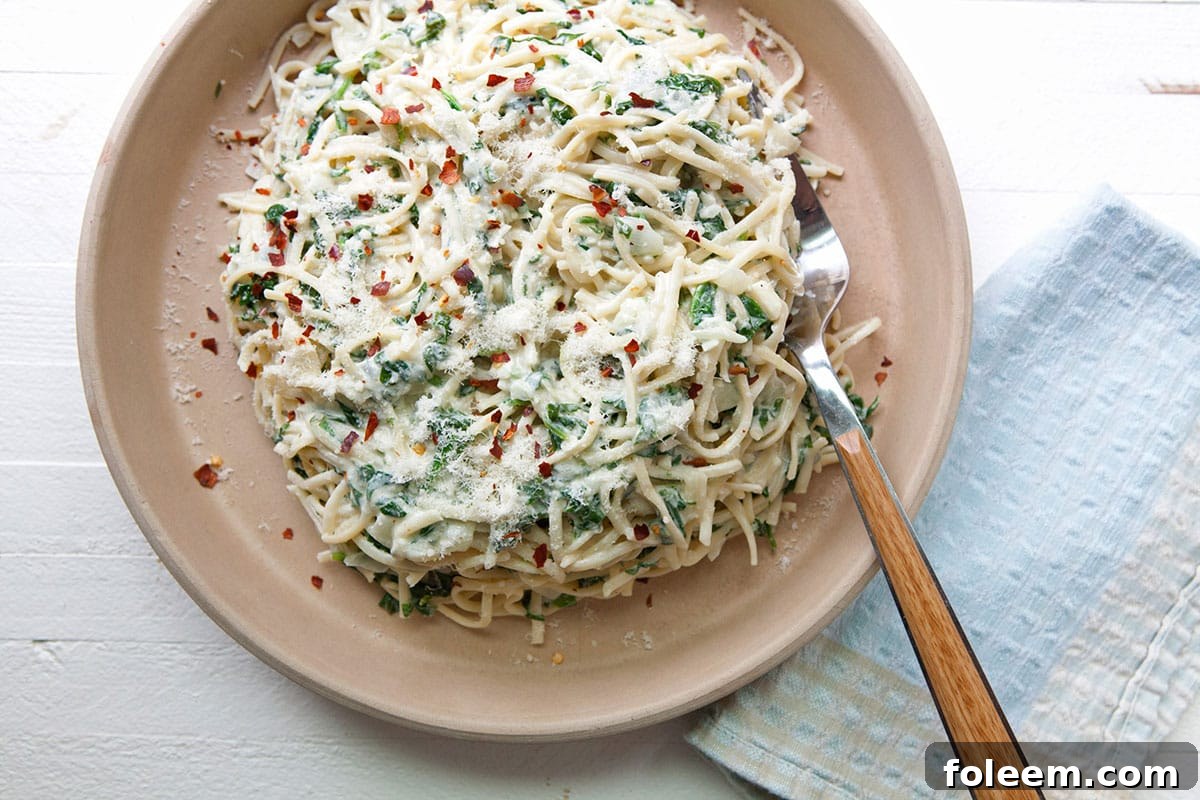
Abundant in spring, spinach works raw in salads or quickly sautéed for warm dishes. Young spring leaves are tender and flavorful; remember that spinach wilts down significantly when cooked, so start with plenty.
Spring Onions or Scallions
Scallions add a fresh onion flavor and bright color to many cuisines. Use them raw as a garnish, or cook them in stir-fries, salads, and marinades for a gentle allium note.
Strawberries
Sweet and juicy when ripe, strawberries are irresistible in spring. Use them fresh in salads and desserts, bake them into shortcakes and muffins, or preserve them as jam. Their bright flavor pairs well with cream, citrus, and herbs.

Swiss Chard
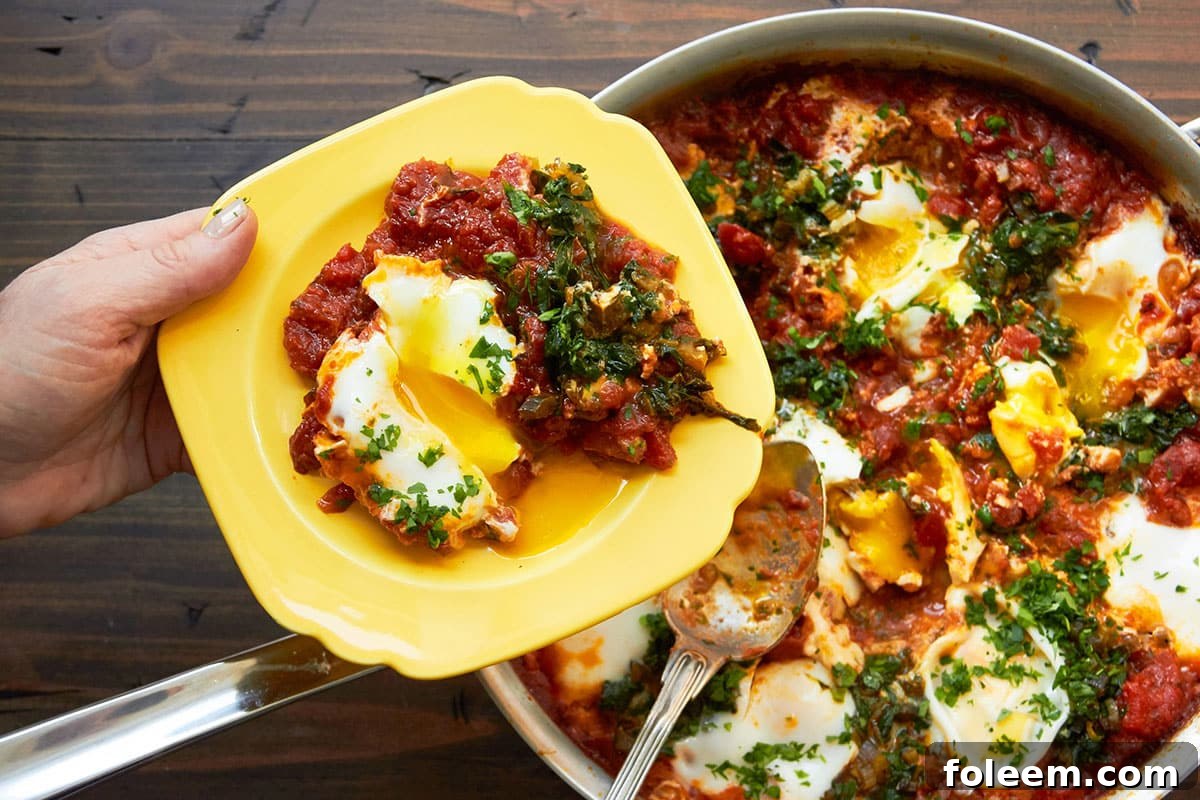
Swiss chard can be eaten raw when very young, but mature leaves are best cooked. Both stems and leaves are edible; cook stems a bit longer than leaves. Chard is excellent steamed, sautéed, or folded into soups, frittatas, and grain dishes.
Enjoy the season by experimenting with these ingredients—simple preparations that highlight freshness will let spring produce shine on your table.