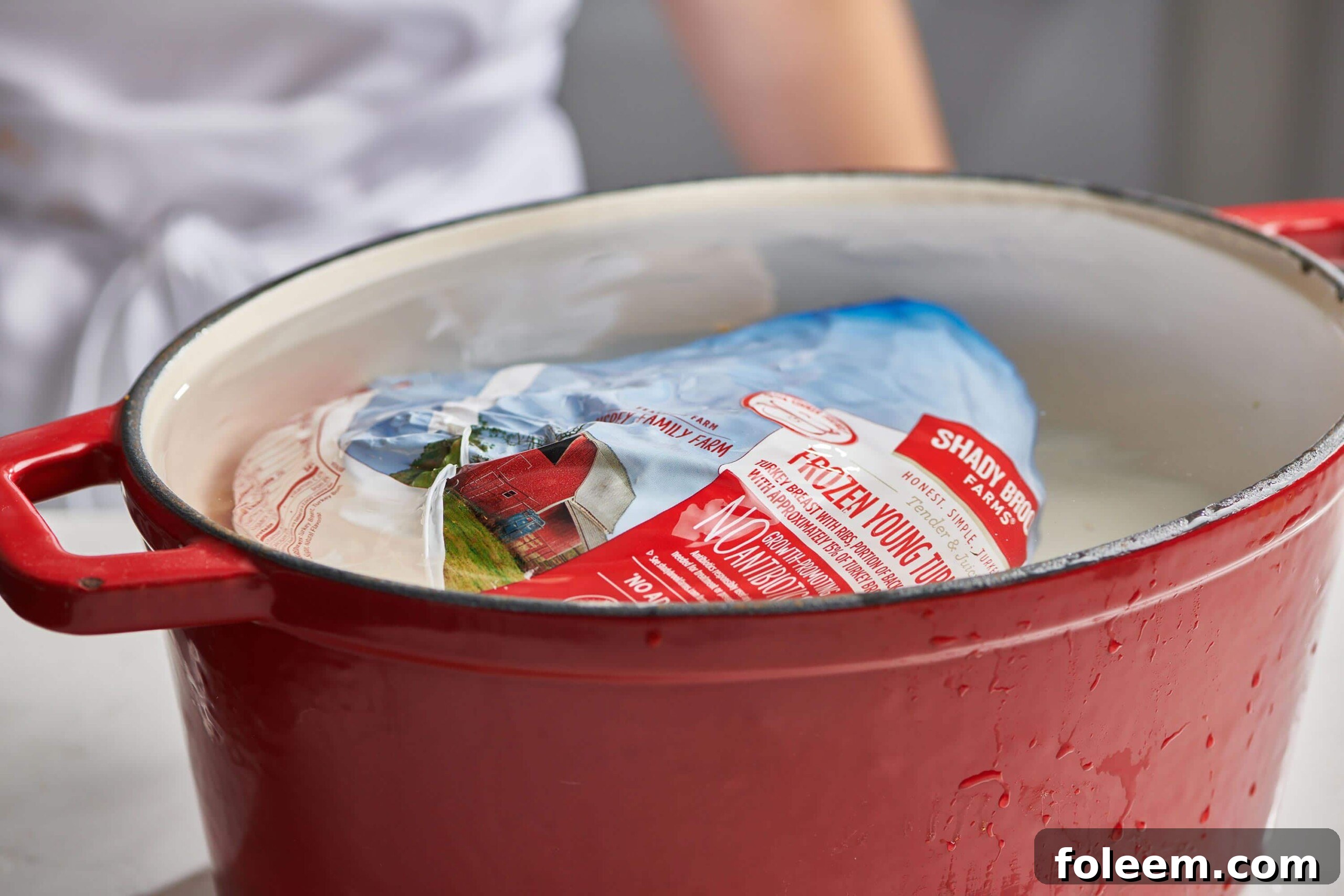
Knowing how to thaw a whole turkey or turkey breast properly is essential for holiday meals or any special gathering. Planning ahead — making space in the refrigerator and allowing enough time to thaw safely (never at room temperature) — is half the job.
Frozen turkeys are convenient outside of the holiday season and are commonly used at Thanksgiving when you want a perfect roasted bird. Fresh turkey can be harder to find and generally costs more. The USDA recommends keeping a turkey in the freezer for up to one year; beyond that time the texture and flavor may decline. Below are safe, practical methods for thawing a turkey quickly and correctly.
- Thawing Frozen Turkey in the Refrigerator
- How to Thaw Frozen Turkey in Cold Water
- What to Avoid When Thawing Turkey
- How Long Does It Take to Thaw Turkey?
- FAQs
- Turkey Recipe Ideas
- What to Serve With Turkey
- More Tips for Turkey Day
- Cold Water Thawing Instructions
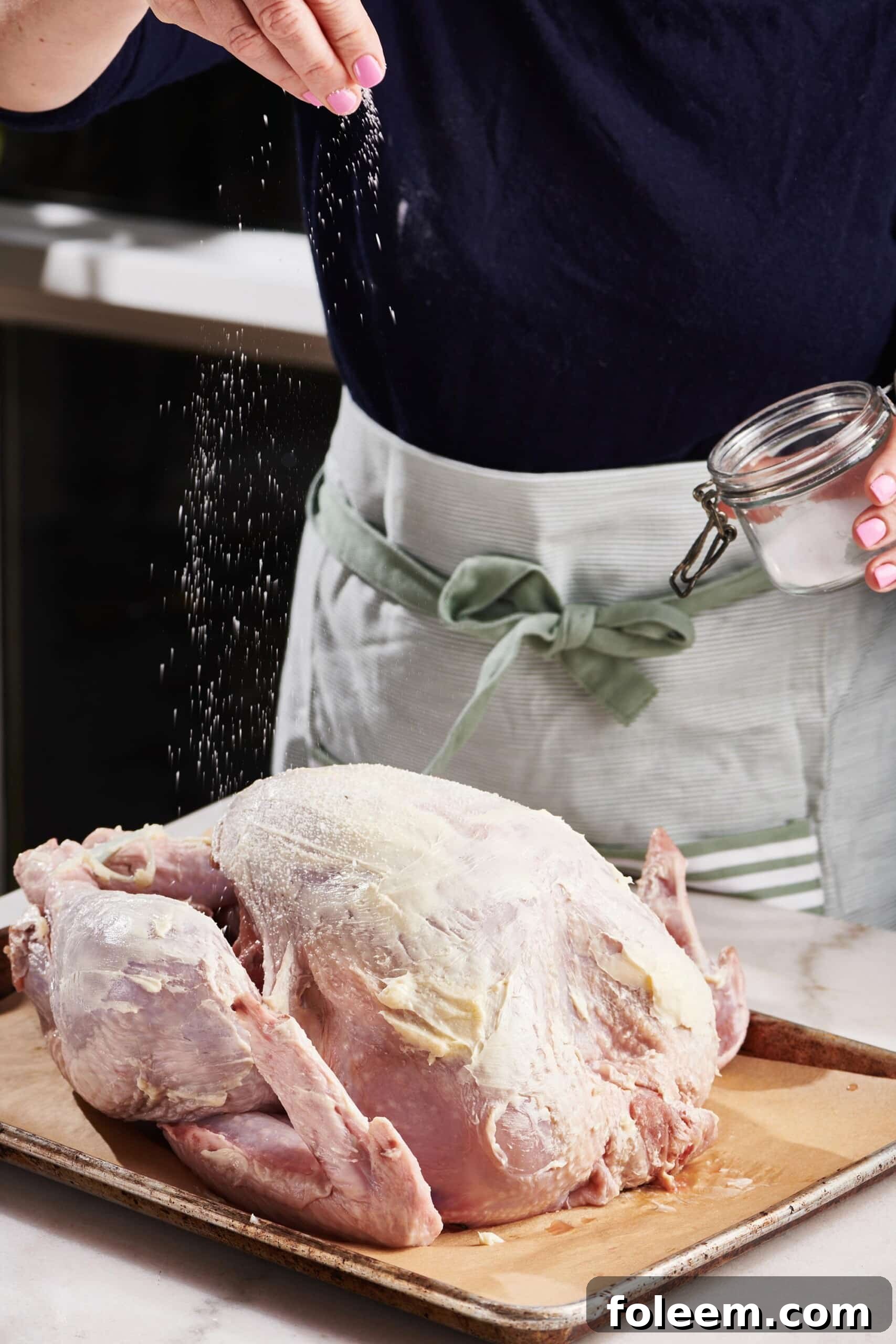
Thawing Frozen Turkey in the Refrigerator
Refrigerator thawing is the preferred method: it’s the safest and the easiest. The turkey stays at a safe, consistent temperature and thaws evenly. For best results keep your refrigerator between 37–40°F to prevent meat from entering the USDA “danger zone” (40–140°F) where bacteria can multiply rapidly.
Kitchen Smarts
Confirm your refrigerator temperature is between 37–40°F. This prevents bacterial growth while the turkey thaws.
You must plan ahead. As a guideline, allow 24 hours of thawing time in the refrigerator for every 4–5 pounds of turkey. Larger birds may require additional time because of size and density. Keep the turkey in its original packaging and set it on a rimmed baking sheet or roasting pan to catch any juices. Place the bird on the bottom shelf so drips won’t contaminate other foods.
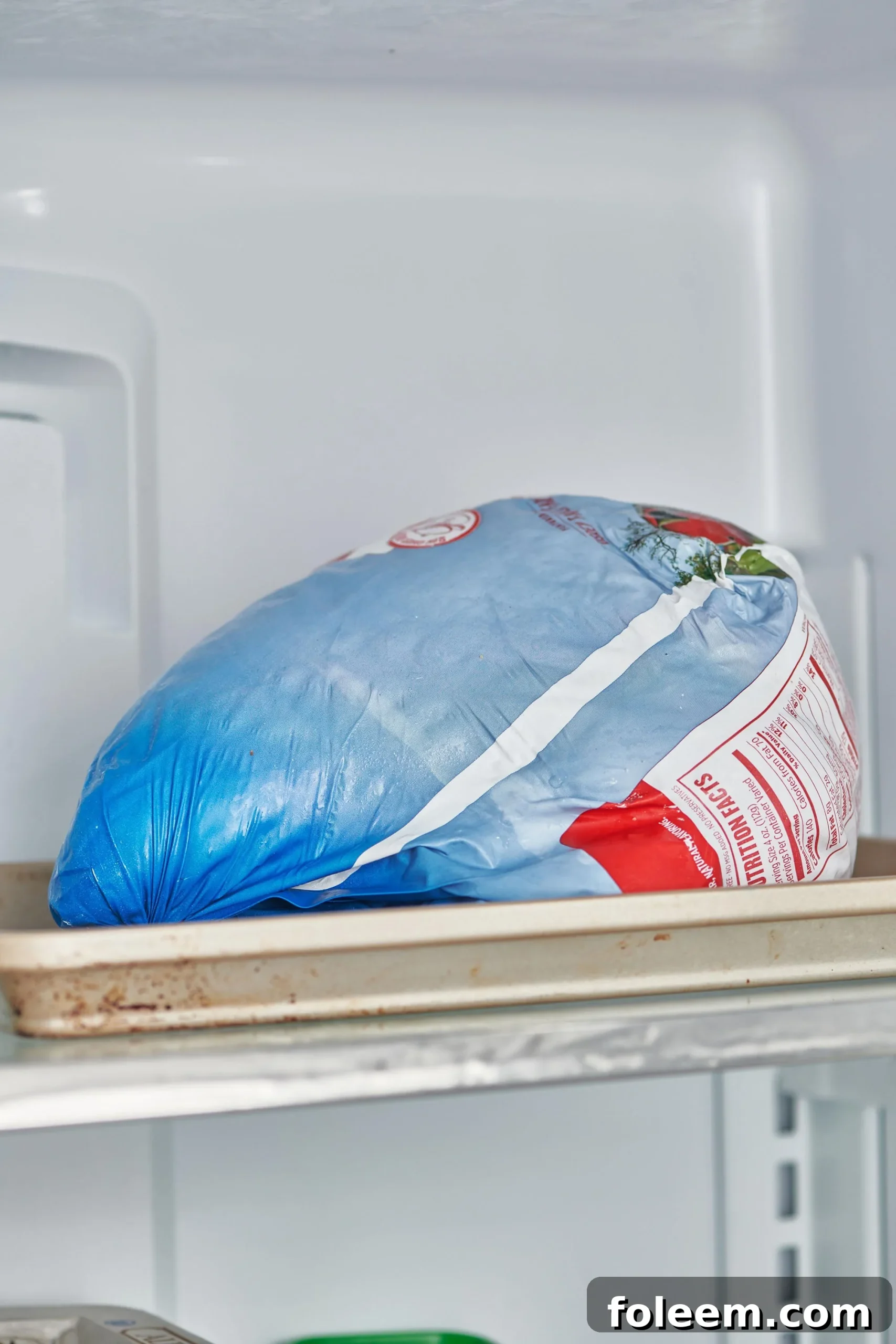
Thawing Frozen Turkey Breast in the Refrigerator
The same rules apply to turkey breasts. A 6–7 pound turkey breast usually takes about 36 hours (1½ days) to thaw in the refrigerator. You can thaw a turkey breast up to four days before brining or cooking it.
How to Thaw Frozen Turkey in Cold Water
Thawing in cold water is faster than refrigerator thawing but requires more attention. Keep the water at or below 40°F and allow about 30 minutes of thawing per pound. Check the water every 30 minutes and refresh with cold water or ice to keep the temperature safe. This prevents the water from warming and becoming a potential breeding ground for bacteria.
Submerge the turkey in its sealed packaging in a container large enough to hold it fully submerged — a large pot, clean bucket, or sink will work. Cover the bird with cold water (you may need to add ice). Change the water frequently and follow the time guidelines below to estimate total thawing time.
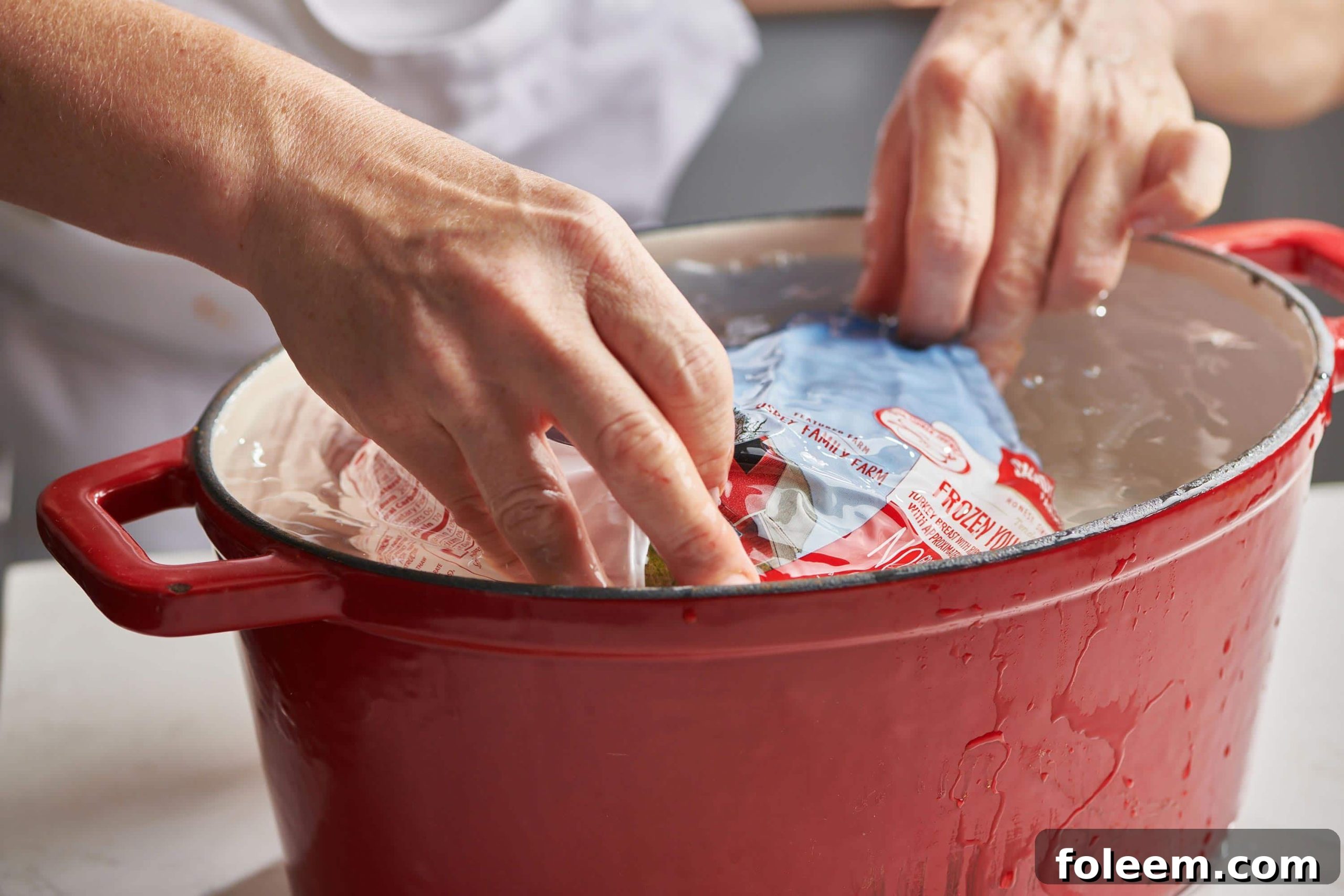
Thawing Frozen Turkey Breast in Cold Water
Turkey breasts thaw faster than whole birds. Plan on about 30 minutes per pound when using the cold water method, and check the water temperature every half hour. A 6-pound breast will take roughly three hours and may require several water changes.
What to Avoid When Thawing Turkey
- Do NOT defrost turkey in hot water. Hot water encourages rapid bacterial growth and risks foodborne illness.
- Do NOT thaw turkey at room temperature. Leaving poultry out on the counter is unsafe because it allows the surface to enter the danger zone while the interior is still frozen.
- Do NOT microwave a frozen turkey. Microwaves thaw unevenly; parts may begin to cook while other parts remain frozen, creating unsafe conditions.
How Long Does It Take to Thaw Turkey?
| Turkey Weight | Thawing Time (Refrigerator) | Thawing Time (Cold Water) |
|---|---|---|
| Up to 12 lbs | 2 to 3 days | 3 to 6 hours |
| 12 to 16 lbs | 3 to 4 days | 6 to 8 hours |
| 16 to 20 lbs | 4 to 5 days | 8 to 10 hours |
| 20 to 24 lbs | 5 to 6 days | 10 to 12 hours |
FAQs
The safest method is refrigerator thawing because the turkey stays cold the entire time, preventing harmful bacteria from growing. Cold water thawing is a safe faster alternative when you need it.
Submerge the turkey in cold water, changing the water every 30 minutes to keep it cold. Plan about 30 minutes per pound.
Reach into the cavity and press the breast area — it should feel soft and pliable, not hard or icy.
Plan for the turkey to be fully thawed about three days before cooking. You can extend to four days if you plan to brine. Make sure fridge space and temperature are adequate.
Finish thawing with the cold water method; do not leave the bird on the counter. Monitor and refresh the water to keep it between about 37–40°F.
Turkey Recipe Ideas
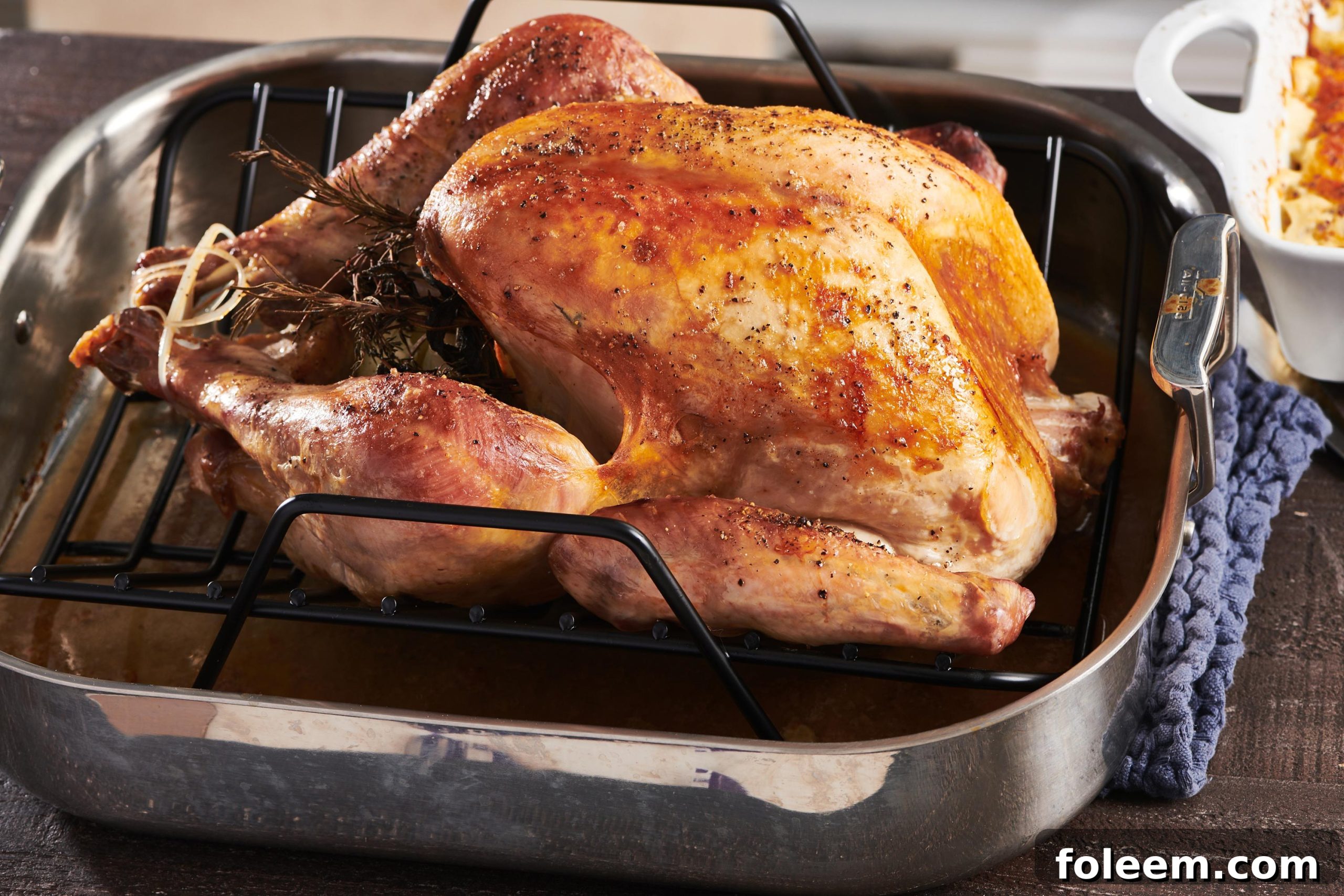
Once thawed you can roast the whole bird, prepare a spiced or herb-roasted turkey, or cook a turkey breast in the oven, slow cooker, or Instant Pot. Think about grilling a split breast if the weather permits. Leftovers are versatile — sandwiches, soups, and casseroles are all great options for using up extra turkey.
What to Serve With Turkey
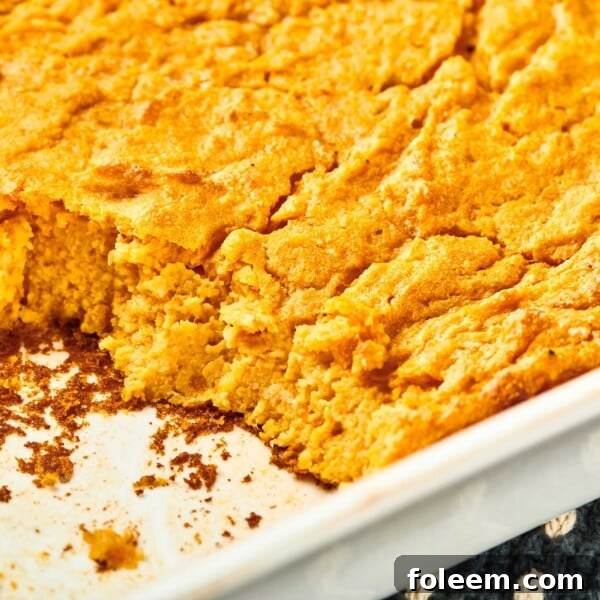
Sweet Potato Spoon Bread

Classic Traditional Thanksgiving Stuffing

Warm Brussels Sprouts Salad with Anchovy Vinaigrette
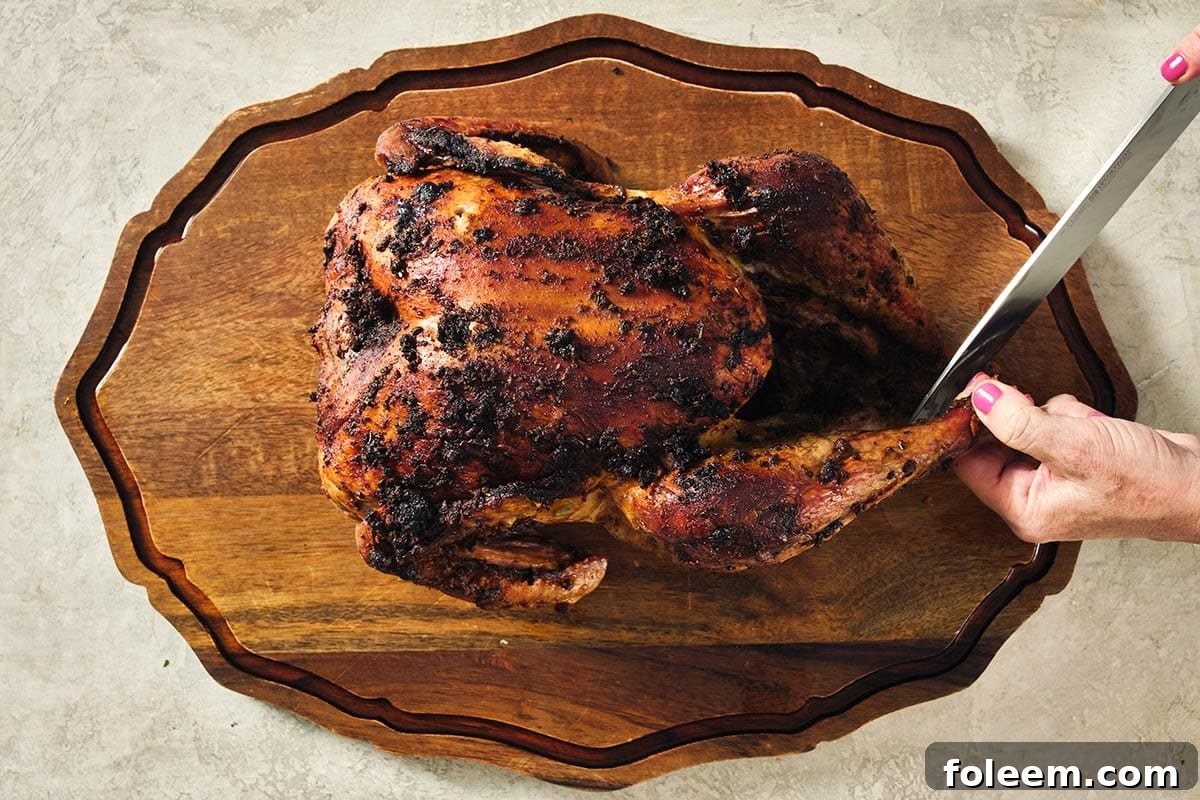
More Tips for Turkey Day
- How to carve a turkey
- How long to cook a turkey
- How to cook turkey breast
- How to brine a turkey breast
- Leftover turkey recipe ideas
- How to freeze leftover turkey

How to Safely Thaw Frozen Turkey in Cold Water
Equipment
- Large pot or container
Ingredients
- 1 frozen turkey (any size, or turkey breast)
- Cold water
Instructions
- Place the turkey in its original sealed wrapping in a container large enough to fully submerge it.
- Cover with cold water (about 37–40°F); add ice if needed. The water must stay at or below 40°F. Allow about 30 minutes of thawing per pound and change the water every 30 minutes to keep it cold.
- Use the thawing chart to estimate total time based on the turkey’s weight.
Notes
If you have time, thaw in the refrigerator for the most hands-off, safest approach. Use cold water only when you need to speed up the process, and never use a microwave, hot water, or countertop thawing.
| Turkey Weight | Thawing Time (Refrigerator) | Thawing Time (Cold Water) |
| Up to 12 lbs | 2 to 3 days | 3 to 6 hours |
| 12 to 16 lbs | 3 to 4 days | 6 to 8 hours |
| 16 to 20 lbs | 4 to 5 days | 8 to 10 hours |
| 20 to 24 lbs | 5 to 6 days | 10 to 12 hours |