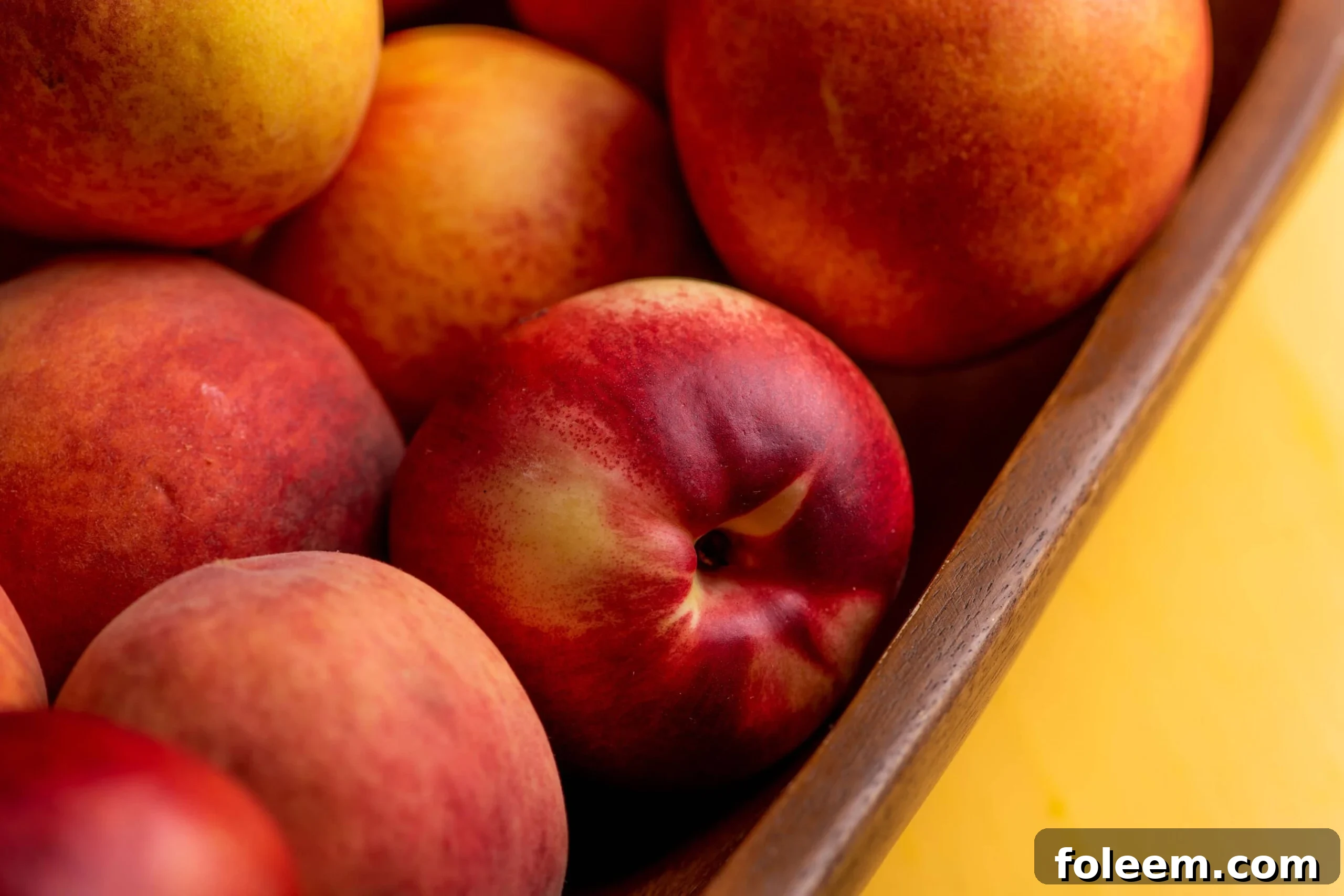
Peaches and nectarines are familiar to most of us, yet there’s always a little magic to biting into a perfectly ripe summer peach. When they’re in season, you want to bring them into every meal—breakfast to dessert—and savor their sweetness and texture.
- What Exactly Is a Peach or Nectarine?
- What Are the Different Types of Peaches and Nectarines?
- How Do You Ripen and Store Peaches and Nectarines?
- How Do You Cook with Peaches and Nectarines?
- How Do You Peel a Peach or Nectarine?
- When Are Peaches and Nectarines in Season?
- Are Peaches and Nectarines Nutritious?
- Try Peaches and Nectarines in These Recipes!
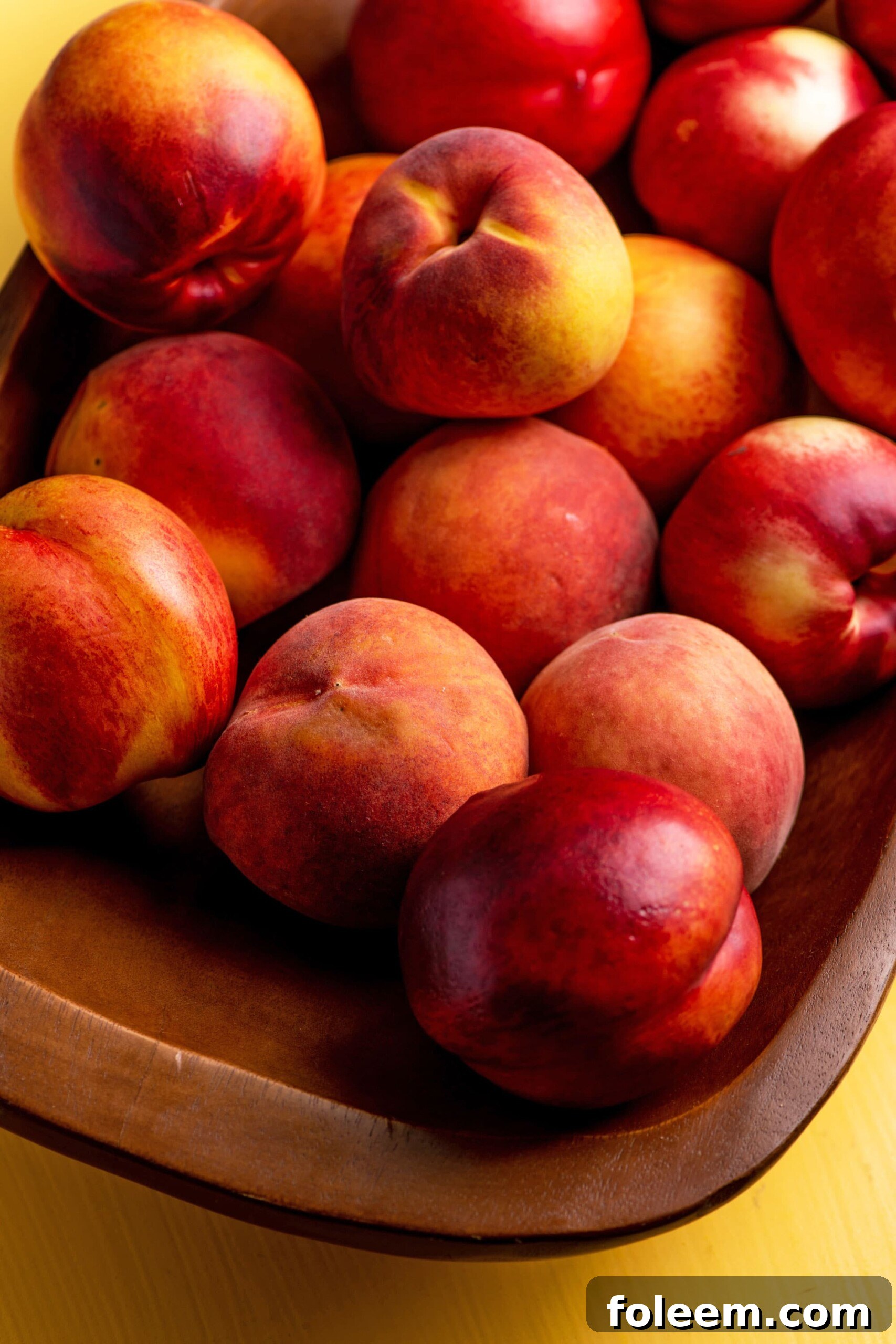
Below is a concise guide to getting the most from two of summer’s best stone fruits: peaches and nectarines.
What Exactly Is a Peach or Nectarine?
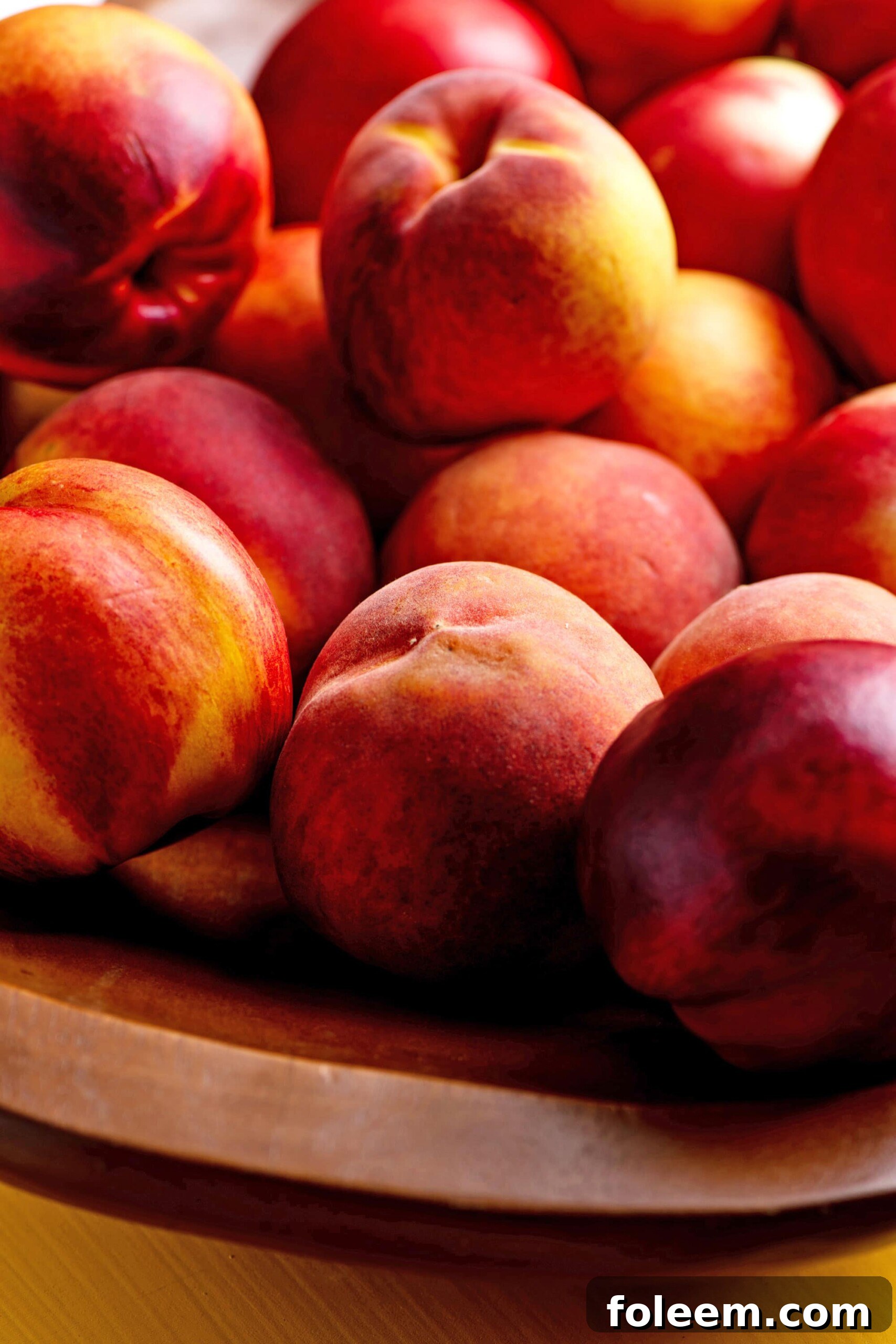
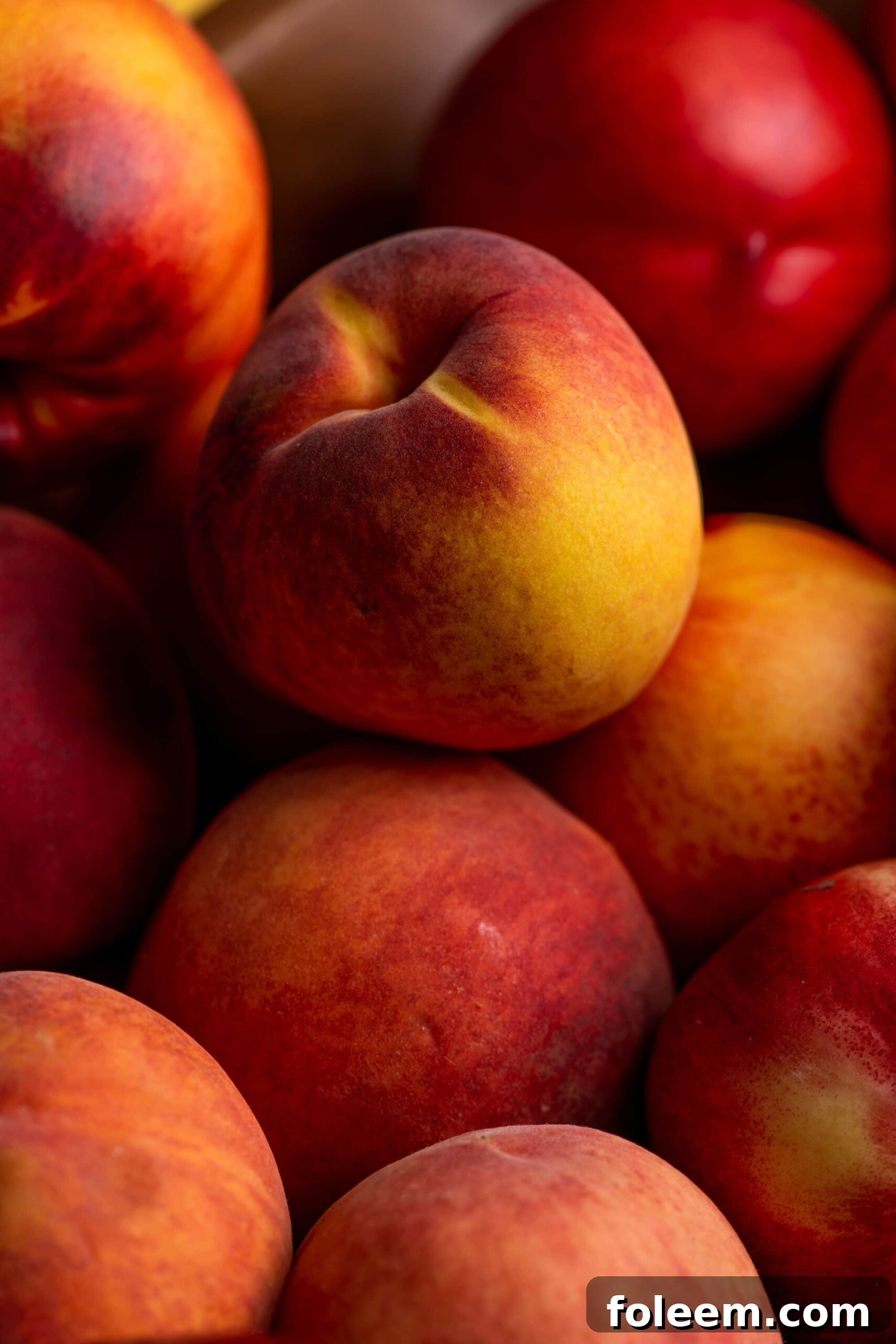
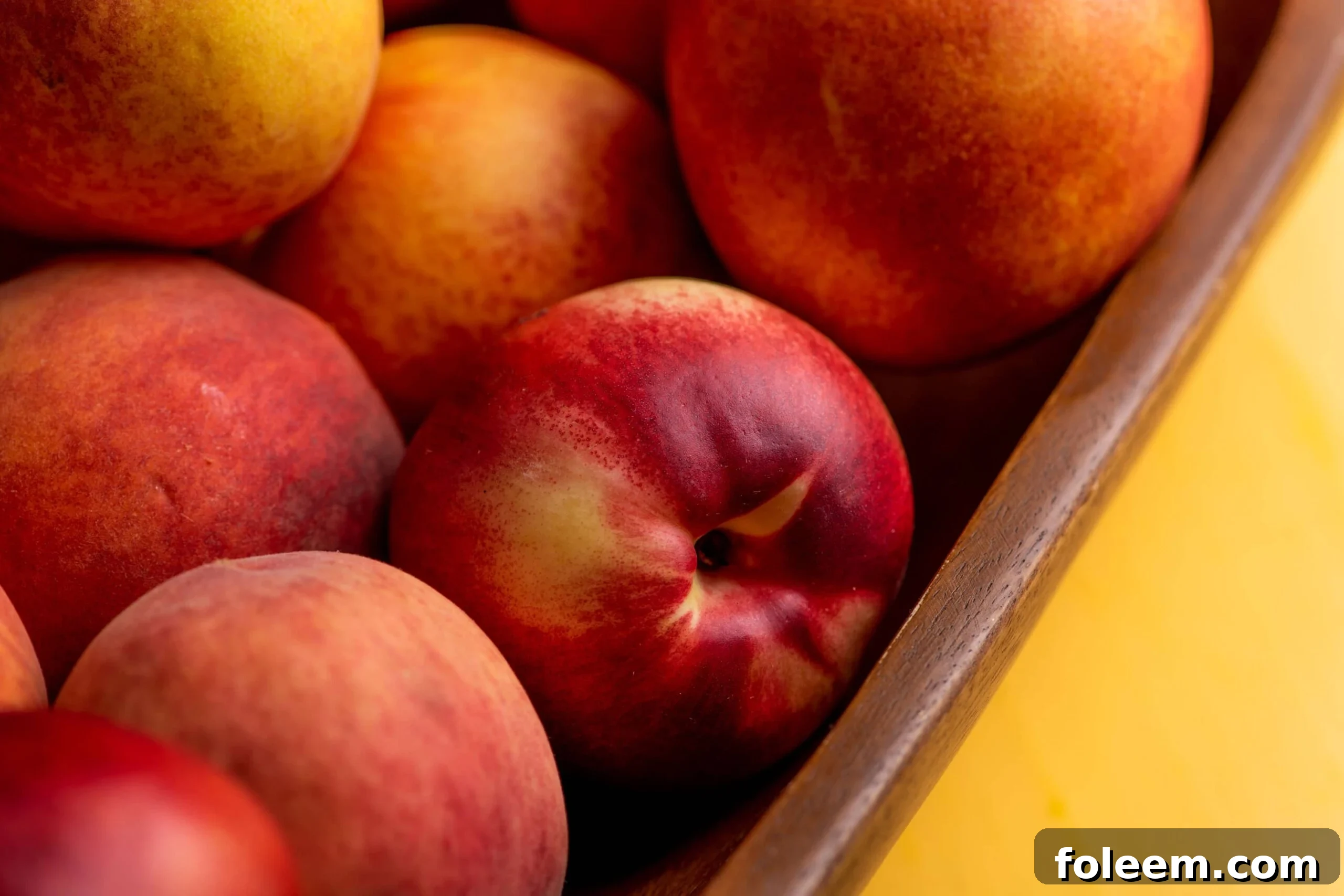
The peach has a long history, first cultivated in China and later spreading to Europe through Persia. Today they are enjoyed across Asia, Europe and North America. Peaches belong to the rose family and are closely related to apricots, cherries, plums and almonds. Botanically, peaches and nectarines are the same species. The difference is simply skin texture: peaches have fuzzy skin, while nectarines have smooth skin.
What Are the Different Types of Peaches and Nectarines?
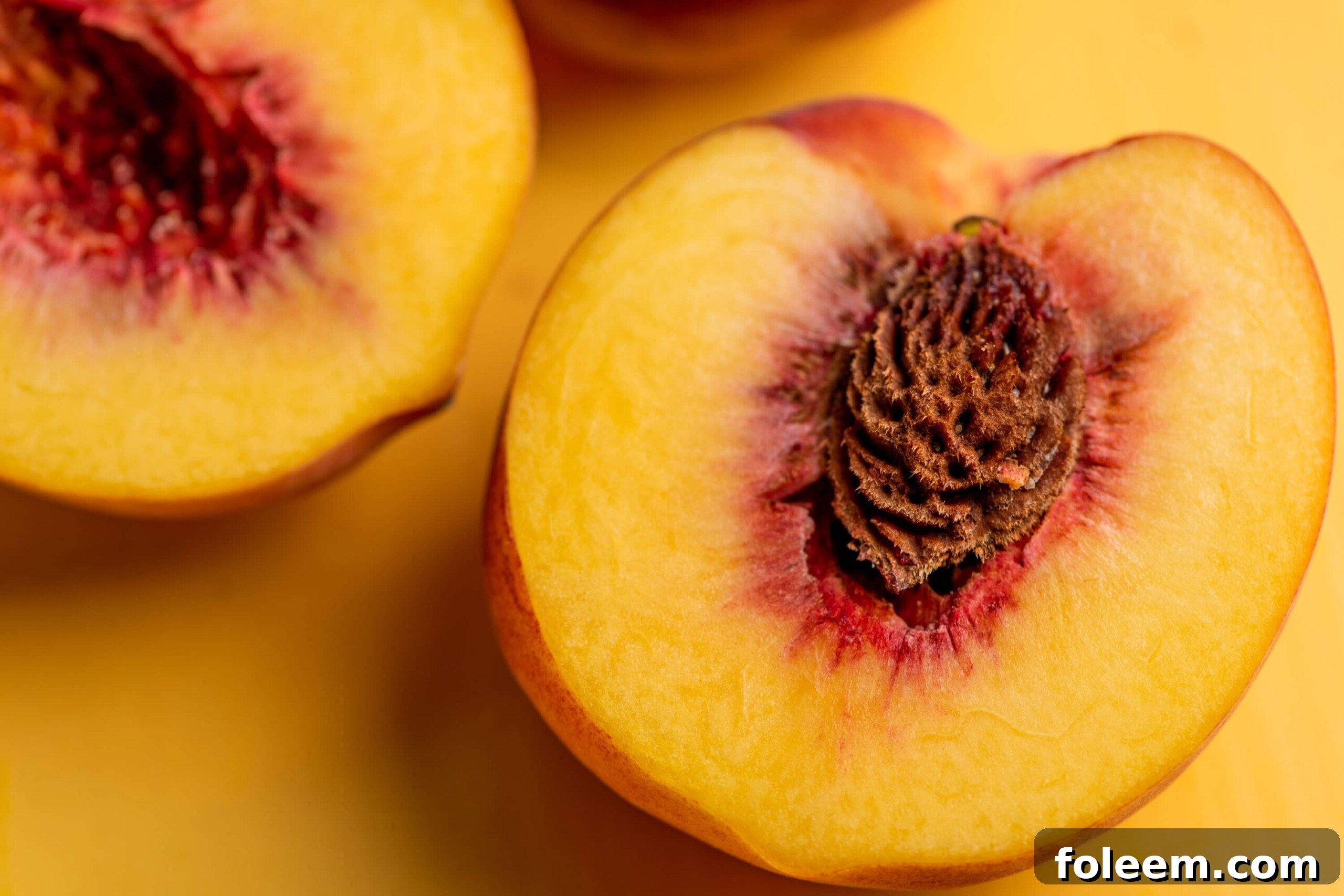
Labels like “clingstone” and “freestone” describe how the flesh separates from the pit. Freestone varieties pull away from the pit easily, making them convenient for slicing and cooking. Clingstones often hold onto the pit more tightly, and many people find them especially sweet. Flesh color varies, too: peaches and nectarines can have yellow or white flesh. Yellow-fleshed varieties tend to have a brighter, slightly tangy note, while white-fleshed types are often more purely sweet.
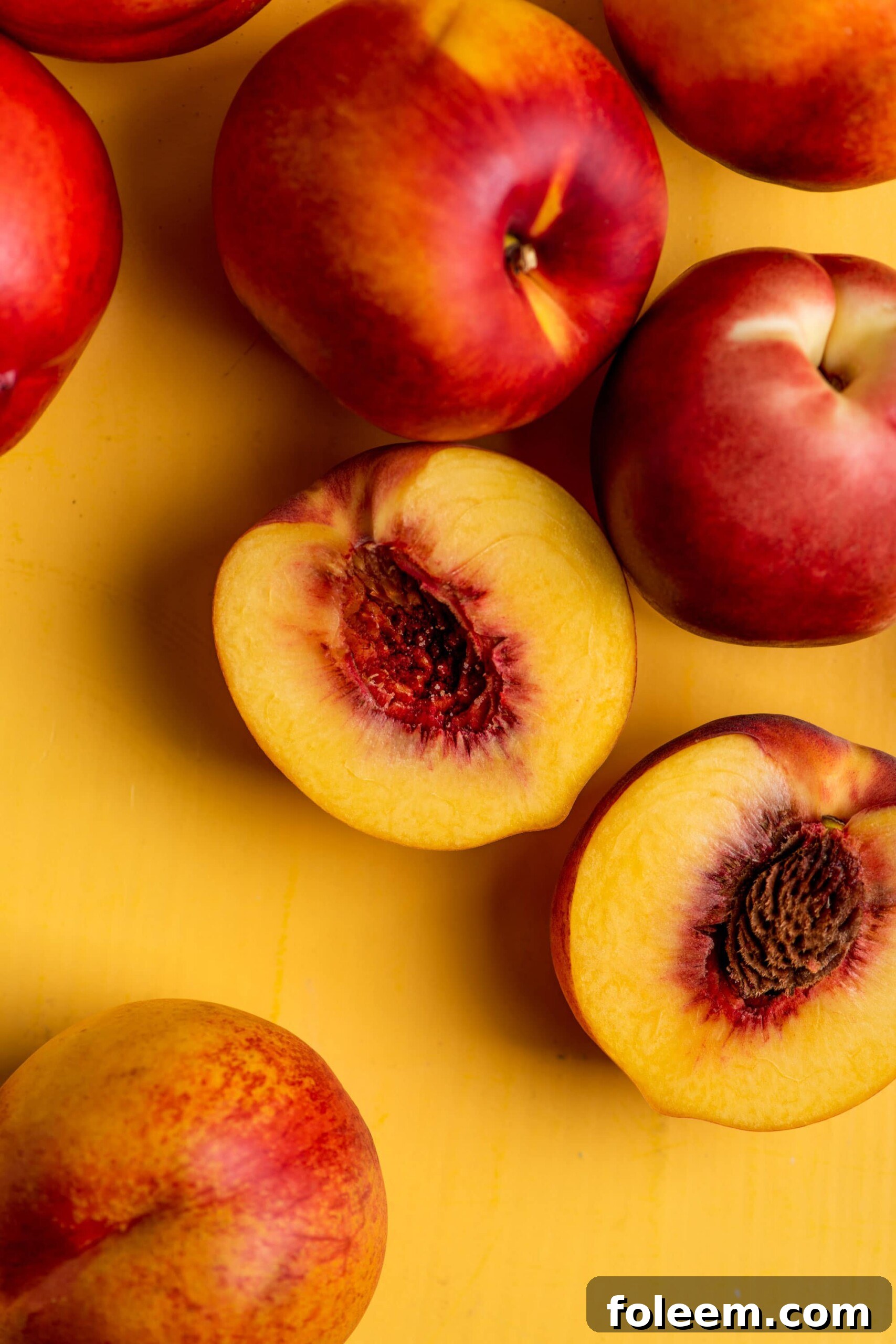
There are many cultivars grown around the world, each with its own balance of sweetness, acidity and texture.
How Do You Ripen and Store Peaches and Nectarines?
Ripen peaches at room temperature on the counter, where they’ll soften over a few days. A ripe fruit will have smooth, taut skin with a little give when gently pressed and should smell fragrant and peachy. Once ripe, move peaches to the refrigerator to slow further ripening; they’ll keep for a few days. For the best flavor and texture, bring refrigerated peaches back to room temperature before serving.
How Do You Cook with Peaches and Nectarines?
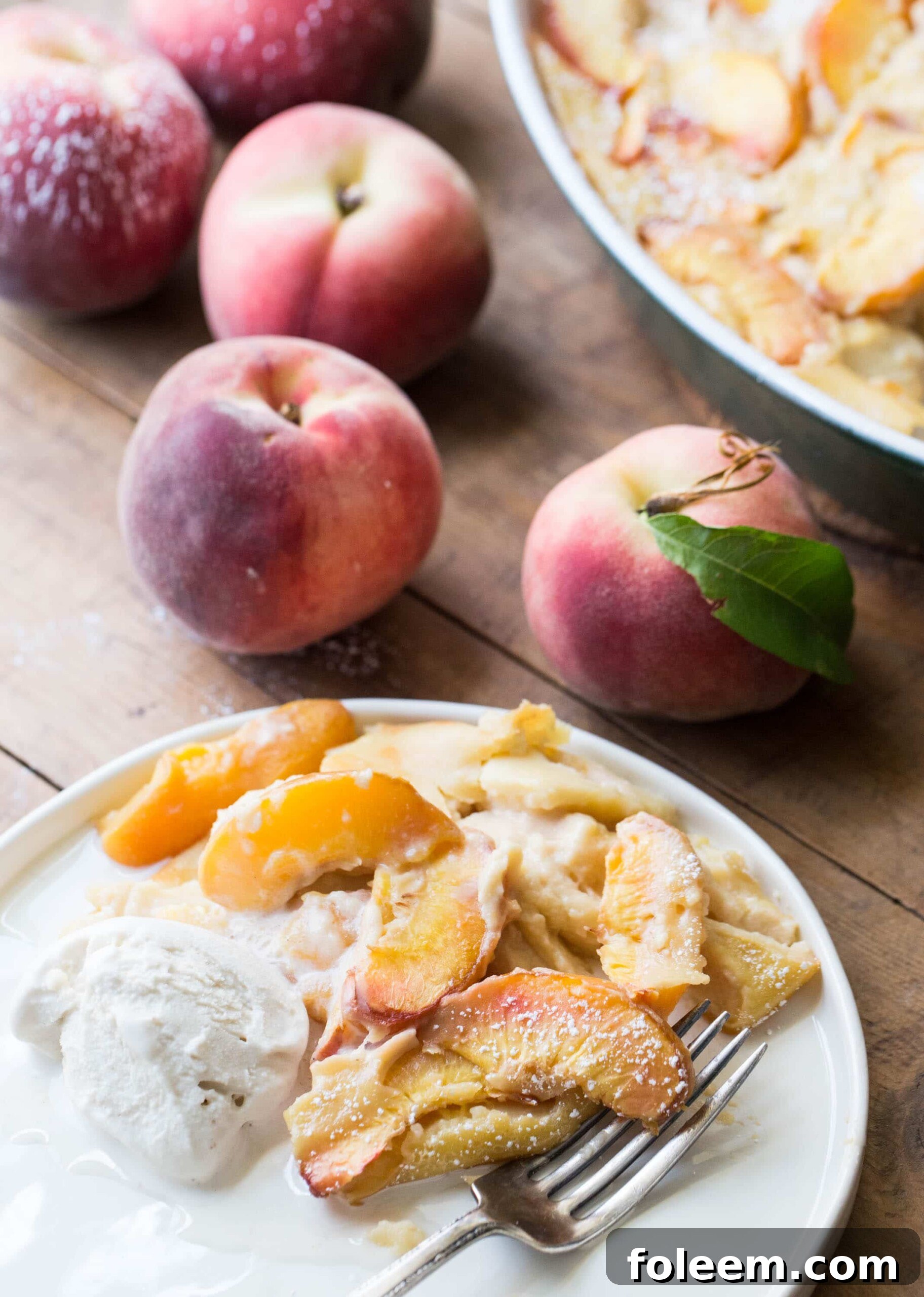
Besides enjoying them fresh, peaches and nectarines are versatile in the kitchen. Use them in pies, tarts, cobblers, crisps and clafoutis, or make jams and compotes. They’re excellent grilled or sautéed alongside meats, bright in salsas and salads, and delightful in drinks and smoothies. Frozen peaches work well for smoothies and ice cream when fresh fruit is past its prime.
How Do You Peel a Peach or Nectarine?
When a recipe calls for peeled fruit, blanching is the easiest method:
- Bring a pot of water to a boil large enough to submerge the fruit, and prepare a large bowl of ice water.
- Score the bottom of each peach with a small X.
- Drop the fruit into the boiling water for 15 to 30 seconds, then transfer immediately to the ice water with a slotted spoon.
- After about 15 seconds in the ice bath, the skins should slip off easily.
If you prefer, you can also use a vegetable peeler, though that can be messier and risks losing some flesh. Whether you leave the skin on is a matter of texture and preference—skins add color and nutrients but may be unwanted in some delicate preparations.
When Are Peaches and Nectarines in Season?
Seasonality varies by region, but in many places peaches and nectarines are best from June through early September. Local harvests may extend the availability across the summer months.
Are Peaches and Nectarines Nutritious?
These fruits provide vitamins, minerals and dietary fiber while remaining low in calories, making them a healthful addition to most diets. Like all fruits and vegetables, they offer satisfying flavor with little caloric impact.
Try Peaches and Nectarines in These Recipes!

Sour Cream Biscuit Peach and Berry Cobbler

A Peach Cocktail and a Mocktail for Mixed Company
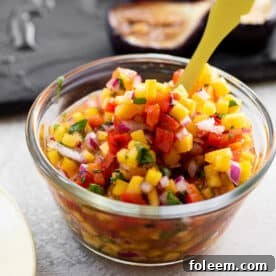
Peach and Roasted Red Pepper Salsa
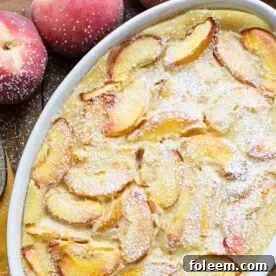
Peach Clafoutis

Simple Peach Crisp