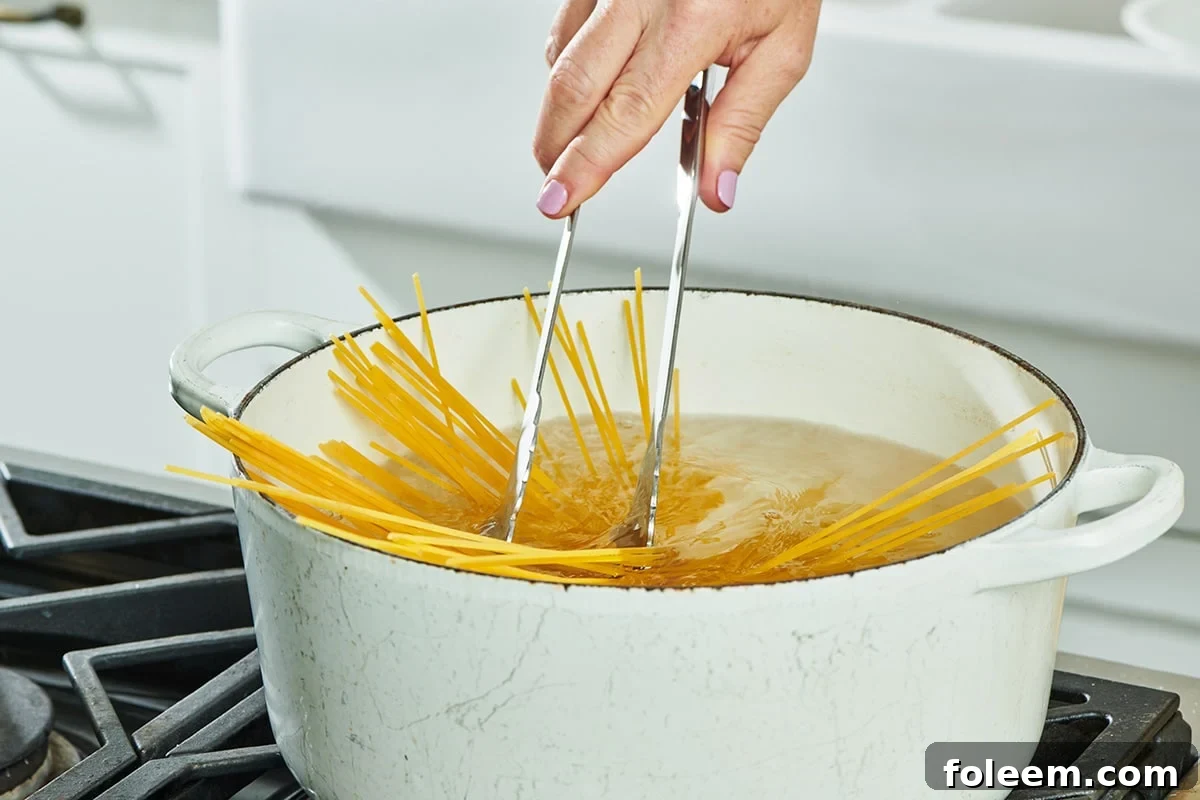
Perfect pasta comes down to a few simple choices many home cooks overlook: lots of water, well-salted water, pulling the pasta just before it’s fully cooked, and finishing the pasta in the sauce. That last step is what turns good home-cooked pasta into restaurant-quality pasta, and it costs nothing extra. The rest of the key tips are below.
- Types of Pasta
- How Long to Cook Pasta
- 9 Essential Pasta Cooking Tips
- How to Break Spaghetti in Half
- Cooking Pasta for Baked Pastas
- Cooking Pasta for Pasta Salads
- Troubleshooting
- How to Store Cooked Pasta
- FAQs
- Delicious Pasta Recipes to Try
- What to Serve With Pasta
- How to Cook Pasta Recipe
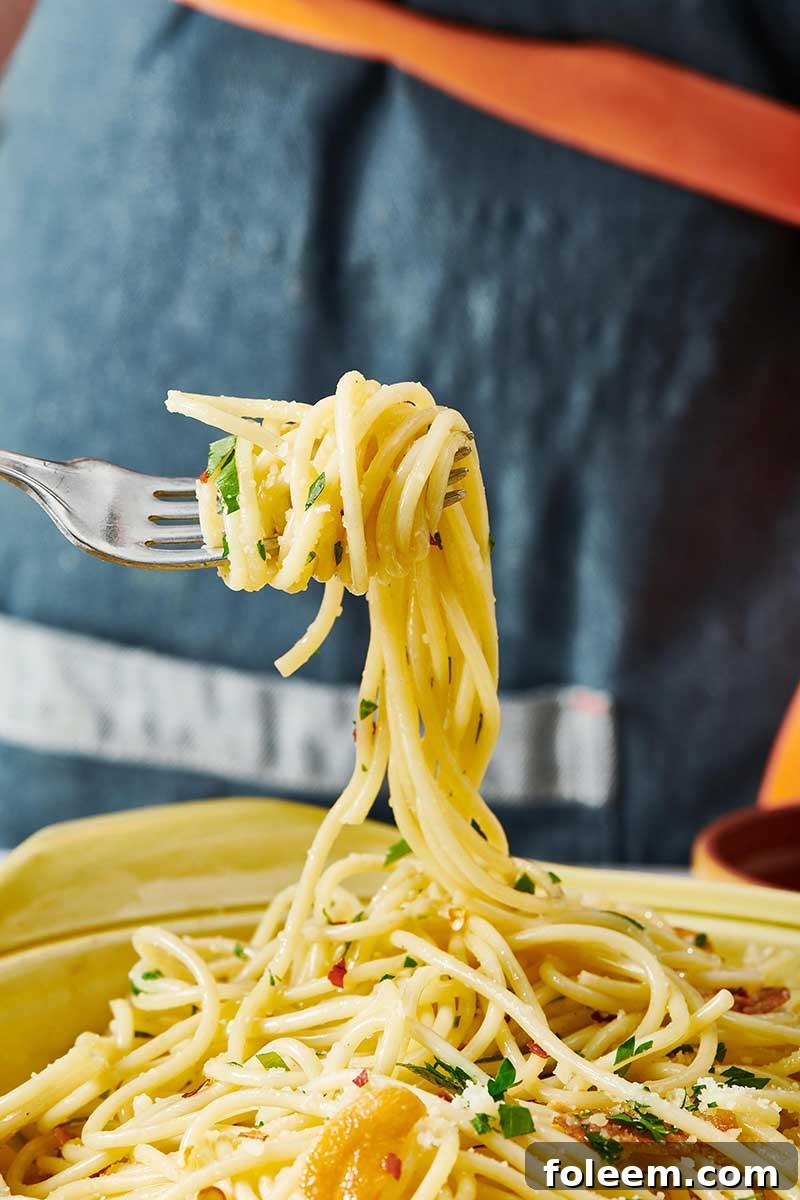
Types of Pasta
Choosing the right shape matters. Generally, chunky shapes suit chunky sauces; long strands work best with lighter sauces. Below is a practical breakdown of common pasta shapes and their ideal pairings — suggestions, not strict rules.
Short and Chunky Pasta Shapes
These hold up to hearty, chunky sauces and are excellent in pasta salads and baked dishes:
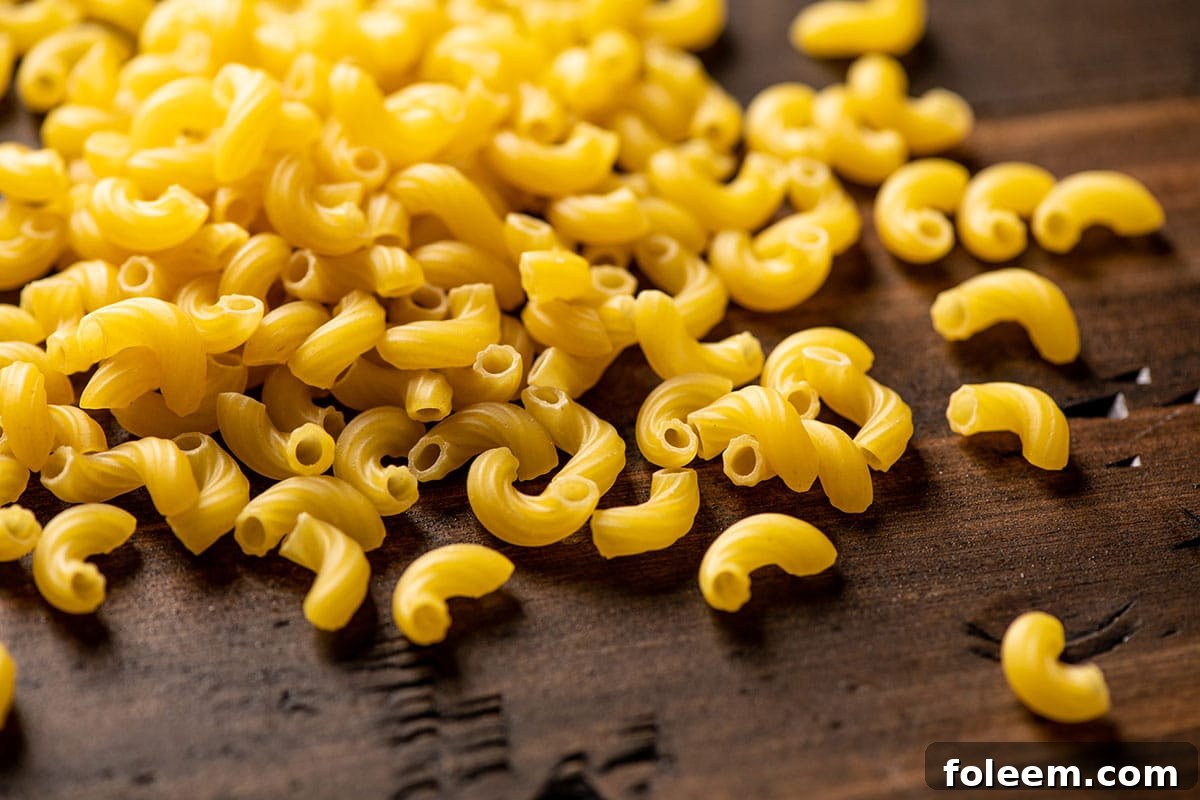
- Elbows – Small curved hollow tubes (macaroni), smooth or ridged.
- Rigatoni – Wide tubes often with ridges to trap sauce.
- Ziti – Straight-cut tubes similar to rigatoni.
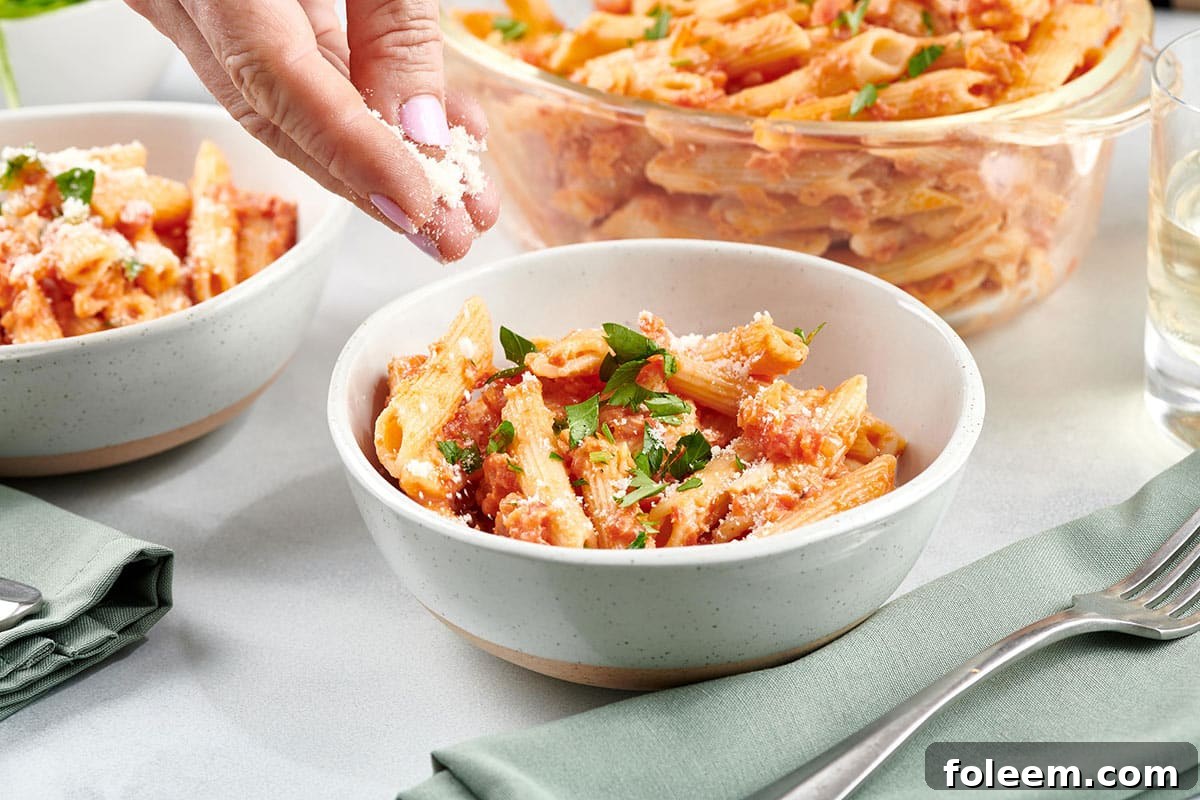
- Penne – Diagonally cut tubes, available smooth or ridged.
- Cavatappi – Corkscrew-shaped tubes that hold chunky bits well.
- Ditalini – Tiny tubes ideal for soups and stews.
- Farfalle – “Bowtie” pasta great for salads and chunky sauces.
- Rotelle – Wheel-shaped pasta with crevices for meat and vegetables.
- Orcheiette – Small ear-shaped pasta that cradles sauce.
- Orzo – Rice-shaped pasta for salads, sides, and soups.
- Shells – Varying sizes; larger shells are often stuffed and baked.
- Radiatore – Small radiator-shaped pasta with lots of nooks for thick sauces.
- Rotini – Short, corkscrew-shaped twists.
- Gemelli – Twisted-pair pasta good for casseroles and salads.
Recipes With Chunky Pasta
- Chicken Parmesan Baked Ziti
- Penne all’Arrabbiata
- Cavatappi with Roasted Cherry Tomatoes and Pesto
Long and Skinny Pastas
Long noodles pair best with light to medium sauces. They also work well with meatballs and richer sauces when the noodle is thicker.
- Capellini / Angel Hair – Extremely thin; use with very light sauces.
- Spaghetti – Classic long strand for simple tomato or oil-based sauces.
- Linguine – Flat, long noodles suited to medium-bodied sauces.
- Fettuccine – Wider ribbon good with heavier and cream-based sauces.
- Fusilli – Long corkscrew-like twists (note: sometimes listed among short shapes).
- Bucatini – Thick spaghetti with a hollow center that traps sauce.
- Spaghettini – Thinner than spaghetti but thicker than angel hair.
- Pappardelle – Very wide ribbons, excellent with robust ragùs.
Recipes With Long Pastas
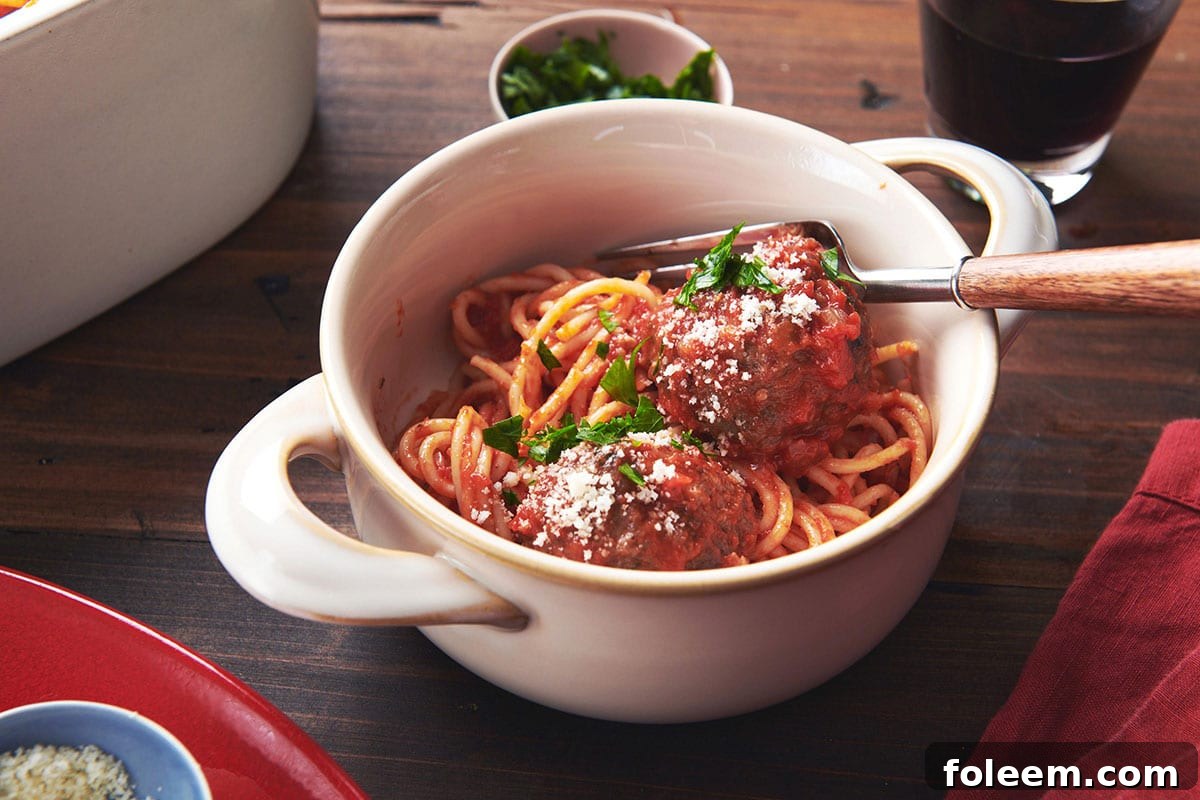
- Spaghetti and Meatballs with Tomato Sauce
- Fettuccine Alfredo with Green Beans and Tapenade
- Linguine with White Clam Sauce
How Long to Cook Pasta
Dried pasta generally takes 8 to 14 minutes, depending on thickness. Thin pastas cook fast; thick or bronze-cut and whole-wheat varieties may need a minute or two more. Fresh pasta cooks in just a few minutes. When unsure, start tasting early and rely on texture rather than the clock.
| Type of Pasta | Approximate Cooking Time |
|---|---|
| Capellini or Angel Hair | 3 to 5 minutes |
| Cavatappi | 11 to 14 minutes |
| Ditalini | 8 to 10 minutes |
| Elbow | 8 to 10 minutes |
| Farfalle | 12 to 15 minutes |
| Fettucine | 10 to 12 minutes |
| Fusilli | 11 to 13 minutes |
| Gemelli | 9 to 11 minutes |
| Linguine | 9 to 12 minutes |
| Orcheiette | 12 to 15 minutes |
| Orzo | 7 to 9 minutes |
| Pappardelle | 10 to 13 minutes |
| Penne | 11 to 14 minutes |
| Bucatini | 11 to 14 minutes |
| Radiatore | 11 to 13 minutes |
| Rigatoni | 12 to 14 minutes |
| Rotelle | 11 to 14 minutes |
| Rotini | 10 to 12 minutes |
| Shells | 10 to 18 minutes |
| Spaghetti | 10 to 12 minutes |
| Spaghettini | 9 to 11 minutes |
| Ziti | 11 to 13 minutes |
9 Essential Pasta Cooking Tips
These practical tips will help you cook pasta perfectly every time.
- Use a large pot and plenty of water. Aim for about 6 quarts of water per pound of pasta so the pot keeps a rolling boil. Cover the pot to bring it to a boil faster.
- Salt the water generously. The cooking water should taste like the sea. Pasta absorbs the water, so this is your one chance to season the pasta itself.
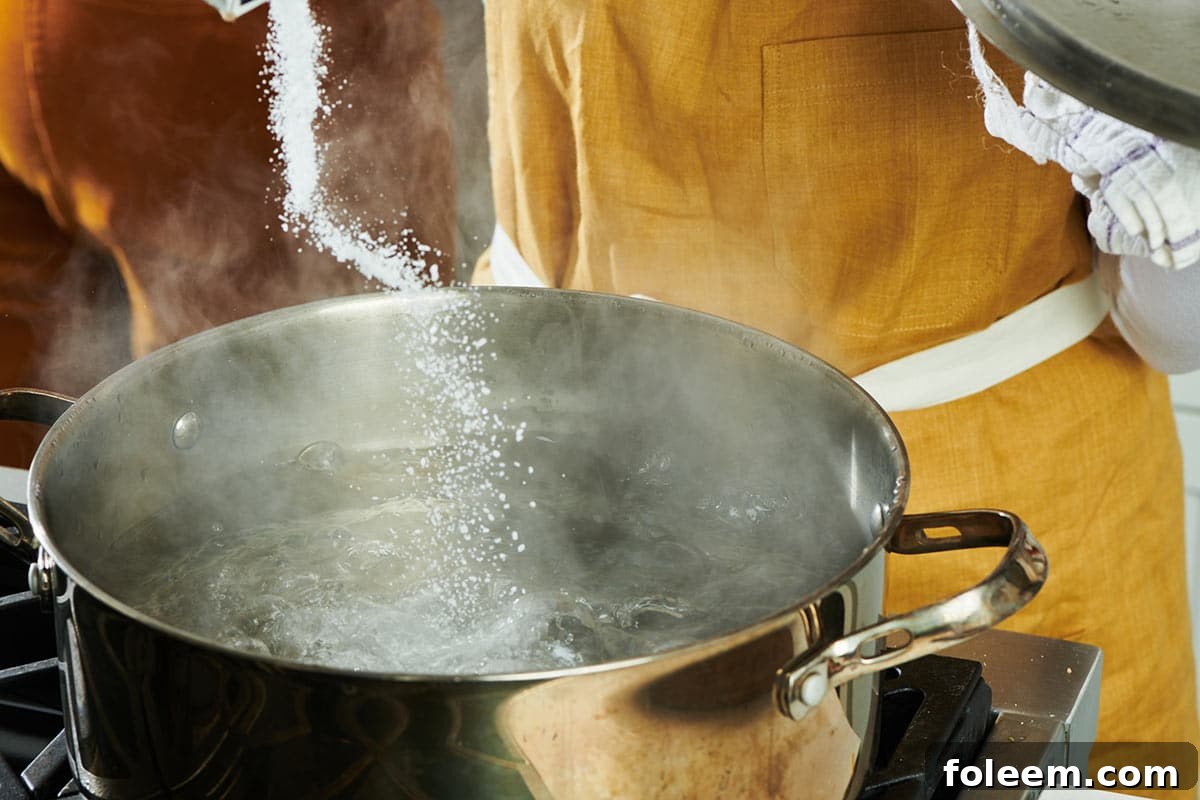
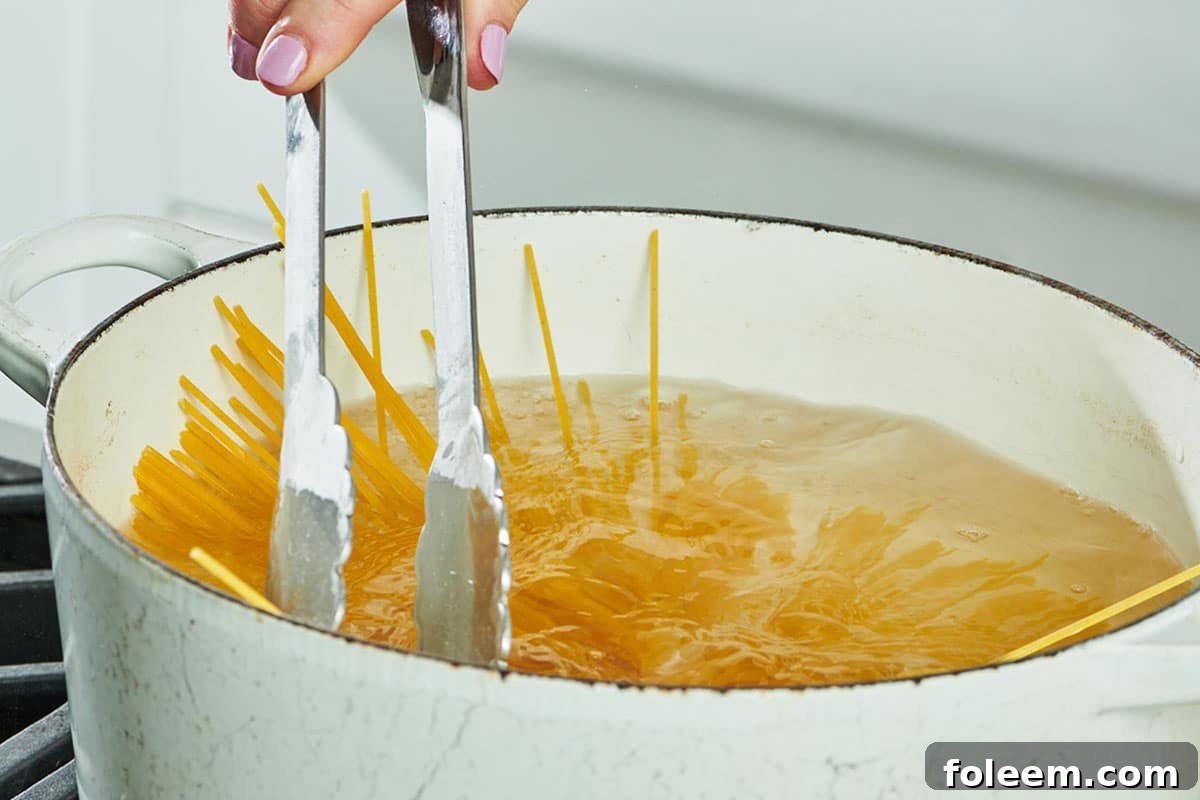
- Add pasta only to a full rolling boil. A simmer won’t do. Stir immediately and frequently during the first minutes to prevent clumping.
- Don’t rinse pasta after cooking (except for pasta salad). Rinsing removes starch that helps sauce cling. For pasta salad, rinse briefly to stop cooking and remove excess starch.
- Reserve a cup of pasta cooking water. The starchy, salted water loosens sauces and helps them cling to pasta. Save some before draining.
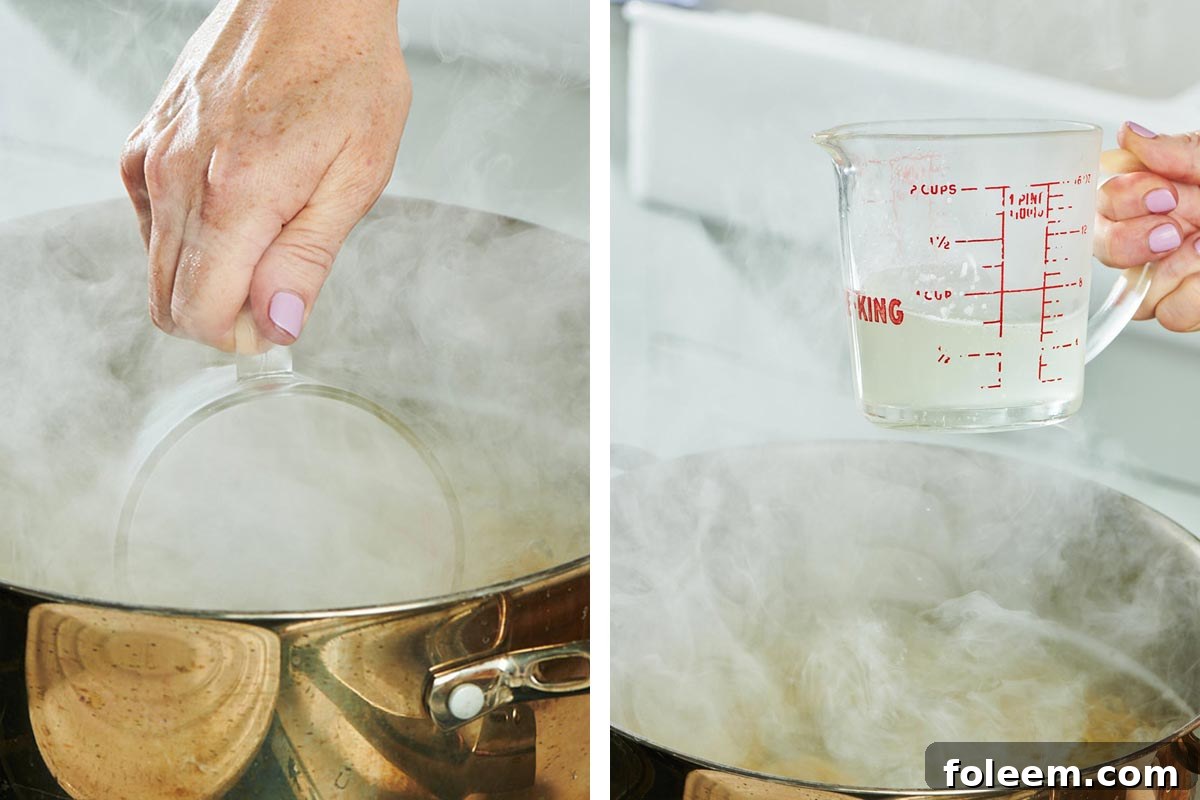
- Avoid adding oil to the cooking water. Oil coats the pasta and prevents sauce from sticking. If clumping is a concern, use more water and stir.
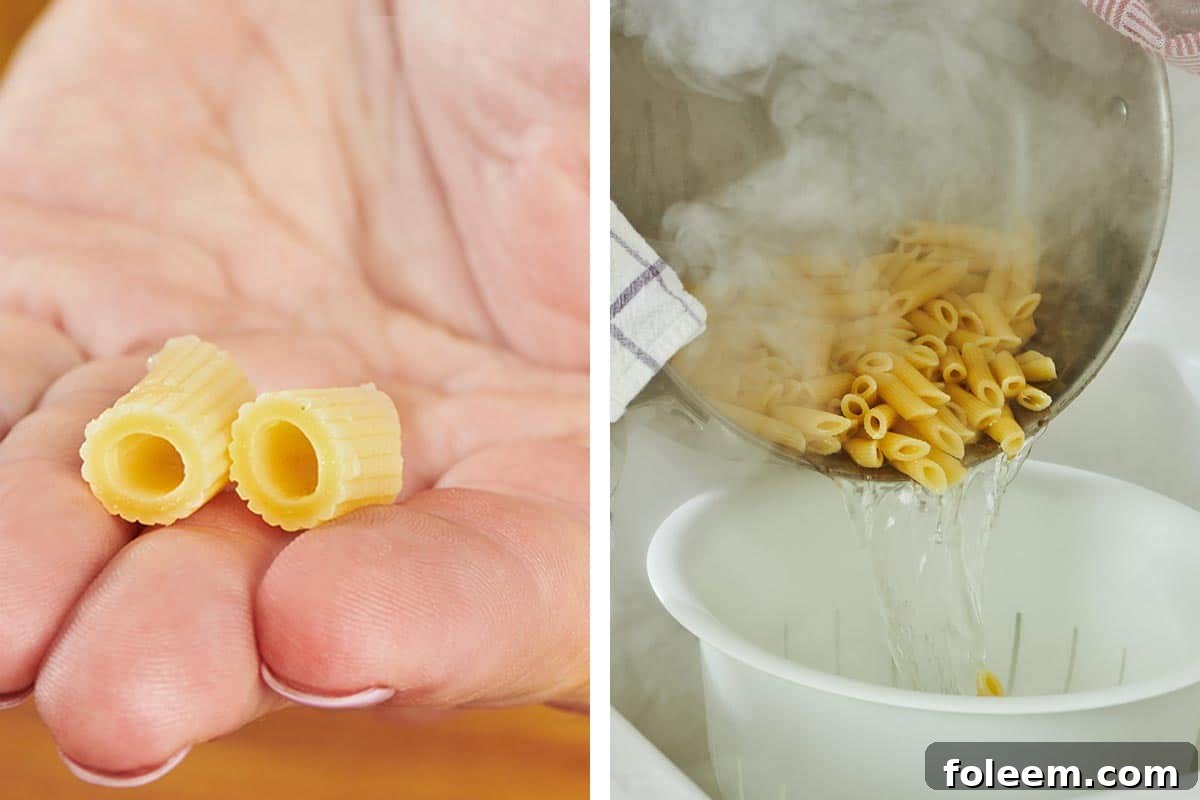
- Pull the pasta before it’s fully done. Aim for al dente — a slight chew. Pasta continues to cook after draining and when finished in sauce.
- Finish the pasta in the sauce. Add drained pasta to simmering sauce and cook together for a minute or two, using reserved pasta water as needed. This melds flavors and creates a silky coating.
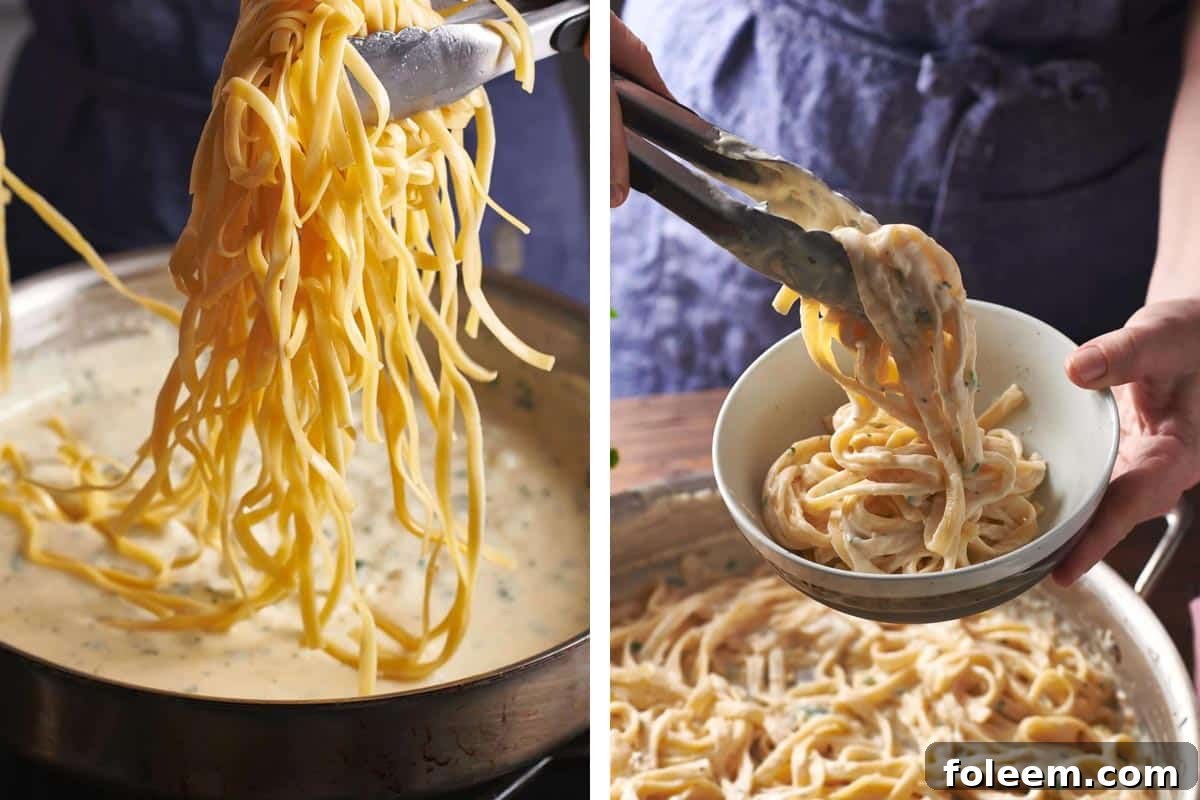
- Sauce it while it’s hot. Hot pasta absorbs sauce; cold pasta resists it. Don’t let cooked pasta sit in the colander. Use enough sauce to complement the pasta without hiding its flavor.
How to Break Spaghetti in Half
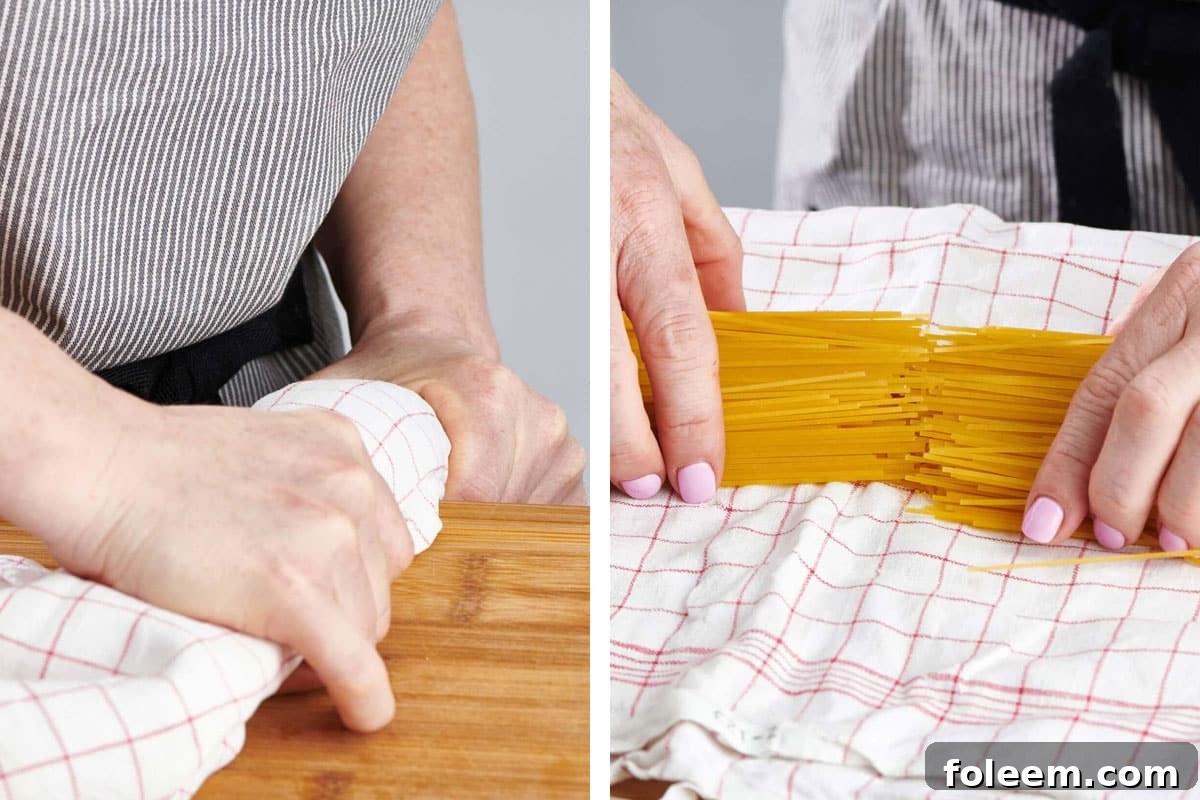
To break long pasta cleanly for baked recipes, wrap the bundle in a clean dish towel, place the middle against a countertop edge, and press both ends down firmly. It snaps cleanly without shards.
Cooking Pasta for Baked Pastas
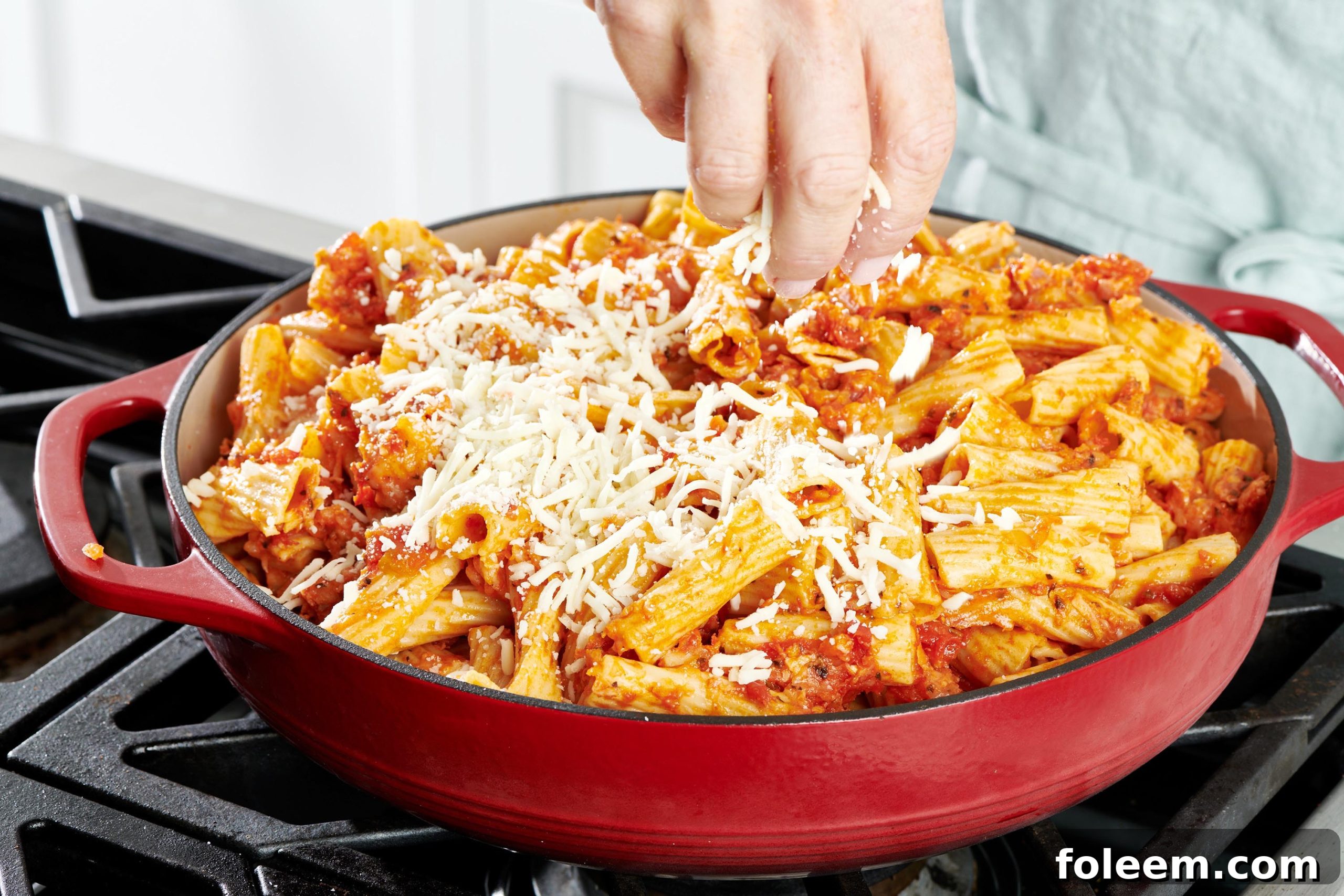
Undercook by about two minutes before combining with sauce and baking. The pasta will finish cooking in the oven as it absorbs sauce; starting perfectly cooked often results in overcooking after baking.
Cooking Pasta for Pasta Salads
Cook pasta through (not al dente), salt the water, rinse briefly after draining to stop cooking and remove excess starch, then toss with some dressing while still warm so the pasta absorbs flavor before cooling.
Troubleshooting
My pasta is sticking together. Use more water and stir immediately and often in the first minutes. Six quarts per pound is a good guideline. Don’t add oil.
My pasta tastes bland even with a good sauce. You likely didn’t salt the water enough. Pasta needs seasoning in the cooking water.
My pasta is mushy. It’s overcooked or you didn’t account for carryover cooking. Pull it earlier next time.
The sauce isn’t sticking to the pasta. Either you rinsed the pasta or added oil to the water. Both remove the starch sauces rely on. Finish pasta in the sauce with a splash of reserved pasta water.
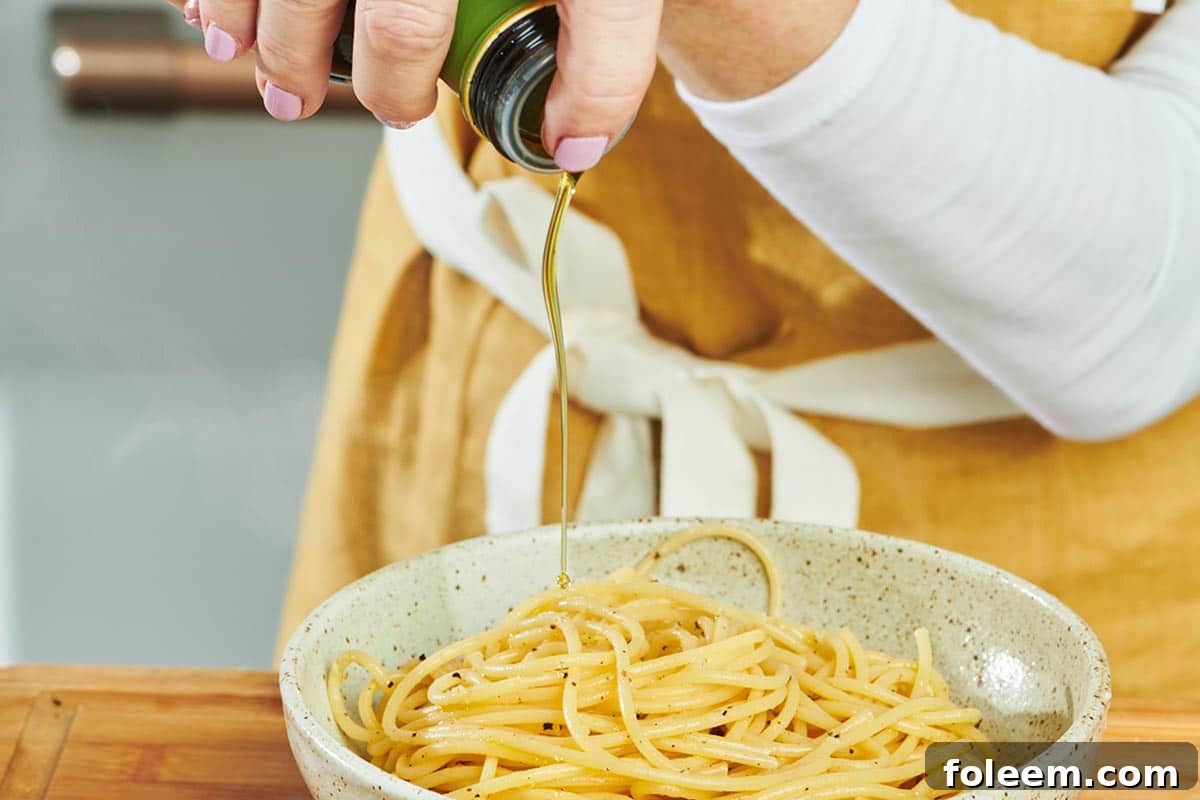
My pasta clumped into a solid mass while I was getting dinner together. Move pasta directly from colander into the waiting sauce. If you must hold it briefly, toss with a small drizzle of olive oil only if it will go into sauce within minutes.
How to Store Cooked Pasta
Cooked pasta keeps up to 5 days in the refrigerator in a sealed container. The same applies to sauced pasta, except dishes with seafood should be eaten within 2 days. Toss plain cooked pasta with a little olive oil before refrigerating to prevent clumping. Reheat in a pan with a splash of water or by warming it directly in a sauce.
Freezing cooked pasta is possible but may change texture, making it softer after thawing. If freezing a assembled dish, slightly undercook the pasta first so it won’t become too soft when reheated.
FAQs
For a main course, plan on about 3 to 4 ounces of dried pasta per person. Packages often list 2- or 3-ounce portions, which are better suited for a first course or side.
Dried pasta is usually safe to eat a few months past its printed date, though flavor may fade. Egg-based dried pastas can deteriorate sooner, so use caution with those.
Cooked pasta lasts up to 5 days in the refrigerator in a tightly sealed container, unless it contains highly perishable ingredients such as seafood.
Rigate means ridged in Italian. Ridges help sauce cling to the pasta for better texture and flavor.
Delicious Pasta Recipes to Try
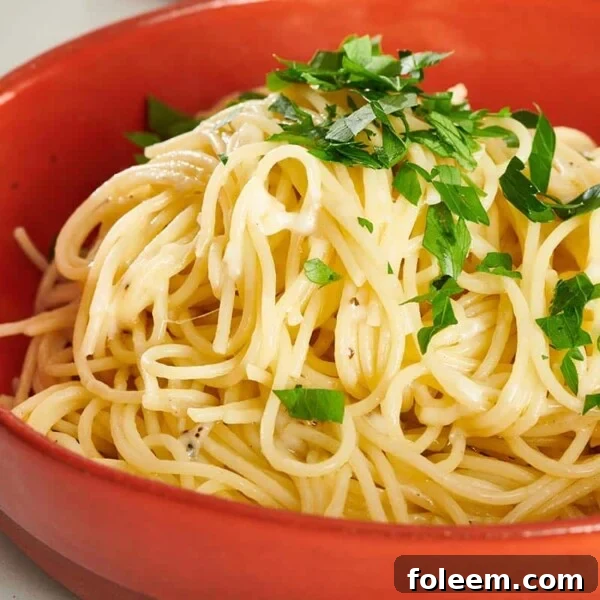
Cacio e Pepe
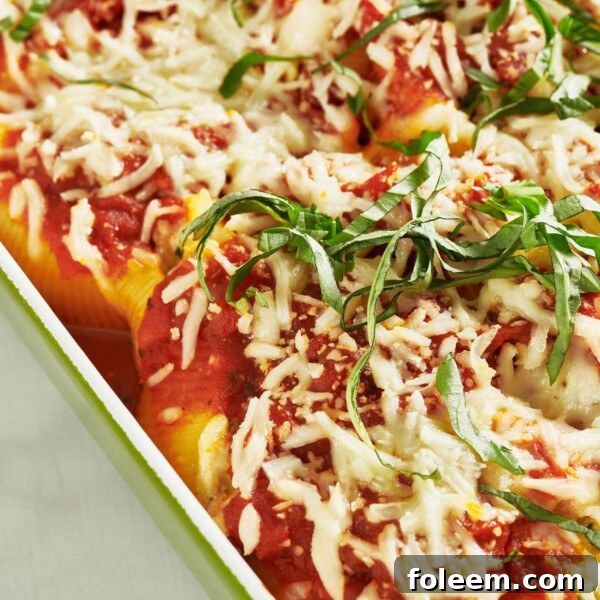
Ground Turkey Stuffed Shells
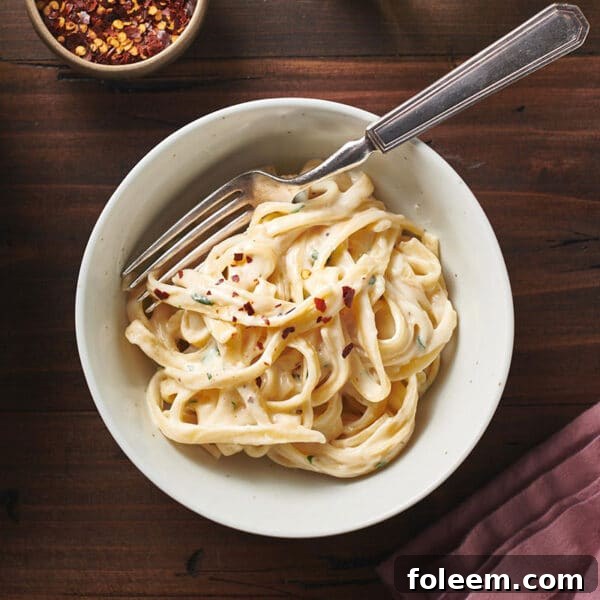
Easy Creamy Fettuccine Alfredo
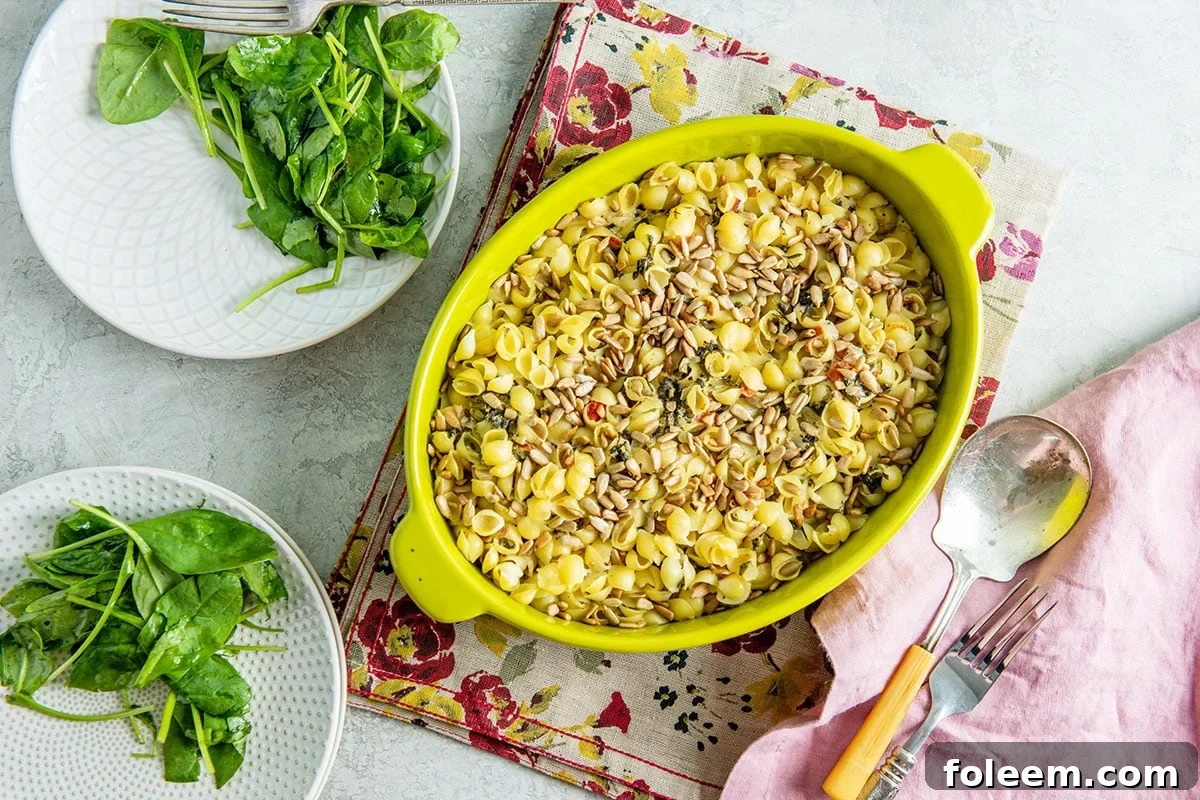
What to Serve With Pasta
I usually serve pasta with a salad and sometimes a simply cooked vegetable. A few reliable salad pairings are:
- Classic Caesar Salad
- Kale Crunch Salad
- Winter Salad
- Romaine, Kale, and Broccoli Salad
How to Cook Pasta
Ingredients
- 6 quarts water
- 2 to 3 tablespoons kosher salt
- 1 pound dried pasta
Instructions
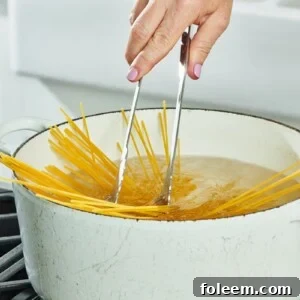
- Bring the water to a boil in a large pot over high heat.
- Add the salt, and allow the water to return to a boil.
- Add the pasta and stir immediately. Cook, stirring frequently, until the pasta is al dente or cooked to your liking, following package times as a guide.
- Reserve a cup of cooking water before draining, then drain the pasta and finish as your recipe directs.
Notes
- Different shapes and brands vary in cooking time; thicker pasta and bronze-cut varieties generally take longer.
- Use about 6 quarts of water per pound and a large pot so the water stays boiling with pasta in it.
- Stir pasta often at the start to prevent sticking.
- Only rinse when making pasta salad to stop cooking and remove excess starch.
- Reserve pasta cooking water to loosen and bind sauces to the noodles.
- Don’t add olive oil to cooking water; it prevents sauces from adhering.
- Drain pasta when it’s just al dente; it will continue cooking in the sauce or oven.
- Finish many pasta dishes by cooking the pasta briefly in the sauce so flavors meld.
- Serve and sauce the pasta while it’s hot so it absorbs flavor.