What Are Mushrooms?
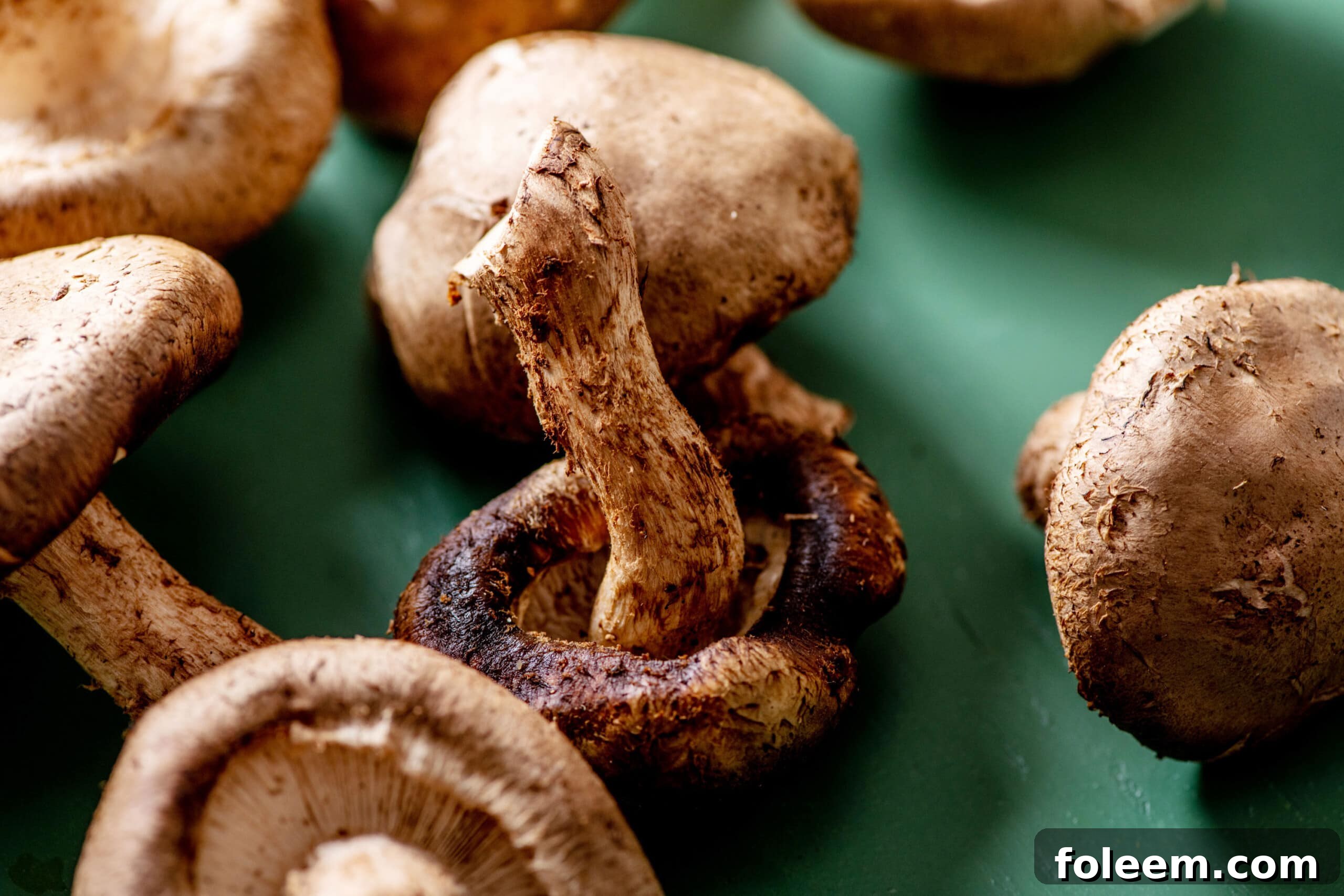
Mushrooms are fungi, not plants, fruits, or vegetables, though they are commonly treated like vegetables in cooking and nutrition. They are versatile ingredients used worldwide in raw (with caution), cooked, and vegetarian dishes. While sometimes described as a meat substitute because of their texture and savory flavor, mushrooms offer unique tastes and culinary possibilities that go far beyond that simple label.
- What Are Mushrooms?
- Truffles
- What Do Mushrooms Look Like?
- Where Can I Find Mushrooms?
- How Do I Pick the Best Mushrooms?
- What Do Mushrooms Taste Like?
- Types of Mushrooms
- How to Clean Mushrooms
- How Do I Prepare Mushrooms?
- How Do I Cook Mushrooms?
- Cooking Mushrooms
- When are Mushrooms in Season?
- How to Keep Mushrooms Fresh
- How to Tell if Mushrooms Are Bad
- Are Mushrooms Nutritious?
- 8 Mushroom Recipes
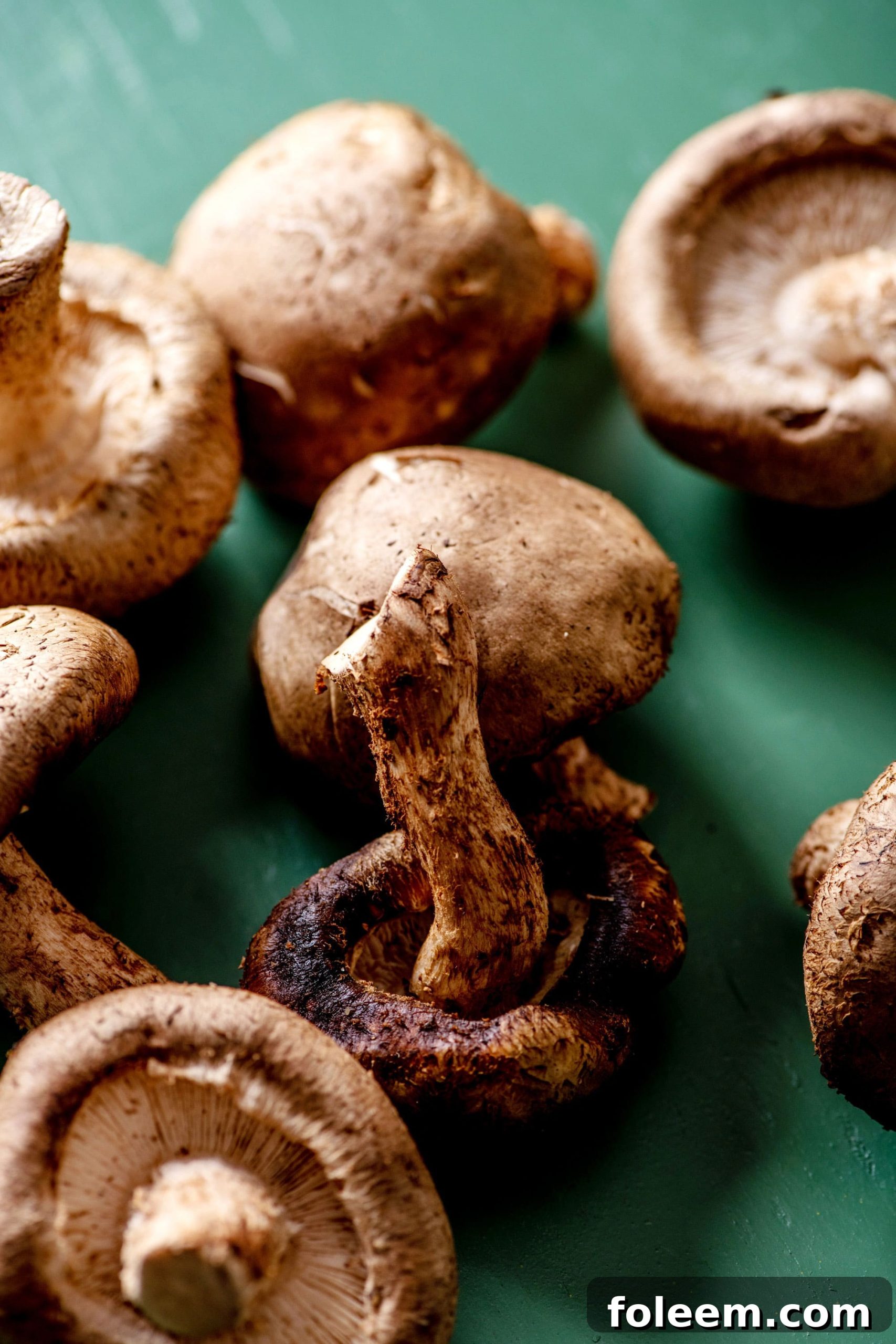
More than 10,000 species of mushrooms are known, though only a small portion are commonly used in cooking. Popular edible varieties you’ll find at markets include white button, cremini, portobello, shiitake, porcini, enoki, oyster, morel, and chanterelle. These are typically grown above ground and sold fresh, while many cooks also rely on dried mushrooms for their concentrated flavor.
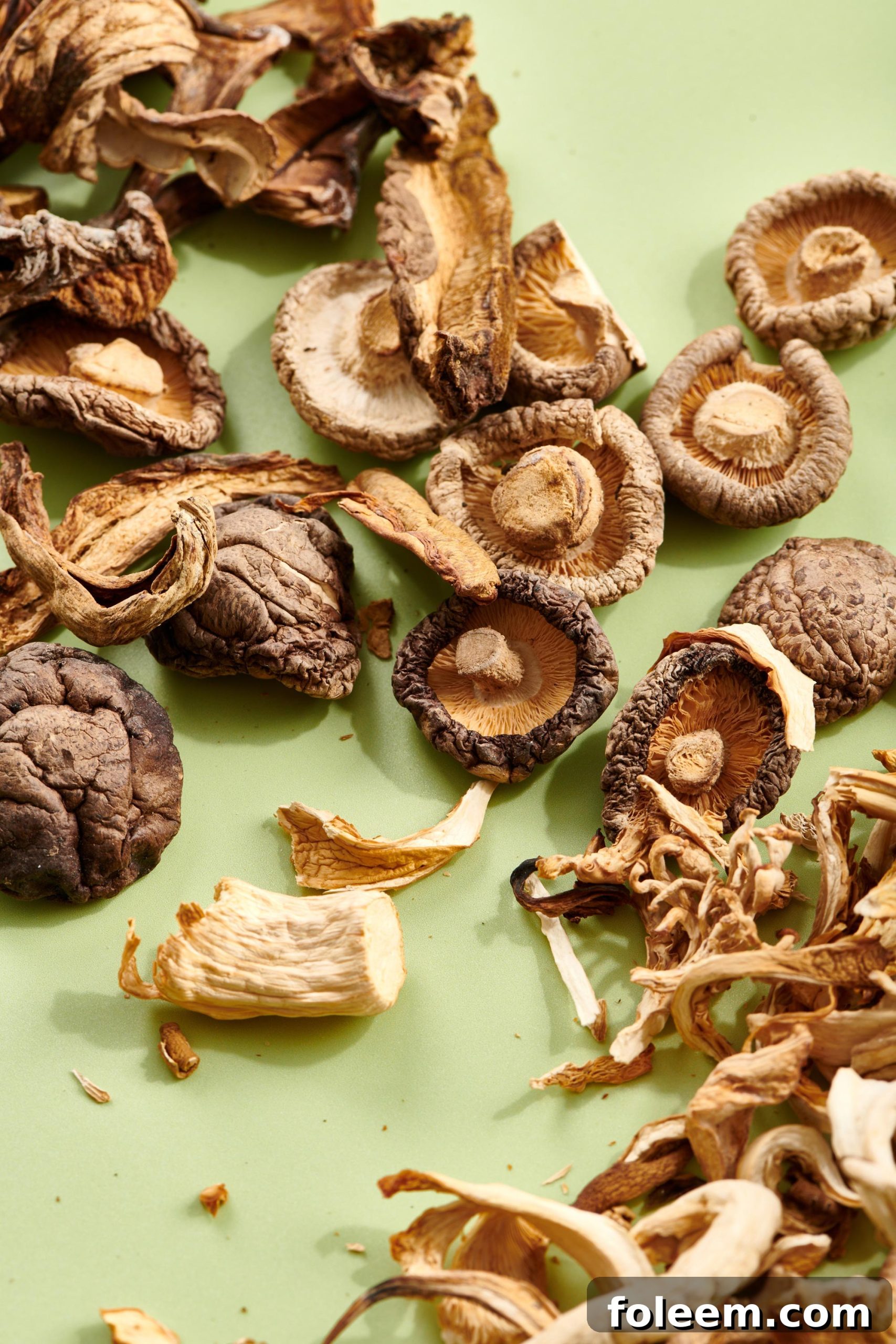
Dried mushrooms are simply dehydrated fresh mushrooms. Drying concentrates their aroma and umami, producing a deeper, meatier flavor and a denser texture. They are usually rehydrated before use by soaking in warm water, but they can also be added directly to long-simmering soups and stews where they will soften as they cook.
Truffles
Truffles are a prized group of subterranean fungi renowned for their intense aroma and high price. They grow near the roots of trees such as beech, fir, and oak, and are native to regions including western Europe and the Pacific Northwest. White truffles from Italy and France command top prices, while black, burgundy, and Oregon truffles are also highly valued. Modern truffle hunters typically use trained dogs or expert foragers to locate them underground.
What Do Mushrooms Look Like?
Most culinary mushrooms have a cap and a stem and range in color from creamy white to various shades of brown. Caps vary in shape and size depending on the species; some are small and delicate while others, like portobellos, are large and robust. Many packaged mushrooms have had their stems trimmed for convenience.
Where Can I Find Mushrooms?
Everyday varieties like button, cremini, portobello, and shiitake are widely available at supermarkets. Specialty markets and farmers’ markets often stock unusual or wild species. Dried mushrooms are commonly found packaged in the pasta, grain, or international sections of stores.
How Do I Pick the Best Mushrooms?
Choose mushrooms that are firm, dry, and free from mold, bruises, or excessive blemishes. Button and cremini should feel crisp and firm; portobello and shiitake can be slightly more yielding but still solid. When buying dried mushrooms, look for intact pieces without signs of moisture or compression.
What Do Mushrooms Taste Like?
Mushrooms are rich in umami, the savory taste often described as meaty or brothy. That deep, earthy flavor and satisfying texture make them popular in vegetarian and omnivore cooking alike. Different varieties have distinct flavor notes—some mild and delicate, others woodsy or peppery. Drying intensifies both flavor and aroma.
Types of Mushrooms
Below are some of the most commonly used culinary mushrooms and their characteristics.
White Button Mushrooms
The most common variety, mild in flavor and versatile. They can be eaten raw or cooked and are popular in salads, soups, and on pizzas.
Cremini Mushrooms
Also called baby bellas, creminis are young portobellos with a deeper color and more developed flavor than white buttons. They can often be used interchangeably with buttons.
Portobello Mushrooms
Large, dense, and meaty, portobellos are ideal for grilling or using as a burger substitute. Their substantial caps hold up well to robust cooking methods.
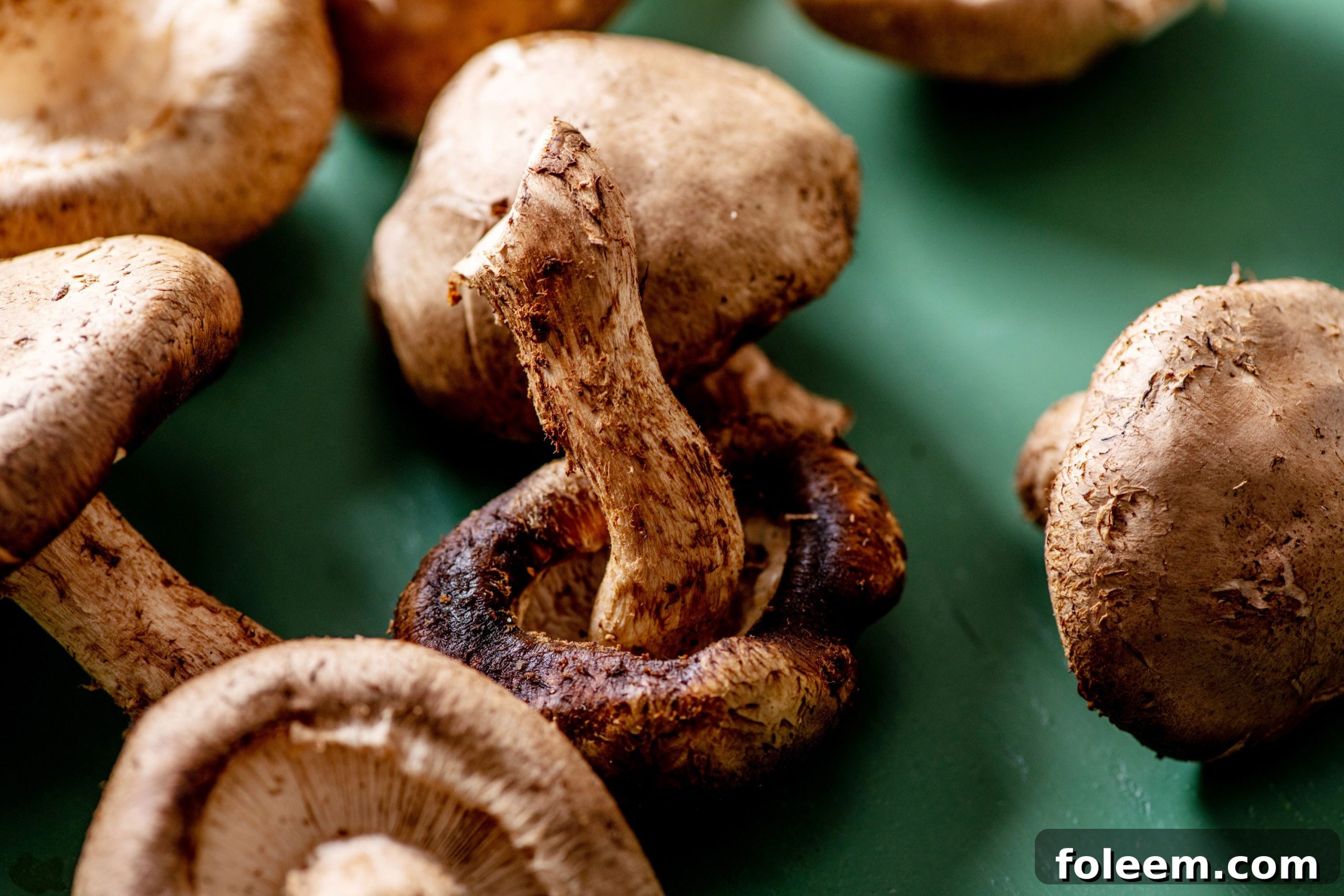
Shiitake Mushrooms
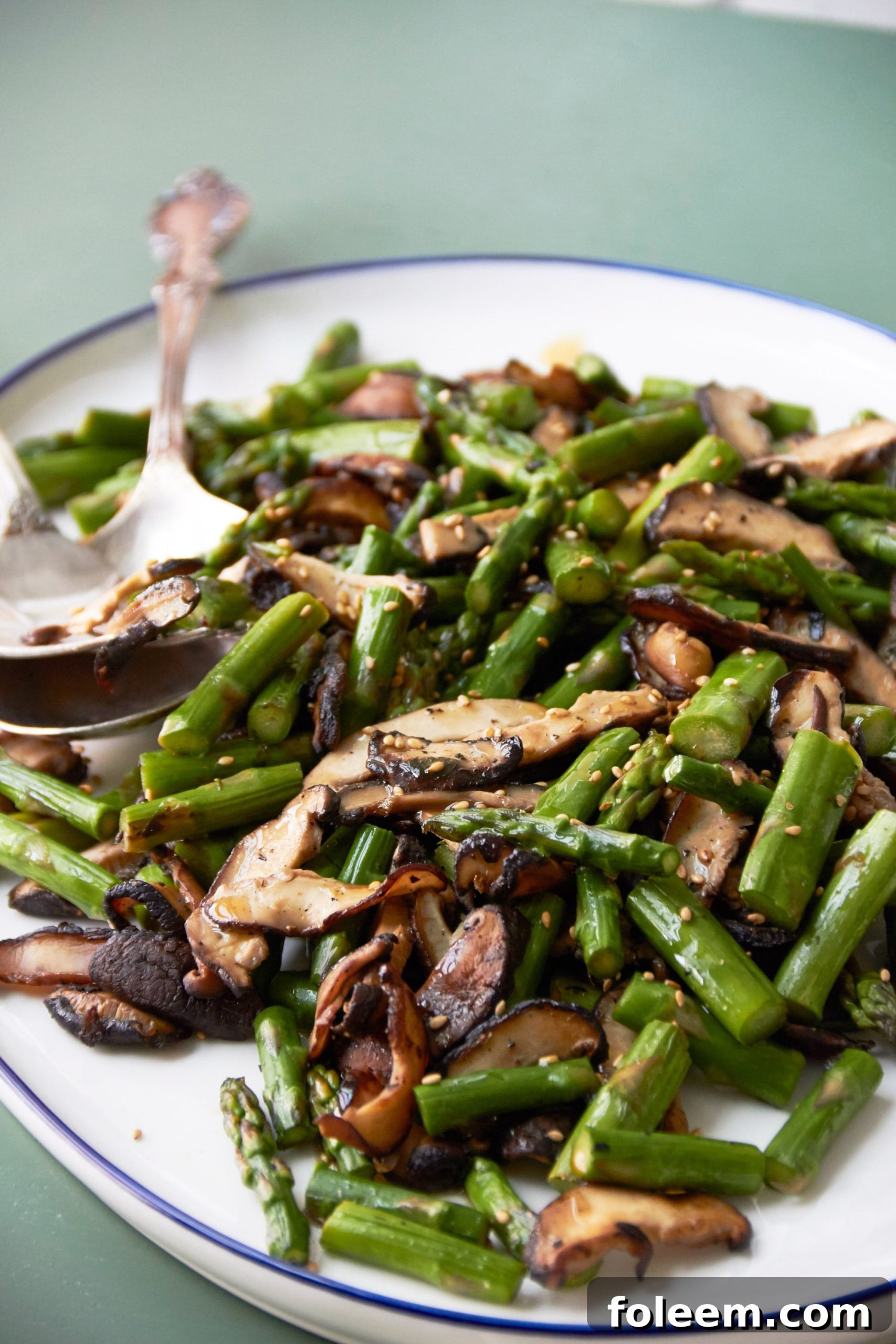
A staple in East Asian cuisines, shiitakes have a woodsy flavor and firm texture that works well grilled, sautéed, roasted, or in stir-fries.
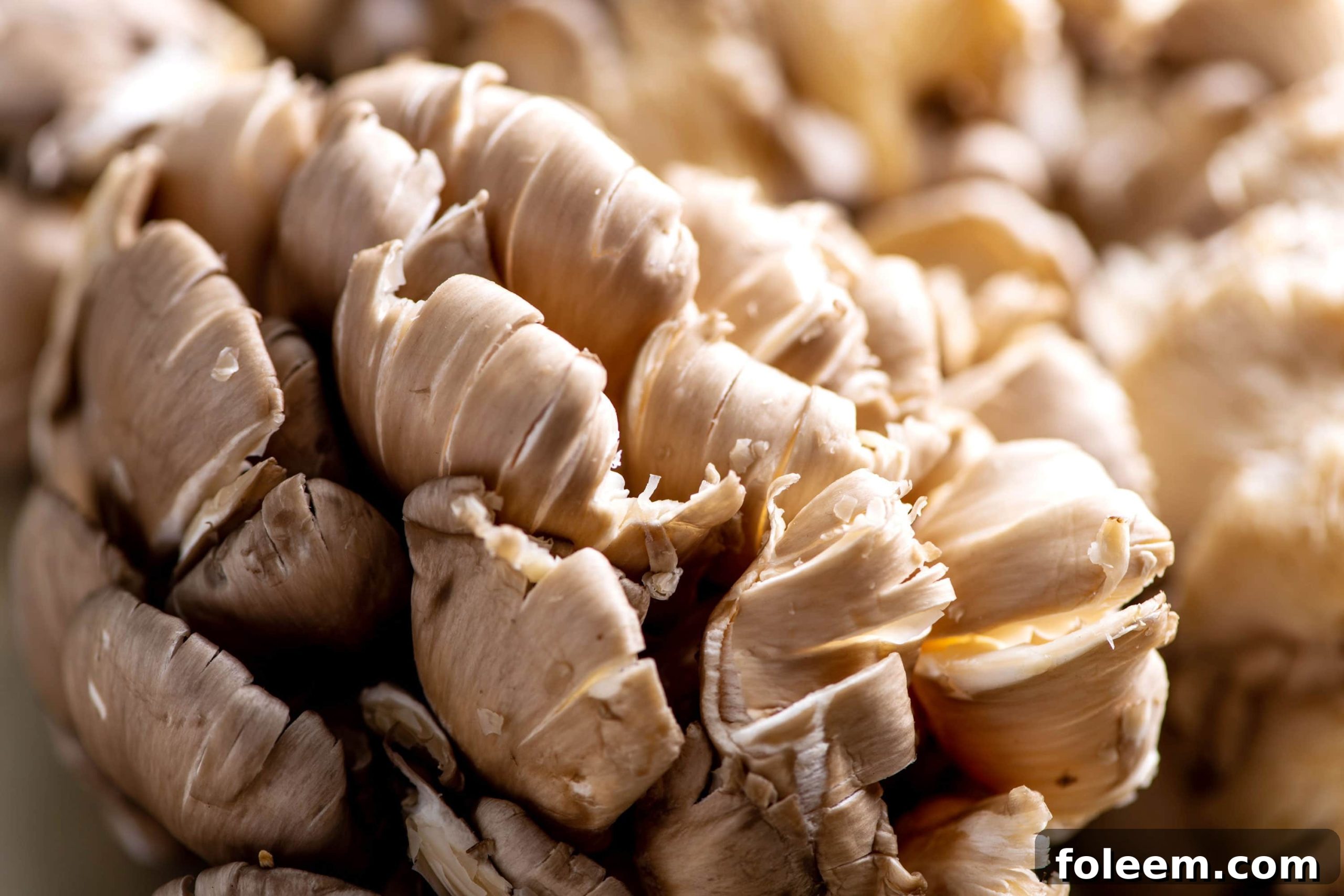
Oyster Mushrooms
Fan-shaped and often pale in color, oyster mushrooms have a delicate flavor and attractive appearance, commonly used in Asian dishes.
Enoki Mushrooms
Enoki grow in clusters of small caps on long, thin stems. They have a crisp texture and are excellent raw in salads or lightly cooked in soups and rice dishes.
Chanterelle Mushrooms
Golden and trumpet-shaped, chanterelles are firm and fleshy with a fruity, peppery note. They are prized in European cooking and popular with foragers in regions like the Pacific Northwest.
How to Clean Mushrooms
Gently remove dirt with a soft brush or damp paper towel, then trim stems as needed. Avoid soaking fresh mushrooms in water because they absorb moisture and can become soggy, which impairs browning and texture when sautéing.
How Do I Prepare Mushrooms?
After cleaning, mushrooms can be left whole, sliced, quartered, or diced depending on the recipe. Some varieties are excellent raw, while others are best cooked to release their flavors and nutrients.
How Do I Cook Mushrooms?
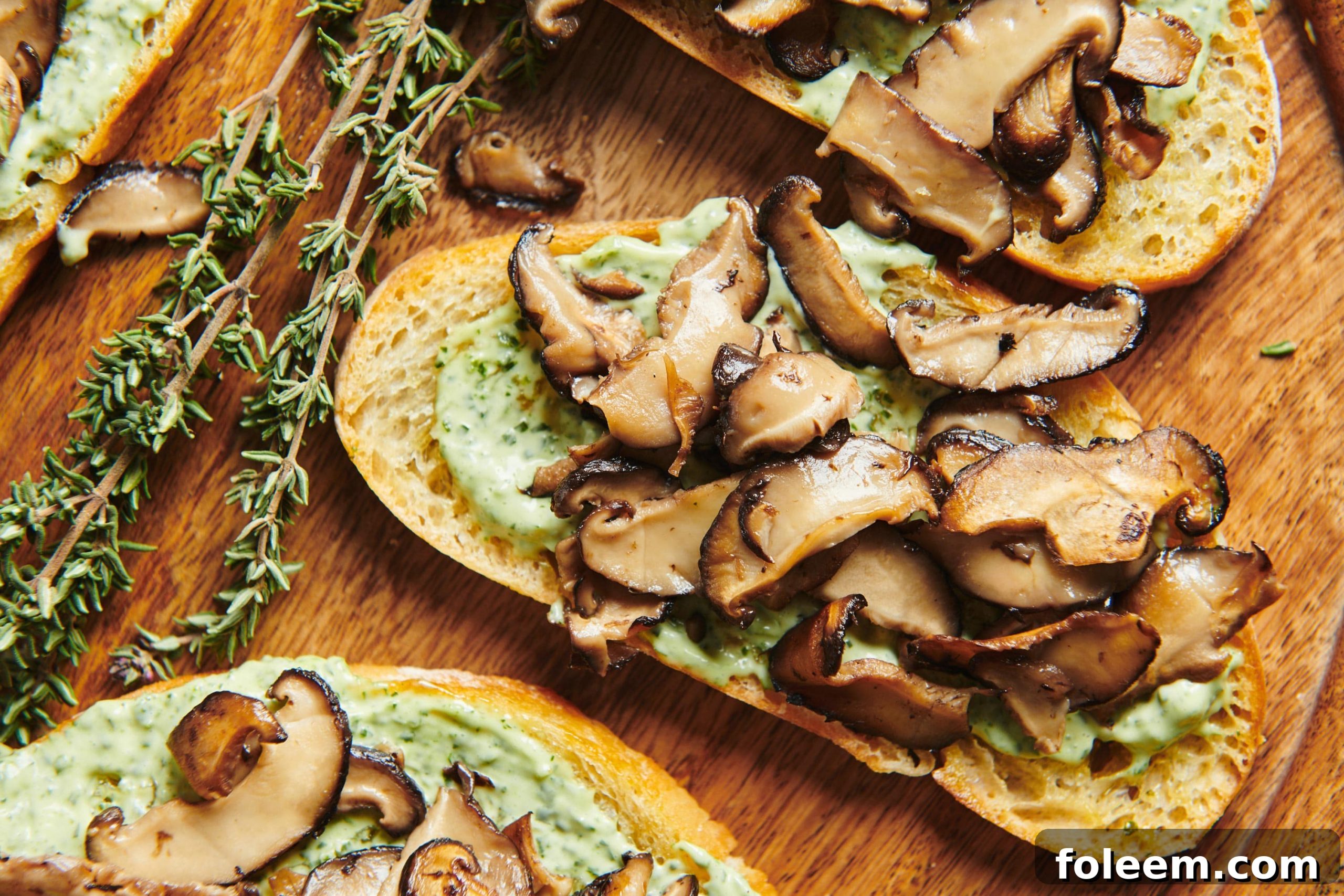
Mushrooms are extremely adaptable. They can be eaten raw in salads, sautéed, roasted, grilled, braised, slow-cooked, or fried. Cooking often enhances their nutritional value and deepens their flavor. Common aromatics like garlic, shallot, and fresh herbs pair well with mushrooms and form the basis of many recipes.
Cooking Mushrooms
Mushrooms can star in soups, pasta, stir-fries, and sauces, be combined with meats and fish, stuffed for an appetizer or main, or used as pizza and burger toppings. Dried mushrooms add a richer, more concentrated flavor and a chewier texture, making them a useful pantry item for boosting depth in many dishes.
When are Mushrooms in Season?
Most culinary mushrooms are cultivated and available year-round. Wild varieties are typically seasonal: many appear in the fall, while morels are a spring specialty. If you plan to forage wild mushrooms, consult an experienced guide for proper identification because poisonous look-alikes exist.
How to Keep Mushrooms Fresh
Store fresh mushrooms in their original packaging or in a paper bag in the refrigerator to extend shelf life for up to about a week. The paper bag helps absorb excess moisture and prevents sogginess. Do not wash mushrooms until ready to use, and avoid freezing fresh mushrooms unless they are cooked first.
Dried mushrooms should be kept in an airtight container in a cool, dry place and can last up to a year; frozen dried mushrooms will keep indefinitely.
How to Tell if Mushrooms Are Bad
Mushrooms that smell unpleasant, are slimy, overly dried, or show visible mold or rot should be discarded. Fresh mushrooms have a mild, earthy scent and a firm texture.
Are Mushrooms Nutritious?
Mushrooms are nutrient-dense and contribute vitamins, minerals, and fiber to the diet. They support immune health and can be a good source of vitamin D in some varieties. Different mushrooms have varying nutritional profiles—for example, oysters and shiitake are higher in fiber, while portobello and button mushrooms can be higher in vitamin D when exposed to light.
8 Mushroom Recipes
Mushroom Bruschetta with Herbed Mayonnaise
View Recipe
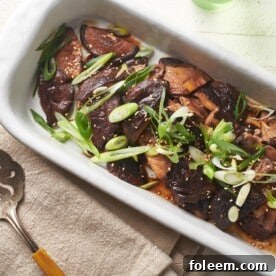
Korean Mushrooms
View Recipe
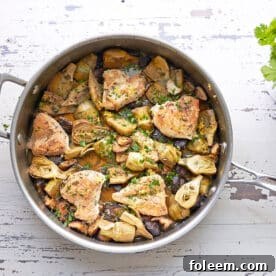
Braised Chicken with Mushrooms and Baby Artichokes
View Recipe
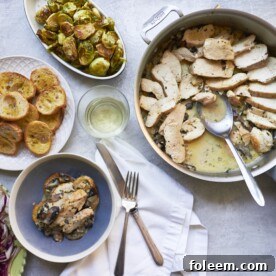
Chicken with Mushrooms in Cream Sauce
View Recipe
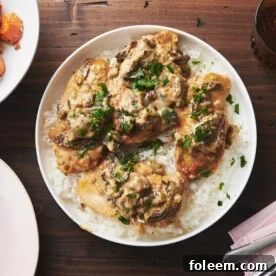
Parmesan-Garlic Mushroom Chicken
View Recipe
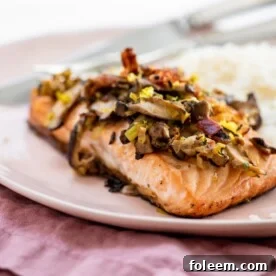
Orange Salmon with Leeks and Mushrooms
View Recipe
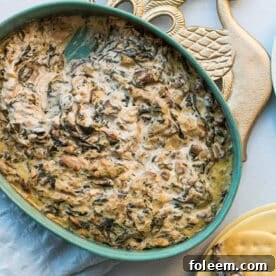
Hot Creamy Mushroom and Spinach Dip
View Recipe
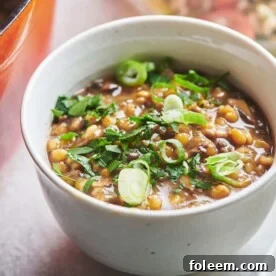
Mushroom Barley Soup
View Recipe