How to Tell If an Egg Is Bad: 5 Simple Tests You Can Do at Home
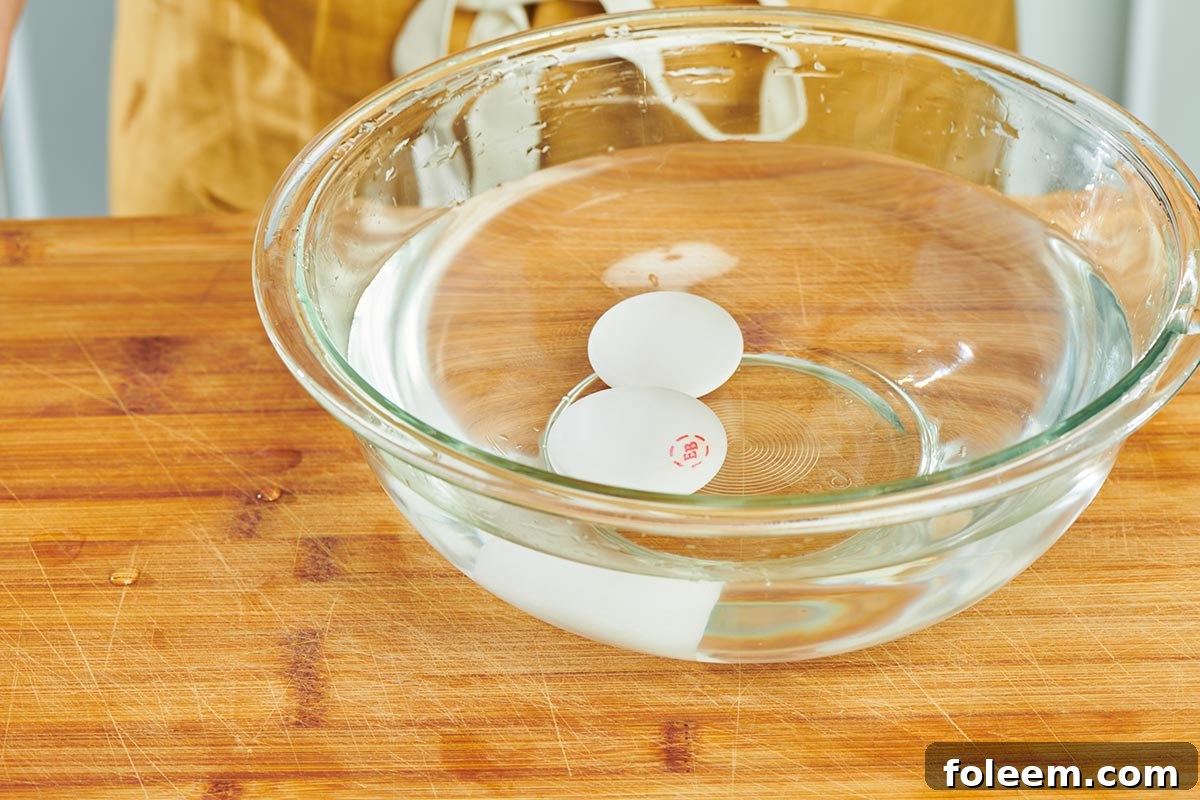
Not sure whether your eggs are still good? You can use simple at-home checks like the water “float test” to tell if eggs are fresh without cracking them open.
Authorities recommend keeping eggs in their original carton on a refrigerator shelf (not the door) and storing them at 45°F (7°C) or below. Many eggs remain good longer than the date on the carton if refrigerated properly. Always check the pack or sell-by date and use common sense: when in doubt, throw it out. That’s especially important for people with weaker immune systems—children, elderly adults, pregnant people, and those who are ill—because eggs can carry harmful bacteria such as Salmonella.
If you’re making hard-boiled eggs, the float test is a quick way to screen eggs without cracking them. If you plan to crack eggs before cooking—say for scrambled eggs, omelets, or baking—use the smell test and a visual inspection after cracking. Any off smell or unusual appearance means discard the egg.
Below are the most reliable ways to check egg freshness at home.
- The Float Test: See If the Egg Floats
- Check the Shell
- The Shake Test: Shake the Egg
- The Sniff Test: Smell the Cracked Egg
- Tips
- FAQs
- How to Tell if an Egg is Bad (Quick Recipe)
The Float Test: See If the Egg Floats
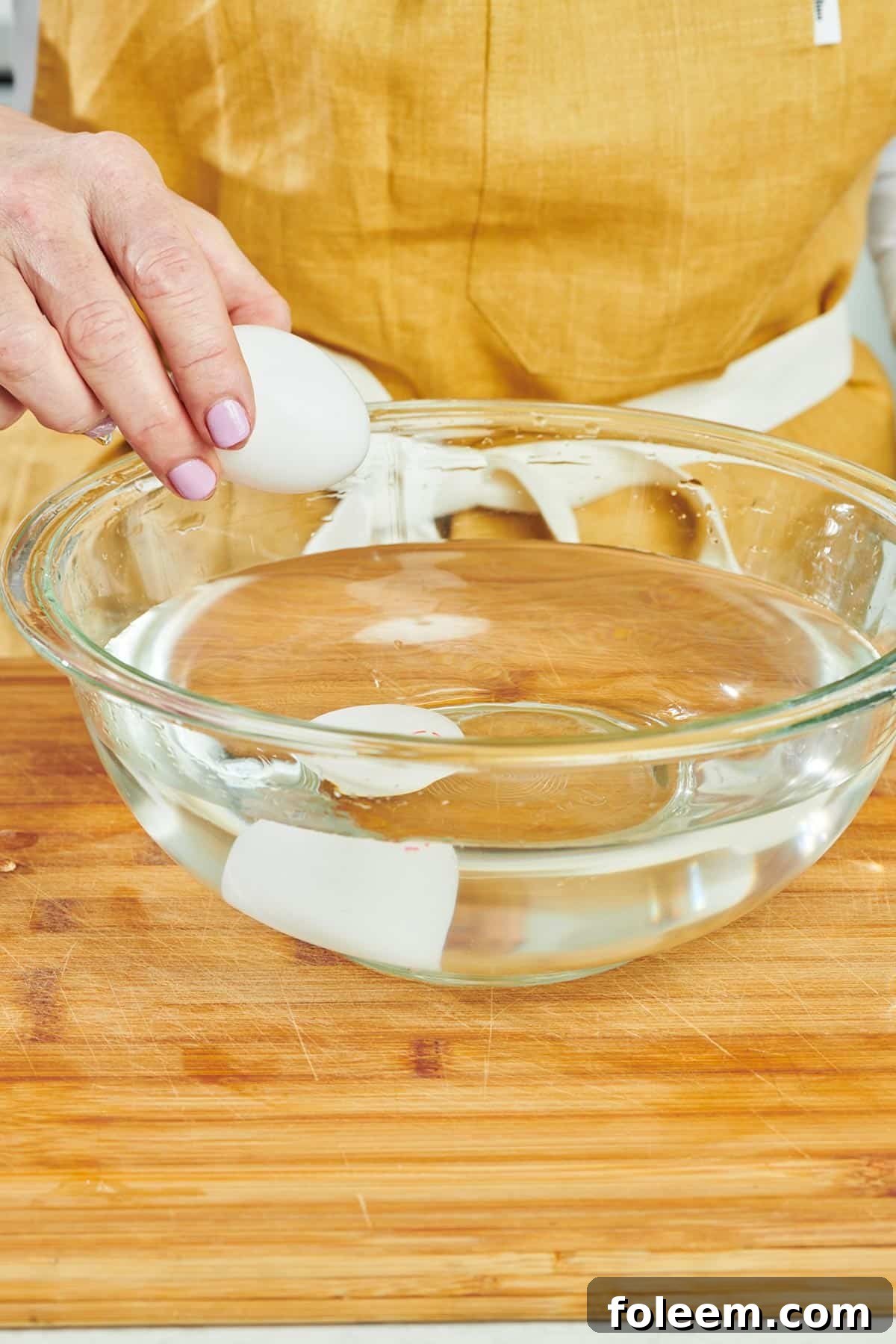
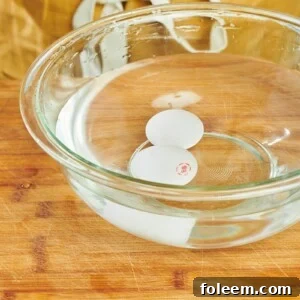
The float test is the easiest way to check an egg without breaking it. Fill a glass or bowl with cold water and gently lower the egg in.
- Sinks to the bottom and lies on its side: very fresh.
- Sinks but stands upright on the bottom: still safe to eat but not as fresh.
- Sinks and balances on one end: older but generally still edible.
- Floats to the top: the egg is old and could be spoiled — discard it.
Eggshells are semipermeable; over time air enters the egg and increases buoyancy. Rotten eggs can also produce gases that make them float. If an egg appears to float or smells off, throw it out.
Kitchen Smarts
The float test is particularly useful before making hard-boiled eggs since you don’t have to crack the shell to check freshness.
Check the Shell
Inspect the shell before use. Avoid eggs with cracks, a slimy feel, or heavy dirt and dust. If an egg only suffered a minor external crack during transport, it may still be usable, but exercise caution and discard any egg with severe shell damage.
The Shake Test: Shake the Egg
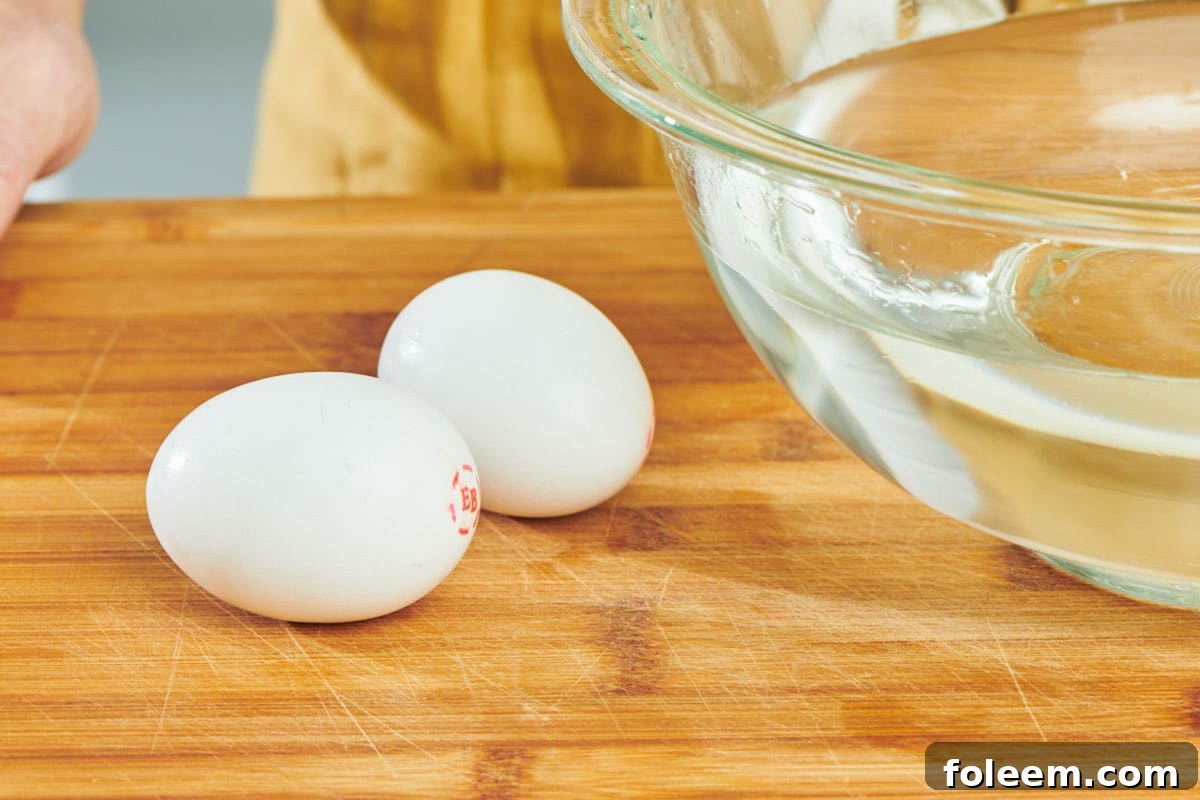
Hold an egg up to your ear and gently shake it. If you hear a sloshing sound, the white or yolk has likely thinned and the egg is older. You shouldn’t hear any liquid movement in a fresh egg. Use the shake test along with the sniff test after cracking: if it sounds watery and smells off, discard it.
The Sniff Test: Smell the Cracked Egg
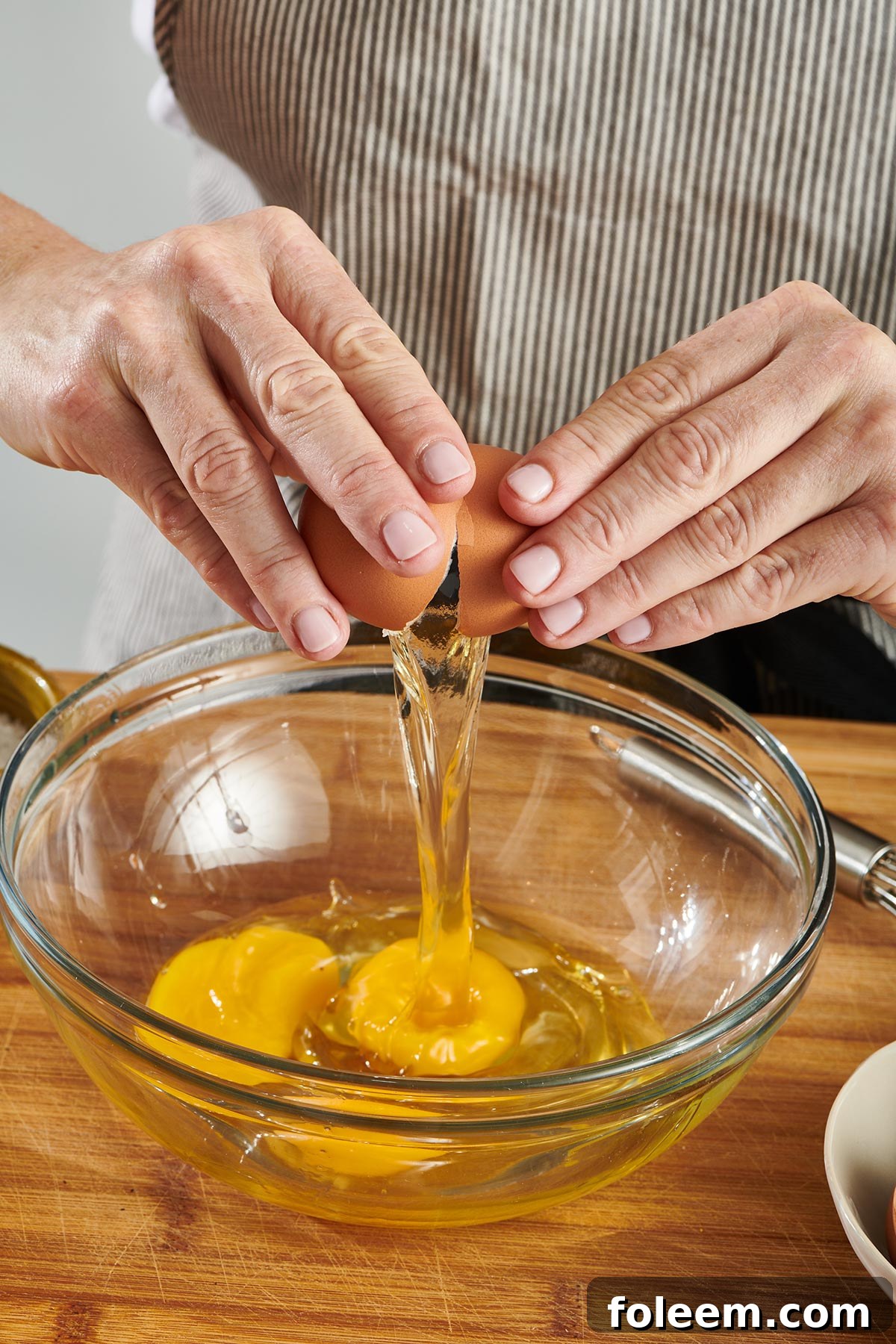
After cracking an egg into a bowl, look and smell it. Normal yolk colors range from pale yellow to deep orange. The whites should be fairly clear and not show green, pink, or black discoloration. A rotten egg gives off a strong sulfur or rotten odor—if it smells bad, throw it away. Small blood spots are harmless and do not indicate spoilage.
Tips
- Use a clear glass bowl for the float test so you can see the egg from the side.
- Unwashed eggs retain their protective bloom and can last longer than washed eggs. Unwashed eggs may be safe at room temperature for a short time, but refrigeration extends shelf life and safety.
FAQs
Cooking eggs until the white and yolk are firm reduces the risk of Salmonella. If you are certain your eggs are fresh, some people eat them undercooked, but vulnerable individuals should always eat fully cooked eggs for safety.
Store eggs in their carton in the main part of the refrigerator (not the door) at 45°F (7°C) or below. The carton protects eggs and helps prevent moisture and odor exchange.
Yes. Refrigeration keeps eggs safe longer. Do not wash eggs before refrigerating them; washing can remove the protective coating and shorten shelf life.
Egg Recipes

Chipotle Deviled Eggs

Fried Eggs and Smoked Salmon over Polenta Cakes

Best Egg Salad
How to Tell if an Egg is Bad
If your eggs have expired, be safe and check to see if they’re still good before eating or cooking with them.
Cook Time: 1 minute
Total Time: 2 minutes
Equipment
- Bowl
Ingredients
- Water
- 1 egg (or more)
Instructions
- Fill a bowl with cool water.
- Gently place an egg in the bowl and observe whether it sinks or floats.
Notes
Does the egg float?
- If the egg sinks to the bottom, it’s still fresh.
- If it lies on its side, it is very fresh; if it stands up on the bottom, it’s still fine but less fresh.
- If it sinks but stands on one end, it’s older but usually still edible.
- If it floats to the top, it’s likely spoiled—discard it.