How to Cook Sunchokes: Simple Recipes and Cooking Tips
How to Cook Jerusalem Artichokes
If you’ve found Sunchokes (also called Jerusalem Artichokes) at a farmers market, in a CSA box, or on a restaurant menu, you might be curious how to cook them. These knobby tubers are versatile and easy to work with once you know what to look for and how to prepare them.
Below is a concise guide to choosing, storing, preparing, and cooking Sunchokes so you can enjoy them at home.
What are Sunchokes?
Sunchokes, also known as Jerusalem Artichokes, sunroot, or sunflower choke, are tubers from the sunflower family. Their name likely comes from a corruption of the Italian word “girasole,” meaning sunflower. Though cultivated for centuries by Native Americans, they’ve recently reappeared on menus and in markets thanks to their pleasant, slightly sweet, nutty flavor and potato-like texture.
What Do Sunchokes Look Like?
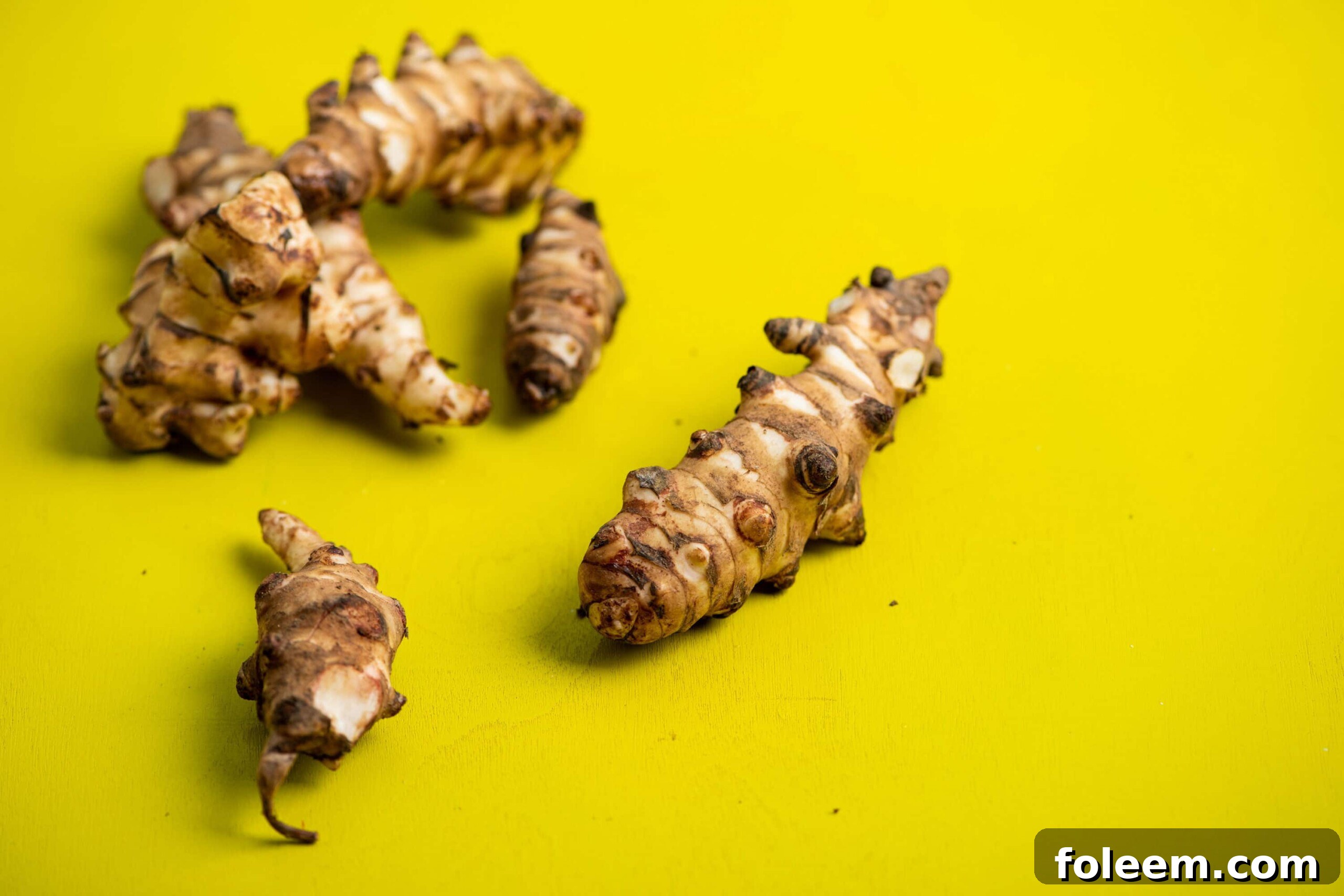
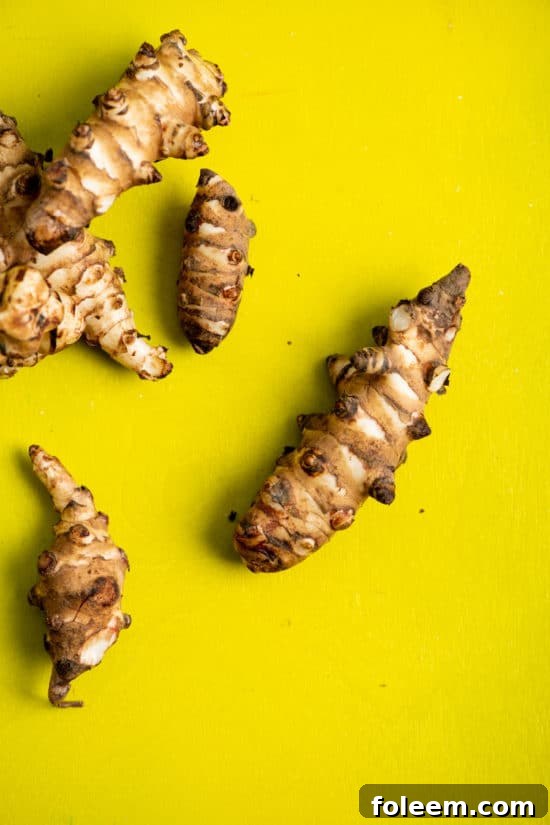
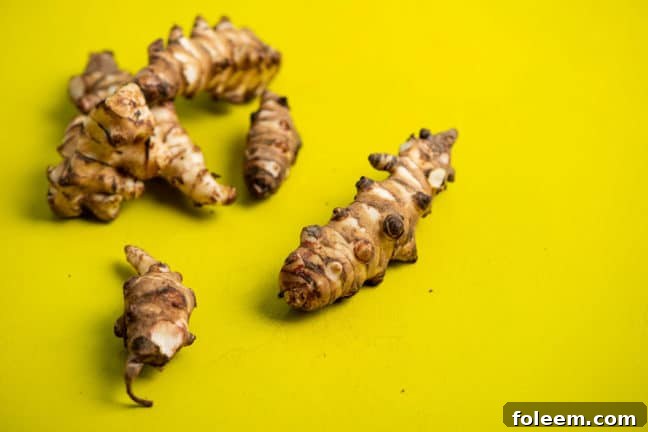
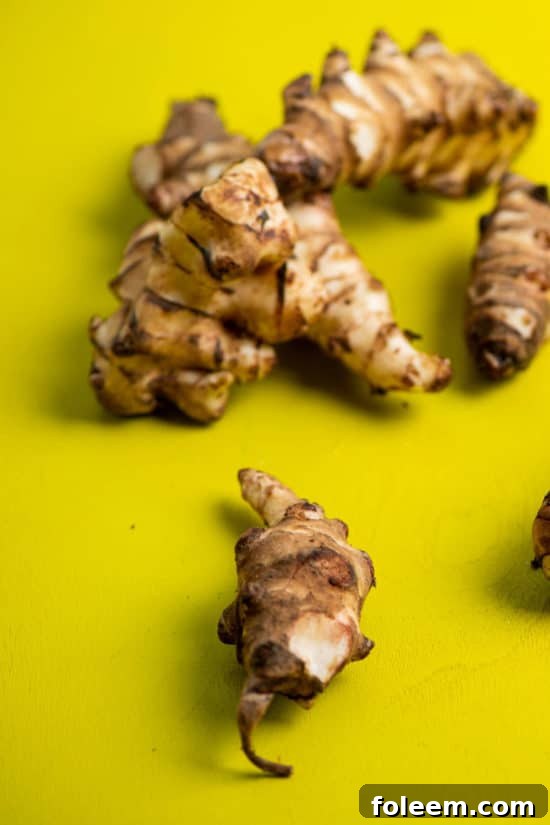
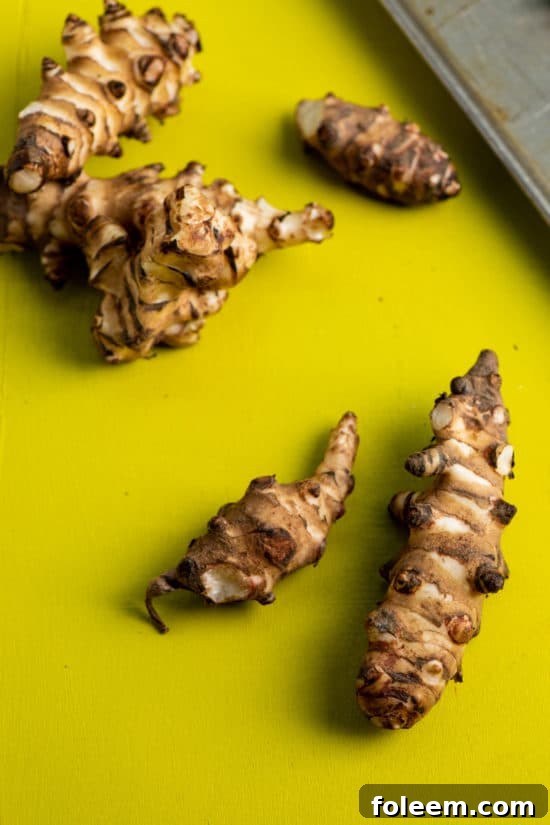
Sunchokes are irregular, knobby tubers usually 2 to 4 inches long. Their shape often resembles fresh ginger but with fewer knobs. Skin color varies from pale cream or light brown to reddish-purple.
How Do I Know Which Sunchokes to Buy?
Choose Sunchokes with smooth, taut skin and a firm, hard feel. Avoid tubers that are soft, shriveled, sprouting, or show signs of mold or decay. Fresh, firm tubers will give the best texture and flavor.
Where Can I Find Sunchokes?
Sunchokes appear at farmers markets, some supermarkets, and specialty produce stores. They’re often displayed near other root vegetables or near ginger in stores that categorize by use or origin.
What Do Sunchokes Taste Like?
Jerusalem artichokes have a texture and heartiness similar to potatoes, with a mild sweetness and a subtle nutty note that recalls artichoke hearts. Their flavor is delicate and adapts well to many cooking methods.
How Do I Prepare Sunchokes?
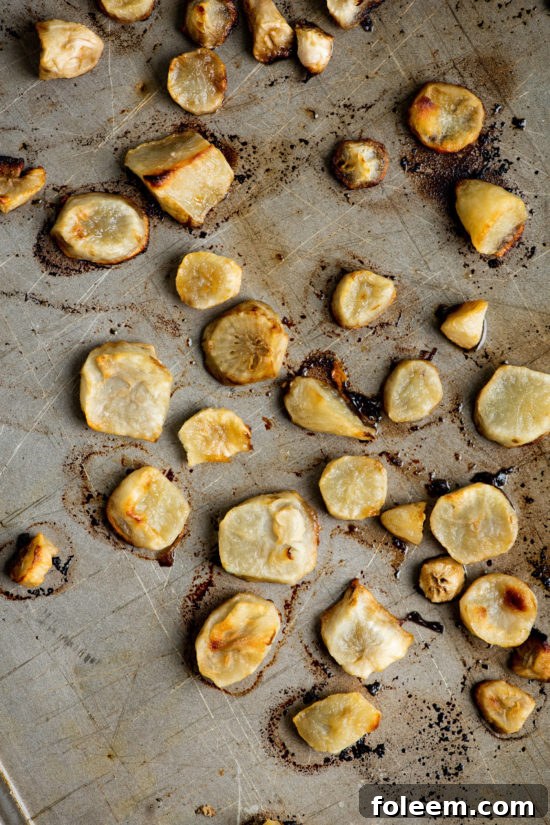
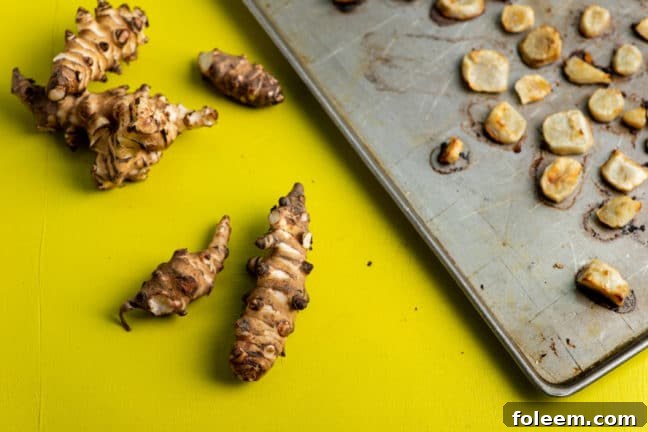
Sunchokes can be eaten raw, thinly sliced into salads or slaws; however, some people experience mild gastric discomfort when eating them raw. Cooking methods include roasting, frying, sautéing, mashing, or pureeing—essentially any preparation you would use for potatoes. For roasting, scrub well, cut into even pieces, toss with oil and seasoning, and roast until golden and tender. For purées or soups, simmer until soft, then blend until smooth.
How Do I Store Sunchokes?
Store Sunchokes in a cool, dry place or in the refrigerator crisper drawer. Kept properly, they typically stay fresh for about two weeks. Avoid washing before storage; instead, brush off excess soil and rinse just before use.
When Are Sunchokes in Season?
Sunchokes are harvested from fall through spring, with winter considered peak season. Their flavor often improves after the first light frost.
What Are the Health Benefits of Sunchokes?
Sunchokes provide potassium and iron along with other minerals. They contain inulin, a type of fiber that can support gut health. Traditionally, they are associated with benefits for cholesterol and blood pressure, though individual results vary and they should complement a balanced diet.
Try Sunchokes/Jerusalem Artichokes in These Recipes
- Roasted Jerusalem Artichokes
- Roasted Cauliflower and Sunchoke Soup