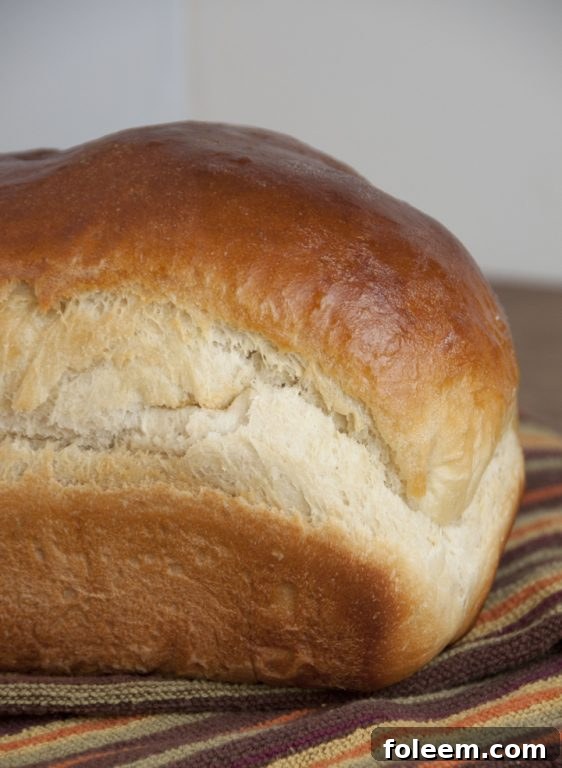
Unlock the Secret to Perfect Homemade Bread: Your Go-To Honey Buttermilk Bread Recipe
There’s a unique magic to homemade bread that transforms any meal into a special occasion. For many, the idea of baking yeast bread from scratch seems daunting, but I’ve discovered it’s one of the most rewarding and surprisingly simple culinary pursuits. This Honey Buttermilk Bread recipe embodies everything wonderful about baking at home: it uses common pantry staples, yields an incredibly tender crumb, and consistently impresses everyone who tries it. It’s that extra step that elevates a homemade meal, making your guests wonder if you secretly moonlight as a professional baker. That feeling of accomplishment? It’s truly priceless.
While grabbing a loaf from the grocery store is undeniably convenient, there are certain endeavors in the kitchen that are absolutely worth the extra effort. Baking your own bread is high on that list. Over the years, I’ve honed my skills and learned to discern which culinary investments truly pay off. Homemade bread, with its irresistible aroma and superior taste, is always a worthwhile venture. The primary consideration for yeast bread, of course, is planning ahead. You need to account for the necessary rising times, which are crucial for developing that light, airy texture. Beyond that, the process itself is wonderfully straightforward, almost like a piece of cake – or, in this case, a perfect loaf of bread!
Craving more delicious inspiration? Follow along on Pinterest for daily culinary delights!
This particular buttermilk bread recipe yields a delightful white bread, perfectly balanced with a subtle sweetness from the honey. I’ve found that using pure, raw honey truly enhances the depth of flavor, but any honey you have on hand will work beautifully. Buttermilk bread has always held a special place in my heart, thanks to its exceptional taste and incredible texture. The buttermilk acts as a secret ingredient, imparting an unparalleled lightness and a wonderfully tender crumb that you simply must experience to believe. It’s a game-changer for homemade bread.
The Magic of Buttermilk and Honey in Bread Baking
Let’s dive a little deeper into what makes this bread so special. Buttermilk, often overlooked, is a powerhouse ingredient in baking. Its acidity tenderizes the gluten in the dough, resulting in a softer, more delicate texture. This acidity also reacts with the baking soda (yes, even in yeast bread, a little baking soda can enhance the rise and tenderize) to produce carbon dioxide, contributing to a lighter loaf. Beyond texture, buttermilk adds a subtle tang that complements the sweetness of the honey beautifully, creating a complex flavor profile that’s utterly addictive. As for honey, it’s more than just a sweetener. Honey is a natural humectant, meaning it attracts and retains moisture. This property helps keep your bread fresh and soft for longer, preventing it from drying out too quickly. It also adds a unique, warm “country sweetness” that processed sugar simply can’t replicate, along with a beautiful golden crust. The bread flour, with its higher protein content, provides the necessary structure and strength for a fantastic rise, ensuring your loaves are both tall and airy.
Mastering Yeast Bread: Tips for Success
For those new to yeast baking, here are a few essential tips to ensure your Honey Buttermilk Bread turns out perfectly every time. First, always check the expiration date of your yeast. Old yeast can lead to a flat, dense loaf. The warm water and pinch of ginger in this recipe are key for activating the yeast; the water should be between 105-115°F (40-46°C) – warm to the touch, but not hot enough to kill the yeast. Ginger is an interesting addition; while not strictly necessary, it contains enzymes that can give yeast a boost, encouraging a more vigorous rise. Second, don’t rush the kneading process. Kneading develops the gluten, which is vital for the bread’s structure and elasticity. When the dough is smooth and elastic, it’s ready for its first rise. Third, be patient with the rising times. A warm, draft-free environment is ideal. You can test if your dough has risen enough by gently pressing two fingers into it; if the indent remains, it’s ready. Over-proofing can lead to a collapsed loaf, while under-proofing results in a dense texture. Finally, resist the urge to open the oven door too frequently during baking, as this can cause the bread to deflate.
Note: This recipe is designed to make two generous loaves of Honey Buttermilk Bread. This is perfect for larger families, entertaining, or simply ensuring you have enough to last! If you find yourself with more bread than you need immediately, fear not. You have a couple of excellent options: You can easily halve the recipe to make a single loaf. Alternatively, you can bake both loaves and freeze one (or both!) for future enjoyment. Baked and cooled loaves can be wrapped tightly in plastic wrap and then foil, then frozen for up to 3 months. Thaw at room temperature and warm gently in the oven for that fresh-baked taste. You can also freeze the raw dough after its first rise. Simply punch it down, shape it into a loaf, wrap it well, and freeze. When you’re ready to bake, thaw in the refrigerator overnight, then proceed with the second rise and baking instructions. This makes having delicious homemade bread on hand incredibly convenient.
Looking for more delectable bread recipes to expand your baking repertoire? Explore these other favorites from my site:
- Tropical Coconut Banana Bread
- Irresistible Louisiana Garlic Bread
- Hearty Artisan Rye Bread
Honey Buttermilk Bread
Cuisine: American
Author: Ashley
Prep time:
Cook time:
Total time:
Serves: 2 large loaves (approx. 24 slices)
This tender honey buttermilk bread recipe will quickly become your new favorite yeast bread. It rises beautifully thanks to the bread flour, and the pure honey adds a delightful, subtle country sweetness that is simply irresistible.
Ingredients
- 1 envelope active dry yeast (approximately 1 tablespoon or 7 grams)
- 1 teaspoon granulated sugar
- ¼ cup warm water (around 105-115°F / 40-46°C)
- A small pinch of ground ginger (this can help to activate the yeast)
- 2 cups warm buttermilk (around 105-115°F / 40-46°C)
- ⅓ cup honey (preferably raw, for best flavor)
- ¼ cup unsalted butter, melted and then cooled to a warm, not hot, temperature
- 1 teaspoon salt
- ¾ teaspoon baking soda
- 6 cups white bread flour, plus extra for dusting
Instructions
- In a large mixing bowl, combine the ginger, sugar, yeast, and warm water. Stir gently and set aside for about five minutes until the mixture becomes foamy, indicating the yeast is active.
- To the activated yeast mixture, add the warm buttermilk, honey, salt, and baking soda. Stir well to combine these wet ingredients.
- Gradually add three cups of the bread flour to the wet mixture. Mix thoroughly until the batter is smooth. If using an electric mixer with a dough hook, this will take approximately 5 minutes on a low speed.
- Pour in the melted and cooled butter, mixing until it is completely incorporated into the dough.
- Continue to add the remaining flour, one cup at a time, mixing on low speed until the dough starts to come together and pull away from the sides of the bowl.
- Once the dough pulls away, transfer it to a lightly floured surface. Knead the dough by hand for about 8-10 minutes, or until it becomes smooth, elastic, and springy to the touch.
- Lightly grease a clean large bowl with a little oil or butter. Place the dough into the bowl, turning it once to coat all sides with the grease. Cover the bowl with a clean kitchen towel or plastic wrap and allow the dough to rise in a warm, draft-free place for about 1½ hours, or until it has doubled in size.
- Once the dough has risen, gently punch it down to release the air. Divide the dough into two equal portions.
- Shape each portion into a loaf and place them into two greased 9×5-inch loaf pans. Lightly grease the tops of the loaves as well.
- Cover the loaf pans again and allow the loaves to rise for a second time for approximately 45 minutes, or until they have nearly doubled in size again and appear puffy.
- While the loaves are on their second rise, preheat your oven to 400°F (200°C).
- Bake the loaves for 30 minutes. If the tops begin to brown too quickly, loosely tent them with aluminum foil to prevent over-browning. The bread is done when it’s golden brown and sounds hollow when tapped on the bottom.
- Remove the baked loaves from the oven. For an extra touch of flavor and a soft crust, immediately brush the tops with a little melted butter.
- Allow the loaves to cool in their pans for 10-15 minutes. This makes them easier to remove and prevents sticking.
- Carefully turn the loaves out onto a wire rack to cool completely before slicing and serving. This ensures the internal structure sets properly.
(Nutritional information available upon request or via calculation)
Recipe adapted from: restlesschipotle.com
There you have it – a comprehensive guide to baking your very own Honey Buttermilk Bread. This recipe is more than just a list of ingredients and steps; it’s an invitation to experience the joy and satisfaction that comes from creating something truly delicious with your own hands. Whether you’re serving it alongside a hearty stew, slathering it with butter and jam for breakfast, or using it to make the most incredible sandwiches, this bread is sure to become a beloved staple in your home. Its tender crumb, subtle sweetness, and comforting aroma are simply unmatched. Don’t be intimidated by yeast; embrace the process, and you’ll be rewarded with two glorious loaves that will disappear faster than you can say “more bread, please!” Happy baking!