Cooking with Molasses: Recipes, Tips & Techniques
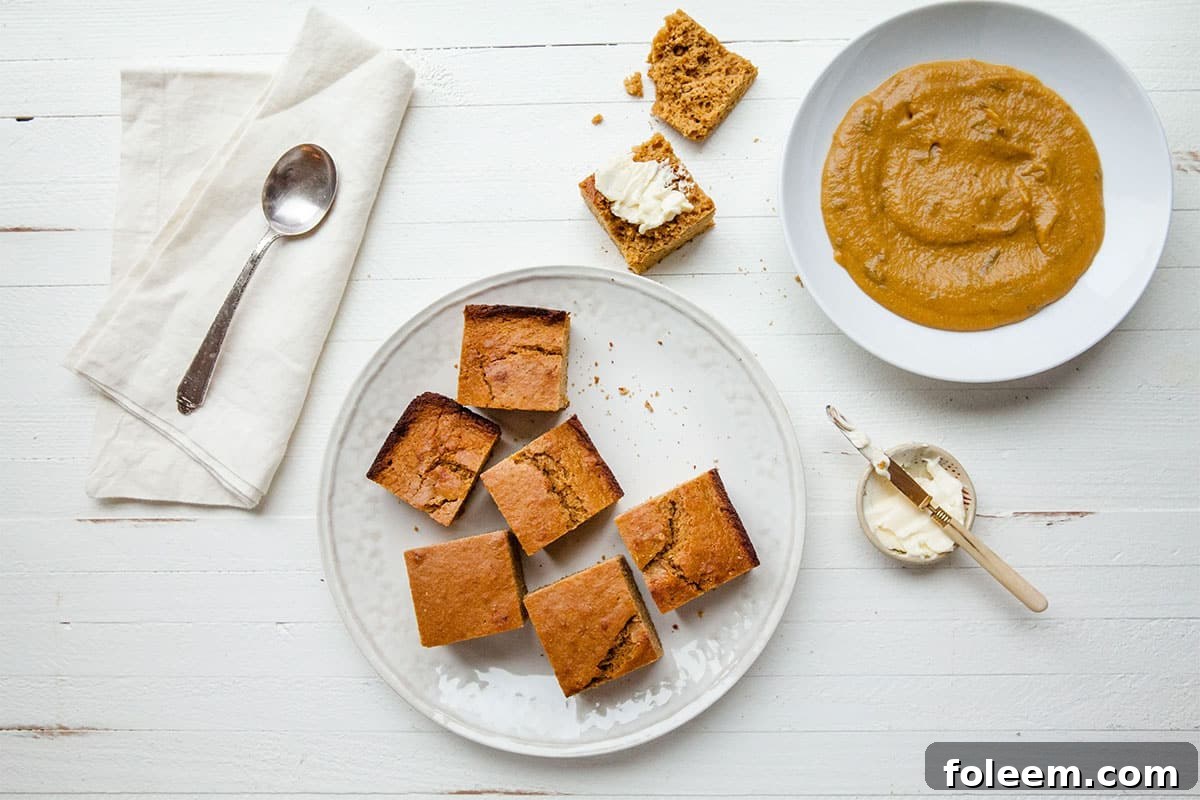
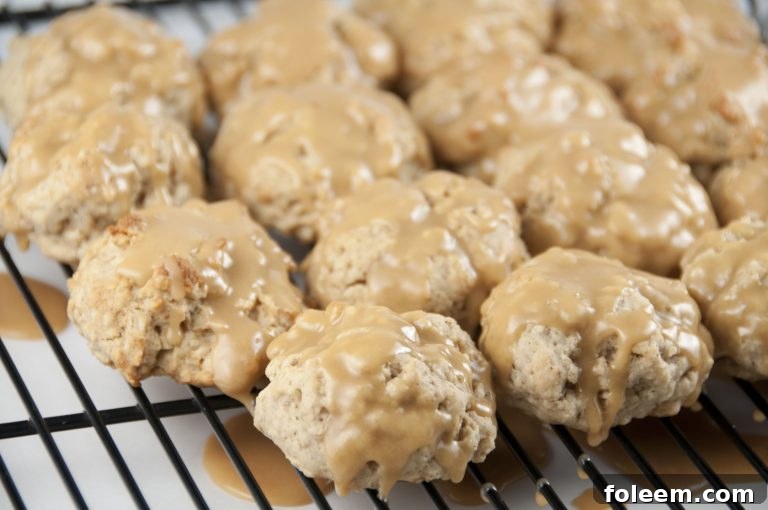
My jar of molasses lives in the back of the pantry most of the year, rarely touched until autumn arrives. Then it earns its keep. A spoonful stirred into cornbread batter transforms its flavor and color; a few tablespoons folded into cookie dough turn a dry, crisp cookie into something soft, moist, and chewy. Once you understand what molasses brings to the table, it becomes one of those pantry ingredients you reach for again and again.
- What Is Molasses?
- The Three Types of Molasses
- What Molasses Does in Baking
- Molasses and Baking Soda
- How to Substitute Molasses for Sugar
- Make Brown Sugar with Molasses
- Savory Uses for Molasses
- Storage
- How to Open a Stuck Jar of Molasses
- Recipes with Molasses
What Is Molasses?
Molasses is the syrupy residue left after sugar crystals are extracted from sugarcane or sugar beet juice during refining. Depending on how many times the juice is boiled and the crystals removed, the remaining syrup becomes progressively darker, thicker, and more intensely flavored.
Historically, molasses was the sweetener many households used because refined white sugar was expensive. In colonial America it arrived cheaply and in abundance through Caribbean trade, where sugarcane was grown. Much of that molasses went into rum, but a great deal also flavored daily cooking. Many traditional American dishes — from gingerbread to baked beans and Boston brown bread — developed with molasses as a primary sweetener until white sugar became widely affordable late in the 19th century.
The Three Types of Molasses
Not all molasses are interchangeable. Knowing which type a recipe calls for matters.
- Light molasses is from the first extraction. It’s the mildest and sweetest of the three, with a gentle flavor that works well when you want just a touch of depth without overpowering a dish.
- Dark molasses comes from the second extraction. It’s richer, less sweet, and more complex. When a recipe simply lists “molasses,” this is often what it means; it’s the familiar backbone of gingerbread and many molasses cookie recipes.
- Blackstrap molasses is the third extraction and is very dark, quite bitter, and intensely flavored with mineral notes. It contains more iron, calcium, and potassium than lighter styles, and it has dedicated fans, but it isn’t a straight swap for regular molasses in most baked goods. Use blackstrap purposely when you want a strong, assertive flavor — for example, in baked beans, robust marinades, or recipes that specifically call for it.
What Molasses Does in Baking
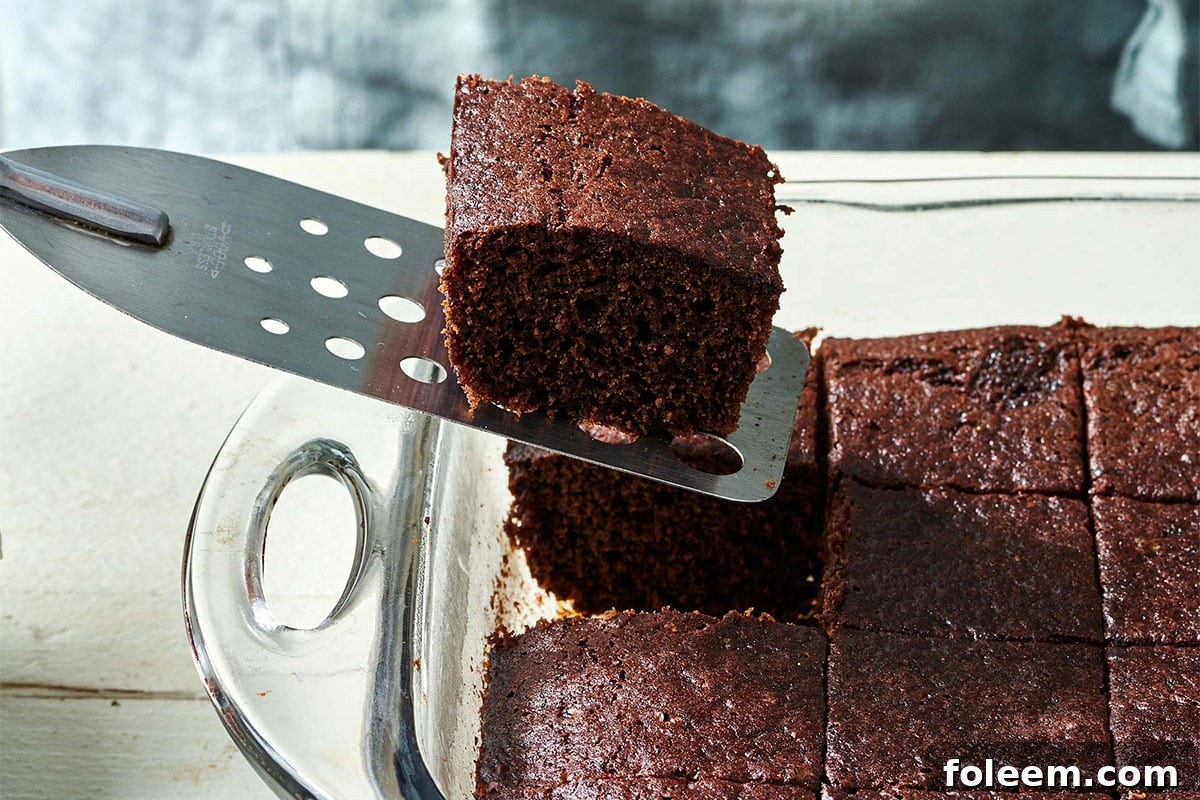
Molasses contributes three main qualities to baked goods: flavor, moisture, and color. Its flavor is deep, warming, and slightly bittersweet rather than cloying. Because molasses is hygroscopic — it attracts and holds moisture — it keeps cookies, quick breads, and other treats tender and chewy for longer than recipes made with only sugar. Even a little will darken a batter, turning cornbread ruddy and cookies a rich mahogany.
Molasses and Baking Soda

Technically important: molasses is acidic, so it reacts with baking soda to produce leavening. That is why many molasses recipes call for baking soda instead of baking powder. If you substitute molasses for sugar in a recipe that doesn’t already include baking soda, add a small pinch to help neutralize the acidity and assist rising.
How to Substitute Molasses for Sugar
As a guideline, substitute about 3/4 cup of molasses for each cup of sugar and reduce the recipe’s other liquids by roughly 3 tablespoons. Because molasses adds flavor, it’s best used in recipes that welcome deeper, richer notes: gingerbread, barbecue sauces, baked beans, and spiced cookies are ideal candidates. In delicate or very light-textured recipes — meringues or shortbreads, for example — molasses will introduce moisture and can soften textures that should remain crisp.
Molasses’s hygroscopic nature is why molasses-based baked goods often improve with a day of rest, staying soft and chewy rather than drying out. Keep that in mind when planning desserts you want to serve across several days.
Make Brown Sugar with Molasses
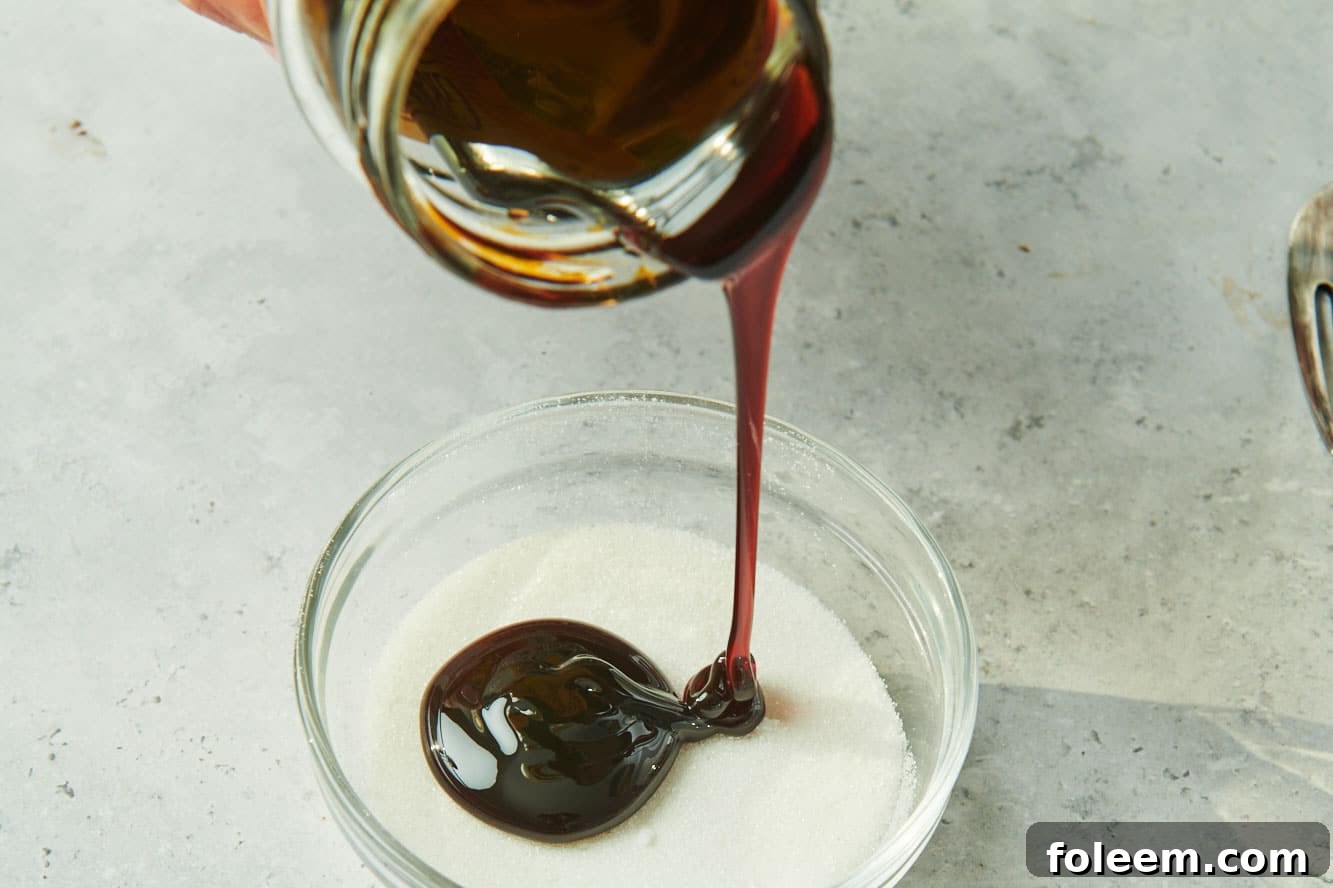
If you’re out of brown sugar, you can make a quick substitute by mixing white sugar with molasses. A tablespoon or two of molasses per cup of white sugar recreates light or dark brown sugar textures and flavors in minutes.
Savory Uses for Molasses
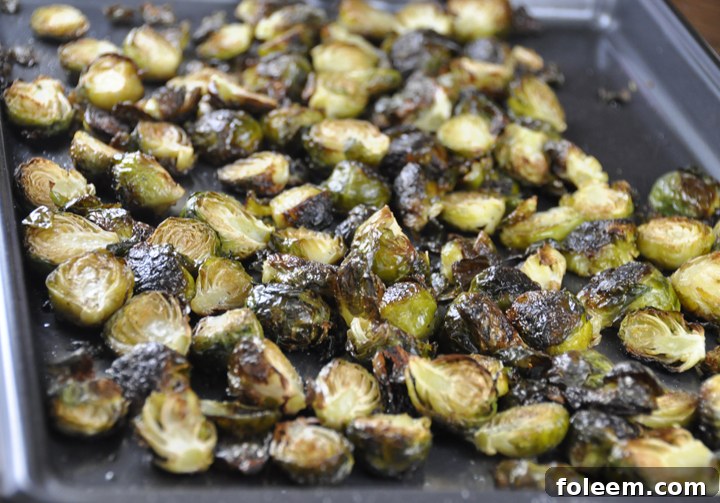
Molasses is at home in savory cooking as well. A spoonful stirred into barbecue sauce adds depth that plain sugar can’t achieve. It’s excellent in marinades and glazes for pork and chicken, and it caramelizes beautifully on roasted vegetables such as carrots and sweet potatoes. Baked beans are a classic molasses application, and a drizzle into braised greens helps balance their bitterness.
The secret in savory dishes is restraint: molasses is bold, so start with a tablespoon, taste, and adjust gradually until the balance is right.
Storage
Stored tightly capped in a cool, dark pantry, molasses keeps for years. It won’t spoil easily because of its high sugar content. If it becomes very thick, warm the jar briefly in a bowl of warm water to loosen it before measuring.
How to Open a Stuck Jar of Molasses
Molasses often makes lids stick as the syrup seeps into the threads and hardens. Try these simple tricks:
- Run the lid under hot water for 30–60 seconds to slightly expand the metal and loosen the seal. Dry the lid before opening for a better grip.
- Wrap a rubber band around the lid or use a rubber jar opener for more traction.
- Tap the lid’s edge firmly against the counter a few times to help break the vacuum seal.
Kitchen Tip
A quick way to prevent sticky measuring cups is to spray them lightly with nonstick cooking spray before measuring sticky syrups like molasses or honey. The residue comes out cleanly and easily.
Recipes with Molasses
- Molasses Cornbread
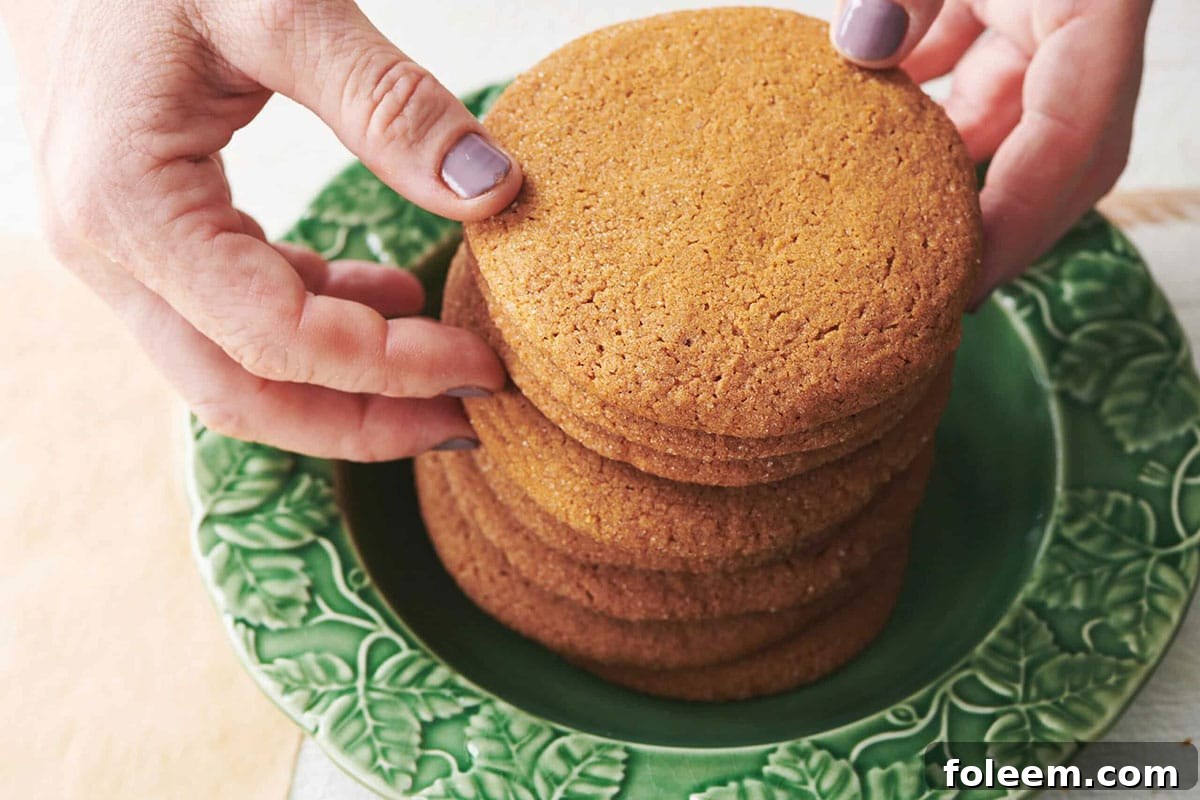
- Chewy Molasses Cookies
- Pumpkin Gingerbread with Crystallized Ginger
- Gingerbread Cookies
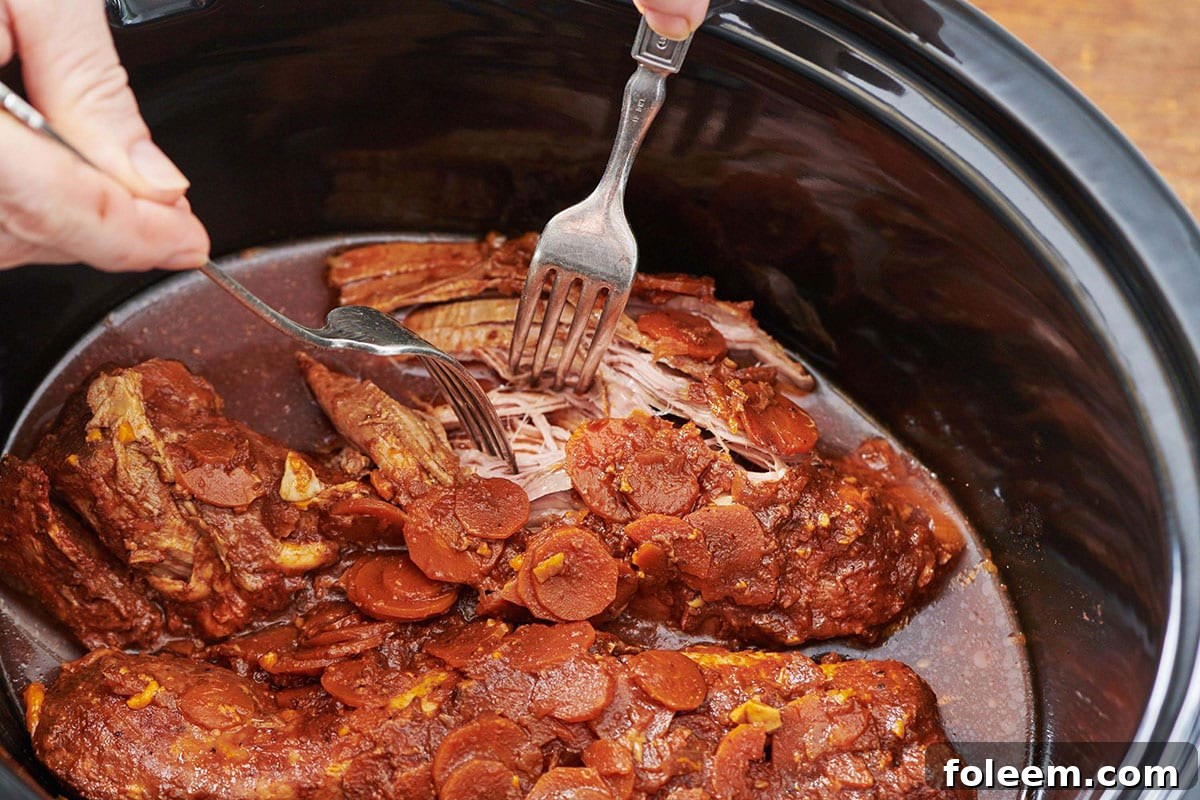
- Cajun Sticky Ribs
Molasses is versatile, economical, and a small but powerful way to enrich both sweet and savory dishes. Once you start using it deliberately, you’ll notice how often its warm, complex flavor makes a recipe better.